White foamy vomit in cats is often saliva and stomach fluid from an empty stomach, hairballs, or mild upset—but it can signal toxins or blockage. Learn cau...
Article
•
Designer Mixes
Cat Vomiting White Foam: Causes and Care

Shari Shidate
Designer Mixes contributor
If your cat has ever vomited a little puddle of white foam, it can be alarming. I have seen many worried pet parents in clinic who fear the worst. The good news is that foamy vomit is often tied to mild nausea or an irritated, mostly empty stomach. The important part is figuring out why it happened and when it is time to call your veterinarian.
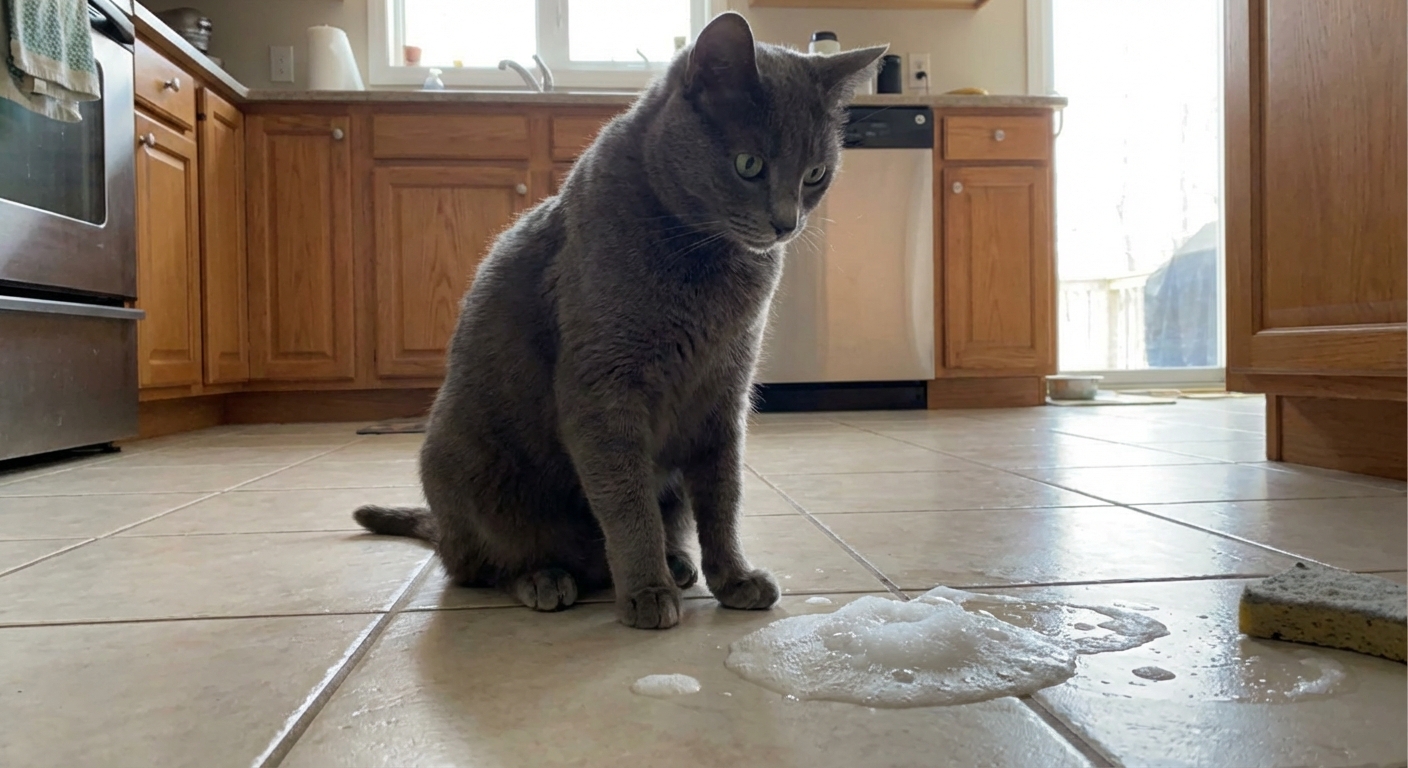
White foam usually means your cat brought up stomach fluids mixed with air and a small amount of mucus, rather than a full meal. Sometimes it is a one-time event. Sometimes it is a clue that something deeper is going on.
Vomiting vs hairball retching
Many cats “act like they are vomiting,” but it may be something else. This distinction matters.
- Vomiting usually includes belly heaving and brings up fluid, food, or foam.
- Regurgitation is more passive. Food or fluid comes up with little effort, often soon after eating.
- Coughing can look like gagging. Cats may crouch, extend the neck, and cough repeatedly. This can point to airway or asthma issues rather than a stomach problem.
If you are unsure, a short video for your vet can be extremely helpful.
What white foam usually means
Foamy vomit is typically made of:
- Stomach acid and digestive fluids
- Mucus from the stomach and upper intestines
- Air swallowed from nausea, stress, or fast eating
When there is not much food in the stomach, cats may still vomit, but what you see is mostly fluid and bubbles. This is why episodes often happen early in the morning or between meals.
Common causes
1) Empty stomach nausea
Some cats seem to get nauseated when their stomach is empty for too long. This can lead to vomiting foamy fluid, sometimes with a yellow tint (bile). In cats, this pattern can happen, but frequent episodes still deserve a veterinary workup rather than assuming it is “just bile.”
2) Hairballs and grooming
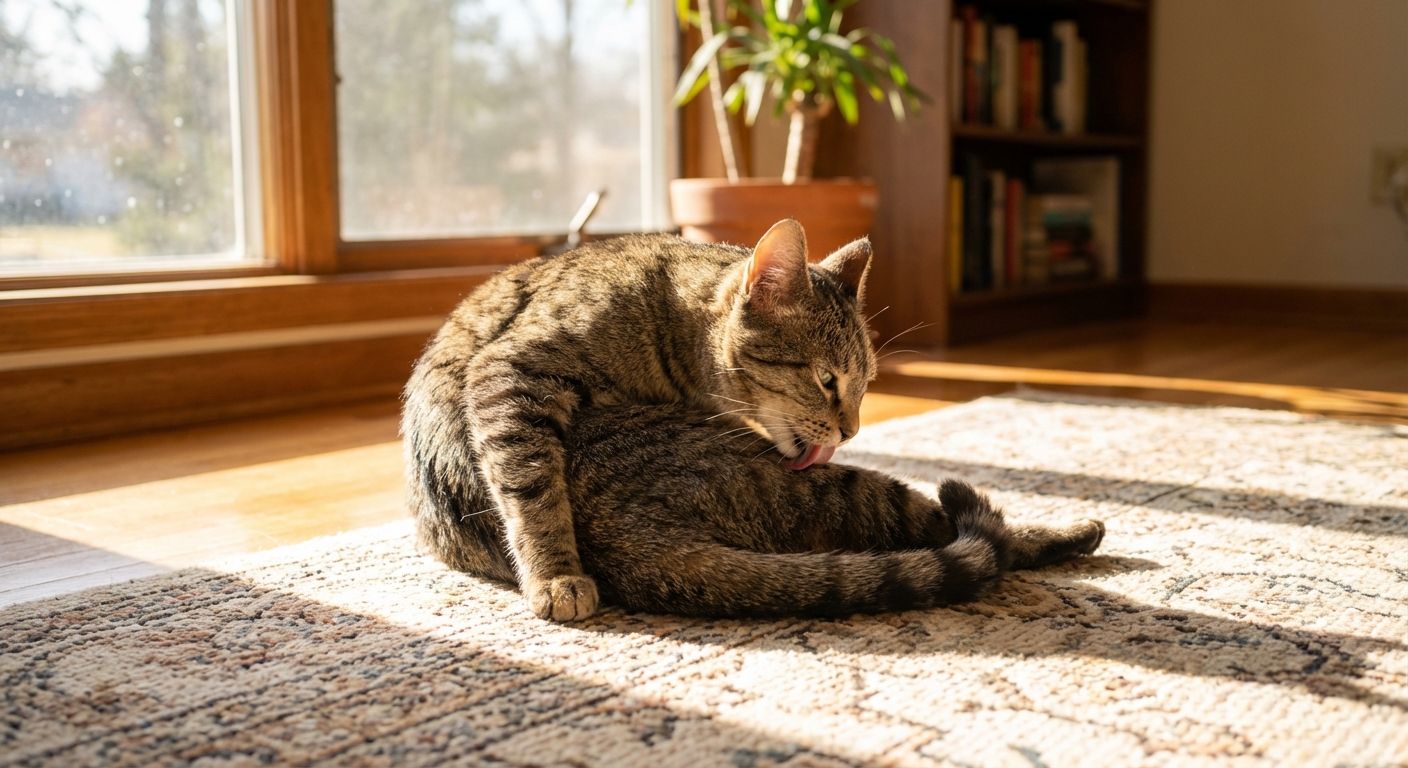
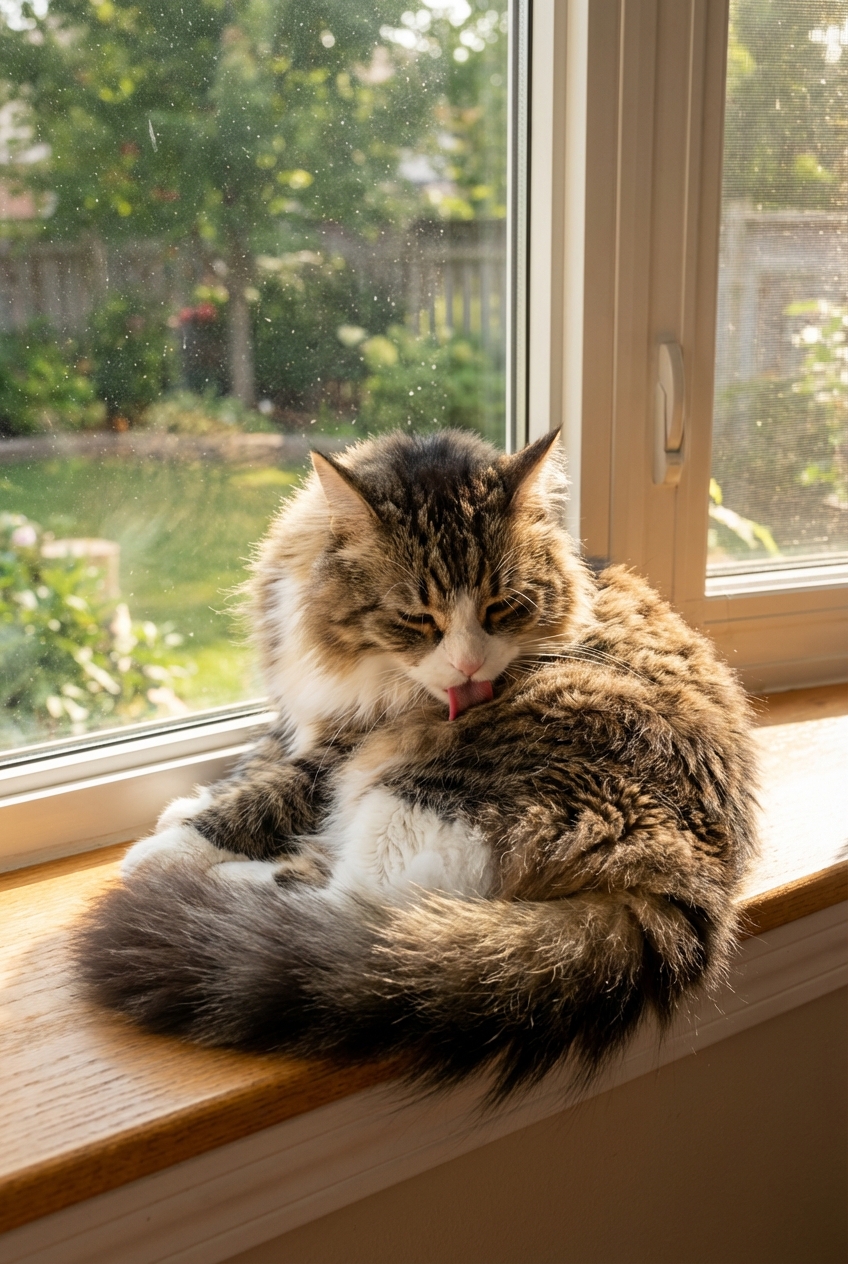
Hairballs do not always come up as a tidy tube of fur. A cat may gag and vomit foam first, then cough up hair later, or never produce the hairball at all. If you are seeing frequent foamy vomiting and lots of grooming, hair may be part of the story.
3) Eating too fast or diet changes
Scarfing food, switching diets too quickly, sneaking table food, or nibbling on something unusual can cause mild gastritis. The stomach becomes irritated, and foam can be the result, especially if your cat then refuses breakfast.
4) Stress
Stress can trigger nausea and vomiting in some cats. Moves, guests, schedule changes, new pets, or tension in the household can all contribute.
5) Parasites
Intestinal parasites can irritate the GI tract and may lead to vomiting, including foam. This is especially important for kittens, outdoor cats, and any cat with inconsistent parasite prevention. It is less common in strictly indoor adult cats, but it is still worth ruling out when signs fit.
6) Stomach or intestinal inflammation
Chronic inflammation (sometimes discussed as gastritis or inflammatory bowel disease) can cause intermittent vomiting. Cats may vomit foam, then act hungry, or they may start showing weight loss, decreased appetite, or stool changes over time.
7) Reflux or esophagus irritation
Reflux and esophagitis can occur, but they can be difficult to confirm without specific testing. In practice, we often describe this as upper GI irritation, especially when cats vomit small amounts of foam and show lip smacking, gulping, or repeated swallowing.
8) Foreign material or toxins
Chewing string, ribbon, plants, spoiled food, or household chemicals can cause nausea and vomiting. White foam can be an early sign before more serious symptoms appear.
Important toxin note: lilies (including pollen) are highly toxic to cats and can cause life-threatening kidney failure. Suspected lily exposure is an emergency even if your cat seems fine and has not vomited yet.
9) Medications
Some medications can upset a cat’s stomach, including certain antibiotics, dewormers, steroids, and NSAIDs. Never give human medications unless your veterinarian specifically instructs you to. If vomiting starts soon after a new medication, call your vet for guidance.
10) Food intolerance or allergy
Some cats vomit due to dietary intolerance or food allergy, especially if signs are recurring or paired with diarrhea, itchy skin, or ear issues. Diet trials should be done with veterinary guidance to avoid nutrition gaps and reduce guesswork.
11) Systemic illness
Vomiting can be a symptom of conditions that affect the whole body, such as kidney disease, hyperthyroidism, pancreatitis, liver disease, or diabetes. Foam is not specific to these illnesses, but repeated vomiting should never be brushed off, especially in adult and senior cats.
How often is too often?
An occasional one-off vomit can happen. But frequent vomiting is not “normal,” even if you suspect hairballs.
- Weekly vomiting or more, vomiting that keeps returning, or vomiting paired with weight loss, appetite changes, increased thirst, or stool changes should prompt a timely vet visit.
- Any vomiting in a cat with chronic disease, or any pattern that is escalating, is worth discussing sooner rather than later.
When it is an emergency
Please seek urgent veterinary care if you notice any of the following:
- Multiple vomiting episodes in a day, or vomiting that is continuing or worsening
- Cannot keep water down or vomits right after drinking
- Blood in vomit (red or coffee-ground appearance)
- Severe lethargy, collapse, or weakness
- Swollen or painful abdomen, hunched posture, crying
- Open-mouth breathing or breathing difficulty
- Suspected string ingestion (do not pull any string you see)
- Suspected toxin exposure, especially lilies
- Kittens, seniors, or cats with chronic illness vomiting even once and acting “off”
- Not eating for 24 hours (or 12 hours for kittens), especially if vomiting continues
Cats can dehydrate quickly, and they can also develop serious complications from not eating. Overweight cats are at particular risk for hepatic lipidosis (fatty liver disease) if they stop eating. If your gut says something is wrong, it is okay to call your vet right away.
What you can do at home
If your cat vomited once, seems bright and comfortable, and is acting mostly normal, these gentle steps can help while you monitor closely.
1) Pause and assess
- Did your cat eat a plant, string, ribbon, or new treat?
- Any diarrhea, coughing, or trouble breathing?
- Are they still interested in normal activities?
- Are they able to keep water down?
2) Offer small, frequent meals
If your cat tends to vomit foam in the morning, try a small bedtime snack or splitting meals into 3 to 5 smaller servings daily. For some cats, this simple change makes a big difference.
3) Keep water available
Dehydration makes nausea worse. Provide fresh water and consider a pet fountain. If your cat gulps and vomits, offer smaller amounts more frequently. If your cat cannot keep water down, or you are tempted to restrict water, contact your veterinarian promptly for next steps.
4) Consider hairball support
Brushing helps, especially for long-haired cats. Hairball gels or hairball-formulated diets can be helpful for some cats, but if vomiting is frequent, it is best to rule out medical causes first.
5) Avoid sudden diet changes
Any food transition should be gradual, typically over 7 to 10 days. Sudden switches can trigger vomiting and loose stools.
6) Do not give human medications
Many over-the-counter meds are dangerous for cats, including common pain relievers. Only give medications specifically prescribed for your cat, and call your vet if vomiting starts after a new prescription.
What your vet may do
If vomiting is recurring or your cat seems unwell, your vet will focus on hydration, pain, and the underlying cause. Depending on history and exam findings, diagnostics may include:
- Fecal testing for parasites
- Bloodwork to evaluate kidneys, liver, pancreas, thyroid, and electrolytes
- Urinalysis, especially for adult and senior cats
- X-rays or ultrasound if obstruction, foreign body, or inflammation is suspected
Helpful things to track before the visit:
- How often vomiting happens and at what time of day
- Photos or video (yes, really, it helps)
- Diet details, treats, plants, and any recent changes
- Recent medications or preventives
- Stool quality and frequency
- Any weight loss, increased thirst, or behavior changes
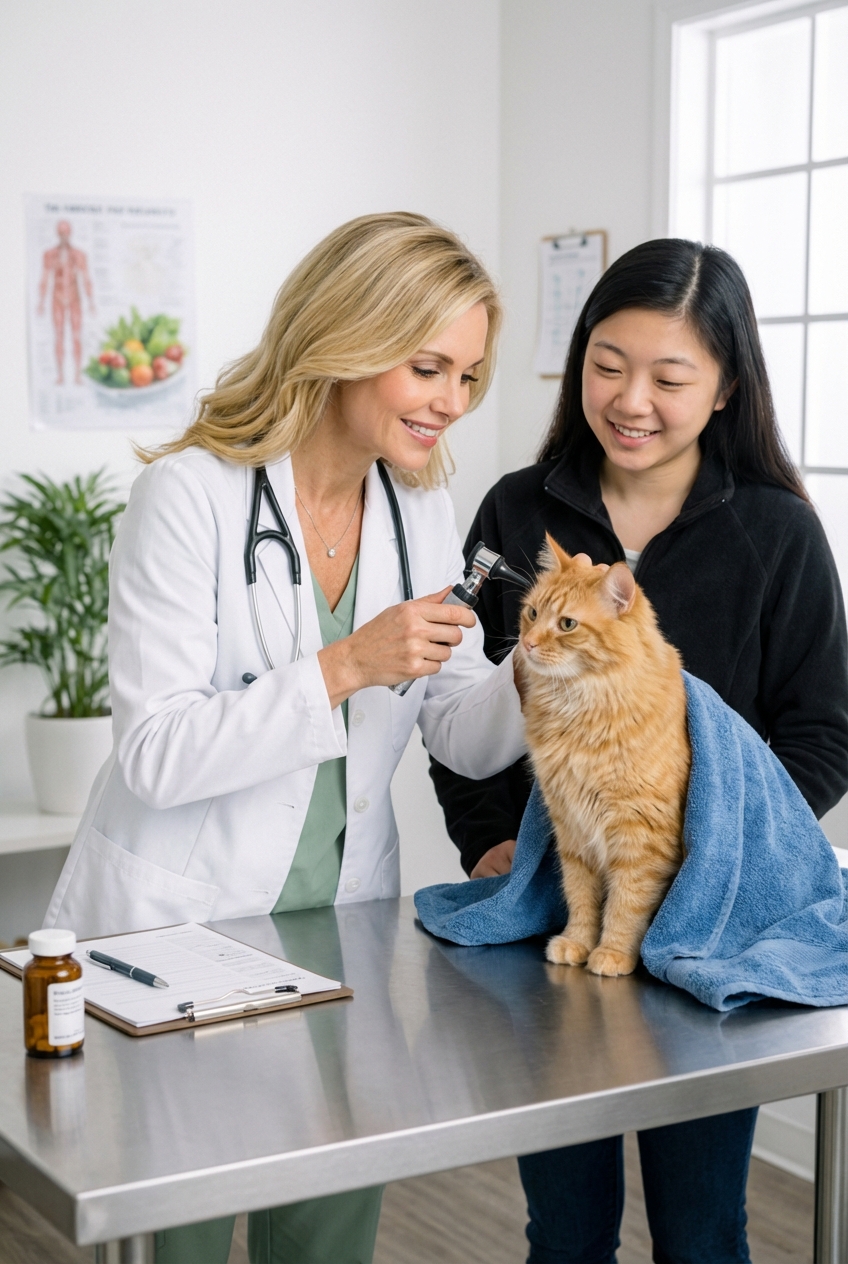
Treatment might include anti-nausea medication, fluids, deworming, diet trials, hairball management, or additional testing depending on what your cat needs.
Prevention tips
- Feed smaller meals and avoid long fasting windows.
- Use slow feeders for cats that inhale their food.
- Brush regularly to reduce swallowed hair.
- Keep strings and ribbons put away (they are a common emergency).
- Keep plants cat-safe. Avoid lilies entirely in cat homes.
- Store chemicals securely and keep trash covered.
- Stay current on parasite prevention as recommended by your veterinarian.
- Schedule wellness visits, especially for adult and senior cats, to catch early disease.
Bottom line
White foamy vomit is often a sign of nausea from an empty stomach, hairballs, or mild irritation, but it can also signal parasites, inflammation, foreign material, toxins, medication side effects, diet intolerance, or systemic illness. If it happens once and your cat is otherwise normal, monitor and try small meal adjustments. If it is repeated, your cat seems “off,” your cat cannot keep water down, or you see any red flags, call your veterinarian promptly. Early care is always easier on your cat and your peace of mind.