From hairballs to toxins and foreign bodies, this guide explains what cat vomit can mean, when it’s an emergency, what to do at home, and what your vet wil...
Article
•
Designer Mixes
Cat Vomiting: When to Worry and What to Do

Shari Shidate
Designer Mixes contributor
As a veterinary assistant here in Frisco, Texas, I get this question a lot: “My cat threw up. Should I panic?” The honest answer is that vomiting can be minor, or it can be the first sign of something serious. The key is learning what is normal for your cat, spotting red flags early, and knowing what supportive care is safe at home.
This guide will walk you through common causes, when to call your veterinarian, and simple care and management tips to reduce future episodes.
Vomiting vs. regurgitation
Pet parents often use “vomiting” for any mess that comes out of the mouth, but the body mechanics matter.
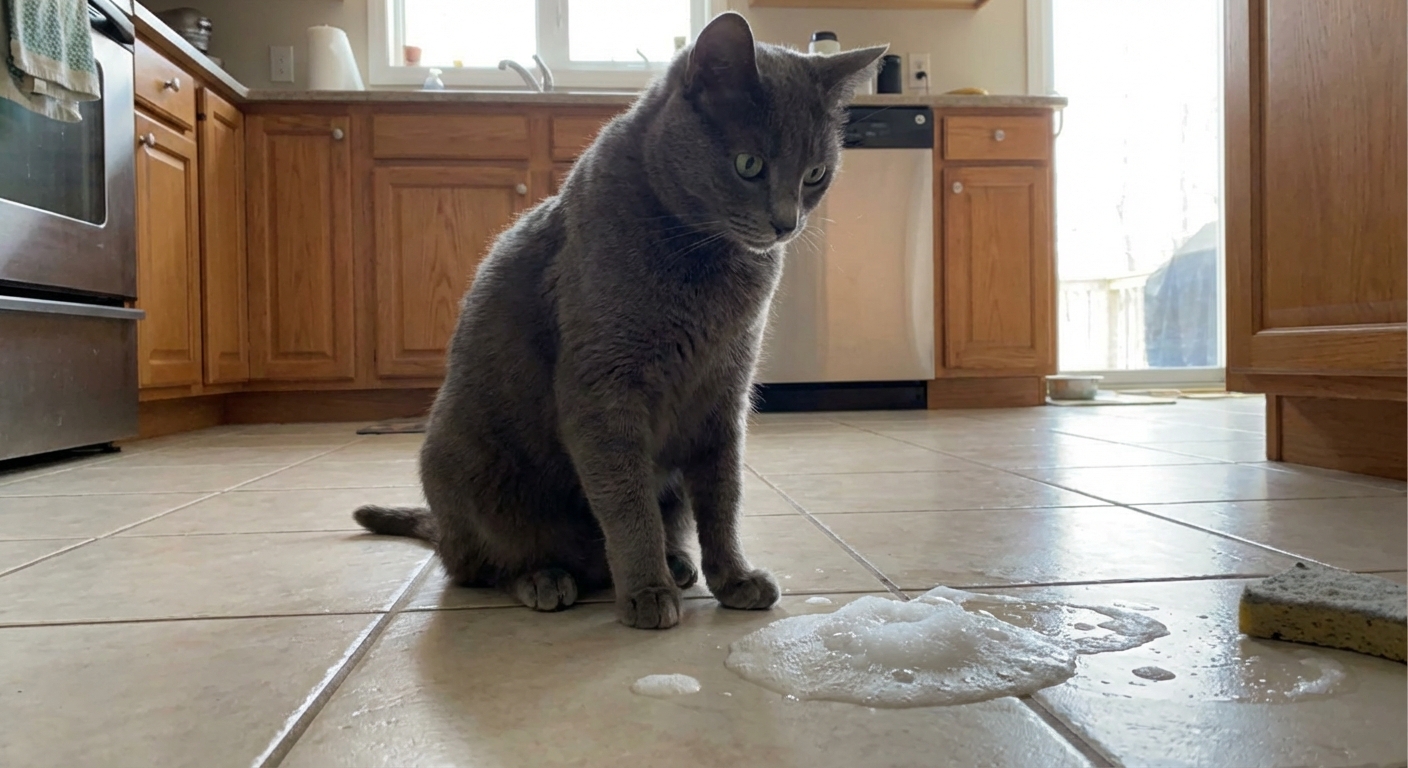
- Vomiting is an active process. You may see nausea signs first like drooling, lip licking, swallowing, hiding, or retching. The stomach contracts, and the material comes up from the stomach or upper intestine.
- Regurgitation is more passive. Food often comes up quickly after eating, looks undigested, and there may be little or no retching. This can point toward esophagus issues or eating too fast.
If you can, take a quick photo of what came up and note the timing. In clinic, that info helps us triage faster than you might think.
Common reasons cats vomit
Some causes are relatively common and manageable, while others need prompt veterinary care.
Hairballs and overgrooming
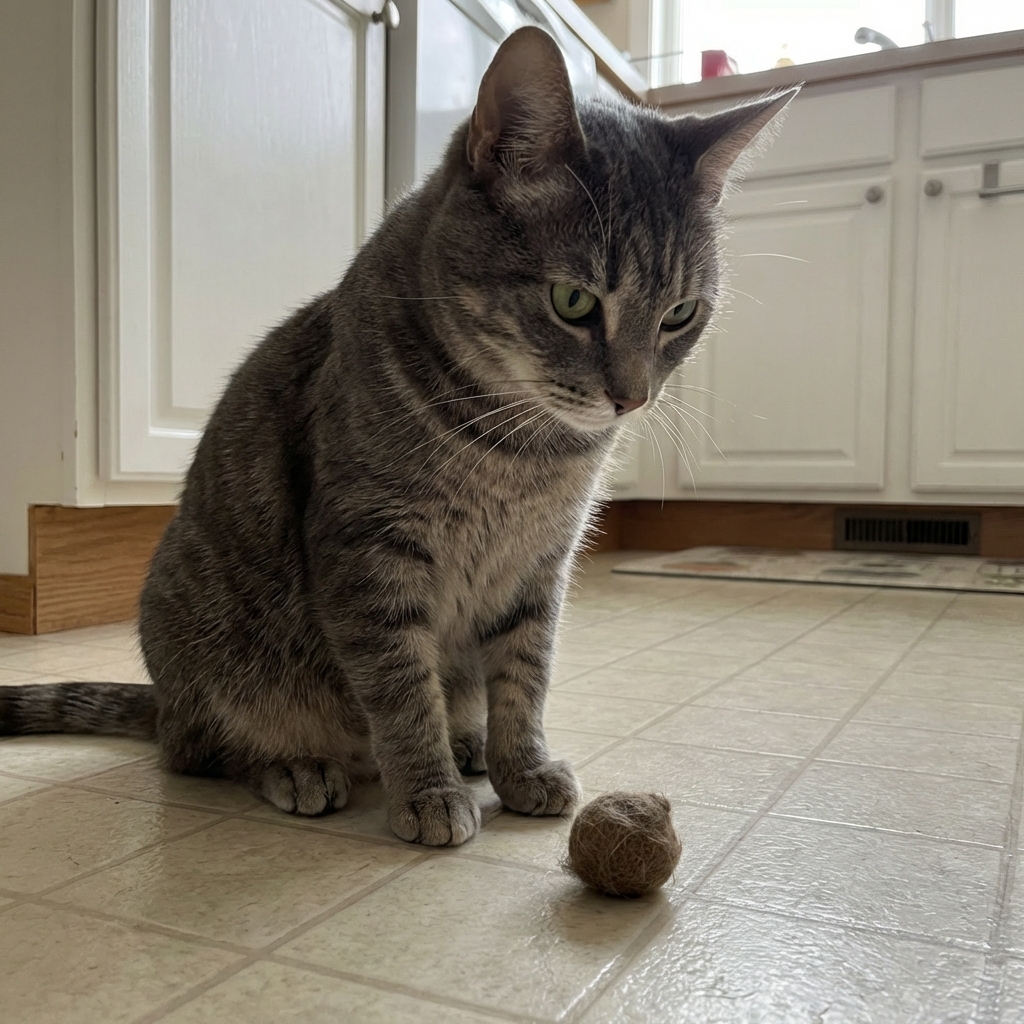
Cats ingest hair during grooming. Many pass it in stool, but some form hairballs that come up as a tubular “cigar-shaped” mass with fluid or foam. If hairballs are frequent, I also think about itchy skin (fleas or allergies), stress grooming, or underlying nausea that is driving extra grooming.
Eating too fast or food changes
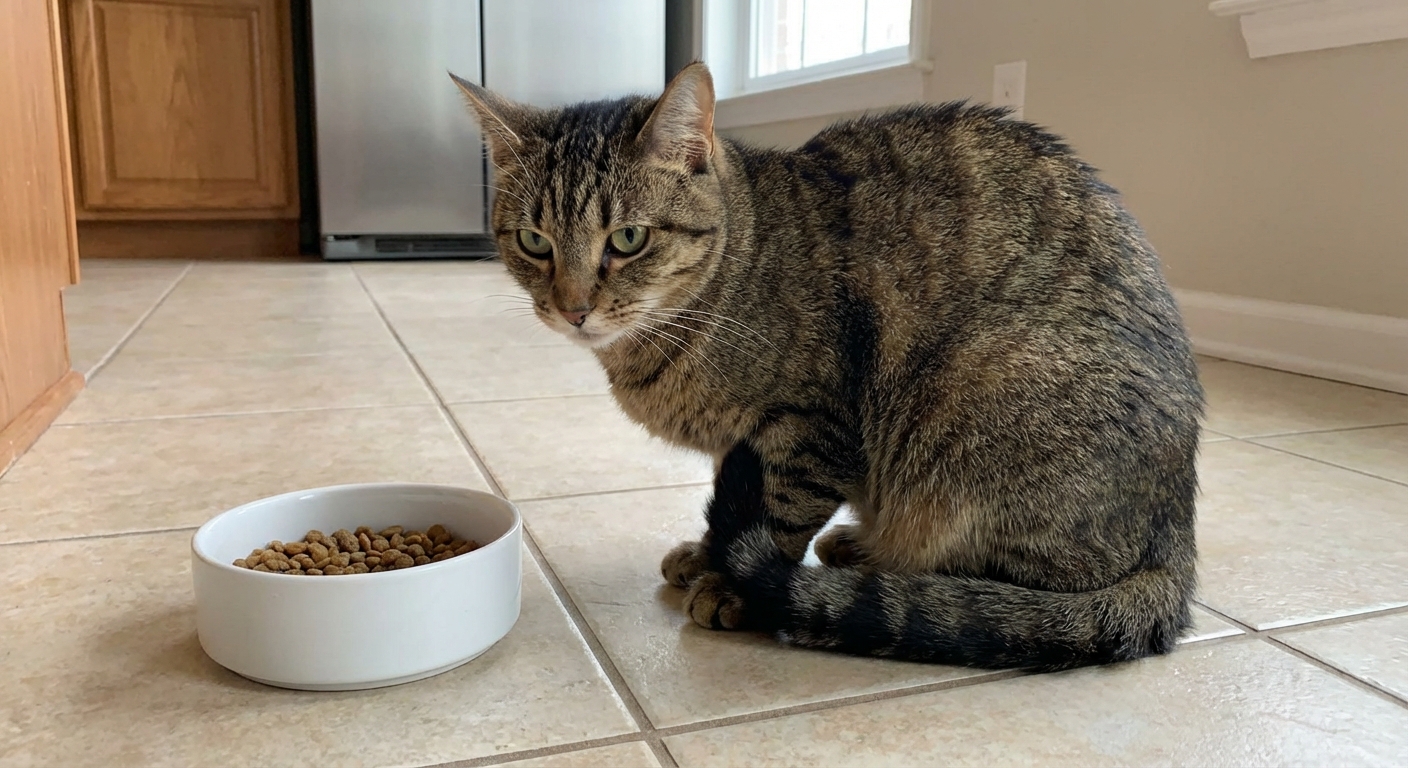
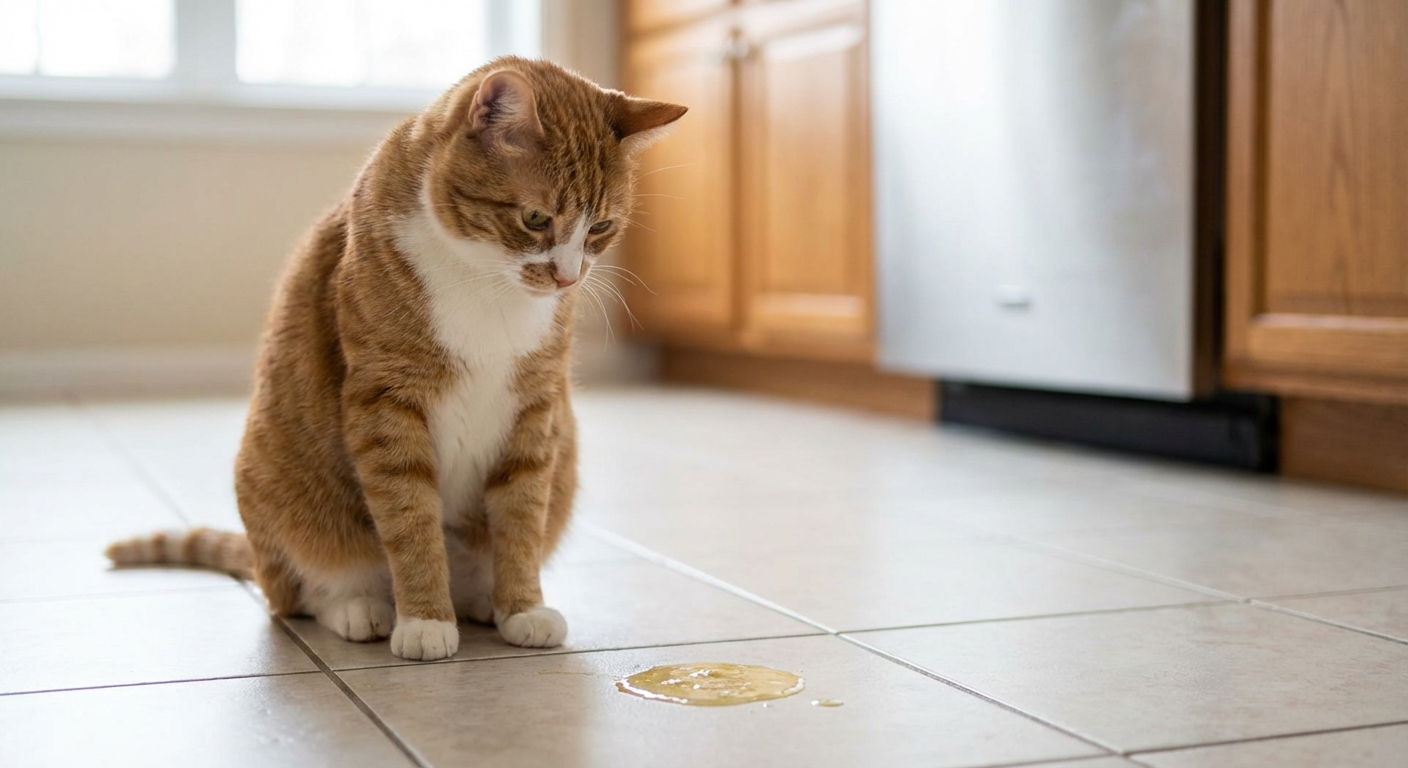
Fast eating, scarfing treats, or switching foods too abruptly can irritate the stomach. Some cats also vomit if they go too long without eating, which can lead to bilious (yellow) vomit.
Food sensitivity
Some cats do poorly with certain proteins, rich treats, dairy, or strongly flavored foods. Cats are individuals, and a food that works great for one may upset another.
Parasites or infections
Kittens and outdoor cats are at higher risk, but any cat can be affected. Vomiting may come with diarrhea, weight loss, or a pot-bellied look in younger cats.
Chronic GI disease
Ongoing vomiting, especially paired with weight loss or appetite changes, can be linked to inflammatory bowel disease, food-responsive disease, pancreatitis, or other GI disorders. As a practical rule, vomiting that happens weekly or more, or persists for more than 2 to 3 weeks, is worth scheduling an exam even if your cat still seems “mostly fine.”
Foreign objects and blockages
String, ribbon, hair ties, foam earplugs, and small toys are common culprits. A blockage can become life-threatening quickly.
Toxins and unsafe foods
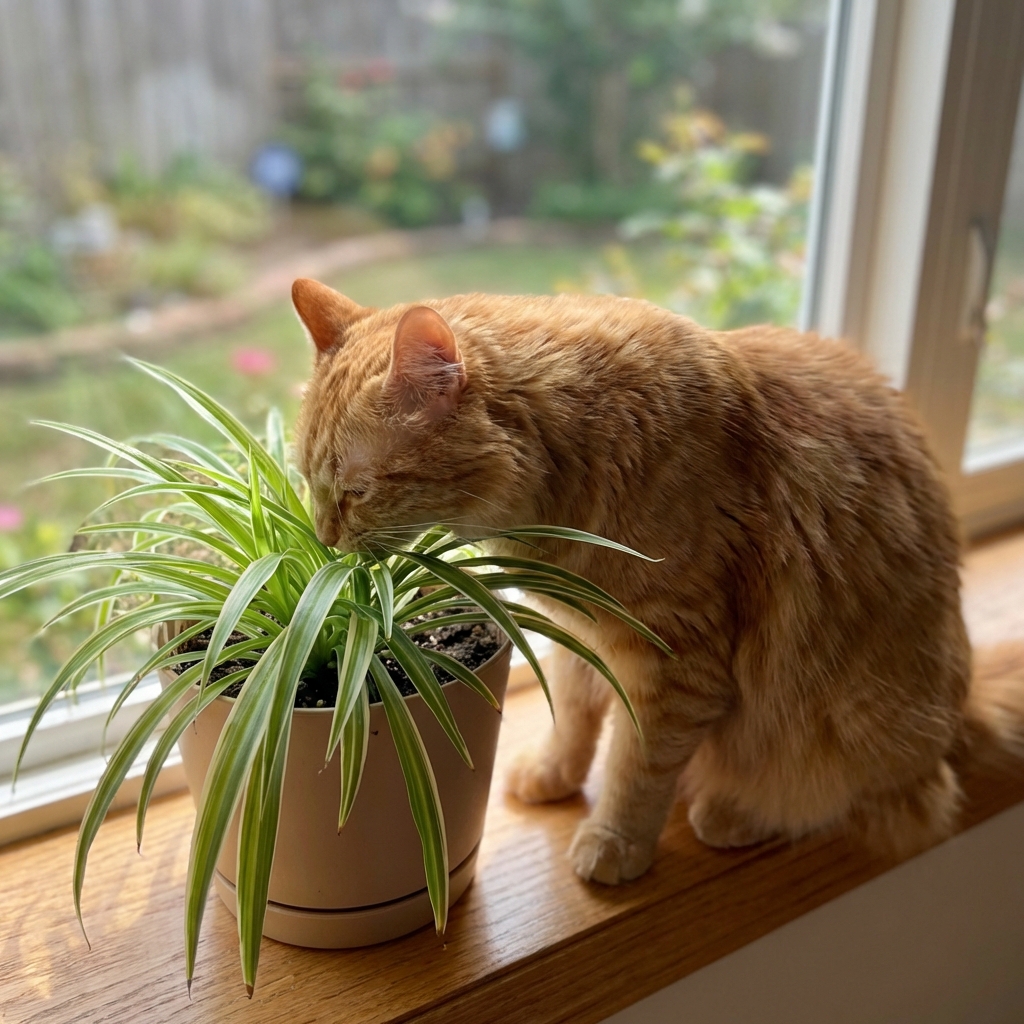
Some exposures cause rapid vomiting. Examples include lilies (extremely dangerous for cats), many essential oils, certain medications, and unsafe foods like onion or garlic, alcohol, and xylitol. Chocolate is also toxic, although it is less commonly eaten by cats. When in doubt, call your veterinarian or a pet poison hotline right away.
When to call the vet today
If your cat vomits once, acts normal, and returns to eating and drinking, it may be a mild upset. But these signs raise the urgency. Context matters, too. Kittens, seniors, and cats with chronic illness can get into trouble faster.
- Repeated vomiting, especially more than 2 to 3 times in 24 hours, or any vomiting that continues into the next day
- Cannot keep water down or vomits right after drinking
- Lethargy, hiding, weakness, or not acting like themselves
- Not eating for more than 24 hours (sooner for kittens, seniors, and cats with medical conditions). Cats can develop serious liver complications (hepatic lipidosis) with prolonged lack of eating, especially if they are overweight.
- Blood in the vomit, or vomit that looks like coffee grounds
- Persistent yellow or yellow-green bile, especially if your cat seems unwell. Color alone is not a diagnosis and can sometimes be influenced by plant material or dyes, but ongoing bilious vomiting is a concern.
- Abdominal pain or guarding, a tense belly, hunched posture, reluctance to move, or a “prayer” posture in some pets
- Straining to vomit with little coming up
- Diarrhea plus vomiting, especially with dehydration signs
- Possible foreign body exposure: string, ribbon, toys, bones, sewing thread
- Known toxin exposure, especially lilies or human medications
- Worms in vomit or visible parasites. Take a photo and call your vet.
If your cat may have swallowed string or ribbon, do not pull any visible string from the mouth or rear. Keep your cat calm and call your veterinarian right away.
Quick at-home check
Before you decide what to do next, check a few basics.
Hydration clues
- Gums: should be moist, not tacky or dry.
- Water intake: if your cat is refusing water, vomiting water, or has very little urine output, that is concerning.
- Skin tent test: gently lift the skin over the shoulders. It should snap back quickly. Slow return can suggest dehydration, but this is less reliable in older cats.
Comfort clues
- Is your cat alert and responsive, or dull and hiding?
- Is there abdominal tenderness when you gently touch the belly?
- Are they purring normally, or purring while tense and crouched?
When in doubt, call your veterinarian. In my experience, a quick phone conversation can prevent a long night of worry.
Safe supportive care
Only consider home care if your cat vomited once, seems otherwise normal, and there is no concern for toxin exposure, foreign body, or underlying disease. If you are unsure, call your vet first.
What you can do
- Pause food briefly: for many adult cats, a short break from food can help settle the stomach. Think a few hours, not all day. Many vets prefer avoiding long fasts in cats. If your cat will not eat within 12 to 24 hours, call your vet (sooner for kittens, seniors, and cats with health conditions). Overweight cats are at higher risk for hepatic lipidosis if they stop eating.
- Offer small amounts of water: frequent small sips are better than a big bowl chug. If water triggers vomiting, call your vet.
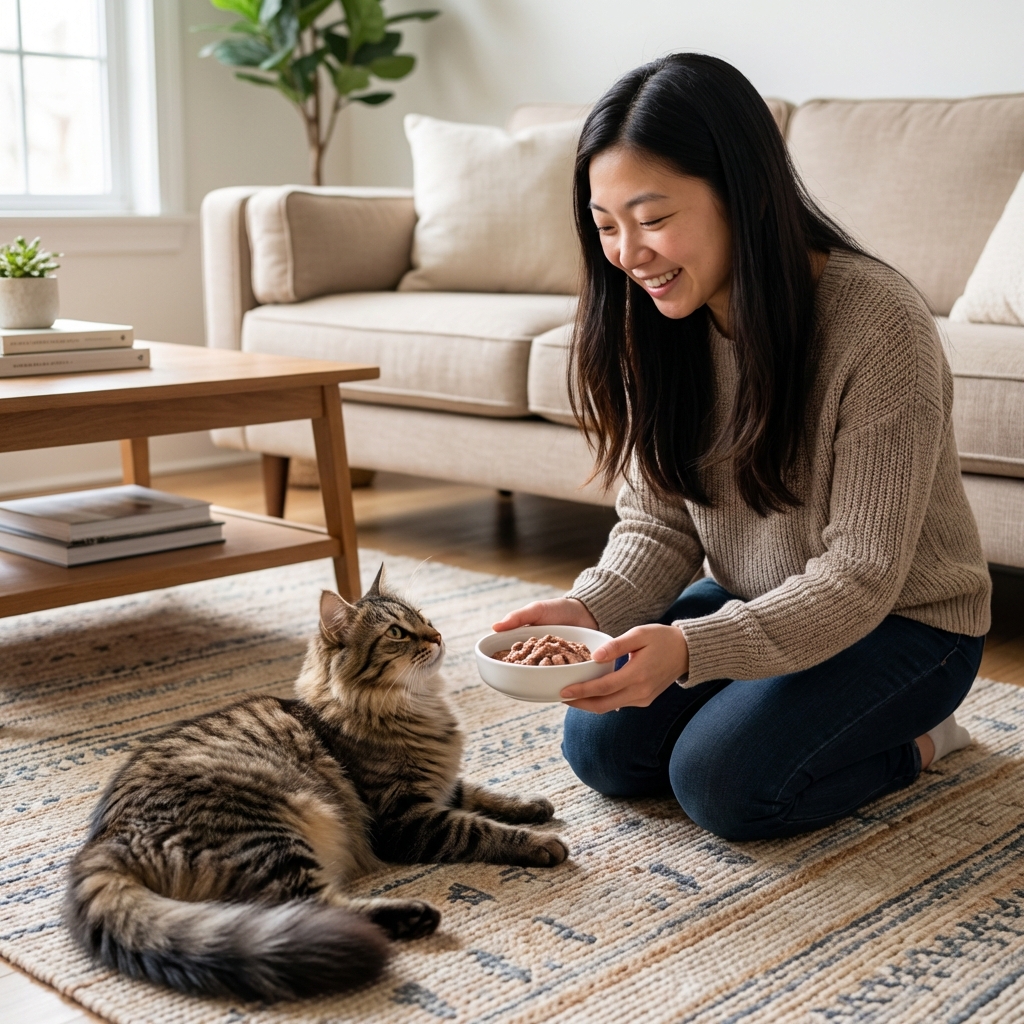
- Restart food slowly: if vomiting stops, offer small, frequent meals of a veterinarian-recommended sensitive-stomach diet, or follow your vet’s guidance on a cat-appropriate bland option.
- Keep it calm: stress can worsen nausea. Provide a quiet room, clean litter box, and soft bedding.
What not to do
- Do not give human anti-nausea, antacid, or pain medications unless your veterinarian specifically instructs you. Many are toxic to cats.
- Do not force-feed a nauseated cat.
- Do not use essential oils to “settle” the stomach. Many are unsafe for cats.
What your vet may ask
Having details ready can speed up help and reduce costs.
- How many times has your cat vomited, and over what timeframe?
- What did it look like: food, foam, yellow bile, hair, blood?
- Any diarrhea, coughing, sneezing, or appetite changes?
- Could your cat have eaten string, plants, trash, or table food?
- Any recent diet change, new treats, or new medications?
- Indoor only or outdoor access? Any flea exposure?
Depending on the situation, your veterinarian may recommend an exam, fecal testing, bloodwork, X-rays or ultrasound, and treatment such as fluids, anti-nausea medication, diet trials, or parasite control.
Prevent repeat vomiting
Not all vomiting is preventable, but these habits can reduce the most common triggers.
Slow down fast eaters
- Use a puzzle feeder or spread meals on a flat plate to reduce “scarf and barf.”
- Feed smaller portions more often, especially for cats who vomit bile when their stomach is empty.
- Create quiet mealtimes if multi-cat tension triggers speed eating.
Make transitions gradual
Switching foods quickly is a classic vomiting trigger. Aim for a slow transition over 7 to 10 days, mixing increasing amounts of the new food into the old.
Hairball help
- Brush regularly, especially long-haired cats.
- Make brushing easier with training: start with 10 to 20 seconds, reward with a tiny treat, and stop before your cat gets annoyed. Gradually build time.
- Address itchy skin: fleas and allergies increase grooming and hair ingestion.
- Ask your vet about fiber and hairball diets or gels if hairballs are frequent.
Enrichment for stress grooming
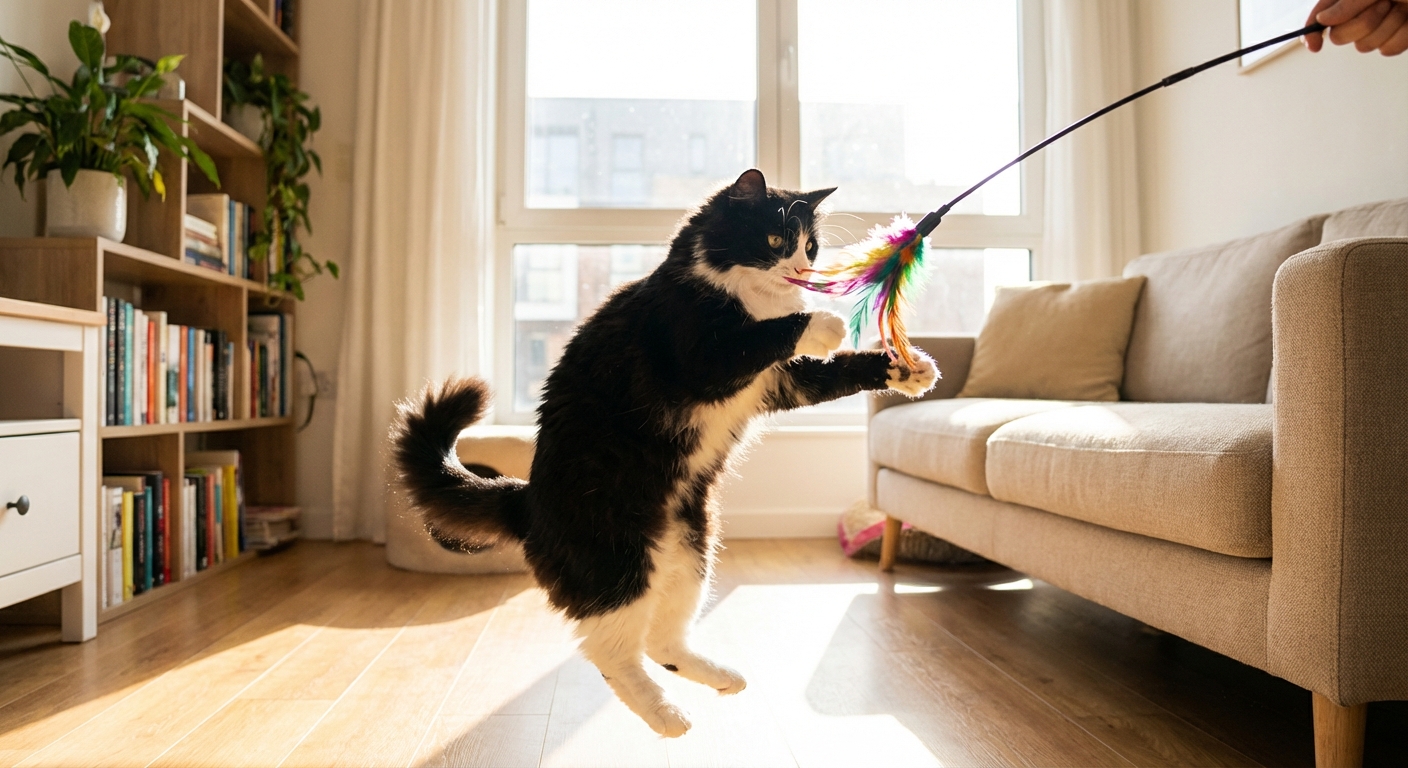
Stress can show up as overgrooming, vomiting, or both. Try daily play sessions, predictable routines, and safe vertical spaces like cat trees. If your cat chews or licks inappropriate items (pica), ask your vet for help and consider using reward-based redirection (for example, cueing your cat to a toy or treat puzzle instead of allowing access to the target item).
Poison-proof your home
- Keep string, ribbon, and dental floss locked away.
- Choose cat-safe plants. Avoid lilies entirely in cat homes.
- Store medications and supplements in closed cabinets.
Litter box clues
Vomiting paired with changes in urination or stool can point toward systemic illness. Scoop daily so you notice changes early, and bring those observations to your vet.
FAQ
How often are hairballs normal?
Occasional hairballs can be normal, especially in long-haired cats. But if your cat is vomiting hairballs frequently, it is worth a vet visit. Frequent vomiting should not be brushed off as “just hairballs,” because nausea from GI disease can cause more grooming and more hairballs.
My cat is vomiting but still eating. Is that okay?
It is a good sign that appetite is intact, but it does not rule out a problem. If vomiting happens repeatedly, if your cat is losing weight, or if you notice behavior changes, schedule an exam.
Is clear foam vomit serious?
It can be mild stomach irritation, hairball irritation, or an empty stomach. If it happens repeatedly or your cat seems unwell, call your veterinarian.
The bottom line
One mild vomiting episode in a bright, comfortable cat can often be monitored with supportive care. But repeated vomiting, any blood, suspected toxins, possible foreign bodies, or behavior changes should be treated as a reason to call your veterinarian right away. Trust your gut. You know what is normal for your cat, and you never waste our time by asking questions when something feels off.