A veterinary assistant’s guide to cat vomiting: vomiting vs. regurgitation, what foam/bile/blood can mean, common causes like hairballs and toxins, safe ho...
Article
•
Designer Mixes
Cat Vomiting Clear Foamy Liquid

Shari Shidate
Designer Mixes contributor
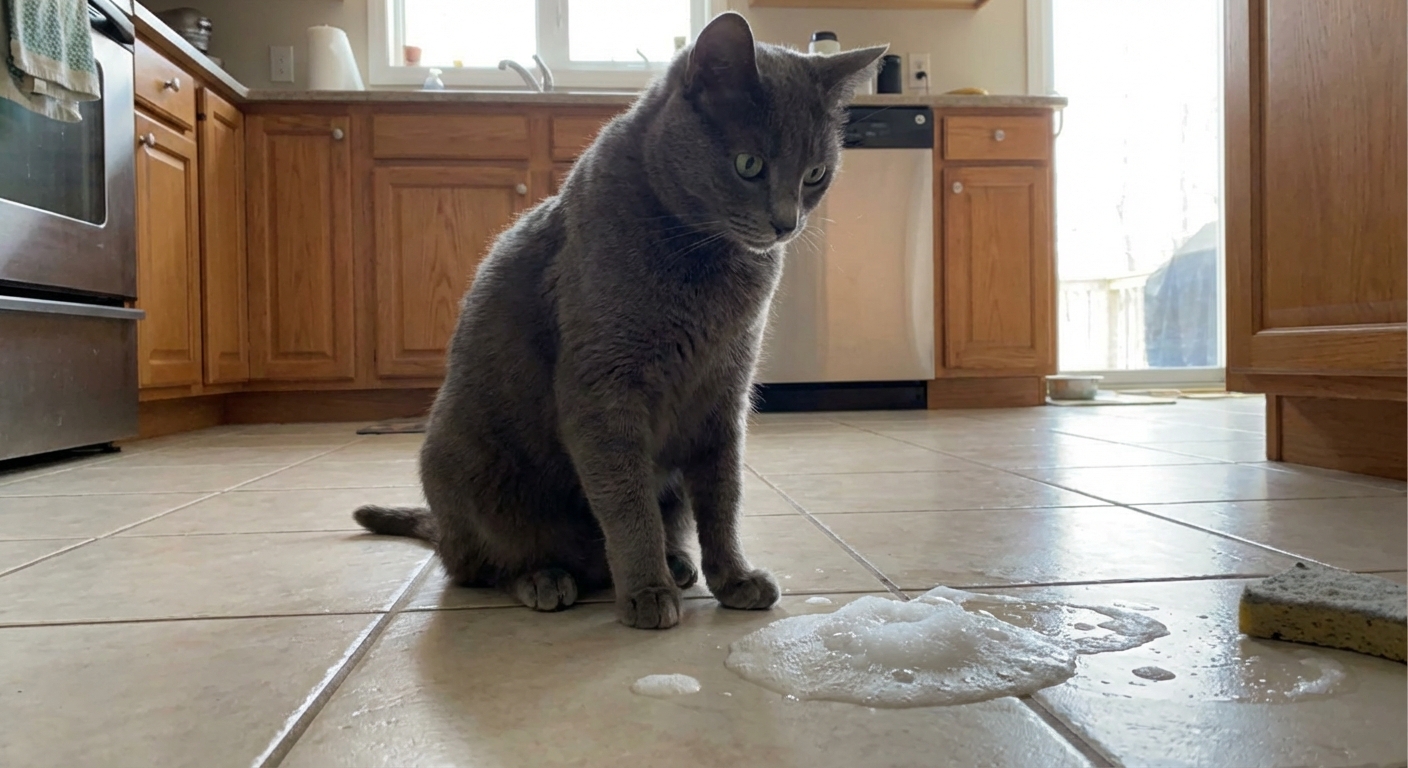
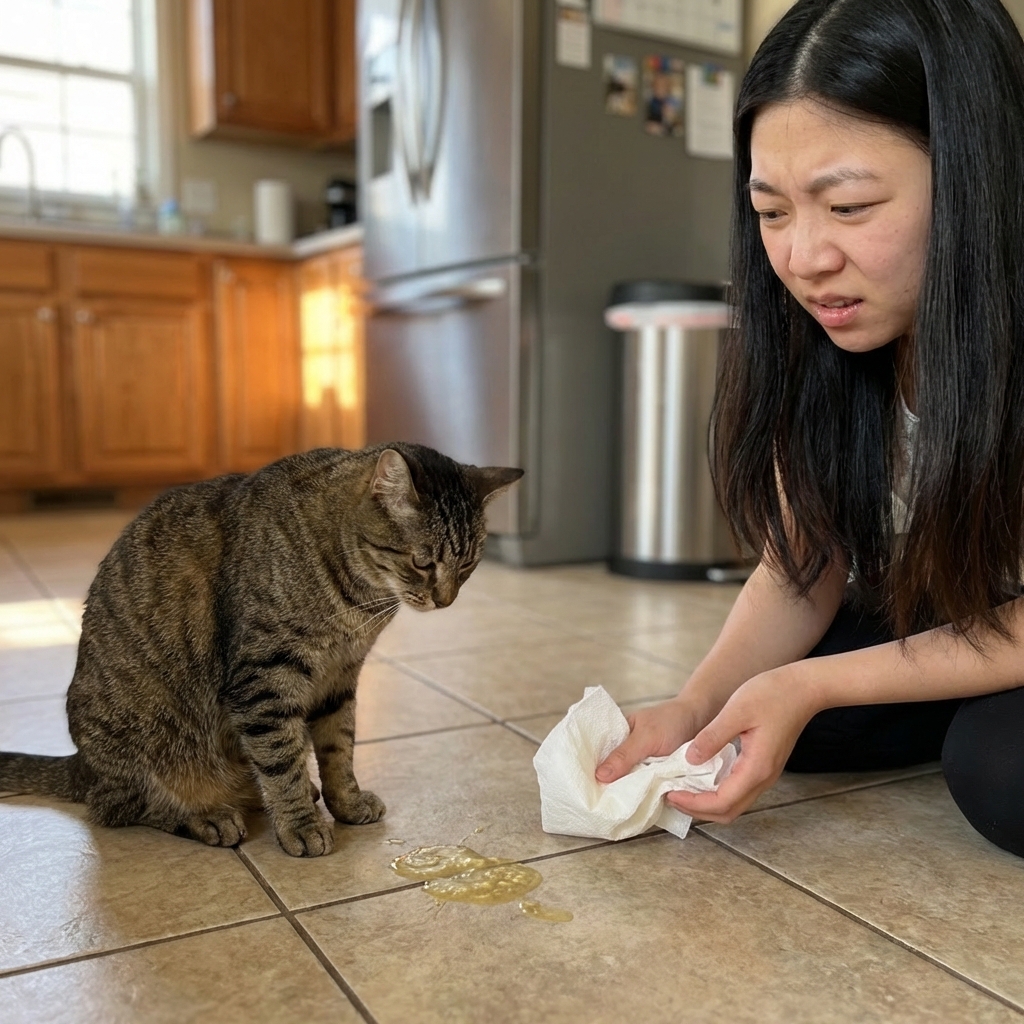
If you have ever watched your cat hack up a puddle of clear, foamy liquid, you know how unsettling it can feel. The good news is that many cases are mild and short-lived. The tricky part is knowing when it is “just an upset tummy” and when it is a sign your cat needs a veterinarian right away.
As a veterinary assistant, I always come back to two things: pattern (how often it is happening) and your cat’s overall behavior (energy, appetite, hydration, comfort). This guide will walk you through the most common causes, what you can safely do at home, and the red flags that should prompt urgent care.
What clear foamy vomit usually means
Clear, foamy liquid is most often a mix of stomach fluid, a small amount of mucus, and sometimes a bit of saliva. It often shows up when:
- The stomach is empty (classic early-morning vomit).
- The stomach lining is irritated by something mild, like a sudden diet change.
- Nausea is present but there is not much in the stomach to bring up.
It is different from vomiting food (which points more toward dietary upset), and different from coughing up foam (which can look similar but is a respiratory issue). If you are unsure which one you are seeing, note your cat’s body movements. Vomiting typically involves belly heaving and a hunched posture, while coughing is more chest-driven. If you can, record a short video to show your veterinarian.
Common causes in healthy cats
1) Empty stomach or “hunger pukes”
Some cats vomit clear or yellow-tinged foam when their stomach has been empty too long. This may be related to gastric acid or bile irritating the stomach lining when there is no food present. Early-morning episodes are a common pattern.
Clues: It happens before meals, your cat seems normal afterward, and appetite remains good.
Worth noting: If this becomes frequent or predictable (even if your cat seems fine afterward), check in with your veterinarian. Repeated vomiting is not something to normalize in cats.
2) Hairballs (yes, even without a hairball)
Hair in the stomach can cause nausea and irritation. Sometimes cats vomit clear foam first, then later produce a hairball. Other times, they never bring up a hairball at all.
Clues: Frequent grooming, retching, seasonal shedding, or a history of hairballs.
3) Mild stomach irritation or diet-related upset
Common triggers include switching foods too quickly, eating rich treats, scavenging people food, or nibbling on plants (even “pet-safe” plants can irritate some cats).
Clues: A recent diet change, new treats, or access to table scraps.
4) Eating too fast
Gulping food can lead to vomiting or regurgitation soon after eating. Regurgitation is often more passive (no big belly heaves) and may bring up undigested food. Vomiting usually includes nausea signs and abdominal contractions, and what comes up may look more liquid or foamy.
Clues: Episodes happen right after meals, especially with a cat who “inhales” food.
5) Stress and routine changes
Cats are sensitive to disruption. Moving, new pets, visitors, construction noise, or even a change in feeding schedule can trigger nausea for some cats.
Clues: The timing lines up with a stressful change, and you may also see hiding, reduced play, or changes in litter box habits.
When it can be more serious
Occasional vomiting can happen, but repeated episodes, vomiting with other symptoms, or vomiting in kittens or senior cats deserves more caution. Conditions that can start with clear foam include:
- Gastrointestinal parasites (more common in kittens and outdoor cats).
- Inflammatory bowel disease or food sensitivities.
- Pancreatitis (often with lethargy, poor appetite, or a “meatloaf” posture).
- Foreign body obstruction (string, ribbon, toys, hair ties).
- Kidney disease or hyperthyroidism (especially in older cats with weight loss).
- Toxin exposure (lilies, certain household products, medications, essential oils).
- Medication or supplement effects (for example, recent antibiotics, new supplements, or accidental access to human pain relievers).
If you know or suspect your cat chewed string, ribbon, tinsel, or a toy, treat it as urgent even if the vomit looks “mild.” Linear foreign bodies can become dangerous quickly.
If you suspect toxin exposure, call your veterinarian, an emergency clinic, or a pet poison hotline right away for guidance.
Urgent red flags: go now
Please seek urgent veterinary care if you notice any of the following:
- Repeated vomiting (for example, 2 to 3 or more episodes in 24 hours), or vomiting that keeps escalating.
- Can’t keep water down, or vomiting immediately after drinking.
- Lethargy, weakness, hiding more than usual, or collapse.
- Possible dehydration (tacky gums, and sometimes changes like dull eyes or reduced skin elasticity, though these are less reliable in older or overweight cats).
- Blood in vomit (red or coffee-ground appearance).
- Swollen or painful abdomen, crying, or a tense belly.
- Diarrhea plus vomiting, especially if watery or frequent.
- Known toxin exposure or possible ingestion of string, rubber, bones, or small toys.
- Kittens, seniors, or cats with chronic disease (they can dehydrate faster and have less reserve).
- Not eating or eating far less than normal, especially if it lasts more than a day.
When in doubt, call your veterinarian or an emergency clinic and describe what you are seeing. Behavior changes often matter as much as the vomit itself.
What you can do at home
If your cat vomited once, is acting normal, and there are no red flags, supportive care can be reasonable while you monitor closely.
Step 1: Pause and observe
- Note time of day, relation to meals, and whether your cat had access to plants, strings, trash, new foods, medications, supplements, or cleaners.
- Check the vomit for hair, grass, strings, or unusual material.
- Monitor energy, appetite, and litter box habits for the next 24 hours.
- If you are not sure whether it is vomiting versus coughing or regurgitation, record a quick video for your veterinarian.
Step 2: Protect hydration
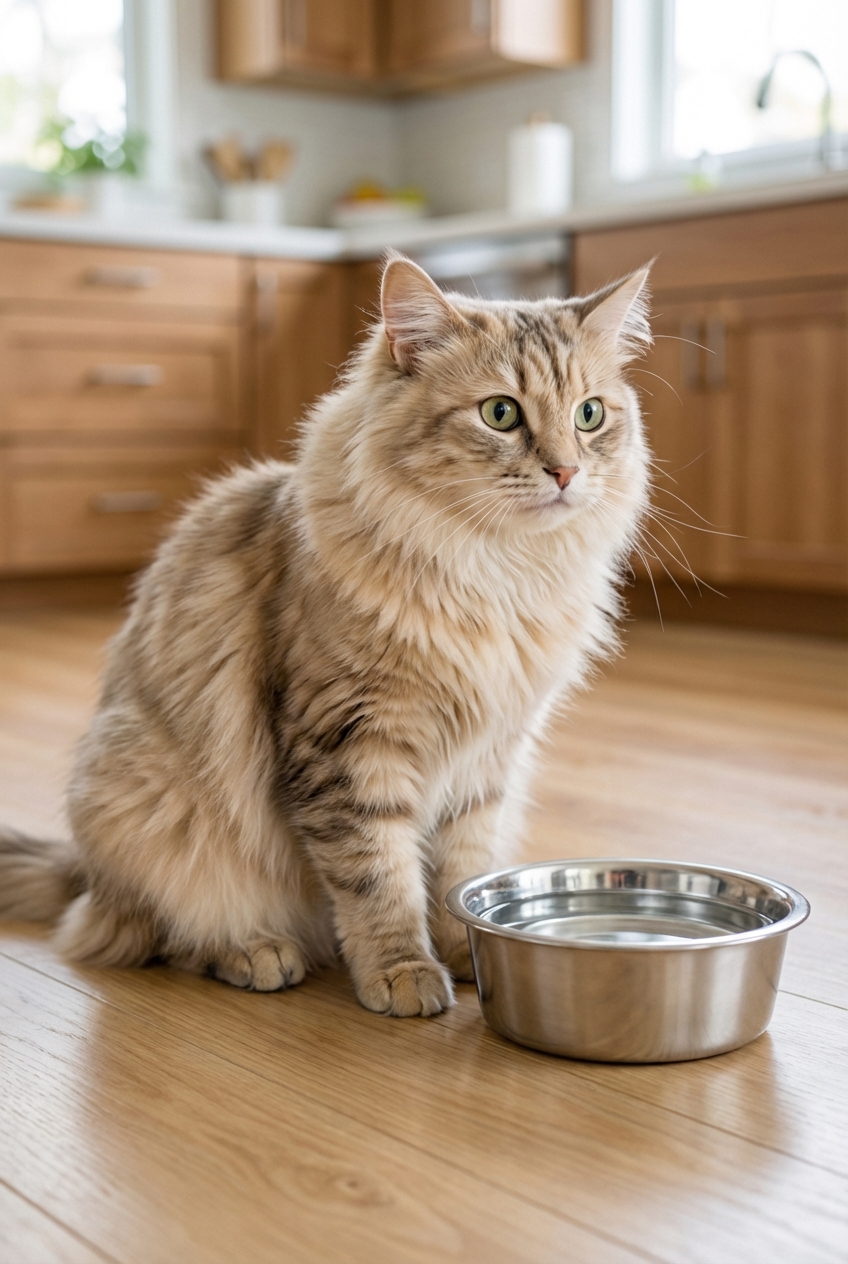
Offer fresh water. You can also offer smaller amounts more frequently if your cat tends to gulp. If your cat keeps vomiting after drinking, stop home management and call a veterinarian.
Step 3: Adjust meal timing (do not fast for long)
If this happens early morning or before meals, try smaller, more frequent meals. Many cats do better with:
- A small bedtime snack.
- An automatic feeder overnight for early-morning portions.
- Portioning daily food into 3 to 5 mini meals.
Avoid withholding food for long periods unless your veterinarian tells you to. Cats can get into trouble if they stop eating, especially overweight cats.
Step 4: Slow down fast eaters
- Use a puzzle feeder or slow feeder bowl.
- Spread wet food thinly on a plate.
- Feed multiple cats separately to reduce competition.
Step 5: Hairball support
Gentle, practical options include:
- Daily brushing during shedding seasons.
- Veterinarian-approved hairball diets or fiber support if recommended for your cat.
- Discuss hairball gels with your veterinarian, especially if your cat has constipation or is on other medications.
Important: Avoid giving human medications like Pepto-Bismol, aspirin, ibuprofen, naproxen, or cold medicines. Cats are extremely sensitive to many over-the-counter drugs, and some can be life-threatening.
What to ask your veterinarian
If vomiting is recurring, your veterinarian will usually start with a focused history and exam, then choose tests based on your cat’s age and symptoms. Even “only once a week” vomiting is worth discussing, because chronic vomiting often signals an underlying issue.
Bring these details
- How often vomiting happens and for how long.
- Photos of the vomit (gross, but truly helpful).
- Diet details: brand, flavor, treats, and access to people food.
- Any weight loss, thirst changes, diarrhea, or appetite changes.
- Current medications and any recent changes (including antibiotics, supplements, flea products).
- Exposure risks: strings, plants, cleaners, medications, lilies.
Common diagnostics
- Fecal testing for parasites.
- Bloodwork and urinalysis (kidney values, thyroid in older cats, hydration markers).
- X-rays or ultrasound if a blockage is suspected.
- Diet trial for suspected food sensitivity.
Your veterinarian may prescribe anti-nausea medication, stomach protectants, probiotics, deworming, or a therapeutic diet depending on the suspected cause. The goal is always to treat the underlying issue, not just stop the vomiting.
Prevention tips
- Feed predictably and avoid long gaps between meals.
- Transition foods slowly over 7 to 10 days when switching diets.
- Reduce hair intake with regular brushing, especially for long-haired cats.
- Cat-proof strings (ribbon, yarn, hair ties, tinsel) and keep them out of reach.
- Limit risky plants, and keep lilies out of homes with cats completely.
- Store medications safely and never share human pain relievers with pets.
- Schedule regular checkups, especially for seniors, to catch kidney or thyroid issues early.
Quick checklist
Use this as a simple gut-check.
Often okay to monitor for 24 hours
- One episode of clear foam.
- Normal behavior afterward.
- Eating and drinking normally.
- No diarrhea, no abdominal pain, no toxin risk.
Call your veterinarian today
- Vomiting returns within a day or becomes a pattern.
- Appetite is reduced or your cat seems nauseous.
- You see weight loss, increased thirst, or changes in litter box habits.
- Your cat is a kitten or senior, even if symptoms seem mild.
Urgent care now
- Repeated vomiting (for example, 2 to 3 or more times in 24 hours) or any vomiting with red flags.
- Dehydration, weakness, blood, or abdominal pain.
- Possible foreign body, string ingestion, or toxin exposure.
If you are ever on the fence, call your veterinarian or an emergency clinic and describe what you are seeing. Clear, foamy vomit can be minor, but your cat’s overall condition tells the real story.