Cat throwing up after meals? Learn the difference between vomiting and regurgitation, common causes (fast eating, hairballs, diet issues, illness), home step...
Article
•
Designer Mixes
Cat Vomiting After Eating: Hairball or Illness?

Shari Shidate
Designer Mixes contributor
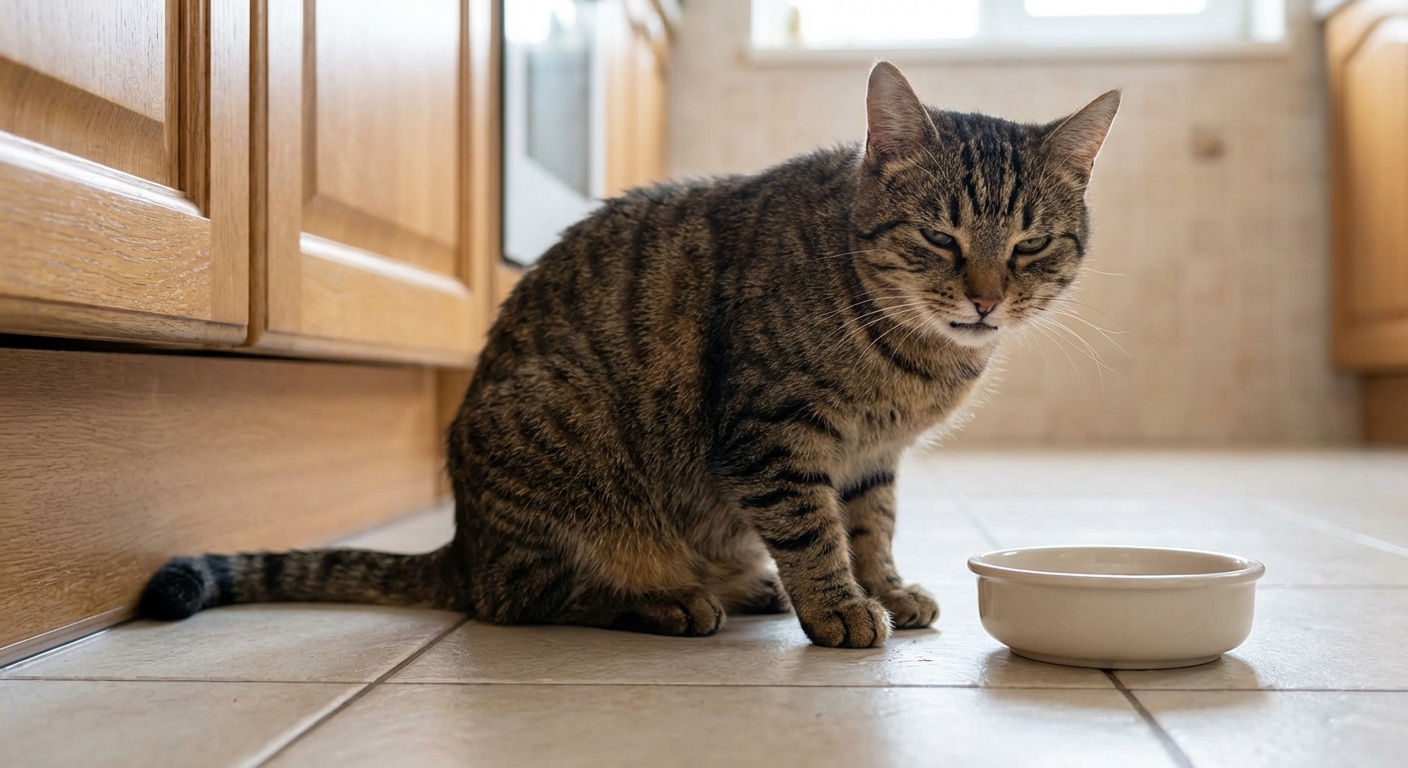
Few things worry a cat parent faster than that familiar sound right after a meal. Sometimes it really is “just a hairball.” Other times, vomiting after eating is your cat’s way of telling you something is off, like stomach irritation, parasites, food intolerance, medication side effects, or even a more serious disease.
As a veterinary assistant, I always tell families to focus on two questions first: What came up and how often is it happening. Those details help you decide whether you can try simple home steps or whether it is time for a vet visit.
Quick note: This article is not a substitute for veterinary care. If you are unsure, it is always okay to call your vet.
Hairball vomiting vs. food vomiting
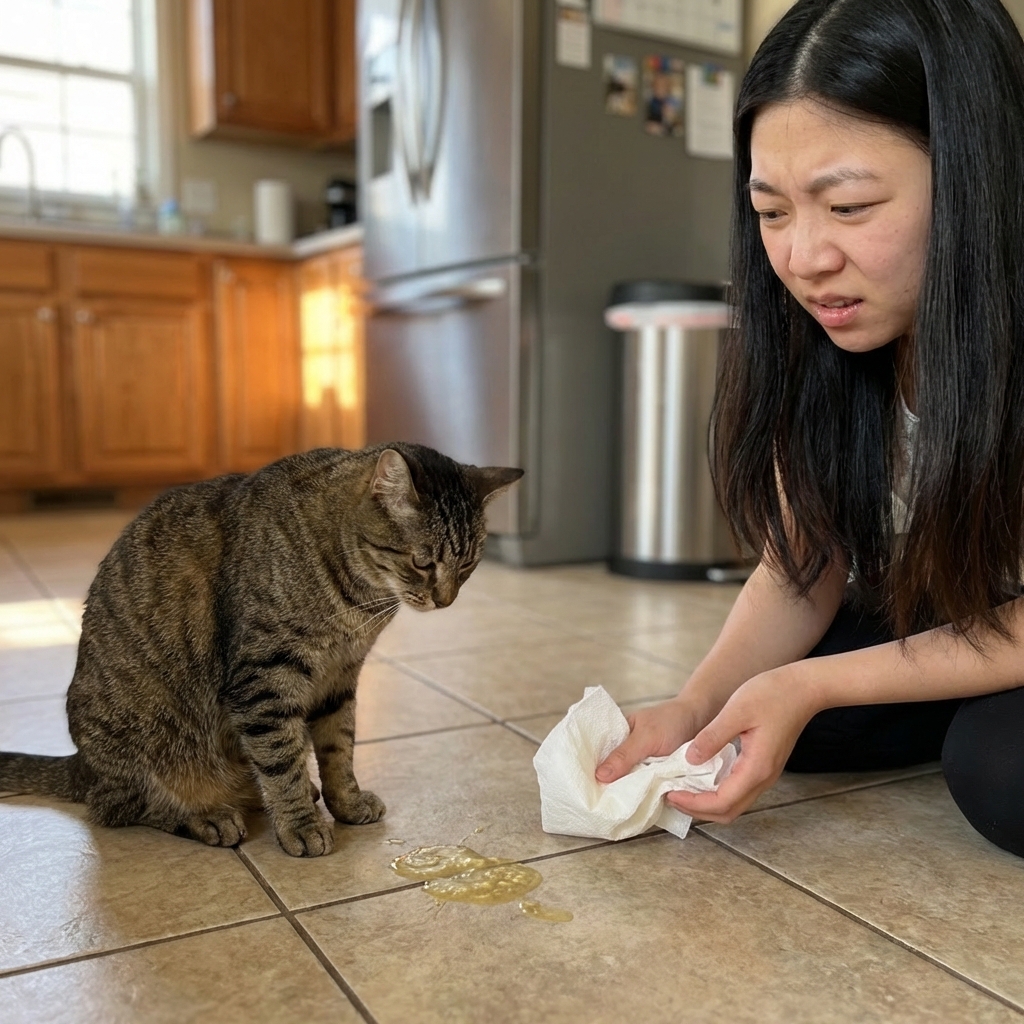
It helps to know whether you are seeing true vomiting (stomach contents coming up, often with heaving) or regurgitation (food coming back up from the esophagus, often more passive). Both can matter, especially if it keeps happening.
What a typical hairball looks like
Hairballs are usually tube-shaped and made of tightly packed hair, sometimes with a little foamy or yellow fluid. Many cats will retch a bit before the hairball comes up.
What “just ate too fast” vomit looks like
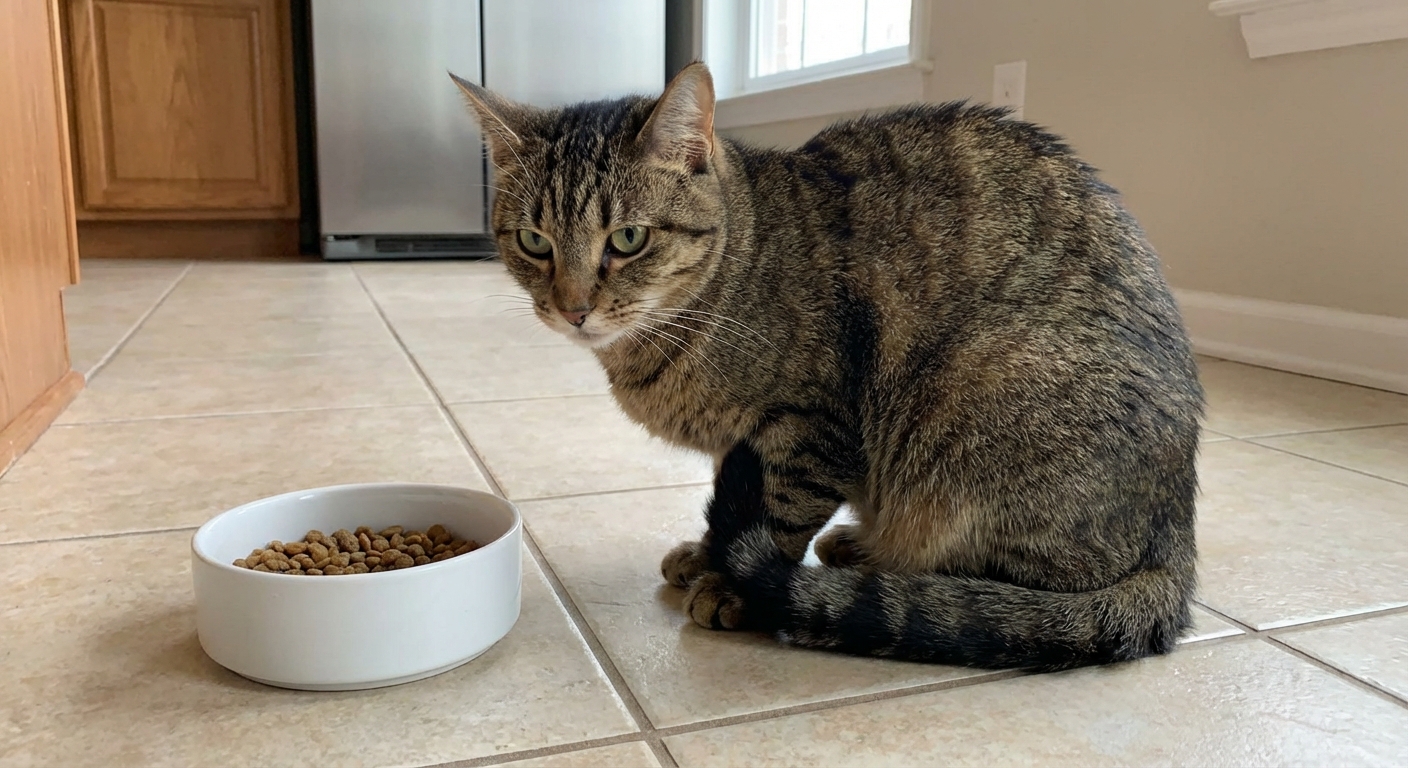
If a cat eats quickly, you may see undigested kibble or chunks of food that appear soon after the meal. This is often regurgitation rather than true vomiting. Regurgitation tends to be more passive, with less abdominal heaving.
When it is more concerning
Red flags include episodes that are frequent, forceful, or associated with other symptoms like lethargy, dehydration, weight loss, or poor appetite. That is when we start thinking beyond hairballs.
Common reasons cats vomit after eating (besides hairballs)
- Eating too fast or overeating, especially in multi-cat homes where meals feel competitive.
- Diet change (new brand, new protein, richer food) introduced too quickly.
- Food intolerance or sensitivity, which can cause intermittent vomiting and sometimes diarrhea.
- Parasites (more common in kittens, outdoor cats, or newly adopted cats).
- Gastritis from stress, spoiled food, or getting into something they should not eat.
- Constipation or slow gut motility, which can contribute to nausea and vomiting in some cats. Heavy grooming and hair ingestion may be a factor for certain cats, but it is not the only cause.
- Inflammatory bowel disease (IBD), which may cause chronic vomiting, appetite changes, and weight loss.
- Pancreatitis, which can cause vomiting, decreased appetite, abdominal discomfort, and lethargy.
- Kidney disease or hyperthyroidism, especially in older cats, often with weight changes and increased thirst.
- Foreign body obstruction (string, ribbon, toy parts), which can become an emergency quickly.
- Medications or toxins, including some human medications (like pain relievers), certain supplements, and toxic plants (lilies are a major emergency for cats).

What to watch for at home
If you keep coming back to the same two questions (what came up and how often), you will already be doing what your vet needs you to do.
These clues help your veterinarian narrow things down quickly:
- Timing: right after eating, hours later, early morning bile, or unrelated to meals?
- Contents: undigested food, bile (yellow), foam, hair, mucus?
- Frequency: one-off vs. repeated episodes in a day or over a week?
- Appetite and energy: normal, reduced, hiding, acting painful?
- Bathroom habits: diarrhea, constipation, straining, or not pooping?
- Hydration: tacky or sticky gums and sunken eyes can be signs of dehydration. Note that some dehydrated cats still drink, so “not drinking” is not a reliable rule-out.
If you can safely do so, take a quick photo of the vomit. If your clinic wants a sample, use a clean, leak-proof container. A photo is often enough.
When to call the vet right away
Please seek veterinary care promptly if you notice any of the following:
- Repeated episodes in a short time, or vomiting that continues for more than 24 hours
- Inability to keep water down
- Blood in vomit (bright red or coffee-ground appearance)
- Repeated unproductive retching (trying to vomit but nothing comes up)
- Signs of pain (hunched posture, crying, guarding the belly)
- Lethargy, weakness, collapse, or hiding more than usual
- Dehydration
- Weight loss or a clear drop in appetite
- Not eating for about 24 hours, especially in overweight cats, since cats can be at risk for hepatic lipidosis when they stop eating
- Possible ingestion of string, ribbon, tinsel, lilies, human medications, or other toxins
- Kittens, seniors, and cats with chronic illnesses, because they dehydrate faster
Tip: If you suspect your cat swallowed string or ribbon, do not pull anything you see at the mouth or rear. That can cause internal injury. Call your vet immediately.
Safe steps you can try (if your cat otherwise seems normal)
1) Slow down the meals
- Feed smaller portions more often.
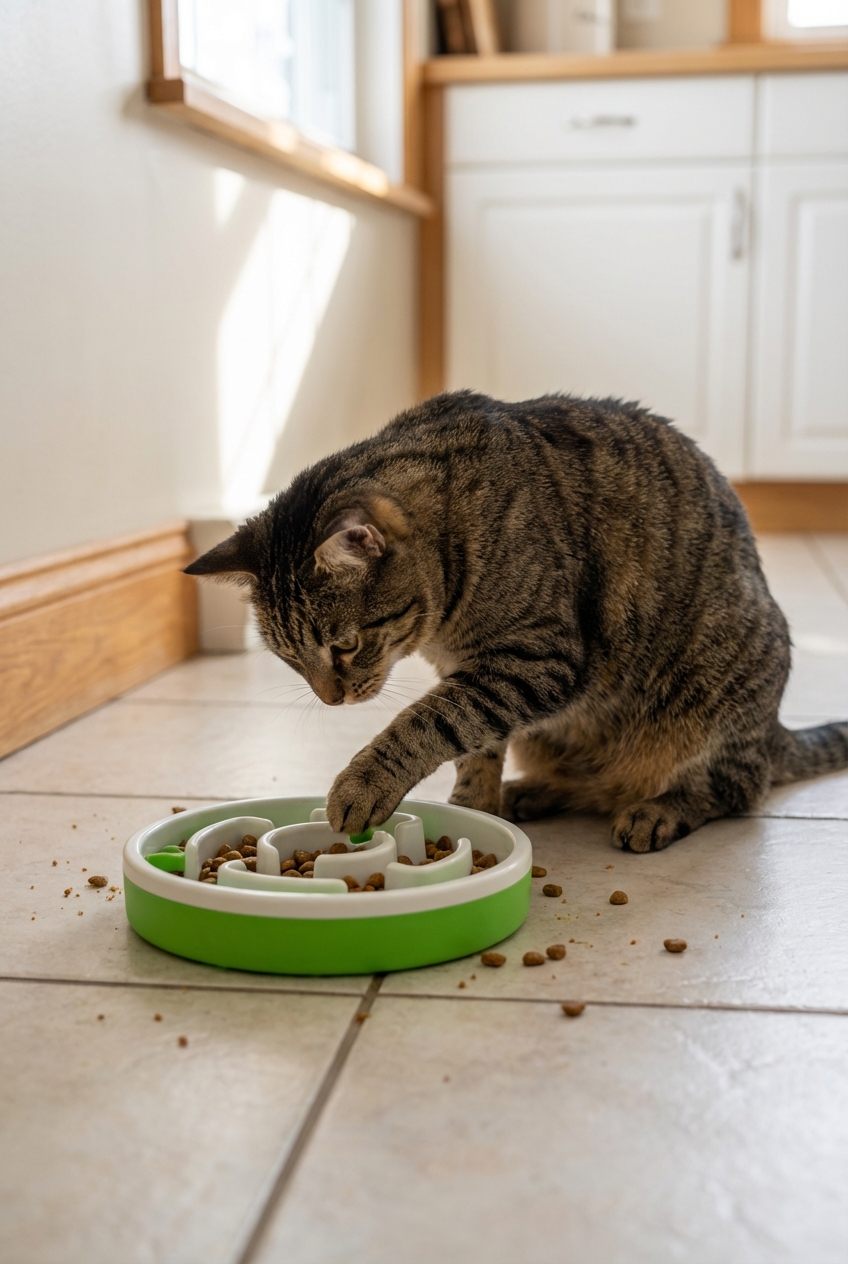
- Use a puzzle feeder or slow-feeder bowl designed for cats.
- Separate cats during meals to reduce competition.
2) Support hairball control gently
- Brush regularly, especially long-haired cats.
- Ask your vet about hairball gels or fiber options if hairballs are frequent. Petroleum-based gels can help some cats, but they are best used with veterinary guidance, especially if your cat has chronic disease or is on other medications.
- Consider a wet-food meal, which can improve hydration and help stool move normally.
3) Make diet changes slowly
If you are switching foods, transition over 7 to 10 days. Quick changes can trigger vomiting even in healthy cats.
4) Keep hydration up
- Offer fresh water in multiple locations.
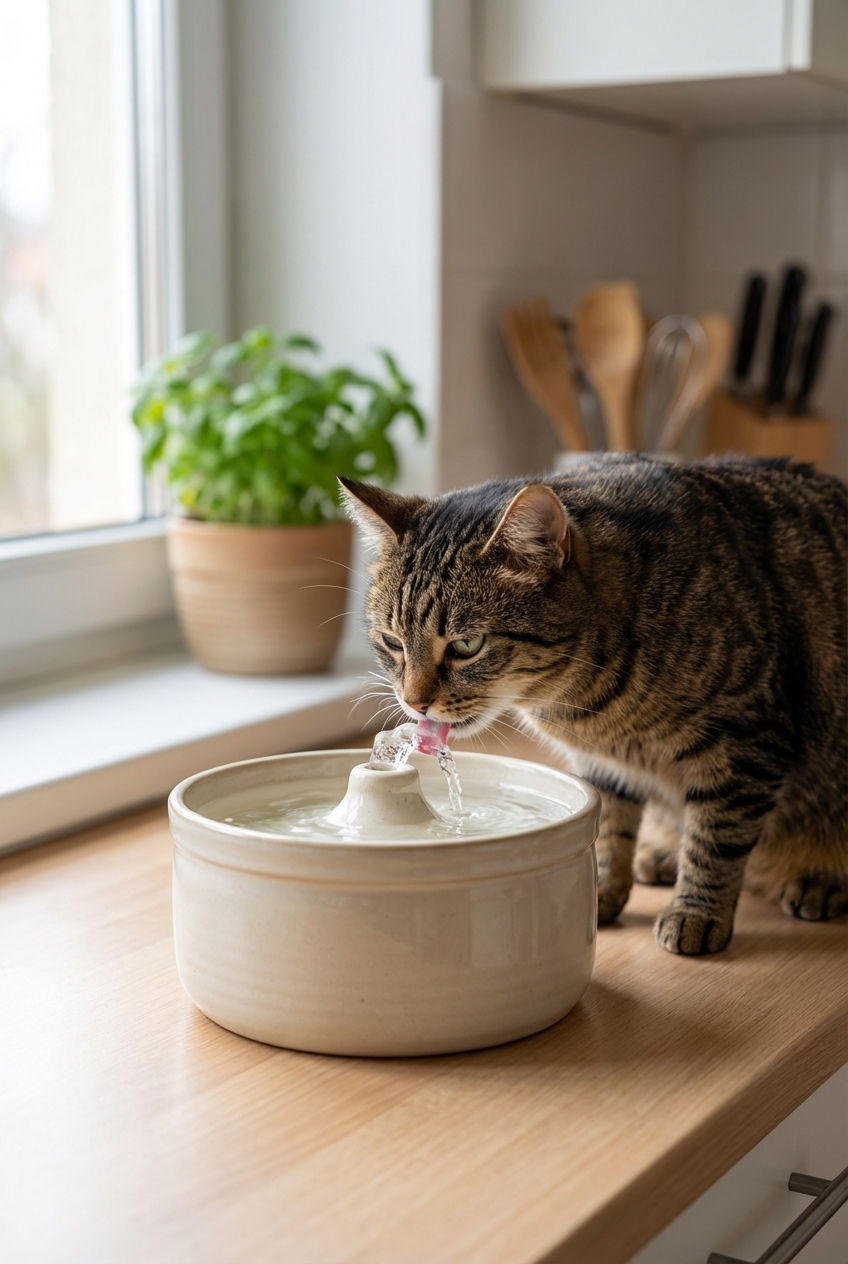
- Many cats drink more from a pet fountain.
- If your veterinarian approves, adding a little extra water to wet food can help.
How your veterinarian may evaluate vomiting after eating
Vomiting is a symptom, not a diagnosis. Your vet may recommend:
- Physical exam and weight check
- Fecal testing for parasites
- Bloodwork to assess liver, kidney, thyroid, inflammation, and electrolytes
- Urinalysis especially in older cats
- X-rays if a blockage or constipation is suspected
- Ultrasound to evaluate the stomach, intestines, pancreas, and other organs
- Diet trial (limited ingredient or veterinary hydrolyzed protein) if food intolerance or IBD is suspected
Early evaluation matters because ongoing vomiting can lead to dehydration, nutrient loss, and worsening inflammation over time.
Hairball prevention that helps
Hairballs are normal occasionally, but frequent hairball episodes are a sign to tighten up prevention. These steps are practical and evidence-based:
- Daily or near-daily brushing during shedding seasons
- Routine dental care and wellness checks. Dental pain, gagging, and nausea behaviors (like lip-licking, drooling, or frequent swallowing) can look similar to retching. Also, some cats are actually coughing from asthma or airway disease, which is commonly mistaken for “trying to hack up a hairball” and deserves veterinary attention.
- Weight management, because overweight cats may groom less effectively due to reduced flexibility. Obesity can also be linked with other health issues that affect the gut.
- Stress reduction (predictable routine, safe resting spots, enrichment), as stress can worsen GI signs
The bottom line
A single episode after eating can be as simple as a fast meal or a hairball. But repeated episodes, any vomiting with red flags, or vomiting in a kitten or senior cat deserves a call to your veterinarian. The sooner you figure out whether it is hairball-related or a medical issue, the easier it usually is to help your cat feel better.