Compare wet vs dry cat food with vet-informed pros and cons. Learn how moisture affects urinary and kidney health, how carbs and calories differ, and when co...
Article
•
Designer Mixes
Cat UTI Tips Every Owner Should Know

Shari Shidate
Designer Mixes contributor
If you have ever seen your cat hop in and out of the litter box, strain, cry, or leave tiny puddles around the house, your worry is valid. Urinary issues in cats are common, uncomfortable, and sometimes life-threatening, especially for male cats. The good news is that with quick action and a few home habits, you can reduce risk and catch problems early.
UTI or something else?
Many people use the term “UTI” for any urinary problem, but in cats the story is often more complicated.
- True bacterial UTI: Usually a bladder infection (and less commonly the urethra or kidneys). This tends to be more common in older cats, and in cats with diabetes, kidney disease, or very dilute urine.
- Feline Lower Urinary Tract Disease (FLUTD): An umbrella term for bladder and urethral problems.
- Feline idiopathic cystitis (FIC): Sterile bladder inflammation (no bacteria found). This is very common in young to middle-aged indoor cats and is strongly linked with stress.
- Urinary crystals or stones: These can irritate the bladder and may contribute to a blockage.
Why this matters: if we assume “infection,” we might miss the real driver, like stress or crystal formation, and the problem keeps coming back.
Who is at higher risk?
Any cat can develop urinary issues, but these factors raise the odds of FLUTD and flare-ups:
- Male cats (narrower urethra means higher obstruction risk)
- Indoor lifestyle with low activity or boredom
- Overweight cats
- Low water intake or mostly dry food diets
- Stressful changes (new pets, visitors, schedule shifts, neighborhood cats outside)
Signs you should never ignore
Urinary discomfort can look subtle at first. Here are the most common red flags:
- Frequent trips to the litter box with little urine produced
- Straining, crying, or acting restless while trying to urinate
- Blood-tinged urine or pink spots in litter
- Urinating outside the litter box (often because the box becomes associated with pain)
- Excessive licking of the genital area
- Cloudy urine, or a new or unusually strong urine odor
- Hiding, decreased appetite, or sudden irritability
Important to know: straining to urinate can look a lot like straining to poop. Constipation is also serious, but if you are not sure which one it is, treat it as urgent and call your vet. A blocked cat may look like they are trying to poop.
Emergency sign: if your cat is straining and not producing urine, treat it as an emergency. A urinary obstruction can become life-threatening within 24 to 48 hours (sometimes sooner), and male cats are at higher risk due to a narrower urethra.
When it is an emergency
Please seek urgent veterinary care right away if you notice any of the following:
- Your cat cannot pass urine or only dribbles a drop or two
- Repeated, unproductive straining
- Vomiting, collapse, or extreme lethargy
- A hard or painful belly
In the clinic, the team may check electrolytes, kidney values, give pain relief, and relieve the obstruction. This is not a “wait and see” situation.
What to expect at the vet
To treat urinary problems effectively, your veterinarian will usually recommend a few key steps:
- Urinalysis: checks for blood, inflammation, crystals, pH, and concentration.
- Urine culture: confirms whether bacteria are present and which antibiotic is appropriate. When infection is suspected, antibiotics are ideally chosen based on culture results when possible, especially for recurrent cases.
- Imaging: X-rays or ultrasound may be used to look for stones, bladder wall changes, or other issues.
Treatment varies by cause. A true bacterial UTI may require antibiotics. FIC often focuses on pain control, hydration, and stress reduction. Many cats also benefit from veterinarian-prescribed pain medications and sometimes anti-spasmodics to reduce discomfort while the bladder calms down. Stones might require a prescription diet, medication, or sometimes surgery.
Tip from the clinic: if a “UTI” keeps recurring, ask whether a urine culture was performed. Treating without culture can miss resistant bacteria, or miss that there is no infection at all.
If you are asked to bring a urine sample, follow your clinic’s instructions. Many clinics prefer to collect a sterile sample in-house, and that is normal.
Home care: what helps (and what can hurt)
Hydration is your best friend
Concentrated urine can irritate the bladder and encourage crystal formation in some cats. Increasing water intake is one of the most practical ways to support urinary health.
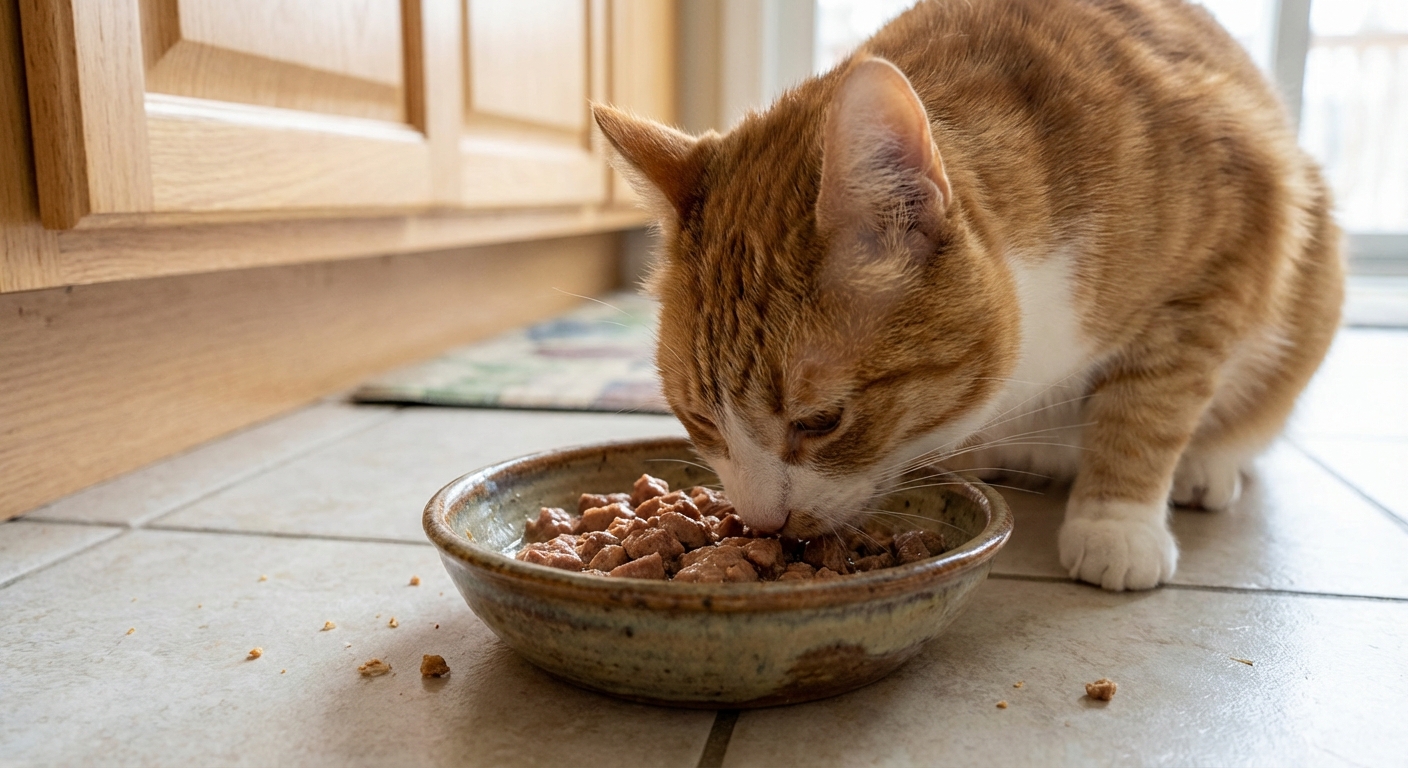
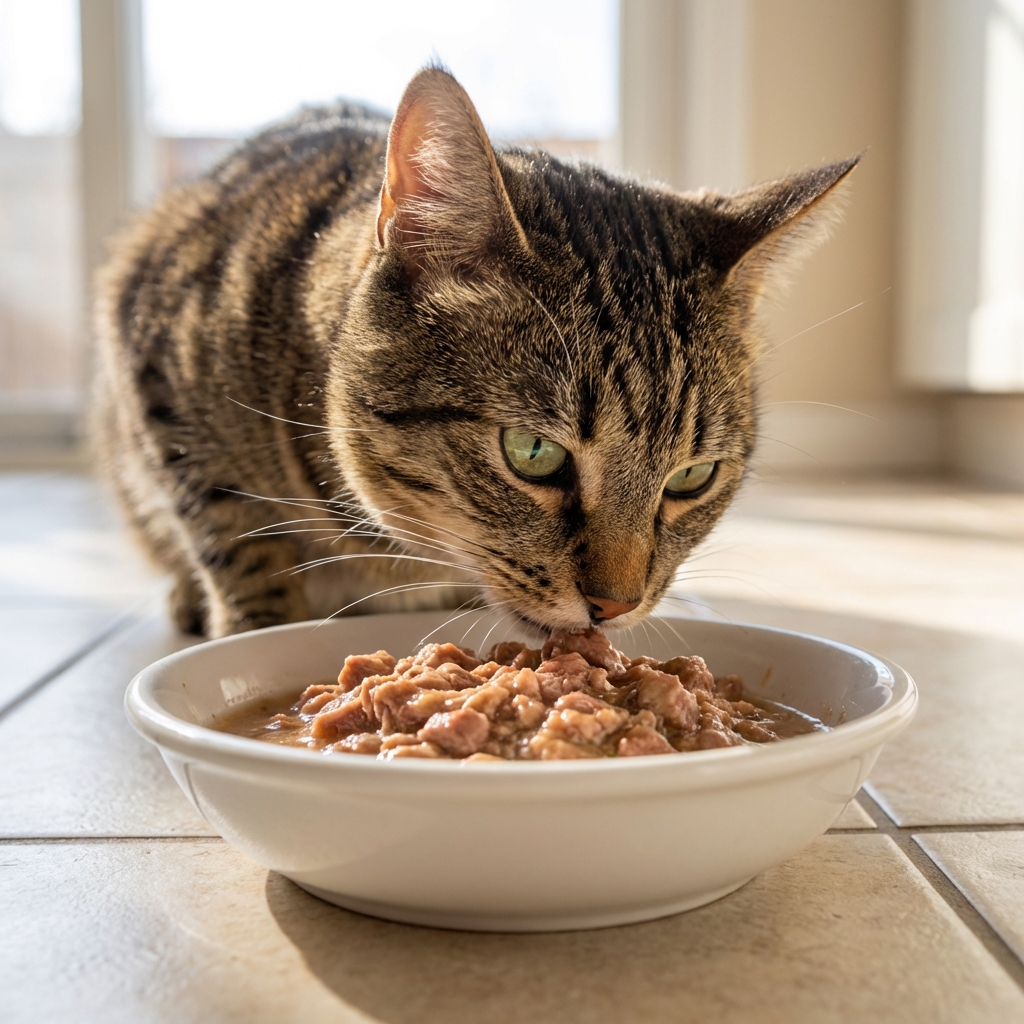
- Offer wet food or add water or low-sodium broth to meals (ask your vet if your cat has other medical conditions).
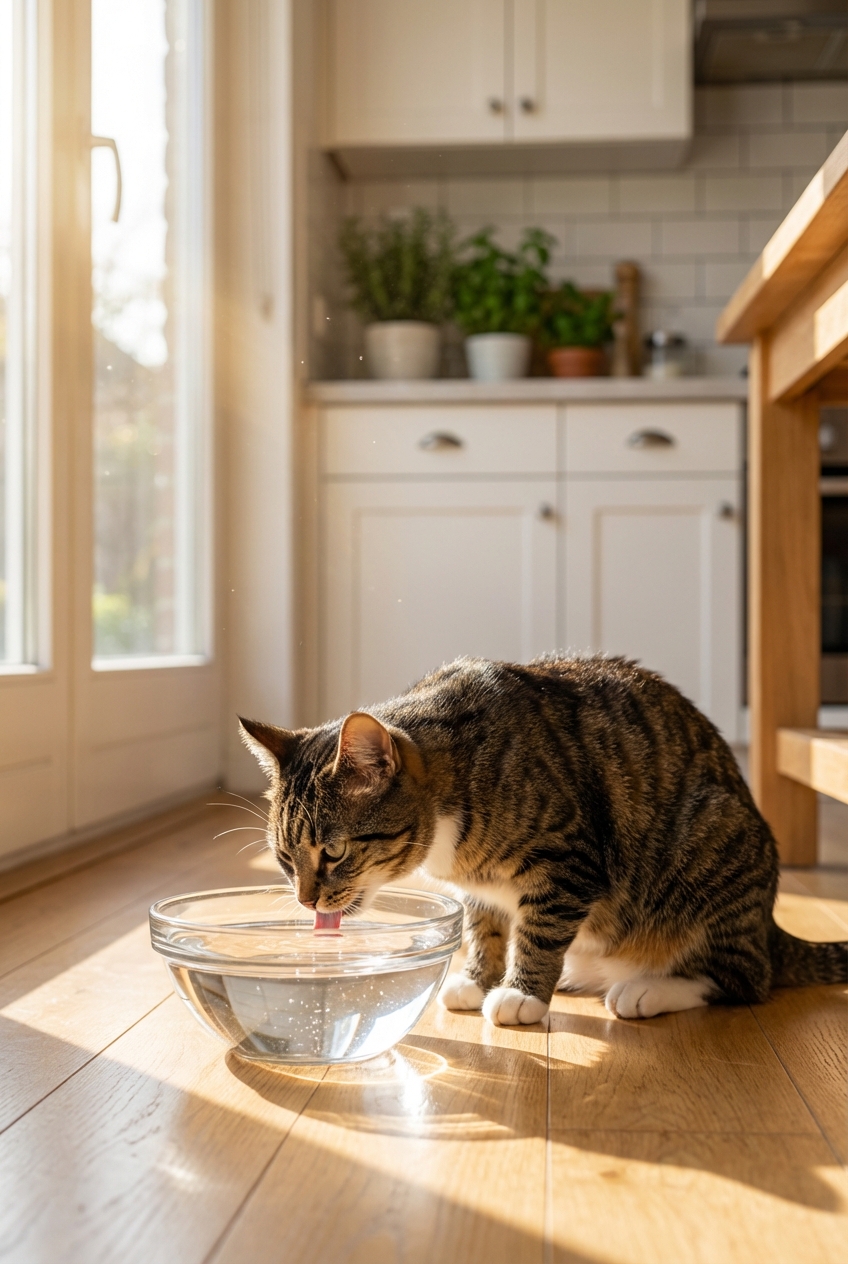
- Try a cat water fountain, and place water bowls away from the litter box.
- Use wide, shallow bowls (some cats dislike whisker contact).
Skip home antibiotics and “people meds”
It is tempting to try leftover antibiotics or human pain relievers, but please do not. Wrong antibiotics can delay proper care and worsen resistance. Many human pain medications are toxic to cats.
Warm, calm, and comfortable
For non-obstructed cats under veterinary guidance, comfort matters. Keep your cat in a quiet area, reduce household noise, and ensure easy access to food, water, and a clean litter box.
Stress and the bladder
FIC is often stress-related, and stress can come from things that seem small to us: a new pet, schedule changes, neighborhood cats outside the window, or even a litter box that is in a loud hallway.
Practical stress reducers that help many cats:
- More litter boxes: aim for one per cat, plus one extra.
- Predictable routines: consistent feeding and play times.
- Enrichment: daily interactive play, vertical perches, hiding spaces.
- Safe zones: quiet rooms where the cat can decompress.
- Pheromone diffusers: some cats respond well, especially during transitions.
Diet, crystals, and prevention
Crystals and stones are not one-size-fits-all. Some cats form struvite crystals, others calcium oxalate stones, and the prevention strategies differ. That is why testing matters before making big diet changes.
- Prescription urinary diets can help dissolve certain struvite stones and reduce recurrence in some cats.
- Calcium oxalate stones cannot be dissolved by diet and often require other management, including removal in some cases. Your vet will guide the safest plan.
- Do not acidify urine on your own with supplements unless your veterinarian recommends it. Over-correcting urine pH can increase risk of different stone types.
- Healthy weight and movement support urinary health. Overweight, sedentary indoor cats are at higher risk for urinary issues.
If you are interested in homemade or fresh food approaches, it is absolutely possible to do it well, but urinary cases need careful planning. Work with your veterinarian or a veterinary nutritionist so the diet supports hydration and mineral balance.
Litter box tips
Many urinary flare-ups are first noticed in the litter box. Set up the box to make “good bathroom habits” easy.
- Scoop at least once daily (twice is even better)
- Use unscented litter if your cat is sensitive
- Choose a large box with low entry for seniors
- Place boxes in quiet, accessible locations, not beside loud appliances
Helpful habit: get familiar with your cat’s normal output. If clumps suddenly become tiny, frequent, or absent, that is a clue to act quickly.
Quick checklist
- Today: Watch for straining, frequent trips, blood, accidents, or crying.
- Right away if severe: No urine output equals emergency.
- This week: Improve hydration with wet food and extra water options.
- Ongoing: Reduce stress and keep litter boxes clean, plentiful, and accessible.
- For repeat problems: Ask about urinalysis, culture, and imaging to find the true cause.
Your cat is not being “difficult” when they miss the litter box. They are communicating that something hurts. With early care and a prevention routine, many cats get relief and stay comfortable long-term.
This article is for general education and is not a substitute for veterinary diagnosis or treatment.