Urinary blockage in cats is a life-threatening emergency. Learn the proven warning signs, how to tell blockage vs UTI, what to do immediately, and ways to pr...
Article
•
Designer Mixes
Cat UTI Symptoms: Secrets Vets Want You to Know

Shari Shidate
Designer Mixes contributor
If you have a cat who is suddenly making frequent trips to the litter box, straining, crying, or peeing outside the box, it is scary and frustrating all at once. I have been there with clients in clinic and with foster cats, and I want you to know this: urinary signs are common, but they are never “nothing.” Some causes are very treatable. Others are true emergencies, especially in male cats.
This article shares evidence-based “secrets” that are not really secrets, just the practical things that help you act fast, collect the right clues, and avoid the most common mistakes.
First, know the red flags
Many conditions can look like a “UTI” at home. The symptoms overlap, so your job is not to diagnose. Your job is to spot the signs early and respond appropriately.
Common UTI-like symptoms in cats
- Frequent litter box visits with little urine produced
- Straining to urinate
- Crying or acting painful while urinating
- Blood in the urine (pink, red, or rust-colored)
- Urinating outside the litter box
- Excessive licking of the genital area
- Strong-smelling or cloudy urine (can happen, but is not definitive)
- Hiding, irritability, decreased appetite, or lethargy
Emergency signs that need immediate care
If you remember one thing, remember this: a blocked cat cannot wait.
- Male cat with repeated straining and little to no urine
- Repeated trips with only a few drops coming out, or worsening straining over hours (this can still be an obstruction risk)
- Vomiting, severe lethargy, collapse, or weakness
- Crying constantly, restlessness, or rapid worsening
- Swollen, firm-looking abdomen or obvious belly pain (do not rely on feeling the belly yourself)
A urinary blockage can become life-threatening quickly due to toxin and electrolyte buildup. If your cat is straining and not producing urine, please treat it as an emergency and head to an ER vet.
One more important note: female cats can absolutely have painful, serious urinary disease too. Full obstruction is less common in females, but their symptoms still deserve prompt veterinary attention.
Secret #1: Most lower urinary signs are not bacterial
This surprises many pet parents. In younger and middle-aged cats, urinary signs are often caused by feline idiopathic cystitis (FIC) or other forms of feline lower urinary tract disease (FLUTD), not a bacterial infection.
True bacterial urinary tract infections do happen, and they are more common in:
- Senior cats
- Cats with diabetes or kidney disease
- Cats on certain medications that affect immunity
- Cats with a history of urinary tract abnormalities
Why this matters: if it is not bacterial, antibiotics may not help and can contribute to antibiotic resistance and side effects. A urinalysis and, when indicated, a urine culture help your veterinarian choose the right treatment.
Secret #2: Watch what comes out
Cats can strain from urinary issues, but they can also strain from constipation. From across the room, it can look identical.
Quick home clues
- If the litter clumps are tiny, infrequent, or absent and your cat keeps trying, think urinary obstruction risk.
- If your cat is straining and only producing drops, treat it as urgent. Partial obstruction can look like “a little urine” and still become an emergency.
- If you see normal urine clumps but your cat is repeatedly trying to poop with little or nothing produced, constipation could be contributing.
- A safer constipation threshold at home is more than 48 hours without stool, or repeated unproductive straining. Also, some cats pass small, hard stools daily and still be constipated, so stool presence does not rule it out.
When in doubt, assume urinary until a vet confirms otherwise, because a blockage is the condition we cannot safely “wait and see.”
Secret #3: Stress can inflame the bladder
FIC is strongly associated with stress and environmental changes. This is not about your cat being dramatic. The bladder lining can become irritated and painful, leading to urgency, blood, and inappropriate urination.
Common stress triggers
- Moving, remodeling, visitors, new baby
- New pet, conflict between cats, neighborhood cats visible through windows
- Litter box changes: new litter, covered box, different location
- Schedule changes, travel, or less playtime
Stress reducers that really help
- Predictable routine: consistent feeding and play times
- Daily interactive play: 10 to 15 minutes with a wand toy
- Safe zones: quiet hiding spots, cat trees, window perches
- More resources: multiple water stations, multiple litter boxes
- Pheromone support: feline facial pheromone diffusers can help some cats
These steps do not replace veterinary care, but they can reduce recurrences when stress is a driver.
Secret #4: Hydration is a strong home lever
More water intake typically means more urine dilution and more frequent bladder emptying. That can reduce irritation. It can also support urinary health overall, although the impact on crystals and stones depends on the type and your cat’s urine chemistry.
Easy ways to increase water intake
- Switch to wet food or add wet food meals daily (ask your vet if your cat has other health conditions)
- Add a tablespoon or two of water to wet food to make a “gravy” texture
- Use a cat water fountain and clean it regularly
- Place multiple water bowls in quiet, convenient locations
- Try different bowl materials and shapes (some cats dislike deep bowls that touch whiskers)
If your vet prescribes a urinary diet, it is often designed to support urine dilution and appropriate mineral balance. It can be a game-changer for the right patient.
Secret #5: Litter box setup affects health
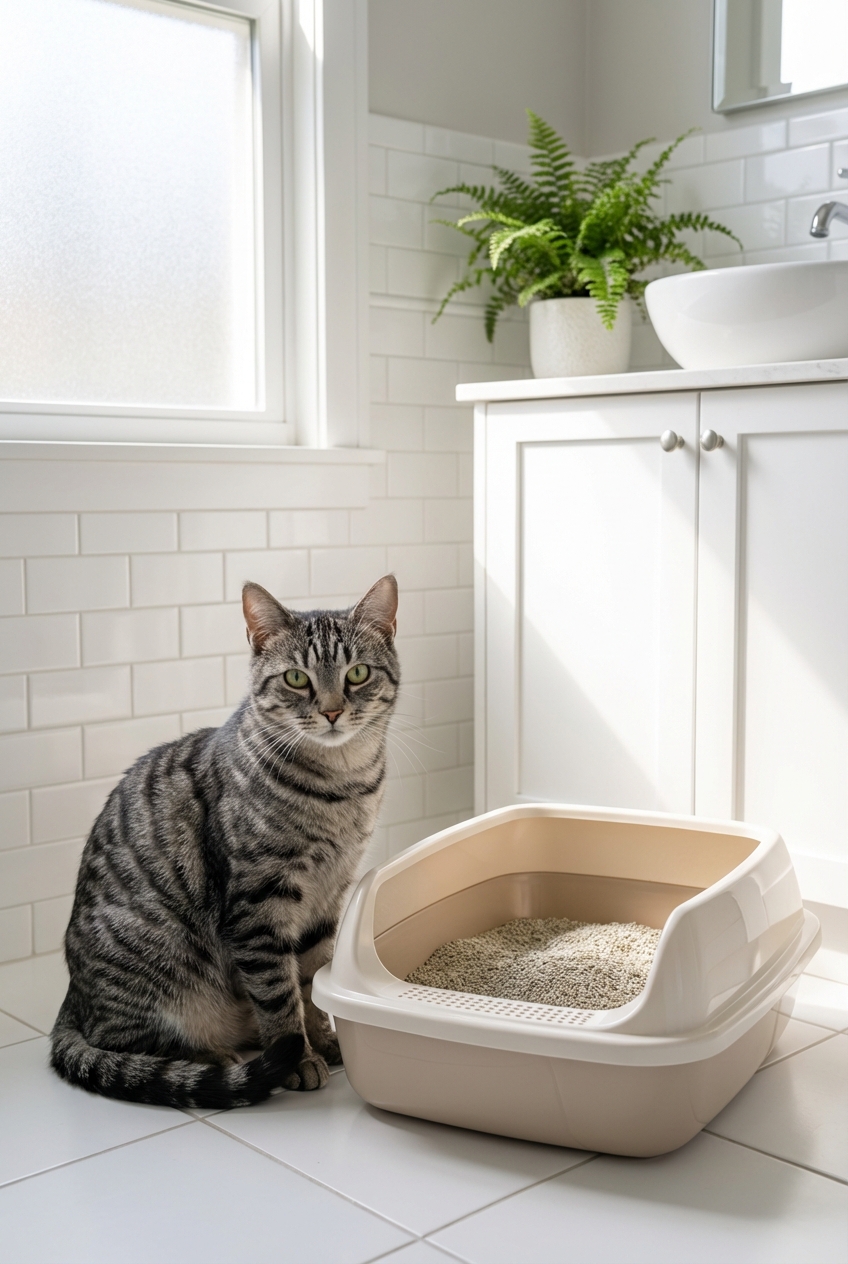
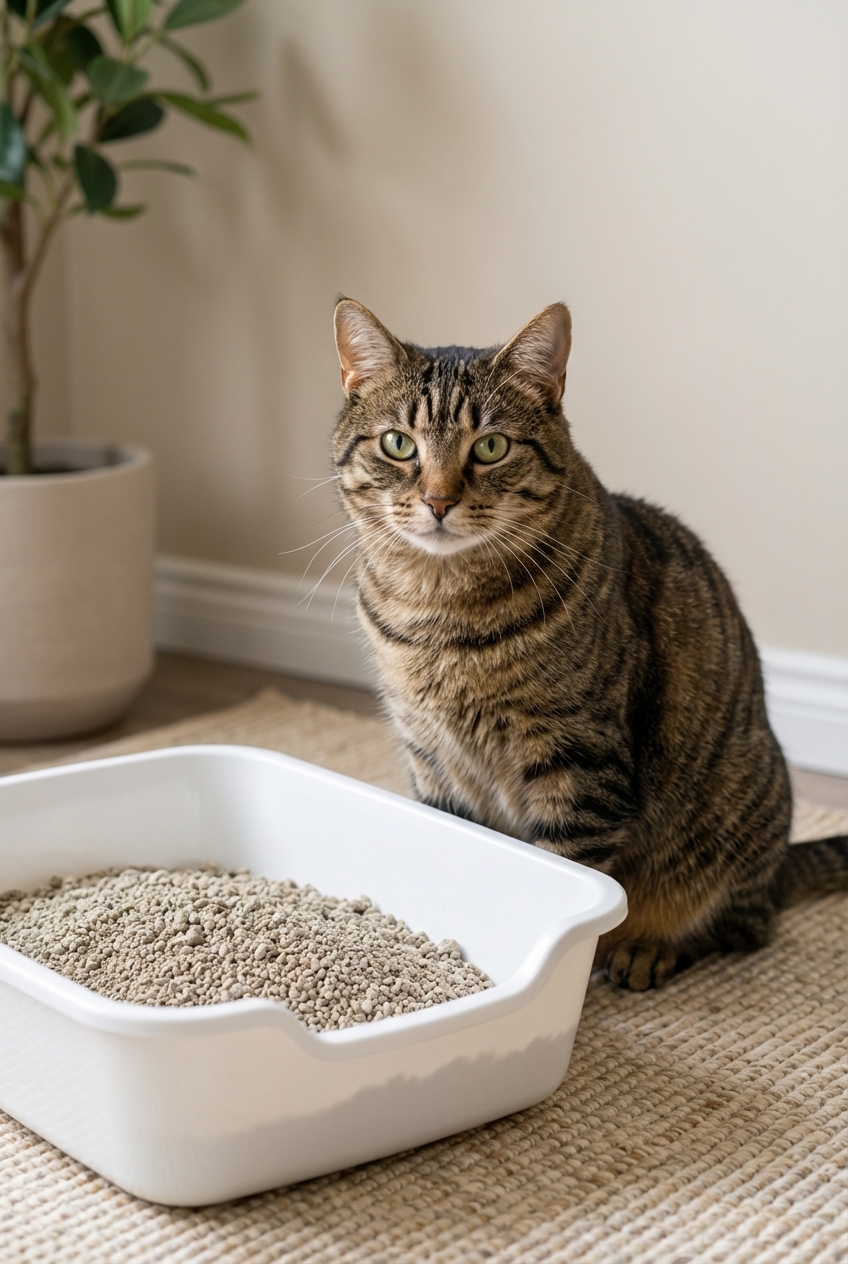
When cats associate the litter box with pain, they may avoid it. Also, if the box is dirty or stressful to access, cats may hold urine longer, which can worsen urinary problems.
Quick litter box upgrades
- Use the “n + 1” rule: number of cats plus one extra box
- Place boxes in separate, low-traffic areas (not all lined up in one spot)
- Scoop at least once daily, more if needed
- Choose a large, uncovered box for many cats (covered boxes can trap odors and feel unsafe)
- Avoid heavily scented litter if your cat seems sensitive
If your cat suddenly urinates outside the box, please resist the urge to punish. It can worsen fear and stress. Treat it as a health signal and get checked.
Secret #6: The right tests save time
Because urinary symptoms overlap, a focused vet workup helps you stop guessing and start treating the actual cause.
What your veterinarian may recommend
- Urinalysis: checks concentration, blood, inflammation, crystals, and more
- Urine culture and sensitivity: confirms bacteria and identifies the best antibiotic
- Imaging: X-rays or ultrasound to check for stones, thickened bladder wall, or other issues
- Bloodwork: especially in older cats or recurrent cases to screen for kidney disease, diabetes, dehydration
Why urine culture can be worth it
A culture is often the difference between “we tried an antibiotic” and “we treated the exact bacteria with the correct medication for the right length of time.” That is especially important for recurring symptoms.
A quick word on crystals and stones
Crystals can show up in urine even when they are not the main problem, and some cats with painful FLUTD have no crystals at all. Stones and urethral plugs are different issues that may need imaging, diet changes, and sometimes procedures. This is another reason testing matters.
Secret #7: Skip leftover meds and OTC drops
I understand the temptation to try something at home, especially if your cat has had urinary issues before. But urinary signs can come from:
- Crystals, stones, or plugs
- FIC inflammation
- Bacterial infection
- Partial or complete urinary obstruction
- Less common causes like tumors or anatomical problems
Giving the wrong medication can delay lifesaving care. Some over-the-counter products are not appropriate for cats, and certain human medications are toxic to them.
Do not give human pain relievers like ibuprofen, naproxen, or acetaminophen unless a veterinarian specifically directs you. Cats need veterinary-prescribed pain control.
If your cat is uncomfortable and you are waiting to be seen, ask your veterinary clinic what is safe to do in the meantime. Often, the goal is fast evaluation plus proper pain control when indicated.
What you can do right now at home
While you arrange veterinary care, here are practical steps that are usually helpful and low-risk.
- Monitor output: check the litter box closely for urine clumps and note size and frequency.
- Separate if needed: if you have multiple cats, try to isolate the symptomatic cat with their own box to track output.
- Encourage hydration: offer fresh water, consider wet food if your cat will eat.
- Reduce stress: quiet room, familiar bedding, minimize noise and chaos.
- Bring a sample only if your clinic requests it: many clinics prefer a fresh sample collected in hospital. If they do want one from home, ask about using non-absorbent litter or a clean, empty box. Avoid scooping from clumping litter unless you are told it is acceptable. Refrigerate briefly if instructed, since fresh is best.
Quick note from a vet assistant perspective: pain is real with bladder inflammation. Do not assume your cat is being stubborn. If you are seeing repeated straining or vocalizing, it is time to call.
Prevention for repeat flare-ups
Not every urinary issue is preventable, but recurrence prevention is very realistic for many cats.
Core prevention habits
- Vet-guided diet plan: urinary prescription diets when recommended
- Hydration routine: fountains, wet food, added water
- Weight management: obesity is linked with lower activity and may contribute to urinary risk
- Environmental enrichment: play, climbing, scratching, hunting-style feeding puzzles
- Routine checkups: especially for seniors or cats with past infections or stones
If your cat has repeated episodes, ask your veterinarian about a long-term plan that includes diet, stress reduction, and what to do at the first hint of symptoms.
When to call the vet
If symptoms are mild, you may get a same-day appointment. If symptoms suggest a blockage, you need emergency care.
Call today if you notice
- Blood in urine
- Straining with small urine output
- Accidents outside the litter box that are unusual for your cat
- Recurrent symptoms, even if they come and go
Go to emergency now if
- Straining with no urine produced
- Repeated attempts with only drops and your cat seems distressed or is worsening
- Vomiting, collapse, profound lethargy
- Severe pain or a visibly distended abdomen
Helpful details to share with your clinic
- Male or female, age, and any past urinary history
- How long symptoms have been happening
- Whether you are seeing urine clumps, and approximate size
- Diet type (dry, wet, prescription), water habits
- Any recent stressors or changes at home
Your cat deserves relief, and you deserve clear next steps. With quick action and the right diagnostics, many cats feel significantly better fast.