Not sure if your cat has a UTI, cystitis, crystals, or a blockage? Learn key symptoms, emergency red flags, what the vet may do, and gentle home care plus li...
Article
•
Designer Mixes
Cat UTI Symptoms and Behavior Guide

Shari Shidate
Designer Mixes contributor
If you have ever thought, “My cat is acting weird in the litter box,” trust that instinct. Urinary tract issues in cats can show up as subtle behavior changes before you ever see anything obvious. And because urinary problems can move from uncomfortable to dangerous quickly, it helps to know what to look for and what to do next.
In this guide, I will walk you through common cat UTI symptoms, the behavior clues that often get missed, and the situations where you should treat it as an emergency.
First, a quick note on terms
Many people say “UTI” to mean any urinary problem, but in cats the story is often more complex.
- UTI (bacterial infection): True bacterial UTIs are more likely in older cats, and in cats with conditions like diabetes or chronic kidney disease (and other illnesses that affect the immune system).
- Feline lower urinary tract disease (FLUTD): A broad category that includes inflammation, bladder stones, crystals, urethral plugs, and idiopathic cystitis (inflammation with no clear cause).
- Feline idiopathic cystitis (FIC): A very common cause of urinary signs in younger to middle-aged cats. Stress can be a major trigger.
The key point: the symptoms can look the same, so a veterinary exam and urine testing are the safest way to know what you are dealing with.
Most common UTI-like symptoms in cats
Urinary issues tend to cause a predictable set of signs. You may see one, or several at the same time.
Litter box symptoms
- Frequent trips to the litter box, often producing only small amounts
- Straining or taking a long time to urinate
- Crying out or appearing uncomfortable while urinating
- Blood in the urine (pink, red, or rusty-tinted urine, or small spots)
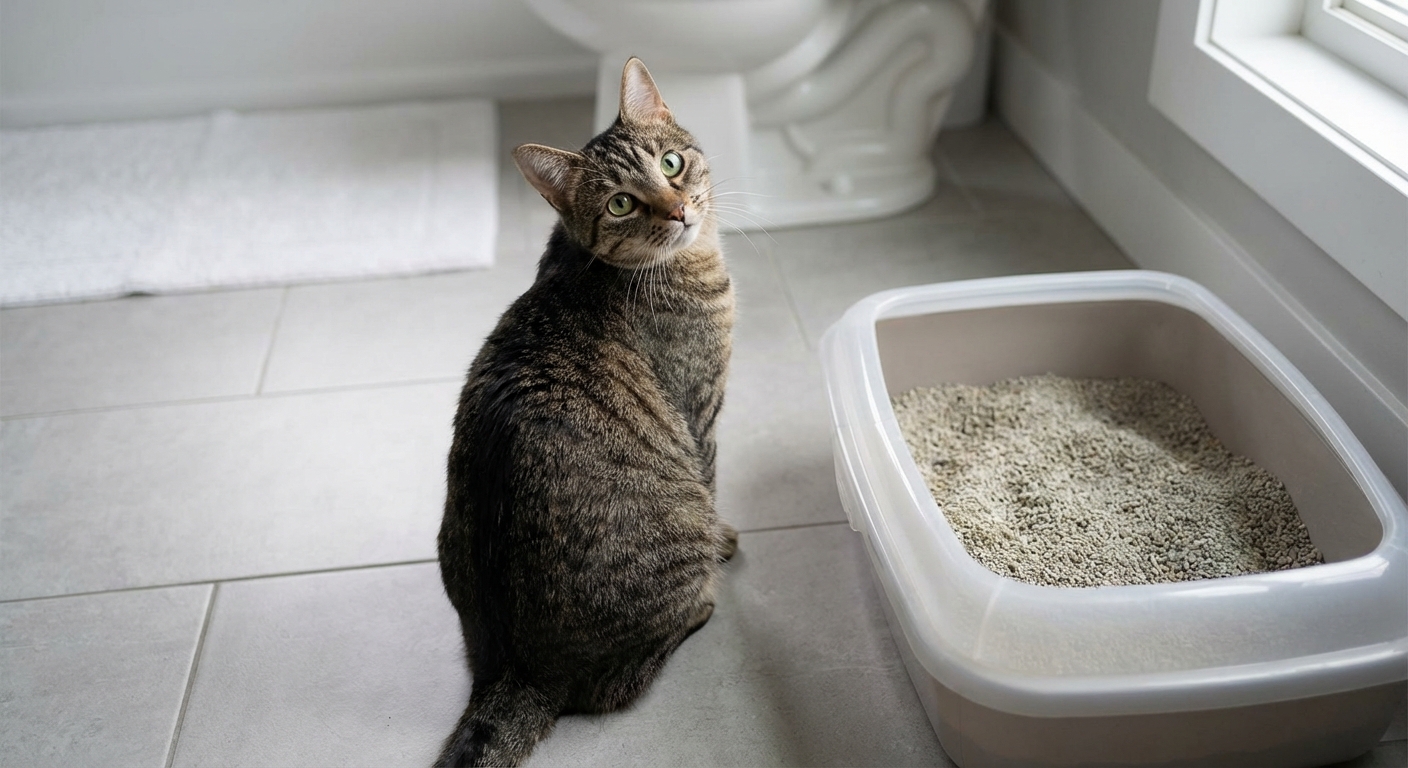
- Urinating outside the box, sometimes on cool surfaces like a tub or tile floor
- Excessive licking of the genital area
Body and mood symptoms
- Restlessness or not settling down
- Hiding more than usual
- Decreased appetite
- Low energy or “just not themselves”
One important detail: cats are masters of masking pain. What looks like “being stubborn” or “being mad” is often discomfort.
Behavior clues at home
In a clinic setting, the behavior changes are often what bring families in, not the urine itself. Here are patterns I commonly hear about.
“My cat is peeing on my bed”
When a cat associates the litter box with pain, they may seek out soft, comforting places. Beds, laundry piles, bath mats, and rugs are common targets. This is not spite. It is a cat trying to cope.
“They keep going in and out of the litter box”
Repeated trips can signal urgency and irritation. If your cat is squatting frequently with little to show for it, that is a strong red flag.
“They are suddenly clingy or suddenly hiding”
Pain and stress can push cats in either direction. Some cats want comfort. Others disappear under the bed.
“They are grooming nonstop back there”
Overgrooming around the genitals can be an early sign of urinary discomfort, even before you notice litter box changes.
A quick note: straining is not always urine
Cats who strain in the litter box are not always trying to pee. Constipation can look very similar at home. If you are unsure whether your cat is passing urine, call your veterinarian right away.
Emergency warning: possible blockage
If your cat is straining and producing little or no urine, treat it as an emergency until proven otherwise. A urinary blockage is most common in male cats, but any cat with severe obstruction needs urgent care.
Go to an emergency veterinarian now if you notice
- Repeated straining with no urine produced
- Vocalizing, panting, or obvious distress in the litter box
- Vomiting or severe lethargy
- Belly looks painful or feels firm
- Collapse or inability to get comfortable
A blockage can become life-threatening in a short timeframe because toxins and potassium can build up when urine cannot pass.
Why cats get urinary issues
There is rarely one single cause. Common contributors include:
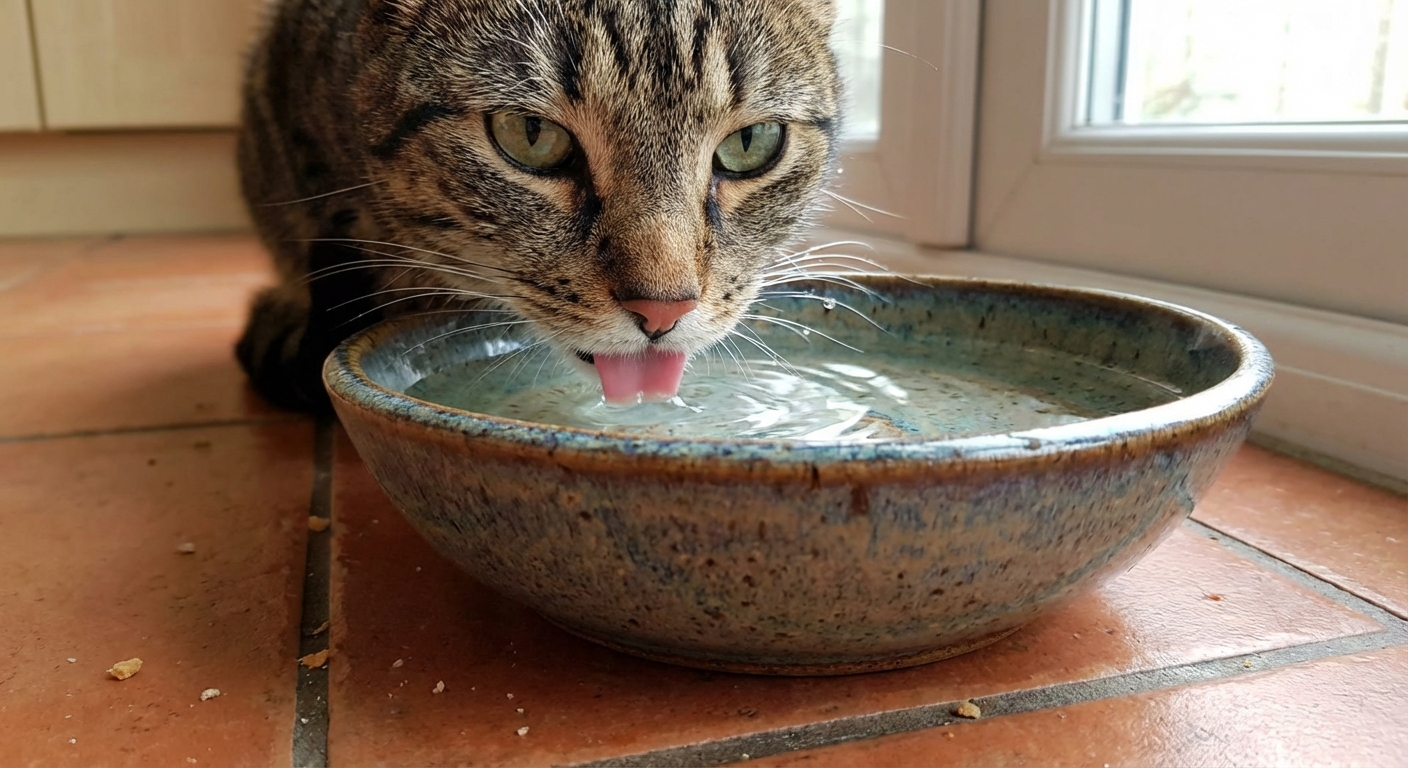
- Low water intake: Concentrated urine can irritate the bladder and can contribute to crystal and stone risk (along with factors like urine pH and mineral balance).
- Stress: Moving, new pets, schedule changes, construction noise, conflict between cats, and even boredom can trigger FIC.
- Diet factors: Some cats are prone to crystals or stones depending on urine concentration, urine pH, and individual risk. Your vet may recommend a specific diet if stones or crystals are found.
- Weight and activity level: Overweight, sedentary cats can be at higher risk for FLUTD.
- Underlying illness: Especially in older cats, a true UTI may be linked to diabetes, chronic kidney disease, or other medical issues.
What your vet may recommend
Because symptoms overlap, diagnostics help your veterinarian choose the safest treatment.
Common tests
- Urinalysis: Looks for blood, white blood cells (inflammation), crystals, urine concentration, and other clues.
- Urine culture: Confirms whether bacteria are present and which antibiotic is most effective.
- X-rays or ultrasound: X-rays can help detect some bladder stones. Ultrasound can evaluate the bladder wall and can help detect stones that do not show up on X-rays.
- Bloodwork: Especially important if your cat is blocked, vomiting, older, or not eating.
Common treatments (depending on the cause)
- Pain relief: Urinary inflammation is painful. Pain control is a big part of helping cats recover.
- Urethral relaxers (used in some cases): Certain medications may be used in select cats, often male cats during recovery from obstruction, to help reduce urethral spasm and discomfort.
- Antibiotics: Only when an infection is confirmed or strongly suspected.
- Prescription urinary diets: Often recommended for crystal or stone-prone cats.
- Stress management plan: Very important for FIC and recurring cases.
If your cat has urinary signs, please avoid using leftover antibiotics or guessing. In cats, unnecessary antibiotics can miss the real problem and contribute to resistance.
What you can do at home
Home care is supportive, not a substitute for veterinary care. Still, these steps can make a real difference while you are scheduling an appointment or preventing recurrences.
1) Increase water intake gently
- Switch to wet food or add wet food if approved by your veterinarian.
- Add a little water to canned food to make a “gravy.”
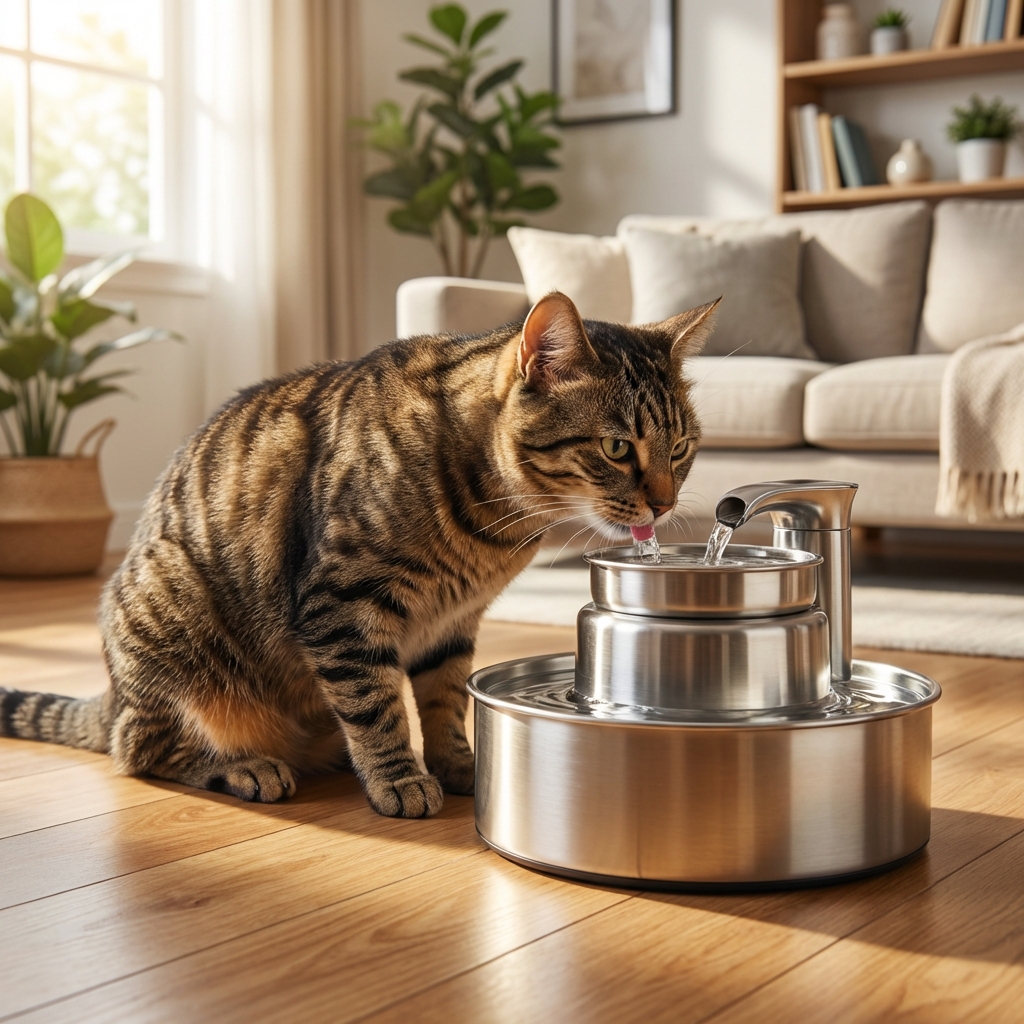
- Offer a water fountain. Many cats drink more from moving water.
- Place multiple water bowls around the house, including quiet areas.
2) Make the litter box easy to say yes to
- Scoop at least once daily, more often if possible.
- Provide enough boxes: the common recommendation is one per cat, plus one extra.
- Keep boxes in calm, accessible locations.
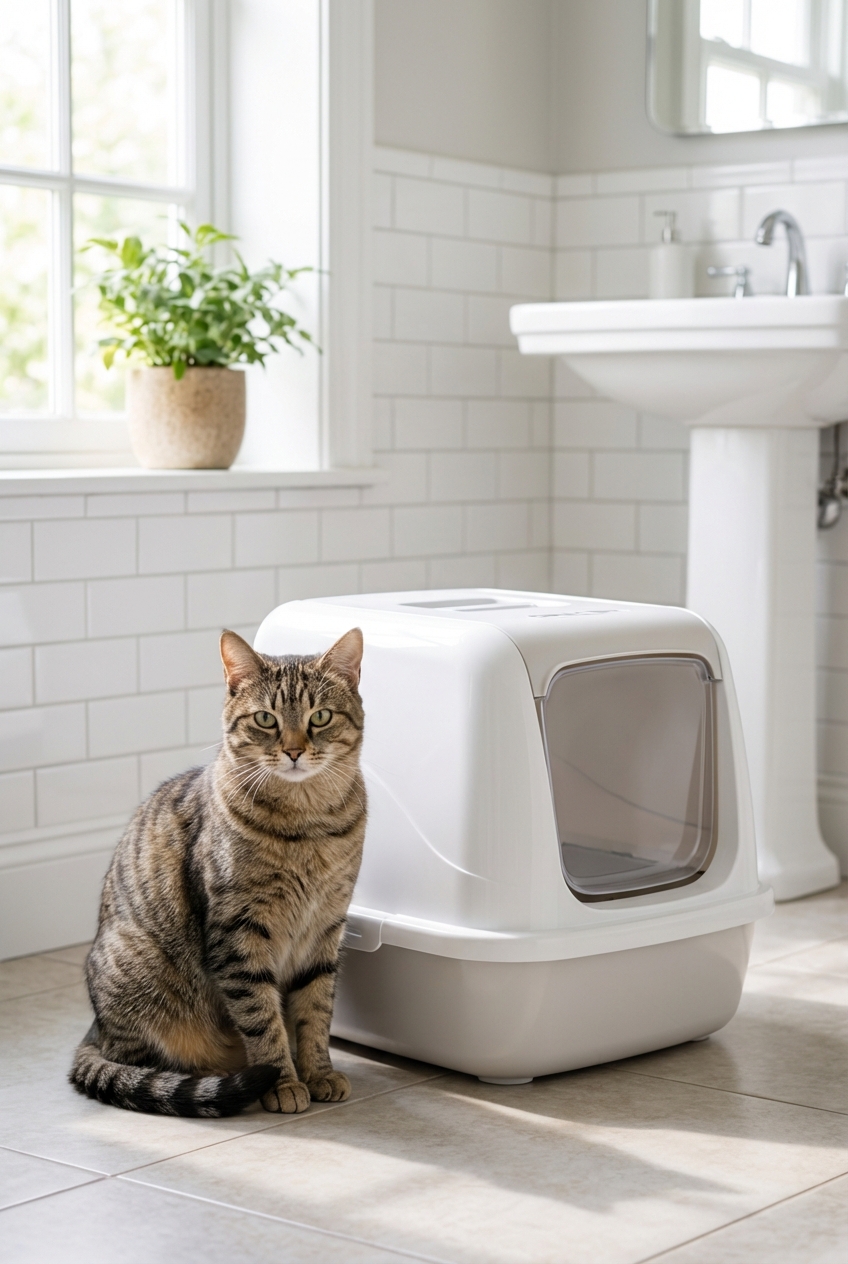
- If your cat is avoiding the box, consider practical comfort tweaks like a larger box, a lower entry for seniors, an uncovered option, or a different unscented litter (changes work best when made gradually).
3) Reduce stress triggers
- Maintain predictable feeding and play routines.
- Provide hiding spots and vertical space like cat trees.
- For multi-cat homes, ensure resources are spread out: food, water, boxes, beds.
What not to do
- Do not wait overnight if your cat is straining and producing little or no urine.
- Do not punish your cat for accidents. It can increase stress and worsen urinary flare-ups.
- Do not give human pain meds (like ibuprofen or acetaminophen). Many are toxic to cats.
- Do not assume supplements will fix it. Products like cranberry or D-mannose have limited evidence in cats and can delay needed care. Always ask your vet first.
- Do not restrict water in an attempt to reduce accidents.
Tracking symptoms
If you are calling your veterinarian, having details ready can speed up care.
- When did symptoms start?
- Is your cat producing urine, and how much?
- Any blood seen?
- Any vomiting, hiding, or not eating?
- Male or female, and age?
- Diet type (dry, wet, mixed)?
- Any recent stressors (travel, visitors, new pet, move)?
If you can safely collect a fresh urine sample, ask your clinic if they want you to bring one. Many clinics prefer a sterile sample they collect, so it is always best to call first.
Prevention tips
Not every urinary issue is preventable, but you can lower risk and reduce recurrence.
- Prioritize hydration with wet food and water access.
- Keep cats lean with portion control and daily play.
- Schedule routine vet visits, especially for senior cats.
- Discuss diet changes with your vet if your cat has crystals or stones.
- Enrichment matters: interactive play, puzzle feeders, window perches, and calm safe spaces all help reduce stress.
If your cat has repeat urinary flare-ups, ask your veterinarian about a long-term plan. For many cats, a combination of hydration, targeted diet, and stress reduction is the winning trio.
Bottom line
Cat UTIs and UTI-like problems often show up first as behavior changes: repeated litter box trips, peeing outside the box, crying while urinating, or hiding. Trust what you see, and act early.
And please remember this one safety rule: straining with little or no urine is an emergency. When in doubt, call your veterinarian or an emergency clinic right away.