Compare wet vs dry cat food with vet-informed pros and cons. Learn how moisture affects urinary and kidney health, how carbs and calories differ, and when co...
Article
•
Designer Mixes
Cat UTI Symptoms

Shari Shidate
Designer Mixes contributor
If your cat is suddenly spending more time in the litter box, having accidents, or crying when they pee, it is easy to assume it is “just stress” or “just getting older.” But urinary tract problems in cats can move from uncomfortable to dangerous quickly. As a veterinary assistant here in Frisco, Texas, I have seen how fast a urinary issue can escalate, especially in male cats.
This overview will help you spot the key warning signs of urinary trouble (including UTIs), understand what else can look like a UTI, and know exactly when to call your vet.
UTI vs. FLUTD
Many people say “UTI” to describe any urinary problem. In cats, true bacterial UTIs do happen, but they are less common in young, otherwise healthy cats. A large portion of urinary cases fall under FLUTD (Feline Lower Urinary Tract Disease), which includes:
- Idiopathic cystitis (sterile bladder inflammation, often stress-related)
- Bladder stones (struvite or calcium oxalate)
- Urethral plugs (more common in male cats)
- Bacterial UTI (more common in senior cats, cats with kidney disease, diabetes, or on certain medications)
The key point: the symptoms overlap, and you cannot confirm “it is a UTI” at home. These warning signs can come from infection, inflammation, crystals, stones, or blockage. Treatment can be very different, so it is worth getting a proper exam and urine testing.
Key signs in cats
Here are the signs that should get your attention right away. Some are obvious, and some are surprisingly subtle.
1) Frequent litter box trips with little or no urine
This is one of the most common red flags. Your cat may squat repeatedly, producing only drops. Owners often describe it as “they keep trying but nothing comes out.”
2) Straining to urinate (or posturing like they are trying)
Straining can look like constipation, especially if your cat is in the litter box a long time. If you are not sure whether they are trying to poop or pee, assume it is urgent and call your vet.
3) Crying out, restlessness, or sudden litter box anxiety
Some cats vocalize. Others get quiet and tense. A cat who normally uses the box confidently might start darting in and out, or seem afraid of the box because they associate it with pain.
4) Blood in the urine (pink or rust tint)
Even a small amount of blood can tint urine or leave tiny specks in pale litter. Blood can occur with UTIs, inflammation, crystals, or stones.
5) Urinating outside the litter box
This is often mistaken for a behavior problem. Many cats are actually trying to tell you something hurts. Common spots include bathtubs, sinks, rugs, laundry piles, and cool tile floors.
6) Excessive licking of the genital area
If your cat is licking their genital area more than usual, it can signal irritation, inflammation, or discomfort when urinating.
7) Strong-smelling urine or cloudy urine
Urine odor can change for many reasons. A stronger smell or cloudy appearance can be seen with infection, but it is not specific. Cloudiness can also come from crystals, mucus, or cells.
8) Changes in mood, appetite, or energy
Some cats become withdrawn, hide, eat less, or seem “off.” When pain is involved, cats often act subtle rather than dramatic.
9) Fever or vomiting (less common, but more concerning)
If infection has moved beyond the bladder, or if your cat is systemically ill, you may see vomiting, fever, and significant lethargy. This is an urgent same-day situation.
Emergency sign: blockage
If your cat is straining and producing little to no urine, treat it like an emergency until proven otherwise. A blocked urethra is most common in male cats and can become life-threatening within 24 to 48 hours, sometimes sooner.
Go to an emergency vet now if you notice:
- Repeated straining with no urine produced
- Crying out in the litter box
- A hard, painful belly
- Vomiting, collapse, or extreme lethargy
- Hiding and refusing to move, especially paired with litter box trouble
Do not wait overnight if you suspect a blockage.
What can cause a UTI
When cats do get bacterial UTIs, there is often an underlying reason. Common risk factors include:
- Older age
- Diabetes
- Kidney disease
- Medications or conditions that reduce normal bladder emptying (including mobility issues or urinary retention)
Stress is a major driver of idiopathic cystitis rather than infection, but it is still part of the urinary story because it can trigger UTI-like symptoms.
That is why your vet may recommend bloodwork or additional testing, especially for recurring urinary symptoms.
What else can look like a UTI
Not every “UTI symptom” is a UTI. A few common look-alikes include:
- Constipation (straining and repeated box trips)
- Diarrhea or stool stuck to fur (box avoidance or accidents)
- Pain or arthritis (trouble getting into the box, choosing softer spots like rugs)
- Urine marking (territorial spraying, sometimes mistaken for a medical issue)
Even with these possibilities, it is smart to rule out medical causes first, especially if your cat is straining, vocalizing, or producing little urine.
How vets confirm a UTI
Because symptoms overlap, diagnosis matters. In most clinics, testing starts with a urine sample and a urinalysis. If a bacterial infection is suspected or symptoms keep coming back, your vet may recommend a urine culture and sensitivity, which is the best way to confirm a true bacterial UTI and choose the right antibiotic.
- Urinalysis checks for blood, white cells, bacteria, crystals, and urine concentration
- Urine culture and sensitivity confirms bacteria and guides antibiotic selection
- X-rays or ultrasound may be recommended if stones are suspected
- Bloodwork may be recommended if your cat is older or seems systemically ill
One helpful note: urine is sometimes collected by a needle directly from the bladder (cystocentesis). It sounds scary, but it is common and helps reduce contamination so results are more accurate. In other cases, your vet may use a free-catch sample or a catheterized sample, depending on what your cat needs and what test is being run.
What treatment looks like
Treatment depends on the cause:
- Bacterial UTI: antibiotics chosen based on testing when possible, plus pain control as needed, and sometimes recheck testing to confirm it is cleared.
- Idiopathic cystitis: pain control, increased water intake, environmental enrichment, stress reduction, and sometimes prescription diets. Many young cats with UTI-like signs fall into this category, which is why antibiotics are not always the answer.
- Crystals or stones: diet changes, increased hydration, and in some cases procedures or surgery.
- Blockage: emergency stabilization, catheterization, IV fluids, pain relief, and close monitoring.
Please avoid giving leftover antibiotics or human medications. Some human pain medications are toxic to cats, and using the wrong antibiotic can delay proper care.
At-home support
You cannot cure a UTI at home, but you can support your cat safely while arranging care.
- Track output: note how many times your cat enters the box and whether urine is produced.
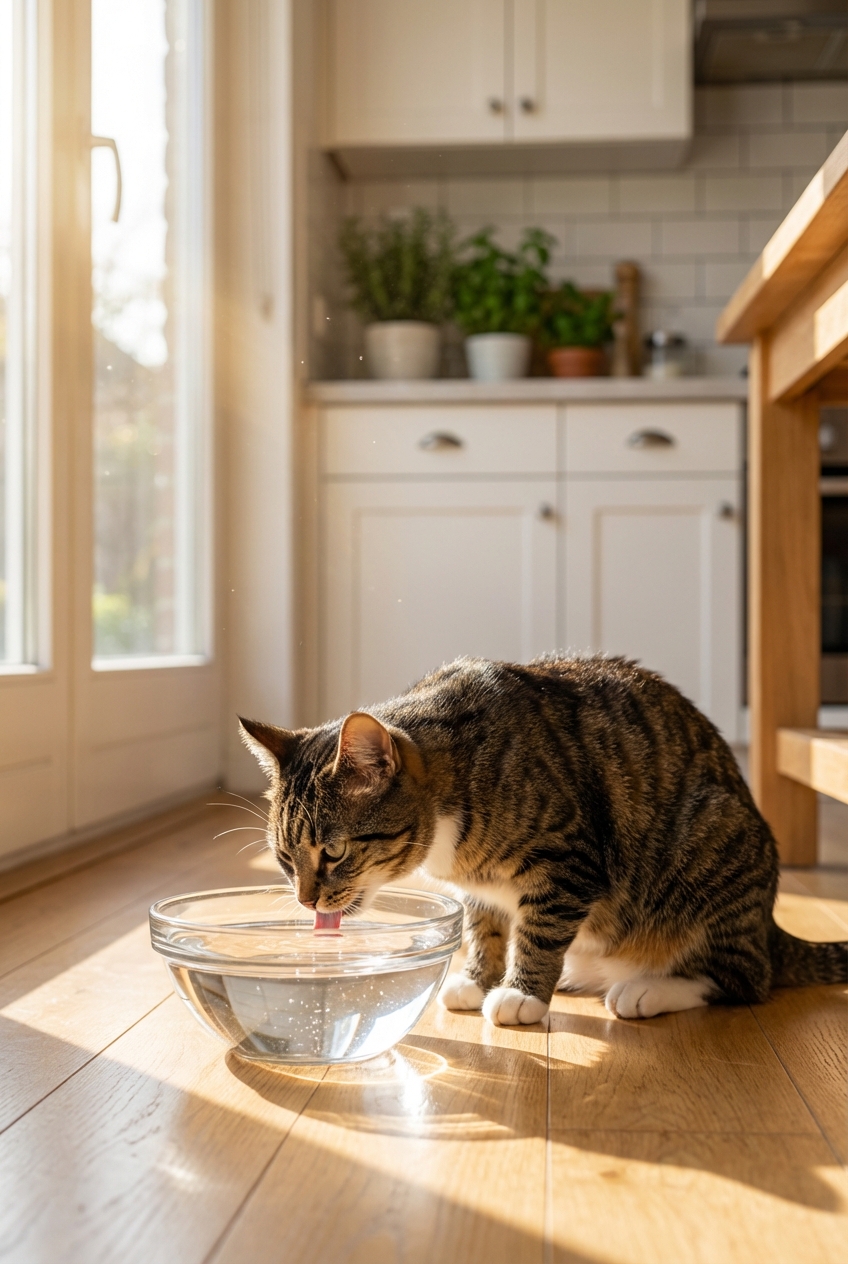
- Encourage water: offer multiple fresh bowls, a pet fountain, or add water to wet food if your vet says it is okay.
- Keep the litter box inviting: clean box, quiet location, and a low-stress environment.
- Separate pets if needed: some cats will avoid the box if they feel crowded or intimidated.
If your cat may be blocked (straining and no urine), skip the “wait and see” and go in immediately.
Prevention basics
Not every urinary problem is preventable, but these steps can reduce risk and recurrence for many cats:
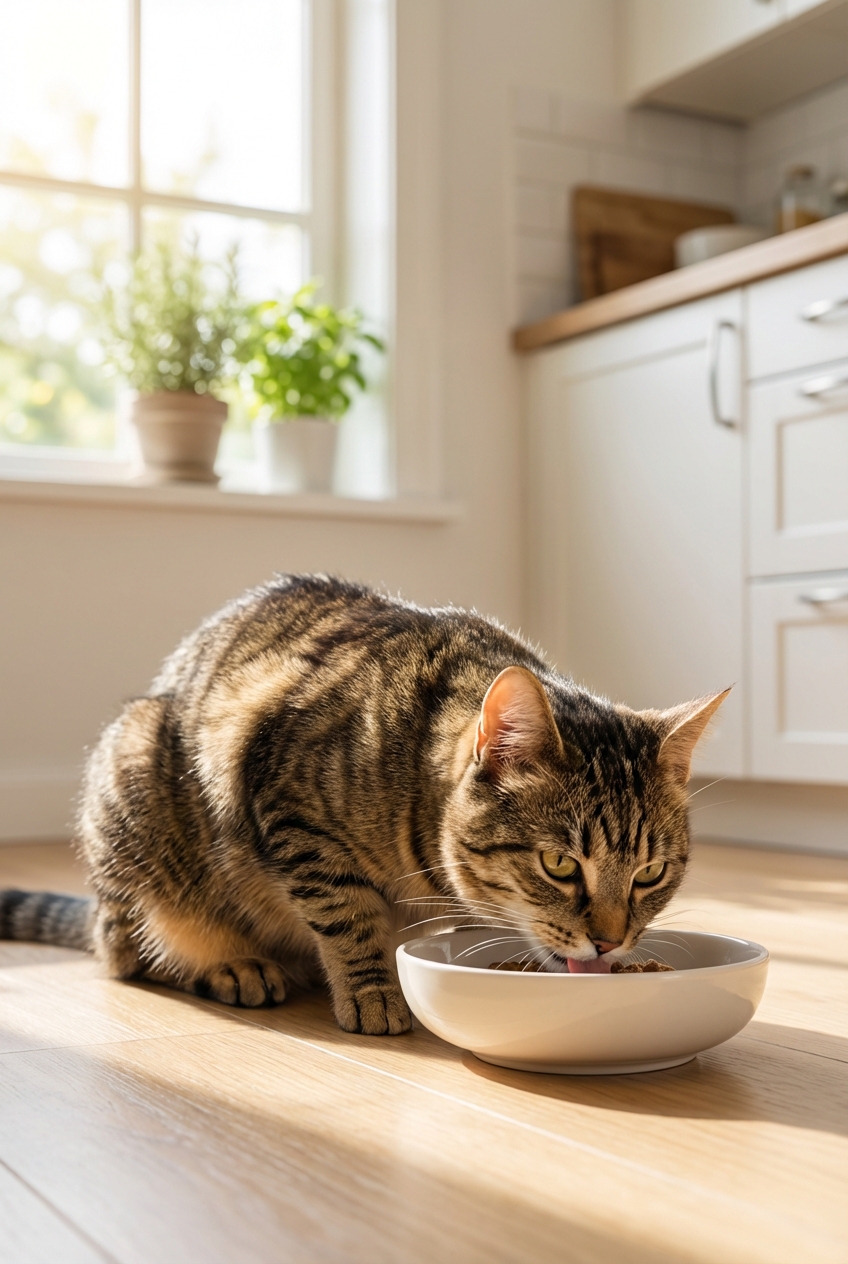
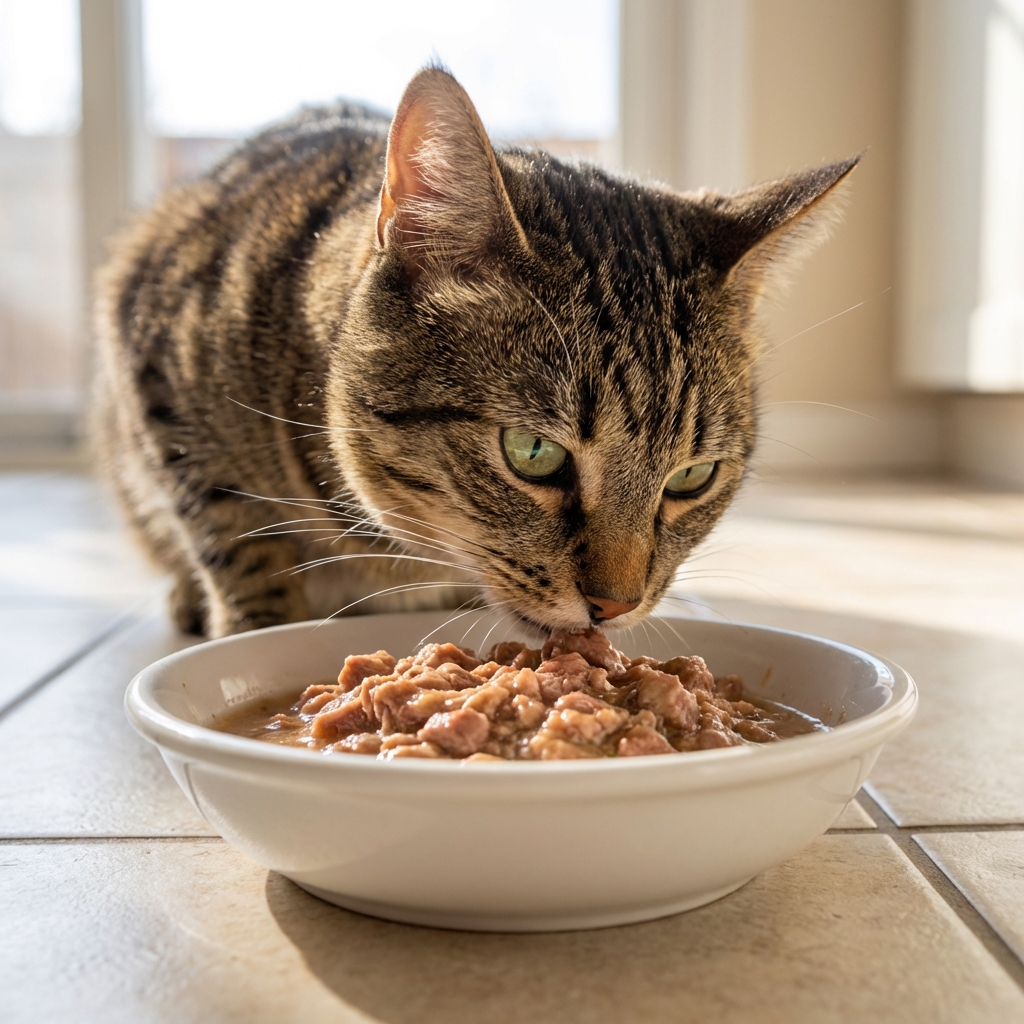
- Increase moisture intake: wet food, water fountains, and water added to meals can help dilute urine.
- Reduce stress: predictable routines, playtime, safe hiding spaces, and slow introductions to change.
- Optimize the litter setup: many cats do best with one box per cat plus one extra, scooped daily.
- Keep a healthy weight: excess weight is associated with urinary issues in many cats, especially idiopathic cystitis.
- Follow diet guidance: if your vet prescribes a urinary diet, consistency matters.
If your cat has recurring urinary signs, ask your vet whether a culture, imaging, or a long-term prevention plan is appropriate.
When to call your vet
If you see urinary symptoms, call the same day. When you call, share:
- How long symptoms have been happening
- Whether your cat is producing urine, and roughly how much
- Any blood seen
- Changes in appetite, vomiting, or hiding
- Whether your cat is male or female (male cats are higher risk for blockage)
If your cat is straining and not producing urine, it is an emergency. Trust your instincts and go in.
This article is not a substitute for veterinary diagnosis. If you are worried, especially if your cat may be blocked, it is safer to be seen right away.
Your cat depends on you to notice small changes. The good news is that with prompt care, many cats feel relief quickly and do very well long-term.