Cats can be picky drinkers. Learn normal water needs, warning signs, and step-by-step ways to boost hydration with bowls, fountains, clean water, and wet food.
Article
•
Designer Mixes
Cat Urinary Symptoms: Facts and Insights

Shari Shidate
Designer Mixes contributor
When a cat has a urinary tract issue, the signs can look small at first and then turn serious fast. As a veterinary assistant here in Frisco, Texas, I have seen “he’s just going to the litter box a lot” turn into an emergency visit the same day. The good news is that if you know what to watch for, you can act quickly and protect your cat’s comfort and, in some cases, their life.
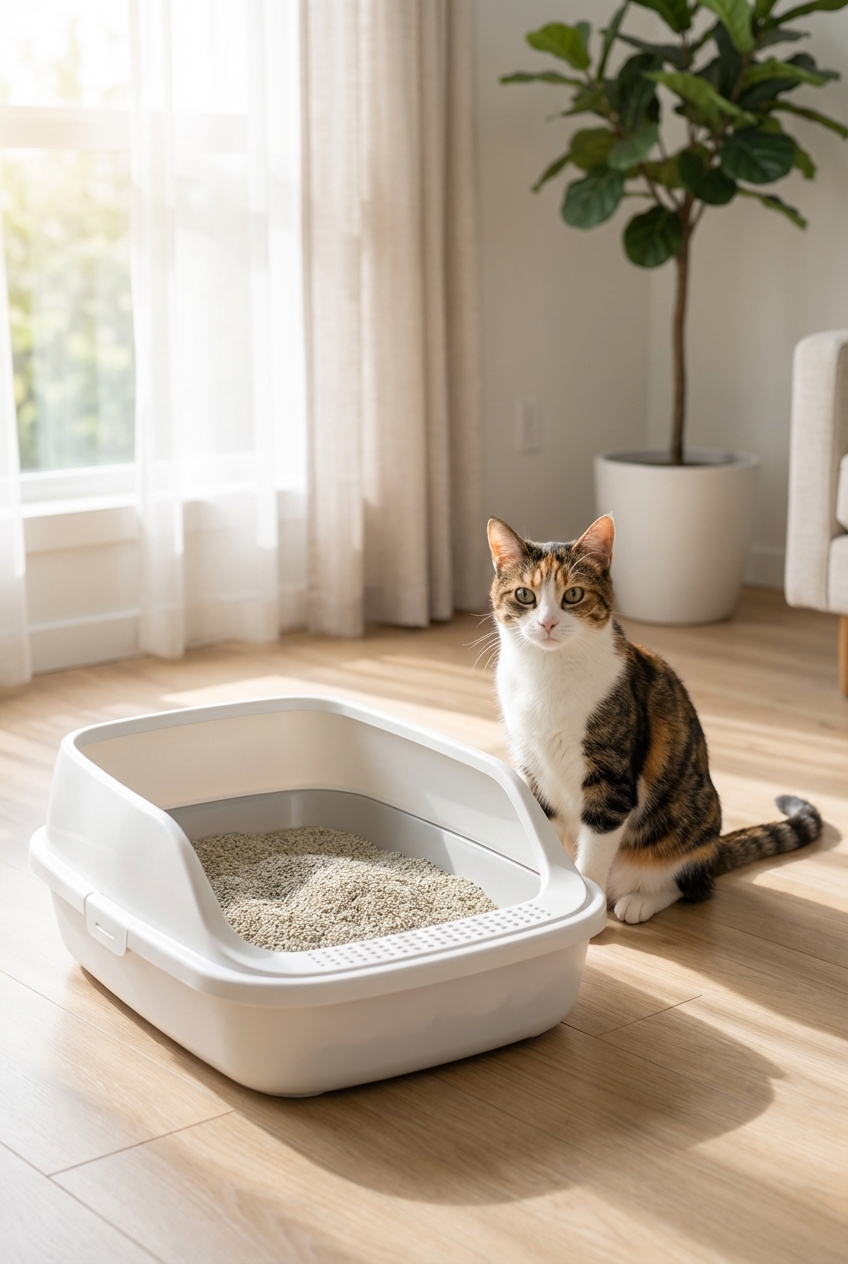
Important note: “UTI symptoms” in cats are often caused by feline lower urinary tract disease (FLUTD), which includes inflammation, crystals, stones, stress-related cystitis, and true bacterial infection. The symptoms overlap, but the treatment can be very different.
Quick symptom checklist
If you are skimming, here are the most common signs cat parents notice:
- Frequent trips to the litter box, often with little or no urine produced
- Straining to urinate or crying out while urinating
- Blood in the urine or pink-tinged litter
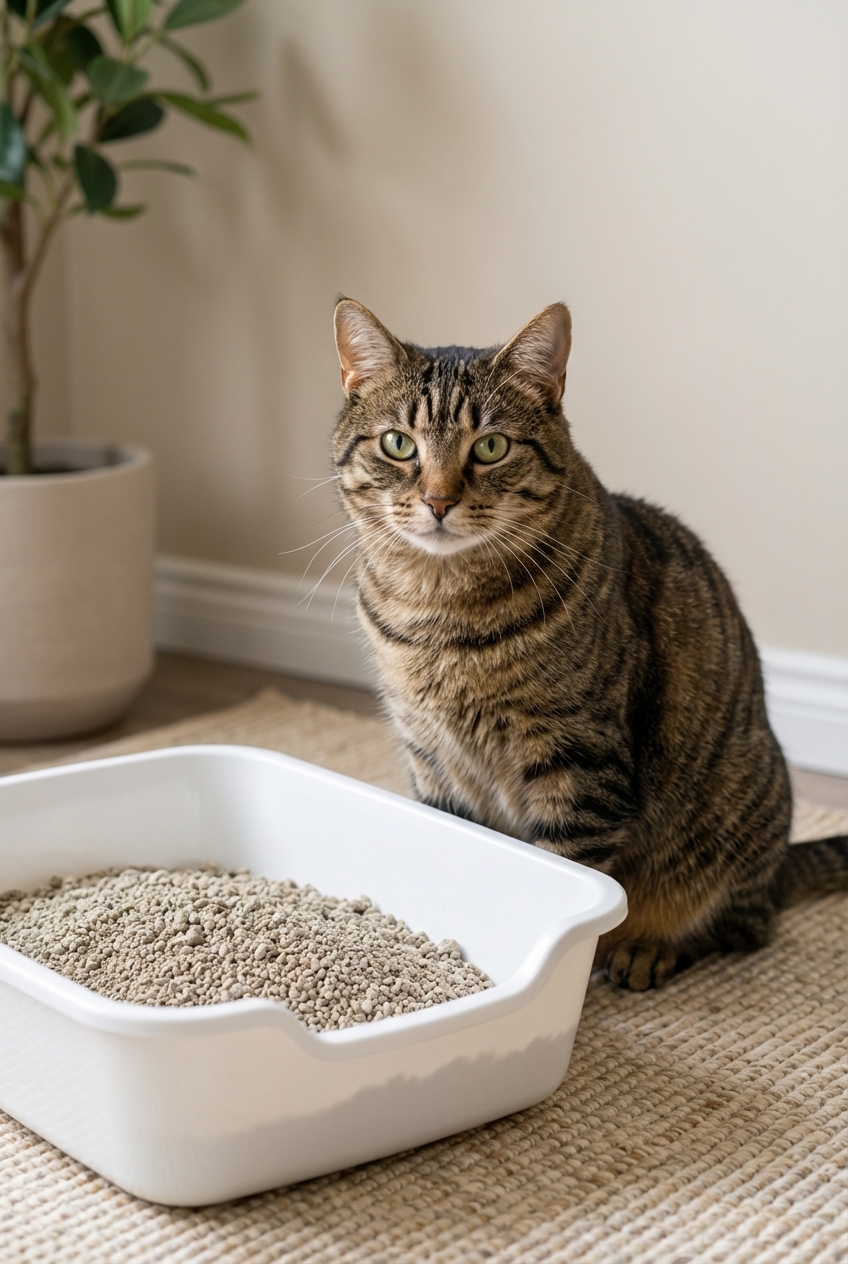
- Urinating outside the litter box (bathtub, rugs, laundry, corners)
- Excessive licking of the genital area
- A noticeable change in urine odor (non-specific)
- Behavior changes: hiding, irritability, decreased appetite, low energy
Even if symptoms seem mild, urinary problems are painful. Cats are masters at masking discomfort, so visible signs often mean they have been uncomfortable for a while.
Emergency signs
Some urinary signs require immediate veterinary care, especially in male cats.
Go to an emergency vet now if:
- Your cat is straining but producing no urine
- Your cat keeps entering and exiting the litter box with little or nothing happening
- They have a painful, tense belly, vomiting, collapse, or extreme lethargy
- You suspect a urinary blockage (more common in males due to a narrower urethra)
A urinary obstruction can become life-threatening within 24 to 48 hours, and severe complications can develop sooner. When in doubt, it is safer to treat “maybe blocked” as “blocked until proven otherwise.”
UTI vs. FLUTD
In dogs, urinary symptoms often point to a bacterial UTI. In cats, true bacterial UTIs are less common overall, especially in younger, otherwise healthy adult cats. Many cats instead have FLUTD, which is an umbrella term for lower urinary tract problems.
Conditions that can cause the same “UTI-like” symptoms include:
- Idiopathic cystitis (inflammation with no single identifiable cause, often linked to stress)
- Urinary crystals (struvite or calcium oxalate)
- Bladder stones
- Urethral plugs (can block male cats)
- Bacterial infection (more likely in seniors or cats with other health issues)
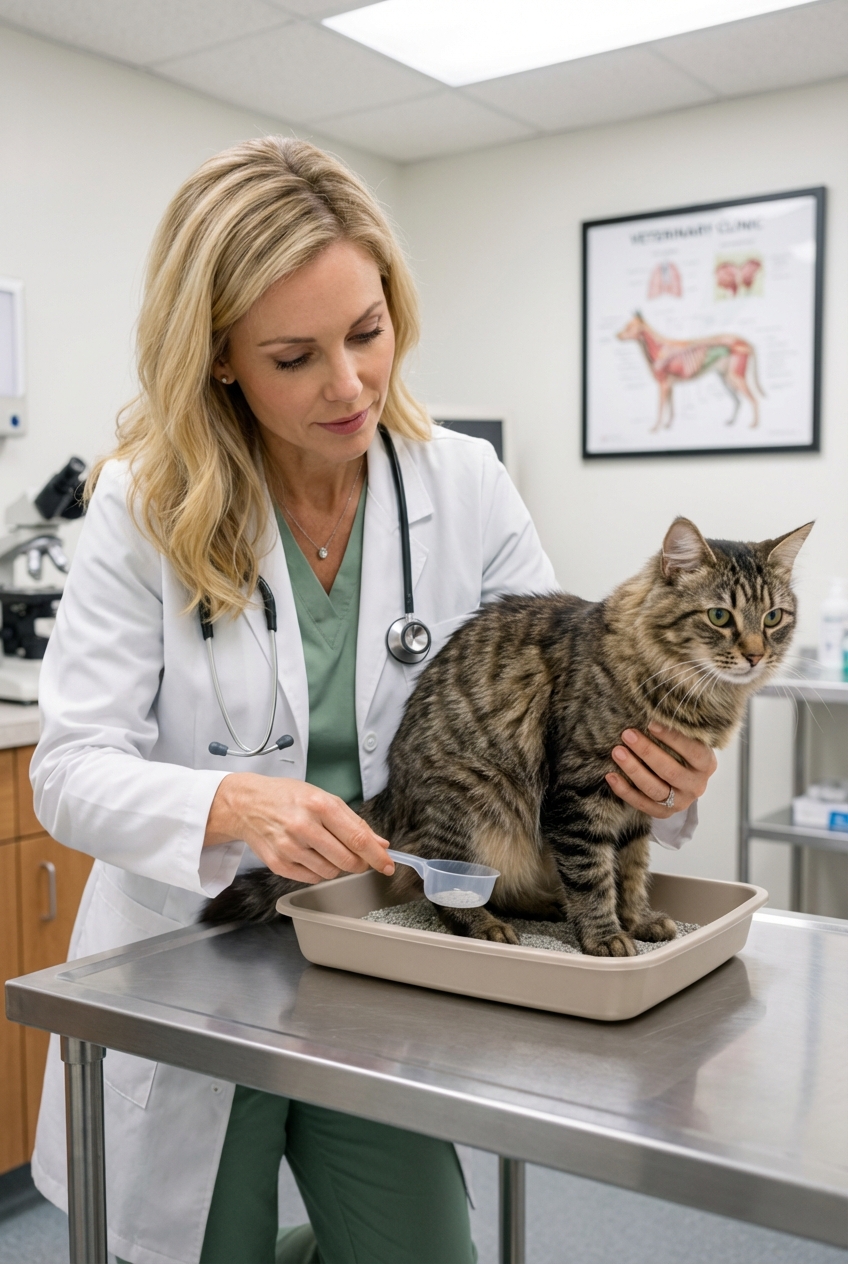
This is why guessing and giving leftover antibiotics is risky. If the real problem is crystals, stress cystitis, or a stone, antibiotics will not fix the cause and can delay proper care.
Detailed urinary symptoms
Frequent litter box trips
This is one of the earliest signs. Your cat may squat repeatedly, stay in the box longer than usual, or return to the box minutes later.
Straining and vocalizing
Straining can look like constipation, so it is easy to mix up. A key clue is location: if the straining happens in the litter box and you see small urine clumps or none at all, think urinary first.
Small amounts vs. no urine
Many cats with FLUTD still pass small amounts of urine frequently. A blocked cat may pass no urine at all. If you are not sure, check the box right after an attempt, or ask your vet about using non-absorbent litter to help you see output. This does not replace urgent care if your cat might be blocked.
Blood in urine
You might see pink litter, tiny red drops, or a rusty color. Blood can occur with inflammation, crystals, stones, or infection.
Accidents outside the litter box
This is often pain plus urgency, not “bad behavior.” Many cats will choose easy-to-clean or smooth surfaces like tubs or sinks during a flare-up. They may also start avoiding the litter box if they associate it with discomfort.
Over-grooming the genital area
Licking is a common self-soothing behavior when the urinary tract is irritated.
Urine odor or cloudiness
A strong-smelling urine or cloudy urine can happen for many reasons, including concentration and diet. These clues can help your veterinarian, but they do not confirm a bacterial infection by themselves.
Who is most at risk
Any cat can develop urinary issues, but some have higher risk:
- Male cats, especially for obstruction
- Indoor cats with lower activity levels
- Cats who eat mostly dry food and drink minimal water
- Cats who are overweight
- Cats in multi-cat homes with tension, limited resources, or schedule changes
- Cats with a history of urinary crystals, stones, or FLUTD episodes
- Senior cats (more likely to have bacterial UTIs, kidney disease, diabetes, or other underlying issues)
What your vet may do
Because the symptoms overlap, diagnosis is where the real answers live. Your veterinarian may recommend:
- Urinalysis to check concentration, blood, inflammation, crystals, and signs of infection
- Urine culture to confirm bacteria and choose the right antibiotic when infection is suspected
- X-rays or ultrasound to look for stones or urinary tract changes
- Bloodwork if your cat is sick, older, or at risk for kidney issues
For blocked cats, treatment may include sedation, catheterization, IV fluids, pain control, and close monitoring. This is one reason fast action is so important.
What you can do now
If your cat is peeing small amounts or seems uncomfortable but is still producing urine, you can take a few practical steps while you arrange a vet visit.
1) Watch the urine closely
- Note how often they go and whether clumps are getting smaller
- Check for blood or crying out
- If you have multiple cats, consider temporarily separating to monitor litter box output
2) Encourage hydration
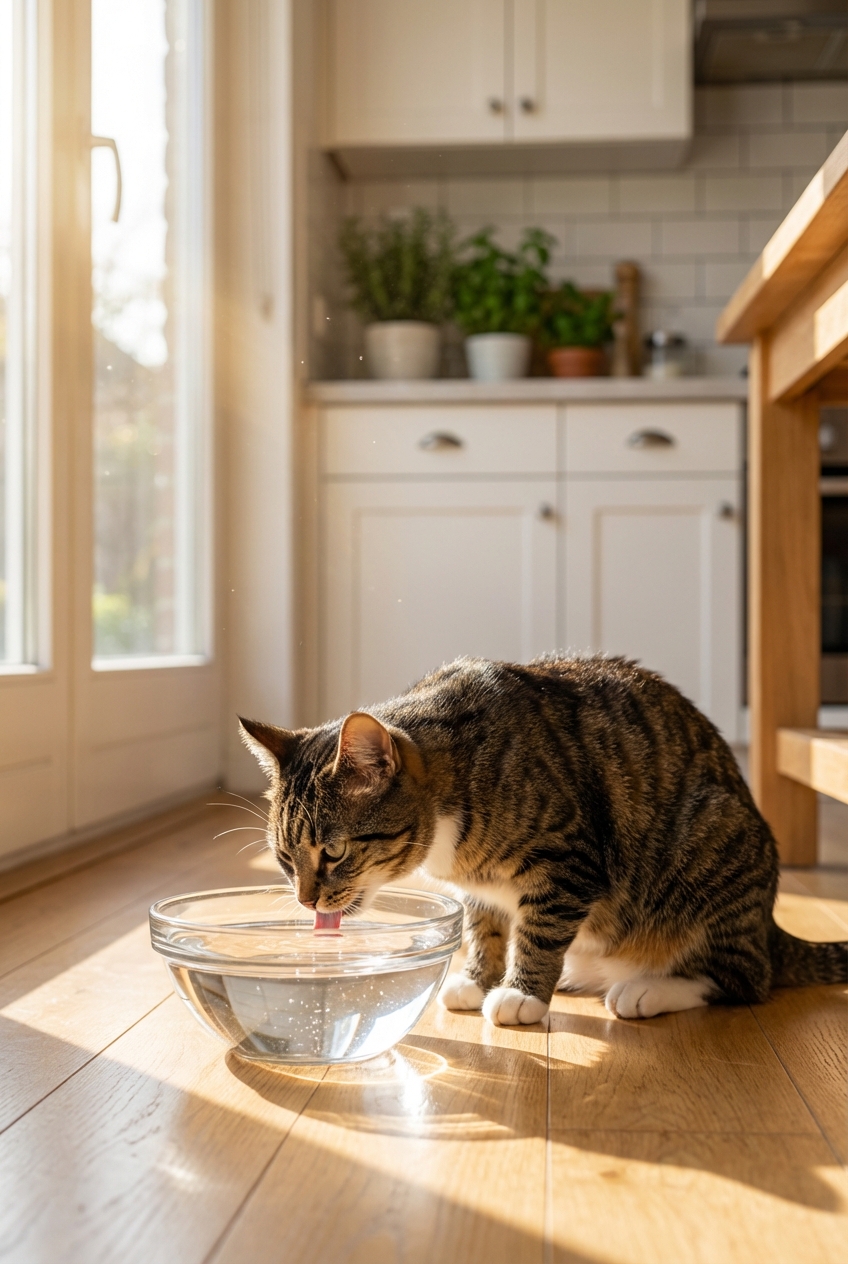
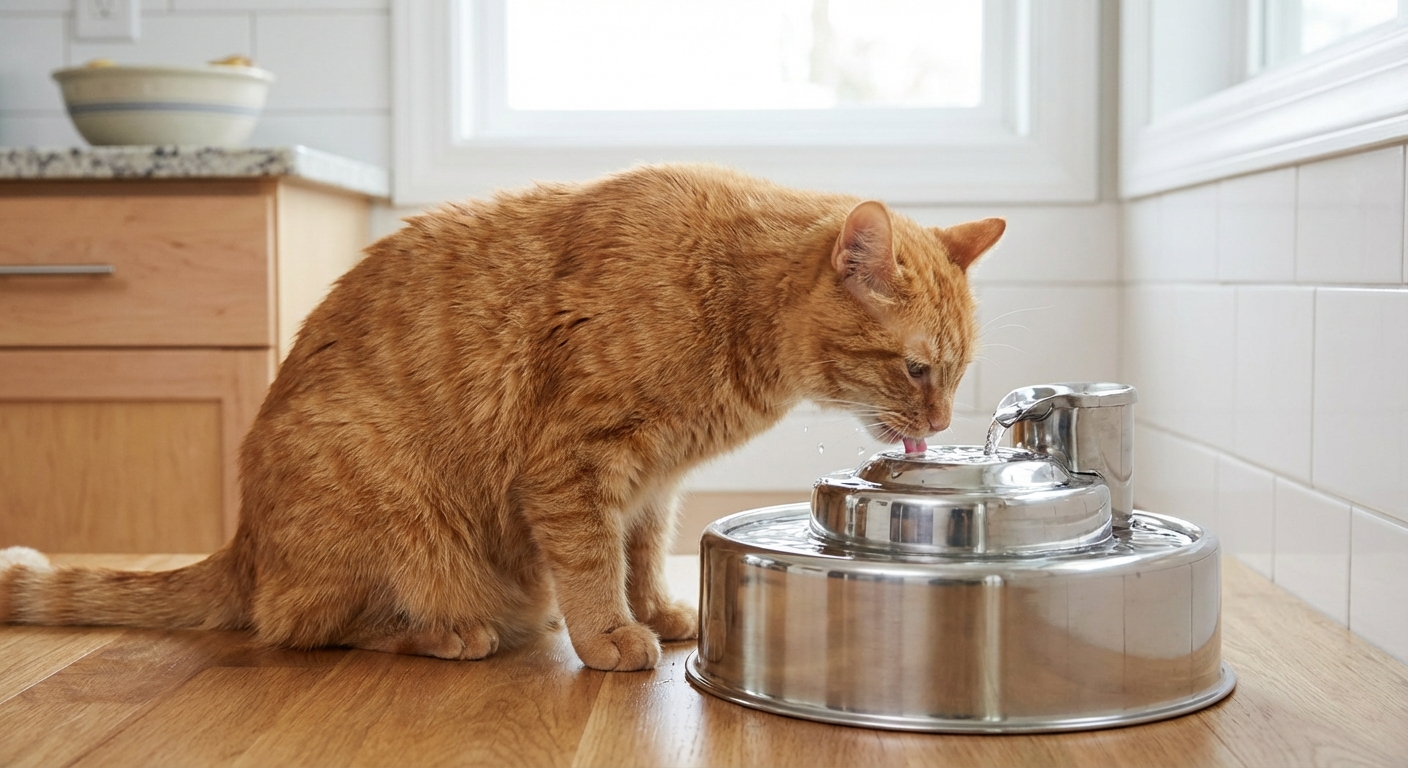
- Offer a water fountain and multiple bowls
- Add water to wet food to make a “soupy” meal
- Feed more wet food if your veterinarian agrees
3) Reduce stress
Stress can trigger or worsen feline idiopathic cystitis. Keep the environment calm, provide hiding spots, and maintain predictable routines. In multi-cat homes, spread resources out (food, water, beds, litter boxes) so one cat cannot “guard” everything. Some cats also benefit from feline pheromone diffusers and a consistent daily play routine.
4) Avoid human meds and DIY fixes
Many human pain relievers are toxic to cats. Also avoid leftover antibiotics without your veterinarian’s guidance. Supplements and home remedies, including cranberry and over-the-counter “urinary support” products, are not reliable for cats and can delay proper treatment.
Prevention habits
Not every case is preventable, but these steps help many cats have fewer flare-ups:
- Hydration first: prioritize wet food and water access
- Healthy weight: keep your cat lean with measured meals and play
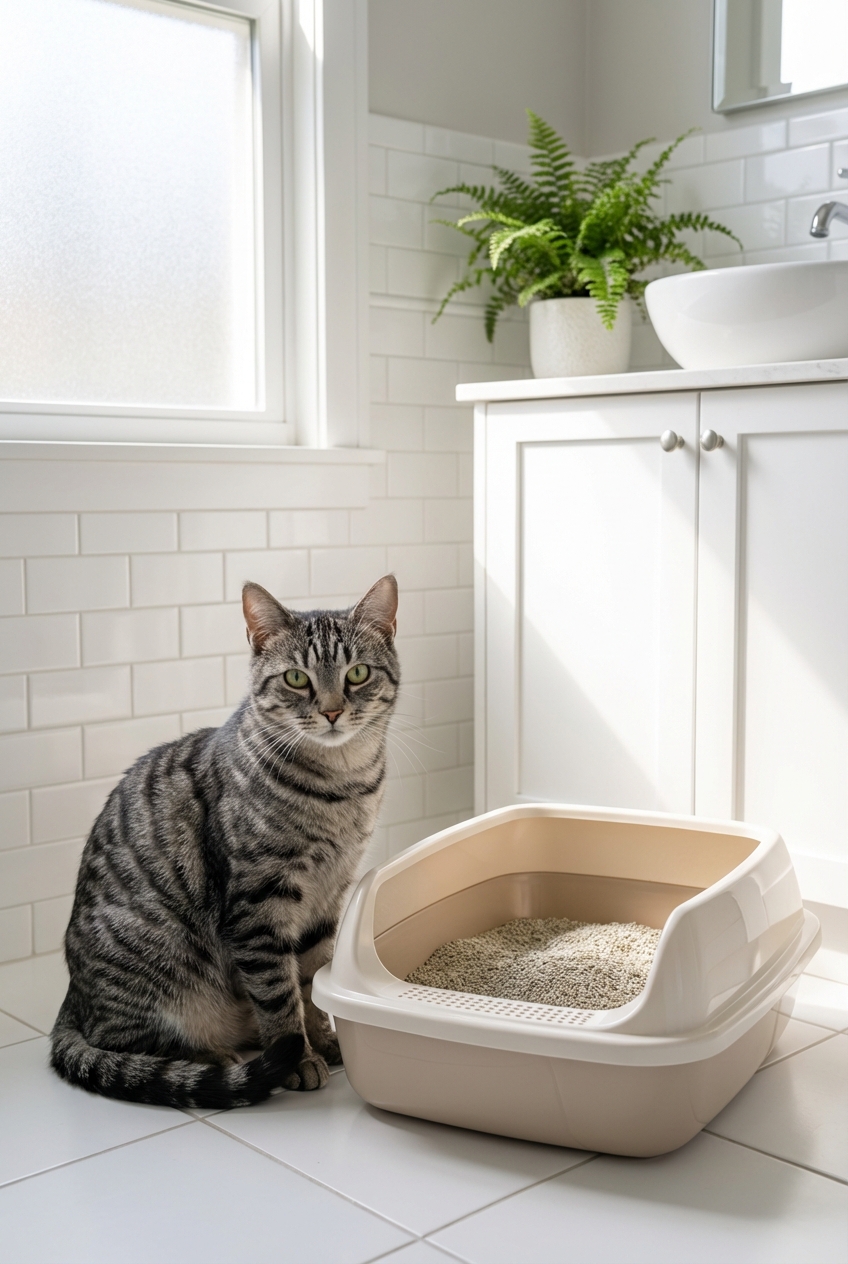
- Litter box best practices: 1 box per cat plus 1 extra, scoop daily, place boxes in quiet areas
- Enrichment: daily interactive play, window perches, scratching posts
- Vet-recommended diets: if your cat has crystals or stones, prescription urinary diets can be very effective and are tailored to the type of issue
If your cat has repeated urinary symptoms, the goal is not just “treat the episode.” The real win is reducing triggers, improving hydration, and preventing the next flare.
FAQ
Can a cat UTI clear up on its own?
Some mild inflammation episodes may improve, but you cannot reliably tell at home if it is inflammation, crystals, stones, or infection. Because obstruction is a possibility and pain is real, it is safest to involve your veterinarian quickly.
Why is my cat peeing outside the litter box all of a sudden?
Sudden litter box avoidance is a classic sign of urinary discomfort. It can also happen with non-urinary problems like arthritis, litter box aversion, or cognitive changes, so a medical check is still the best first step.
Do female cats get blocked too?
It is much less common, but females can still get serious urinary disease and should be evaluated promptly if symptomatic.
When to call your vet
Call the same day if you see frequent urination attempts, straining, blood in urine, accidents, or pain signs. Go to emergency care immediately if your cat cannot pass urine, seems weak, vomits, or has a painful belly. Urinary issues are one of those areas where fast action truly changes outcomes.