Compare wet vs dry cat food with vet-informed pros and cons. Learn how moisture affects urinary and kidney health, how carbs and calories differ, and when co...
Article
•
Designer Mixes
Cat Urinary Blockage Symptoms

Shari Shidate
Designer Mixes contributor
Urinary blockage in cats is one of those emergencies I never want a pet parent to “wait and see” on. When urine cannot leave the bladder, waste products (like urea and creatinine) and electrolytes (especially potassium) can build up quickly, pain escalates, and a cat can become critically ill in a short window of time. The good news is that the earliest symptoms are often visible at home if you know what to watch for.
This guide will help you spot cat urinary blockage symptoms in kittens, adult cats, and seniors, understand what is happening inside the body, and know exactly when to head to an emergency vet.
What a urinary blockage is
A urinary blockage happens when something prevents urine from flowing out of the bladder through the urethra. In cats, this is often part of a condition called feline lower urinary tract disease (FLUTD). Blockages are most common in male cats because their urethra is longer and narrower. Female cats can still have painful urinary issues that need prompt care, but true life-threatening obstruction is far more likely in males.
Common causes
- Mucus plugs (thick material that blocks the urethra)
- Urinary stones (often struvite or calcium oxalate)
- Urethral inflammation and spasm (often linked to FLUTD and sometimes stress-related)
- Uncommon: blood clots or debris (more often tied to significant inflammation or trauma)
- Less common: tumors, scarring or stricture, trauma
If you only take one thing from this article, let it be this: a cat who is straining and producing little to no urine needs immediate veterinary attention.
Early warning signs at home
Many cats show subtle clues before a full blockage. Catching these early can prevent a crisis.
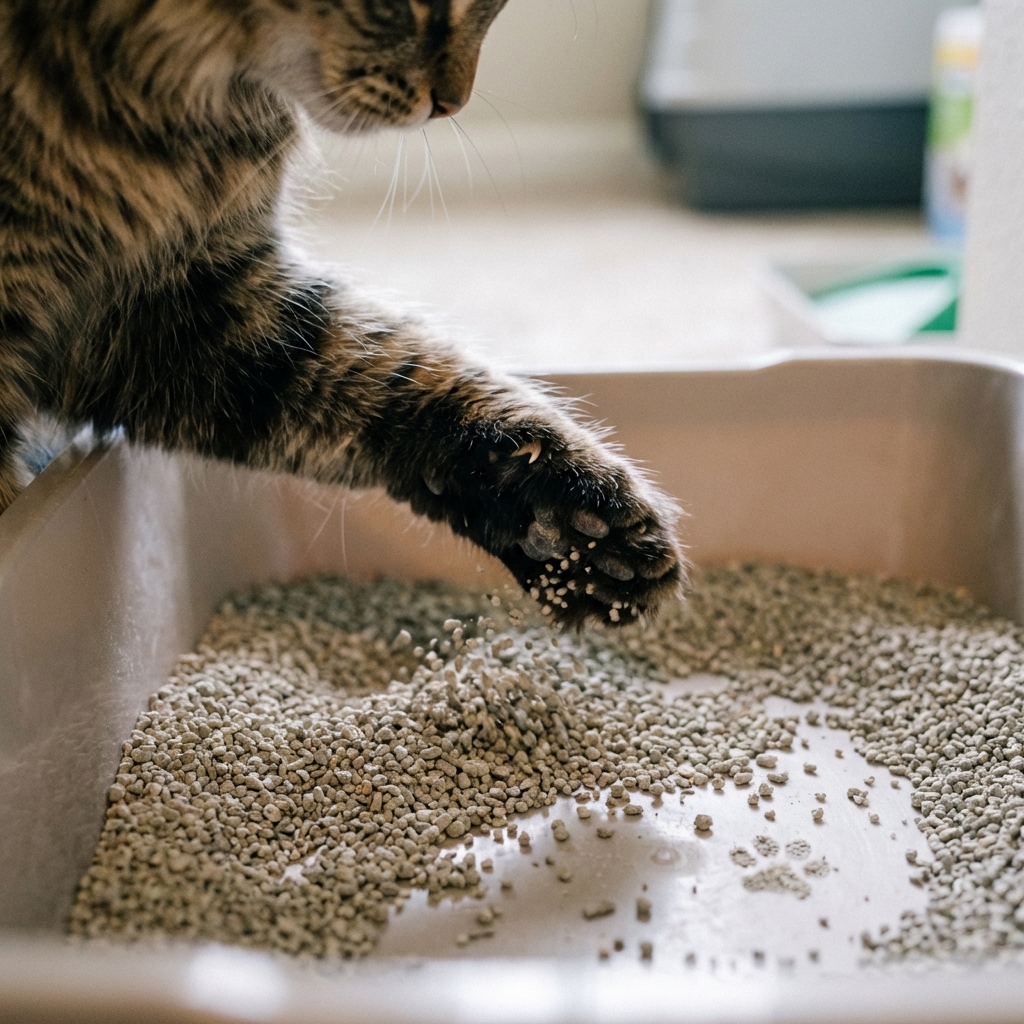
- More trips to the litter box (frequent squatting)
- Small urine clumps or only a few drops (note: if you use non-clumping litter like pellets or crystals, look for repeated squatting with minimal wetness instead)
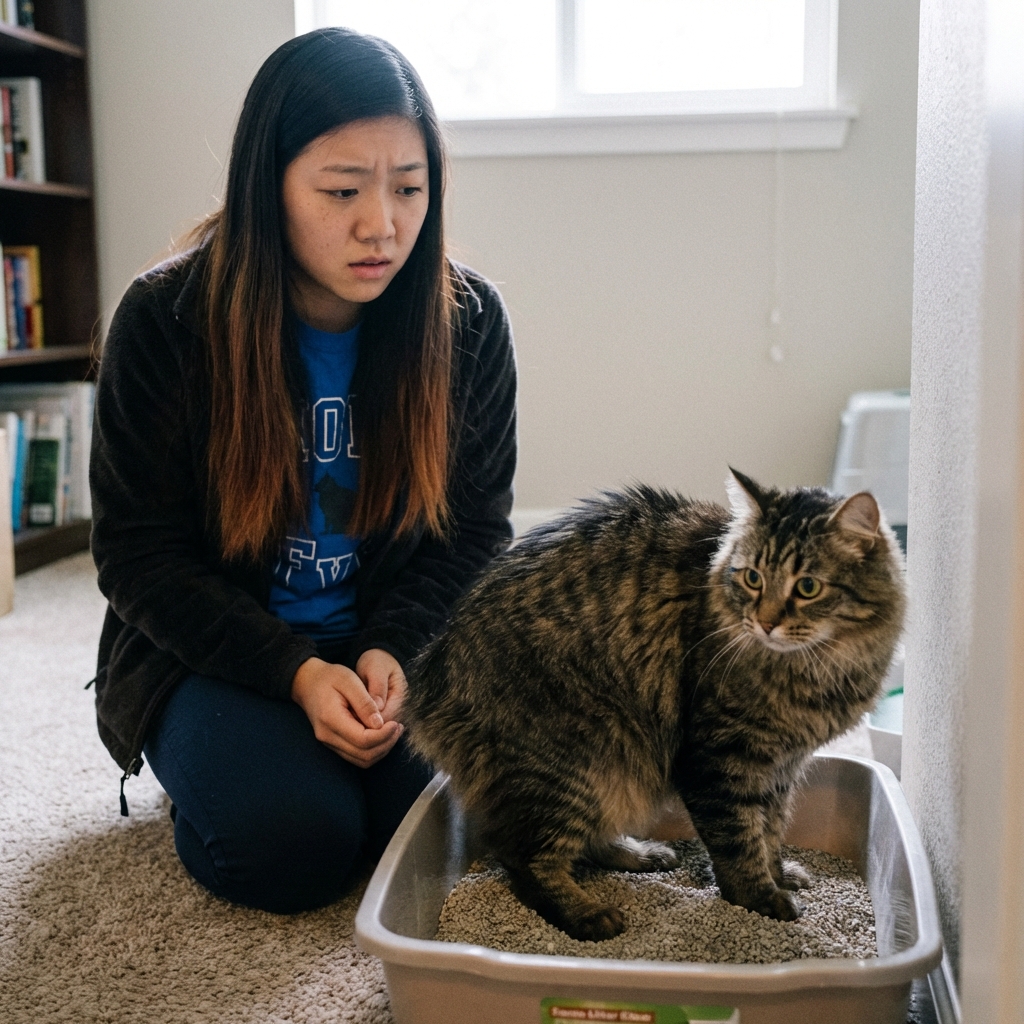
- Straining to pee (posture can look like constipation)
- Crying, yowling, or quiet pain while trying to urinate
- Licking the genital area more than usual
- Urinating outside the box (bathtub, rugs, laundry)
- Blood in urine or pink-tinged litter
- Urine odor changes (this can happen for many reasons and is not a reliable sign by itself)
Complete blockage signs
A complete obstruction means urine cannot pass at all. This can become life-threatening within 24 to 48 hours, sometimes sooner.
Go to emergency now if you see:
- Repeated straining with no urine produced
- Distended, firm, painful belly (the bladder can become overfull)
- Vomiting
- Not eating or sudden refusal of treats
- Extreme lethargy, hiding, or weakness
- Fast breathing or acting “off” in a way you cannot explain
- Collapse or inability to stand
These signs can relate to dangerous electrolyte changes, including high potassium, which can affect the heart. If your cat is straining and nothing comes out, do not wait for morning.
If it looks like constipation but your cat is not producing stool or urine, assume urinary trouble until a vet proves otherwise. Straining can look very similar.
Symptoms by age
Urinary issues can happen at any age, but the way they show up can look a little different.
Kittens
True blockage is less common in kittens. Also, in otherwise healthy young cats, a bacterial UTI is less common than inflammation or other causes, but it can happen. Congenital or anatomic issues can also play a role. The key point is the same: repeated straining or pain needs prompt evaluation.
- Frequent squatting with tiny amounts of urine
- Crying in the box
- Wet fur around the rear end
- Accidents outside the box (especially if newly litter trained)
- Fever, poor appetite, or low energy (can occur with infection or more serious illness)
Because kittens can decline quickly, call your vet promptly if you see repeated straining or pain.
Adult cats
This is the classic age range for FLUTD, especially in indoor cats and male cats.
- Sudden litter box problems
- Straining and vocalizing
- Genital licking
- Small clumps, blood, or no urine
- Stress triggers (new pet, move, schedule changes)
Senior cats
Seniors can have stones, infection, arthritis affecting litter box posture, and chronic kidney disease that changes urination patterns. This can make symptoms easier to miss.
- Urinating more or less than usual
- Accidents due to pain climbing into the box
- Weight loss, increased thirst (possible kidney or endocrine disease)
- Blood in urine
- Weakness or vomiting (especially concerning)
Blocked vs UTI vs constipation
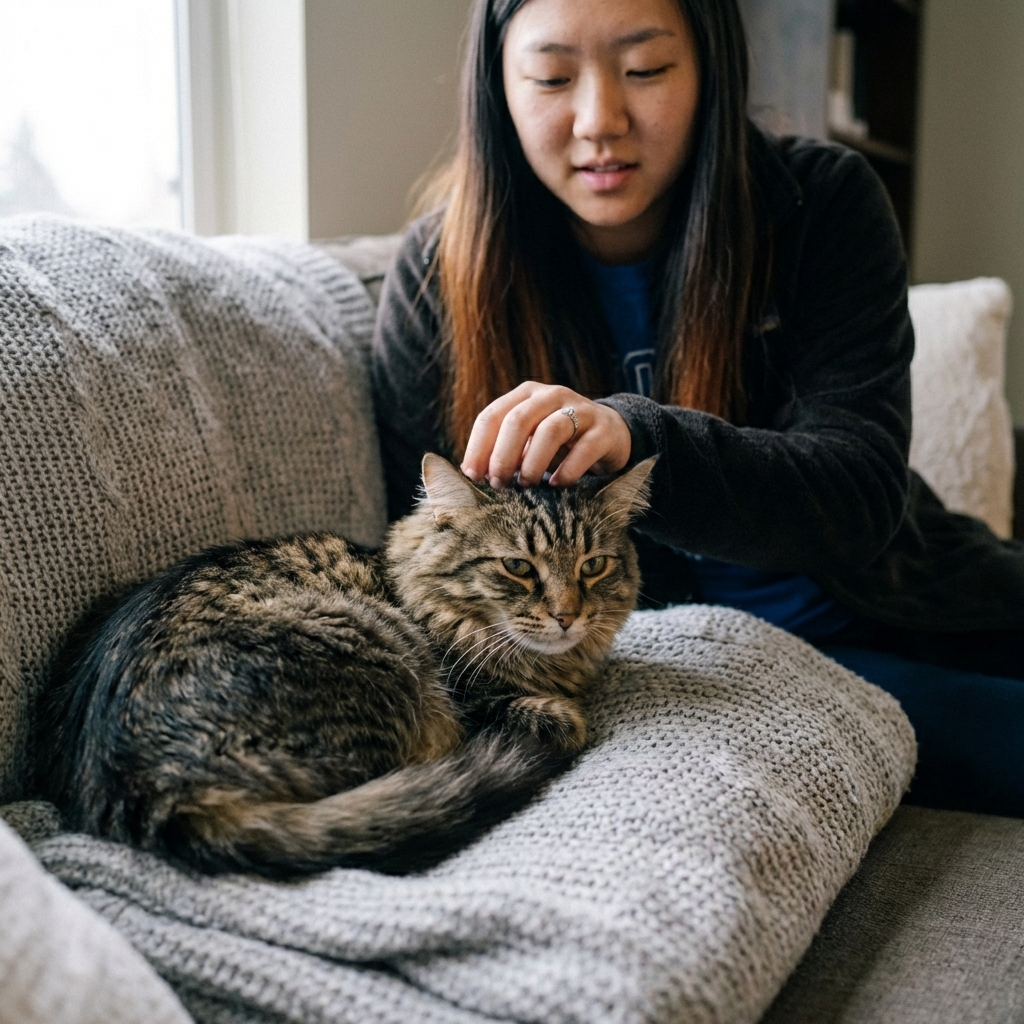
Pet parents often tell me, “I think my cat is constipated.” That makes sense because the straining posture can look identical. Here is a simple way to think about it.
Signs that lean urinary
- Multiple litter box trips with very small output
- Spotting blood
- Excessive licking of the genital area
- Crying while squatting
- Peeing in odd places like the tub
Signs that lean constipation
- Hard, dry stool or no stool for more than 48 hours
- Straining to pass stool (often hunched, tail up) and producing small hard feces or none
- Small hard pellets of stool
- History of dehydration, hairballs, low-fiber diet, or mobility pain
Important: You cannot confirm a blockage at home. If your cat is straining and you are not sure whether urine is coming out, treat it as urgent and call a veterinary clinic right away.
What to do right now
When you are scared and your cat is uncomfortable, having a simple plan helps.
Step-by-step
- Check the litter box: look for urine clumps or wet spots. If you have multiple cats, consider separating the symptomatic cat in a small room with a clean box to confirm output.
- Do not give human pain medication: many are toxic to cats.
- Call your vet or an emergency clinic: describe straining, urine output (or lack of), vomiting, appetite, and behavior changes.
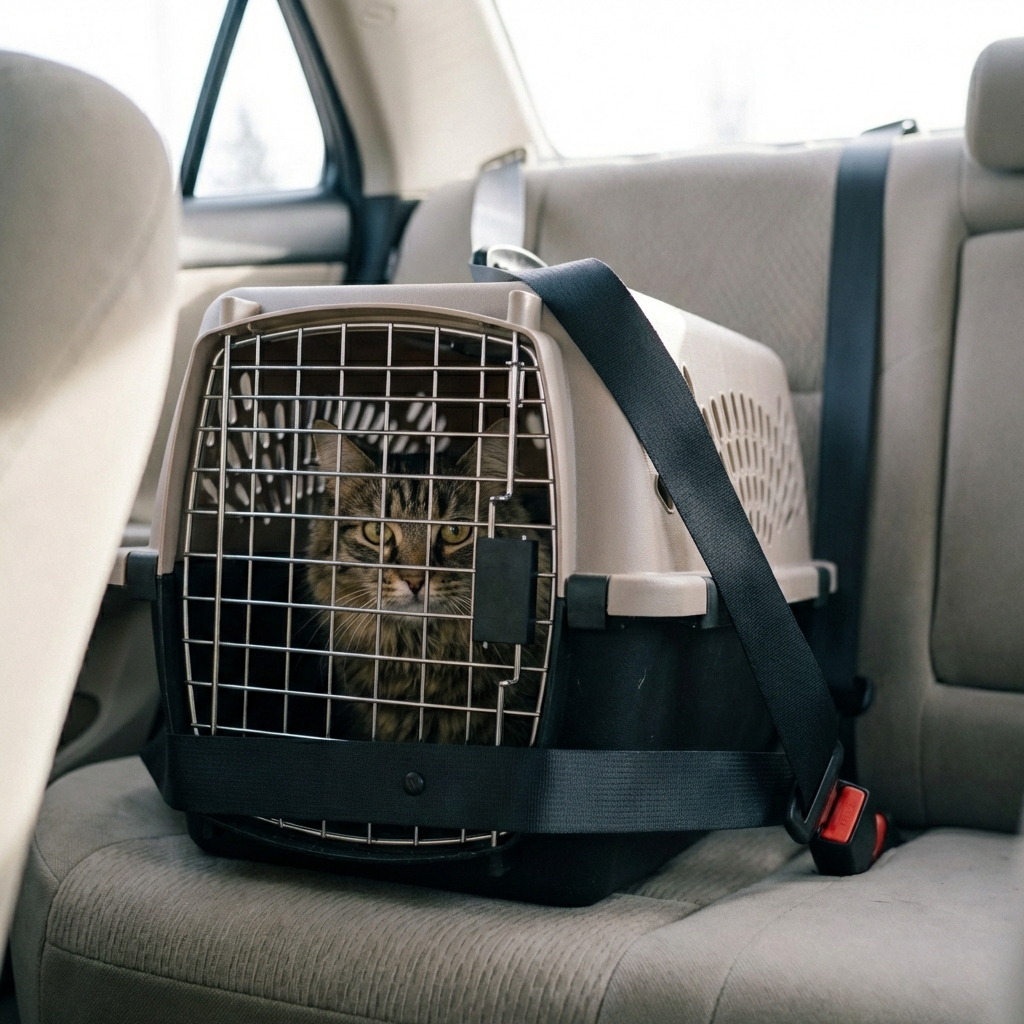
- Transport your cat safely: use a carrier with a towel. Keep it calm and quiet.
What not to do
- Do not wait overnight if your cat is producing no urine.
- Do not attempt to express the bladder yourself.
- Do not force water with a syringe if your cat is vomiting or distressed.
- Do not assume it is behavioral, especially in male cats.
Diagnosis and treatment
At the clinic, the team’s first priority is stabilizing your cat and relieving the obstruction.
Common diagnostics
- Physical exam and bladder palpation
- Urinalysis (checking for blood, crystals, infection indicators)
- Bloodwork (kidney values and electrolytes like potassium)
- X-rays or ultrasound (to look for stones and bladder changes)
Typical treatment
- Pain control and sedation
- IV fluids
- Urinary catheter placement to relieve the blockage and flush debris
- Hospitalization to monitor urine output and electrolytes
- Diet or medication plan based on the underlying cause
Some cats are prone to repeat episodes. If a male cat blocks repeatedly, a surgical procedure called a perineal urethrostomy (PU) may be discussed. It creates a wider urine outflow opening, but it is not a first-line step for every cat and it comes with aftercare needs and potential risks that your vet will review.
Risk factors
Some cats are simply more at risk. Knowing the pattern can help you stay alert for early signs.
- Male and neutered cats
- Indoor lifestyle
- Overweight or low activity
- Low water intake or mostly dry food (for some cats)
- Stress history or recent household changes
- Prior FLUTD episode or previous blockage
Prevention and support
Not every urinary issue is preventable, but many are influenced by hydration, diet, weight, stress, and litter box habits. Small changes can add up.
Hydration
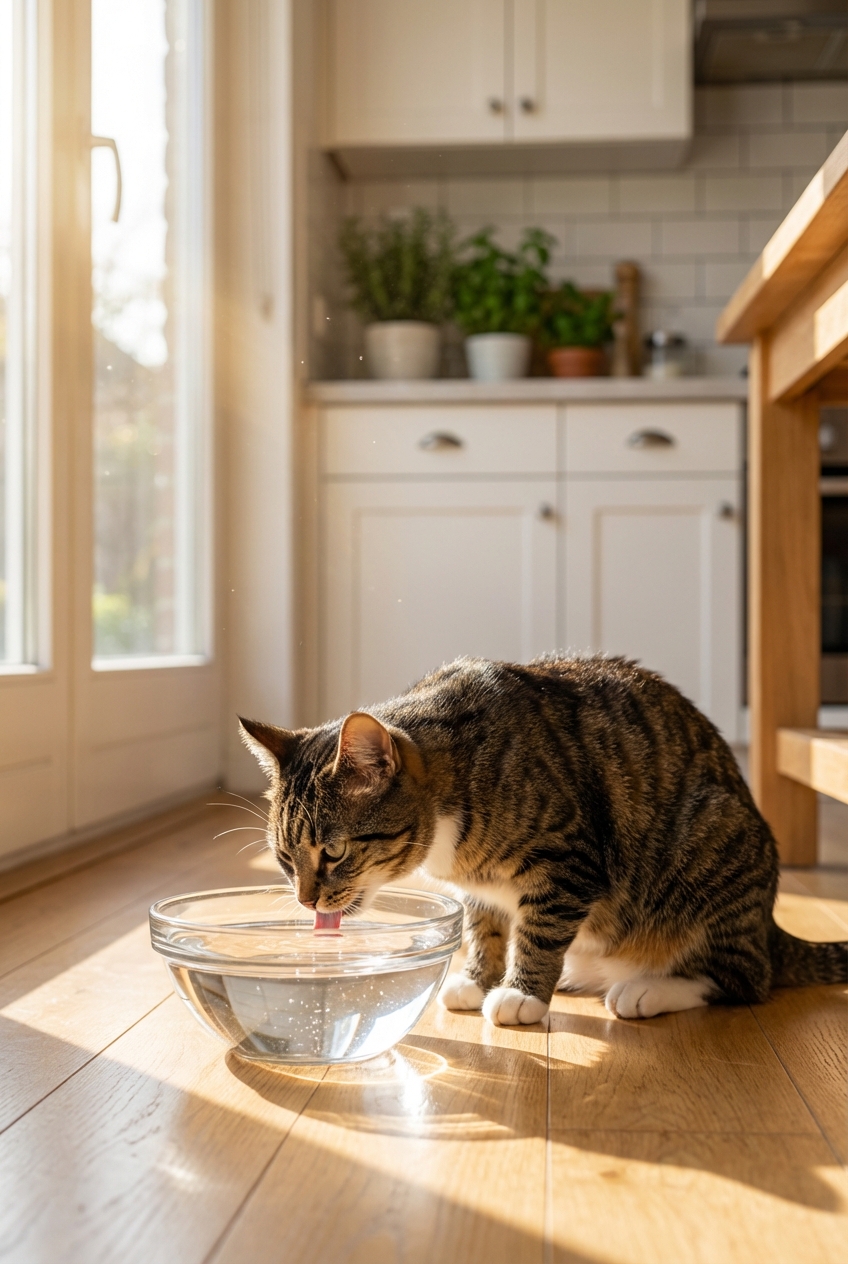
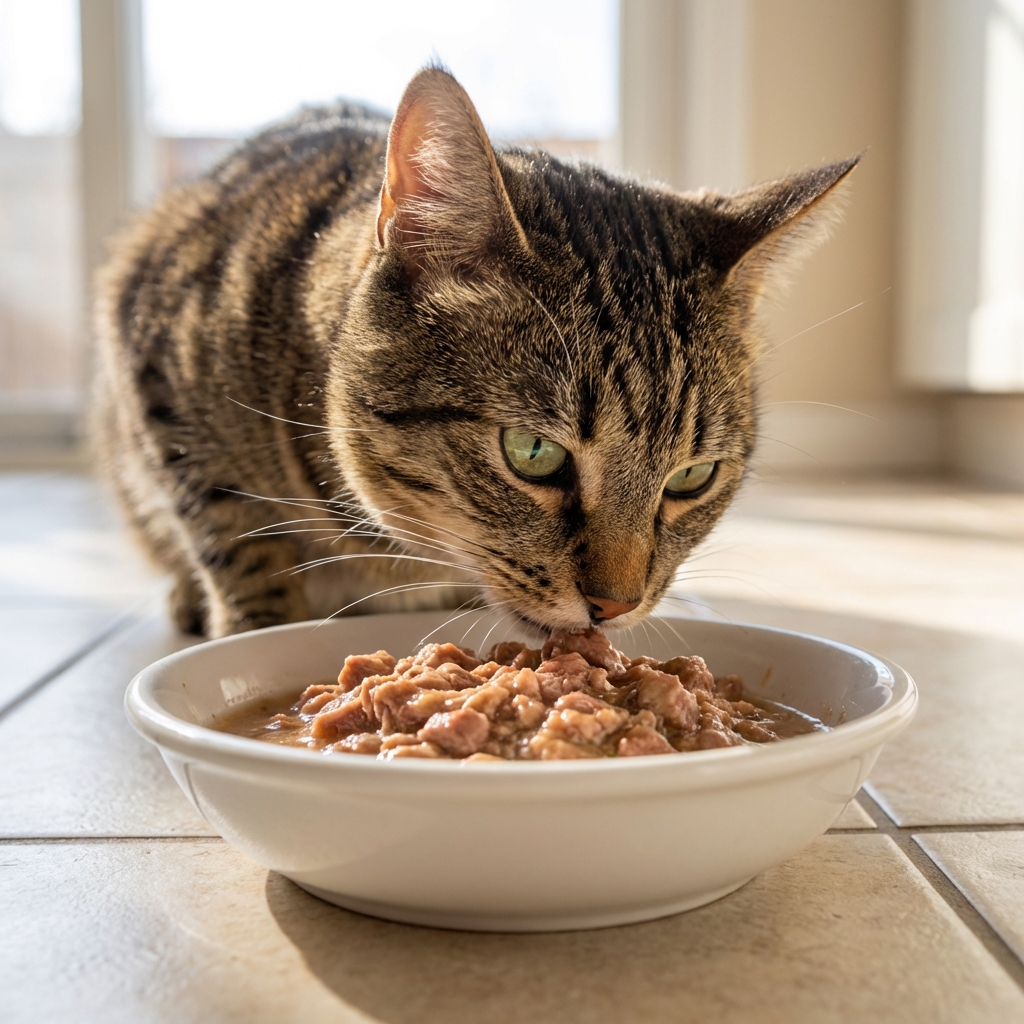
- Feed more wet food if your veterinarian agrees.
- Add water or low-sodium broth to meals (confirm ingredients are cat-safe).
- Use a cat water fountain and place multiple water stations around the home.
Diet and weight
- If your cat has crystals or stones, use a vet-recommended urinary diet and avoid mixing foods unless your vet approves.
- Keep your cat at a healthy body condition. Overweight cats have higher FLUTD risk.
Stress reduction
- Keep routines predictable (feeding times, quiet resting spaces).
- Provide play and enrichment daily.
- Use pheromone diffusers if stress is a trigger for your cat.
Litter box setup
- General guideline: one box per cat, plus one extra.
- Keep boxes clean and in low-traffic areas.
- For seniors, use boxes with a low entry.
If your cat has had a urinary blockage before, ask your vet what signs should trigger an immediate recheck. Recurrence can happen, and early intervention saves lives.
After unblocking
Many cats feel better quickly after treatment, but the first days at home matter. Your vet may send home pain meds, antispasmodics, and a diet plan. Follow instructions closely and watch for:
- Return of straining or frequent box trips
- Decreasing urine output
- Vomiting, hiding, or sudden lethargy
Re-obstruction is most likely shortly after a blockage episode. If the signs come back, treat it as urgent and call your vet or an emergency clinic.
Quick checklist
If you want a simple “do I need to worry” list, here it is.
Call a vet today
- Frequent litter box trips
- Small urine output
- Blood in urine
- Urinating outside the box
- Mild appetite drop with urinary signs
Emergency now
- Straining with no urine produced
- Vomiting and urinary signs
- Severe lethargy, collapse, or painful belly
You know your cat best. If something feels wrong and your cat is straining, trust that instinct and get help.
Sources
- Merck Veterinary Manual: Disorders of the Bladder and Urethra in Cats
- American Association of Feline Practitioners (AAFP): Cat Friendly resources (search FLUTD and litter box guidance)
- International Cat Care: Feline Lower Urinary Tract Disease (FLUTD)
- VCA Animal Hospitals: Feline Lower Urinary Tract Disease