A vet assistant’s guide to supporting mild cat stomach upset at home: hydration options, bland foods, pumpkin dosing, meds to avoid, and urgent warning signs.
Article
•
Designer Mixes
Cat Upset Stomach Remedies: Facts Every Owner Should Know

Shari Shidate
Designer Mixes contributor
When your cat has an upset stomach, it can feel like everything goes sideways fast. One minute they are purring in the window, and the next you are dealing with vomiting, diarrhea, lip-licking, or a cat who suddenly refuses breakfast. As a veterinary assistant, I can tell you this is one of the most common concerns we see. The good news is that many mild cases can be managed safely at home if you know what to watch for.
Important note: This article is general guidance and does not replace a veterinary exam. Cats can go downhill quickly with vomiting and diarrhea, especially kittens (risk of dehydration and low blood sugar), seniors, and cats with chronic kidney disease, diabetes, or hyperthyroidism. If you are unsure, it is always okay to call your veterinarian for guidance.
What it looks like
Upset stomach can be obvious, like vomiting, or more subtle. Many cats hide discomfort, so small changes matter.
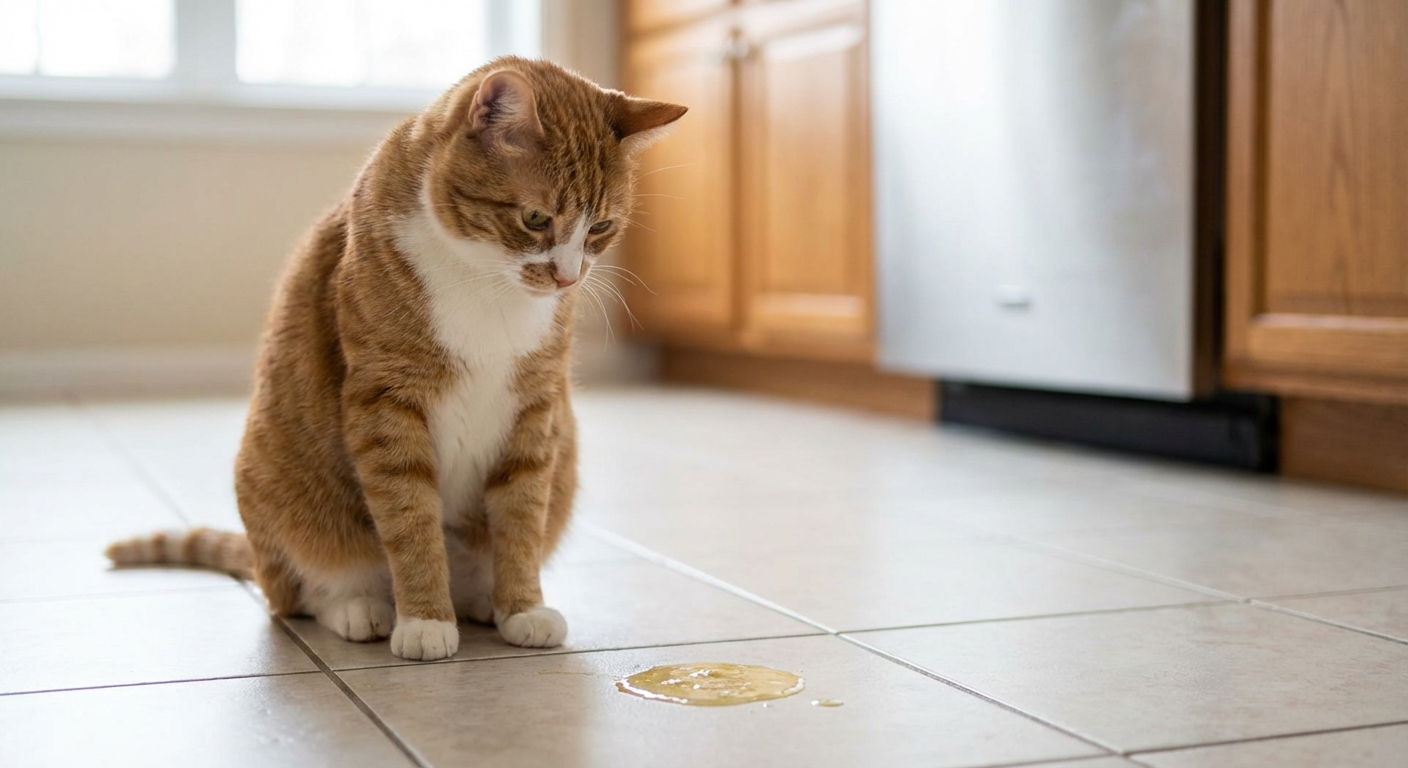
- Vomiting (food, foam, bile, or hairballs)
- Diarrhea (soft stool, watery stool, accidents outside the box)
- Nausea signs like lip-licking, drooling, gulping, or swallowing repeatedly
- Reduced appetite or acting interested in food but walking away
- Lethargy, hiding, or seeming “off”
- Gurgly belly (audible gut sounds) or mild abdominal discomfort
Common causes
“Upset stomach” is a symptom, not a diagnosis. Here are some common culprits:
- Diet change or a new treat
- Hairballs and overgrooming
- Eating something irritating like string, plants, fatty table scraps, greasy foods, or spoiled food
- Food intolerance or sensitivity
- Parasites (more common in kittens or outdoor cats)
- Stress (new pet, travel, guests, construction noise)
- Infections (viral or bacterial)
- Chronic GI disease such as inflammatory bowel disease
- Pancreatitis, liver issues, or kidney disease
- Toxin exposure including certain houseplants, human medications, insecticides
If symptoms are recurring or more than mild, it is worth getting a real answer instead of repeatedly “resetting” the stomach at home.
Call the vet right away
Please do not wait and see if you notice any of the following red flags. These are situations where home care can delay needed treatment.
- Repeated vomiting, vomiting that keeps happening in a day, or unable to keep water down
- Vomiting with blood, or stool that is black and tarry or visibly bloody
- Severe lethargy, collapse, or weakness
- Bloated belly or obvious pain when picked up
- Straining in the litter box (can look like constipation but may be urinary blockage, especially in male cats)
- Suspected foreign body (string, ribbon, hair ties, toys). String ingestion in particular can be an emergency even if your cat seems okay
- Possible toxin exposure (including human medications). If you suspect this, call your vet or a pet poison helpline immediately
- Signs of dehydration such as dry or tacky gums, sunken-looking eyes, or pronounced weakness. The skin tent test can be misleading in cats (and in seniors or overweight cats), so do not use it as the only check
- Kittens, seniors, pregnant cats, or cats with medical conditions
- Diarrhea or vomiting that persists or is worsening, especially if frequent. Many clinics want a call sooner than 24 hours for vomiting, and sooner than 48 hours for diarrhea, depending on your cat’s risk factors
- Not eating for 24 hours (or less in small kittens). Cats are at risk for hepatic lipidosis (fatty liver disease) if they stop eating
- Vomiting plus no stool, repeated unproductive trips to the litter box, or a painful belly (possible obstruction)
Rule of thumb: one mild vomit in an otherwise bright cat can be watched closely. Multiple episodes, blood, weakness, dehydration concerns, pain, or no appetite should prompt a veterinary call.
Safe at-home care
If your cat is alert, drinking some water, and symptoms are mild, these steps are commonly recommended in veterinary practice. Recommendations can vary by cat and by cause, so follow your veterinarian’s advice if your cat has a known health condition.
1) Focus on hydration
Dehydration is one of the biggest risks with vomiting and diarrhea. Encourage fluids safely.
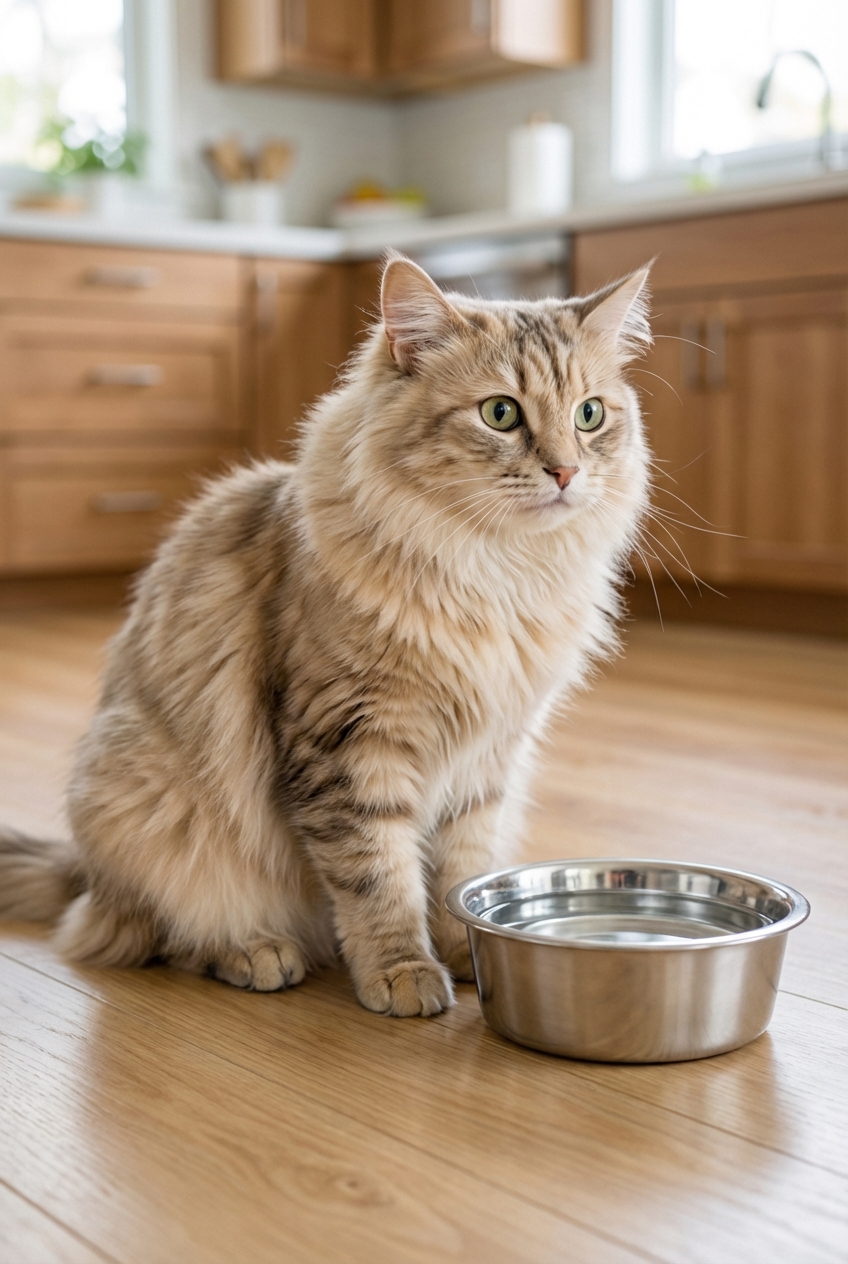
- Offer fresh water and refill often.
- Try a fountain if your cat prefers moving water.
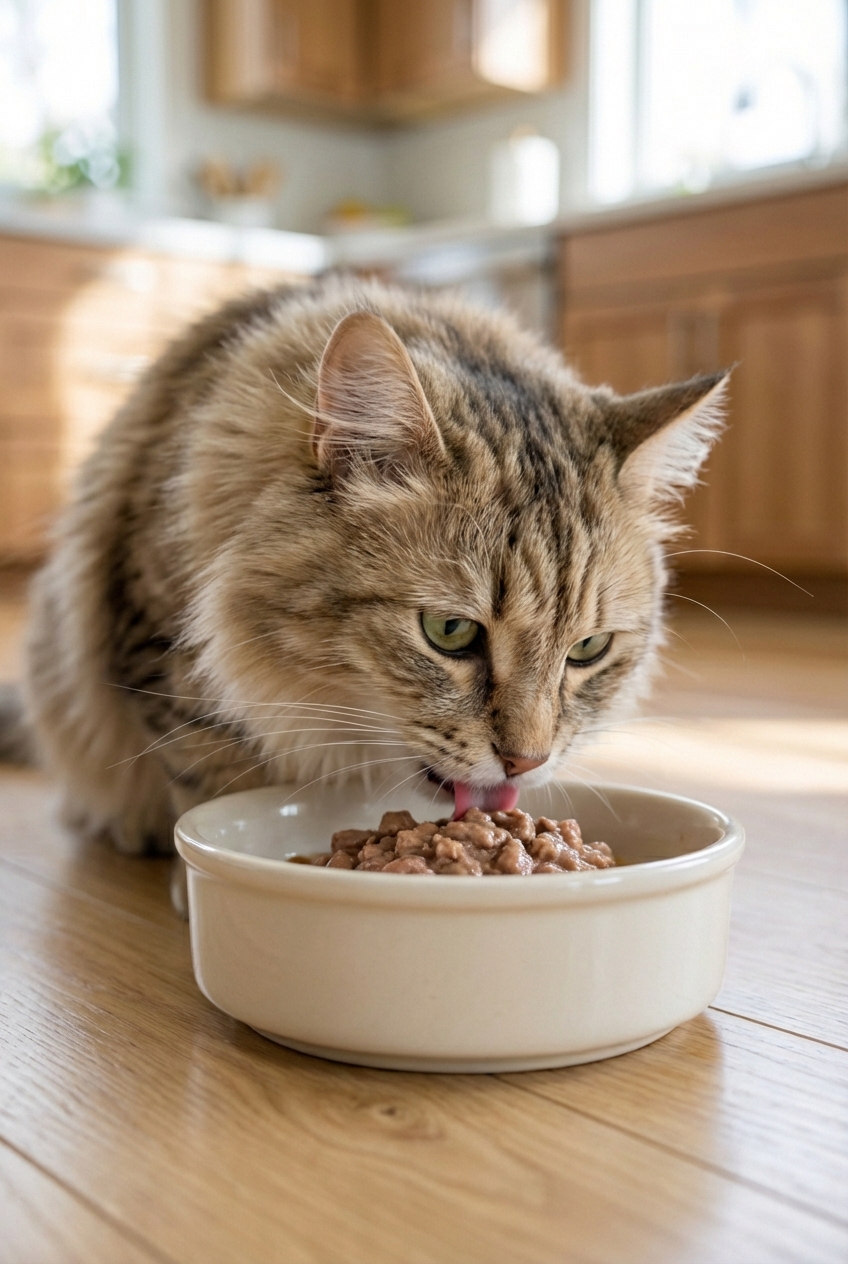
- Feed wet food if your cat will eat it, as it increases moisture intake.
- Offer a small amount of low-sodium broth made for pets or plain cooked-meat broth without onion or garlic.
Avoid: electrolyte drinks made for humans, flavored broths with onion or garlic, and milk if your cat is not used to it.
2) Adjust food, but do not starve
With cats, long fasts are not ideal. If vomiting occurred once, a short pause in food can help, but keep it conservative.
- If your adult cat vomits once and seems normal, you can pause food for 2 to 4 hours.
- Then offer a small meal of a bland, easy-to-digest diet.
- If that stays down, continue with small, frequent meals (every 4 to 6 hours) for 24 to 48 hours.
Bland diet options (short term):
- Veterinary gastrointestinal canned diet (often the gentlest option)
- Plain cooked chicken breast (no skin, no seasoning). If your vet approves, you can add a small amount of plain canned pumpkin
- Plain cooked turkey (no seasoning)
How to transition back: Once your cat is clearly improving, mix a little of the regular food into the bland diet and increase it gradually over about 3 to 5 days. If symptoms return during the transition, pause and call your vet.
3) Fiber can help some cats
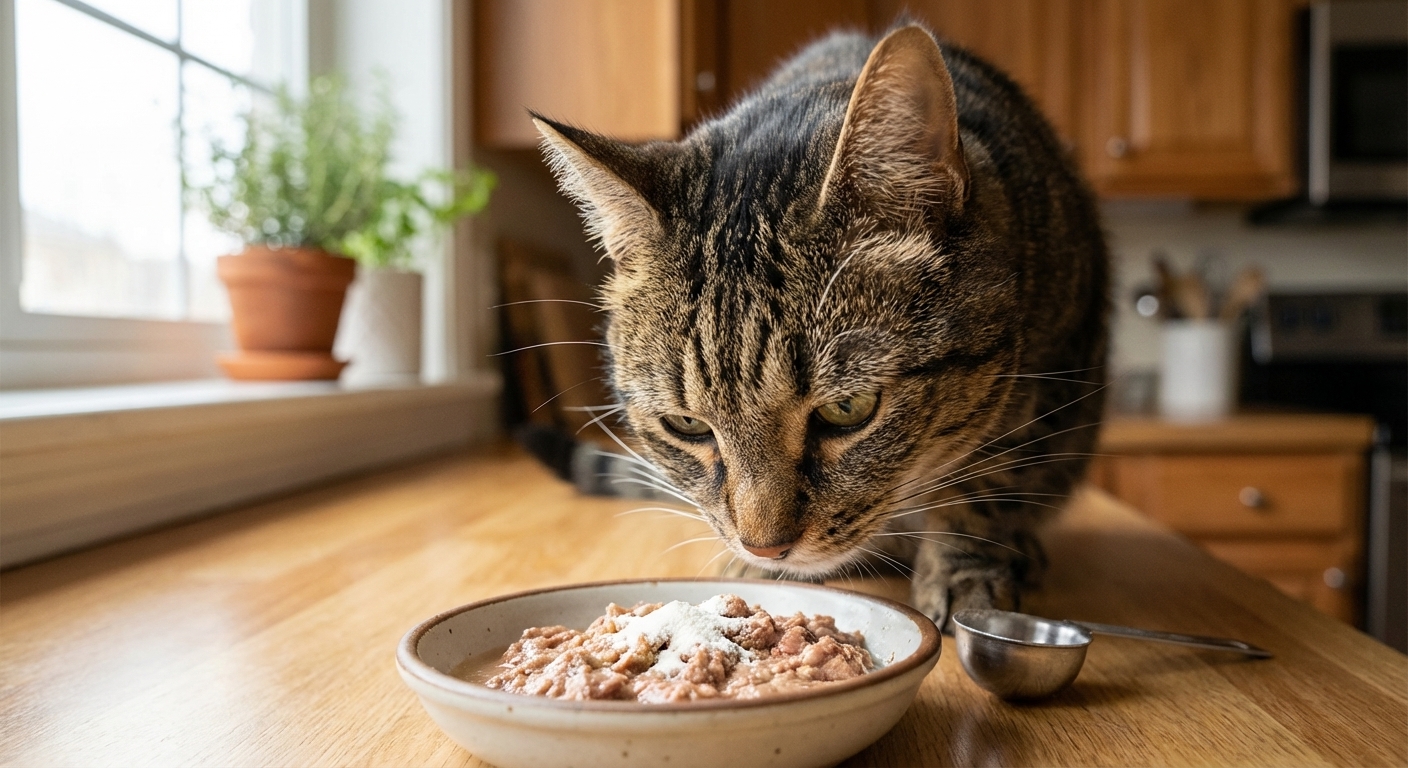
Plain canned pumpkin (not pie filling) can help some cats with mild diarrhea or constipation because of its soluble fiber. The dose is not truly standardized, and some cats can worsen with added fiber. A common approach is to start with 1 teaspoon mixed into food once daily, and only increase (up to 1 to 2 teaspoons once or twice daily) if your cat tolerates it and your vet approves. Check with your vet first if your cat has diabetes or is on a prescription diet.
4) Use cat-specific probiotics
Probiotics can be helpful for stress diarrhea, after a diet change, or mild GI upset. Choose a veterinary or pet-formulated probiotic with clear dosing instructions. Many human probiotics are not tested for cats, and some contain sweeteners or additives you do not want.
5) Reduce stress and slow everything down
Stress is a real stomach trigger in cats. Keep the home calm, offer a quiet room, and make sure the litter box is clean and easy to access. If you recently changed foods, go back to the previous diet and transition slowly later.
What to avoid
Some “popular” remedies can be dangerous for cats. Please skip these unless your veterinarian specifically instructs you. As a general rule, do not give your cat human medications unless your veterinarian prescribes them with a cat-specific dose.
- Pepto-Bismol and other bismuth products. Cats are sensitive to salicylates.
- Imodium (loperamide). Not safe for all cats and can cause serious side effects.
- Human antacids without veterinary guidance. Dosing and drug choice matter.
- Essential oils (diffused or applied). Cats can be highly sensitive and may be poisoned.
- Onion, garlic, chives in broths or “natural detox” recipes. These can damage red blood cells in cats.
- Activated charcoal at home. Only use under veterinary direction because timing and dosing are critical, and aspiration is a risk.
Monitor at home
If you are trying home care for a mild case, you will get better results by tracking symptoms like you would for a kid with a stomach bug.
- Appetite: Is your cat eating at least something? Are they keeping food down?
- Water intake: Drinking normally, less, or not at all?
- Vomiting episodes: How many times, and what did it look like?
- Stool: Frequency, consistency, blood or mucus
- Energy level: Bright and interactive versus hiding and withdrawn
- Litter box behavior: Straining, crying, frequent trips with little output
Helpful tip: If you end up going in, a photo of the vomit or stool can help your vet, and many clinics appreciate a fresh stool sample (if you can collect it safely).
If symptoms are not clearly improving within 24 hours, or they worsen at any time, call your veterinarian.
When it keeps happening
If your cat gets an upset stomach again and again, it is rarely “just a sensitive tummy.” Chronic vomiting or diarrhea can be linked to parasites, food allergy, inflammatory bowel disease, hyperthyroidism, pancreatitis, dental disease, or kidney problems. Also, frequent vomiting that gets blamed on hairballs can be GI disease even if you rarely see an actual hairball.
Your vet may recommend:
- Fecal testing for parasites
- Bloodwork to check organ function and hydration status
- Urinalysis
- X-rays or ultrasound for foreign body or GI inflammation
- A guided diet trial with a hydrolyzed or novel protein food
The goal is not just stopping symptoms today. It is protecting your cat’s long-term comfort and nutrition.
Quick FAQ
Should I withhold food after my cat vomits?
For many adult cats, a short pause of 2 to 4 hours can be reasonable after a single mild vomiting episode, then offer a small bland meal. Do not withhold food for long periods without veterinary guidance, especially for kittens or cats who are already not eating.
Is pumpkin safe?
Often, yes, in small amounts, as long as it is plain canned pumpkin and your cat tolerates it. Start small, and stop if diarrhea worsens. It is not a cure-all, and it should not replace veterinary care when red flags are present.
When is vomiting just a hairball?
Hairballs can cause occasional vomiting. If vomiting is frequent, your cat is losing weight, the appetite is off, or you are not actually seeing hairballs produced, do not assume it is harmless. Overgrooming, stress, parasites, skin allergies, or GI disease can all be part of the picture.