A practical guide to methimazole for feline hyperthyroidism—what it treats, common dosing schedules, when cats improve, side effects to watch for, and how ...
Article
•
Designer Mixes
Cat Thyroid Problems: Hyperthyroidism Help

Shari Shidate
Designer Mixes contributor
If your cat was just diagnosed with a thyroid problem, take a deep breath. You are not alone, and in most cases there are very effective treatments that can get your cat feeling like themselves again. As a veterinary assistant here in Frisco, Texas, I have seen how quickly cats can bounce back once we find the right plan and support it with good follow-up care at home.
This guide focuses mainly on hyperthyroidism, which is by far the most common thyroid condition in cats, especially in older and senior cats (most commonly age 10 and up). I will also briefly cover hypothyroidism, which is rare in cats.
What thyroid disease looks like in cats
The thyroid glands sit in the neck and help regulate metabolism. When the thyroid is overactive, the body runs too fast. When it is underactive, the body slows down. In cats, the overactive version is the one we see most often.
What causes hyperthyroidism?
In most cats, hyperthyroidism is caused by a benign (non-cancerous) change in the thyroid tissue, such as an adenoma or adenomatous hyperplasia. Thyroid cancer (carcinoma) is possible, but it is uncommon.
Common signs of hyperthyroidism
- Weight loss despite a very good appetite, sometimes an extreme appetite
- Increased thirst and urination
- Vomiting and diarrhea, or frequent loose stools
- Restlessness, pacing, yowling, or seeming “on edge”
- Fast heart rate and sometimes a heart murmur
- Unkempt coat, more shedding, less grooming
- Heat-seeking or heat intolerance, some cats act like they are always warm
Some cats have an “apathetic” form where they seem tired, withdrawn, or weak rather than hyper. If your instincts tell you something is off, trust that.
Common complications
Not every cat will have complications, but these are important to know about early:
- High blood pressure (hypertension), which can affect the eyes, kidneys, and brain
- Heart changes (sometimes called thyrotoxic cardiomyopathy)
- Eye emergencies like sudden vision loss from retinal detachment, often related to high blood pressure
Hypothyroidism in cats (rare)
True hypothyroidism is uncommon in cats. When it happens, it is sometimes related to treatment for hyperthyroidism. Signs can include lethargy, weight gain, and a dull coat, but testing is needed because these signs overlap with many other conditions.
How vets diagnose thyroid problems
Diagnosis is usually straightforward, but it is not always a single-visit diagnosis. Many cats have more than one health issue going on, especially as they age.
Typical tests
- Physical exam including checking for a thyroid nodule in the neck, listening to the heart, and assessing body condition
- Total T4 blood test as a first-line screen
- Additional thyroid testing (free T4 by equilibrium dialysis, and sometimes TSH in select cases or when available) if results are borderline but suspicion is high
- Baseline labwork such as CBC, chemistry panel, and urinalysis to check liver enzymes, kidney values, hydration status, and more
- Blood pressure measurement, because hyperthyroidism can contribute to hypertension
- Heart assessment when indicated, sometimes chest x-rays or an echocardiogram
One important point: hyperthyroidism can “mask” kidney disease by increasing blood flow through the kidneys, which can make some kidney values look better than they really are. Once thyroid levels normalize, underlying kidney issues may become more visible. This is not a reason to avoid treatment, but it is a reason to monitor carefully and tailor the plan to your individual cat.
Treatment options (and how to choose)
There is no single best option for every cat. The best plan depends on age, temperament, kidney function, heart health, your household setup, and your comfort level with medication and follow-up.
1) Methimazole (oral or transdermal)
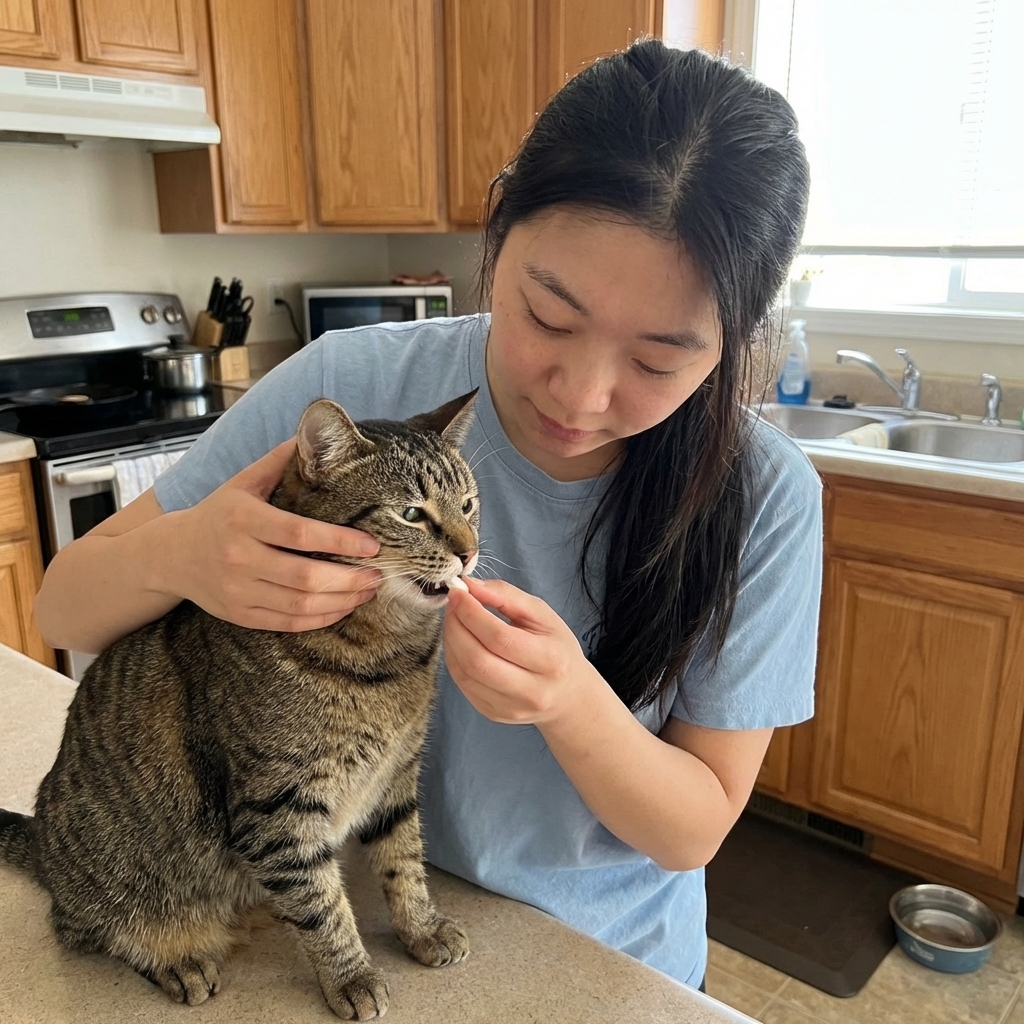
Methimazole is the most common starting treatment. It reduces thyroid hormone production. Many cats do great on it, and it is often used as a “trial” to see how the kidneys do once the thyroid is controlled.
- Pros: Widely available, non-surgical, adjustable dose, often lower upfront cost
- Cons: Requires long-term medication, monitoring labs, and some cats have side effects
Common side effects can include vomiting, decreased appetite, facial itchiness, or lethargy. Most serious adverse effects are uncommon, but they can happen (such as blood cell changes or liver issues). Side effects, if they occur, often show up in the first few weeks, which is why recheck labs are important.
Transdermal gel applied to the inner ear can be a game changer for cats that fight pills. Ask your veterinarian if your cat is a good candidate. Use gloves, since the medication can absorb through human skin.
- Apply to the hairless inner part of the ear (inner pinna), as directed.
- Alternate ears if instructed.
- Try to prevent kids or other pets from touching the application site until it is dry.
2) Radioactive iodine (I-131)
This is considered a curative treatment for many cats. A special facility administers a dose of radioactive iodine that targets abnormal thyroid tissue.
- Pros: Often curative, no daily meds afterward for most cats
- Cons: Higher upfront cost, limited availability, requires short-term isolation and special home instructions
Two important notes to discuss with your cat’s veterinarian or the I-131 facility: some cats need a second treatment, and a small number can become hypothyroid afterward. Follow-up bloodwork is part of doing I-131 safely and well.
3) Prescription thyroid diet (iodine-restricted)
There are prescription diets formulated to limit iodine, which the thyroid uses to make hormones. For the right cat and the right household, it can help control hyperthyroidism.
- Pros: Non-medication option, avoids anesthesia
- Cons: Must be fed exclusively, can be challenging in multi-cat homes, not ideal if your cat will not reliably eat it
If you try this route, be honest about whether “exclusive feeding” is realistic in your home. Sneaking snacks, treats, or a second cat’s food can reduce effectiveness.
Also, this diet may not be a great fit for cats who need other therapeutic diets (for example, some kidney disease plans, diabetes management, or certain food allergy approaches). Your veterinarian can help you weigh the tradeoffs and choose what is safest for your specific cat.
4) Surgery (thyroidectomy)
Surgery may be recommended in some cases, especially when radioactive iodine is not available. It requires anesthesia and carries risks, including impact to the parathyroid glands that regulate calcium.
- Pros: Potentially curative
- Cons: Anesthesia risk, possible complications, may still require medication afterward in some cases
Your veterinarian will guide you based on your cat’s heart health, blood pressure, and overall risk profile.
Day-to-day care at home
This is where you can make a huge difference. Thyroid disease is medical, but daily routines and observation are powerful tools.
Medication tips that actually work
- Keep a simple schedule and set phone reminders. Consistency matters.
- Ask about compounded options if pilling is a daily battle. Stress helps no one.
- Track appetite, weight, and stools in a notes app. Patterns are valuable at recheck visits.
- Do not stop medication suddenly without veterinary guidance. If you see side effects, contact your veterinarian so the plan can be adjusted safely.
Nutrition and feeding
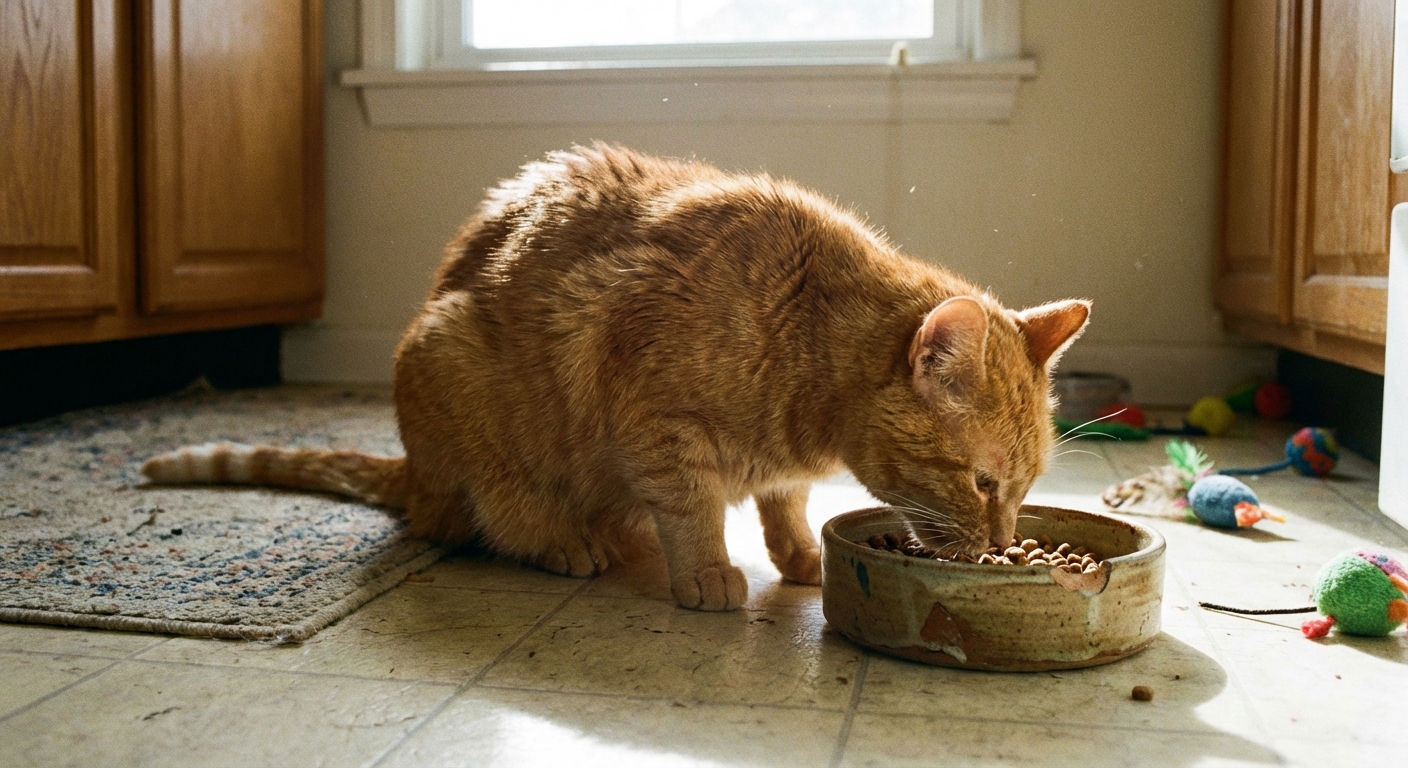
Hyperthyroid cats often feel like they are starving because their metabolism is running high. Until the thyroid is controlled, weight loss can be fast. Here are practical, vet-friendly strategies to discuss with your clinic:
- Feed measured portions and recheck weight frequently. Weight gain after control is normal, but we want it steady, not excessive.
- Choose highly palatable, complete diets. If your cat is picky, your vet can suggest calorie-dense options.
- Avoid sudden diet changes if your cat has vomiting or diarrhea. Go slowly and monitor stool quality.
- Use treats thoughtfully, especially if you are using an iodine-restricted diet that must be exclusive.
If you are considering homemade food, please do it with a veterinary nutritionist. Cats have very specific needs for taurine, vitamins, and minerals, and it is easy to accidentally create deficiencies.
Hydration and litter box monitoring
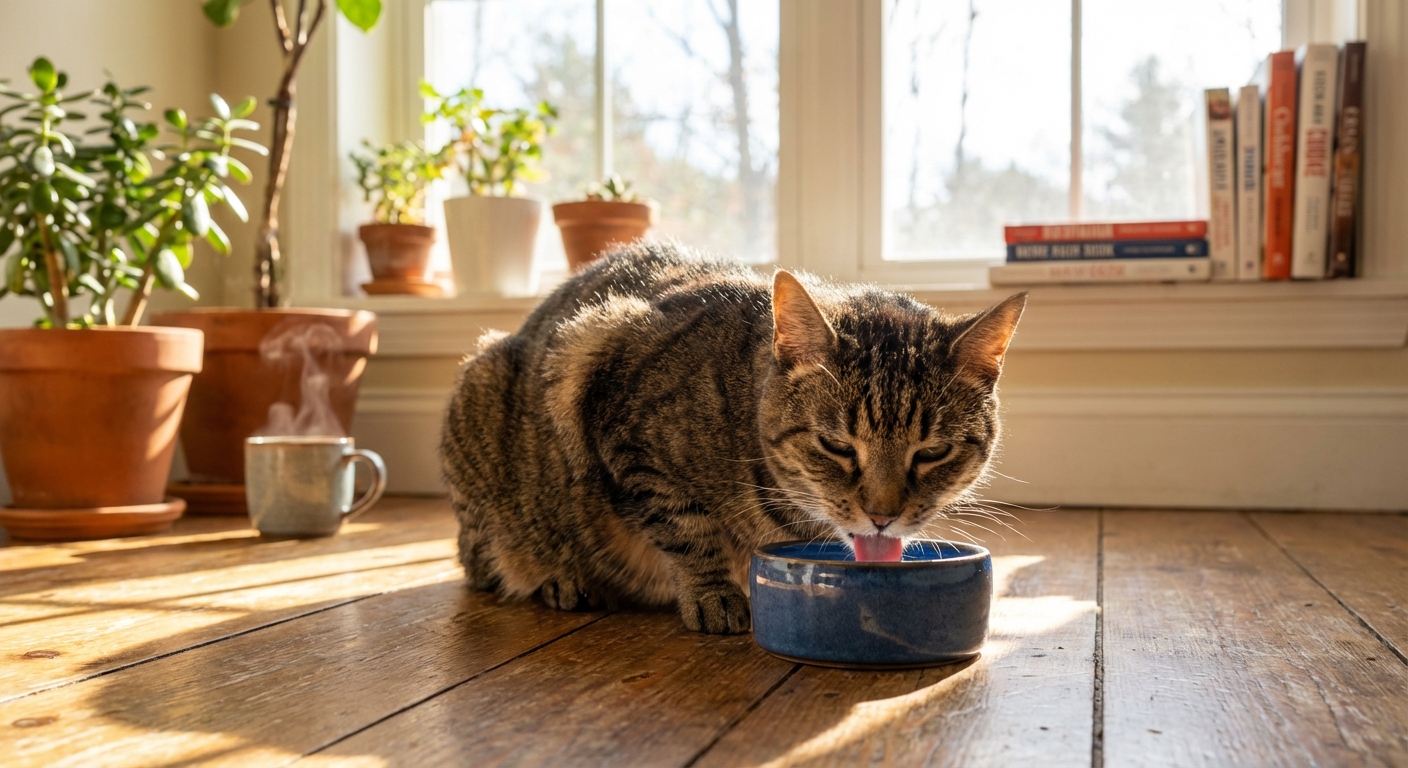
- Provide fresh water in multiple spots. Many cats drink more with a fountain.
- Note changes in urine clumps and frequency. Increased urination can be thyroid-related, kidney-related, diabetes-related, or a mix.
Reduce stress, support sleep
Restlessness is common. Make your home a little easier for an over-revved cat:
- Keep routines predictable with consistent feeding and quiet resting spaces.
- Add easy-access beds and low-entry litter boxes, especially for seniors.
- Provide gentle play if your cat wants it, but do not push exercise if they seem winded.
Monitoring: what to check and when to call the vet
Hyperthyroidism is very manageable, but it is not a “set it and forget it” diagnosis. Monitoring keeps your cat safe and comfortable.
Common recheck schedule (your vet may vary)
- Methimazole: often recheck T4 and kidney values about 2 to 4 weeks after starting or changing the dose, then again as needed until stable (many clinics recheck around 6 to 8 weeks), and then typically every 3 to 6 months.
- I-131: follow-up thyroid testing is still important. Many cats get a recheck T4 (and general labs) within the first 1 to 3 months, then as recommended.
- Diet therapy: recheck T4 and general labs after your veterinarian’s recommended trial period, then continue monitoring to confirm it is controlling the disease.
- Blood pressure checks as recommended.
Contact your veterinarian promptly if you notice
- Not eating for more than 24 hours, or a major drop in appetite
- Repeated vomiting, diarrhea, or dehydration
- Severe lethargy, weakness, collapse, or open-mouth breathing
- Sudden vision changes or bumping into things (possible high blood pressure complication)
- Severe facial itching or swelling after starting medication
Trust the small signals. With thyroid cats, early adjustments often prevent bigger problems later.
Educational note: This article is meant to support, not replace, veterinary care. Always follow your veterinarian’s instructions for diagnosis, dosing, and recheck timing.
Special considerations by age
Kittens and young cats
Hyperthyroidism is uncommon in very young cats. If a young cat has thyroid abnormalities, your veterinarian will likely look carefully for underlying causes and may recommend additional imaging or specialist input.
Adult cats
Adult cats often do very well once treatment begins. The goal is stable thyroid control with a good quality of life. Many cats stay playful and affectionate for years with proper management.
Senior cats
Seniors may have concurrent conditions like kidney disease, arthritis, or heart changes. That does not mean you cannot treat hyperthyroidism. It simply means your veterinarian will help you choose the most appropriate option and monitor thoughtfully.
Frequently asked questions
Is hyperthyroidism painful for cats?
It is usually not painful in the classic sense, but it can feel uncomfortable. Think of it like having your body stuck in fast-forward: hungry, restless, thirsty, and sometimes nauseated. Treating it typically improves comfort.
Can my cat live a normal life with thyroid disease?
Many cats do. With consistent treatment and monitoring, it is common for cats to regain weight, settle down, and have a much better coat and energy balance.
Is weight gain after treatment normal?
Yes, especially if your cat was underweight at diagnosis. The key is to monitor and adjust feeding once your cat is back in a healthy range.
Can thyroid disease come back?
If a cat is treated with medication or diet, the condition is controlled, not cured, so it returns if treatment stops. With radioactive iodine or surgery, many cats are cured, but follow-up still matters.
A calm, practical next step
If your cat has thyroid problems, your next best move is simple: partner closely with your veterinarian, choose a treatment plan that fits your cat and your household, and commit to the rechecks. The combination of good medicine plus your day-to-day observation is what keeps cats thriving.
If you want, bring a short list of notes to your next appointment:
- Current weight and any recent changes
- Appetite level and any vomiting or diarrhea
- Water intake and litter box changes
- Behavior changes like yowling, pacing, or hiding
- Medication success, including how hard dosing is at home
Those details help your vet team fine-tune the plan quickly so your cat feels better sooner.