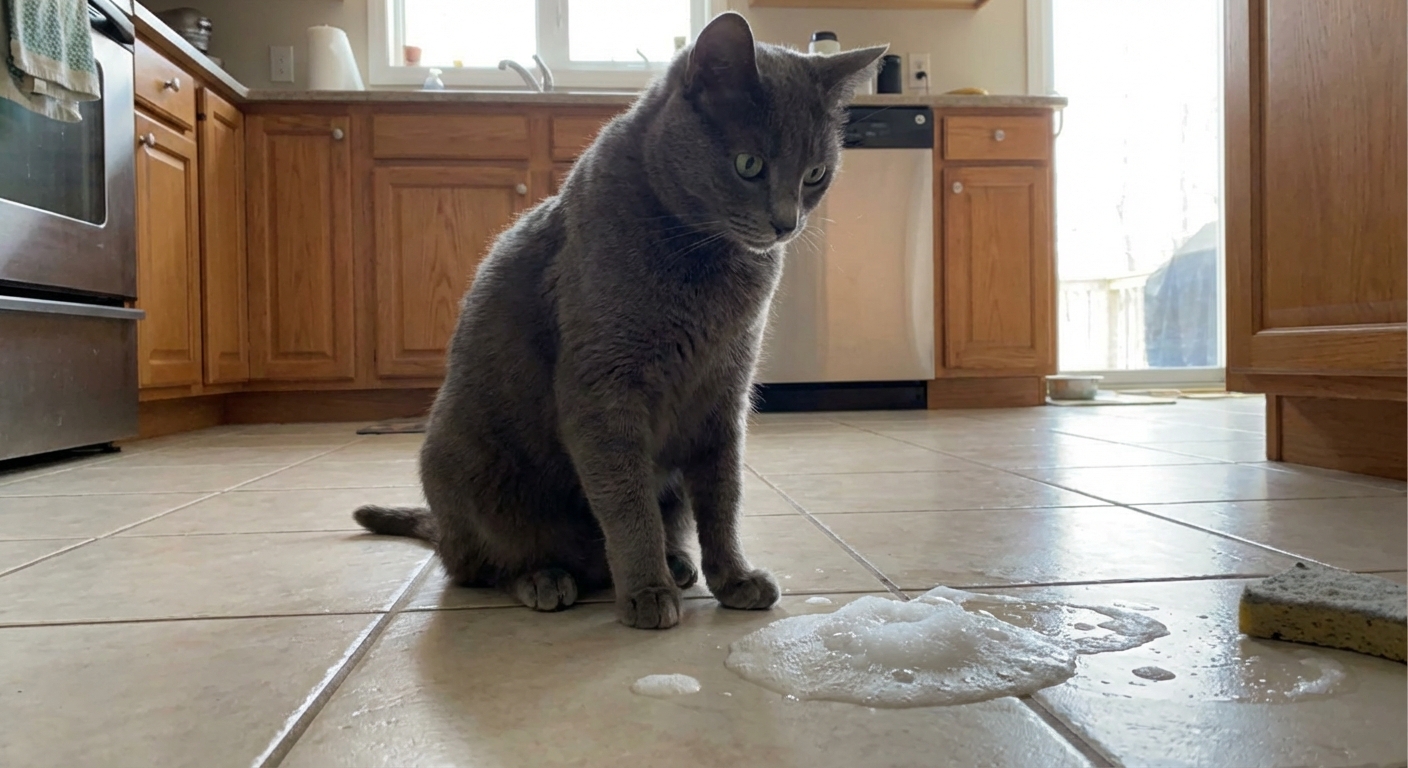
See the most common reasons cats vomit clear, foamy liquid—empty stomach, hairballs, diet changes, stress—and learn safe home steps plus urgent red flags...
Article
•
Designer Mixes
Cat Throwing Up Water

Shari Shidate
Designer Mixes contributor
If your cat is throwing up clear liquid or water, it can look simple, but it can have a surprisingly long list of causes. Some are mild and short-lived, like drinking too fast. Others are urgent, like a blockage, toxin exposure, or certain organ diseases. Vomiting can also quickly lead to dehydration, which becomes an urgent complication.
As a veterinary assistant in Frisco, Texas, I always tell pet parents the same thing: the “what” (clear fluid) matters less than the “pattern”. Frequency, your cat’s energy, appetite, hydration, and litter box habits are what help your veterinarian narrow this down quickly.
What it means when a cat vomits water
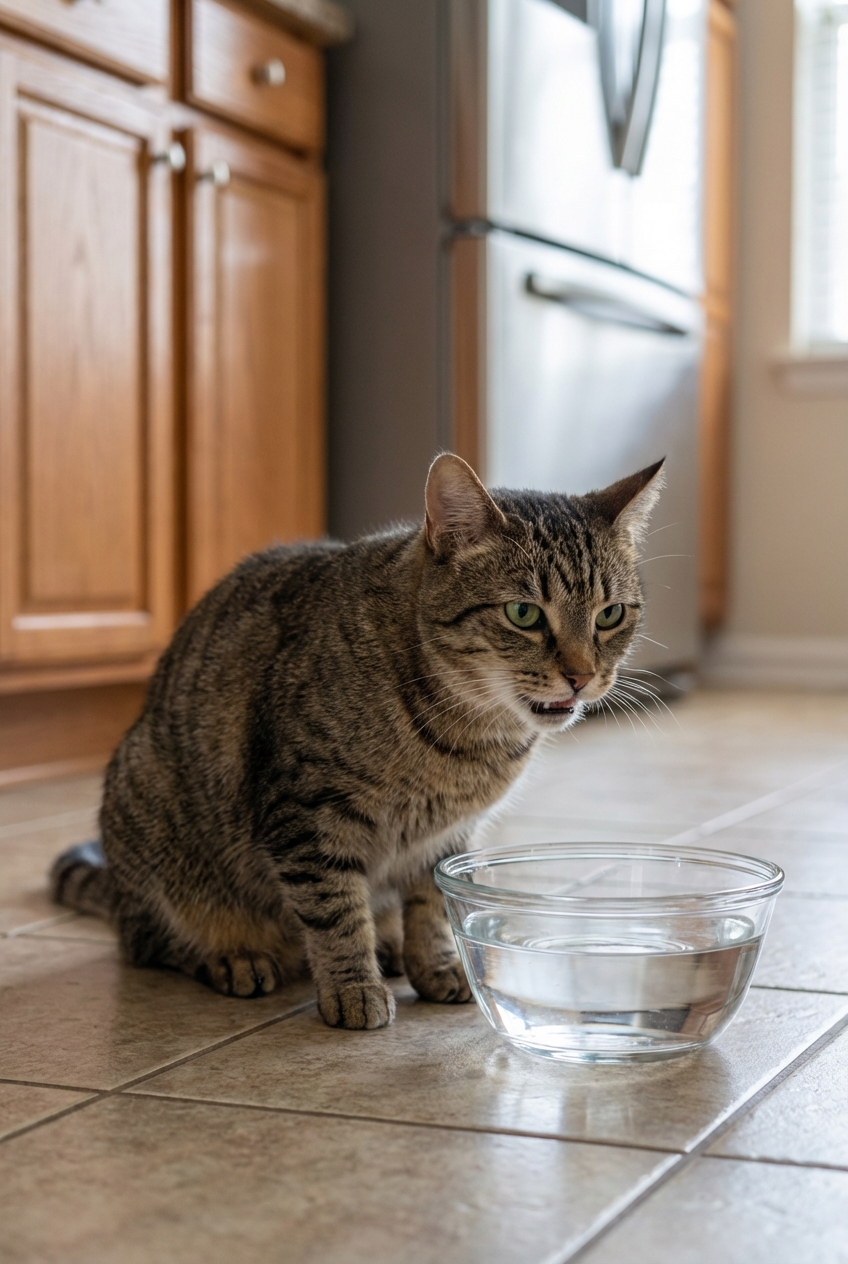
When a cat vomits “water,” it is usually one of these:
- Water or clear fluid from the stomach (often after drinking or on an empty stomach)
- Foam (stomach fluid mixed with air, common with nausea)
- Bile-tinged fluid (yellowish, often when the stomach is empty)
One episode can be a fluke. Repeated episodes, especially with behavior changes, deserve a closer look.
Vomiting vs regurgitation
Pet parents often use “vomit” for both, but the pattern matters:
- Vomiting usually involves nausea, drooling, retching, and an active heave. It often brings up foam, fluid, bile, or food.
- Regurgitation is more passive and sudden, with little to no retching. It often looks like undigested food or liquid coming right back up.
If you are not sure which you are seeing, a quick video for your vet can be extremely helpful.
Common causes (from most likely to most concerning)
1) Drinking too fast or too much
Some cats gulp water, especially after play, stress, or eating dry food. That sudden stomach stretch can trigger vomiting within minutes.
2) Empty stomach nausea
When the stomach is empty for a long time, some cats may feel nauseated and bring up clear fluid, foam, or a small amount of bile. This is common early in the morning or late at night.
3) Hairballs and mild stomach irritation
Hairballs do not always come up as a neat “tube.” Sometimes the stomach gets irritated first, and you see clear fluid or foam before any hair appears.
4) Diet issues
- Sudden food change
- Food intolerance or allergy
- Eating something unusual (plants, string, human food)
5) Parasites (especially in kittens or outdoor cats)
Roundworms and other parasites can cause nausea and vomiting. You might also notice a pot-bellied look, soft stool, or poor weight gain.
6) Stress and anxiety
Cats are sensitive. Moves, new pets, visitors, construction noise, or even a new litter can trigger vomiting in some cats.
7) Gastroenteritis (stomach and intestinal inflammation)
This can come from diet indiscretion, infections, parasites, or other irritants. Vomiting may start as clear fluid and progress to food or bile.
8) Dehydration and overheating
Dehydration is more often a result of vomiting or an underlying illness than a primary cause. That said, dehydration can worsen nausea, and vomiting can quickly make dehydration worse, especially in small cats.
9) Medication or supplement side effects
Some medications can upset the stomach, including certain antibiotics, dewormers, and other prescriptions. Accidental exposure to human medications is also a common issue. If vomiting starts right after a new medication or you suspect your cat got into something, call your veterinarian right away.
10) Serious medical causes
These are not the most common reasons for “vomiting water,” but they are important:
- Foreign body or intestinal blockage (string, ribbon, hair ties, toys, plastic, foam)
- Kidney disease
- Hyperthyroidism (typically older cats, often with weight loss)
- Pancreatitis
- Diabetes
- Liver disease
- Toxin exposure (lilies, acetaminophen, permethrin, antifreeze, rodenticides, cleaning products, essential oils; xylitol is a household risk but is less commonly reported in cats than dogs)
When to treat this as an emergency
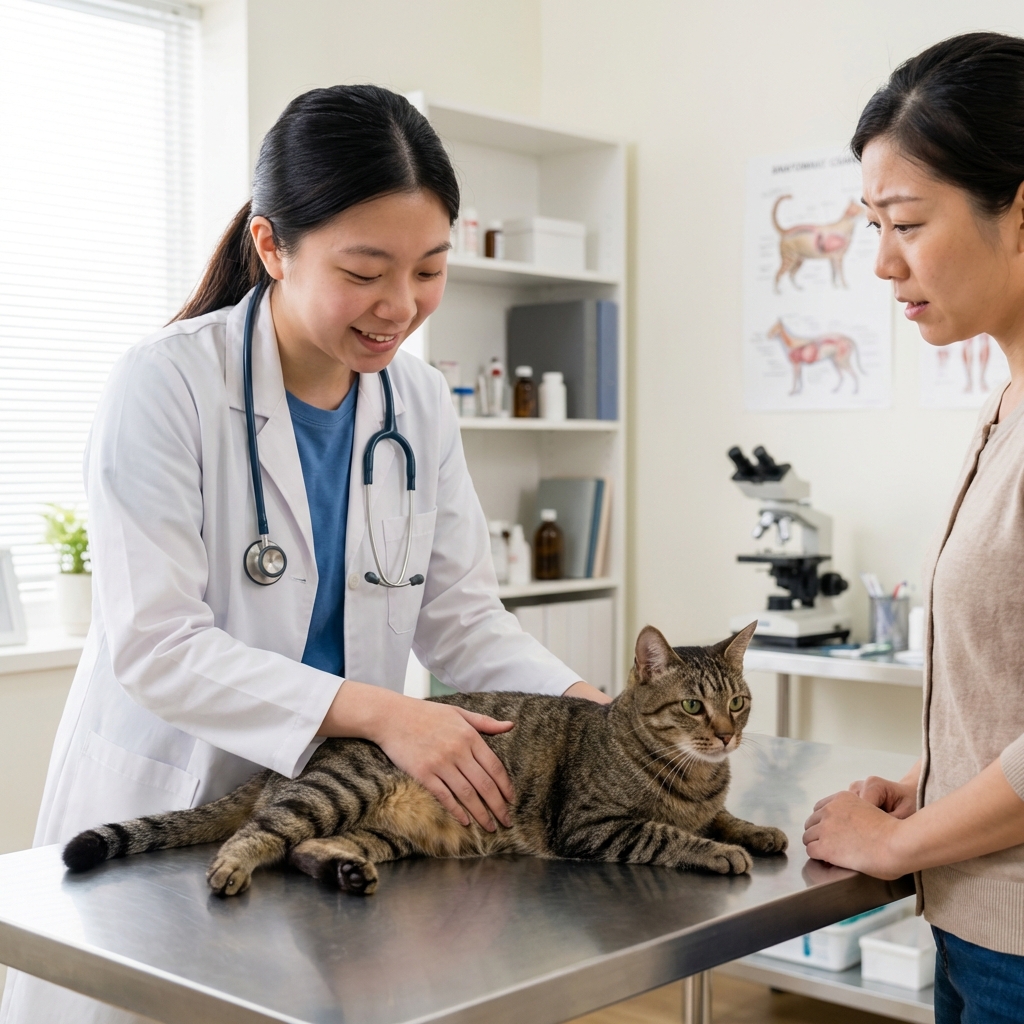
Please seek urgent veterinary care (same day, emergency hospital if needed) if your cat vomits water and you notice any of the following. These are guidelines, and some cats need care sooner depending on age and health history.
- Repeated vomiting (more than 2 to 3 times in 24 hours, or ongoing episodes for more than a day)
- Can’t keep water down
- Blood in vomit (red or coffee-ground appearance)
- Lethargy, hiding, weakness
- Pain (hunched posture, crying, belly sensitivity)
- Swollen abdomen or repeated unproductive retching
- Diarrhea plus vomiting, especially in kittens or seniors
- Signs of dehydration (tacky gums, sunken eyes, very little urine)
- Rapid weight loss or refusing food
- Increased thirst or urination (or a known history of kidney disease, diabetes, or hyperthyroidism)
- Known toxin risk (lily exposure, medications, permethrin, antifreeze, essential oils)
- String exposure (thread, yarn, ribbon) even if your cat seems okay
If you suspect a blockage or toxin, do not wait it out at home.
What you can do at home (safe, simple steps)
If your cat vomited once, is acting normal, and now seems settled, these steps can help you prevent a repeat while you monitor closely.
Pause and observe
- Remove food for 2 to 4 hours (for healthy adult cats). Do not fast kittens, seniors, or cats with medical conditions without veterinary guidance.
- Offer small sips of water. If your cat gulps, offer a tablespoon or two at a time.
Restart with small, gentle meals
When you reintroduce food, start with a small amount. Many cats do best with a bland, vet-recommended GI diet for a day or two before going back to their usual food. Avoid rich treats while you are monitoring.
Try smaller, more frequent meals
If empty-stomach nausea seems likely, feeding smaller meals more often can help. For some cats, a small bedtime snack reduces early-morning vomiting.
Slow down drinking
- Use a wider bowl filled shallowly
- Offer multiple water stations
- Consider a cat water fountain if your cat drinks too much at once when the bowl is refreshed
Address hairball support
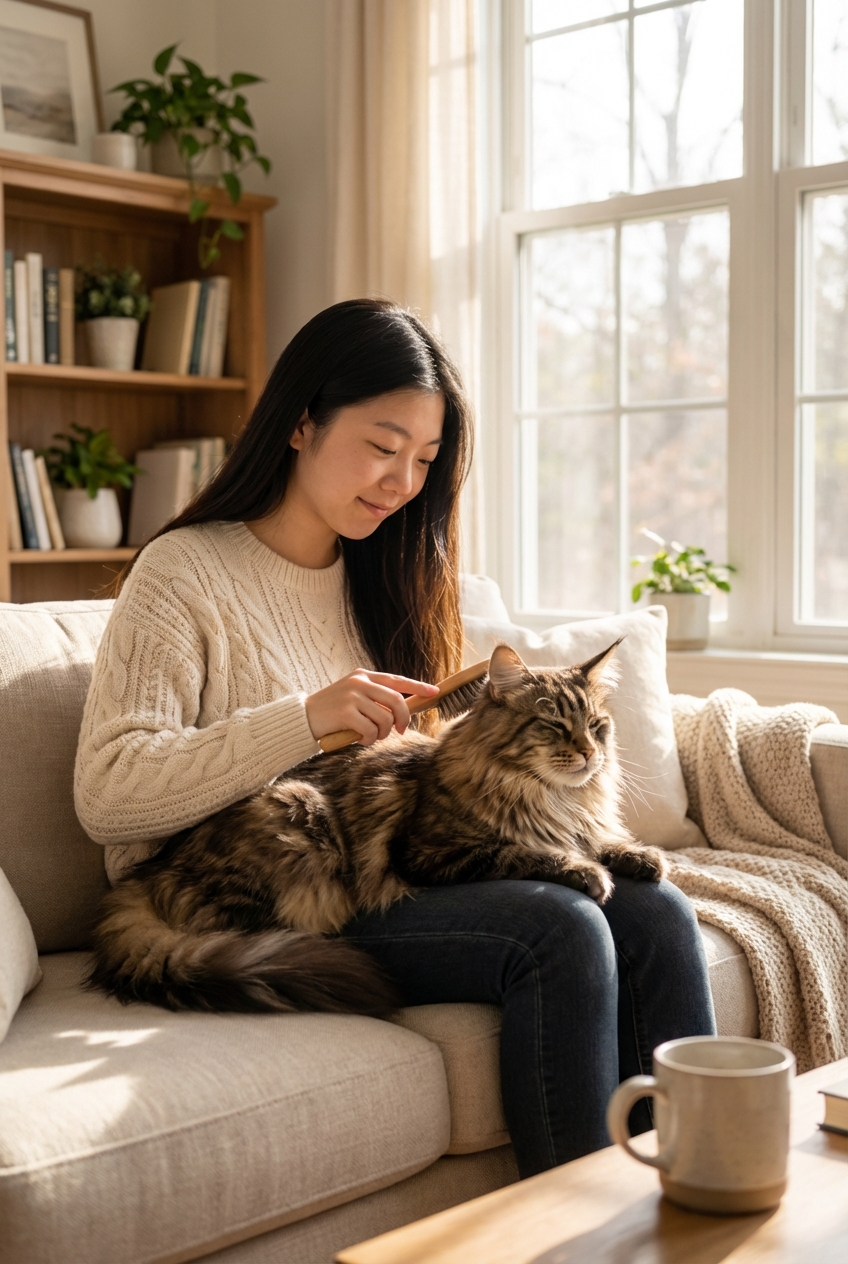
- Brush regularly, especially long-haired cats
- Ask your vet about hairball gels or fiber options that are appropriate for your cat
Avoid common mistakes
- Do not give human medications (many are toxic to cats)
- Do not force-feed
- Do not pull string from your cat’s mouth or rectum if you suspect string ingestion
How to pinpoint the cause: a practical tracking checklist
Vomiting investigations go faster when you bring clear details. Here is what to track for 48 hours or until your appointment:
- Timing: right after drinking, after meals, overnight, after play
- Frequency: number of episodes per day
- Volume: small puddle vs large
- Appearance: clear, foamy, yellow bile, mucus, blood, hair
- Appetite: normal, decreased, refusing food
- Water intake: normal, increased, frantic drinking
- Litter box: urination amount, straining, diarrhea, constipation
- Behavior: hiding, vocalizing, restless, normal energy
- Diet changes: new treats, new food, getting into trash
- Medication changes: new prescriptions, dewormers, supplements, possible human med exposure
- Access risks: plants (especially lilies), string, chemicals, essential oils
If you can, take a quick photo of the vomit on the floor before cleaning it. It sounds gross, but it can be genuinely helpful.
What your veterinarian may recommend
Your vet will tailor diagnostics based on your cat’s age, exam findings, and pattern of vomiting. Common next steps include:
Physical exam and history
Hydration status, abdominal palpation, mouth check (string under the tongue is a real thing), temperature, and weight trend.
Fecal testing
Useful for parasites and some intestinal infections.
Bloodwork and urinalysis
Helps assess kidney and liver function, thyroid status in older cats, glucose, inflammation, and hydration clues.
Imaging
- X-rays for obstruction clues, foreign body patterns, constipation
- Ultrasound for stomach and intestines, pancreas, liver, kidneys
Treatment options
- Fluids (subcutaneous or IV) if dehydrated
- Anti-nausea medication
- Diet trial or prescription GI diet
- Deworming (even indoor cats may need it depending on risk)
- Further testing if chronic or recurring
Special situations
Kittens
Kittens can dehydrate fast. Vomiting clear liquid in a kitten is more urgent, especially with diarrhea, poor appetite, or low energy.
Senior cats
Older cats are more prone to kidney disease, hyperthyroidism, and chronic GI issues. If vomiting starts suddenly in a senior cat, it is worth a prompt vet visit even if it is “just clear liquid.”
Ongoing or chronic vomiting
If your cat vomits clear fluid repeatedly over weeks, even if it seems mild, schedule a non-urgent vet visit. Chronic or recurring vomiting can be linked to issues like food sensitivity, parasites, inflammatory bowel disease, pancreatitis, hyperthyroidism, kidney disease, or medication effects.
Cats that vomit after drinking every time
This pattern can be as simple as gulping, but consistent vomiting after water can also signal nausea, reflux, or underlying disease. It is not something to ignore.
Prevention tips that actually help
- Keep routines steady: consistent feeding schedule and calm mealtimes
- Upgrade hydration: more bowls, fresh water daily, consider wet food if appropriate
- Reduce hair ingestion: brushing, vet-approved hairball support
- Cat-proof hazards: secure string, ribbon, tinsel, rubber bands, hair ties
- Remove toxic plants: especially lilies (highly dangerous to cats)
- Plan gradual diet changes: transition over 7 to 10 days
Quick FAQ
Is clear vomit always serious?
No. A single episode from drinking too fast or an empty stomach can happen. Repeated episodes, behavior changes, or dehydration signs are the red flags.
My cat is hungry after vomiting. Is that good?
It can be reassuring if your cat is bright, hungry, and acting normal. Still, watch for repeat vomiting and keep meals small at first.
Should I switch foods immediately?
Not always. Sudden changes can make vomiting worse. If diet is suspected, your vet may recommend a structured diet trial or a GI-friendly option and a slow transition.
Bottom line
When a cat throws up water, it is usually a sign of nausea, not a diagnosis by itself. The best approach is to look for patterns, monitor hydration and energy, reduce common triggers like gulping and empty-stomach nausea, and involve your veterinarian quickly if vomiting repeats or your cat seems “off.”
If you are unsure, call your vet and share your notes. You do not have to guess alone.