Found whole kibble or barely chewed food? Learn vomiting vs regurgitation, top causes like fast eating, hairballs, diet sensitivity, and when urgent vet care...
Article
•
Designer Mixes
Cat Throwing Up Undigested Food

Shari Shidate
Designer Mixes contributor
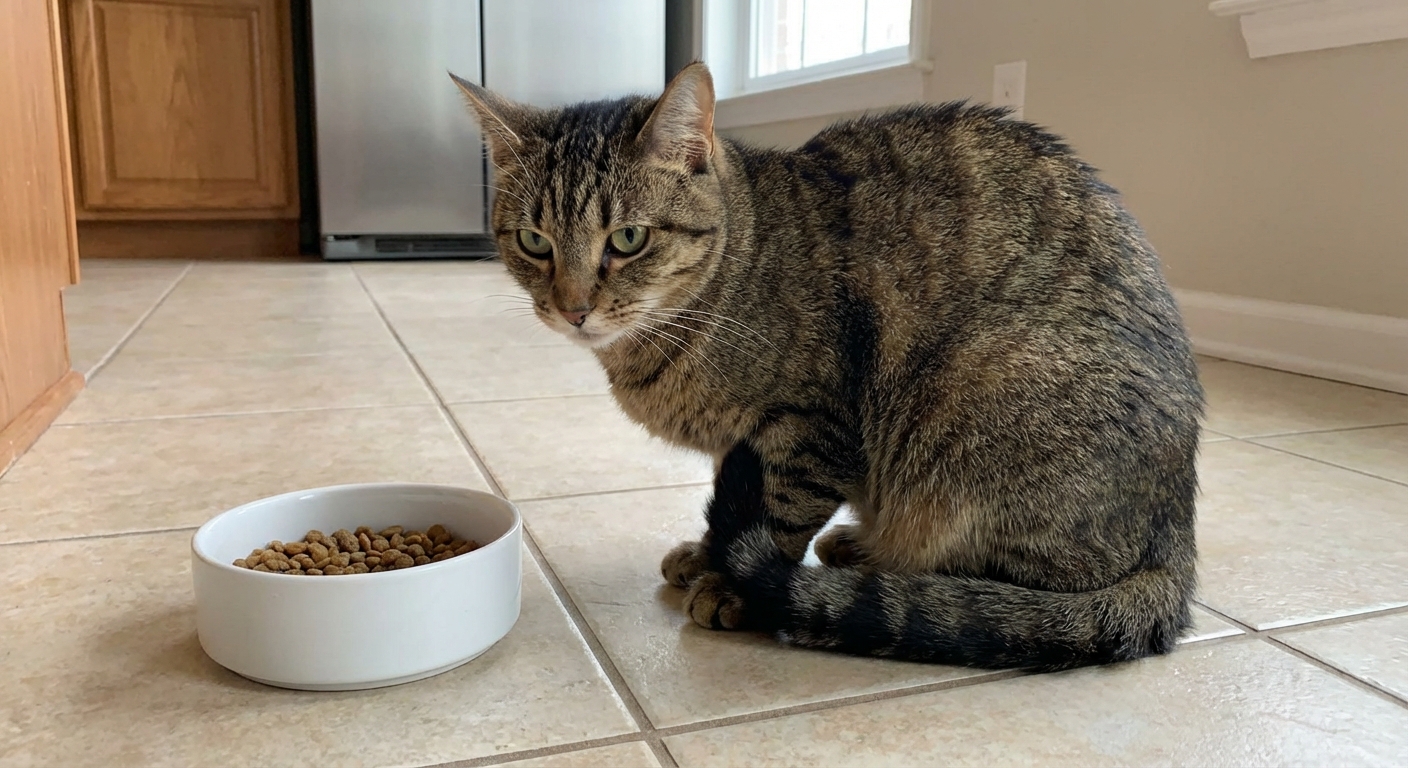
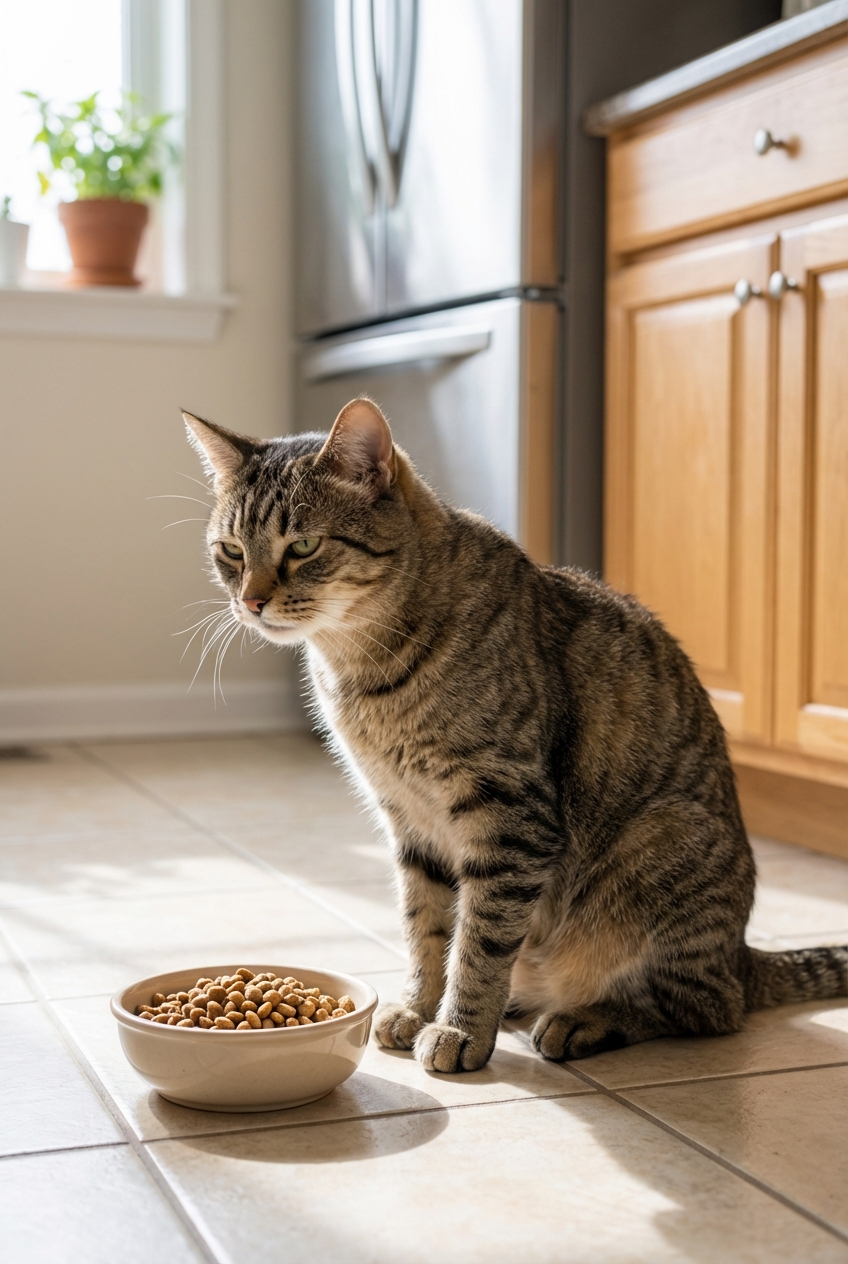
If you have ever watched your cat eat, walk away, and then bring up what looks like whole kibble or barely chewed food, you are not alone. As a veterinary assistant in Frisco, Texas, I see this concern all the time. The good news is that some cases are mild and related to feeding habits, and you can often make simple changes at home. Still, vomiting and regurgitation can sometimes signal a more serious problem even when it looks “mild,” so it is important to know what to watch for and when to call your veterinarian.
Undigested food vs. vomiting
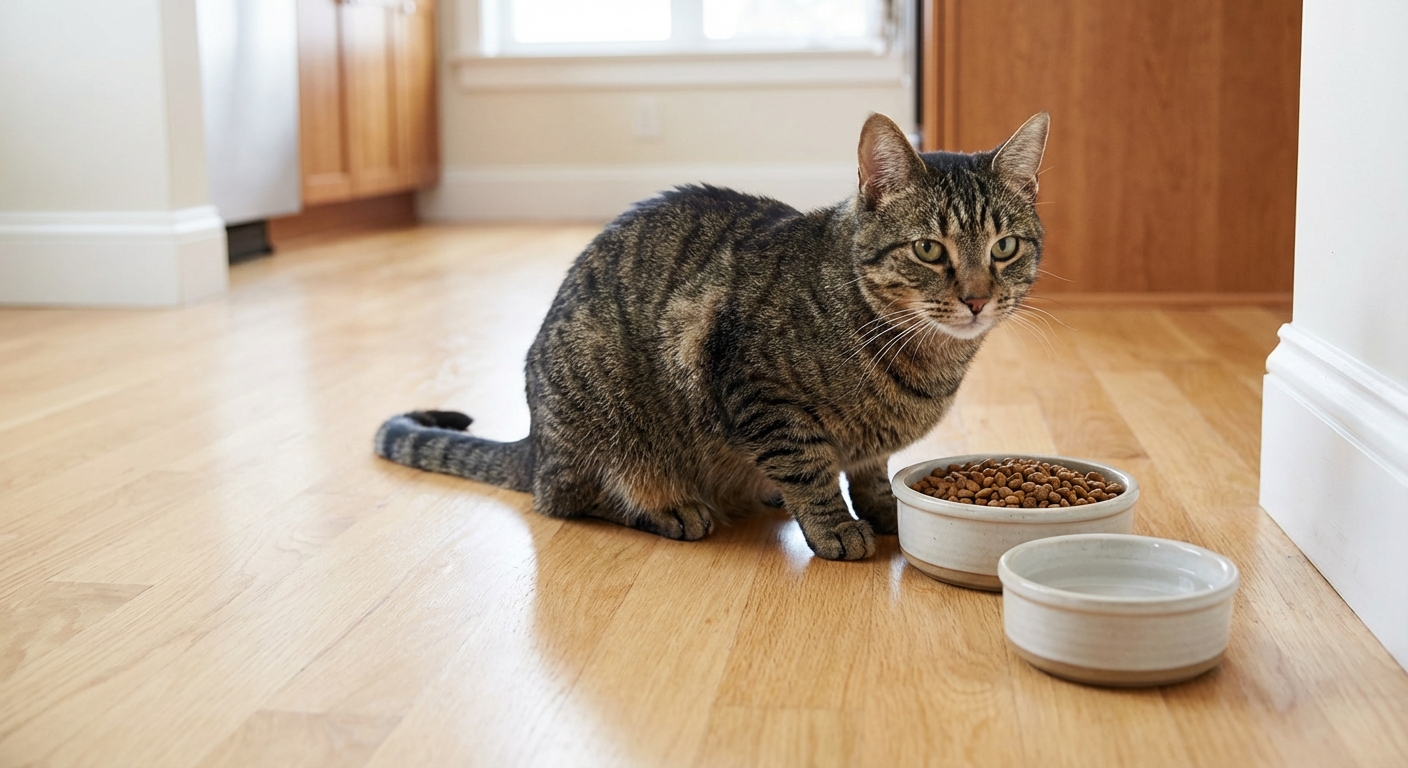
First, it helps to describe what you are seeing, because it can point to different causes.
- Regurgitation (from the esophagus): Food comes back up quickly after eating, often in a tube or pile shape, and looks undigested. This is usually passive with little to no retching, and many cats do not seem nauseated beforehand.
- Vomiting (from the stomach): The stomach contracts and your cat may drool, heave, or retch. Many cats act nauseated first (lip licking, swallowing, hiding). The material may be partially digested, foamy, yellow (bile), or mixed with liquid.
If it is truly undigested food soon after a meal, regurgitation or “eating too fast” rises to the top of the list, but we still want to keep an eye out for red flags.
Common causes
Eating too fast or overeating
This is one of the most common reasons cats bring up undigested food. Some cats gulp, especially in multi-pet homes, or if they have learned they need to eat quickly to compete. You may also notice a “scarf-and-barf” pattern where they eat fast, then vomit or regurgitate within minutes.
Hairballs and grooming
Hair can irritate the stomach or create a hairball that triggers vomiting. You may see tubular hair mixed with food or liquid.
Food change or food sensitivity
A sudden switch in diet, rich treats, or a sensitivity to an ingredient can upset the GI tract. Some cats vomit soon after eating the new food, and the food may look unchanged.
Stress and routine changes
Cats are sensitive creatures. New pets, travel, schedule changes, or even moving furniture can contribute to GI upset.
Dental pain
If chewing hurts, cats may swallow larger pieces. That can lead to regurgitation. Watch for drooling, bad breath, pawing at the mouth, or dropping food.
Parasites or mild stomach inflammation
Intestinal parasites, gastritis, and other mild GI conditions can cause vomiting. This is more common in kittens, outdoor cats, or cats with an unknown deworming history.
Esophagus problems (less common, but important)
If you are seeing frequent regurgitation (especially without retching) your vet may want to consider esophageal issues such as inflammation, narrowing (stricture), or rarely conditions like megaesophagus. These are not things you can diagnose at home, but noticing the pattern helps your veterinarian decide what to check next.
When to call the vet right away
Please do not wait and see if you notice any of the following:
- Repeated vomiting or regurgitation (multiple times in 24 hours), or vomiting that keeps happening over days
- Blood in vomit (bright red or coffee-ground appearance)
- Lethargy, hiding, weakness, or collapse
- Refusing food for more than 24 hours (or any refusal in a kitten)
- Possible dehydration signs: tacky or sticky gums, sunken-looking eyes, very low energy, skin that does not return to normal quickly (this can be less reliable in older or overweight cats)
- Straining, crying, or a swollen painful belly
- Possible foreign body: string, ribbon, hair ties, tinsel, toys, bones, corn cobs
- Possible toxin exposure: lilies, human medications, nicotine, essential oils, certain cleaners
- Weight loss, chronic vomiting, or episodes that return weekly
- Any vomiting in a cat with diabetes, kidney disease, hyperthyroidism, or known GI disease
Safety note for families: if your cat may have eaten string, ribbon, hair ties, or tinsel, treat it as urgent. Linear foreign bodies can become life-threatening quickly.
What you can do at home today
If your cat is very young, elderly, has chronic health issues, or seems unwell, call your vet before trying home changes.
1) Slow the eating down
- Offer smaller meals more often (for example, 3 to 5 mini-meals).
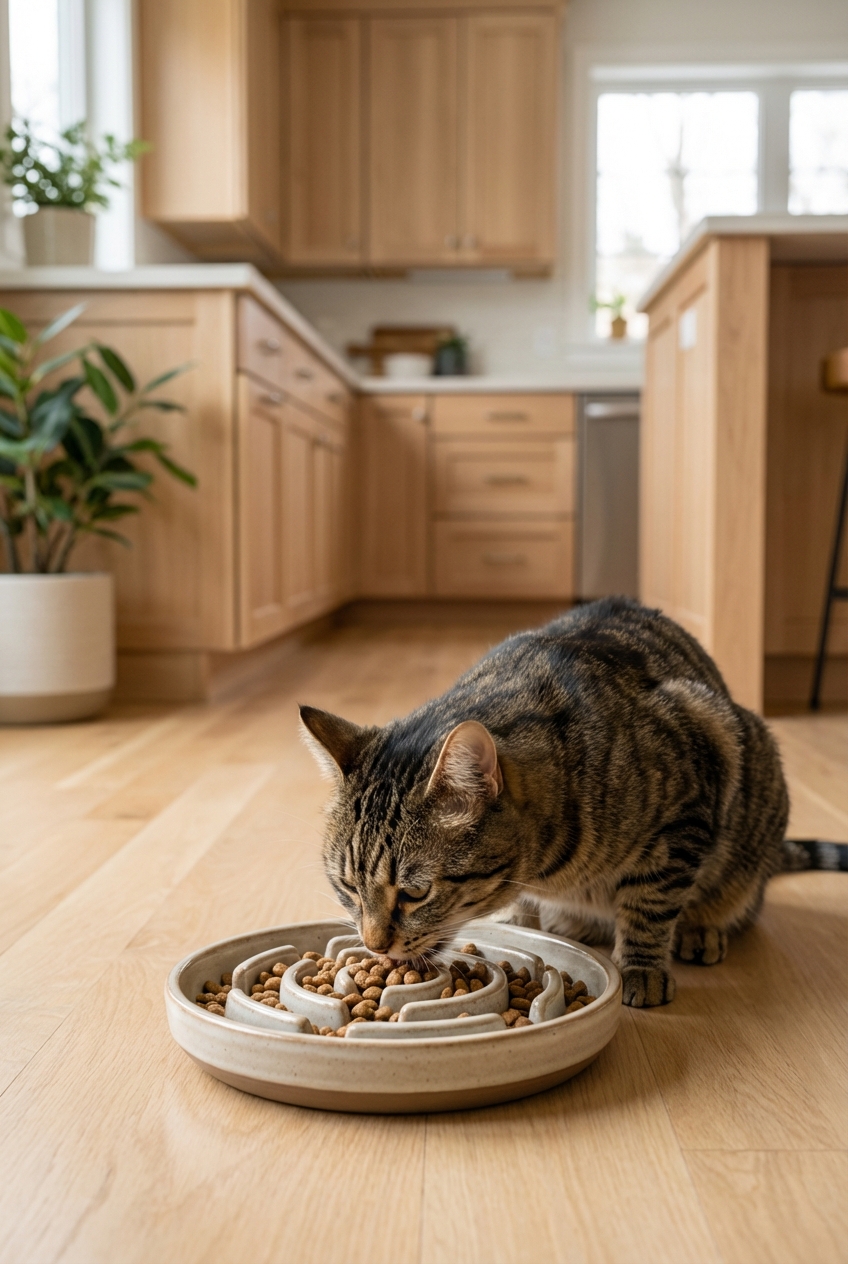
- Try a puzzle feeder or slow-feed bowl designed for cats.
- Spread kibble on a large plate so your cat has to move while eating.
- In multi-cat homes, feed separately to reduce competition.
2) Keep hydration easy
Vomiting can dehydrate cats faster than many people realize.
- Provide fresh water in multiple locations.
- Consider a cat water fountain if your cat prefers running water.
- If your veterinarian approves, add a little wet food to boost moisture intake.
3) Make food changes slowly
If you are switching foods, go slow. A gentle transition is often 7 to 10 days, mixing the new food in gradually.
4) Reduce hairball triggers
- Brush regularly, especially during seasonal shedding.
- Ask your vet about safe hairball support options if hairballs are frequent.
5) Adjust bowl setup if needed
Some cats do better with a wider, shallow dish. In certain cases, a slightly raised bowl can reduce awkward posture at mealtime. If raising the bowl seems to make regurgitation worse, switch back and tell your vet what you noticed.
6) Track the details (this helps your vet help you)
Write down:
- How soon after eating it happens
- What it looks like (food, foam, bile, hair)
- Frequency and timing
- Appetite, energy, stool changes
- Any new foods, treats, plants, or household changes
What not to do
- Do not give human anti-nausea, acid reducer, or pain medications unless your veterinarian specifically tells you to. Many are toxic to cats.
- Do not force food or water if your cat is actively vomiting.
- Avoid fasting cats without veterinary guidance. Cats can develop serious complications if they go without food for too long, especially if they are overweight.
Medical note: This article is for general education and is not a substitute for an exam and diagnosis by your veterinarian.
Kittens and senior cats
Kittens can become dehydrated quickly and are more prone to parasites and dietary sensitivity. Senior cats, on the other hand, are more likely to have underlying conditions like kidney disease, hyperthyroidism, pancreatitis, or GI disorders that show up as vomiting. If your kitten or senior cat brings food back up more than once or seems “off,” it is smart to call your veterinarian sooner rather than later.
What your vet may check
If vomiting or regurgitation is frequent or your cat has concerning signs, your veterinarian may recommend:
- A physical exam and weight check
- Fecal testing for parasites
- Bloodwork to evaluate organ function and inflammation
- X-rays or ultrasound to look for foreign bodies or GI disease
- Diet trials to check for food intolerance
- Additional testing if regurgitation is the main issue (for example, imaging focused on the esophagus)
The goal is to rule out problems that need immediate treatment while finding a long-term plan that keeps your cat comfortable.
Family safety and cleanup tips
- Use an enzymatic cleaner on carpets or upholstery to fully remove odor.
- Keep strings, rubber bands, and small toys secured, especially with curious cats and kids in the home.
- Store human medications and vitamins in closed cabinets. Even “safe” supplements can be dangerous to cats.

The bottom line
When a cat brings up undigested food, common causes include fast eating, hairballs, and diet changes. Many families can improve things by slowing meals down, offering smaller portions, and making transitions gentle. But if episodes are frequent, your cat seems painful or lethargic, you see blood, or you suspect a swallowed object or toxin exposure, please call your veterinarian right away. Trust your instincts. You know your cat best.