Cat suddenly not using the litter box? Learn urgent medical warning signs, common causes like FLUTD, arthritis, stress or marking, and practical steps to fix...
Article
•
Designer Mixes
Cat Stopped Using the Litter Box: Care Tips

Shari Shidate
Designer Mixes contributor
When a cat stops using the litter box, it can feel personal, frustrating, and honestly a little heartbreaking. But in my experience as a veterinary assistant, this behavior is usually your cat’s way of saying, “Something is off.” The most important takeaway is this: litter box avoidance is often medical or environmental, not spite.
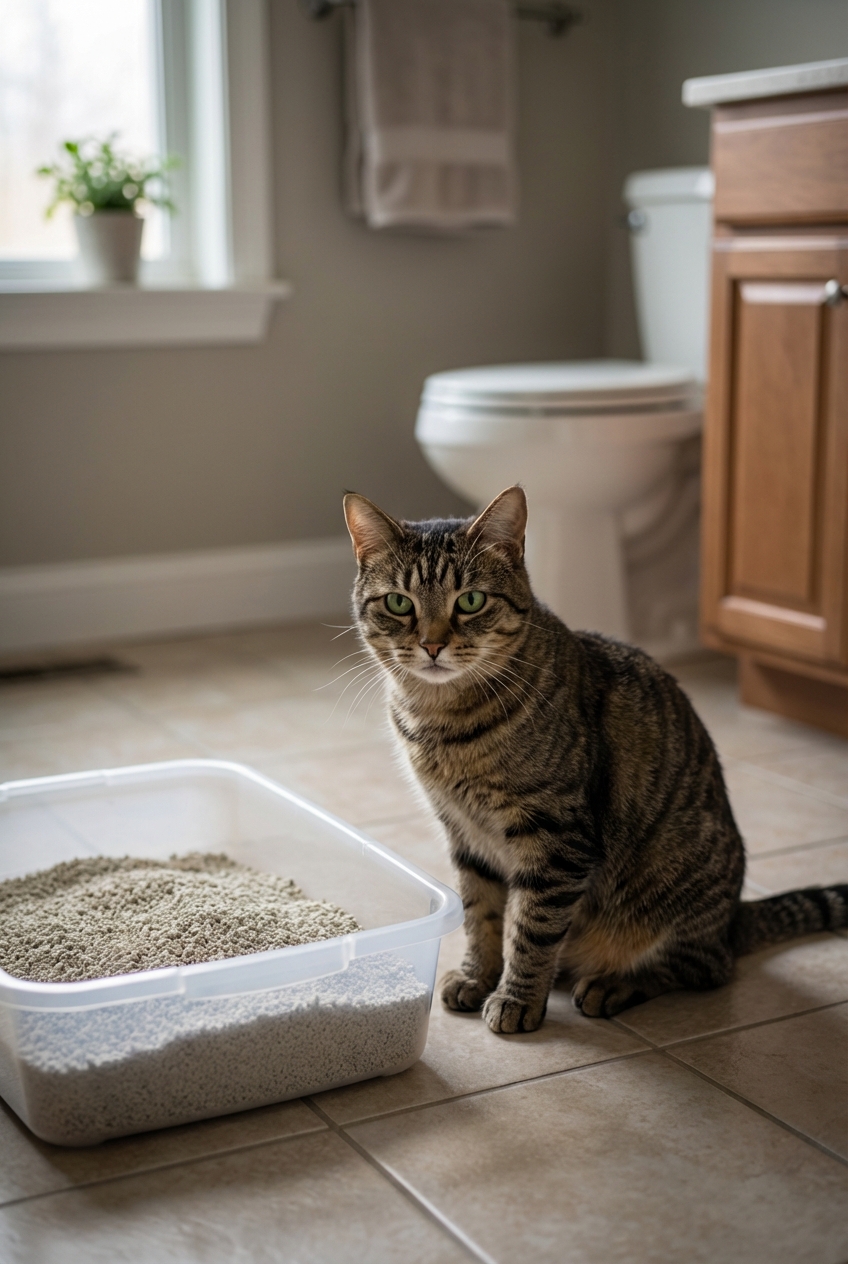
Below are clear, vet-aligned steps you can take today, plus guidance on when it is time to call your veterinarian.
Start here: rule out medical issues
If your cat was reliably using the box and suddenly stops, a health issue is high on the list. Many cats also begin to associate the litter box with discomfort, so they avoid it even after the original issue resolves.
Common medical causes
- Lower urinary tract disease (FIC, crystals, stones): frequent trips, straining, crying, blood in urine, urinating small amounts
- Bacterial UTI: less common in healthy adult cats, but more likely in seniors or cats with other conditions (your vet can confirm with testing)
- Constipation or GI pain: hard stools, straining, reduced appetite
- Arthritis or mobility pain: trouble climbing into high-sided boxes, stiffness, reluctance to jump
- Kidney disease, diabetes, hyperthyroidism: increased urine volume and frequency (more pee, more often), sometimes leading to accidents
- Cognitive decline in seniors: disorientation, changes in sleep and routine
Urgent warning signs (seek emergency care)
A blocked urinary tract is life-threatening, especially in male cats. Seek emergency care if you notice:
- Repeated straining with little or no urine produced
- Crying out, hiding, vomiting, lethargy
- A hard, painful belly
Inability to pass urine is an emergency, even if your cat seems otherwise okay. If you are unsure, it is always safer to call your vet or an emergency clinic and describe what you are seeing.
Quick cleanup: stop repeat accidents
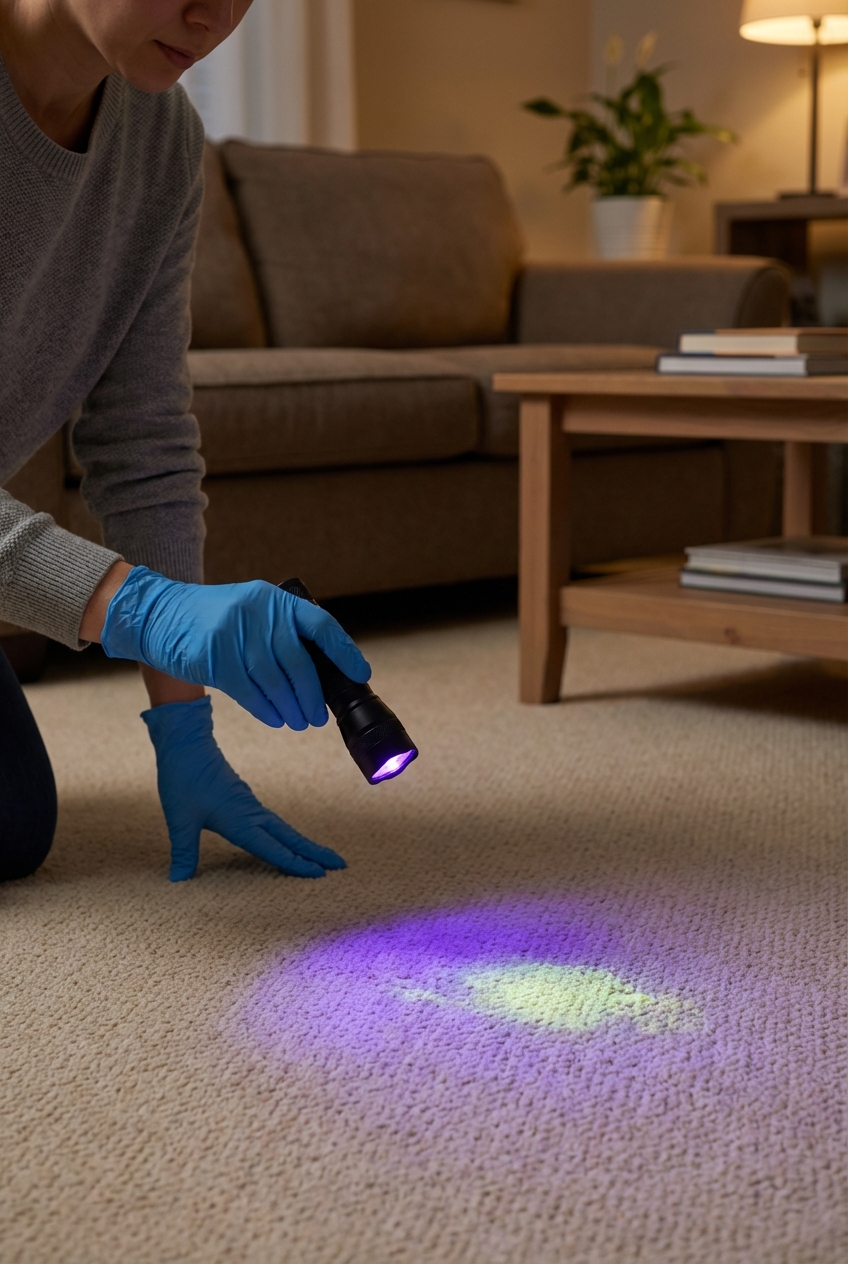
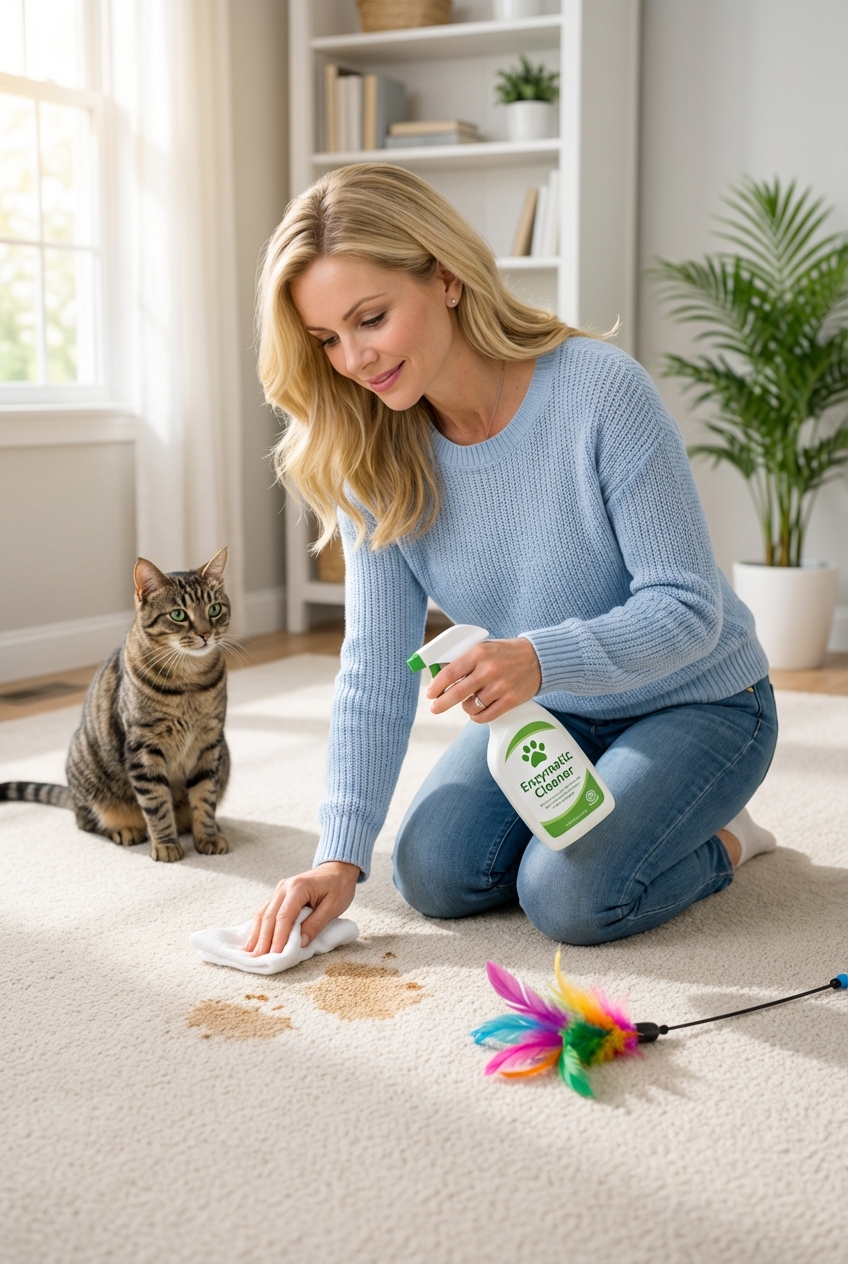
Cats return to places that smell like urine. Regular cleaners often do not remove the scent markers that cats detect.
- Use an enzymatic cleaner made for pet urine on any accident spot.
- Blot, do not scrub. Follow the product contact-time instructions.
- Avoid ammonia-based cleaners, since the smell can mimic urine.
Fix the box setup
Even with a clean bill of health, many cats stop using the box because something about the setup changed or no longer works for them. Small adjustments can make a big difference fast.
Best-practice basics
- Number of boxes: a good rule of thumb is one per cat, plus one extra (for 1 cat: 2 boxes).
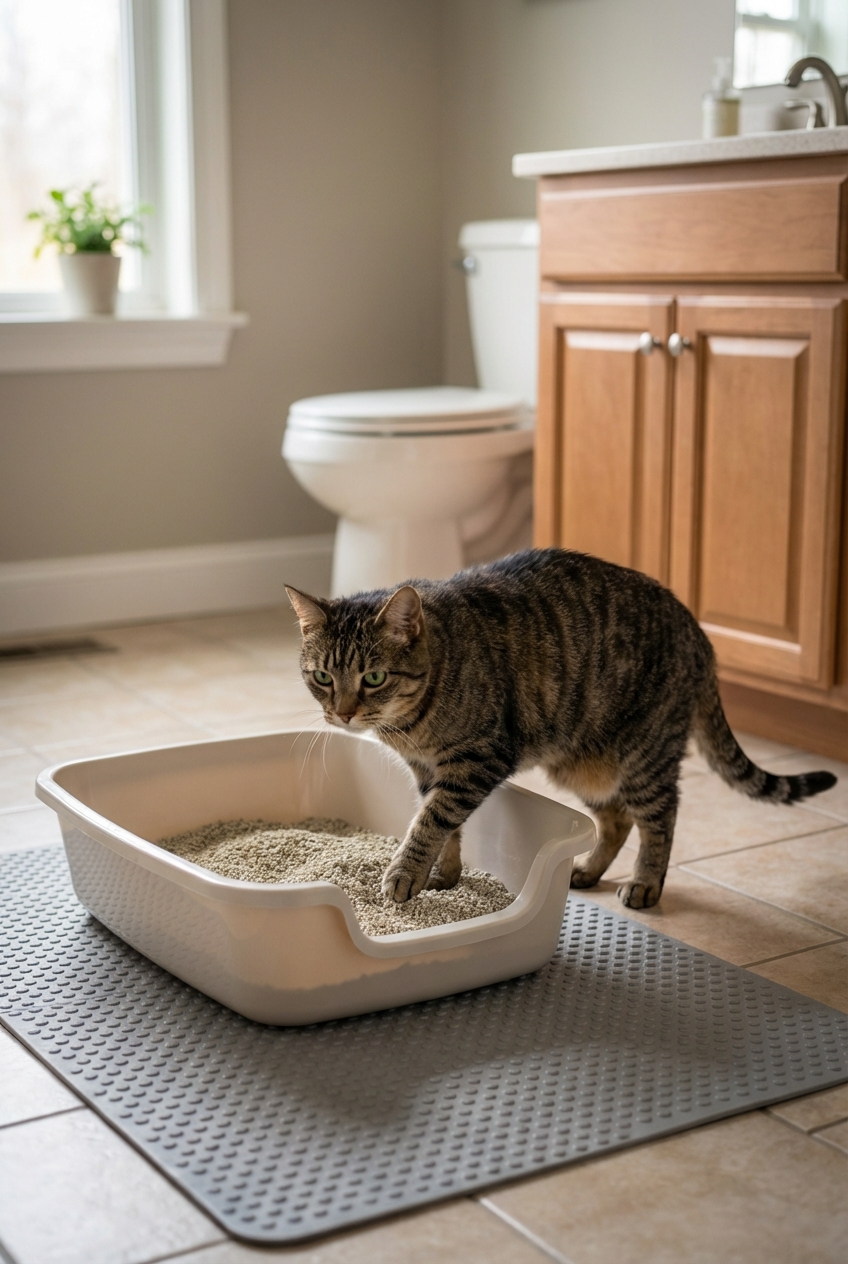
- Size matters: aim for about 1.5 times your cat’s length (nose to base of tail) when possible.
- Location: quiet, low-traffic, and easy to access. Avoid noisy laundry rooms or next to a loud HVAC vent.
- Separation: put boxes in different areas, not side-by-side, so your cat has true options.
- Keep things steady: during troubleshooting, do not move boxes around unless you have to. If you need to relocate one, do it gradually when possible.
Litter and box choices
- Unscented clumping litter is often best tolerated.
- Avoid strongly scented litters, deodorizers, or heavily perfumed box sprays. Many cats find them aversive.
- Offer a “test box” with a different litter type if you suspect preference issues.
- Keep litter depth around 2 to 3 inches unless your cat shows a strong preference.
Covered box or uncovered?
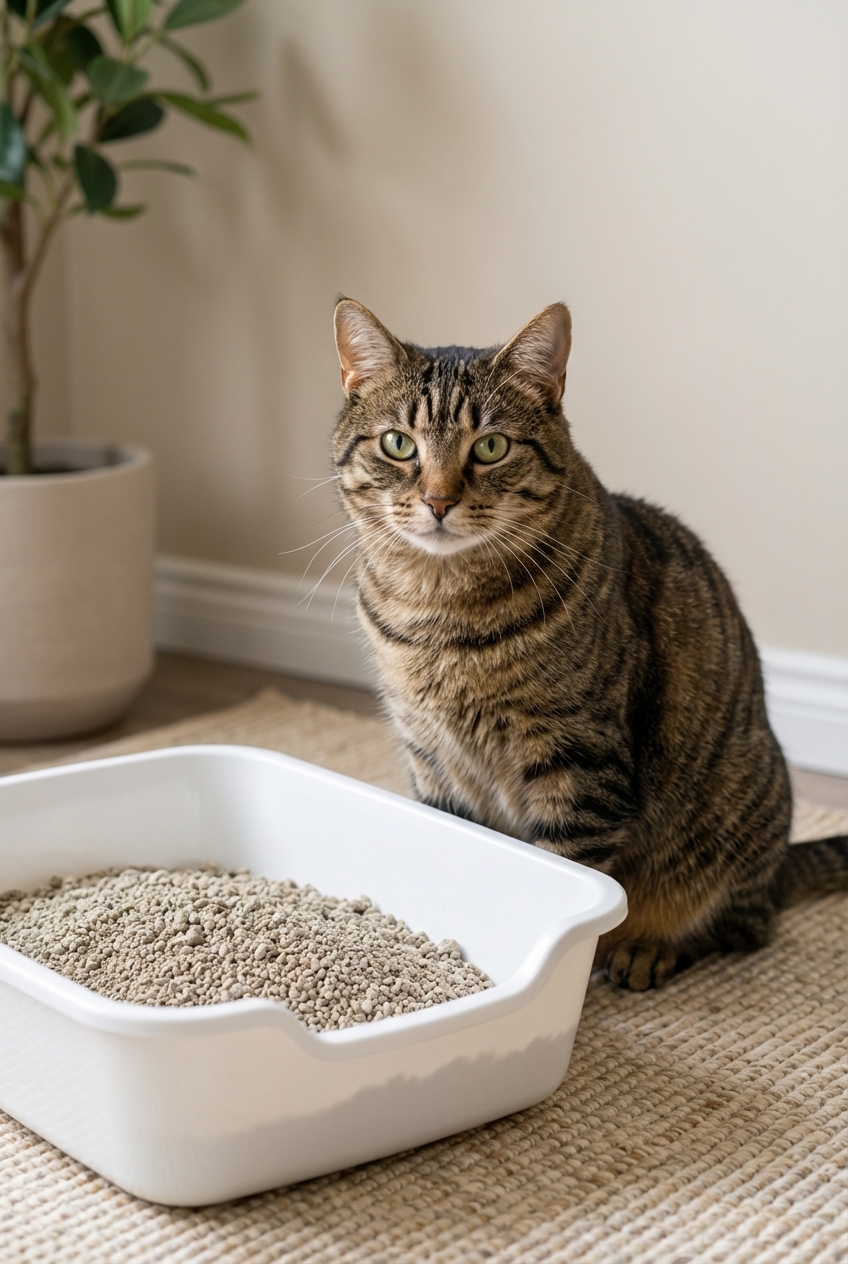
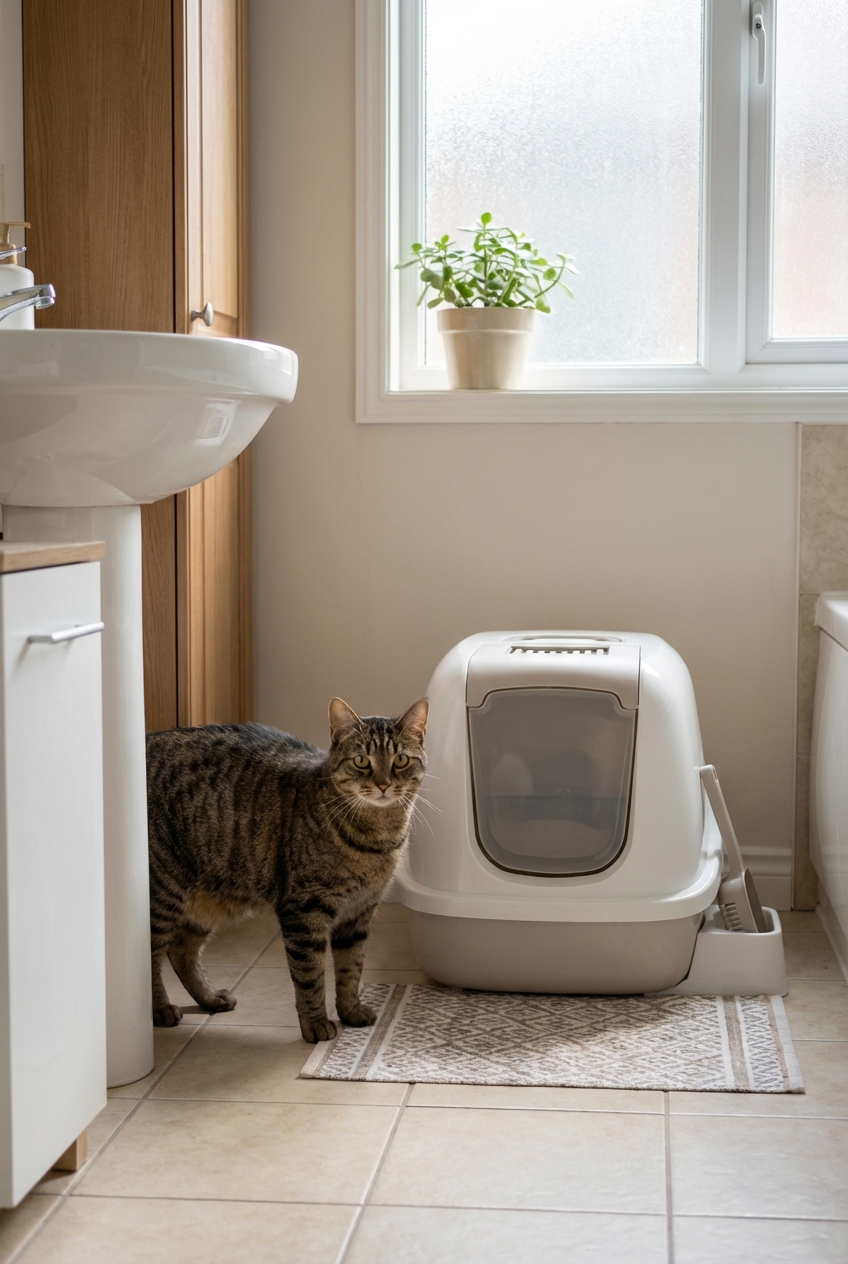
Many cats prefer uncovered boxes because they feel less trapped and there is better airflow. Covered boxes can hold odors inside. If you use a covered box, consider offering an uncovered option as well.
Low-entry for seniors and sore cats
If your cat is older or stiff, try a low-entry litter box or one with a cut-out front. Pain can quietly drive litter box avoidance. If you suspect arthritis, ask your vet about a safe, veterinary-guided plan for pain control and mobility support.
Maintenance that matters
- Scooping: scoop at least once daily. Some cats need twice daily.
- Full change: dump and replace litter on a regular schedule that matches your litter type and household needs (often weekly for many clumping litters, more often if it smells).
- Wash the box: use mild, unscented soap and warm water. Avoid harsh or strongly scented cleaners.
If your cat is peeing outside the box
Pee accidents often come down to urinary discomfort, box aversion, or stress. One key question helps: Is it urination or spraying?
Urination vs spraying
- Urination: puddle on horizontal surfaces (floor, bed, laundry).
- Spraying: small amount on vertical surfaces (walls, furniture), often with tail quivering.
Spraying is commonly tied to stress, territorial changes, or conflict between cats, though medical issues can still be involved.
Immediate steps
- Add an extra box in the area your cat is choosing.
- Try a larger, uncovered box and unscented clumping litter.
- Reduce stressors: block view of outdoor cats, keep routines consistent, provide hiding spots and vertical space.
If your cat is pooping outside the box
Stool outside the box can be constipation, painful bowel movements, litter dislike, or location issues.
What to watch for
- Hard, dry stools or straining
- Pooping near the box (sometimes a sign they are trying, but something is wrong)
- Diarrhea or accidents you cannot predict
Home supports (while you schedule a vet check if needed)
- Ensure easy access to multiple boxes.
- Ask your vet before using laxatives. Constipation can worsen without proper guidance.
- Keep fresh water available in multiple locations. Some cats drink more from a fountain.
Multi-cat homes: reduce conflict
In multi-cat households, litter box problems are often social. One cat may block access, ambush near the box, or simply intimidate another cat.
- Place boxes so a cat has two exits (avoid tight corners).
- Spread resources out: food, water, scratching posts, resting spots, and boxes in separate zones.
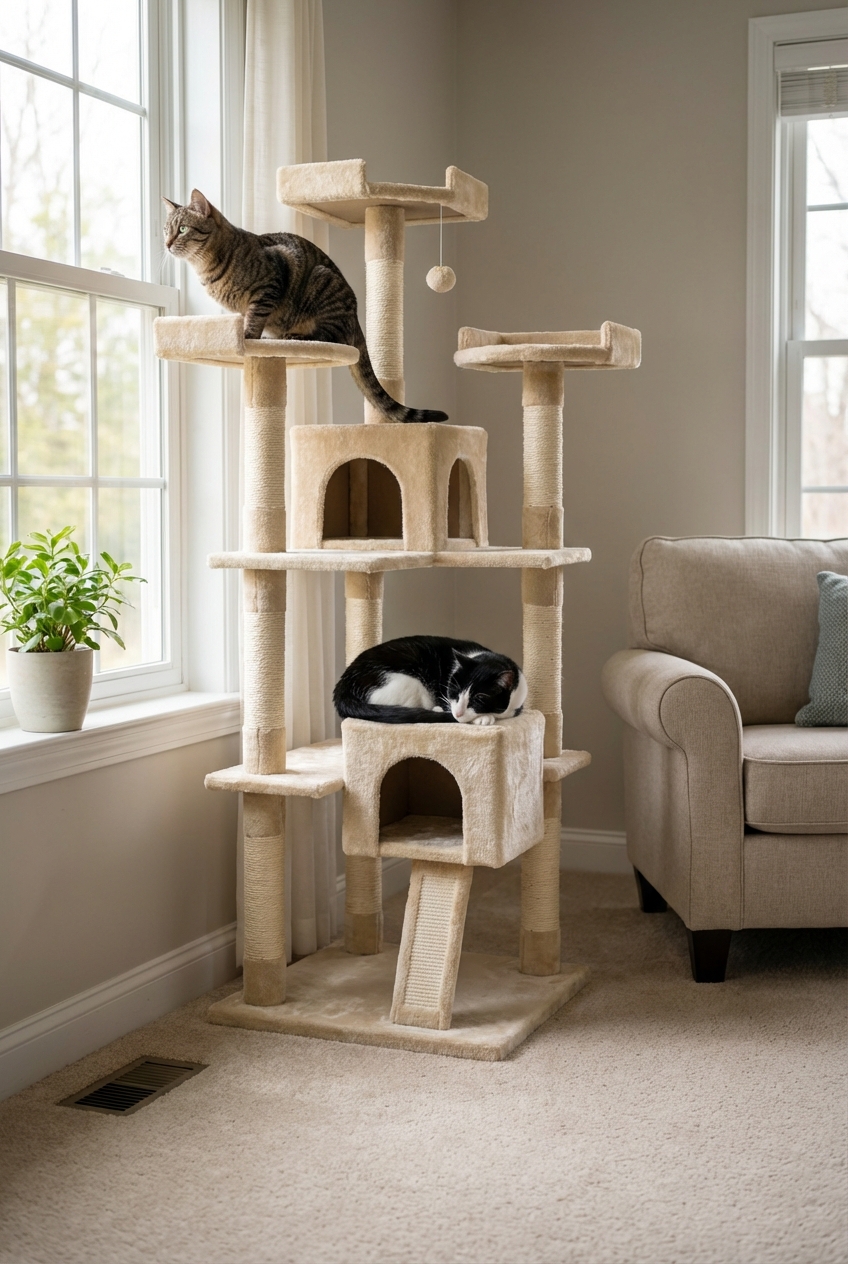
- Use vertical territory: cat trees, shelves, window perches.
- Consider pheromone diffusers in common areas if stress seems high.
Gentle retraining
When accidents happen, your goal is to make the box the easiest, safest, most comfortable option again.
- Do not punish. It increases stress and can worsen avoidance.
- Do not rub your cat’s nose in it. This does not teach litter box use and can damage trust.
- Confine temporarily to a calm room with a box, bed, food, water, and enrichment if your home is large or chaotic.
- Keep the box very clean and consider offering two litter types side-by-side during the reset.
- Reward quietly: praise and a small treat after you observe box use.
Stress support
Stress can be the whole cause, or it can make a medical or box issue much worse. Helpful, low-pressure supports include:
- A predictable routine for feeding and play
- Daily interactive play (even 5 to 10 minutes helps)
- More scratching options and safe hiding spots
- Reducing conflict between pets with space, separation, and gradual introductions when needed
- Talking with your vet about a behavior-focused plan if the issue is persistent or severe
When to call the vet
If the problem lasts more than 24 to 48 hours, if your cat is straining, or if you see blood, discomfort, or appetite changes, get a veterinary appointment.
Helpful info for your vet
- Is it urine, stool, or both?
- How often are accidents happening and where?
- Any changes in litter, box type, location, household, or schedule? A quick timeline helps.
- Photos of accident spots or patterns (and video of behavior if possible)
- A fresh urine sample if your clinic requests it (call first for instructions)
Most importantly, trust your instincts. If your cat’s behavior changed suddenly, they are telling you something, and you are doing the right thing by investigating it early.
Kind reminder: cats are clean by nature. When they stop using the box, it is almost always a solvable problem with the right mix of medical support, environment tweaks, and patience.