Vomiting or diarrhea in cats can turn serious fast. Learn safe home care steps, hydration and bland diet tips, probiotics, red flags for the vet, and risky r...
Article
•
Designer Mixes
Cat Stomach Ache Signs and Next Steps

Shari Shidate
Designer Mixes contributor
If your cat seems off and you are wondering if it is a stomach ache, you are not alone. Cats are masters at hiding discomfort, and tummy trouble can look like subtle behavior changes long before you see vomiting or diarrhea.
As a veterinary assistant, I love helping pet parents spot early clues, know what is normal versus urgent, and take calm, practical steps at home while keeping safety first. This article cannot diagnose your cat, but it can help you decide what to monitor and when to call your vet.
What a stomach ache looks like in cats
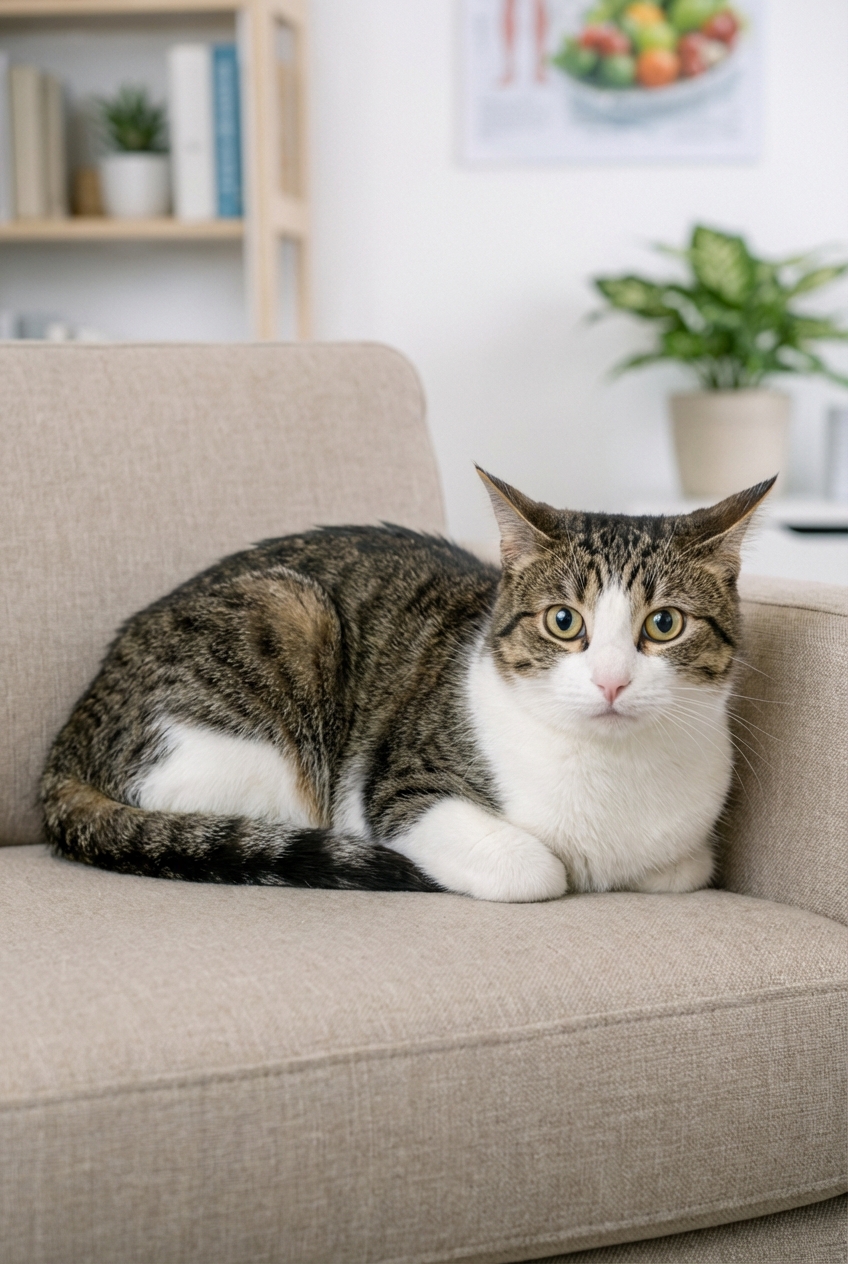
Cats rarely show obvious drama when their belly hurts. Instead, they often show quiet, easy-to-miss signals.
- Hiding more than usual or choosing unusual resting spots
- Less appetite or sniffing food then walking away
- Meatloaf posture (paws tucked under, body tense) or a hunched back
- Increased swallowing, lip licking, or drooling (often nausea, but drooling can also be linked to dental pain or toxin exposure)
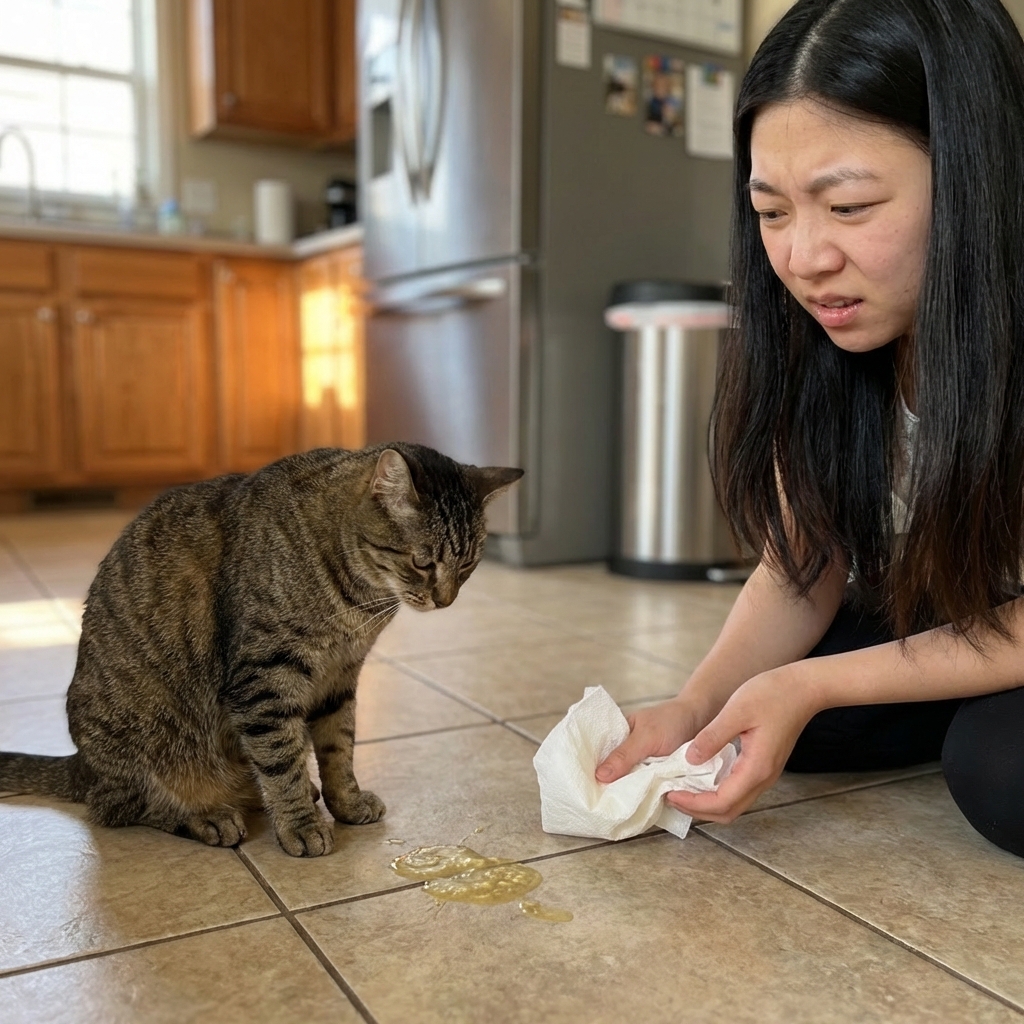
- Vomiting or repeated gagging
- Diarrhea or straining in the litter box
- Growling, flinching, or avoiding touch around the abdomen
- Restlessness, frequent repositioning, or seeming unable to get comfortable
One off day can happen. But a pattern, a sudden severe change, or any sign of pain deserves attention.
Common causes
Hairballs and mild gastritis
Hairballs are a common culprit, especially in long-haired cats or heavy groomers. Occasional hairball vomiting can be normal, but frequent episodes can mean an underlying issue like inflammation, parasites, or diet intolerance.
Diet changes and food sensitivity
A sudden switch in food, new treats, rich human foods, or dairy can cause nausea, gas, or loose stool. Cats can also develop sensitivities to certain proteins or additives.
Eating something they should not
Cats may chew strings, tinsel, ribbon, rubber bands, houseplants, or even parts of toys. This is where a simple stomach ache can become a true emergency, especially with string-like items that can cause intestinal damage.
Constipation
Constipation can look like belly pain, decreased appetite, and repeated trips to the litter box. Dehydration, low activity, arthritis, and hair ingestion can all contribute. Important note: repeated unproductive straining can also look like a urinary problem. In male cats, urinary blockage is an emergency.
Parasites or infection
Indoor cats can still get parasites depending on exposure history, fleas, or contact with other animals. Infectious gastrointestinal illness can also occur and is more likely in multi-cat homes, shelters, or after exposure to a new cat.
Chronic conditions
Recurrent vomiting, weight loss, and ongoing loose stool are not normal cat things. They can signal chronic inflammatory disease (like inflammatory bowel disease), pancreatitis, or other conditions that need veterinary guidance and often a nutrition plan.
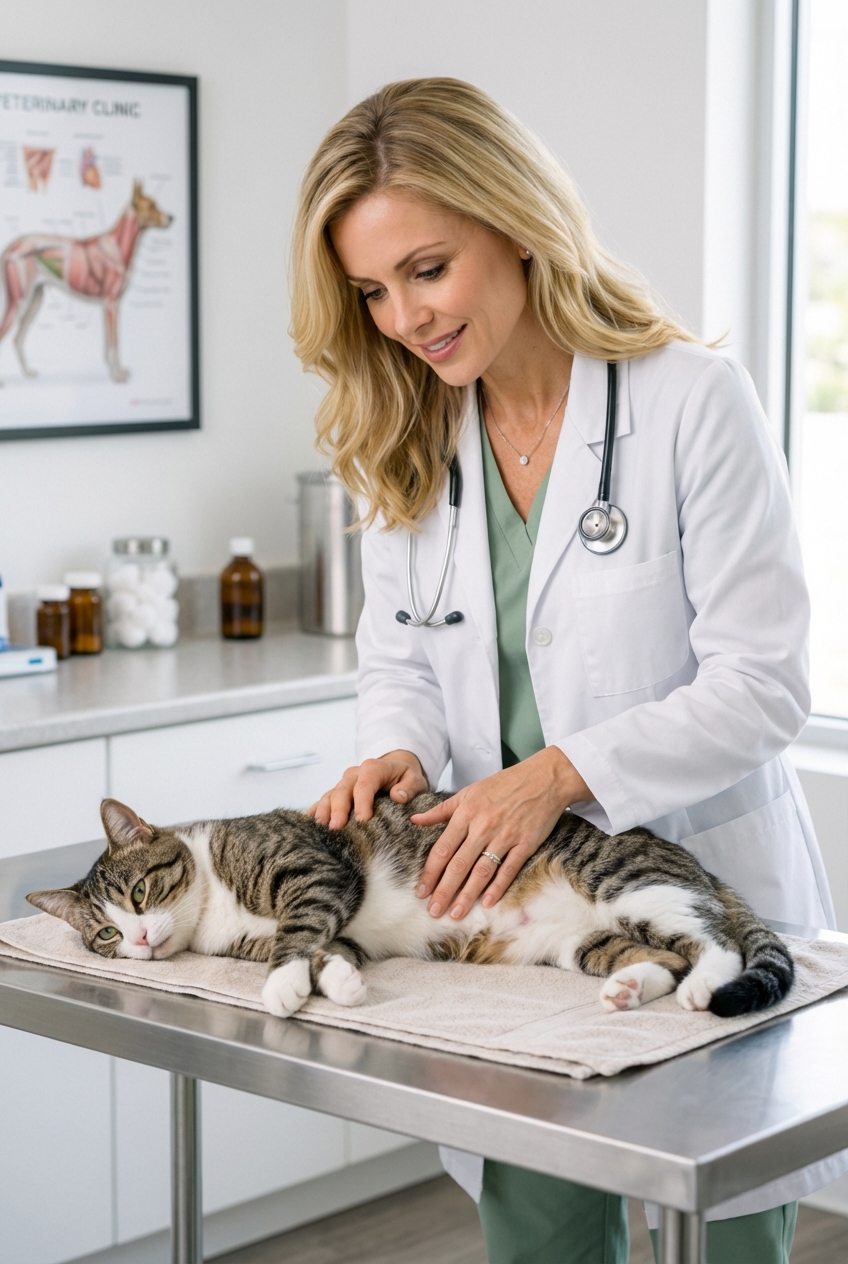
At-home checks
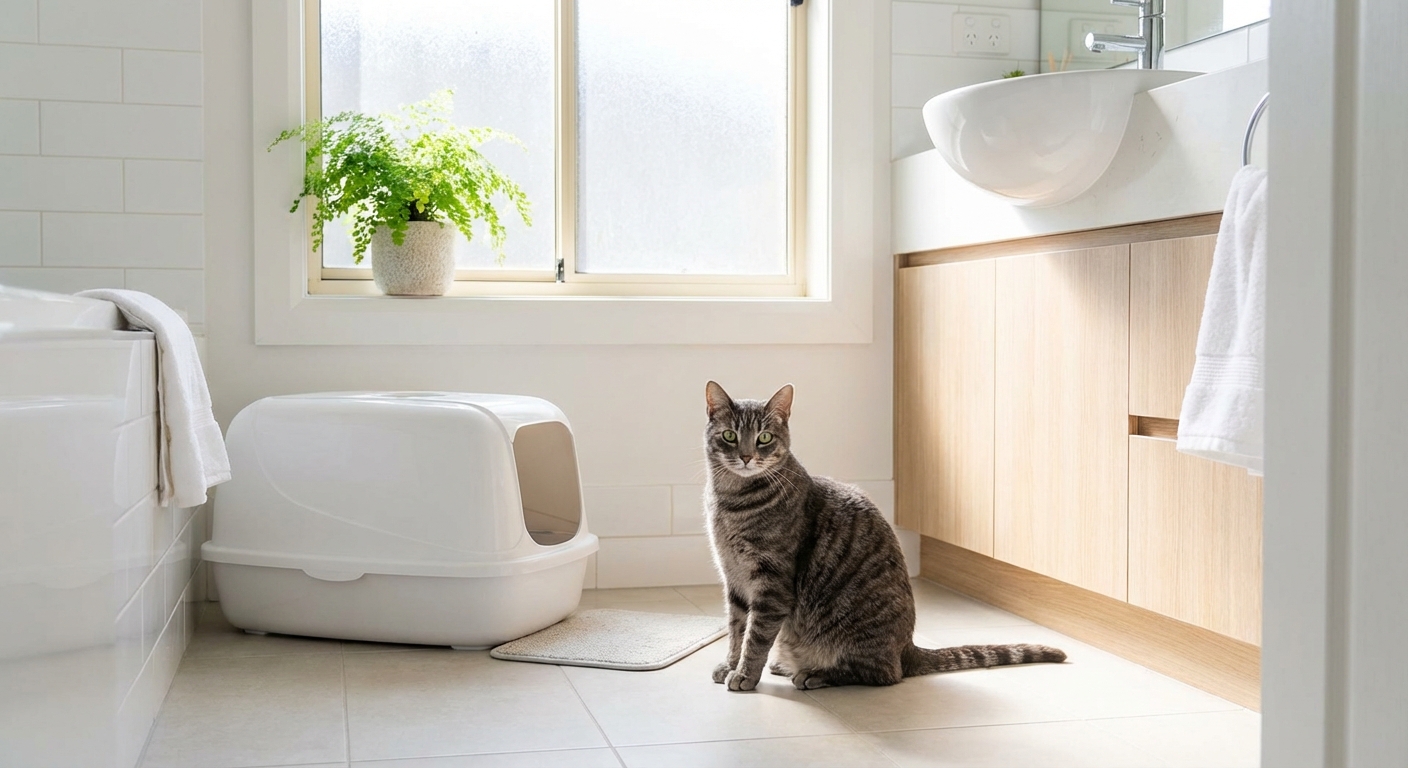
Check #1: The litter box
Look back at the last 24 hours. Has your cat:
- Pooped normally, not at all, or in tiny hard pieces?
- Had diarrhea, mucus, or visible blood?
- Strained or cried in the litter box?
Straining can be constipation, but in male cats it can also resemble urinary blockage, which is an emergency. If you see frequent trips with little to no urine, treat that as urgent.
Check #2: Posture and comfort
A hunched stance, tight belly, or refusing to lie on one side can indicate abdominal discomfort. If your cat is also lethargic, not eating, or vocalizing, do not wait it out.
Check #3: Vomit, cough, or regurgitation?
Owners often mix these up, and it can change what your vet suspects.
- Vomiting usually includes heaving and abdominal effort. You may see food, foam, bile, or hair.
- Regurgitation is often more sudden with less effort, and the material may look like undigested food from the esophagus.
- Coughing or hairball hacking can look similar from across the room, but it is more of a respiratory or throat event. If you are not sure, a quick video for your vet can be incredibly helpful.
Check #4: A little vomit is not always little
A single episode can happen. But repeated vomiting, vomiting and being unable to keep water down, or vomiting plus lethargy can quickly lead to dehydration and electrolyte imbalance.
When it is an emergency
Please contact a veterinarian urgently or go to an emergency clinic if you notice any of the following:
- Repeated vomiting or inability to keep water down
- Blood in vomit or stool, or black tar-like stool
- Severe lethargy, collapse, or sudden weakness
- Swollen, hard, or very painful abdomen
- Suspected foreign body (string, tinsel, toy parts) or toxin exposure
- Not eating for about 24 hours (call sooner, often within 12 to 24 hours, for kittens, seniors, overweight cats, or cats with medical conditions because prolonged appetite loss can become dangerous)
- Rapid breathing, pale gums, or signs of shock
- Frequent litter box visits with little output, especially in male cats
If you suspect a toxin, call your vet or a pet poison hotline right away. Common cat toxins include lilies, essential oils, and many human pain relievers.
Trust your gut. If your cat seems painful or not themselves, it is always okay to call your vet and describe what you are seeing. You are not overreacting. You are protecting them.
Safe steps at home
For mild signs with normal energy and no red flags, you can take supportive steps while you monitor closely.
1) Keep hydration easy
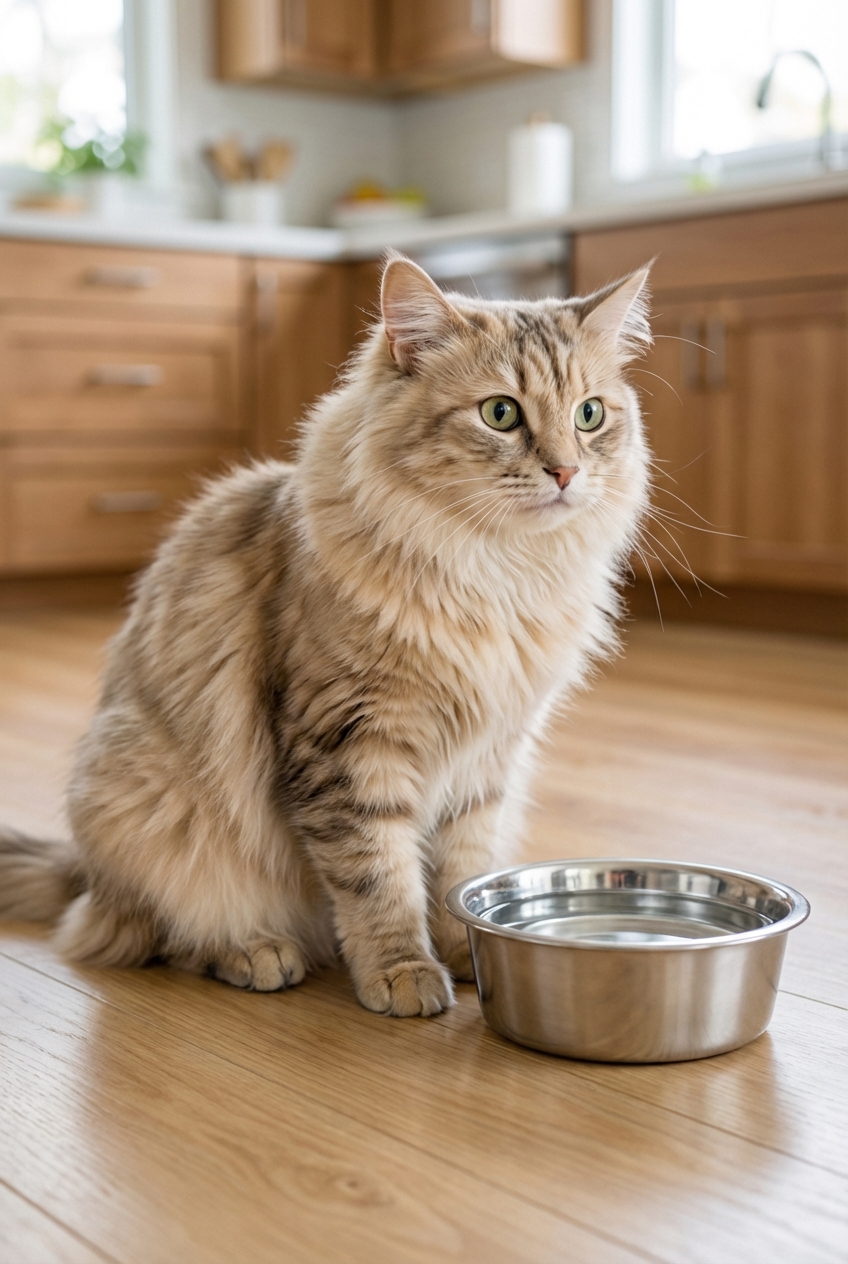
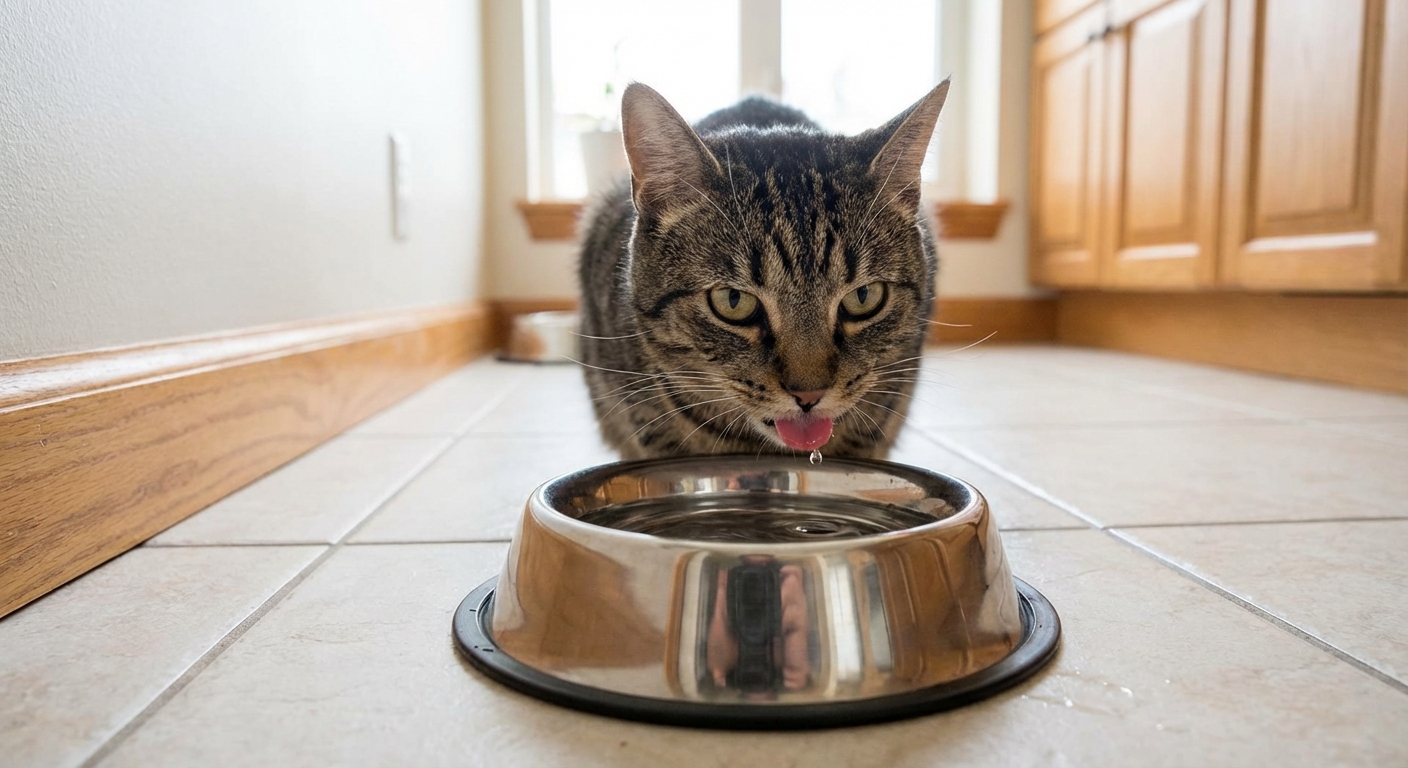
- Provide fresh water in multiple spots.
- Consider a pet fountain if your cat drinks better from moving water.
- If your cat eats wet food, offering a little extra can help hydration.
2) Feed small, simple meals
If your cat wants to eat, offer smaller portions more frequently. Avoid fatty treats and people food. If you are considering a diet change, do it slowly over 7 to 10 days to reduce digestive upset.
3) Reduce stress and keep them comfortable
Stress can worsen nausea and diarrhea. Provide a quiet room, warm bedding, and easy litter box access.
4) What not to do
- Do not give human medications unless your veterinarian specifically directs you. Many over-the-counter medications are toxic to cats.
- Do not withhold water. Dehydration makes GI problems worse.
- Do not give milk. Many cats are lactose intolerant and it can worsen diarrhea.
- Do not force-feed a nauseated cat, and do not syringe water unless your vet advises it, due to aspiration risk.
- Do not induce vomiting unless instructed by a veterinarian or poison professional.
- Do not pull a string if you see it hanging from your cat's mouth or rear. Keep your cat calm and go to the vet immediately.
5) Track symptoms
Write down:
- Vomiting frequency and what it looked like (food, foam, hair, bile)
- Stool consistency and frequency
- Appetite changes
- Energy level
- Any new foods, treats, plants, strings, or household changes
This history helps your vet narrow down causes faster.
What your vet may recommend
Depending on the signs, age, and health history, your veterinarian might suggest:
- Physical exam and abdominal palpation to assess pain, dehydration, and stool burden
- Fecal testing to check for parasites
- Bloodwork to assess organ function, inflammation, and hydration
- X-rays or ultrasound if a blockage, constipation, or foreign body is suspected
- Prescription diet trial for suspected food sensitivity or chronic GI issues
- Anti-nausea medication or fluid support when appropriate
The goal is always the same: relieve discomfort safely while identifying the true cause so the problem does not keep coming back.
Prevention habits
- Brush routinely to reduce hair ingestion, especially during shedding seasons.
- Keep strings and tinsel locked away and supervise wand toys.
- Transition foods slowly over at least a week.
- Use puzzle feeders for cats that eat too fast.
- Schedule routine vet care, including parasite prevention tailored to your cat’s lifestyle.
- Prioritize hydration with wet food, fountains, and multiple water stations.
Small daily choices add up. A calmer gut often starts with consistency, hydration, and a safer environment.
Quick checklist
Watch closely
- Mild nausea signs with normal energy
- One isolated vomit episode, then back to normal
- Slightly soft stool once, with otherwise normal behavior
Call your vet today
- Vomiting more than once
- Diarrhea lasting more than 24 hours
- Not eating, hiding, or acting painful
- Any senior cat, kitten, overweight cat, or cat with chronic disease showing GI signs
Emergency now
- Suspected string or foreign object ingestion
- Repeated vomiting with lethargy
- Blood in vomit or stool
- Hard, swollen belly or severe pain
- Frequent litter box trips with little output, especially in male cats