See the most common reasons cats vomit clear, foamy liquid—empty stomach, hairballs, diet changes, stress—and learn safe home steps plus urgent red flags...
Article
•
Designer Mixes
Cat Spitting Up Foam

Shari Shidate
Designer Mixes contributor
If you have ever walked into a room and found a little puddle of white foam on the floor, you are not alone. As a veterinary assistant, I can tell you this is a common reason cat caregivers call in worried. The good news is that foamy spit-up can be as simple as an empty tummy or a hairball. The not-so-good news is that sometimes it is a sign of nausea, poisoning, a blockage, or another problem that needs quick care.
This guide will help you sort out what is most likely, what you can do at home safely, and when it is time to call your veterinarian right away.
Note: This article is for education and triage. It is not a substitute for an exam and diagnosis by your veterinarian.
What “foam” can mean
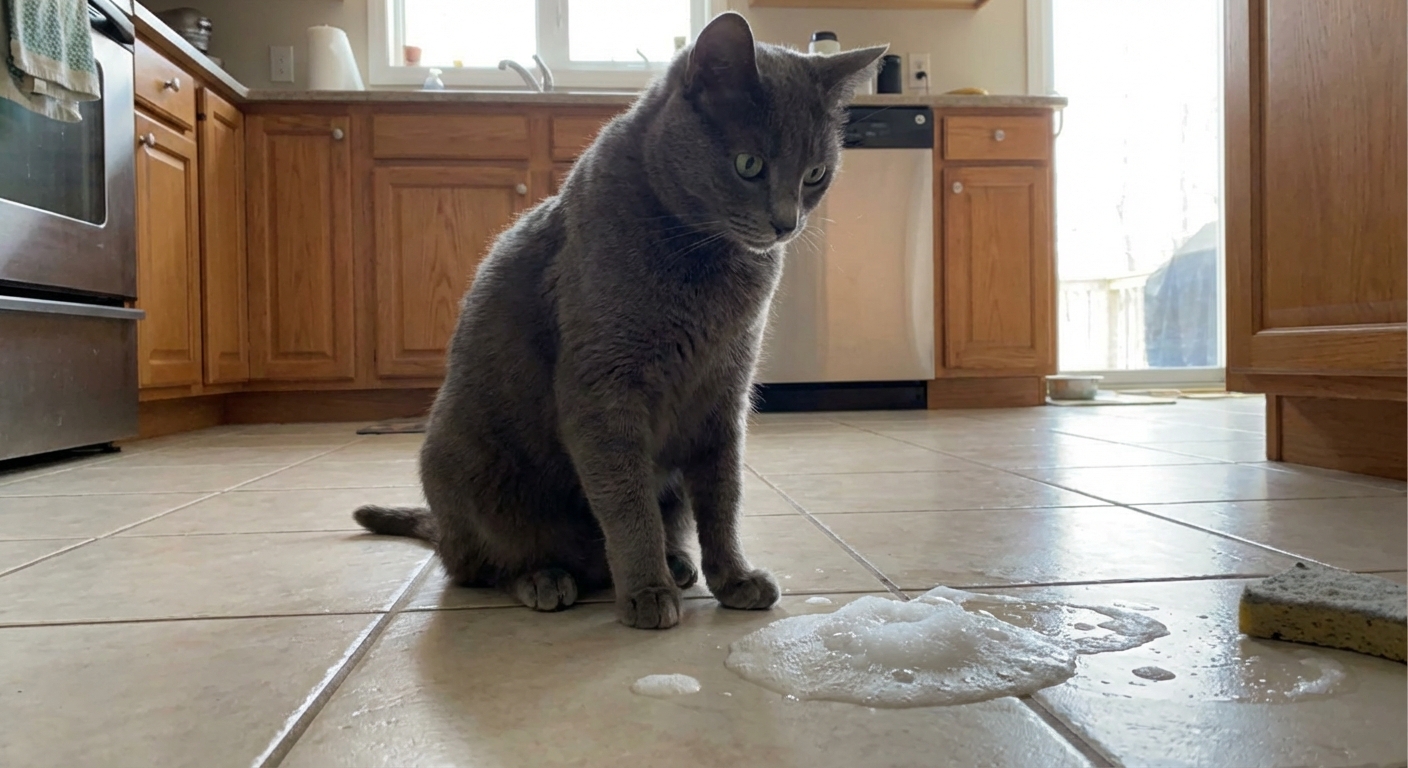
Foam owners see is often saliva mixed with air, and sometimes a small amount of stomach fluid or bile. Cats can produce foamy spit-up when they are nauseated, when their stomach is empty and irritated, when something tastes bitter, or when they are trying to bring up a hairball but cannot quite get it out.
It helps to think of foam as a symptom, not a diagnosis. Your job is to look at the whole picture: how your cat is acting, how often it is happening, and what else is going on (eating, litter box habits, and exposure to plants or chemicals).
Vomiting vs regurgitation
These look similar, but the details matter.
- Vomiting usually involves nausea and abdominal effort (heaving). The material can be liquid, foam, bile, or partially digested food.
- Regurgitation is more passive and often happens shortly after eating. Food may come up undigested, sometimes with saliva or foam.
Common causes
Hairballs
Some cats gag, retch, and produce foam before a hairball comes up. You may also notice increased grooming or coughing-like retching.
Empty stomach
If your cat goes a long time between meals, stomach acid can irritate the stomach lining. This can cause early-morning or late-night foamy vomiting, often yellow-tinged if bile is present.
Eating too fast
Fast eating can trigger regurgitation. Regurgitation often happens shortly after eating and may include undigested food along with saliva or foam.
Diet change or rich treats
New foods, rich treats, dairy, or table scraps can lead to nausea and foamy spit-up.
Stress and motion sickness
Some cats drool, foam, and vomit with car rides, boarding, or household changes. If foaming is paired with lip-smacking and drooling, nausea is very likely.
Gastroenteritis, parasites, or infection
Intestinal parasites and viral or bacterial infections can cause vomiting, sometimes starting with foam. Some cats also develop intestinal inflammation or an imbalance of gut bacteria (sometimes called dysbiosis). These causes require veterinary testing to confirm.
Oral pain or mouth irritation
Not all foam is from the stomach. Dental disease, stomatitis, oral foreign material (like a string or plant piece), and caustic exposures can cause heavy drooling and foamy saliva, sometimes with gagging.
Toxins and irritants
This is the big one to take seriously. Cats can foam and vomit if they ingest irritating or toxic substances. High-yield examples include:
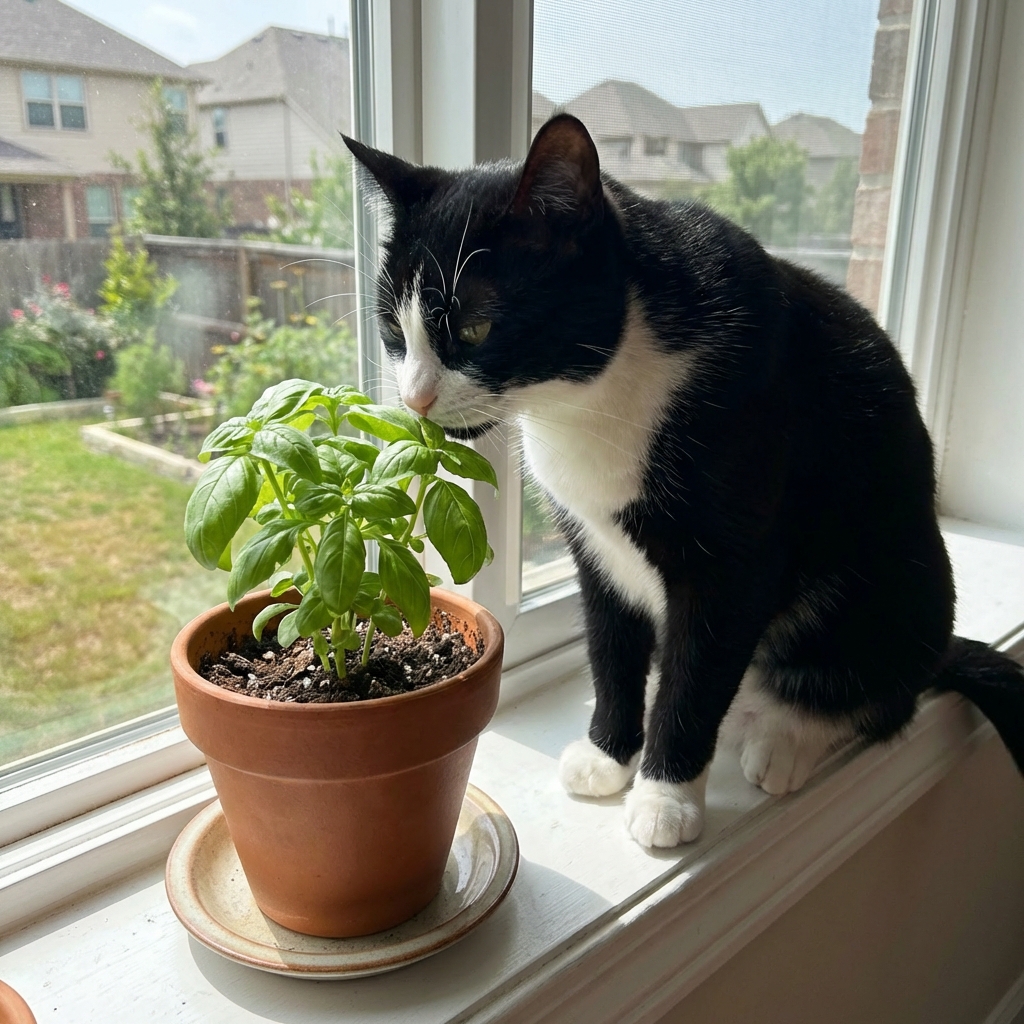
- Lilies (even a small exposure can be dangerous)
- Human medications, especially acetaminophen (Tylenol) and ibuprofen
- Essential oils and concentrated fragrance products
- Cleaning products
- Antifreeze
- Rodenticides
- Permethrin from dog-only flea and tick products
- Insecticides and lawn chemicals
Pancreatitis, kidney disease, hyperthyroidism, and other medical issues
Ongoing nausea and vomiting can be a sign of chronic disease, especially in adult and senior cats.
Foreign body or blockage
If a cat chews string, ribbon, hair ties, or small toys, it can lead to obstruction. Foam may happen early, and then vomiting can become more frequent and serious.
Color quick guide
Color alone cannot tell you the cause, but it can offer clues.
- White or clear foam: often saliva and air from nausea, stress, or mild stomach upset
- Yellow foam: often bile, which can happen with an empty stomach or ongoing nausea
- Pink or red: may indicate fresh blood and needs urgent guidance
- Dark brown or “coffee ground”: may indicate digested blood and is an emergency
Is this an emergency?
If your cat spits up foam once, then acts normal, many cases can be monitored. But if you see any of the red flags below, treat it as urgent.
Call your vet now or go to urgent care if you notice:
- Repeated vomiting or foaming more than once in a day
- Lethargy, hiding, weakness, or collapse
- Not eating for more than 24 hours (or 12 hours for kittens)
- Reduced appetite that is new or worsening, especially in overweight cats (cats are at risk for serious complications if they stop eating, so earlier evaluation is better)
- Not drinking or signs of dehydration (tacky or sticky gums, decreased urination, or skin that tents and stays up briefly when gently lifted over the shoulders)
- Blood in vomit (red or coffee-ground appearance)
- Abdominal pain (hunched posture, growling when picked up)
- Straining in the litter box, not passing stool, or very small stools
- Swollen belly
- Known or possible toxin exposure (plants, meds, cleaners, essential oils)
- String exposure (thread, ribbon, dental floss), even if your cat seems okay
- Any vomiting in a kitten that is persistent or paired with low energy
Important: If you see string, do not pull it from your cat’s mouth or rear end. This can cause severe internal damage. Keep your cat calm and get veterinary help right away.
If toxin exposure is possible, you can also contact a pet poison hotline while you are heading to care. In the U.S., options include ASPCA Animal Poison Control and Pet Poison Helpline (fees may apply).
What you can do at home
These tips are for a cat who is alert, breathing comfortably, not in obvious pain, and has only had a single mild episode.
1) Remove access to potential irritants
- Pick up strings, plants, trash, and any new chemicals.
- Check for chewed items (hair ties, foam earplugs, toy pieces).
2) Offer small amounts of water
Let your cat drink normally. Do not force water by syringe unless your vet tells you to. Forced liquids can increase the risk of aspiration.
3) Feed small, frequent meals
In general, fasting is not recommended for cats (especially kittens). If your cat seems otherwise well and wants to eat, offer a small meal and see how they do. If you suspect an empty-stomach issue, try a small meal before bedtime and again early in the morning. Puzzle feeders or slow feeders can help cats who inhale their food.
If vomiting continues, stop offering food and call your veterinarian for specific feeding instructions.
4) Keep notes for your vet
- Time of episode and how many times it happened
- Foam color (white, clear, yellow, pink)
- Any food, grass, hair, or foreign material in it
- Appetite, water intake, energy level
- Litter box output (urine and stool)
Tip from the clinic: If you can safely do so, take a quick photo of the vomit and bring it to your appointment. It helps your veterinarian assess what they are dealing with.
What not to do
- Do not give human medications (many are toxic to cats).
- Do not induce vomiting at home unless directed by a veterinarian or poison professional.
- Do not “wait it out” if your cat is vomiting repeatedly, not eating, or acting off.
- Do not pull string if you see it.
How vets find the cause
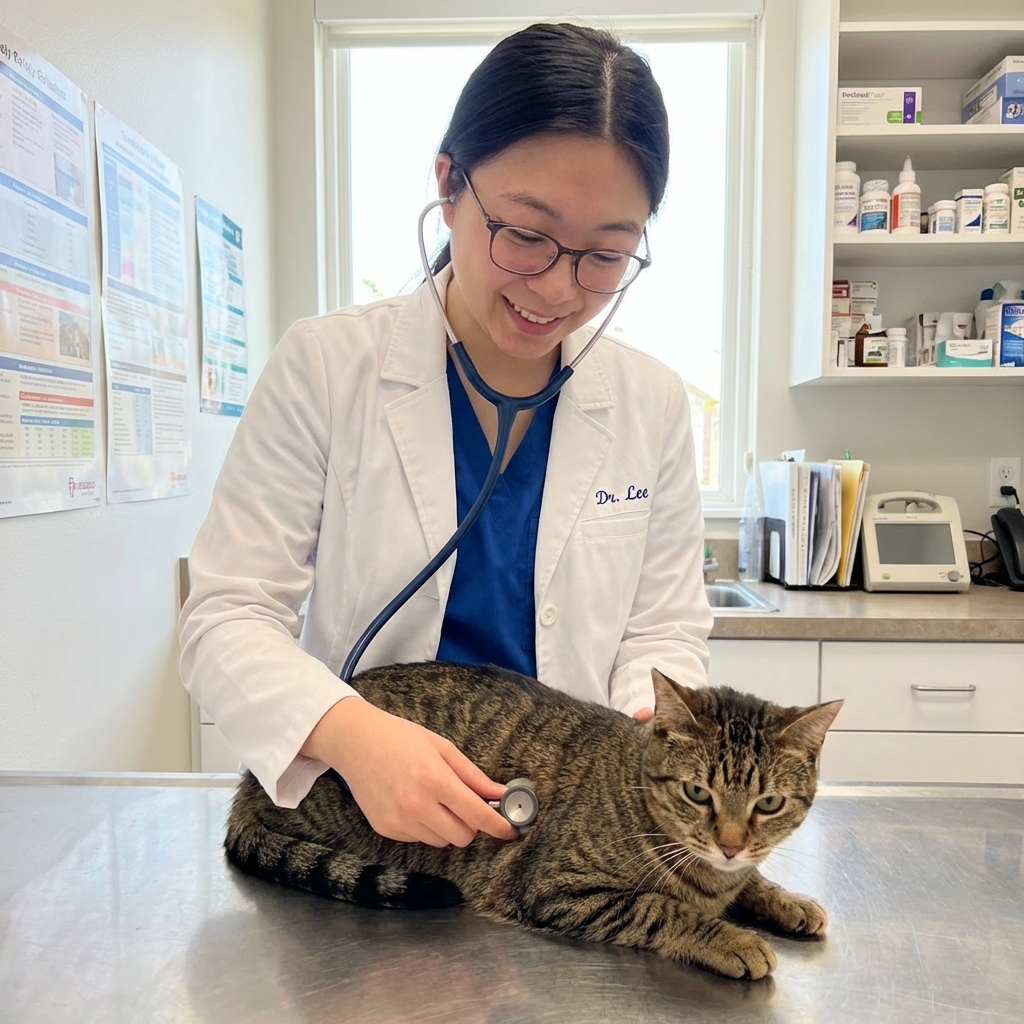
At the clinic, we usually start with a history, vitals, and a hands-on exam. Depending on your cat’s age and symptoms, your veterinarian may recommend:
- Fecal testing for parasites
- Bloodwork to check kidney, liver, thyroid, electrolytes, and inflammation markers
- X-rays to look for obstruction, foreign material, abnormal gas patterns, and sometimes constipation
- Ultrasound for a closer look at the stomach, intestines, pancreas, and liver
- Urinalysis for hydration and kidney evaluation
- Oral exam (and sometimes dental X-rays) if drooling and foaming suggest mouth pain
Prevention tips
- Hairball support: Regular brushing, especially during shedding seasons. Ask your vet about hairball gels or diets if hairballs are frequent.
- Slow feeding: Use a slow feeder bowl or puzzle toy for cats who eat too fast.
- Consistent meals: If your cat gets “hunger pukes,” split daily food into 3 to 5 smaller meals.
- Safe home setup: Keep string, rubber bands, and hair ties out of reach. Secure trash cans.
- Plant safety: Avoid toxic plants. If you are not sure, assume a plant could be risky and check with a reliable source.
- Medication safety: Store all human meds securely and never use dog flea products on cats unless your veterinarian says it is cat-safe.
- Gentle diet changes: Transition foods over 7 to 10 days when possible.
When to book a regular visit
Even if your cat seems fine, it is smart to book a visit soon if:
- Foamy vomiting happens more than once a week
- You notice weight loss, increased thirst, or appetite changes
- Your cat is older than 7 to 8 years and this is new
- There is frequent hairball retching with little or no hairball produced
- Foaming is paired with ongoing drooling, bad breath, or pawing at the mouth
The bottom line: a single foamy episode can be minor, but repeated foam, behavior changes, or any red flags deserve prompt veterinary attention. Trust your gut. You know your cat best.