Cat sneezing, congestion, or watery eyes? Learn common feline URI signs, how long they last, safe home care, vet treatments, what not to give, and when to se...
Article
•
Designer Mixes
Cat Sneezing and Lethargy: Vet-Approved Next Steps

Shari Shidate
Designer Mixes contributor
If your cat is sneezing and acting tired or “off,” it is easy to assume it is just a little cold. Sometimes it is. But in veterinary clinics, sneezing plus lethargy can also be associated with infections, fever, pain, asthma or airway flare-ups, dental problems, irritant exposure, toxins, or other issues that need timely treatment. The goal is not to panic. The goal is to notice the right details and make smart, timely choices.
As a veterinary assistant, I want to help you sort out what to do next in a calm, evidence-based way.
Important note: This article is general education and is not a diagnosis. If you are worried about your cat, contact your veterinarian or an emergency clinic.
What sneezing and lethargy can mean
Sneezing is a symptom, not a diagnosis. Lethargy tells us your cat may feel unwell overall. Together, they often point to one of these categories:
- Upper respiratory infection (URI): Often viral (like feline herpesvirus or calicivirus), sometimes with secondary bacterial infection. Common in kittens, multi-cat homes, shelters, and stressed cats.
- Allergies or irritants: Dusty litter, smoke, strong fragrances, cleaning sprays, pollen, and construction dust can trigger sneezing. Lethargy is less typical, but can happen if breathing is uncomfortable or appetite drops.
- Fever or systemic illness: A cat with a fever may hide, sleep more, and stop eating. Sneezing can be one piece of a bigger illness picture.
- Dental disease (less common than URI, but important): Tooth root infections, an oronasal fistula, or severe gum disease can affect the nasal passages and cause sneezing or nasal discharge. Consider this especially if you notice bad breath, drooling, pawing at the mouth, or one-sided discharge.
- Asthma or lower airway disease: This is usually coughing or wheezing more than sneezing, but some cats show mixed signs. Owners often confuse coughing for gagging or “trying to hack up a hairball.” Any breathing change deserves attention.
- Nasal foreign material: A blade of grass, plant bits, or dust can cause repeated sneezing fits, usually with sudden onset.
- Nasal polyps or masses: More common with chronic symptoms, noisy breathing, or one-sided discharge, but any worsening should be evaluated.
- Toxin exposure: Sneezing can occur with irritating fumes or certain exposures, but toxin ingestion more often causes vomiting, drooling, tremors, weakness, or breathing changes. If you suspect exposure, call a vet right away.
Because cats tend to “play it cool” when they are sick, lethargy is one of the signs we take seriously.
When it is likely mild
Some sneezing episodes are brief and minor, especially if your cat is otherwise acting normal. It may be reasonable to monitor closely at home for a short time if your cat is:
- Bright and alert between sneezes
- Eating and drinking normally
- Breathing comfortably
- Only has mild, clear discharge (or none)
- Improving within 24 to 48 hours
If symptoms are not improving, or anything worsens, schedule a veterinary visit.
Red flags: emergency care now
If you notice any of the signs below, do not wait it out at home. These are situations where rapid care can be lifesaving.
- Labored breathing: open-mouth breathing, belly heaving, fast breathing at rest, or your cat cannot get comfortable.
- Gums that look pale, gray, blue, or brick red.
- Not eating: 24 hours for most adult cats, or 12 hours for kittens. If your cat has diabetes, a history of liver disease, or other major medical issues, call sooner.
- Refusing water or signs of dehydration (tacky gums, sunken eyes, profound weakness).
- Repeated vomiting or severe diarrhea.
- Collapse, extreme weakness, or unresponsiveness.
- Eye problems: squinting, thick discharge, swollen eyelids, or a cloudy-looking eye.
- Suspected toxin exposure: lilies, essential oils, certain flea and tick products made for dogs, human cold medicines, rodent poison, antifreeze, and many more.
- Known heart disease, severe asthma history, or immunocompromised status.
If you are unsure about breathing, a quick check is helpful: count breaths while your cat sleeps. Many healthy resting cats fall around 16 to 30 breaths per minute. A sustained rate above 30 at rest, especially with effort or other red flags, is a reason to seek care.
When to see a vet soon
Many cats with sneezing and low energy should be seen within 24 to 48 hours, especially if symptoms are not improving. Schedule a prompt visit if you notice:
- Lethargy that lasts longer than a day
- Green, yellow, or thick nasal discharge
- Loss of appetite or reduced drinking
- Possible fever (ears and paws may feel warm, but a thermometer is the only accurate way)
- Dehydration, hiding, or noticeable discomfort
- Frequent sneezing fits, especially if sudden onset
- Symptoms in a kitten, senior cat, or a cat with chronic illness
Kittens can worsen quickly with respiratory infections, and congestion can make it hard for them to smell food and eat. Early treatment matters.
When sneezing is chronic
If sneezing and nasal discharge last longer than 2 to 3 weeks, keep coming back, or are mostly one-sided, your vet may recommend a deeper workup. Chronic or one-sided signs can be seen with dental disease, a foreign body, nasal polyps, fungal infections (such as cryptococcosis in some regions), or less commonly, tumors.
Bloody discharge, worsening noisy breathing, or facial swelling should be treated as urgent.
Safe home care
Supportive care does not replace veterinary diagnosis, but it can help your cat feel better while you monitor or wait for an appointment.
1) Keep your cat eating and hydrated
- Warm up food slightly to increase aroma.
- Offer wet food, or add a small amount of warm water to make a “gravy.”
- Try strong-smelling options like a small amount of plain canned tuna in water as a short-term enticer. It is not a complete diet, and it may not be appropriate for cats on prescription diets or with fish sensitivities.
- Make fresh water easy to access, and consider a pet fountain if your cat prefers moving water.
Cats that do not eat are at risk for hepatic lipidosis (fatty liver), especially if they are overweight. If your cat is refusing food, that is a veterinary call.
2) Ease congestion gently
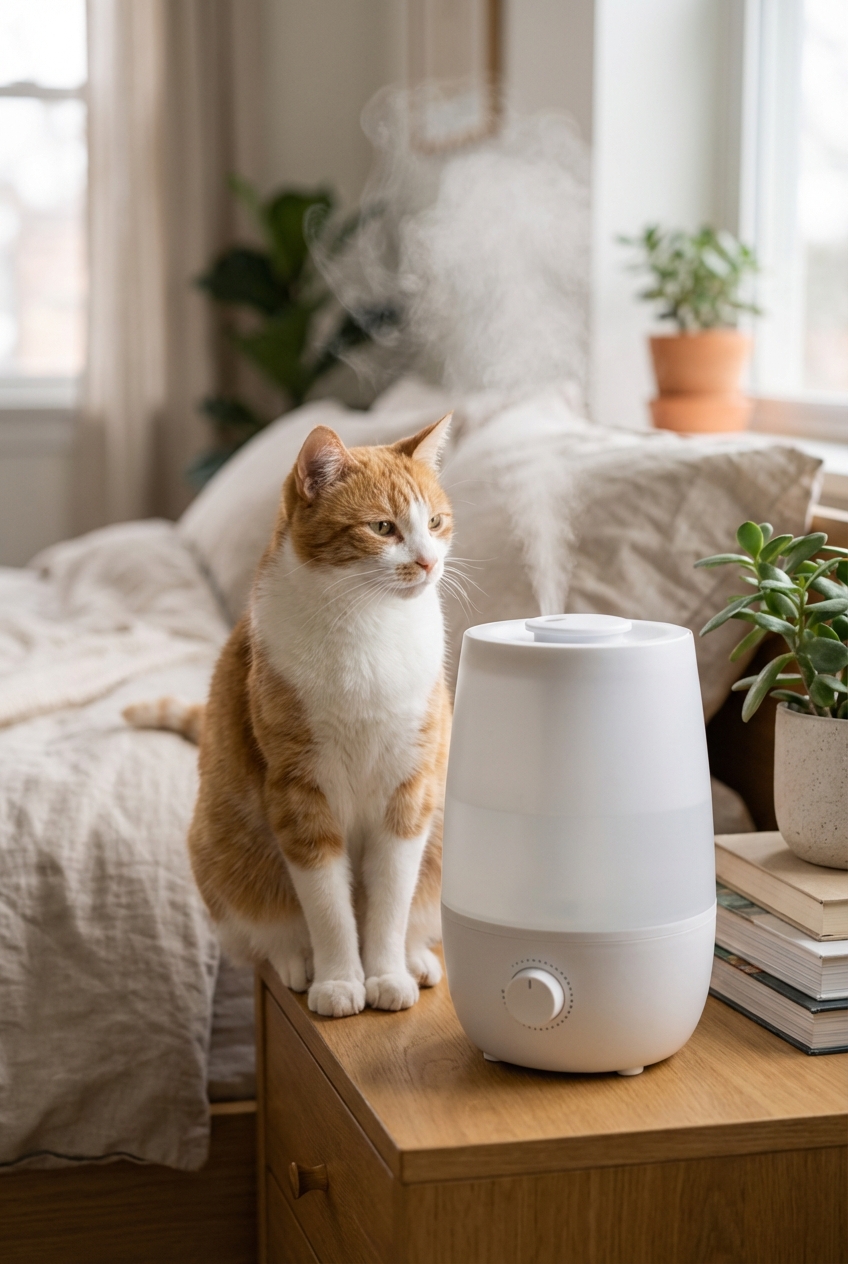
- Run a humidifier in the room where your cat rests.
- Bring your cat into the bathroom during a steamy shower for 10 to 15 minutes (never in the water, and never overheated).
- Wipe the nose with a soft, warm damp cloth if discharge crusts over.
3) Reduce irritants
- Avoid smoke, scented candles, plug-ins, incense, and aerosol sprays.
- Use unscented litter and keep the box very clean to reduce dust.
- Essential oils: avoid diffusers and topical use, keep oils out of reach, and do not apply them to your cat. If you think your cat has been exposed (especially licking oils or walking through spills), call your vet or a pet poison hotline.
4) Keep things low-stress and warm
Rest is healing. Provide a quiet room, a cozy bed, and easy access to food, water, and the litter box.
5) Avoid unsafe medications
Do not give human cold medicines, decongestants, pain relievers, or leftover antibiotics. Many are toxic to cats, and antibiotics are not appropriate for viral infections unless a veterinarian confirms a secondary bacterial issue.
What your vet may check
At the clinic, your vet will likely start with a full exam and targeted questions. Helpful details include when symptoms started, appetite changes, vaccination status, exposure to other cats, and any new products at home.
Depending on the exam, your veterinarian may recommend:
- Temperature and hydration assessment
- Oral exam to look for dental infection
- Listening to the lungs for wheezing, crackles, or airway disease
- Eye exam, since viral URIs often involve the eyes
- Diagnostic tests such as a respiratory PCR panel, FeLV/FIV testing, bloodwork, or X-rays if lower airway disease is suspected
Treatment can include fluids, appetite support, antivirals in select cases, antibiotics when indicated, nebulization guidance, and pain control when needed. The right plan depends on the cause.
What to track at home
If your cat is stable, these quick daily notes can make your appointment more productive:
- Appetite: normal, reduced, or none
- Water intake and urine output
- Energy: still playing some, or only sleeping and hiding
- Discharge: clear vs thick, one-sided vs both sides, any blood
- Breathing: resting respiratory rate while asleep
- Other signs: coughing, wheezing, vomiting, diarrhea
If possible, take a short video of any coughing, noisy breathing, or repeated sneezing fits. It is often more useful than a description.
Preventing flare-ups
You cannot prevent every sniffle, but you can reduce risk.
- Keep vaccines current, especially for cats exposed to other cats.
- Minimize stress in multi-cat homes with adequate litter boxes, vertical space, and predictable routines.
- Schedule dental care as recommended. Oral infections can mimic or contribute to nasal symptoms.
- Improve air quality by avoiding smoke and heavy scents and using a HEPA filter if needed.
- Quarantine new cats and do a vet check before introductions.
Bottom line
Sneezing with lethargy is your cat’s way of saying, “I do not feel right.” Many cases are treatable, and early support makes recovery smoother. If you see breathing trouble, refusal to eat, dehydration, or a kitten that is going downhill, get help right away. Otherwise, set up a timely veterinary visit, use safe supportive care, and track the details that guide a good diagnosis.
When in doubt, trust what you are seeing at home. You know your cat’s normal better than anyone, and that matters.