From fleas and allergies to mites, infections, ringworm, and stress grooming—learn the top causes of itchy skin in cats, key symptoms, vet diagnostics, and...
Article
•
Designer Mixes
Cat Skin Conditions Answers

Shari Shidate
Designer Mixes contributor
If your cat is itching, over-grooming, developing scabs, or losing fur, it can feel scary and frustrating fast. Skin problems are a common reason cats end up at the vet, and the tricky part is that many different conditions can look the same on the surface.
As a veterinary assistant in Frisco, Texas, I always remind pet parents of two comforting truths: most cat skin issues are treatable, and the fastest path to relief is figuring out the underlying cause. This guide walks you through the most common cat skin conditions, what they look like, what you can do at home, and when it is time to get veterinary help.
First steps: what you are seeing
Cat skin symptoms tend to fall into a few patterns. This is not a diagnosis. It is a helpful starting point.
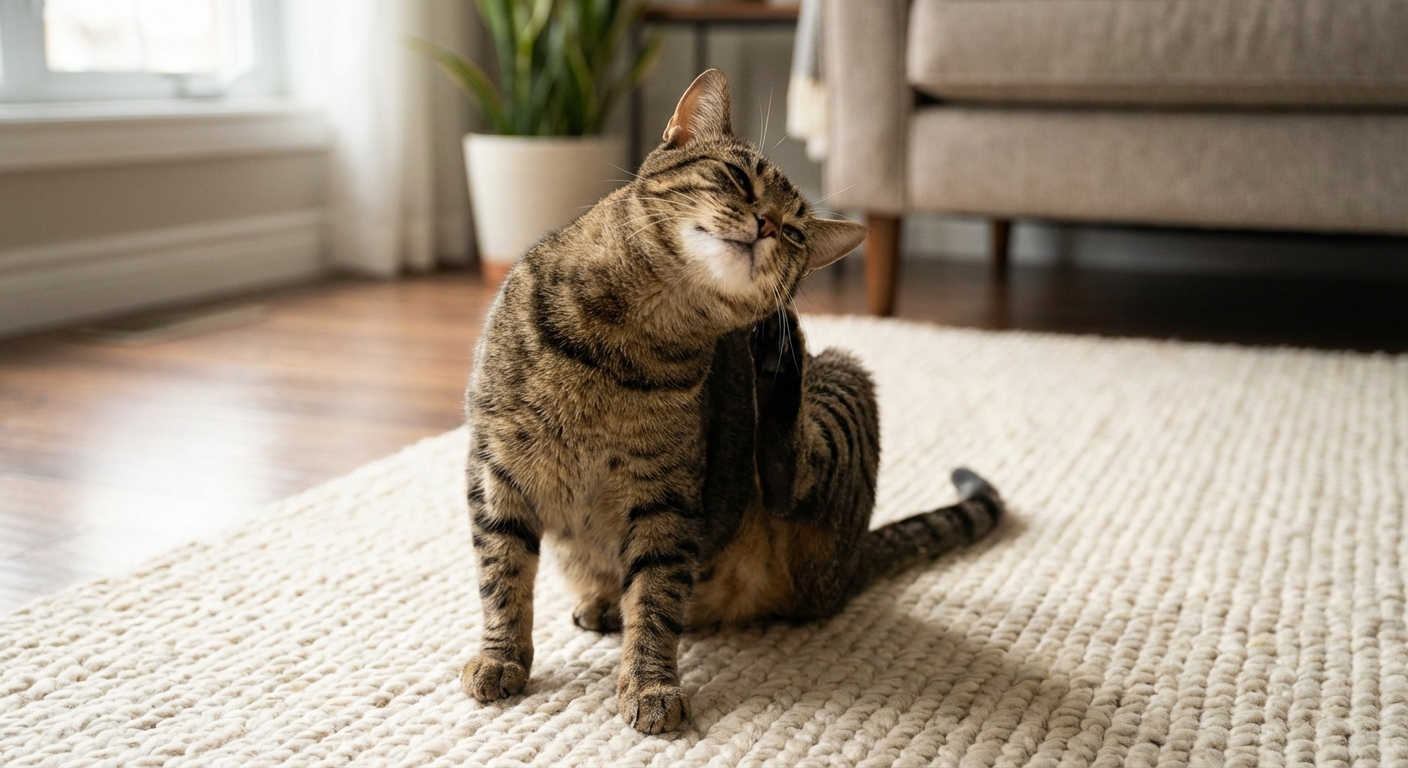
- Itching, licking, chewing: often fleas, allergies, mites, or infection.
- Scabs or crusts (especially on the neck and back): commonly flea allergy dermatitis or miliary dermatitis.
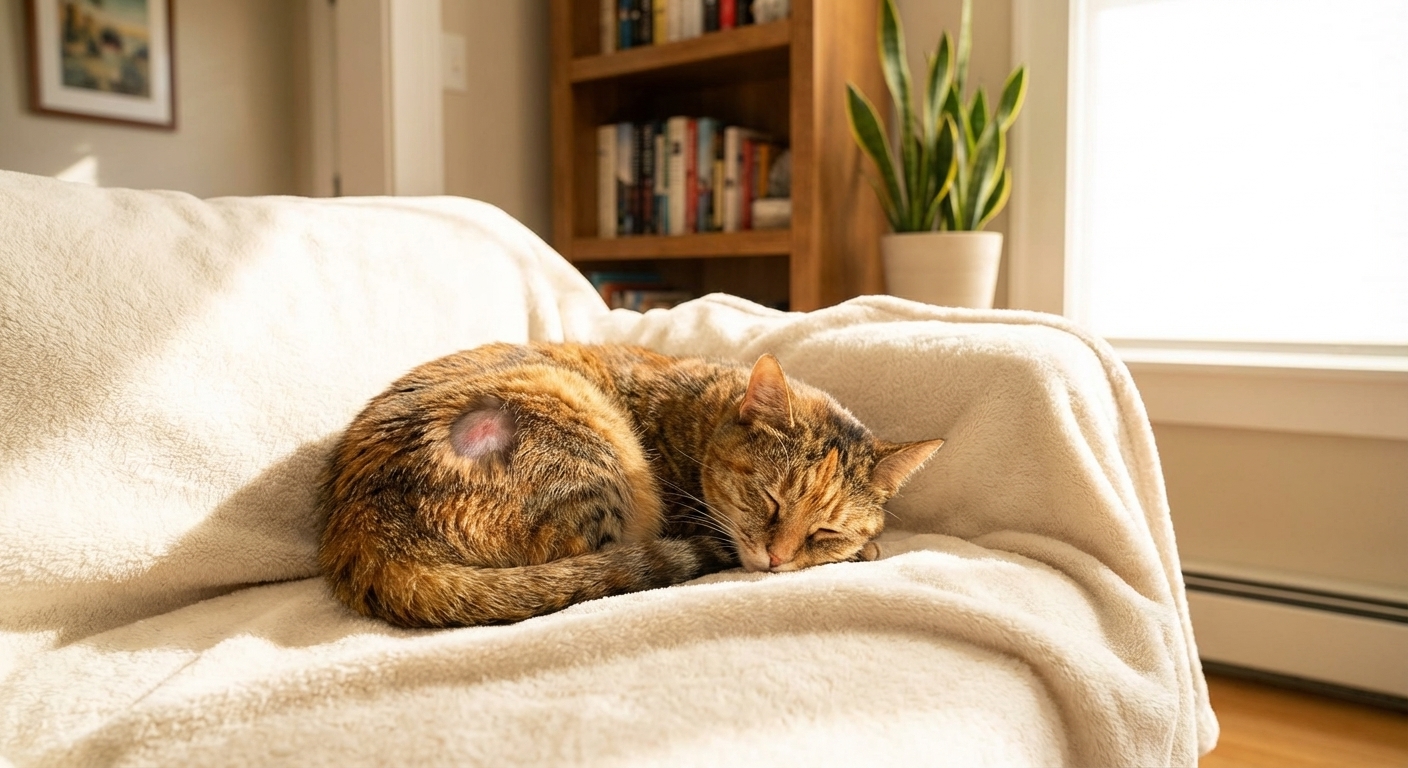
- Hair loss: allergies, ringworm, over-grooming from stress, pain, or parasites.
- Redness, odor, greasy coat: yeast or bacterial infection, sometimes secondary to allergies.
- Blackheads on the chin: feline acne.
- Open sores: cats can develop self-trauma wounds, infections, or eosinophilic lesions.
Quick home check: Use a bright light to look for flea dirt (tiny black specks). Put a few specks on a damp white paper towel. If it turns reddish-brown, that can indicate digested blood from fleas.
Common cat skin conditions
Fleas and flea allergy dermatitis
Cats do not need many fleas to have a big reaction. With flea allergy dermatitis, even one bite can trigger intense itching and scabbing, often around the lower back, tail base, belly, and neck.
- Common signs: intense scratching, scabs, thinning hair, flea dirt.
- What helps: consistent vet-recommended flea prevention for every pet in the home, year-round.
- Also helps: vacuum regularly and wash bedding to reduce eggs and larvae in the environment.
- Important: Avoid using dog-only flea products on cats. Some ingredients are toxic to cats, especially permethrin.
Allergies
Allergies can show up as itching, recurrent ear issues, inflamed skin, and over-grooming. Environmental allergies are common, but food allergies do happen. When food is involved, the trigger is usually a protein (like chicken, beef, or fish). Food intolerance and other non-allergic reactions can look similar.
- Common signs: itching of face/neck, belly irritation, chronic licking, recurring infections.
- What helps: your vet may recommend itch control medication, infection treatment, and a strict diet trial if food allergy is suspected.
- Reality check: switching foods randomly can make the picture murkier. A true diet trial is structured and typically takes 8 to 12 weeks, with no other foods or treats.
Because allergies and infections often overlap, your vet may treat secondary infection first, then work on the longer-term allergy plan.
Ringworm
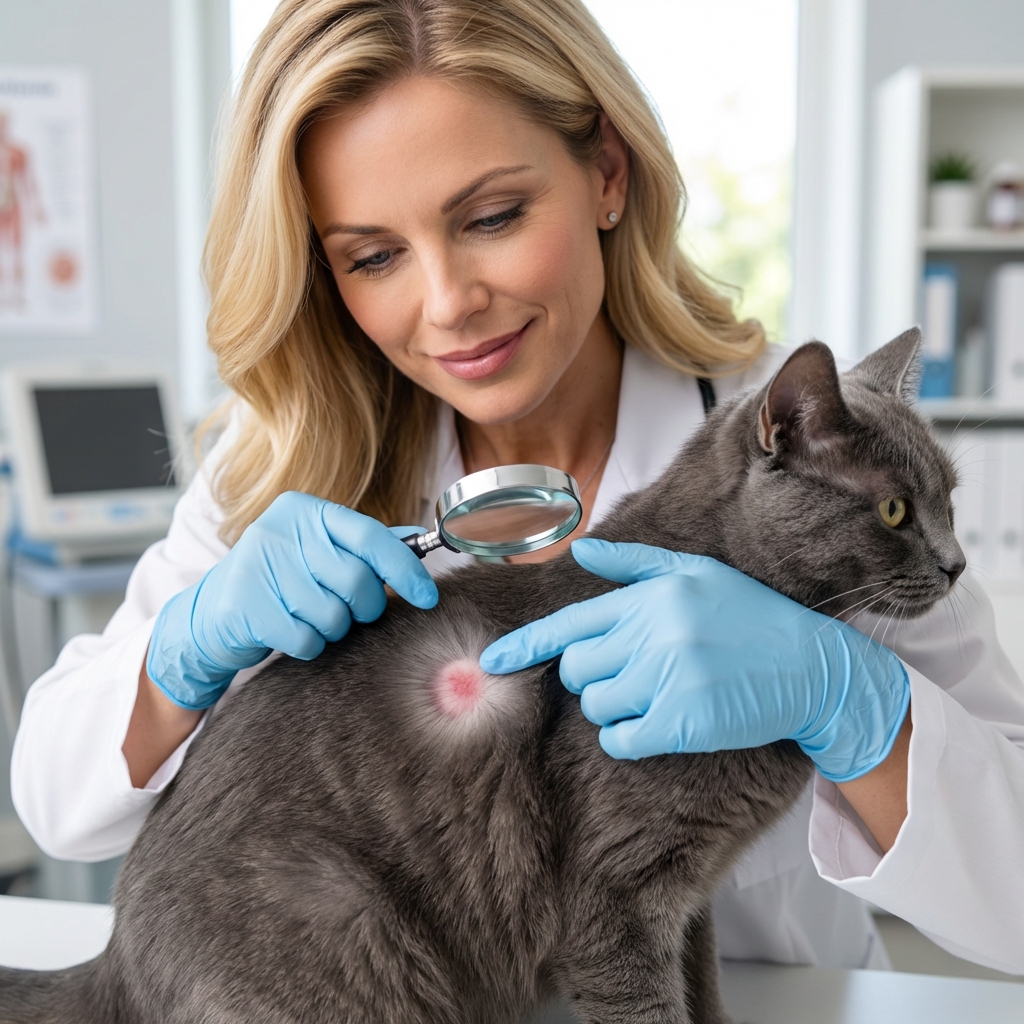
Ringworm is a fungal infection, not a worm, and it can spread to people and other pets. Some cats carry it with minimal symptoms.
- Common signs: circular hair loss, flaky skin, broken hairs, sometimes itching.
- Diagnosis: fungal culture or PCR testing is more reliable than guessing.
- What helps: prescription antifungals, topical therapy, and environmental cleaning.
- Home hygiene: wash hands after handling, limit close contact until your vet advises otherwise, vacuum frequently, and wash bedding on hot. Take extra care around children, older adults, and anyone immunocompromised.
Mites and ear mites
Mites can cause intense itching and crusting. Ear mites often cause dark, crumbly debris in the ears and head shaking, but some cats also show skin irritation.
- Common signs: severe itch, crusty areas, hair loss, ear debris.
- What helps: prescription parasiticides. Many over-the-counter products are less effective, and some can be unsafe for cats.
- Good to know: your vet may recommend treating in-contact pets and checking ears for secondary infection.
Yeast or bacterial skin infections
Infections are often secondary, meaning something else (like allergies or parasites) damaged the skin barrier first. Treating the infection without addressing the underlying cause usually leads to recurrence.
- Common signs: redness, odor, greasy coat, scabs, moist sores.
- Diagnosis: your vet may do skin cytology (a quick microscope check).
- What helps: targeted antibiotics or antifungals, plus itch control and underlying cause work-up.
Feline acne
Feline acne usually shows up as blackheads and inflammation on the chin and lip line. It can get infected if the area is irritated or the follicles clog.
- Common signs: black specks on chin, swollen chin, crusting.
- What helps: switching plastic bowls to stainless steel or ceramic, gentle cleansing as directed by your vet, and medication if infected.
- Avoid: do not squeeze, pick, or scrub aggressively. If you see swelling, pus, or pain, get it checked.
Eosinophilic granuloma complex
Eosinophilic granuloma complex is a group of inflammatory skin conditions often tied to allergies. Lesions can look dramatic and may appear on the lips, thighs, belly, or inside the mouth.
- Common signs: raised plaques, ulcers on the lip, firm linear lesions.
- What helps: addressing allergy triggers and controlling inflammation with veterinary guidance.
Over-grooming
Cats can lick their belly or legs until hair breaks off, leaving bald patches. Sometimes it is anxiety. Sometimes it is pain (like arthritis). Sometimes it is allergies. The skin may look normal at first, then becomes irritated.
- Common signs: symmetrical hair loss, frequent licking, few visible scabs early on.
- What helps: a vet exam to rule out medical causes, then enrichment, routine, and behavior support if stress is a factor.
Less common but important
Less often, coat and skin changes can be influenced by underlying illness. Hormonal and systemic conditions (like hyperthyroidism), immune compromise (including diabetes), autoimmune disease, and even some cancers can affect the skin or predispose cats to infections. These are not the first suspects for most itchy cats, but they are part of why persistent skin problems deserve a work-up.
When it is an emergency
Please seek urgent veterinary care if you notice any of the following:
- Swollen face, hives, or trouble breathing
- Large open wounds, rapidly spreading redness, or pus
- Severe lethargy, fever, not eating, or hiding more than usual
- Skin turning dark purple/black or areas that look like they are dying
- Kittens with widespread hair loss or crusting (they can decline quickly)
What your vet may do
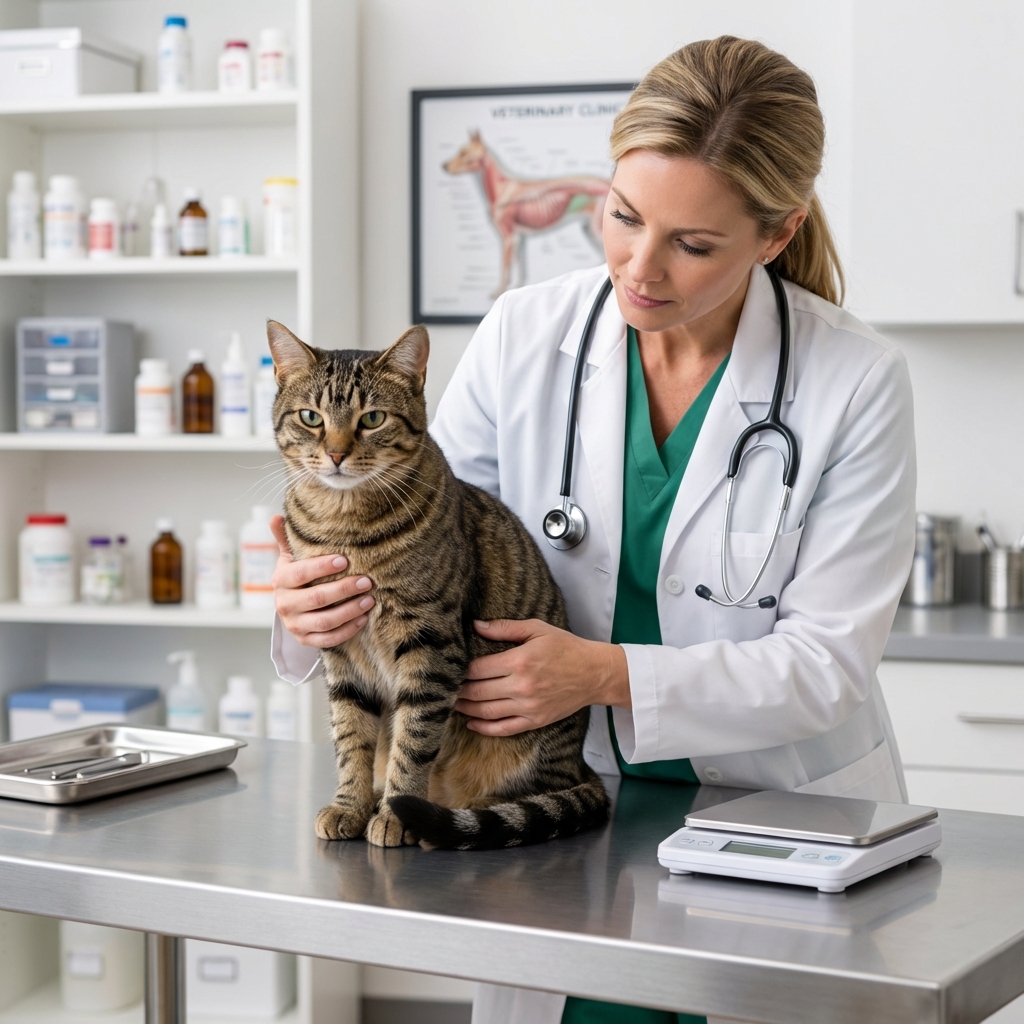
Because skin issues overlap, vets often use a step-by-step approach. These tests are not extra. They prevent months of trial and error.
- Skin cytology: checks for bacteria or yeast.
- Skin scraping: looks for mites.
- Fungal culture or PCR: confirms ringworm.
- Flea control trial: rules in or out flea allergy, even if you do not see fleas.
- Diet trial: tests for food allergy using a prescription hydrolyzed or novel protein diet, usually over 8 to 12 weeks.
- Biopsy: for unusual lesions, non-healing sores, or suspected autoimmune disease or cancer.
Evidence-based tip: If your cat has recurring skin infections, ask your vet what they think the primary trigger is. Clearing the infection is step one. Preventing the next one is the real win.
Safe at-home care
Helpful steps
- Start parasite prevention if your cat is not on a vet-recommended product. Treat all pets in the household.
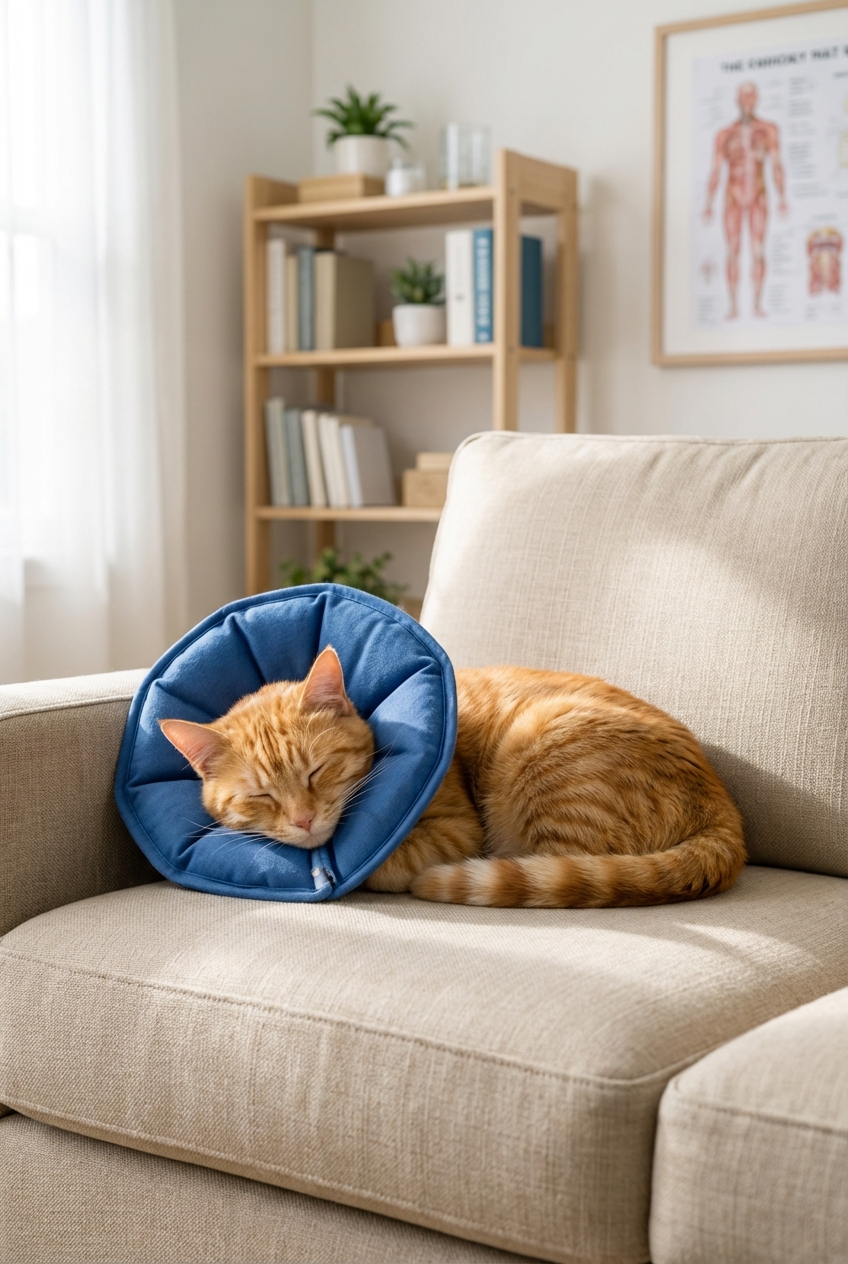
- Use an e-collar if your cat is creating wounds by scratching or licking. It feels inconvenient, but it protects the skin so it can heal.
- Take clear photos every 3 to 4 days in the same lighting. This helps you and your vet see progress.
- Reduce irritants: unscented litter, gentle cleaning products, wash bedding in fragrance-free detergent.
- Support skin health with nutrition: a complete, balanced diet and vet-approved omega-3s can help some cats with inflammatory skin disease.
Avoid these common mistakes
- Do not use essential oils on cats. Many are toxic, and cats absorb substances through grooming.
- Never use permethrin-containing products on cats. This includes many dog-only flea and tick products.
- Do not apply human creams (including steroid creams or antibiotic ointments) unless your vet instructs you. Cats lick everything.
- Use only cat-safe shampoos. Do not bathe with dog shampoos unless your veterinarian specifically recommends the product. Some ingredients can be harmful if licked or too harsh for feline skin.
- Do not stop treatment early. Skin infections and ringworm commonly relapse when therapy ends too soon.
FAQs
Why is my indoor cat so itchy?
Indoor cats can still get fleas (they hitchhike on people and other pets), develop allergies, or have mites or ringworm. Indoor-only does not rule out parasites or contagious skin disease.
Can I tell if it is ringworm by looking?
Not reliably. Ringworm can mimic allergies and other causes of hair loss. Testing matters because ringworm treatment and home cleaning are very specific, and it can spread to humans.
What does miliary dermatitis mean?
It describes a pattern of many tiny scabs, like little seeds, often felt on the back and neck. The most common trigger is flea allergy, but other allergies and parasites can cause it too.
Is it normal for my cat to get dry, flaky skin in winter?
Mild dandruff can happen with low humidity, but persistent flaking, odor, redness, or itching is not something to ignore. Cats can have underlying allergies, parasites, or grooming issues.
Preventing flare-ups
- Keep flea prevention consistent all year, especially in warm climates.
- Schedule rechecks if your cat has repeat infections. Chronic skin issues often need a maintenance plan.
- Minimize stress with routine, play, vertical spaces, scratching posts, and predictable feeding times.
- Feed for skin health: high-quality complete diets, and ask your vet if omega-3 supplementation is appropriate for your cat.
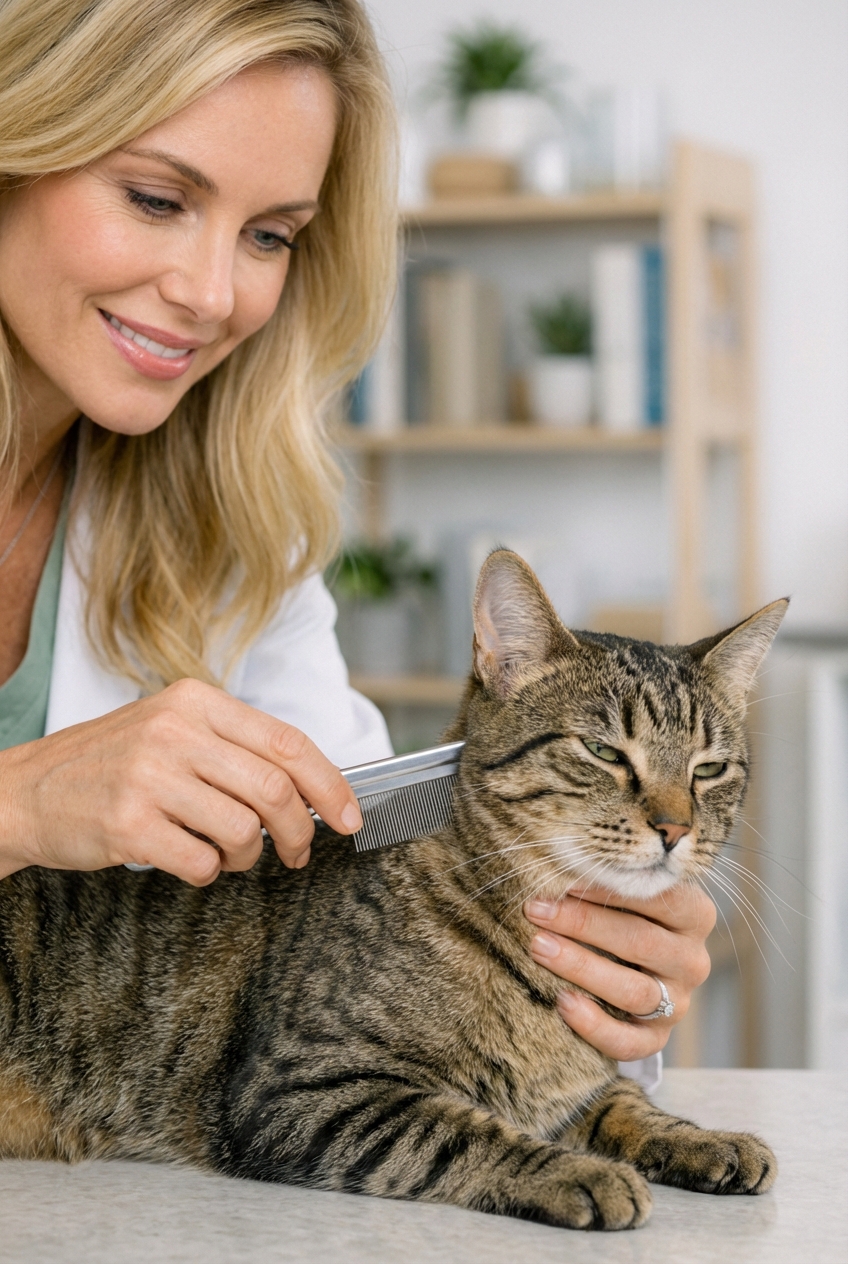
- Grooming support: regular brushing helps reduce dander and lets you catch changes early.
If your cat is uncomfortable, you do not have to wait it out. Skin problems are not only cosmetic. They affect sleep, appetite, and overall wellbeing. A clear diagnosis and a simple plan can make a huge difference fast.
Note: Online information cannot diagnose your pet. If you are unsure, it is always appropriate to call your veterinarian. Early care is often simpler and less expensive.