Cat pooping outside the litter box isn’t spite. Learn the most common medical and behavior causes, vet red flags, litter box setup rules, stress fixes, and...
Article
•
Designer Mixes
Cat Pooping Outside the Litter Box: Care Tips That Work

Shari Shidate
Designer Mixes contributor
When a cat starts pooping outside the litter box, it can feel confusing, frustrating, and honestly a little heartbreaking. Most cats are not being “bad.” They are either telling you something hurts, something scares them, or something about the litter setup is not working for their body or their preferences.
As a veterinary assistant, I always encourage families to treat this as a health and wellness clue first, and a behavior issue second. The good news is that many cases improve quickly once you identify the true trigger.
First: Rule out a medical problem
Even if your cat seems “fine,” tummy or joint discomfort can show up as litter box trouble. Some cats avoid the box because they associate it with pain. Others have urgency or don’t feel well enough to make it in time.
Call your vet promptly if you notice
- Blood or mucus in stool
- Diarrhea lasting more than 24 hours, or sooner if your cat is a kitten, a senior, seems dehydrated, is lethargic, or you see blood
- Constipation, straining, or crying in the box
- Sudden changes in frequency, stool size, or notable changes in odor, especially along with other symptoms
- Weight loss, vomiting, low appetite, hiding, or lethargy
- Any senior cat (age 10+) with a sudden change in elimination habits or new onset of accidents
Possible medical contributors include constipation, parasites, dietary intolerance, inflammatory bowel disease, arthritis (trouble getting in and out of the box), and stress-related colitis. Anal sac discomfort is also possible in some cats, even though it is less common than in dogs. Your veterinarian may recommend a fecal test, a diet trial, bloodwork, or imaging depending on symptoms.
Tip: If your cat is peeing outside the box too, or you see straining to urinate, frequent trips, crying, or only small drops, treat that as urgent and contact your vet right away. Urinary issues can become serious fast, especially in male cats.
Check the location
The spot your cat chooses can reveal the reason:
- Right next to the box: often a litter, box, or cleanliness preference problem.
- Quiet corners or closets: the box may be too exposed, noisy, or in a high-traffic area.
- On rugs, bathmats, or laundry: some cats seek soft texture when they have GI discomfort, urgency, or stress.
- In multiple spots: can point to medical issues, significant anxiety, or territorial stress.
Improve the litter setup
Small changes here can make a big difference. Cats are tidy, sensory creatures. If the box feels wrong, they will vote with their paws.
How many boxes?
A reliable rule is one litter box per cat, plus one extra. If you have one cat, aim for two boxes in different locations. This helps reduce stress and gives your cat options.
Placement basics
- Spread boxes out: in multi-cat homes, avoid clustering them so one cat can guard access.
- One per floor: if your home has multiple levels, place at least one on each floor.
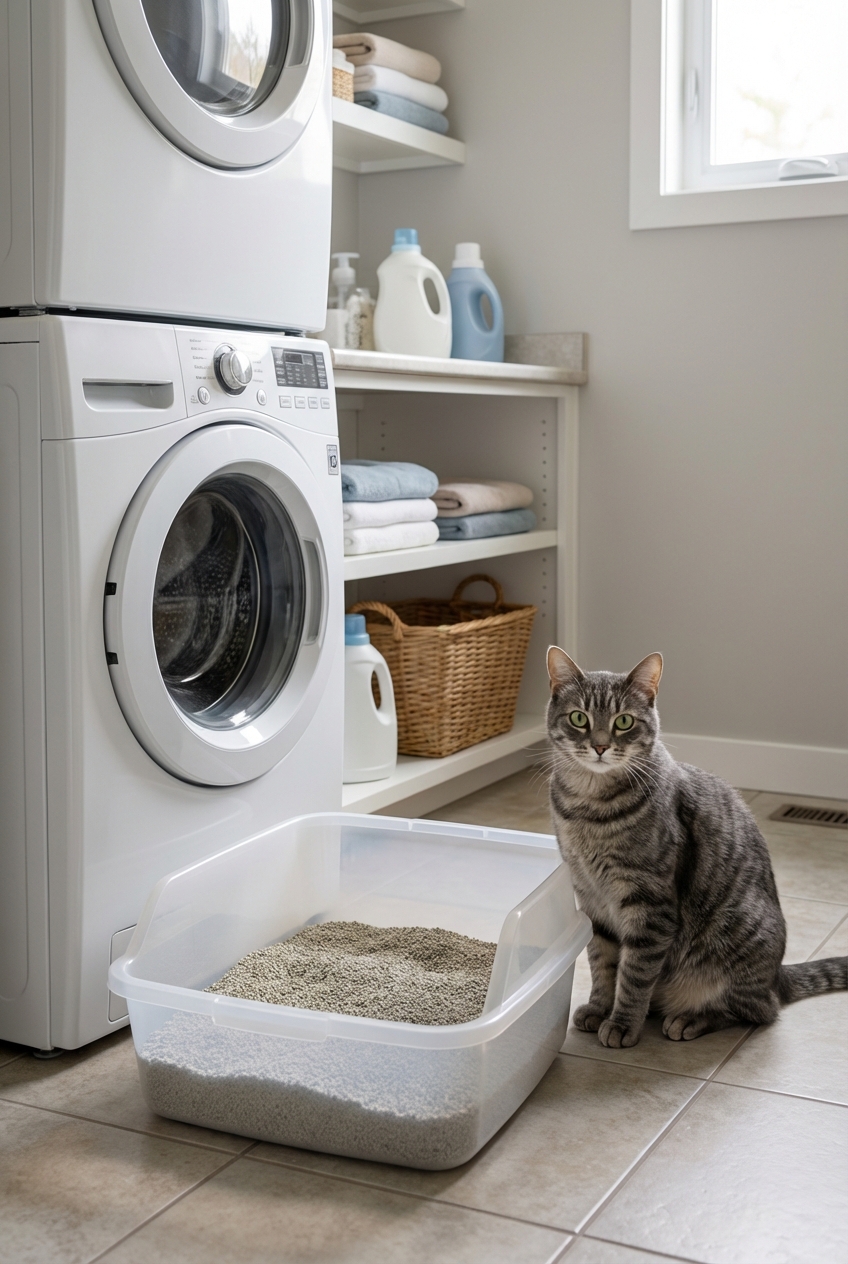
- Quiet, accessible spots: avoid loud appliances and avoid tight, dead-end spaces where a cat can feel trapped.
- Away from food and water: most cats prefer distance between elimination and eating areas.
Box size and style
- Bigger is better: many commercial boxes are too small. A box should allow a cat to fully turn around and dig comfortably.
- High sides can help: if your cat kicks litter out, but be mindful of seniors who may struggle to climb in.
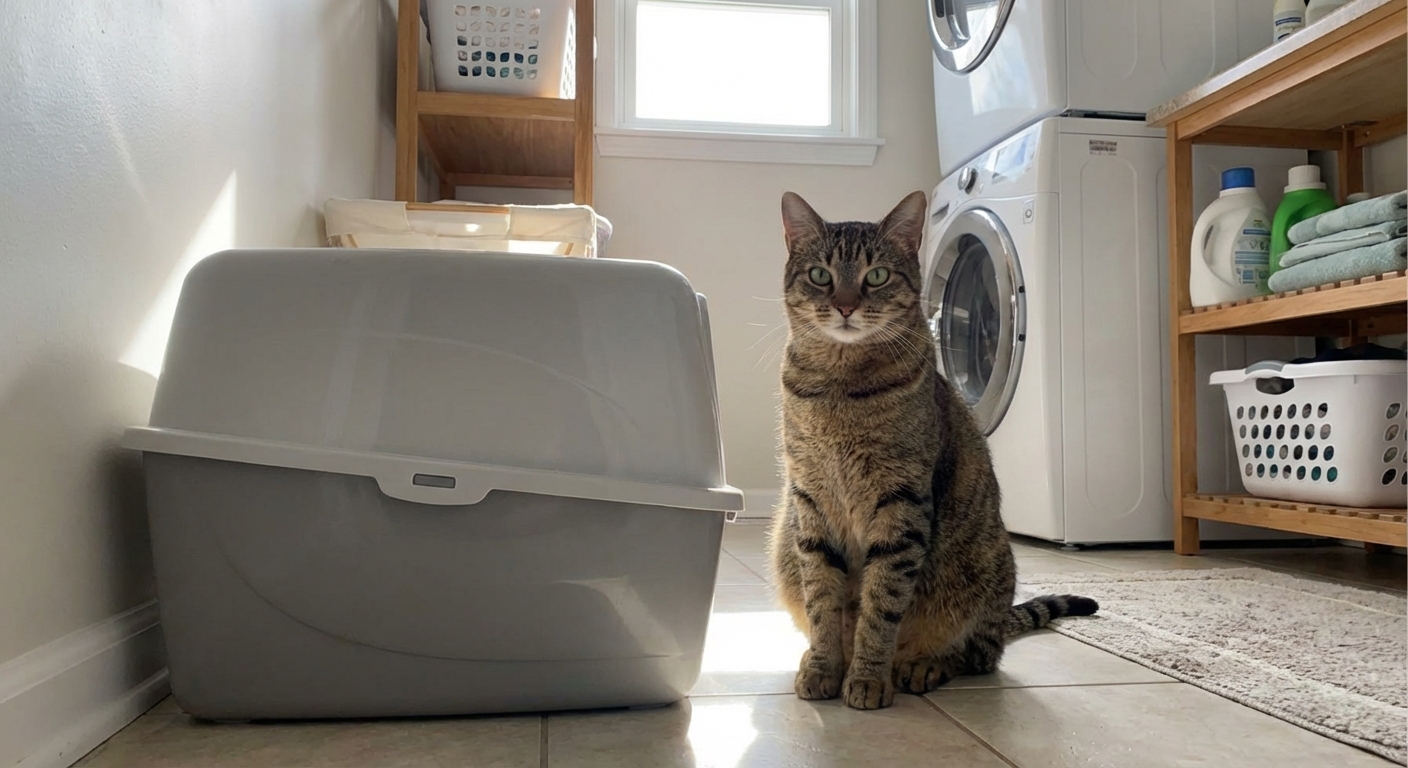
- Avoid covered boxes for some cats: covers can trap odor and feel “unsafe” because the cat cannot see around them.
- Skip self-cleaning boxes at first: the sound or motion can scare cats. If you use one, introduce it slowly and keep a standard box available.
Litter type and depth
Many cats prefer unscented, fine-grain clumping litter because it feels sand-like. Strong perfumes can be a deal-breaker. If you want to change litter, do it gradually by mixing the new litter in over 7 to 14 days.
For depth, a good starting point is about 2 to 3 inches. Some cats prefer a little less. If your cat is suddenly avoiding the box, adjusting depth is an easy experiment.
Cleaning routine cats accept
- Scoop at least once daily, twice daily is even better for picky cats.
- Wash the box with mild soap and warm water weekly or as needed. Avoid harsh cleaners with strong smells.
- Replace litter fully on a schedule that matches the product and your cat’s habits. For many homes, that is about every 1 to 4 weeks depending on litter type, box size, and number of cats.
Lower stress at home
Stress is a very common cause of litter box changes, and it is not always obvious. Cats can react strongly to household tension, schedule changes, or other pets.
Common stressors
- New pet, new baby, new roommate, or visitors
- Moving furniture or relocating the litter box
- Outdoor cats visible through windows
- Conflict between cats in multi-cat homes
- Loud appliances near the box (washer, dryer, HVAC, automatic feeders)
Simple, commonly recommended stress helpers
- Predictable routine: meals, playtime, and quiet time at consistent hours.
- More resources: multiple feeding stations, water bowls, scratching posts, and resting areas.
- Vertical space: cat trees and shelves help cats feel safe and reduce conflict.
- Interactive play: 5 to 10 minutes once or twice daily can reduce anxiety and may help overall comfort and regularity for some cats.
- Pheromone support: feline facial pheromone diffusers may help some cats during transitions.
What to do right away
Your response matters. Cats learn by association, and punishment can increase stress and make the problem worse.
Do this instead
- Stay calm: no yelling, no rubbing a cat’s nose in it.
- Clean thoroughly: use an enzymatic cleaner designed for pet waste on the floor or rug. This helps remove scent cues.
- Add a box nearby temporarily: if your cat consistently chooses one spot, add a litter box there for 2 to 4 weeks. If your cat is reliably using it, you can then move it a few feet every few days toward your preferred location.
- Track patterns: note time of day, stool consistency, stressors, litter type, and box location. This helps your vet and helps you see trends.
Prevent repeat visits to the same spot
- Block access temporarily if you can (close a door, use a baby gate, or cover the area).
- Change the “meaning” of the spot when appropriate by adding a food bowl, treat station, or short play session there (only if it is fully cleaned and your cat is comfortable).
Diet and comfort
Digestive comfort plays a big role in litter box success. If stool is too hard, too soft, or painful to pass, accidents happen.
Ask your veterinarian about
- Constipation support: hydration strategies, canned food, vet-approved stool softeners, or fiber changes.
- Diet trial: if food intolerance is suspected, a structured diet trial can be very helpful.
- Parasite prevention and fecal testing: even indoor cats can get parasites.
- Medication when needed: pain control for arthritis, or GI medications for inflammation or diarrhea, when prescribed for your cat.
At home, focus on steady routines and hydration. Many cats do better with some canned food in the diet, and adding extra water to wet food is often a simple win. Avoid using over-the-counter laxatives or stool softeners unless your veterinarian specifically recommends them.
Special situations
Kittens
Kittens may miss the box due to location, box height, or simply not making it in time. Use a low-entry box and keep it very close to their main living area, especially right after meals and naps.
Senior cats
Arthritis is a huge, under-recognized cause. Consider a low-entry box, non-slip flooring around the box, and easy access without stairs. If your senior cat is straining or leaving small hard stools, book a vet visit soon.
Multi-cat households
Conflict can cause a cat to avoid the box if they feel ambushed. Spread boxes across the home so one cat cannot guard them all. Provide escape routes and avoid placing boxes in dead-end spaces.
Poop only vs poop and pee
- Poop outside, pee in the box: more often points to stool discomfort, box setup preferences, or stress around digging and posture.
- Poop and pee outside: raises the urgency to check for medical issues and bigger stressors. Call your vet promptly, and treat any urinary straining or frequent small urinations as urgent.
When to get help
If you have made basic litter box improvements and you are still seeing accidents after 1 to 2 weeks, or if your cat has any concerning symptoms, bring in your veterinarian. If medical causes are ruled out, a veterinary behaviorist or a qualified cat behavior consultant can help build a plan that fits your home.
You are not failing your cat. You are listening to them. And once you find the cause, most cats return to reliable litter box habits.