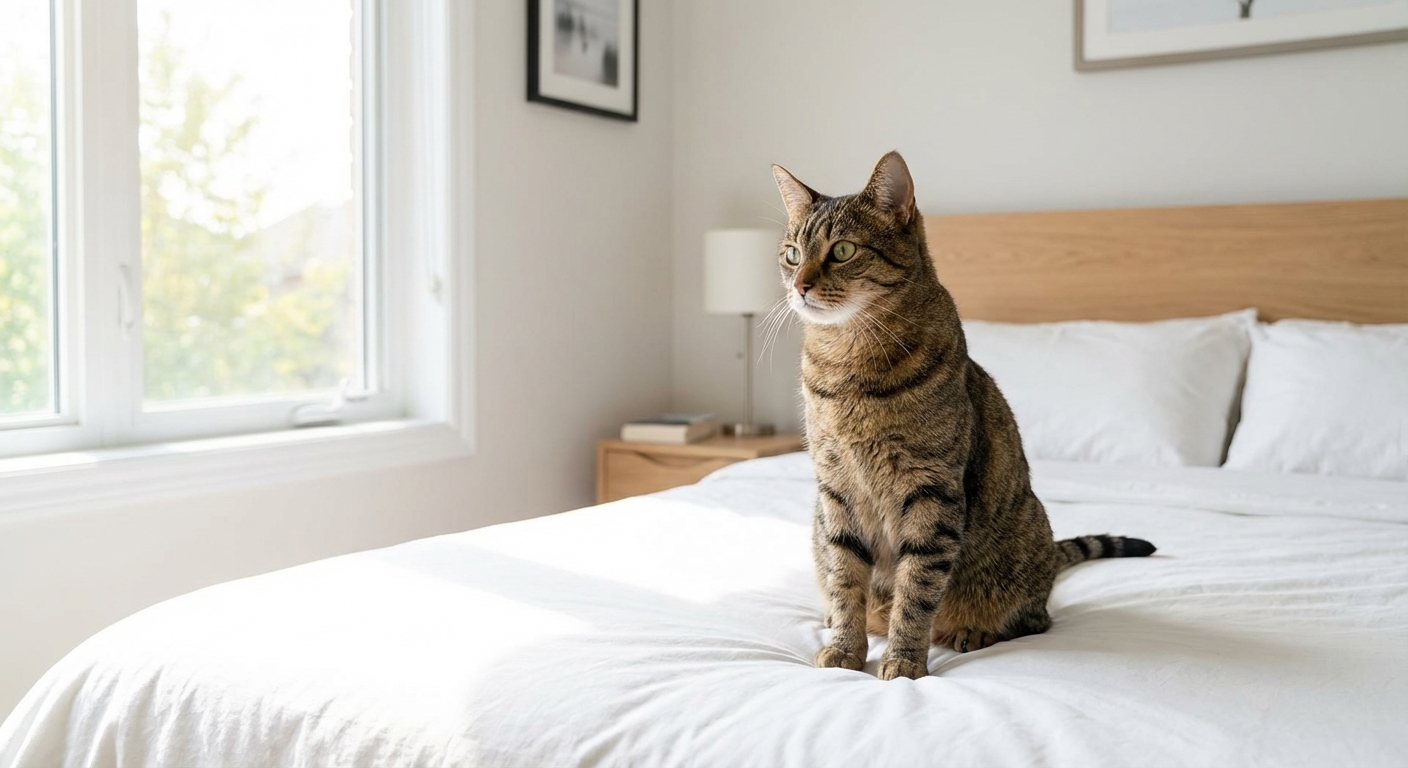
Cat poop on the bed is usually a signal, not spite. Learn the common medical, litter box, and stress-related causes—plus step-by-step fixes, cleaning tips,...
Article
•
Designer Mixes
Cat Pooping Outside the Litter Box

Shari Shidate
Designer Mixes contributor
When a cat poops outside the litter box, it is rarely “spite.” Cats do not connect elimination with retaliation the way people assume. In my experience as a veterinary assistant, this is one of the most common (and most fixable) cat behavior complaints, but it has to be approached like a health puzzle first and a housekeeping problem second.
Good news: once you identify the trigger (pain, stress, litter box setup, or a mix), many cats return to reliable litter box habits quickly.
Quick note: this guide focuses on poop outside the box. Urinating outside the box can have overlapping causes, but it has its own urgent red flags (especially in male cats).
What it usually means
Cats poop outside the box for a few big reasons. Your job is to figure out which category fits your cat’s story.
- Medical: pain, constipation, diarrhea, parasites, arthritis, or cognitive changes can make box use difficult or unpleasant.
- Litter box aversion: the box is dirty, too small, covered (for some cats), hard to access, placed in a scary location, or the litter feels or smells “wrong.”
- Stress and territory: conflict with another pet, new baby, visitors, construction, schedule changes, or outdoor cats seen through windows.
- Learning history: if a cat had a painful bowel movement in the box once, they can associate the box with discomfort and avoid it.
- Less common: anal gland discomfort can contribute in some cats, but it is much less common than the issues above.
Red flags: call the vet soon
Please seek veterinary care promptly if you notice any of the following. Pooping issues can turn serious fast, especially with constipation or dehydration.
- No stool for about 48 hours, or sooner if your cat has a history of constipation or megacolon
- Repeated straining, crying, or appearing painful
- Blood in the stool, black tarry stool, or significant mucus
- Vomiting, lethargy, hiding, or not eating
- Sudden change in stool with weight loss
- Kitten, senior cat, or a cat with chronic disease (kidney disease, diabetes, hyperthyroidism)
- Suspected toxin exposure or string ingestion
If your cat is straining frequently, do not assume it is constipation. Cats can strain with urinary blockages too, which is an emergency. If you are seeing frequent trips to the box with little or no urine, cry-meowing, or licking the genitals, call an emergency vet right away.
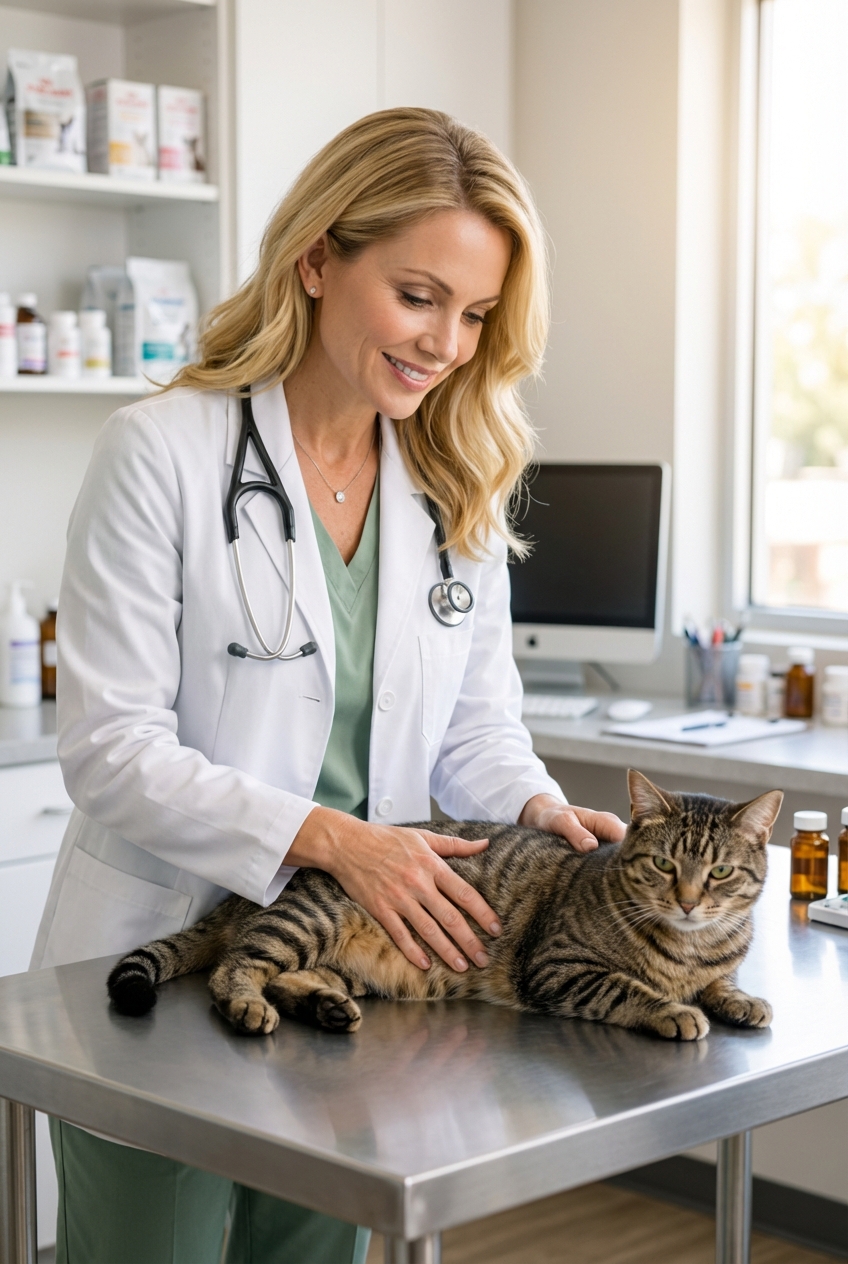
Step 1: rule out medical causes
Even if your cat “seems fine,” medical issues are a top cause of litter box accidents. Your veterinarian may recommend an exam and, depending on the history, tests like a fecal test for parasites, bloodwork, or imaging for constipation.
Constipation and painful poops
Hard, dry stool can make a cat avoid the box because the last poop hurt. Contributing factors include low water intake, obesity, arthritis, stress, and hair ingestion.
Diarrhea and urgency
Loose stool can create urgency. If the box is far away, hard to access, or guarded by another pet, your cat may not make it in time.
Arthritis or mobility trouble
Older cats may struggle to climb into high-sided or top-entry boxes. They may choose a nearby soft surface instead.
Parasites and intestinal inflammation
Worms, Giardia, food sensitivity, and inflammatory bowel disease can all change stool consistency and create discomfort.
Helpful for your log: normal stool is formed, easy to pick up, and not overly hard or watery. Very hard, dry pellets often point toward constipation. Pudding-like or watery stool suggests diarrhea and urgency.
Step 2: improve the litter box
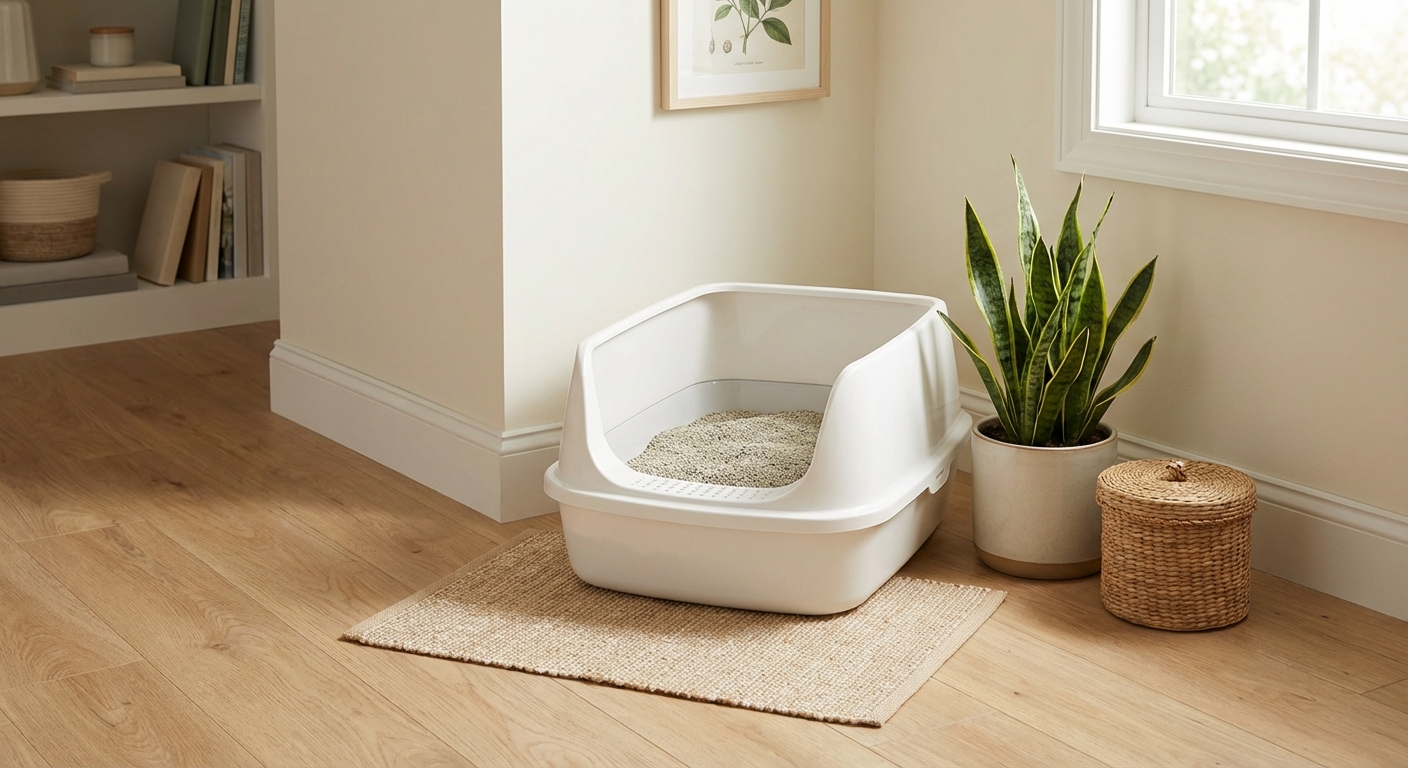
If you do only one thing today, make the litter box as easy and appealing as possible. Cats are fastidious. Many will reject a box for reasons that feel small to us, but matter a lot to them.
Core rules
- Number of boxes: aim for one box per cat, plus one extra.
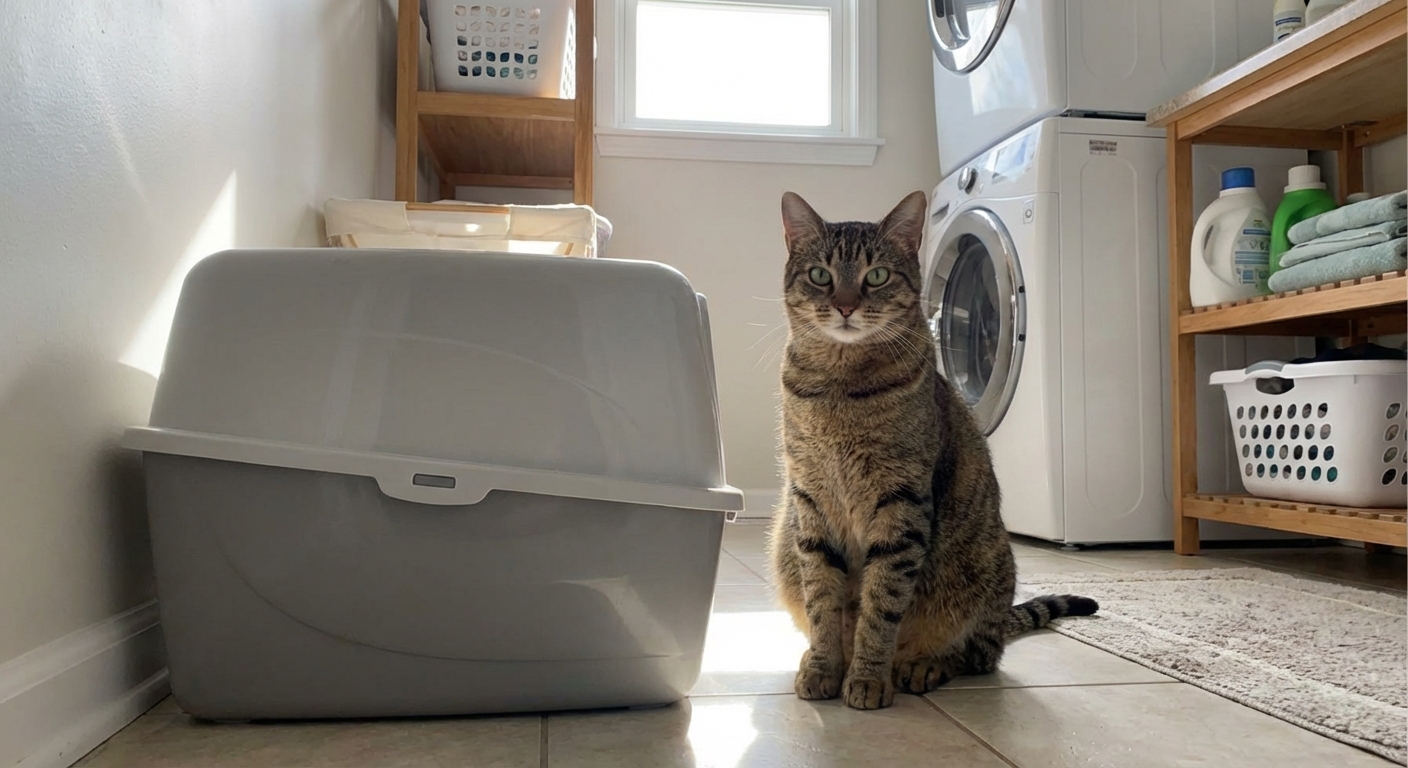
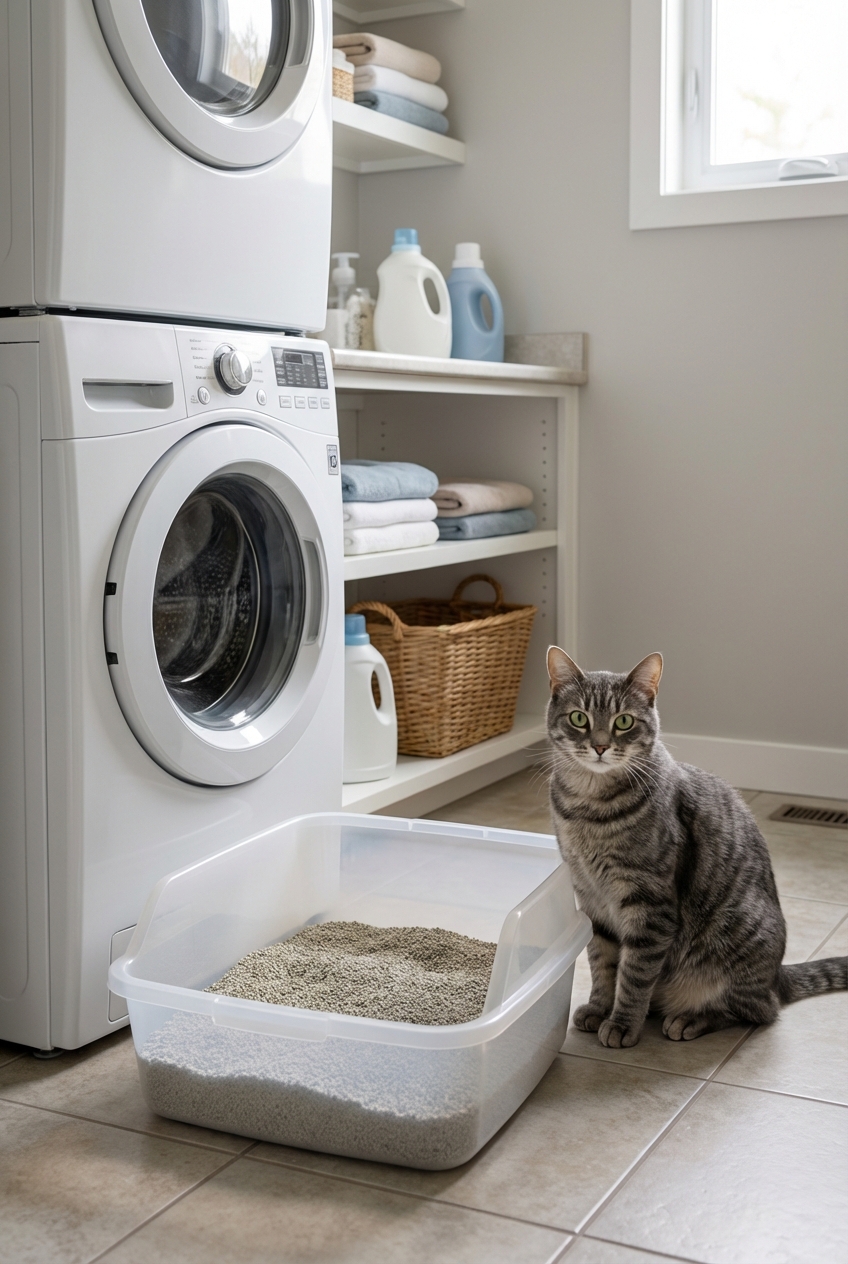
- Locations: place boxes in separate, quiet areas. Avoid loud laundry machines, tight closets, or dead ends where a cat can feel trapped.
- Size: many commercial boxes are too small. A good rule is 1.5 times your cat’s body length from nose to base of tail.
- Entry: for seniors or sore cats, choose low-entry boxes.
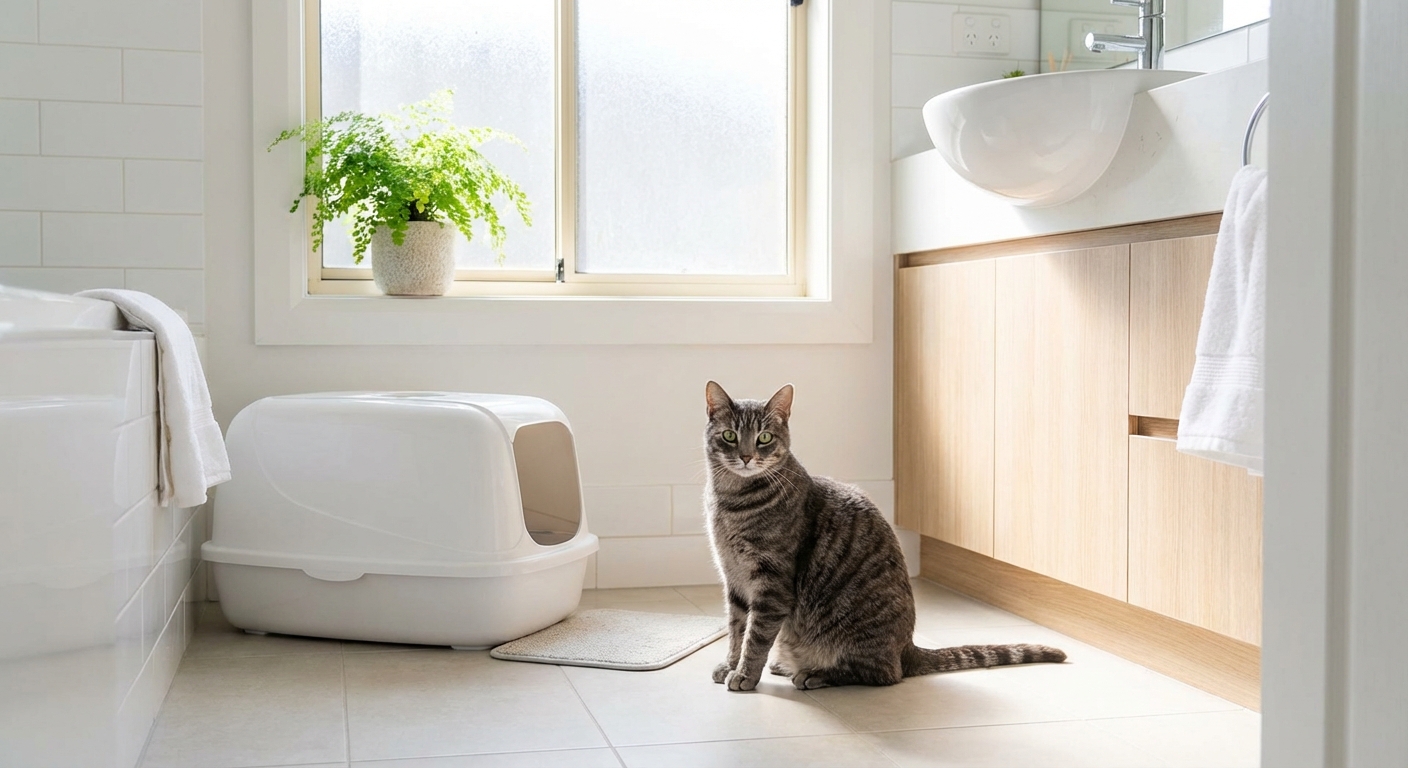
- Covered vs. uncovered: uncovered is often better because it improves airflow and escape routes. That said, some cats prefer a covered box, so let your cat’s habits guide you.
- Litter: start with an unscented, clumping litter. Many cats like a 2 to 3 inch layer, but some prefer less, so adjust based on your cat’s preference.
- Cleaning: scoop daily. Wash with mild soap weekly and replace litter regularly.
If your cat has a strong preference for a certain texture, you can offer a “litter cafeteria” for a week or two: two boxes side-by-side with different litters so your cat can vote with their feet.
Step 3: find the pattern
Patterns are clues. For a few days, keep a simple log: when it happened, where it happened, what the stool looked like, and what was different that day (food changes, guests, schedule shifts, new pets, loud noises).
What the pattern suggests
- Next to the box: your cat is trying, but dislikes the box setup or is in pain.
- On soft items (bath mats, rugs, laundry): texture preference, stress, or a painful elimination history.
- In one specific room: access issue, noise, conflict with another pet, or your cat feels safer there.
- Only at night: vision issues, stress, or the box is in a dark or startling location.
- After a move, guests, or a new pet: stress and territory.
A practical trick: add a box at the spot
If your cat keeps choosing the same area, place a litter box right there temporarily. Once your cat is using it reliably, move the box a few feet every couple of days toward your preferred location. This simple step can break the “this is my bathroom now” habit without a fight.
Stress reducers that help
- Keep a predictable routine for meals and play.
- Add vertical space like cat trees or shelves so cats can avoid each other.
- Use puzzle feeders and daily play sessions to reduce anxiety.
- Consider pheromone diffusers in key areas, especially multi-cat homes.
- Block visual access to outdoor cats if window watching seems to trigger tension.
Clean accidents the right way
Cleaning matters because cats have a powerful sense of smell. If any odor remains, that spot can become a repeat bathroom location.
- Remove stool residue and clean with an enzymatic cleaner made for pet messes.
- Avoid ammonia-based cleaners. They can smell like urine to pets.
- If possible, block access to the area until habits improve.
What not to do
These common reactions can backfire and make accidents more frequent.
- Do not punish your cat. It increases stress and can create fear of you or the box area.
- Do not drag your cat to the box after an accident. Cats do not connect that with “learning.”
- Do not make abrupt changes in food or litter without a plan. Sudden switches can worsen GI upset or litter aversion.
- Do not DIY constipation or diarrhea fixes with human medications, random laxatives, or heavy supplements. Talk with your vet first. Diet changes, added fiber, and probiotics can help some cats, but the right choice depends on the cause.
A simple 7-day plan
Day 1
- Schedule a vet visit if there are red flags or the change is sudden.
- Add one extra litter box if possible.
- Scoop all boxes and place one in a quiet, easy-to-reach area.
Days 2 to 3
- Switch to unscented clumping litter if you are using scented litter.
- Try a large, uncovered box with a low entry.
- Start your quick log of timing, location, and stool quality.
Days 4 to 7
- Address stressors with routine, play, vertical space, and separation if cats are bullying.
- Deep clean accident spots with an enzymatic cleaner.
- If constipation seems likely (hard stools, straining), talk with your vet before giving any laxatives or making major diet changes. Cats are sensitive and some products are unsafe.
- If your cat has a consistent accident location, place a temporary box there and then slowly move it.
If you see improvement, keep the new setup stable for several weeks. Cats love consistency.
Multi-cat homes
In multi-cat households, litter box politics are real. A confident cat may block hallways, stare near the box, or guard a doorway. That can cause a quieter cat to choose another spot.
- Spread boxes out so one cat cannot control access.
- Offer multiple feeding and water stations to reduce competition.
- Provide at least one safe room with a litter box for the shy cat.
When you need extra support
If medical causes have been addressed and litter box improvements are not enough, a veterinarian or credentialed cat behavior professional can help with a tailored plan. In some cases, anxiety medication paired with behavior changes can be life-changing, not a last resort.
You are not failing as a cat parent if you need help. Litter box issues are communication. Our job is to listen and respond with good care.