Not sure if your cat has a UTI, cystitis, crystals, or a blockage? Learn key symptoms, emergency red flags, what the vet may do, and gentle home care plus li...
Article
•
Designer Mixes
Cat Peeing in Bed: Care & Training Tips

Shari Shidate
Designer Mixes contributor
Finding cat urine in your bed is upsetting, and it can feel personal. In most cases, it is your cat communicating a health issue, a litter box problem, or stress. More rarely, factors like cognitive changes in senior cats, neurological problems, or medication side effects can contribute. The good news is that once you identify the cause, many cats improve quickly with the right care and gentle training.
Start Here: Health First
As a veterinary assistant, I can tell you this is the most important rule: any sudden change in urination is a medical red flag until proven otherwise. Cats are masters at hiding pain, and urinating on soft surfaces like bedding can happen when the litter box becomes associated with discomfort.
Call your vet promptly if you notice
- Frequent trips to the litter box with little urine
- Straining, crying, or restlessness
- Blood in urine, urine that smells stronger than usual (especially with other symptoms), or very small or absent clumps (if you use clumping litter)
- Urinating outside the box plus reduced appetite or hiding
- Especially: any male cat who is straining with little or no urine, or going in and out of the box repeatedly. This can indicate a blockage (emergency).
Common medical causes include bladder inflammation (often called feline idiopathic cystitis), crystals or stones, urinary tract infection (more common in seniors or cats with other conditions), arthritis pain that makes climbing into a box hard, kidney disease, diabetes, constipation, cognitive dysfunction in older cats, neurological disease, and medication side effects. Your veterinarian may recommend a urinalysis, culture, bloodwork, imaging, or a diet change depending on findings.
Safety note: If a male cat cannot pass urine, do not wait. A urinary blockage can become life-threatening quickly, sometimes within a day or two, and occasionally sooner.
Peeing vs Spraying
This matters because the solutions can be different.
- Peeing: Usually a squat posture, a larger wet spot, often on soft horizontal surfaces like beds or laundry piles.
- Spraying (marking): Tail up, backing to a vertical surface, small amount of urine, strong odor.
Bed wetting is more often peeing, but some cats do spray on bedding, especially if the bed is near a window, there are outdoor cats nearby, or there have been household changes.
Why the Bed?
1) Litter box setup issues
Cats are picky for a reason. If the box is unpleasant, the bed can look like a safer, softer option.
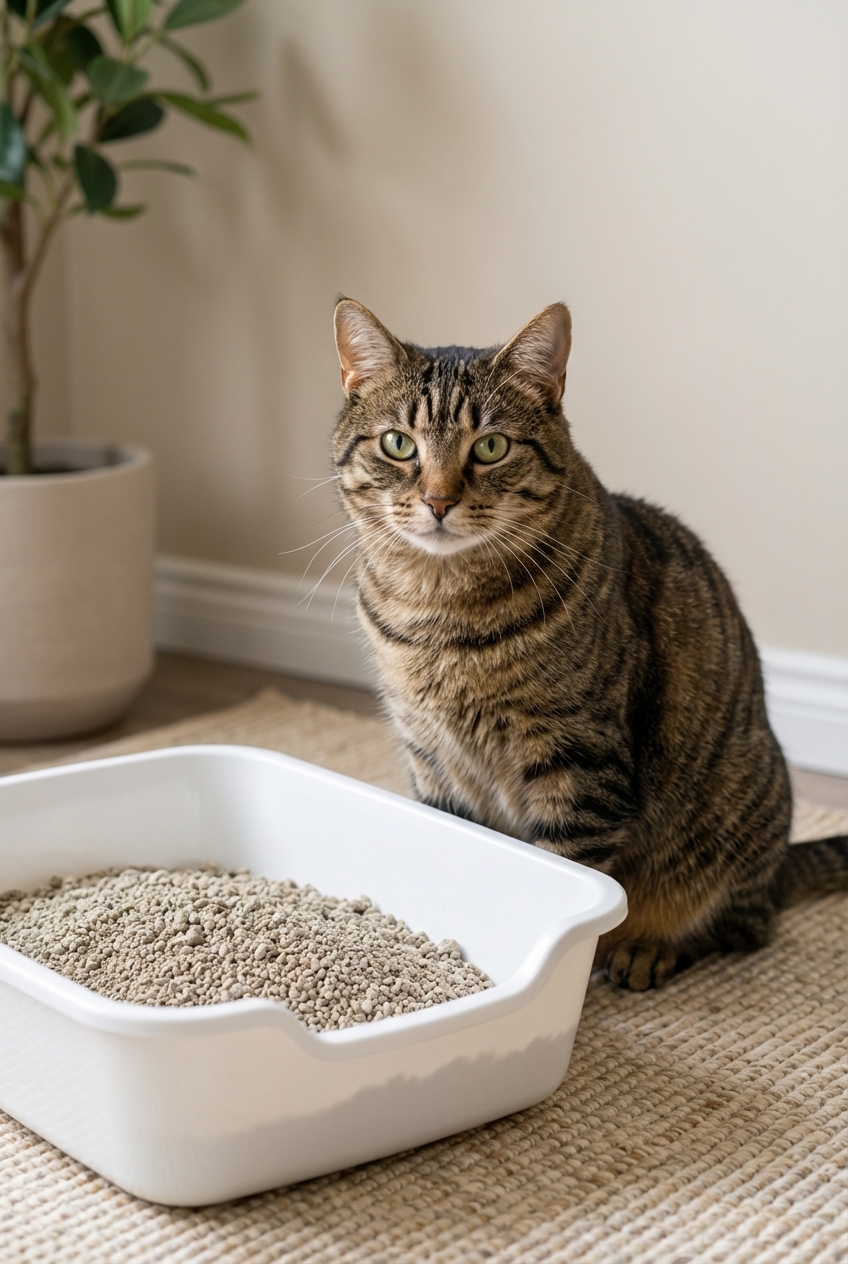
- Too few boxes: Aim for one box per cat, plus one extra.
- Dirty boxes: Scoop at least daily, more often for multi-cat homes.
- Wrong litter: Many cats prefer unscented, fine-grain clumping litter.
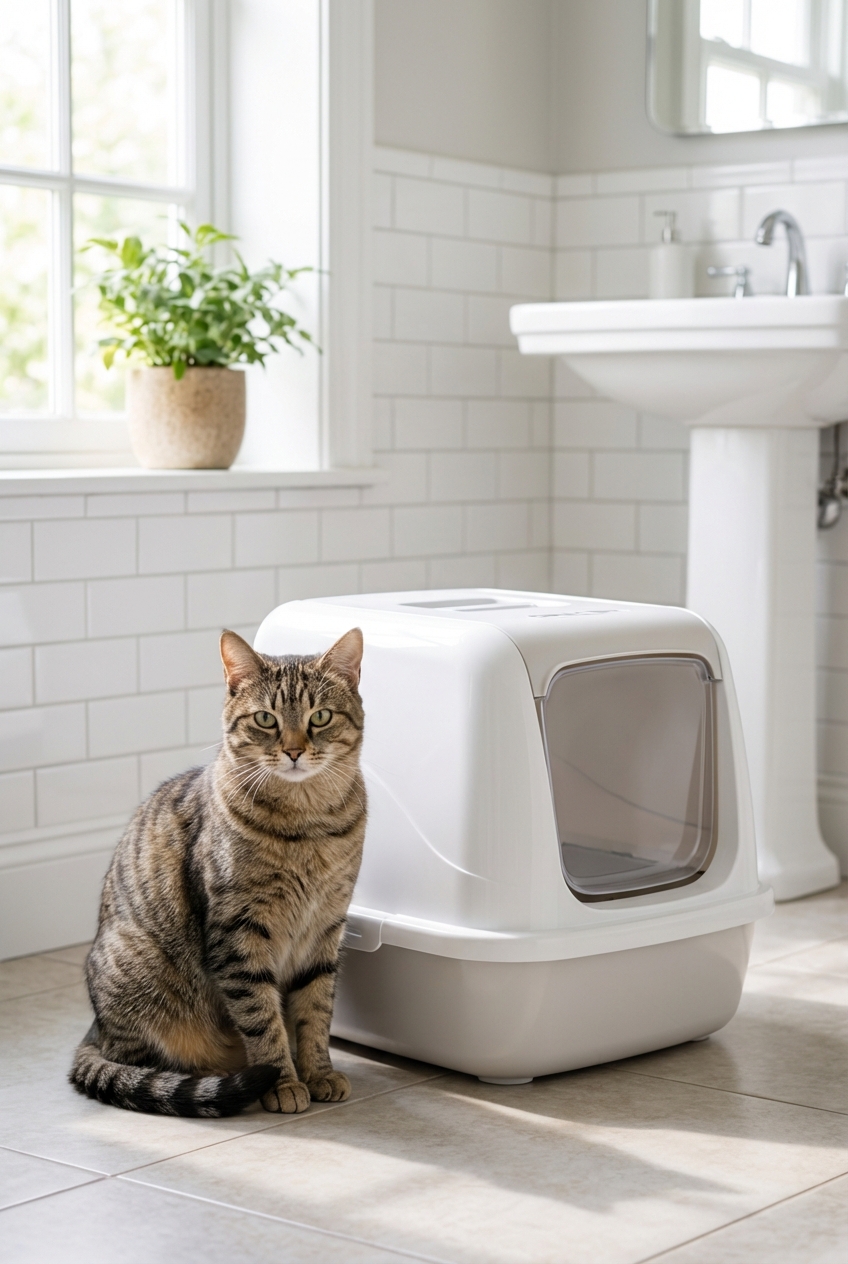
- Box style: Covered boxes can trap odor. High-sided boxes can be hard for seniors.
- Location issues: Avoid noisy laundry rooms or corners where a cat can feel trapped.
2) Stress and change
Stress is a huge trigger for inappropriate urination. Common triggers include moving, new pets, schedule changes, guests, neighborhood cats outside, remodeling, or conflict between cats.
3) Negative associations
If a cat experienced pain while peeing in the litter box, they may avoid it even after the medical problem improves. They may choose a new spot that feels safe, like your bed, because it smells strongly like you and feels comforting.
4) Substrate preference or aversion
Some cats strongly prefer a certain texture or depth. If they dislike the litter feel, they may choose bedding, rugs, or laundry instead. A helpful test is to offer a second box with a different litter type or texture, while keeping everything else the same. Avoid changing multiple variables at once, so you can see what actually helps.
Immediate Steps
It is completely normal to feel frustrated, but punishment (yelling, rubbing their nose, spray bottles) increases stress and makes the problem worse. Instead, take these practical steps right away:
- Block access temporarily: Close the bedroom door or use a baby gate if possible.
- Use a waterproof mattress protector: Add a second protector if needed for easier swaps.
- Use washable layers: A washable duvet cover or an extra top blanket can make cleanup less stressful.
- Remove attractors: Keep laundry off the floor and avoid leaving soft piles out.
- Increase litter box appeal: Add a fresh box in a quiet area immediately, even before your troubleshooting is perfect.
Think of this as creating a success zone while you solve the root cause.
Deep Cleaning
Cats return to places that smell like urine, and unfortunately, standard cleaners often leave behind trace odor that a cat can still detect.
Cleaning checklist
- Use an enzymatic cleaner made for pet urine (follow label directions and allow proper dwell time).
- Avoid ammonia-based products, which can smell similar to urine.
- Avoid harsh cleaners and essential oils around cats: Many essential oils and strong fumes can be irritating or toxic to cats.
- Wash bedding properly: Cold rinse first, then wash. Add enzyme laundry additive if available.
- Dry carefully: Heat can set stains and odor. Air dry if you are unsure the smell is fully gone.
Litter Box Reset
If you only do one behavior step, do this: make the litter box the easiest, cleanest, most comfortable bathroom option in the house.
My box basics
- Number: 1 per cat + 1 extra
- Size: Large enough for your cat to turn around easily
- Litter depth: Start around 2 to 3 inches, then adjust based on your cat's preference (some like less)
- Scent: Unscented is often best
- Cleaning: Scoop daily, full dump and wash with mild soap regularly
Placement tips
- Spread boxes across the home so a cat never has to pass another cat to potty.
- Choose quiet, low-traffic areas with an easy escape route.
- For seniors, place a box on each level of the home and consider a low-entry style. Large boxes with easy access can make a big difference for arthritis or stiffness.
Quick win: If the bed is the current hot spot, place a litter box closer to the bedroom temporarily, then gradually relocate it once your cat is consistently using it.
Stress Support
When stress is part of the picture, reducing it can dramatically decrease accidents.
Simple stress reducers
- Routine: Keep feeding and play times consistent.
- Daily play: 10 to 15 minutes of interactive play 1 to 2 times per day helps many cats.
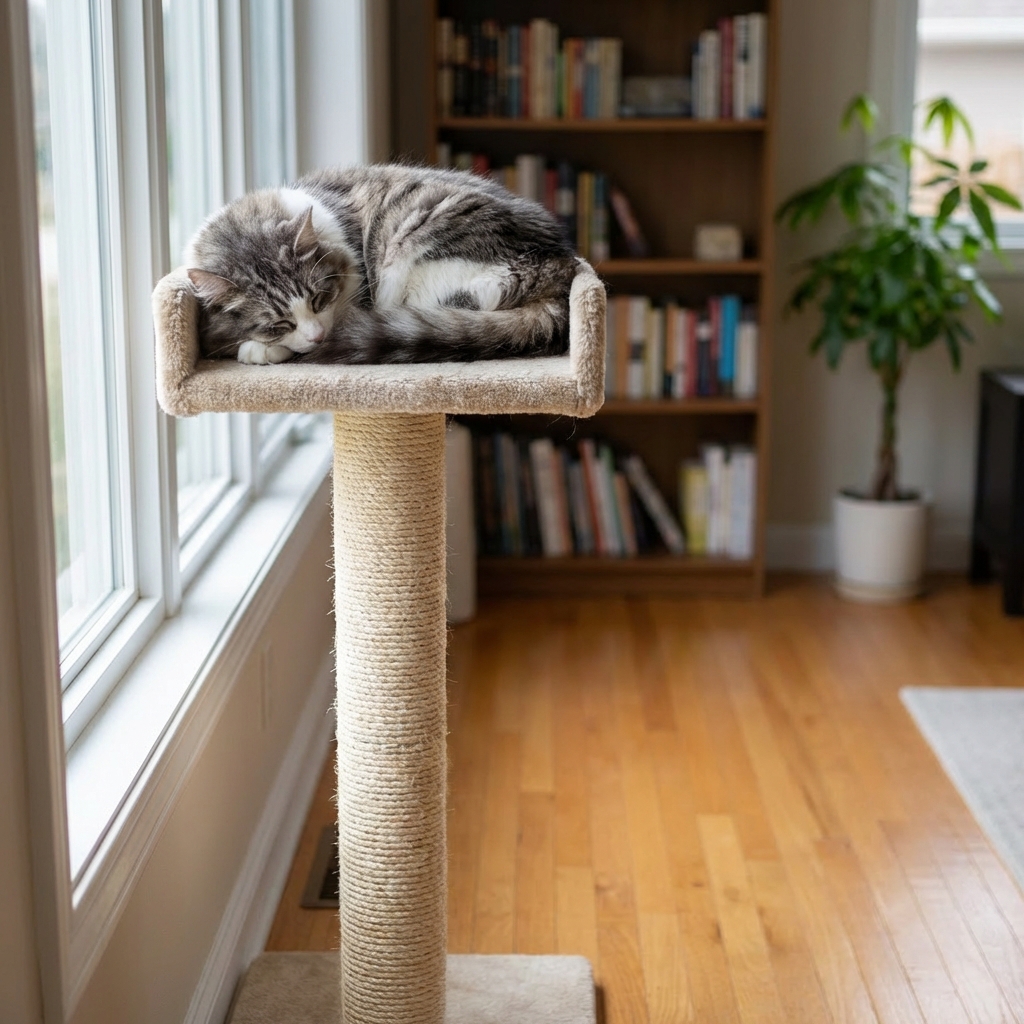
- Vertical space: Cat trees and shelves reduce conflict and increase confidence.
- Safe zones: Give each cat a quiet resting spot with food, water, and a nearby box.
- Pheromones: A feline pheromone diffuser may help in multi-cat or change-heavy homes.
If there is tension between cats, separate resources: multiple feeding stations, multiple water bowls, and multiple resting spots. Also watch for litter box guarding or blocking. If you suspect bullying, a temporary separation and a slow reintroduction plan can help, along with spreading litter boxes so no cat can control access.
What Not to Do
- Do not punish. It increases anxiety and can worsen house-soiling.
- Do not confine to the litter box area as a lesson. Short-term confinement may be used under veterinary guidance, but it is not a punishment tool.
- Do not switch litters repeatedly without a plan. If you must change, transition slowly by mixing, or test preferences by offering a second box rather than replacing the only option.
- Do not ignore pain signs. Cats with urinary discomfort may look fine until they are not.
When You Need More Help
If you have addressed medical causes, improved litter box setup, and cleaned thoroughly but accidents continue after 2 to 4 weeks, ask your veterinarian about:
- Prescription urinary diets (when indicated)
- Pain control for arthritis or bladder discomfort
- Anti-anxiety medication for stress-related cases
- Referral to a veterinary behaviorist for a customized plan
Persistent bed peeing is not stubbornness. It is a solvable behavior and health puzzle, and you do not have to figure it out alone.
Action step for today: schedule a vet check if this is new, add one extra litter box with unscented litter in a quiet spot, and start enzyme cleaning the bed area thoroughly.