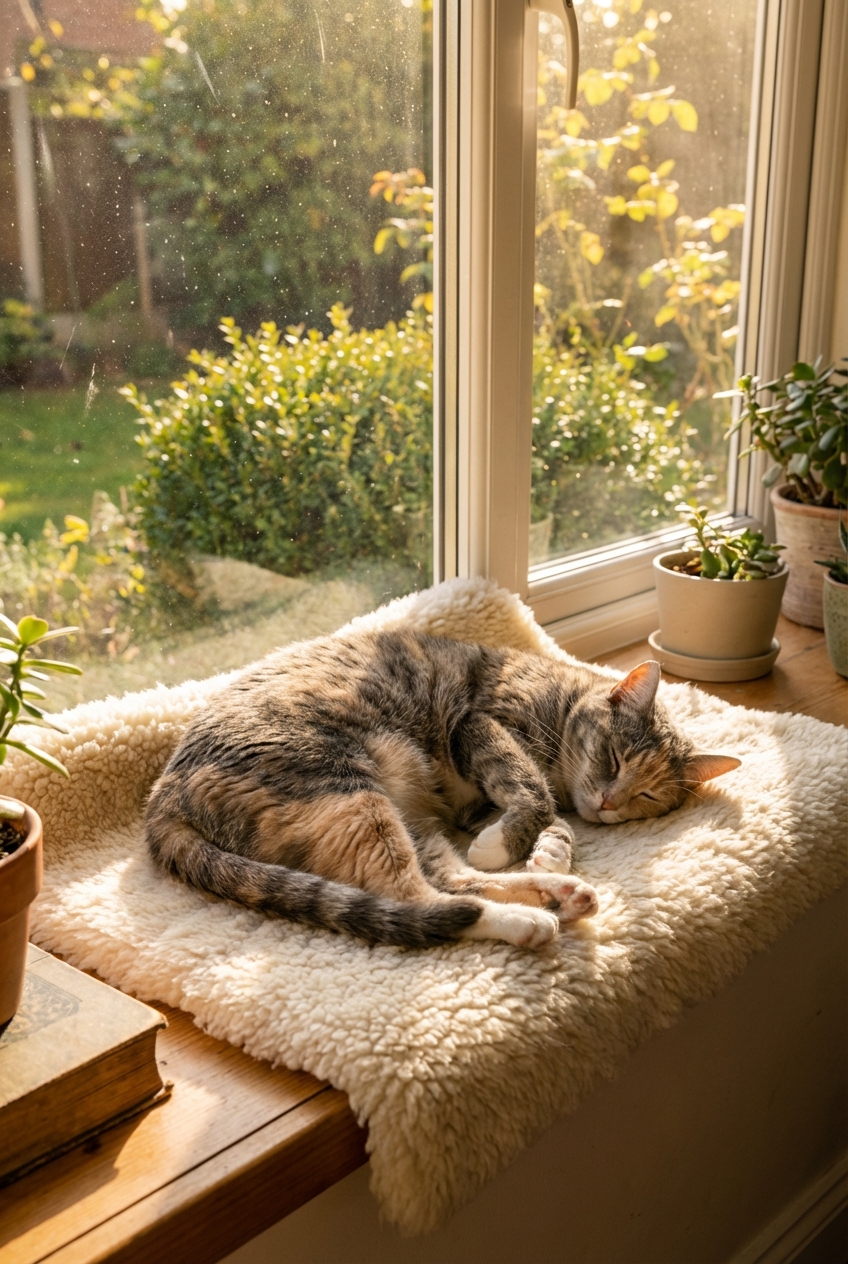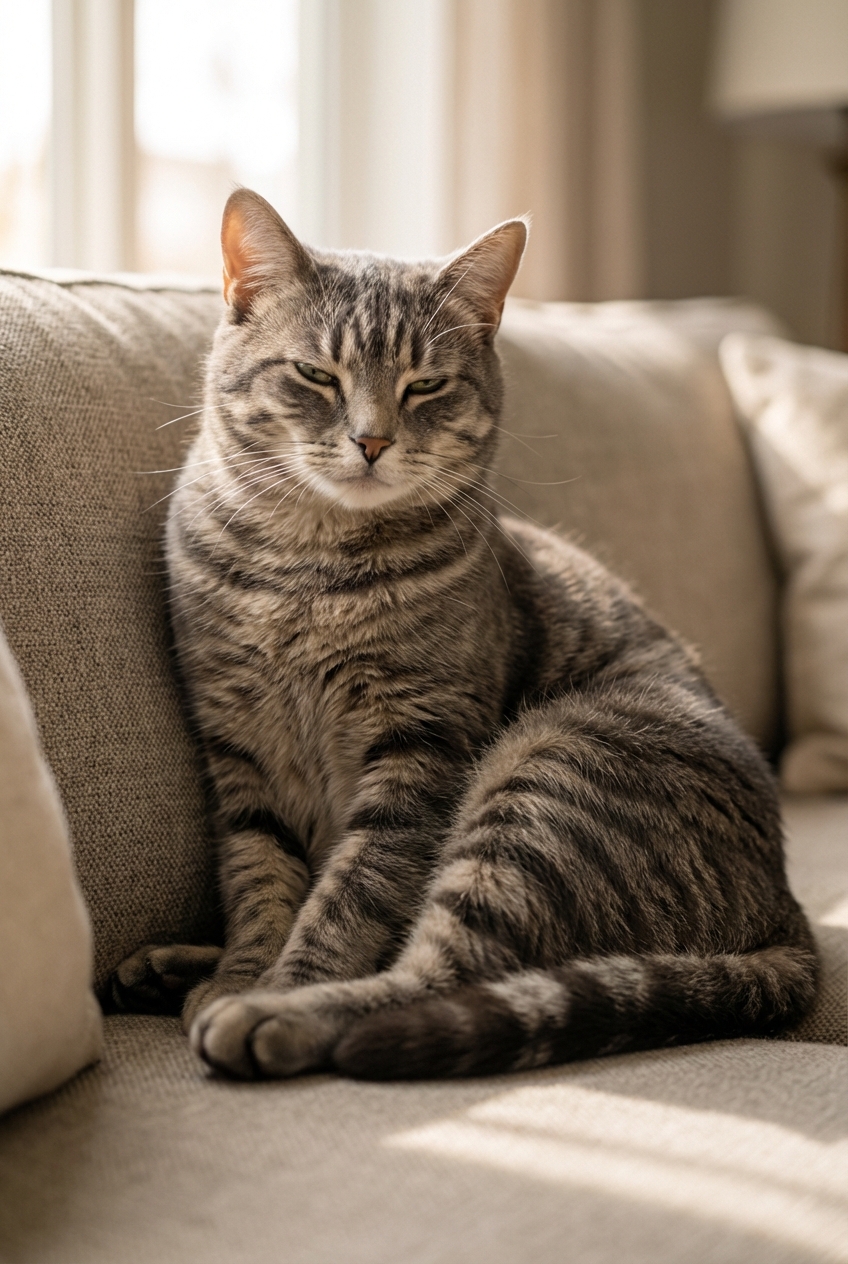
Cats hide pain well. Learn the most common vet-recognized signs—behavior shifts, posture and movement changes, grooming and appetite issues, litter box red...
Article
•
Designer Mixes
Cat Pain Symptoms

Shari Shidate
Designer Mixes contributor
Cats are masters at masking discomfort. In the clinic, I have seen sweet, social cats suddenly become “grumpy” at home, or quiet cats start having litter box issues, and the real story was pain. The tricky part is that cat pain rarely looks like obvious crying or dramatic limping. More often, it shows up as small behavior changes that are easy to miss until your cat is really struggling.
This guide will help you spot must-know signs of pain, understand what might be behind them, and know when it is time to call your veterinarian.
Why cats mask pain
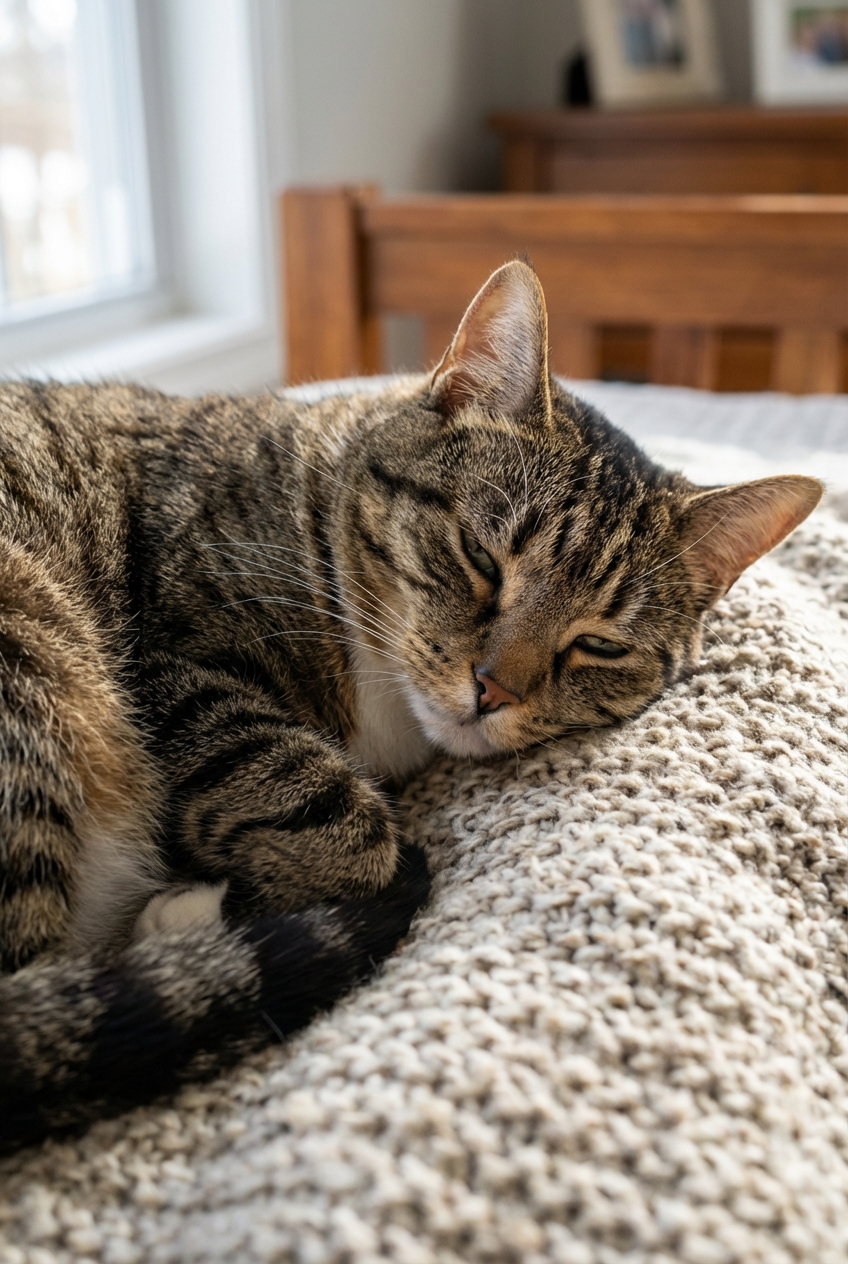
In the wild, showing weakness can make an animal a target. That instinct still shows up in our house cats. Many cats will keep eating, keep purring, and still jump up on the couch even when something hurts.
Important note about purring: purring is not a reliable sign that a cat is comfortable. Cats may also purr when they are stressed, painful, or trying to self-soothe.
Because of that, the most reliable pain clues are often changes from your cat’s normal routine: movement, grooming, appetite, posture, and personality.
Common signs your cat may be in pain
Use this as a checklist. One sign does not always mean “emergency,” but patterns and combinations matter. Also keep in mind that some behavior changes can be caused by stress (a move, a new pet, schedule changes). If the change persists, worsens, or comes with physical symptoms, pain should stay on the list.
1) Behavior and personality changes
- Hiding more than usual or choosing hard-to-reach spots.
- Less social, avoids being touched, moves away when approached.
- Irritability: swatting, growling, or “sudden biting” during petting that used to be welcome.
- Restlessness: cannot get comfortable, changing positions frequently.
- Changes in sleep: sleeping much more or sleeping in unusual places.
2) Changes in movement and posture
- Stiffness when standing up, walking, or after naps.
- Reluctance to jump onto beds, counters, or cat trees.
- Hunched posture, tucked belly, or guarding an area.
- Limping or favoring a limb, even subtly.
- Taking stairs slowly, hesitating on stairs, “bunny hopping,” or choosing to stay on one level of the home.
- Tail held tight to the body or a tense, low tail.
Tip: Pain in cats is commonly orthopedic (like arthritis) and can look like “getting older” rather than an injury.
3) Grooming and coat changes
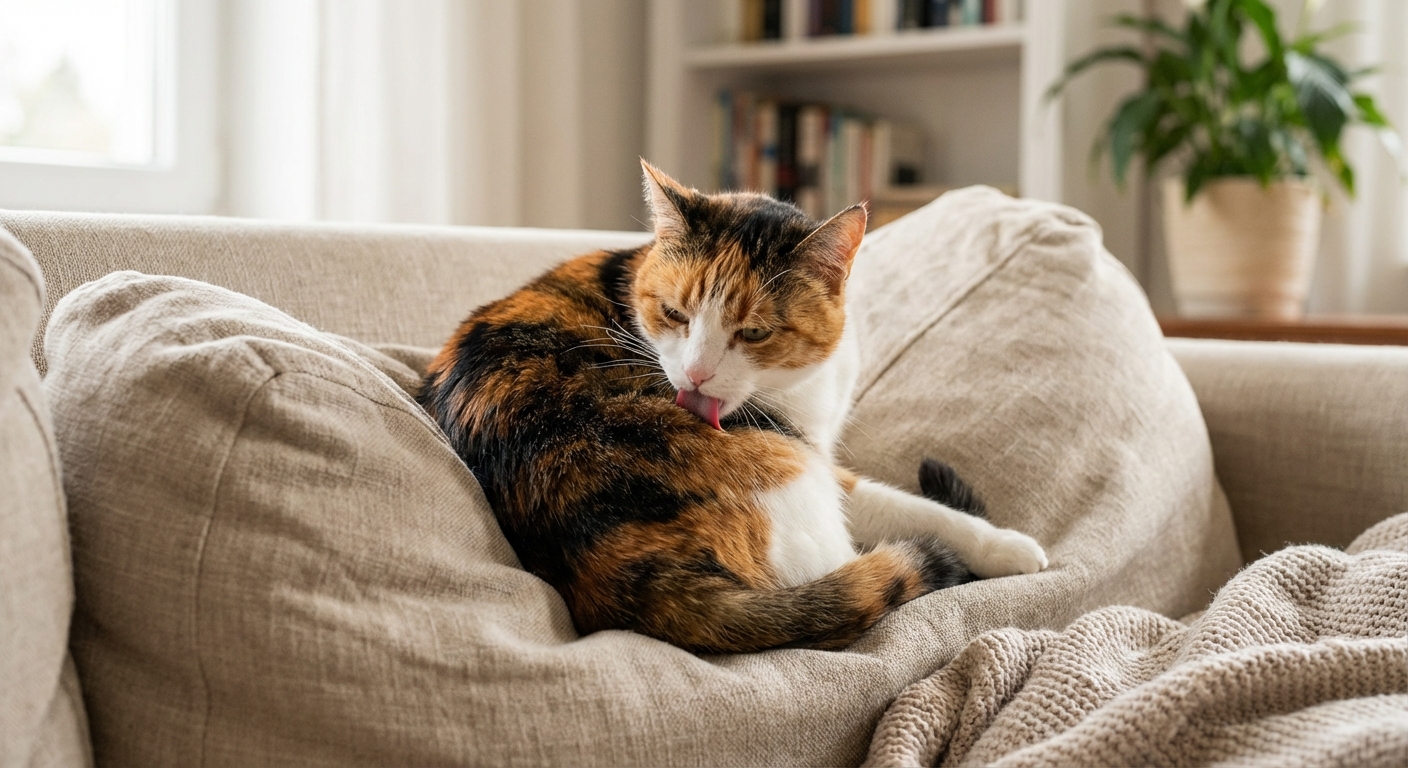
- Overgrooming one area, leading to thinning hair or irritated skin.
- Undergrooming: greasy coat, dandruff, or mats, especially along the back and hips.
- Flinching when touched in a certain spot.
4) Appetite, drinking, and weight changes
- Eating less, walking away from food, or taking longer to finish meals.
- Dropping food, chewing on one side, or pawing at the mouth (possible dental pain).
- Weight loss or muscle loss over time.
- Changes in drinking (more or less). Increased drinking is often easier to notice and can signal underlying illness that may cause discomfort.
5) Litter box changes (big pain clue)
- Urinating outside the box, especially if the box is clean and location has not changed.
- Straining, frequent trips, crying out, or only producing small amounts of urine.
- Pooping outside the box or constipation, sometimes from pain when squatting.
- Avoiding a high-sided box because stepping in hurts the hips, knees, or back.
Important: Straining to urinate, repeated attempts, or crying in the litter box can be a life-threatening emergency, especially in male cats. The key red flag is little or no urine produced. Call an emergency vet right away if you suspect a urinary blockage.
One more important nuance: cats who are straining to poop can look very similar to cats who are straining to urinate. If you are not sure which it is, treat it as urgent and call right away.
6) Vocalization changes
- New yowling, growling, or hissing when moving or being picked up.
- Low, frequent meows that seem unusual for your cat.
- Silent pain: some cats get quieter, not louder.
7) Facial expression and body tension
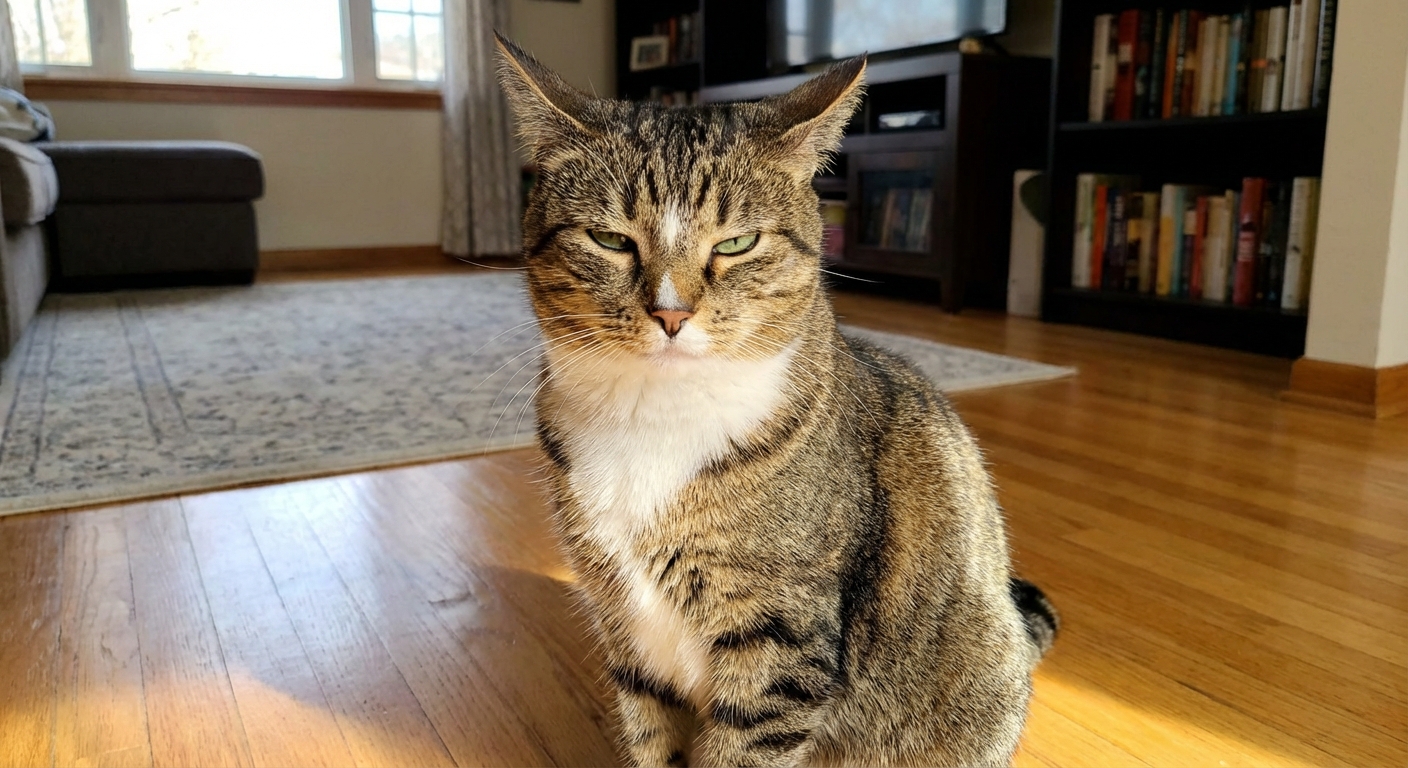
Veterinary teams often use “feline grimace” style cues to assess pain. At home, watch for:
- Squinted eyes or sleepy-looking eyes when your cat is normally alert.
- Ears turned sideways or flattened more often.
- Tense muzzle or a drawn, tight face.
- Whiskers pulled back or held unusually stiff.
If you want a more structured way to look at facial cues, ask your veterinary team about the Feline Grimace Scale and how it is used.
Pain patterns by body system
These patterns can help you describe symptoms clearly to your veterinarian. They are not a diagnosis, but they can point your vet in the right direction.
Musculoskeletal pain (arthritis, injuries)
- Less jumping, stiffness, sleeping more
- Grooming less along the back or hips
- Occasional litter box accidents if the box is hard to enter
Dental or mouth pain
- Drops kibble, prefers soft food, eats slowly
- Bad breath, pawing at mouth, drooling
- “Chews funny” or only on one side
Urinary pain (cystitis, stones)
- Frequent small urination, blood-tinged urine
- Straining or crying in the box
- Sudden urinating outside the box
Gastrointestinal pain (constipation, pancreatitis, foreign body)
- Hunched posture, decreased appetite
- Vomiting, constipation, hiding
- Growling when picked up around the belly
Skin and ear pain
- Head shaking, ear scratching, sensitivity around the head
- Overgrooming, chewing paws, skin redness
Other common sources of chronic pain
- Cancer or internal masses: weight loss, hiding, reduced appetite, new sensitivity to touch
- Kidney disease: appetite changes, nausea signs (lip licking, hiding), lower energy
- Thyroid disease (hyperthyroidism): agitation, restless behavior, weight loss with increased appetite in some cats
How to check your cat at home
Keep this gentle and low-pressure. The goal is information, not a full exam.
- Watch first: Observe walking, jumping, using the litter box, and grooming when they think you are not paying attention.
- Hands-off scan: Look for swelling, limping, or uneven posture.
- Light touch: Slowly pet along the back, hips, legs, and belly. Stop if your cat tenses, flinches, turns to bite, or tries to leave.
- Food test: Offer a small treat. A painful mouth often shows up as hesitation, dropping food, or licking instead of chewing.
- Log it: Write down what changed, when it started, and whether it is getting worse.
If your cat is painful, avoid “testing” the sore spot repeatedly. That can increase stress and can trigger defensive aggression.
When to call vs go now
Go to an emergency clinic now
- Straining to urinate, repeated litter box trips with little or no urine
- Open-mouth breathing, severe lethargy, collapse
- Sudden inability to walk, dragging a limb, or severe trauma
- Distended belly, repeated vomiting, or suspected toxin or foreign object
- Crying out in pain and cannot get comfortable
Call your veterinarian within 24 to 48 hours
- Reduced appetite for more than a day
- New hiding, irritability, or avoiding touch
- Changes in jumping, stiffness, or grooming that persist
- Litter box accidents or constipation
When in doubt, call. It is always okay to ask, “Is this urgent?” A quick phone conversation can prevent a small problem from turning into a big one.
One extra reason not to wait on appetite changes: cats that stop eating can develop serious complications if it continues, so early guidance matters.
What not to do
- Do not give human pain meds like ibuprofen, naproxen, aspirin, or acetaminophen unless a veterinarian specifically instructs you. Many are toxic to cats.
- Do not wait it out if your cat is hiding, not eating, or straining to urinate. Cats can decline quickly.
- Do not assume “old age”. Arthritis and dental disease are common, but they are treatable. Comfort is a health issue.
Your cat does not need to be crying to be hurting. Subtle changes are often the earliest and most valuable clue.
How vets diagnose and treat pain
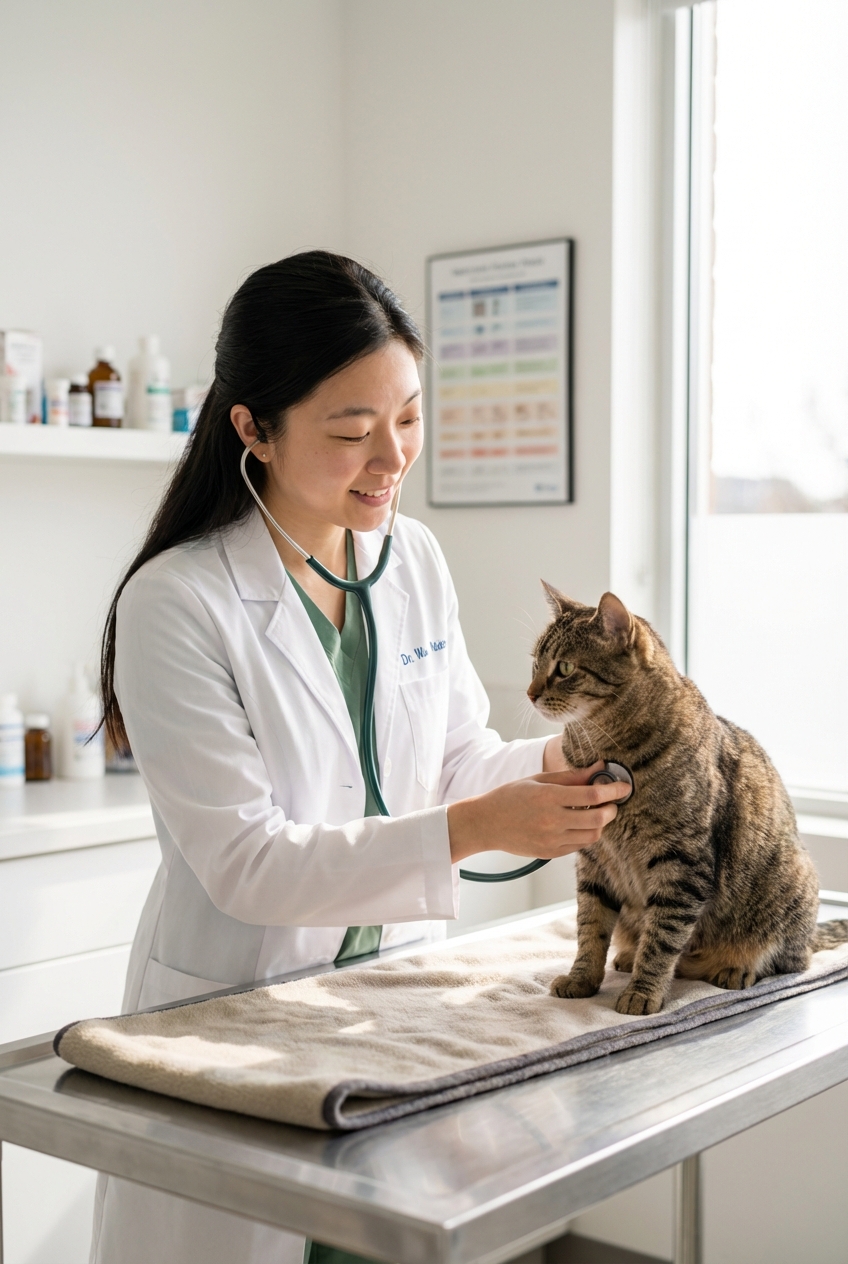
At your visit, your veterinarian may recommend a physical exam, dental evaluation, bloodwork, urinalysis, x-rays, or ultrasound depending on the symptoms. Pain plans are individualized and can include:
- Prescription pain relief designed for cats. NSAIDs for cats are prescription-only and carefully dosed based on your cat’s health and lab work.
- Multimodal pain control when needed, which may include medications such as gabapentin, short-term opioids, or other targeted options.
- Dental treatment if teeth or gums are involved.
- Joint support strategies such as weight management, ramps, physical rehab guidance, and targeted supplements.
- Hydration and urinary support plans for bladder discomfort.
If you can, bring a short video of the behavior you are seeing at home, like difficulty jumping or an unusual gait. Cats often “act normal” in the clinic, so videos can be incredibly helpful.
Comfort upgrades to start today
These supportive steps are not a replacement for medical care, but they can make a real difference for a sore cat.
- Make the litter box easier: low entry box, add an extra box on each floor, keep it very clean.
- Add traction: rugs or runners for slippery floors.
- Use ramps or steps to favorite sleeping spots.
- Warm, soft bedding in a quiet area.
- Keep food and water accessible without stairs.
- Gentle play in short sessions to encourage safe movement, if your vet approves.
The best takeaway is this: pain is treatable, and your cat deserves comfort. If you notice changes, trust your instincts and call your veterinary team.