Compare wet vs dry cat food with vet-informed pros and cons. Learn how moisture affects urinary and kidney health, how carbs and calories differ, and when co...
Article
•
Designer Mixes
Cat Nutrition Basics: Protein, Water, and Taurine

Shari Shidate
Designer Mixes contributor
Cats are not small dogs. They are obligate carnivores, meaning their bodies are built to thrive on animal-based nutrition. If you only remember three basics, make it these: protein for building and repair, water for kidney and urinary health, and taurine for the heart, eyes, and more.
As a veterinary assistant, I have seen how quickly small nutrition gaps can show up as big health problems in cats. The good news is that a few smart, practical choices can make a meaningful difference.
Protein: the foundation
Cats require a higher level of dietary protein than many other animals because they use protein not only to build muscle, but also as a steady source of energy. Their metabolism is tuned for animal tissue, and they tend to do best with a protein-forward diet built around high-quality animal ingredients (with fat also playing an important role as an energy source).
What protein does
- Maintains lean muscle, especially important for indoor cats and aging cats.
- Supports immune function and healthy skin and coat.
- Helps create key compounds the body cannot make well on its own (including certain amino acids).
What to look for on the label
For most healthy cats, a complete and balanced commercial diet is a safe starting point. When you are comparing foods, look for:
- Named animal proteins (for example: chicken, turkey, beef, salmon) listed near the top of the ingredient list.
- AAFCO statement indicating the food is “complete and balanced” for your cat’s life stage (kitten, adult maintenance, or all life stages).
- Appropriate life-stage formulation. Kittens and pregnant or nursing cats need more calories and nutrients than adult cats.
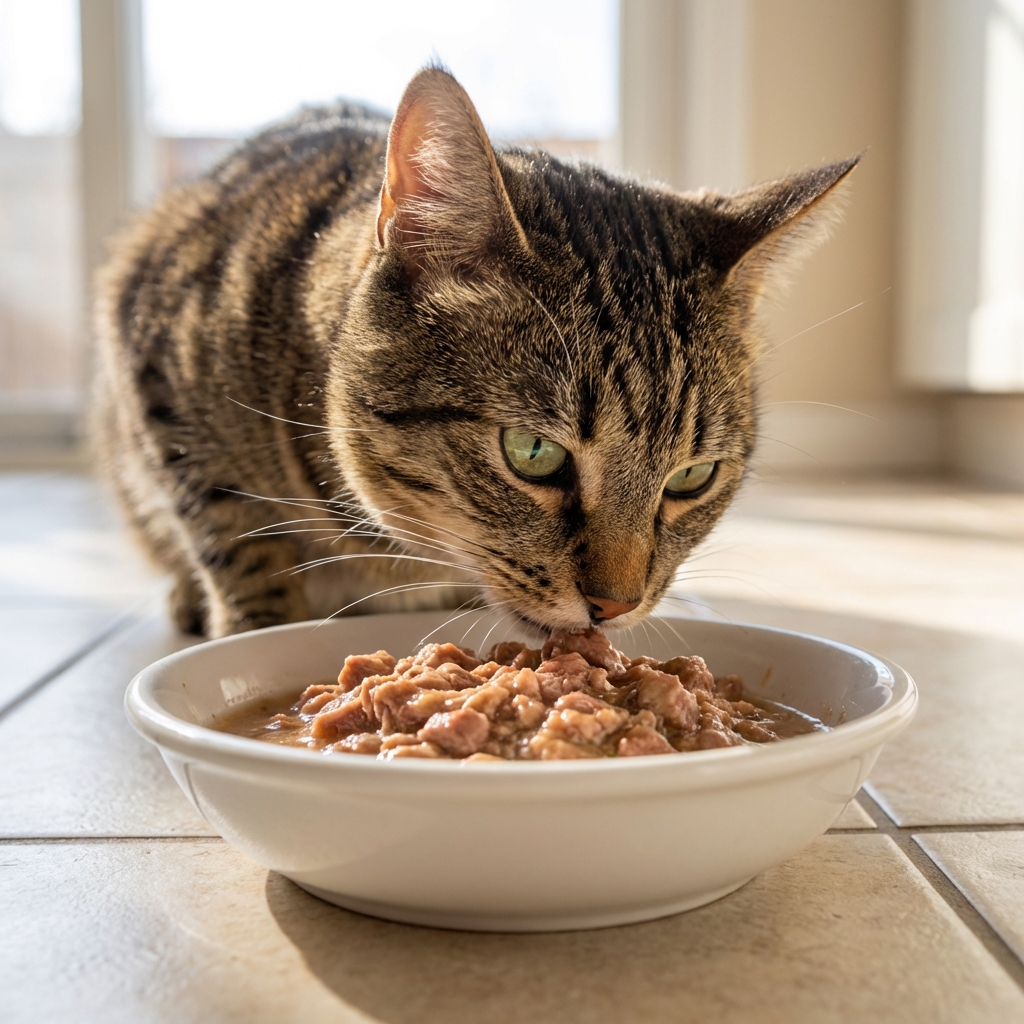
One important note: labels can be confusing because they list minimums for some nutrients and do not always make moisture differences obvious. For example, wet food looks lower in protein “as fed” because it contains much more water. Comparing on a dry matter basis (comparing nutrients after removing water) is more accurate, and your veterinarian can help you interpret this if you are unsure.
If your cat is a kitten, senior, or has a medical condition such as chronic kidney disease or a history of urinary issues, do not guess on protein targets. Ask your veterinarian if a therapeutic diet or specific protein and phosphorus goals are best for your cat.
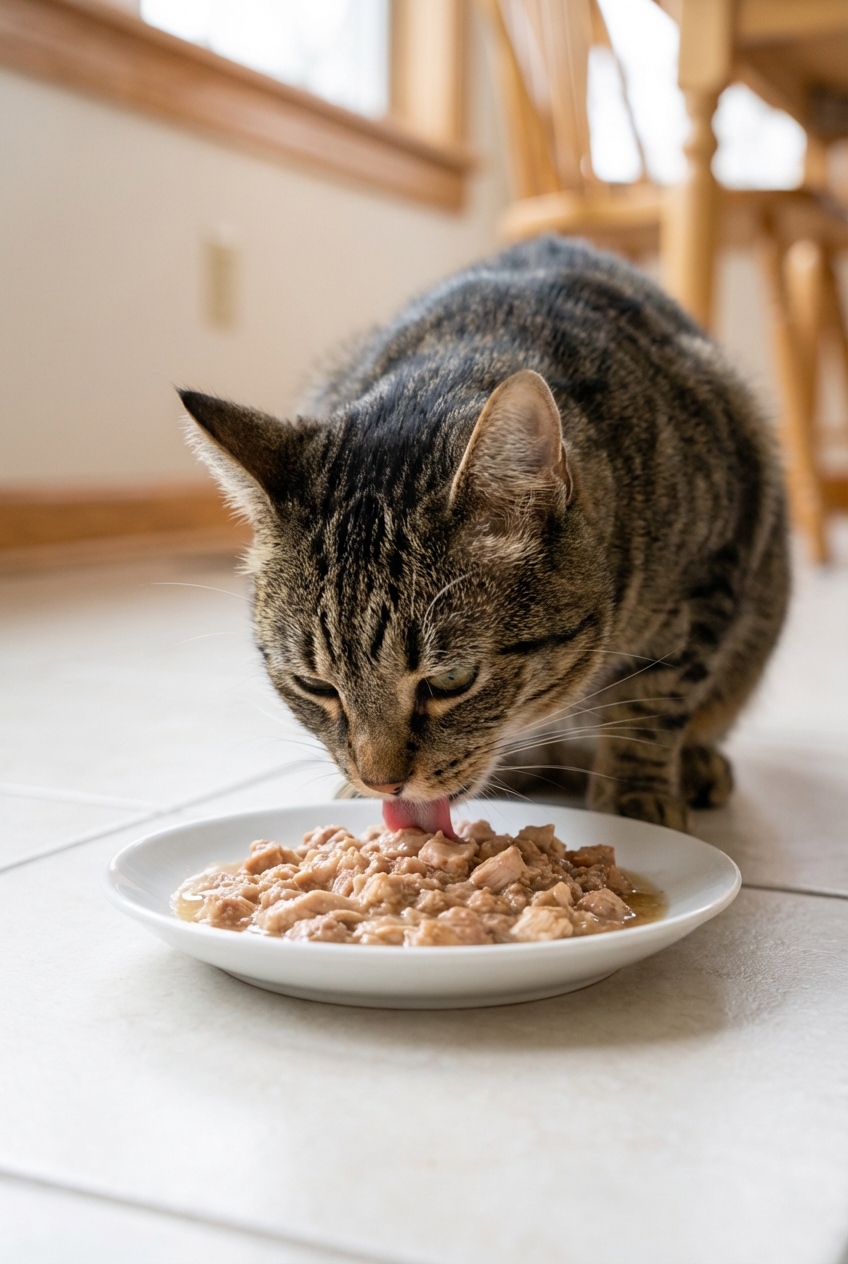
Water: the often-missed essential
Cats evolved from desert-adapted ancestors, and many cats do not feel a strong thirst drive even when they could benefit from more fluids. Low water intake may increase risk for concentrated urine, which can irritate the bladder in some cats. At the same time, certain diseases can also change thirst and urine concentration, so hydration is one important piece of the bigger health picture.
Why hydration matters
- Supports kidney function by helping the body filter waste products.
- Dilutes urine, which can reduce irritation and may help some cats prone to urinary problems.
- Aids digestion and overall circulation.
Easy ways to increase water intake
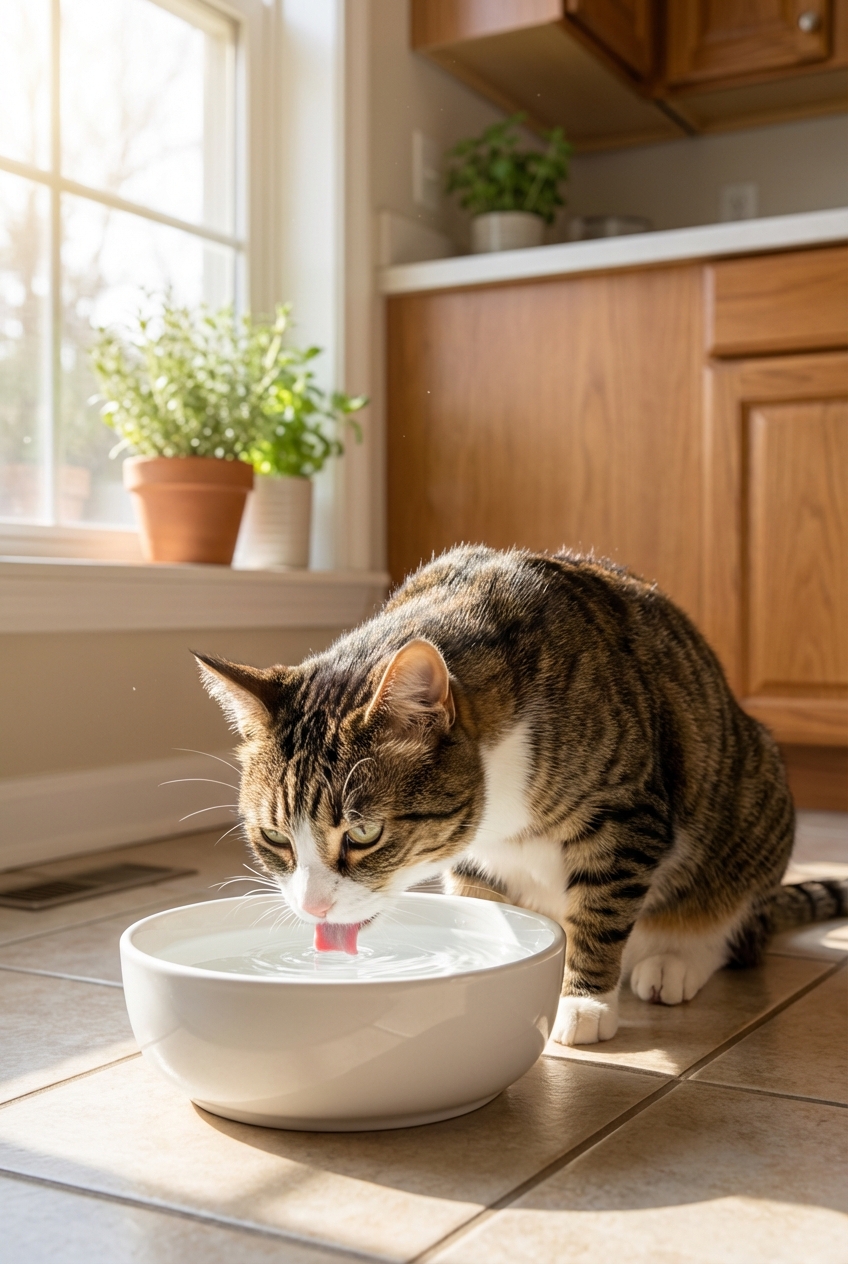
- Consider a moisture-rich diet. Wet food naturally increases fluid intake compared to dry-only feeding.
- Offer multiple water stations. Place bowls in quiet areas away from litter boxes and busy hallways.
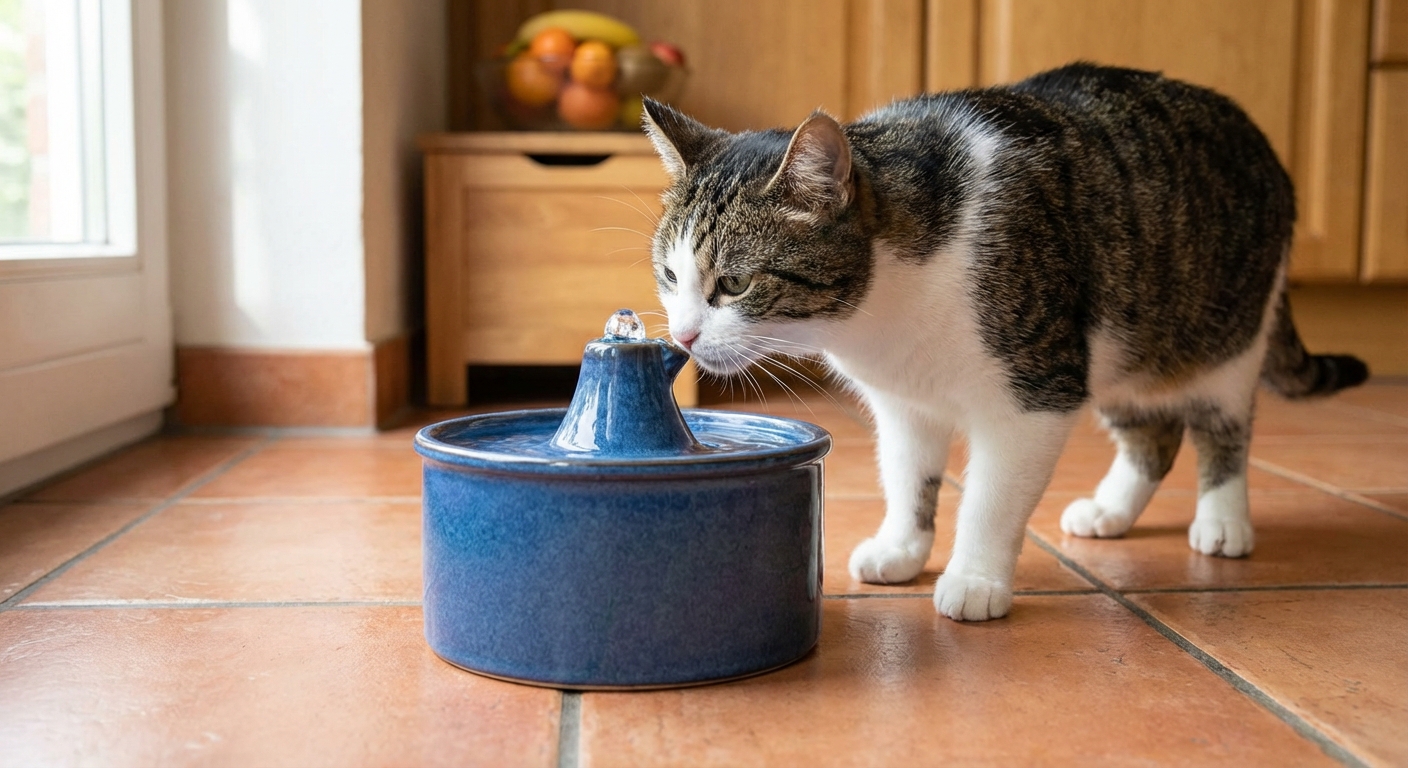
- Try a cat water fountain. Many cats prefer moving water.
- Use wide, shallow bowls. Some cats dislike whisker contact with bowl sides.
- Add a little water or broth to meals. Use plain, unseasoned, low-sodium broth with no onion or garlic.
If your cat suddenly drinks a lot more than usual, or barely drinks at all, that is worth a veterinary visit. Changes in thirst can be an early clue for conditions like kidney disease, diabetes, or hyperthyroidism.
Taurine: non-negotiable
Taurine is an amino acid that cats must get from their diet. Unlike many animals, cats cannot make enough taurine on their own. This is why taurine deficiency is a serious concern in cats fed unbalanced homemade diets or diets not formulated specifically for feline needs.
What taurine does
- Heart health: deficiency can lead to dilated cardiomyopathy (a potentially life-threatening heart condition).
- Vision: taurine supports the retina, and deficiency can cause irreversible vision damage.
- Reproduction and development: especially important for kittens and breeding cats.
- Digestive support: taurine is involved in bile acid conjugation, helping cats digest fats.
Where cats get taurine
Taurine occurs naturally in animal tissues, especially organ meats and dark muscle meats. Complete and balanced commercial cat foods typically include enough taurine (added and or naturally occurring) to meet feline requirements, since processing and cooking can reduce natural taurine levels.
Important: Dogs and cats have different taurine requirements. Do not feed dog food as a primary diet for cats, and be cautious with boutique or homemade diets unless they are formulated by a qualified professional. Do not DIY taurine supplementation unless your veterinarian specifically recommends it.
Practical feeding tips
You do not have to overhaul everything overnight. Small improvements, done consistently, add up.
- Prioritize animal-based protein from a complete and balanced cat food.
- Boost hydration with wet food, added water to meals, and more appealing water stations.
- Protect taurine intake by avoiding unbalanced homemade recipes and choosing diets formulated for cats.
- Keep treats modest. A helpful rule of thumb is treats should make up under 10 percent of daily calories.
- Transition slowly when switching foods to reduce stomach upset. A common approach is mixing the new food in over 7 to 10 days.
- Monitor litter box habits. Straining, frequent trips, blood-tinged urine, or crying in the litter box are urgent red flags.
If your cat has urinary issues, kidney disease, heart disease, or is a senior, ask your veterinarian about the best protein level, sodium, phosphorus, and moisture targets for your specific cat.
Extra urgent note: If a cat, especially a male cat, is straining to urinate, producing only a few drops, vocalizing in pain, or cannot urinate at all, treat it as an emergency. Urinary blockage can become life-threatening quickly.
When to call your vet
Nutrition is powerful, and it should be personalized when health conditions are involved. Please schedule a vet visit if you notice:
- Weight loss or gain without a clear reason
- Vomiting, diarrhea, or chronic hairballs that are worsening
- Increased thirst or urination
- Poor coat quality or flaky skin
- Signs of urinary discomfort
Your vet can help you choose a diet that supports your cat’s goals, whether that is weight management, urinary support, sensitive digestion, or healthy aging.