Cats are obligate carnivores. Learn why protein, hydration, and taurine are essential for muscle, kidneys, heart, and vision—plus practical label and feedi...
Article
•
Designer Mixes
Cat Nutrition Basics: Protein, Fat, and Moisture

Shari Shidate
Designer Mixes contributor
Cats are not small dogs. They are obligate carnivores, meaning their bodies are built to thrive on nutrients found naturally in animal tissues. When you understand three basics: protein, fat, and moisture, you can read cat food labels with confidence and make choices that support healthy weight, a strong immune system, and a happy digestive tract.
Protein: The foundation for feline health
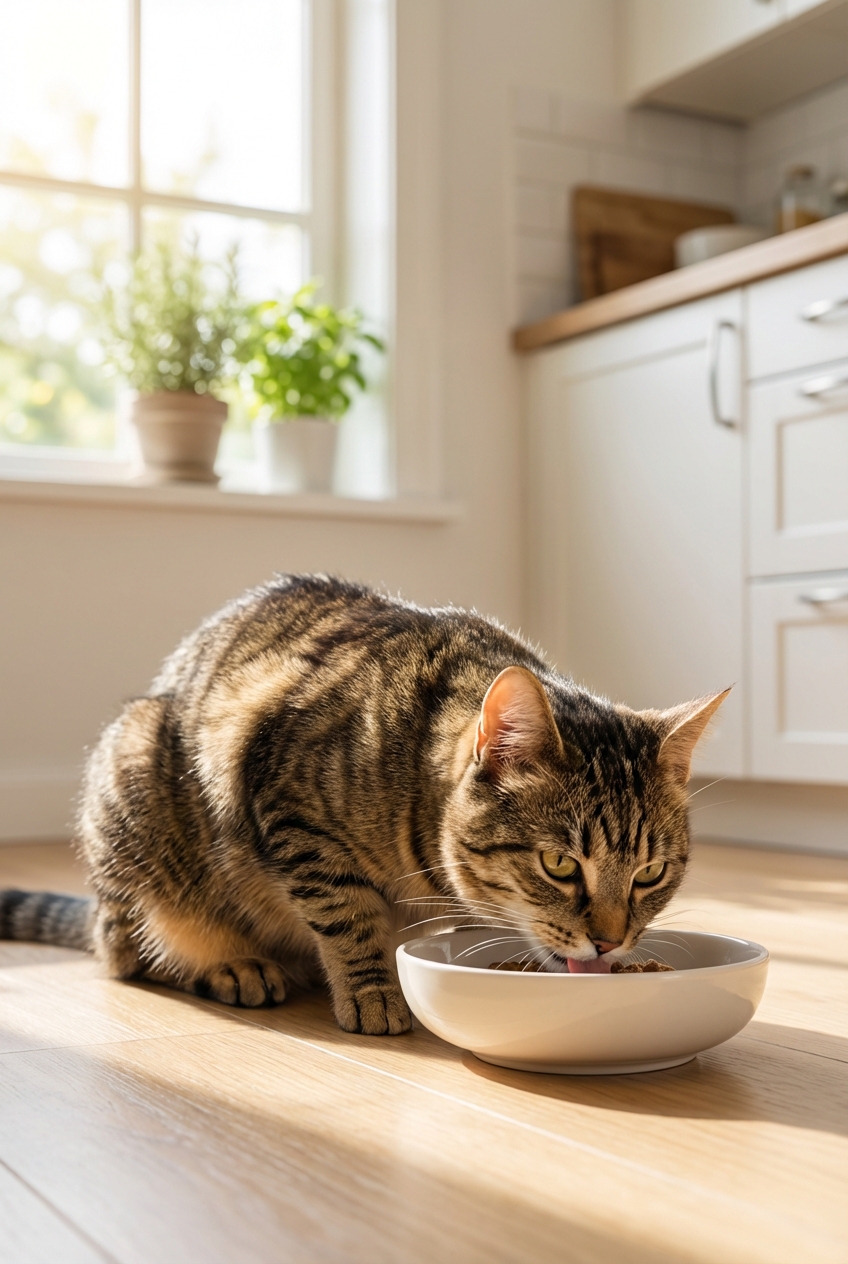
Protein is the nutritional cornerstone for cats. It provides the amino acids cats need every day for muscle maintenance, organ function, skin and coat health, and immune support. Cats also have a higher baseline protein need than many omnivores, in part because they naturally break down amino acids for energy at a steady rate.
Why cats need animal-based protein
Animal tissues naturally provide key amino acids cats must get from food. For example, cats have a limited ability to make enough taurine, they require arginine from the diet, and methionine is an essential amino acid they cannot synthesize. Diets that fall short over time can contribute to serious health problems, especially affecting the heart, vision, and overall metabolism.
What to look for on the label
- Named animal proteins near the top of the ingredient list (chicken, turkey, salmon, beef).
- For canned foods, you will often see meat and broth first, which is normal and largely reflects water weight, not low quality.
- Be cautious with formulas where the first several ingredients are mostly starch sources (for example, multiple forms of corn, wheat, rice, tapioca, or potato). Carbohydrates are not automatically “bad,” but carb-heavy diets may be less ideal for some cats, especially if calories are hard to control.
Ingredients vs nutrition: a quick reality check
Ingredient lists are ordered by weight before cooking, so water-heavy ingredients (like fresh meat and broth) often appear first. This is why the ingredient list alone cannot tell you whether a food is “high protein” or the best choice. The full nutrient profile, calorie density, and whether the food is complete and balanced matter more.
Protein percentage: dry matter matters
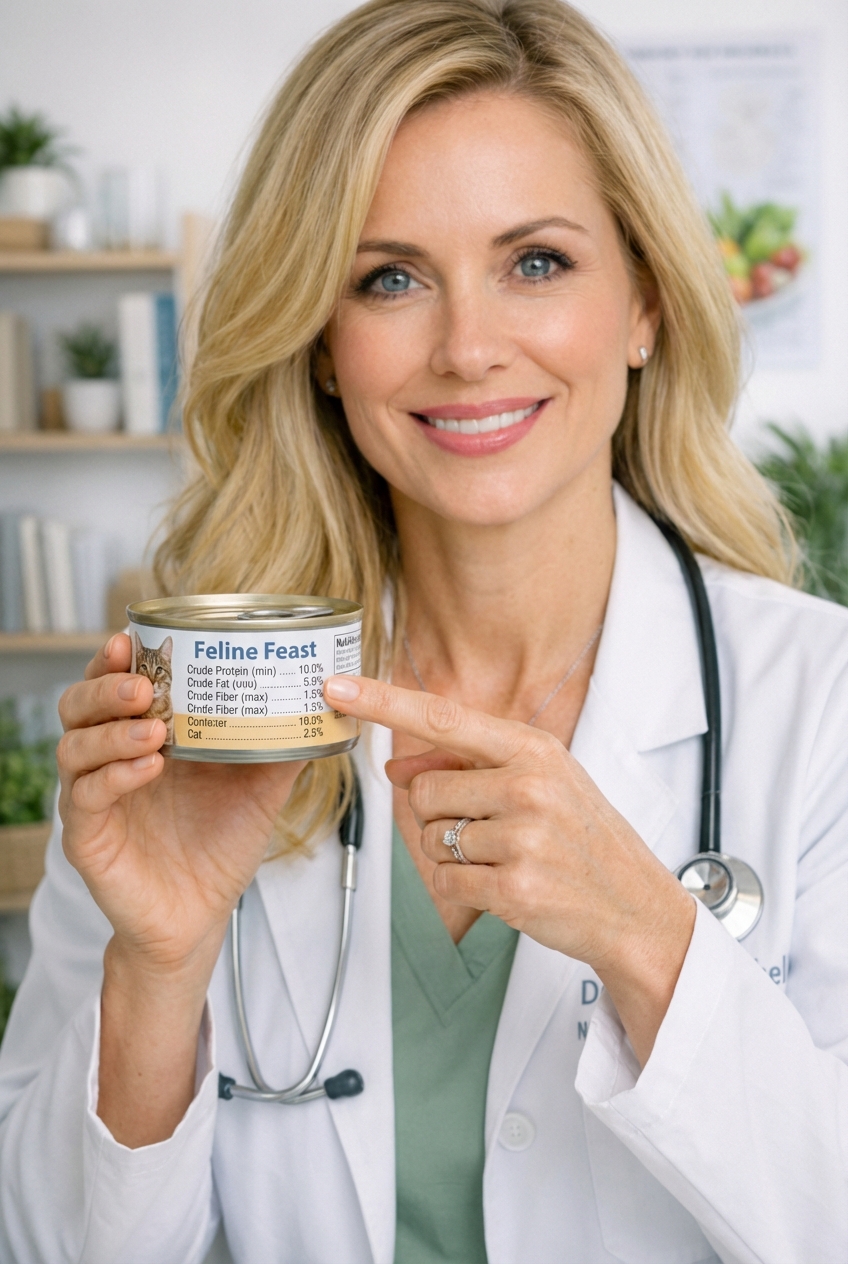
One common point of confusion is that wet food looks “lower protein” on the guaranteed analysis because it contains much more water. To compare wet vs dry fairly, nutrition professionals often use dry matter basis calculations. You do not have to do math every time, but here is a simple example:
- If a canned food is 10% protein with 78% moisture, its dry matter protein is about 45%: 10 ÷ (100 - 78) × 100.
Bottom line: a canned food can be protein-rich even when the label number looks modest.
Fat: Energy, nutrients, and a satisfied cat
Dietary fat is not the enemy. For cats, fat is a concentrated source of calories and supports healthy skin, a glossy coat, hormone production, and absorption of fat-soluble vitamins (A, D, E, and K). The goal is the right amount of fat for your cat’s life stage and body condition.
Why fat is important
- Energy: Cats naturally use fat and protein efficiently.
- Essential fatty acids: Cats need fats like arachidonic acid (found in animal tissues). Omega-3 fatty acids (like EPA and DHA from fish oil) can support skin, coat, joints, and inflammation balance.
- Palatability: A reasonable fat level helps food taste good, which matters for picky cats and seniors.
When “too much” becomes a problem
Fat is calorie-dense, so overdoing it can contribute to unwanted weight gain, especially in indoor cats who are less active. If your cat is gaining weight, the solution is usually not to eliminate fat entirely. Instead, work with your veterinarian to adjust portion sizes, calorie intake, and treat habits, and consider a diet formulated for weight management.
Moisture: The overlooked essential
Moisture is one of the biggest differences between feline nutrition and how many cats are actually fed. Cats evolved from desert-dwelling ancestors and often have a low thirst drive. That means many cats do not drink enough water to fully make up for a dry diet.
Why hydration supports urinary health
Adequate water intake helps dilute urine and supports normal bladder function, and it can be especially helpful for cats prone to urinary issues. While no single diet prevents every problem, increasing moisture intake is a widely recommended strategy in feline care, particularly for cats with a history of lower urinary tract concerns.
Note: For cats with kidney disease, hydration can be helpful, but nutrition management is more complex. Follow your veterinarian’s specific plan and recommended diet.
Wet food vs dry food
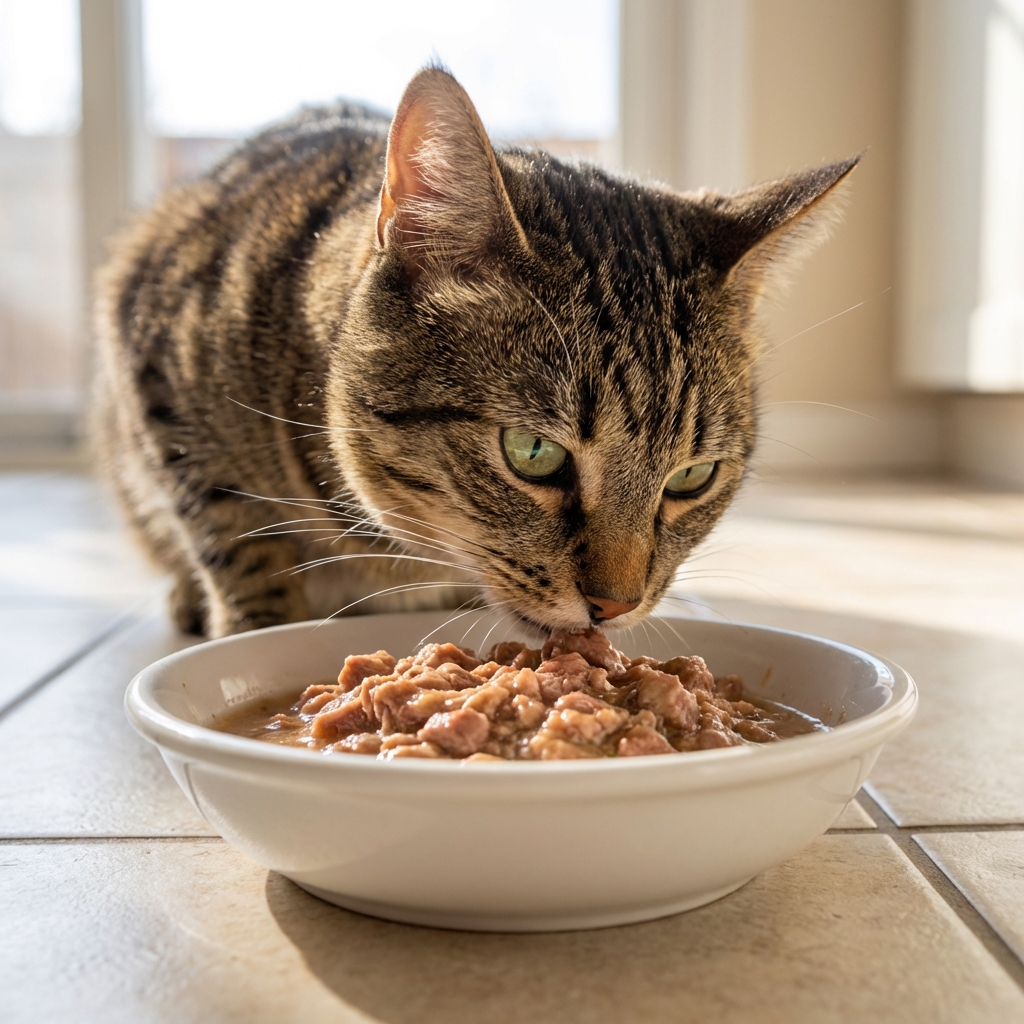
- Wet food typically contains about 70% to 80% water, supporting daily hydration.
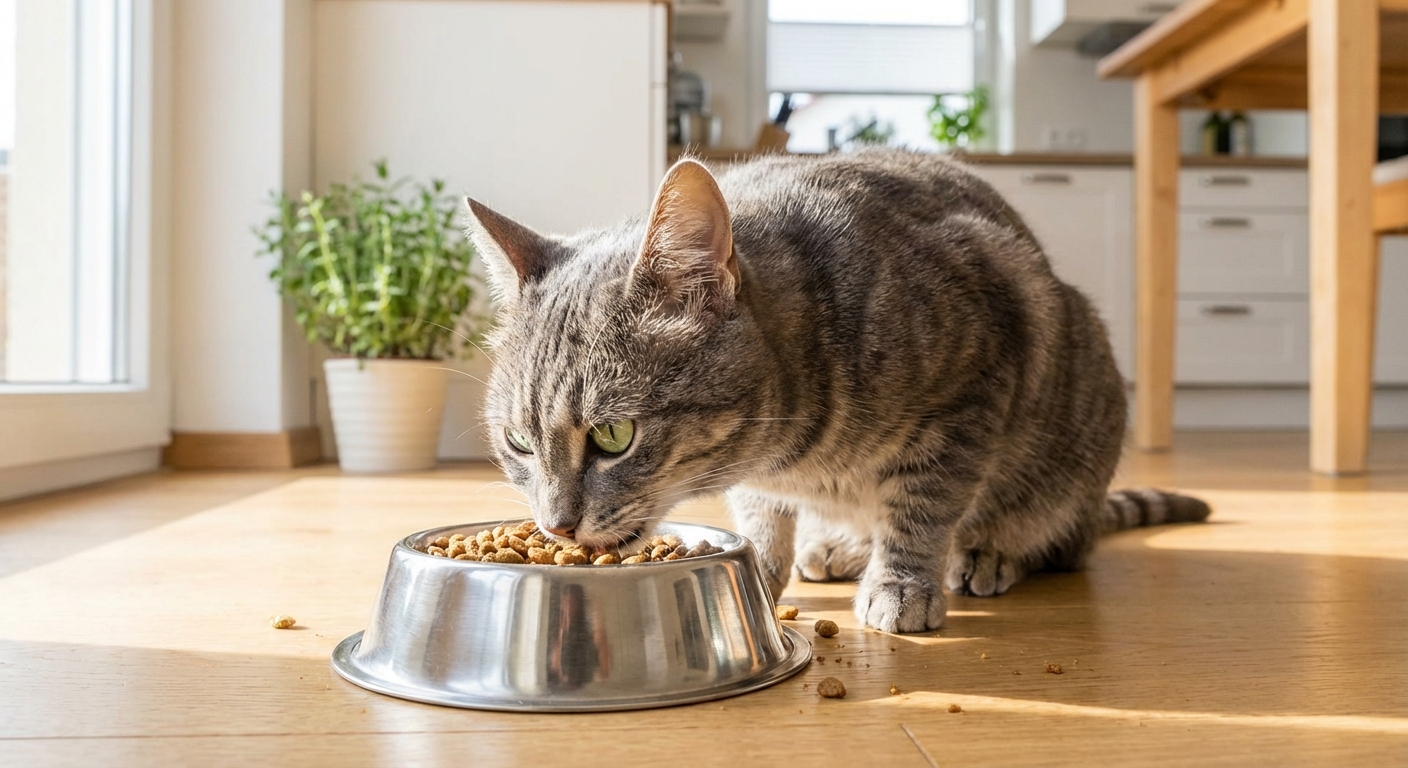
- Dry food is usually around 10% moisture, so cats must drink more to balance it.
- A mixed feeding approach can work well for many households: some canned food daily plus measured dry food, depending on your cat’s needs.
Easy ways to boost moisture
- Add a spoonful or two of warm water to canned food to make a “stew” texture.
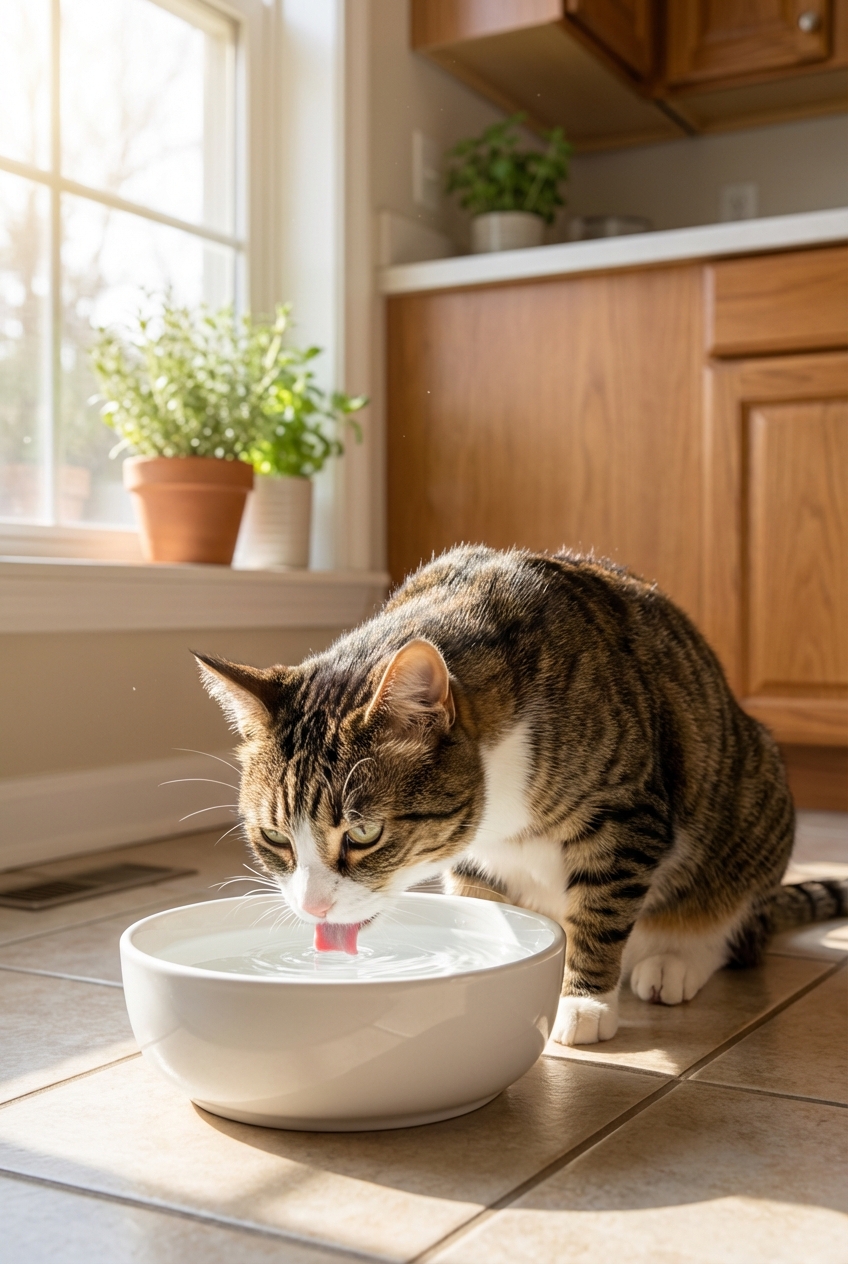
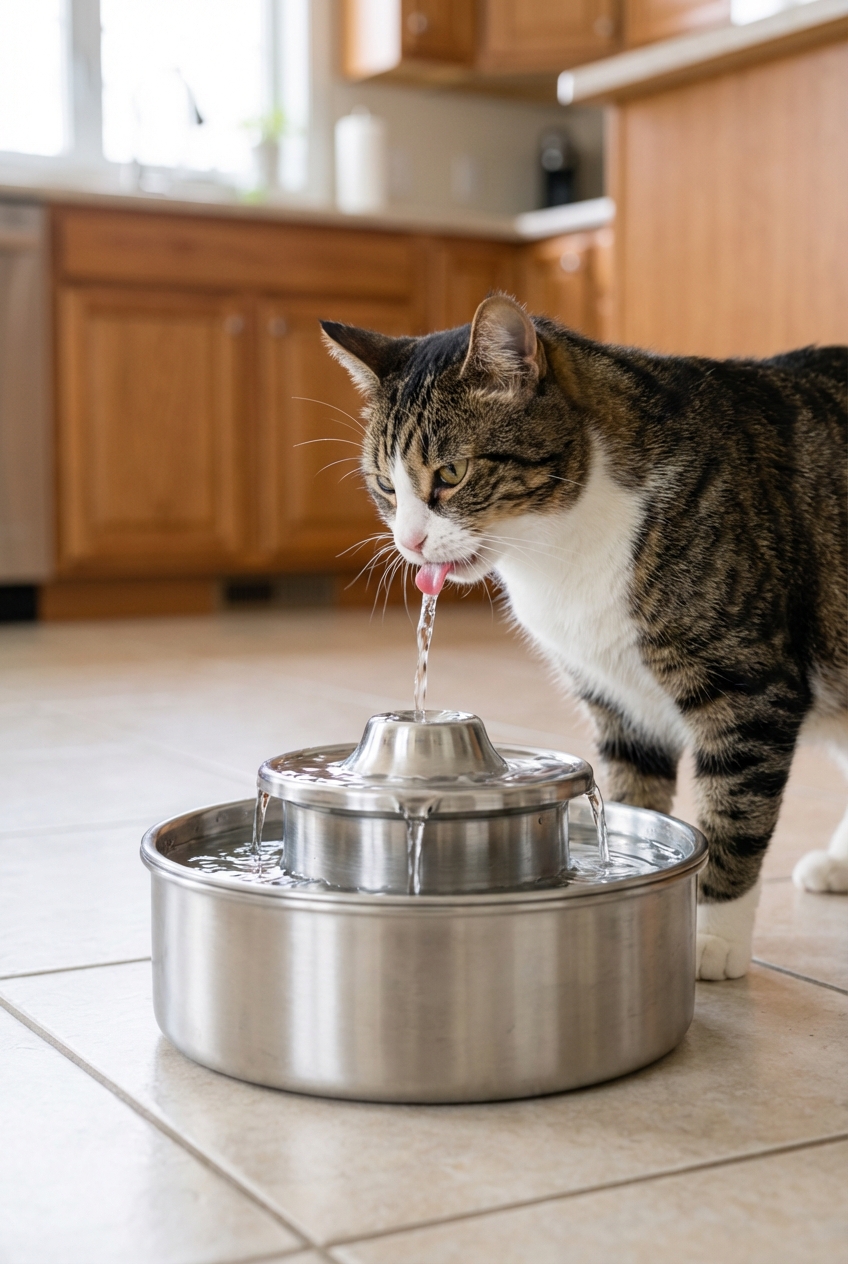
- Offer a pet water fountain. Many cats prefer moving water.
- Place multiple water bowls around the home, away from the litter box.
- Ask your veterinarian whether a urinary-focused diet is appropriate if your cat has a history of straining, frequent urination, or urinary blockages.
Putting it together: a simple checklist
If you want a quick, evidence-based way to evaluate a cat food, start here:
- Protein first: Named animal proteins and a formulation that meets AAFCO standards for your cat’s life stage.
- Appropriate fat: Enough for healthy skin and energy, not so much that weight creeps up.
- Prioritize moisture: Especially for cats that rarely drink water or have urinary sensitivities.
AAFCO statement: what it means
Look for an AAFCO nutritional adequacy statement. “Formulated to meet” means the recipe is designed to meet nutrient profiles, while “feeding trials” means the food has been tested by feeding it to cats under AAFCO protocols. Either can be appropriate, but the statement should match your cat’s life stage (growth, adult maintenance, or all life stages).
Life stage matters
Kittens and pregnant or nursing cats need more calories and nutrient density than typical adult cats. Seniors may need diets tailored to their body condition, dental comfort, and any medical conditions. When in doubt, ask your veterinarian which life stage and calorie target fits your cat right now.
Switch foods gradually
To reduce digestive upset, transition to a new food slowly over 5 to 7 days by mixing increasing amounts of the new diet with the old.
Action step: If you are unsure whether your current food is a good fit, take a photo of the label and ingredient list and bring it to your next vet visit. A five-minute conversation can prevent months of trial and error.
Important note: If you are considering home-prepared diets for your cat, do it with guidance from your veterinarian or a board-certified veterinary nutritionist. Cats have very specific requirements (taurine is a big one), and “close enough” recipes can lead to deficiencies over time.