
Cat Not Grooming Herself: Causes and When to Worry

One of the sweetest things about cats is how naturally clean they are. So when a cat stops grooming, it is usually not “just a phase.” In my experience as a veterinary assistant, under-grooming is often an early clue that something hurts, something feels off, or a medical problem is brewing.
This guide will walk you through the most common reasons cats stop grooming, what a greasy or matted coat can signal, how you can help at home safely, and the red flags that should prompt a prompt veterinary visit.
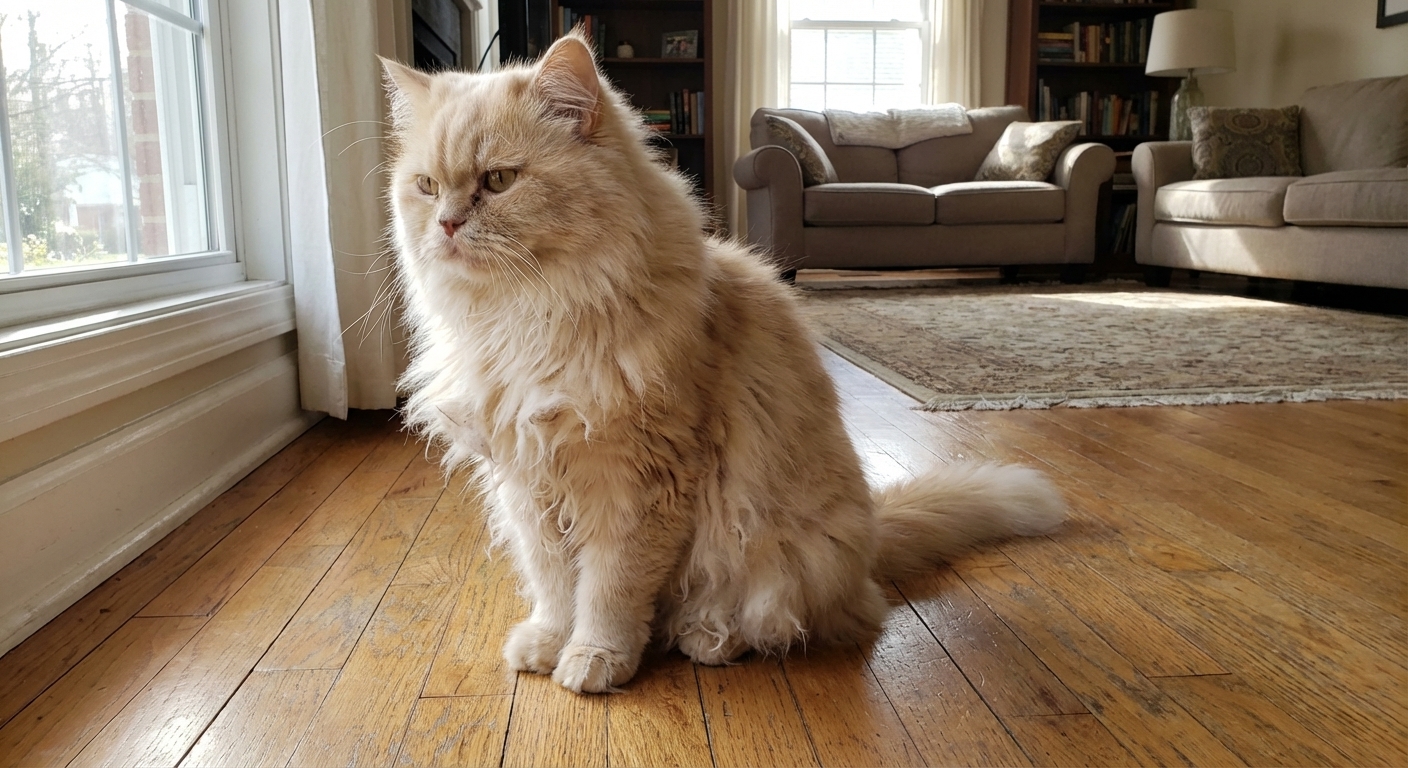
What normal grooming looks like
Most cats spend a good chunk of their day grooming. It is not vanity. Grooming helps with temperature regulation, skin and coat health, scent management, and even stress relief.
If your cat suddenly seems unkempt, stops cleaning certain areas (often the back, hips, or belly), or the coat starts to feel oily, that change matters. A gradual slowdown can also be significant, especially in older cats.
Common reasons a cat stops grooming
Under-grooming is a symptom, not a diagnosis. Here are the most common causes I see, and what to watch for with each one.
Arthritis and other pain
Arthritis is very common in adult and senior cats, and it is also underdiagnosed because cats are masters at hiding pain. Grooming requires twisting, bending, and reaching. If your cat has joint pain, she may stop grooming the hard-to-reach spots first.
- Clues: mats along the lower back, hips, and base of the tail; hesitating to jump; stiffness after resting; irritability when touched.
- Why it happens: grooming becomes uncomfortable, so your cat conserves movement.
Obesity or decreased mobility
Extra weight makes it physically harder for a cat to reach the back and belly. Obesity can also worsen inflammation and joint stress, which further reduces grooming.
- Clues: dandruff or greasy fur along the spine; urine or fecal staining around the rear; trouble reaching to lick the belly.
- Why it happens: limited flexibility and lower overall activity.
Dental disease or mouth pain
Grooming depends on a comfortable mouth and tongue. If your cat has painful teeth, inflamed gums, or an oral infection, licking can hurt.
- Clues: bad breath, drooling, pawing at the mouth, eating slower, dropping kibble, preferring soft food.
- Why it happens: licking and tongue movement can be painful.
Nausea or digestive upset
Cats that feel nauseated often groom less because they feel crummy, not because they are “lazy.” Nausea can be caused by diet changes, hairballs, pancreatitis, kidney disease, liver disease, parasites, or other illness.
- Clues: decreased appetite, lip licking, swallowing repeatedly, hiding, vomiting, diarrhea, smacking lips.
- Why it happens: when the stomach feels off, grooming drops on the priority list.
Depression, stress, or anxiety
Big changes can disrupt grooming. A move, a new pet, a new baby, construction noise, or conflict with another cat can lead to less grooming and more hiding.
- Clues: hiding more, reduced play, changes in sleep, changes in litter box habits, appetite shifts.
- Why it happens: stress changes normal routines, including self-care behaviors.
Cognitive decline in senior cats
Senior cats can develop cognitive dysfunction, similar in concept to dementia. Some cats become disoriented or less interested in routines, including grooming.
- Clues: yowling at night, staring at walls, getting “stuck,” altered sleep patterns, more clinginess or more withdrawal.
- Why it happens: changes in brain function affect habits and behavior.
Underlying illness (the big category)
Many medical problems can reduce grooming simply because the cat feels unwell. Common examples include chronic kidney disease, hyperthyroidism, diabetes, anemia, fever, heart disease, and infections.
- Clues: weight loss or gain, drinking more or less, urinating more, reduced appetite, hiding, changes in breathing, weakness.
- Why it happens: a sick cat conserves energy and stops nonessential activities.
What a greasy, flaky, or matted coat is telling you
Your cat’s coat can act like a health report card. When grooming stops, the coat changes quickly.
Matted fur
Mats happen when loose hair is not removed and friction tangles it together. In long-haired cats, mats can form rapidly, especially under the arms, on the belly, behind the ears, and around the rear.
- Why it matters: mats can pull painfully on skin, trap moisture and bacteria, and hide wounds, fleas, or skin infections.
- Extra concern: sudden matting in a previously well-groomed cat often points to pain, illness, or mobility trouble.
Greasy or dull coat
A greasy feel can mean your cat is not distributing oils normally through grooming. It can also show up with obesity, arthritis, dental pain, and systemic illness.
- Why it matters: while “oily” sounds minor, it is often a sign your cat is struggling physically or feeling unwell.
Flakes and dandruff
Dandruff can be from dry skin, parasites, allergies, poor grooming, dehydration, or underlying disease.
- Why it matters: dandruff plus decreased grooming can be a clue to arthritis, obesity, or systemic illness.
How to help at home (gently and safely)
You can absolutely support your cat while you figure out what is going on, but keep it gentle. If your cat stopped grooming due to pain, aggressive brushing can make her avoid handling even more.
Start with a simple coat check
- Look for mats, redness, scabs, flea dirt (black specks), and any foul odor.
- Check the rear end for staining, swelling, or stuck litter.
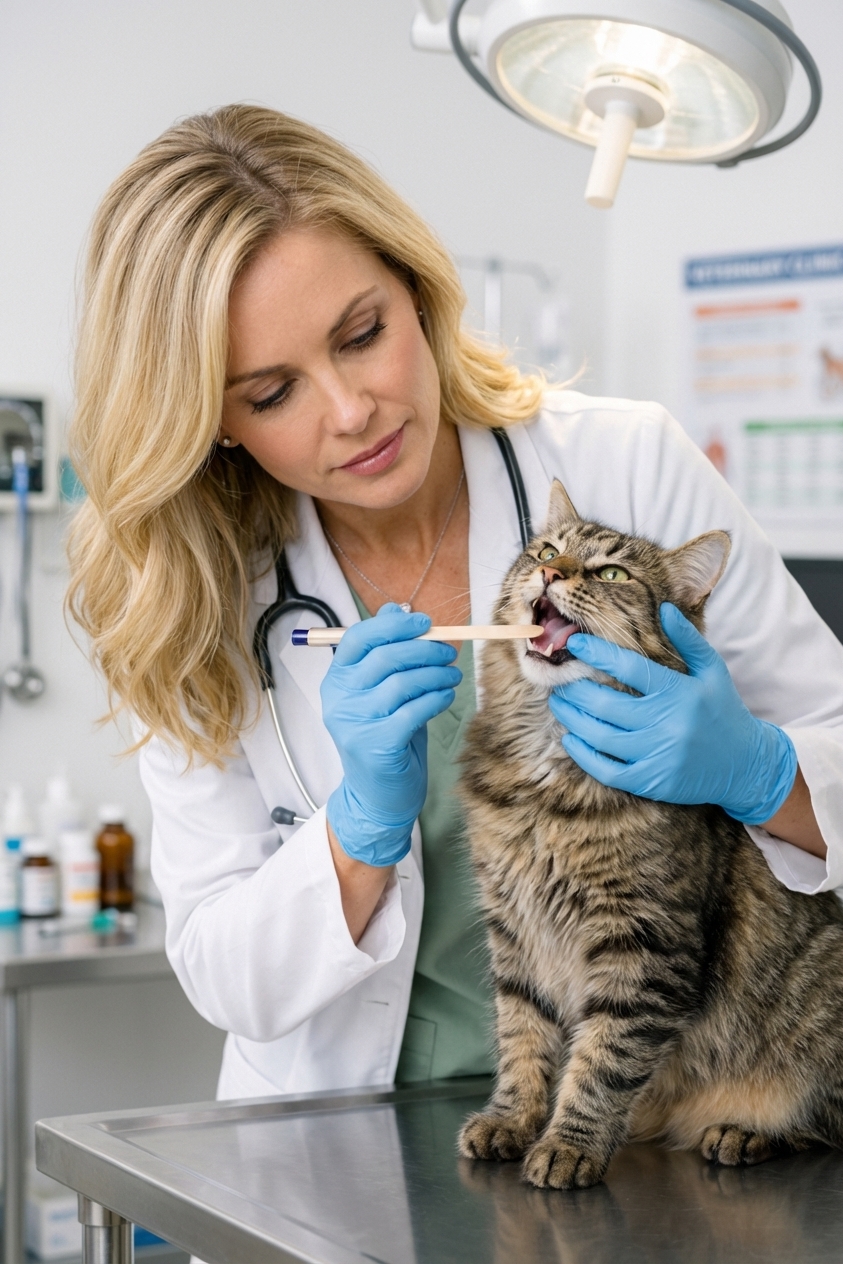
- Look inside the mouth if your cat allows it, and note drooling or bad breath.
Brush in short, calm sessions
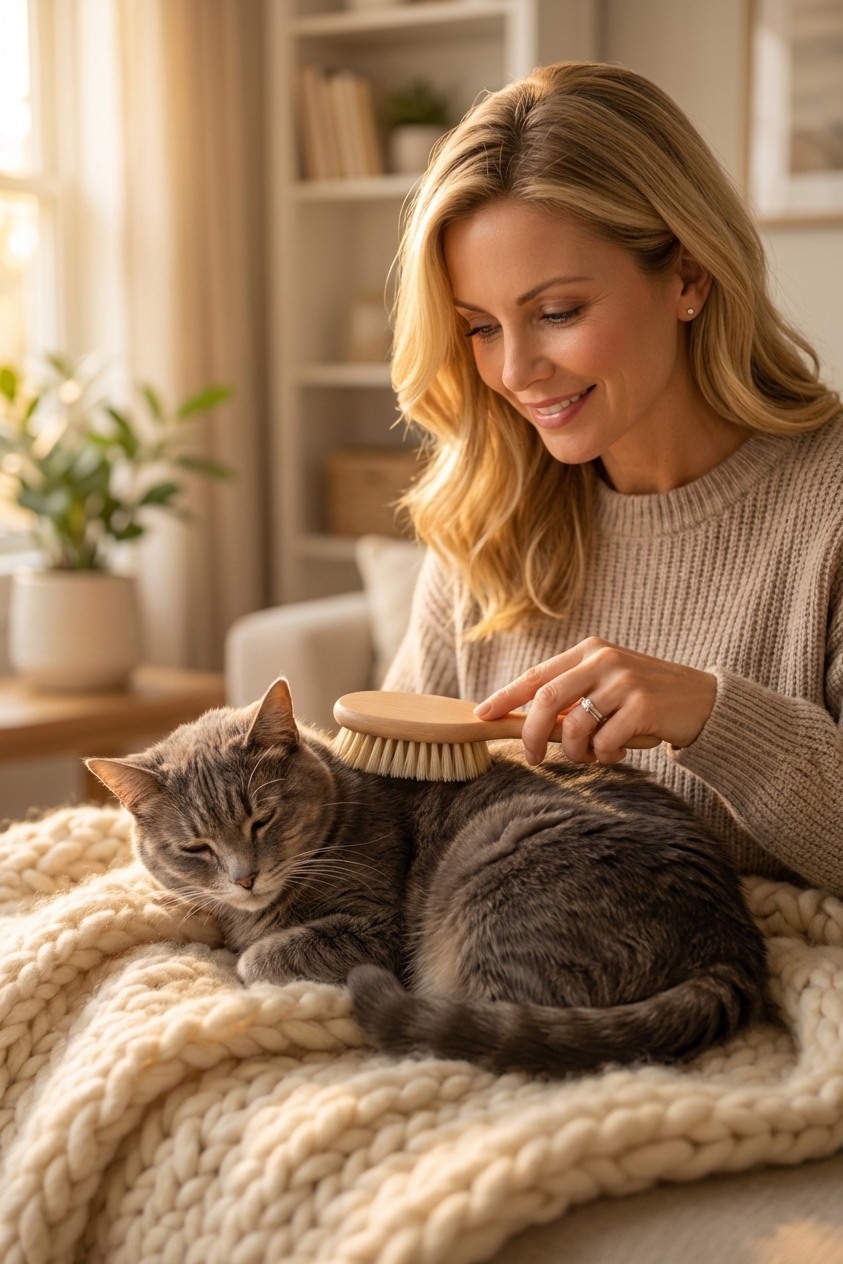
- Use a soft brush or grooming glove first, especially for sensitive cats.
- Keep sessions under 1 to 2 minutes initially and stop before your cat gets annoyed.
- Reward with a treat or a favorite activity afterward to build a positive association.
Do not pull out mats
Mats can be very tight and can hide thin, fragile skin underneath. Pulling can cause bruising or tearing.
- If mats are small: you can sometimes gently tease them apart with your fingers, then brush slowly from the ends.
- If mats are tight, large, or close to the skin: call your vet or a professional groomer experienced with cats.
- Skip scissors: it is very easy to cut cat skin accidentally because it is thin and can tent up into the mat.
Support comfort and routine
- Offer warm, quiet resting spaces.
- Make litter boxes easy to access, especially for older cats.
- Reduce stress where possible, including separating cats if there is conflict.
Nutrition and hydration matter
Skin and coat health depend on good nutrition and hydration, but do not treat diet as a substitute for medical care if your cat is showing concerning signs.
- Ensure fresh water is always available.
- Consider adding wet food if appropriate for your cat’s health needs, since it boosts hydration.
- Ask your veterinarian before starting supplements like fish oil, especially if your cat has digestive issues or is on medication.
When to worry: urgent vet visit red flags
If your cat is not grooming and also shows any of the symptoms below, it is time to call your veterinarian promptly, or seek emergency care if severe. Cats can deteriorate quickly, especially if they stop eating.
- Not eating for 24 hours (or significantly reduced appetite), especially in overweight cats due to risk of hepatic lipidosis
- Lethargy, weakness, or collapse
- Labored breathing, open-mouth breathing, or rapid breathing at rest
- Repeated vomiting, vomiting with blood, or severe diarrhea
- Straining to urinate, frequent trips to the box with little output, crying in the litter box (an emergency, especially in males)
- Sudden weight loss or excessive drinking and urination
- Yellow tint to gums, eyes, or skin (possible jaundice)
- Severe matting with skin redness, odor, or signs of infection
- Obvious pain when picked up or touched
What your vet may check
At the clinic, your veterinarian will likely focus on why your cat stopped grooming, not just the coat itself. Depending on your cat’s age and symptoms, they may recommend:
- A thorough physical exam, including joint and dental assessment
- Weight and body condition scoring
- Oral exam and discussion of dental cleaning if needed
- Bloodwork and urinalysis to screen for kidney disease, diabetes, hyperthyroidism, anemia, infection, and dehydration
- Pain management options for arthritis
- Parasite checks and skin evaluation if dandruff, itching, or fleas are suspected
Bring notes to your appointment. When did grooming change? Is your cat eating normally? Any vomiting, hiding, litter box changes, or jump hesitation? Those details are extremely helpful.
Quick checklist: what to do today
- Look at the coat: note mats, greasy areas, dandruff, odor, or staining.
- Watch behavior: jumping, hiding, appetite, and litter box habits.
- Brush gently: short sessions, no pulling, no scissors on mats.
- Call your vet: especially if this is sudden, your cat is older, or there are any red flags.
If your cat is not grooming, assume she is trying to tell you something. The sooner you investigate, the better the outcome usually is.