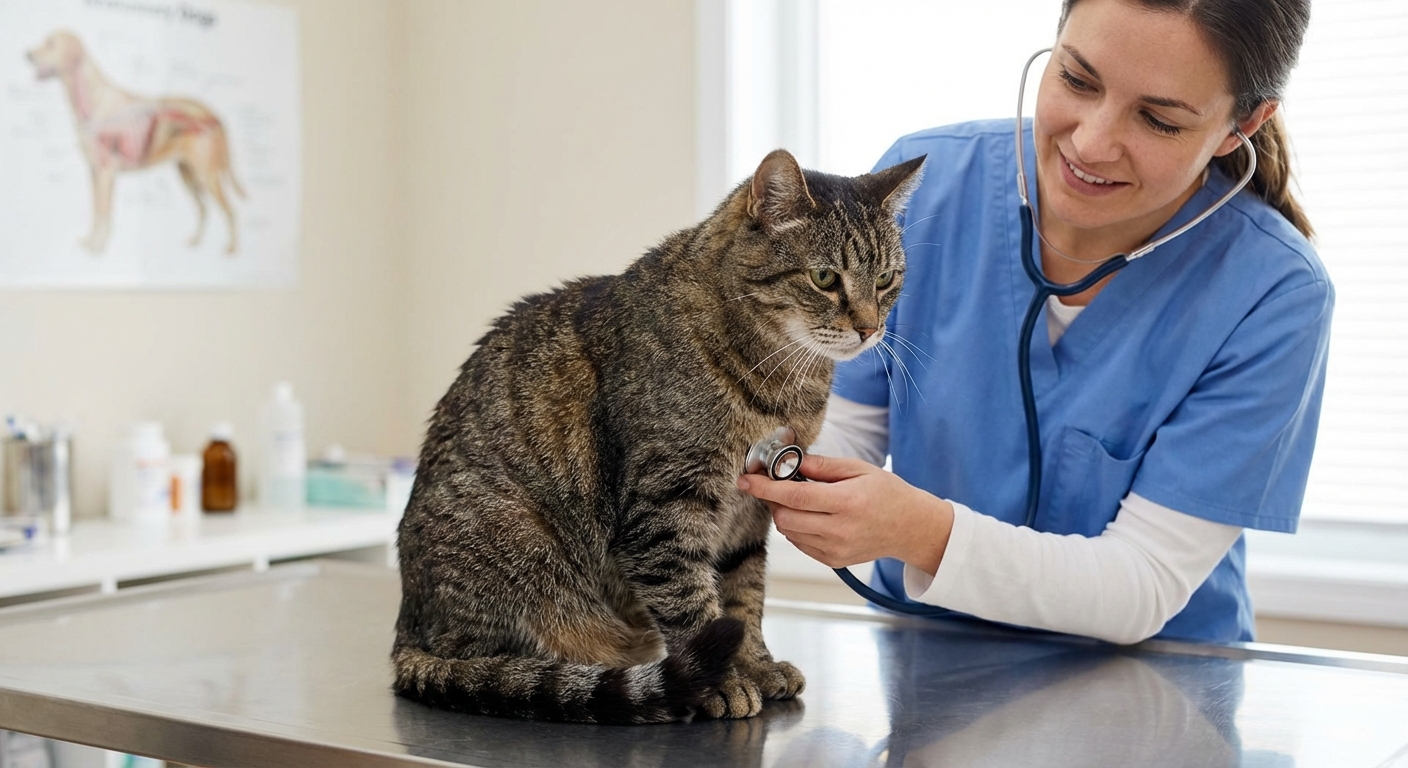
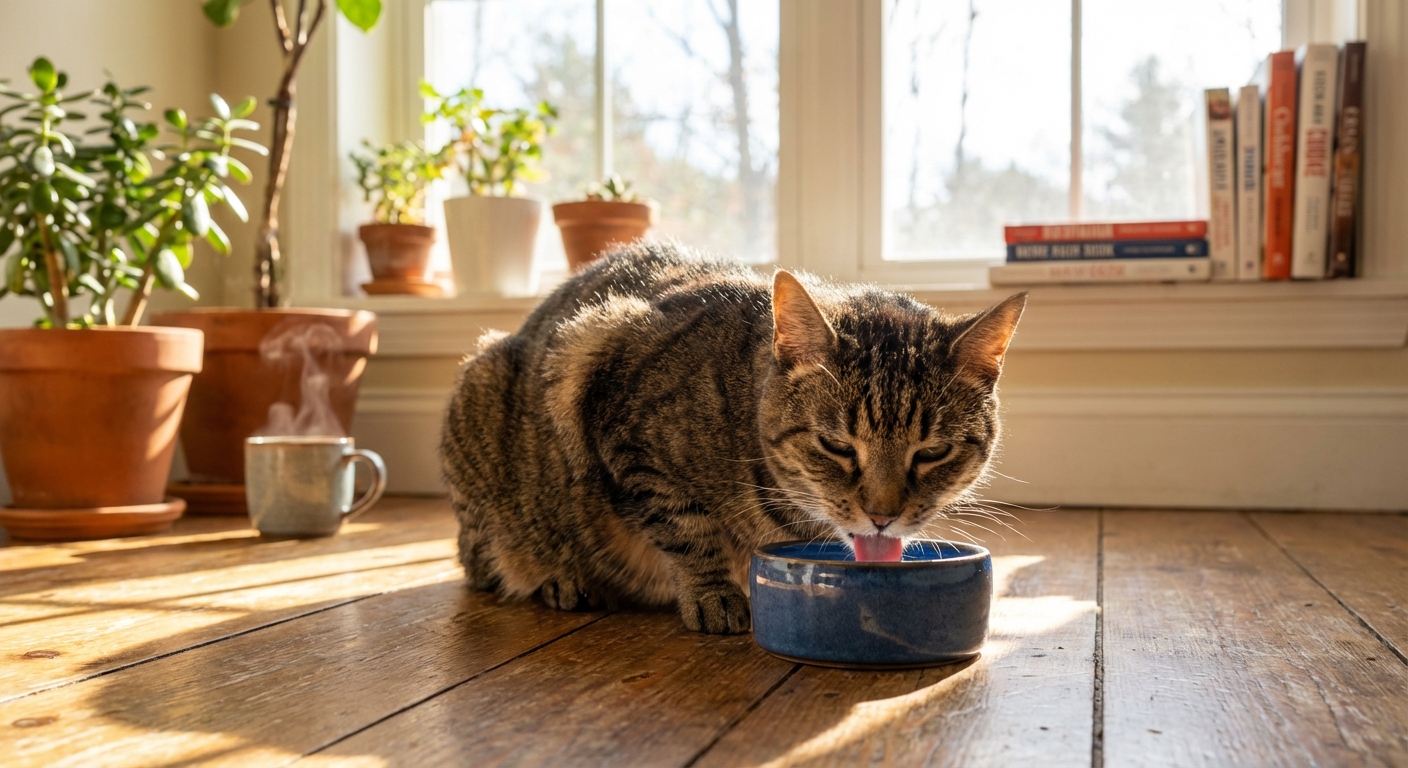
Worried your cat is too skinny? Learn when weight loss needs a vet visit, top medical causes, and practical feeding strategies—calorie-dense diets, meal ro...
Article
•
Designer Mixes
Cat Losing Weight: Secrets Revealed

Shari Shidate
Designer Mixes contributor
If your cat is losing weight and you are not trying to slim them down, I want you to take it seriously. In my work as a veterinary assistant here in Frisco, Texas, I have seen weight loss as the very first clue that something bigger is going on. The good news is that many causes are treatable once you catch them early.
One important note: if your cat is not eating at all, is vomiting repeatedly, seems weak, is breathing rapidly or with effort, is open-mouth breathing, or looks “not themselves,” skip the internet deep dive and call your veterinarian or an ER clinic today.
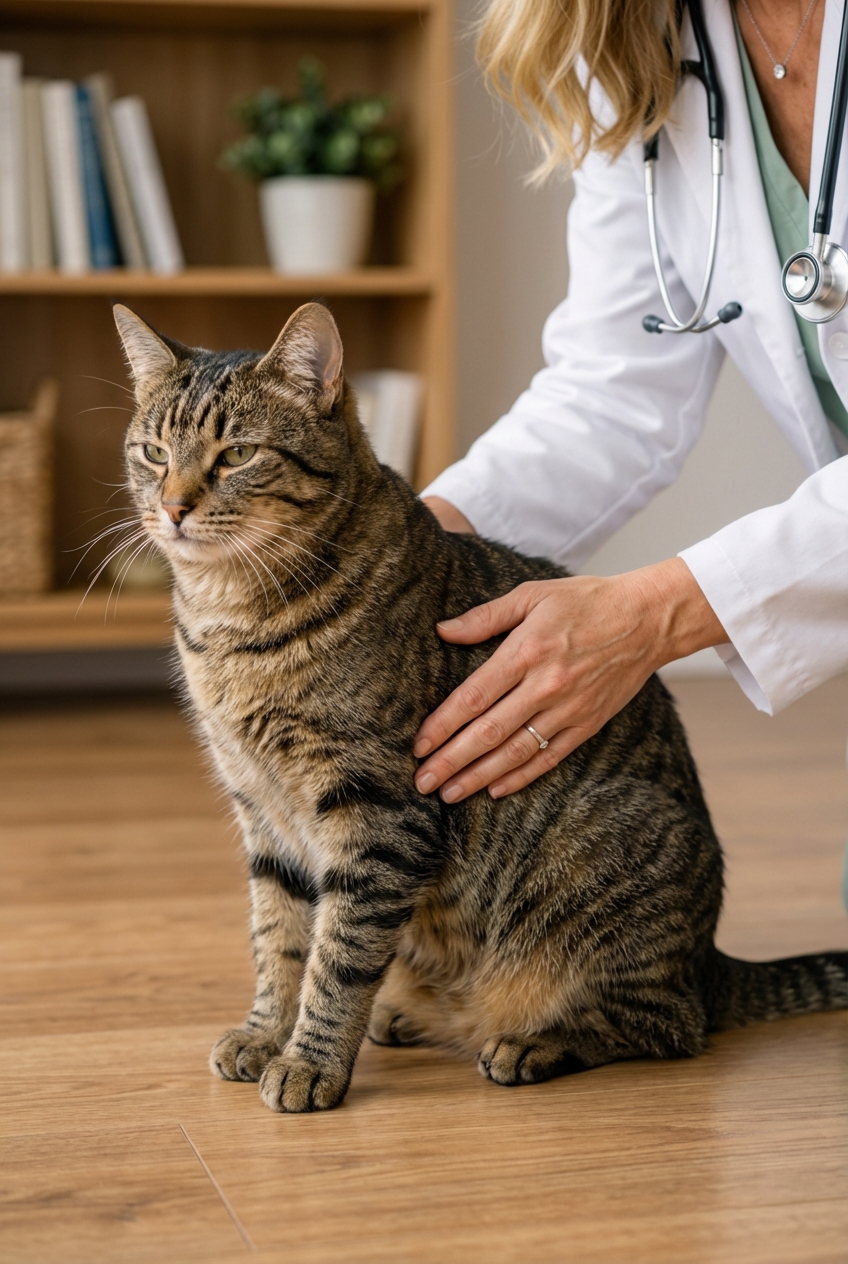
Is it real weight loss? Start with a simple check
Before we chase causes, we want to confirm what is actually changing. Fluffy coats can hide a lot, and cats can lose muscle before their overall size looks different.
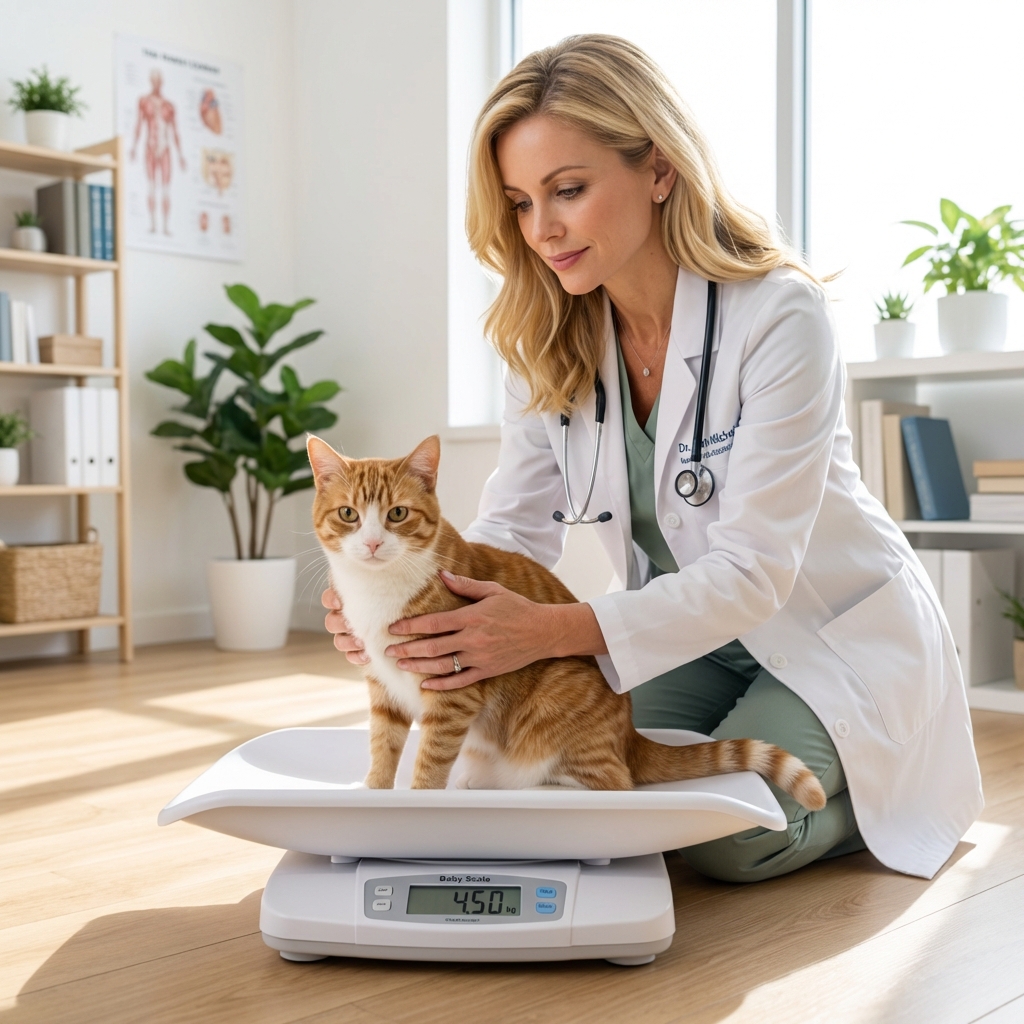
- Weigh weekly: Use a baby scale if you have one. If not, weigh yourself, then weigh yourself holding your cat, and subtract. Quick note: human scales can miss small changes that matter for cats, so focus on the trend over several weigh-ins, not one number.
- Check body condition: You should be able to feel ribs with a light touch, but they should not feel sharp or prominent. Hips and spine should not stick out.
- Watch muscle, not just fat: Muscle loss over the back or thighs can happen with thyroid disease, diabetes, kidney disease, cancer, chronic inflammation, and aging. It is also nonspecific, which is why it is worth investigating.
How much loss is too much? As a rule of thumb many vets use, losing more than about 5% of body weight over a month is worth a vet visit, sooner if your cat is older or has other symptoms. Any rapid or ongoing loss deserves a call.
Once you confirm the trend, the next step is matching the weight loss with other clues at home.
Top reasons cats lose weight (and what you can notice at home)
Weight loss is a symptom, not a diagnosis. These are some of the most common culprits, especially in adult and senior cats.
Hyperthyroidism
This is a classic cause in middle-aged and older cats. Their metabolism speeds up.
- Clues: increased appetite but still losing weight (the classic combo), restlessness, yowling, increased thirst, vomiting, poor coat quality, rapid heart rate.
- Vet tests: thyroid bloodwork (often total T4, sometimes additional thyroid tests).
Diabetes
When the body cannot use glucose properly, the cat can lose weight despite eating.
- Clues: increased thirst and urination, increased appetite, weight loss, sometimes walking “flat-footed” in the back legs.
- Vet tests: blood glucose and urine testing.
Chronic kidney disease
Kidney disease is very common in older cats and can cause gradual weight loss.
- Clues: picky appetite, nausea, weight loss, increased thirst, larger clumps in the litter box, bad breath, dehydration.
- Vet tests: bloodwork (including creatinine and SDMA), urinalysis, blood pressure.
Dental pain or mouth disease
Cats can be hungry but avoid eating if it hurts.
- Clues: chewing on one side, dropping kibble, pawing at mouth, bad breath, hiding, drooling, preference for softer food.
- Vet tests: oral exam, often dental X-rays under anesthesia.
GI problems
If the gut cannot digest or absorb well, weight loss follows.
- Clues: vomiting, diarrhea, soft stool, gas, ravenous appetite or poor appetite, hairballs more often than usual.
- Vet tests: fecal testing, bloodwork, ultrasound, sometimes diet trials or biopsies.
Stress and behavior changes
Cats are sensitive. A new pet, new baby, construction noise, moving homes, or even a new litter type can reduce intake.
- Clues: hiding, reduced play, eating less, tension with other pets, overgrooming.
Pain in seniors
Arthritis and other chronic pain can reduce appetite and activity, and it is easy to miss because cats are so good at masking discomfort.
- Clues: jumping less, stiffness, hiding more, irritability when touched, changes in litter box habits.
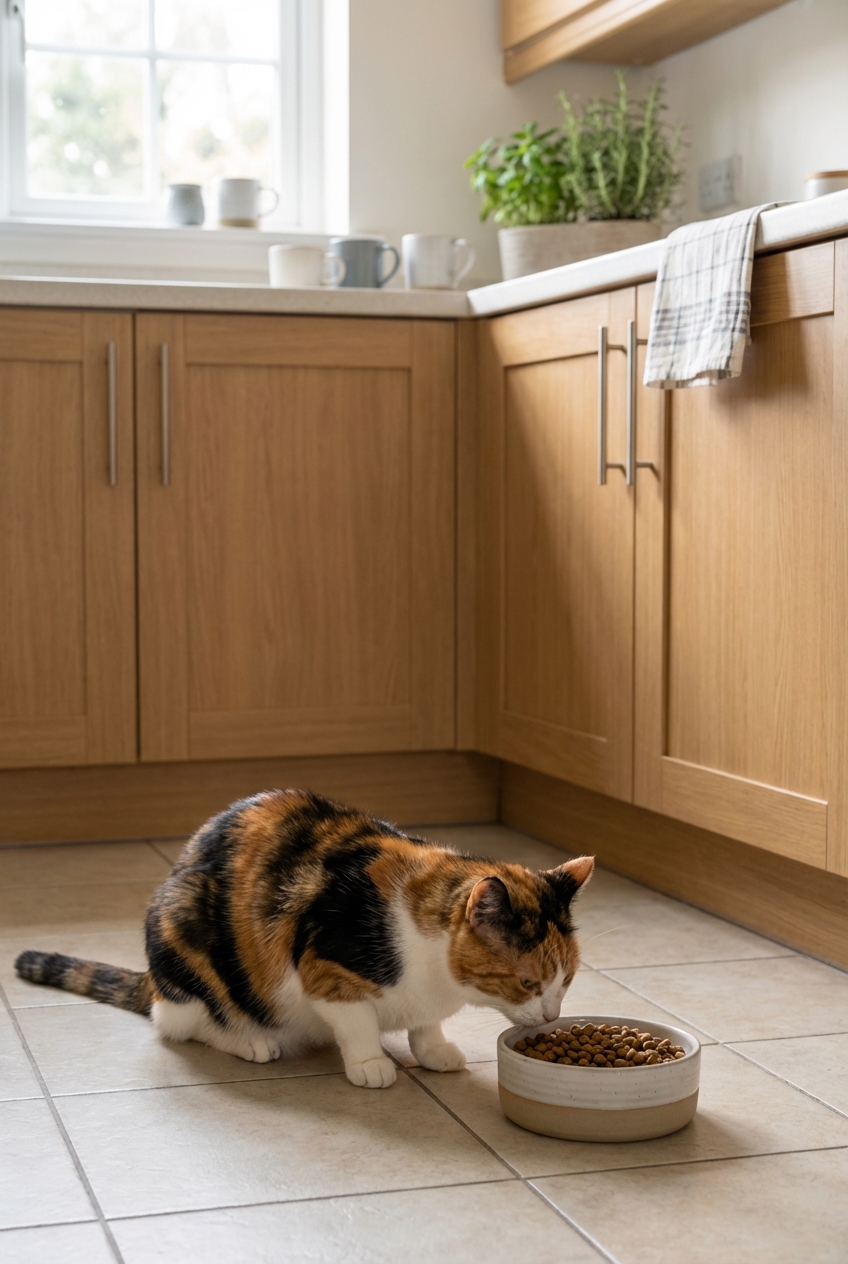
Commonly missed factors
These are the patterns I see owners miss most often. They are simple, but they matter.
Missed factor #1: They may be eating less than you think
Multi-cat households are famous for this. One cat may guard the bowl, or another cat may be finishing the food. Even in single-cat homes, some cats graze less as they age. Also, small changes like switching brands, feeding by “feel,” or a lower-calorie formula can create a calorie deficit faster than people expect.
- Offer measured meals for a week to find true intake.
- Feed cats separately if there is any competition.
- Use a microchip feeder if one cat steals food.
Missed factor #2: Treats can mask the real issue
It is easy to say “she ate today” because she took treats. But a few treats are not the same as a full balanced meal.
- Track meals and treats separately.
- If your cat is living on treats, plan a vet visit. Eating little or nothing for 24 to 72 hours can be dangerous in cats, especially overweight cats, due to the risk of hepatic lipidosis (fatty liver).
Missed factor #3: Nausea is sneaky
Cats rarely look dramatic when nauseated. They may just walk away from food, sniff and leave, or lick their lips.
- Clues: lip smacking, drooling, hiding, “meatloaf” posture, swallowing repeatedly, eating a little then stopping.
Missed factor #4: Protein matters
When cats lose weight, they often lose muscle. Cats are true carnivores, and they need enough high-quality animal protein to maintain lean body mass.
- Ask your vet about the best protein-forward diet for your cat’s life stage and health conditions.
- Senior cats, especially, may benefit from diets designed to support muscle maintenance.
What you can do today
1) Start a 7-day health log
This helps your veterinarian make faster, better decisions.
- Daily appetite: normal, increased, decreased, refusing
- Water intake: normal or increased
- Litter box: urination amount, stool quality
- Vomiting: frequency and what it looks like
- Energy level and behavior changes
- Weekly weight
2) Make food more appealing safely
- Offer small, frequent meals.
- Warm canned food slightly to enhance smell (warm, not hot).
- Try a different texture: pâté vs shreds vs chunks.
- Create a calm feeding spot away from noise and other pets.
Avoid: forcing food, sudden diet changes, and unbalanced homemade diets without guidance. For some medical conditions, the wrong foods can make things worse. Also avoid giving OTC human medications for nausea or appetite unless your veterinarian tells you to.
3) Check the basics: parasites and dental discomfort
Even indoor cats can get intestinal parasites. I commonly see exposure from fleas (tapeworm risk), potting soil, or the occasional “caught something” bug or lizard. And dental pain is incredibly common. If your cat’s breath smells worse than usual or they have any chewing changes, put dental disease high on your list.
When to see the vet
Schedule an appointment promptly if your cat:
- Has noticeable ongoing weight loss, even if it has only been a week
- Is over age 7 and losing weight at any pace
- Is eating but losing weight
- Is drinking more or urinating more
- Vomits repeatedly, has diarrhea, or seems nauseated
- Has bad breath, drools, or struggles to chew
Go urgently if your cat stops eating, is very lethargic, appears jaundiced (yellow gums or eyes), has trouble breathing, is open-mouth breathing, or collapses.
What to expect at the vet
Most “mystery weight loss” cases start with a good physical exam plus a few foundational tests. These are not about upselling, they are about finding the cause early.
- Weight trend and body condition scoring (and often a quick muscle condition score too)
- Full oral exam for dental disease
- Bloodwork to screen for kidney, liver, thyroid, anemia, infection, diabetes
- Urinalysis to evaluate kidney function and diabetes
- Fecal testing for parasites
- Imaging such as X-rays or ultrasound if needed
Bring your 7-day log and a list of foods, treats, and supplements. Those details can shave weeks off the process of figuring things out.
Feeding support while you investigate
Once your veterinarian is involved, the plan often includes nutritional support. The goal is not just “more calories,” it is steady intake with the right nutrients for your cat’s condition.
- If your cat is a picky eater, your vet may recommend a high-calorie recovery diet short-term.
- If nausea is suspected, treatment can include anti-nausea medication and appetite support.
- If a chronic illness is diagnosed, a therapeutic diet may protect organs and improve quality of life.
And please hear this with kindness: if your cat is losing weight, this is not the time to wing it with random supplements or an unbalanced homemade diet. Cats have very specific needs, including taurine, and deficiencies can develop faster than many people realize.
Bottom line
The biggest “secret” is that weight loss is often the earliest warning sign you will get. If you confirm it with a weekly weigh-in and act quickly with your veterinarian, you give your cat the best possible chance at a clear diagnosis and a comfortable, healthy life.
If you want a simple next step: weigh your cat today, start a 7-day log, and book an appointment if the trend is continuing. You do not have to figure this out alone.