If your cat is limping, learn the urgent red flags, safe first steps at home, common causes like sprains, wounds, abscesses, and arthritis, and when to see a...
Article
•
Designer Mixes
Cat Limping Front Paw Care

Shari Shidate
Designer Mixes contributor
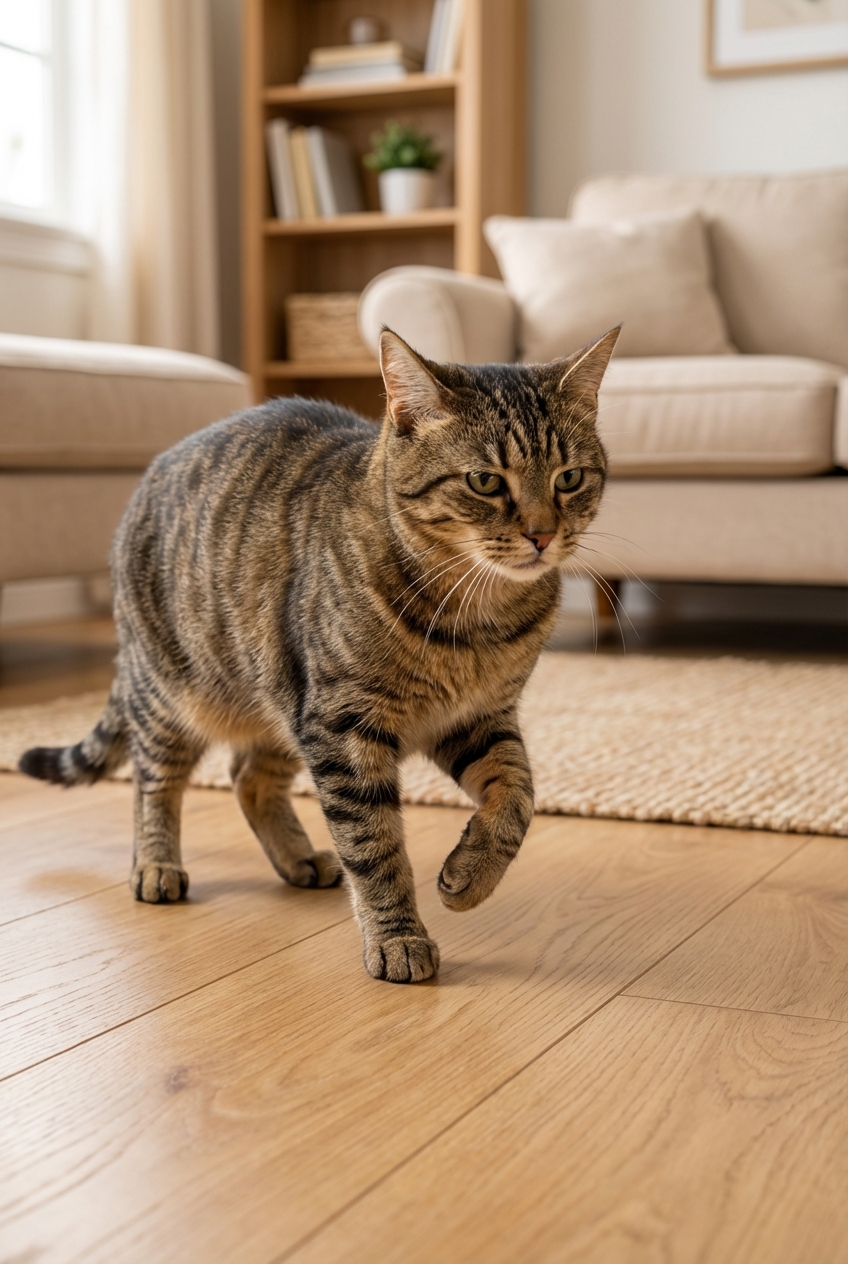
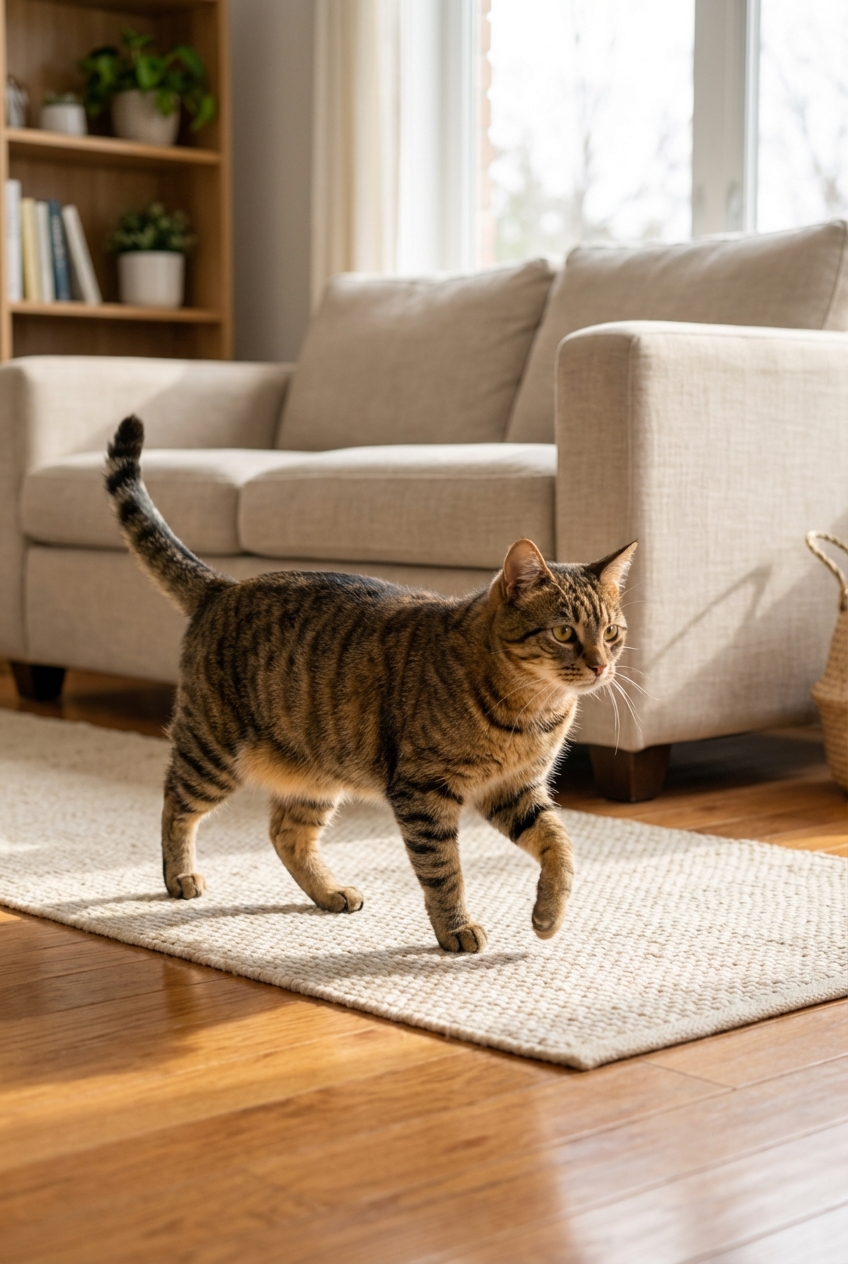
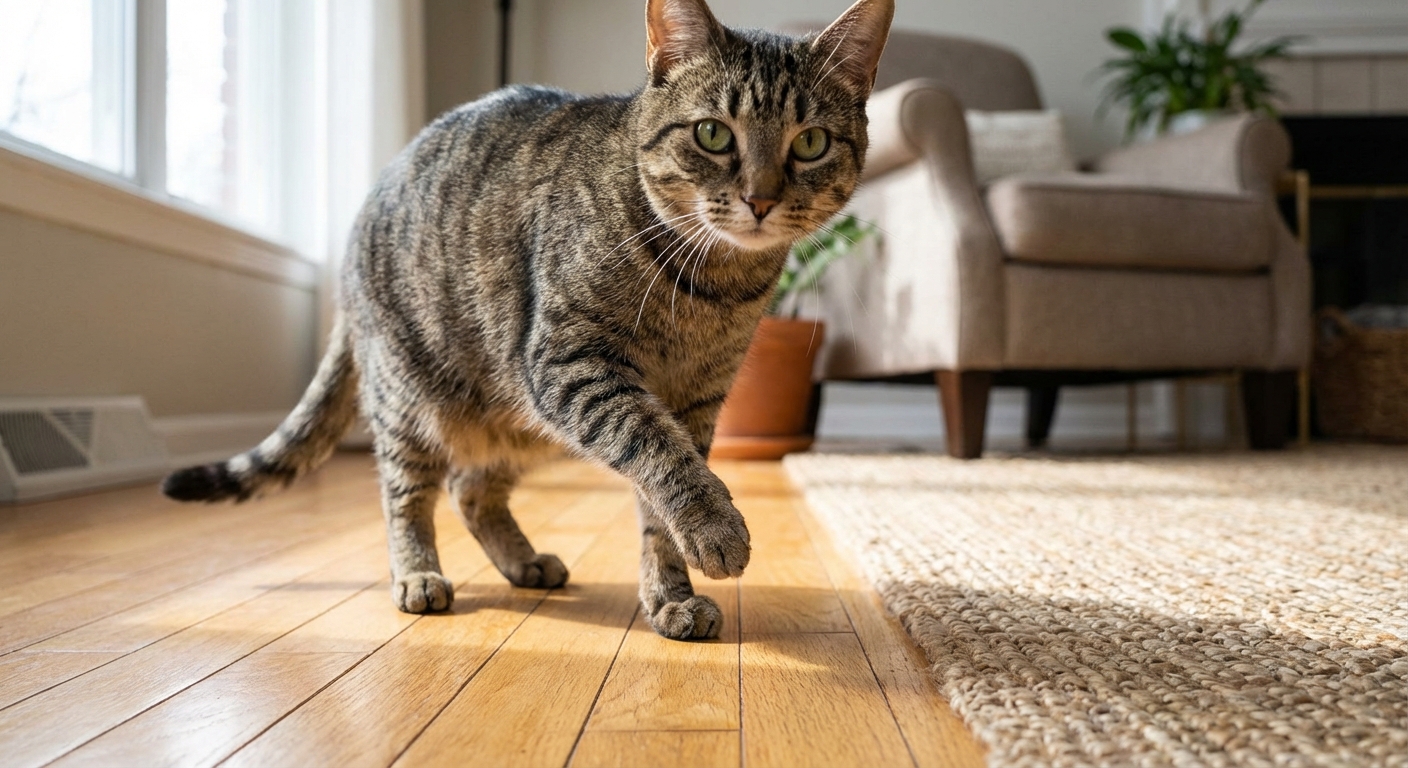
If your cat is limping on a front paw, it is your loving instincts kicking in for a good reason. Front-leg lameness can be as simple as a sore nail, or it can signal pain from an abscess, a sprain, a fracture, or even arthritis. The tricky part is that cats are masters at hiding discomfort.
As a veterinary assistant, I always tell families this: your job is not to diagnose at home. Your job is to keep your cat safe, notice key details, and get the right level of veterinary care at the right time.
First: a quick safety check
Before you touch the paw, set yourself up for success. A painful cat may swat or bite, even if they are normally sweet.
- Move slowly and stay calm. Stress may increase perceived pain and can make handling harder.
- Confine your cat to a small, quiet room (bathroom or bedroom) to prevent running or jumping.
- Use a towel wrap if needed to protect both of you.
- If your cat is open-mouth breathing, collapsing, or crying out in pain, skip the home check and go in right away.
When limping is an emergency
Some situations should be treated as urgent, even if your cat is still eating and purring. Seek emergency veterinary care now if you notice:
- Visible bone, heavy bleeding, or a deep wound
- The paw or leg is cold, or the pads and nail beds look pale, blue, or purple (circulation concern)
- Known trauma (hit by car, fall from height, slammed in door)
- Sudden non-weight-bearing (your cat will not put the paw down at all)
- A dangling limb, obvious deformity, or rapid swelling
- Severe pain (hissing, growling, hiding, cannot settle)
- Signs of systemic illness along with limping (lethargy, not eating, vomiting, acting “off,” or a fever confirmed by your veterinarian)
- Sudden weakness or more than one limb affected
If you are unsure, it is always appropriate to call an ER and describe what you see. They will help you triage.
Common reasons a cat limps on a front paw
Front paw limping has a wide range of causes. Here are some of the most common ones we see in clinics:
1) Nail or paw pad problems
- Broken or torn nail
- Nail growing into the pad
- Claw bed injury or nail avulsion (these can bleed a lot and look dramatic)
- Paw pad cut, burn (for example, from a hot surface), or foreign material stuck
2) Abscess or infection
Cat bites and punctures can seal over quickly and form an abscess. These often cause sudden limping and swelling. You may see a small scab, swelling between toes, or a foul smell once it drains.
3) Sprain, strain, or soft-tissue injury
Jumping off furniture, slipping, or rough play can inflame tendons and ligaments. Cats may limp intermittently, especially after activity.
4) Fracture or dislocation
Falls, accidents, or being stepped on can cause serious injury. Cats may hide, refuse to bear weight, and resist any touch.
5) Arthritis (yes, even in cats)
Arthritis is underrecognized in cats because they adapt by moving less. You may notice reduced jumping, stiffness after rest, or missed landings, plus limping.
6) “Something stuck”
Foxtails, tiny thorns, litter clumps, or debris can wedge between toes. These can cause an intense limp but may be hard to see without a careful look.
7) Pain higher up than the paw
Sometimes the issue is not the toes or pads at all. Shoulder, neck, or nerve pain can show up as a “paw limp,” which is one reason a full veterinary exam matters.
How to do a gentle at-home paw check
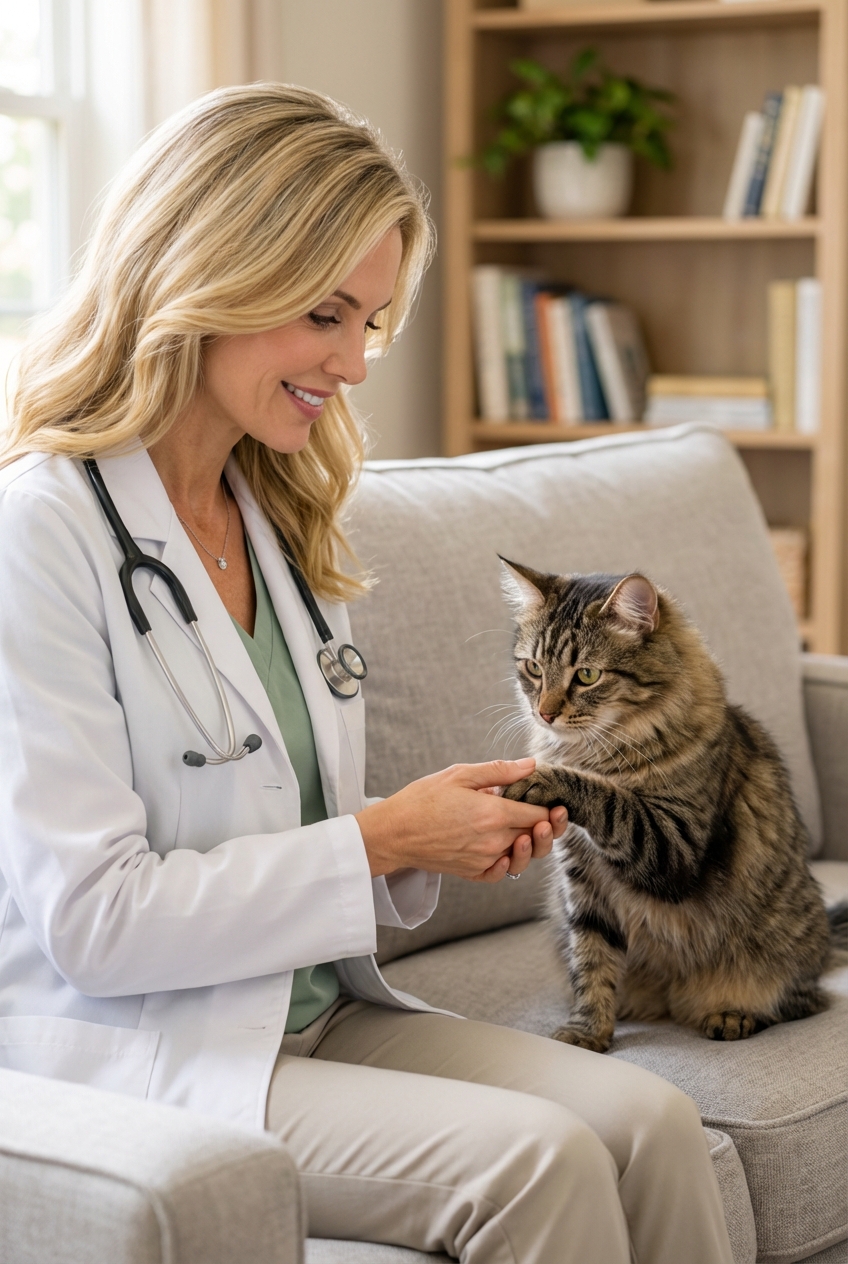
Think of this as a quick scan, not an in-depth exam. If your cat is very painful or won’t allow handling, stop and call your veterinarian.
Step-by-step
- Compare both front paws. Look for swelling, redness, or a different “shape.”
- Check the nails. Look for a torn nail, bleeding at the base, or a nail angled oddly.
- Inspect between toes and pads. Use a flashlight if needed. Look for debris, a puncture, or discharge.
- Sniff the paw. A strong odor can indicate infection.
- Very gently feel up the leg (paw to shoulder) for heat, swelling, or a painful spot. Stop if your cat reacts strongly.
Do not probe puncture wounds, squeeze swollen areas, or try to “pop” anything. This can worsen tissue damage, increase pain, and raise infection risk.
What you can do at home (and what to avoid)
Safe, helpful steps
- Rest is medicine. Keep your cat in a small room for 24 to 48 hours with food, water, and a litter box. Limit jumping by removing access to high furniture if possible.
- Keep your cat indoors. Do not allow outdoor time until your cat has been evaluated (or your veterinarian clears it).
- Make the setup easy. A low-sided litter box can help if stepping over a tall edge seems painful.
- Keep the paw clean and dry. If there is mild surface dirt, you can rinse with sterile saline or clean lukewarm water and pat dry.
- Use an e-collar if your cat is licking nonstop. Excess licking can worsen inflammation and contaminate wounds.
- Take notes or a short video. Record how your cat walks, whether the limp is constant, and any swelling you see. This helps your vet tremendously.
Avoid these common mistakes
- No human pain meds. Never give ibuprofen, naproxen, acetaminophen, aspirin, or other over-the-counter pain relievers unless your veterinarian specifically directs it. Many are toxic to cats, even in small doses.
- No essential oils on the paw. Many are irritating or unsafe for cats, and licking is almost guaranteed.
- Do not tightly wrap the paw. Improper bandages can cut off circulation or cause severe sores. If a bandage is needed, your veterinary team can show you safe technique.
- Do not force stretching or “testing” the leg. That can worsen sprains or fractures.
When to schedule a vet visit
Even if your cat seems okay, I recommend calling your vet and booking an appointment if:
- The limp lasts more than 24 hours, even if mild
- You see any swelling of the paw or limb
- Your cat is hiding, not eating normally, or less interactive
- There is a wound, discharge, or bad odor
- The limp keeps returning over days or weeks
Your veterinarian may recommend a physical exam, pain relief that is safe for cats, antibiotics if infection is suspected, and sometimes X-rays to check for fractures or arthritis.
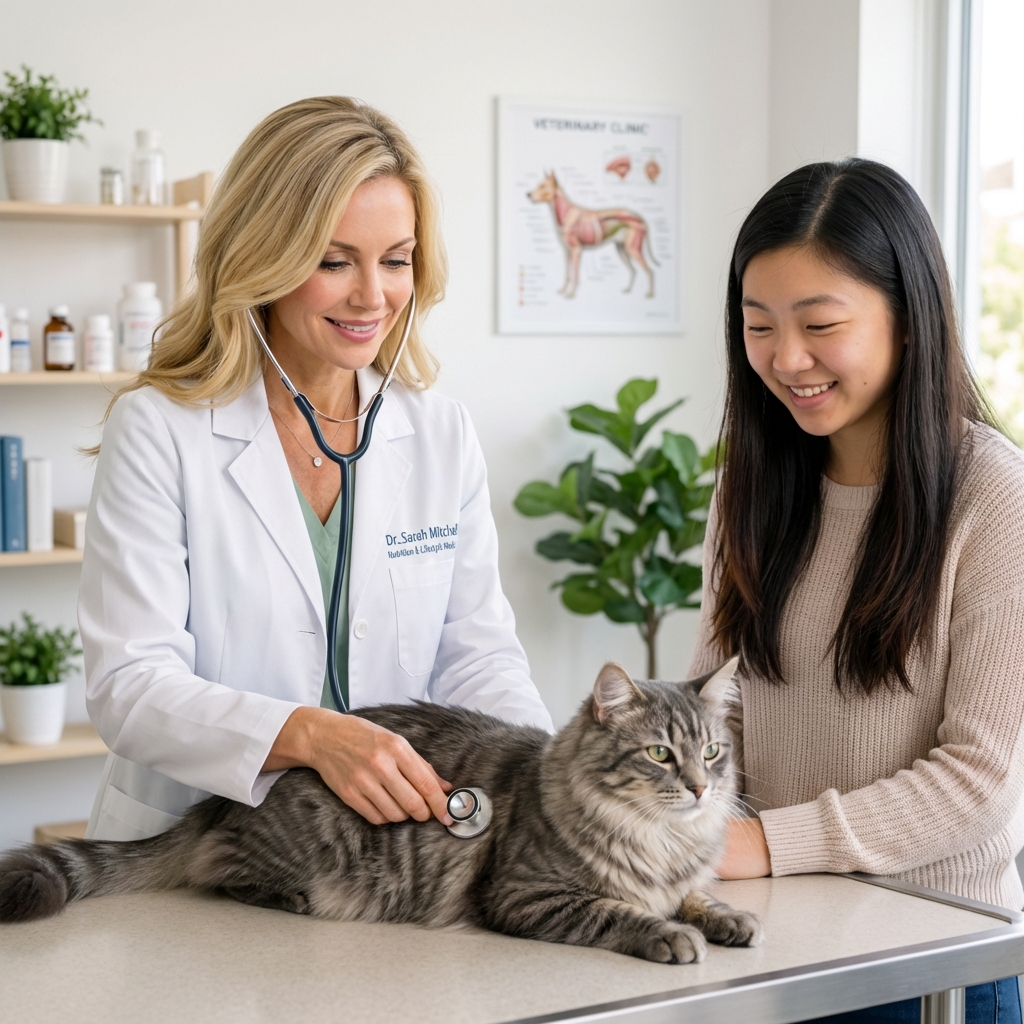
How vets diagnose a front paw limp
Knowing what may happen at the appointment can reduce stress for you and your cat.
- History: When it started, indoor/outdoor status, recent falls or fights, changes in appetite and activity.
- Hands-on exam: Gentle palpation of paw, toes, nails, wrist (carpus), elbow, shoulder, and spine.
- Temperature check: Fever is confirmed with a thermometer, not by ear warmth alone.
- Diagnostics: X-rays for bones and joints, and sometimes sedation for painful cats so the exam is safe and thorough.
- Wound care: Cleaning, flushing, and proper bandaging if needed.
Comfort and recovery at home
Once your vet has your cat on the right plan, your job becomes supportive care.
- Give medications exactly as prescribed. If dosing is difficult, ask about flavored liquids, compounded options, or pill-giving tips.
- Create a low-jump setup. Place food, water, and litter nearby. Offer a soft bed on the floor.
- Monitor daily: appetite, energy, swelling, discharge, and whether the limp improves.
- Keep follow-up appointments. Limping that improves and then returns is important to report.
If your cat is limping, pain is already present. The goal is to prevent a small problem from turning into a big one, and to get safe, cat-specific relief as quickly as possible.
Quick FAQ
Should I massage my cat’s paw?
Only if your cat enjoys it and there is no swelling, heat, or strong pain response. If you suspect injury or infection, skip massage and let your vet evaluate.
Can I use ice or heat?
In general, I recommend avoiding at-home hot or cold therapy unless your veterinarian instructs you. Cats often dislike it, and it is easy to overdo temperature or duration.
My cat limps but still jumps. Is it serious?
It can be. Cats will sometimes push through pain. A limp that persists beyond a day, or keeps coming back, deserves a veterinary exam.