A practical guide to low-phosphorus homemade meals for cats with CKD—what to avoid, safer ingredient building blocks, starter meal frameworks, and must-hav...
Article
•
Designer Mixes
Cat Kidney Failure Symptoms

Shari Shidate
Designer Mixes contributor
If you are here because your cat is “just not acting like themselves,” I want you to know you are not overreacting. Chronic kidney disease is one of the most common health conditions we see in senior cats, and the symptoms can be subtle at first. The sooner you recognize the signs and get your cat evaluated, the more options you typically have to help them feel better and maintain a good quality of life.
Important note: This guide is for education, not diagnosis. If you suspect kidney trouble, call your veterinarian or an emergency clinic.
What “kidney failure” means in cats
Many people hear “kidney failure” and picture only the very end stage. In reality, kidney disease in cats often exists on a spectrum. Some cats are in early chronic kidney disease (CKD) and feel mostly normal, while others have advanced disease and feel very unwell.
Your cat’s kidneys do far more than make urine. They help filter waste products from the blood, balance fluids and electrolytes, regulate blood pressure, and support red blood cell production.
When the kidneys are not working well, waste products and acids can build up. Hydration and electrolyte balance can shift. Many cats feel nauseous, tired, or generally unwell.
In cats, we usually talk about two categories:
- Chronic kidney disease (CKD): Slow, progressive loss of function over months to years. This is very common in older cats.
- Acute kidney injury (AKI): Sudden kidney dysfunction over hours to days. This can be caused by toxins (like lilies), severe dehydration, infections, some medications, or urinary obstruction.
Important: A urinary obstruction is a separate emergency that can secondarily damage the kidneys. If your cat is straining and cannot pass urine, that is an emergency even if kidney disease is also in the picture.
Most common symptoms to watch for
Kidney disease often starts quietly. Many cats compensate for a long time, which is why annual and senior bloodwork matters so much. Here are the symptoms I encourage families to take seriously.
Changes in drinking and urination
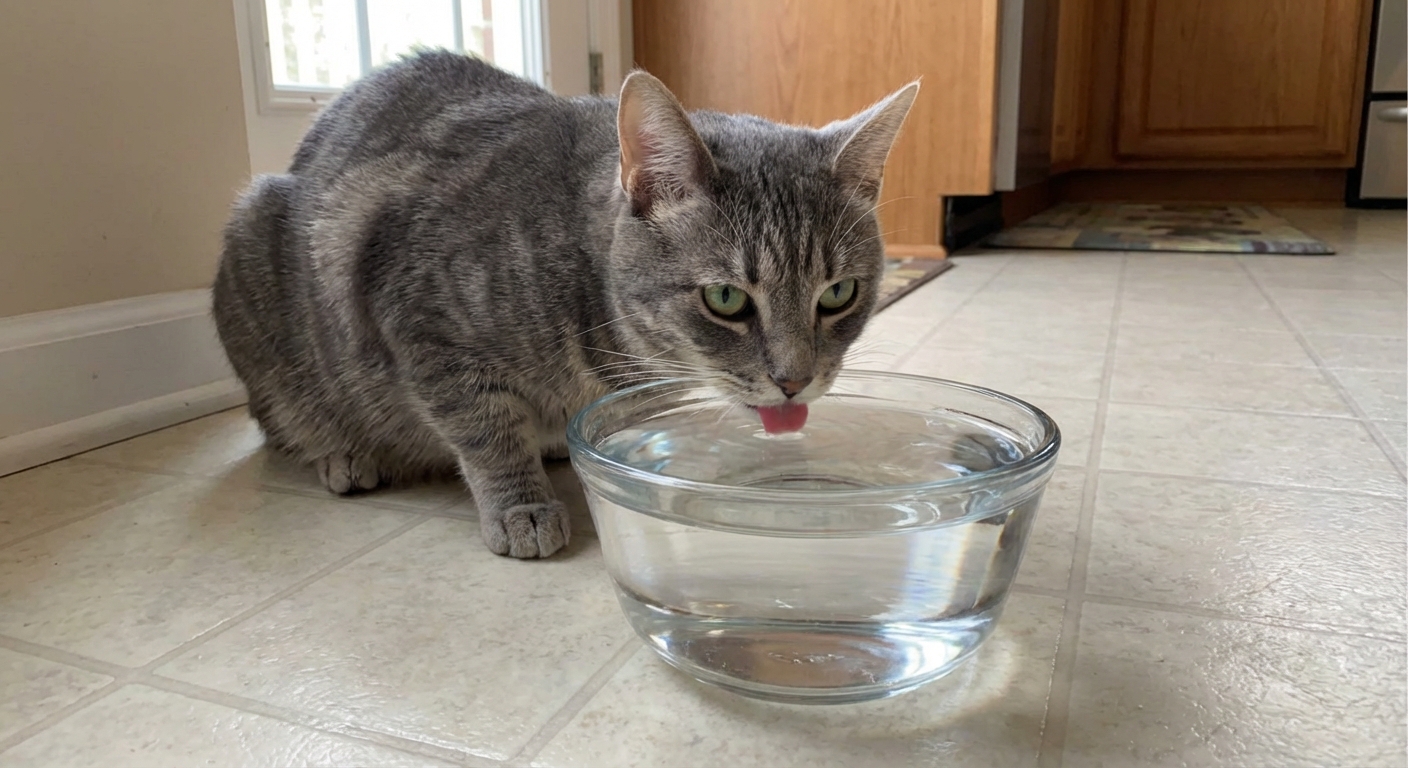
- Drinking more (you notice the water bowl empties faster, or your cat visits the fountain often)
- Peeing more (larger clumps in the litter box, more frequent urination)
- Accidents outside the box (sometimes due to urgency or increased volume)
Appetite and weight changes
- Decreased appetite or picky eating that is new
- Weight loss even if your cat still eats some
- Muscle loss along the spine or hips (often feels “bony”)
Gastrointestinal signs
- Vomiting (especially recurring or paired with poor appetite)
- Nausea signs like lip smacking, drooling, or sniffing food then walking away
- Constipation (dehydration can make stools dry and difficult to pass)
Energy and behavior changes
- Lethargy, sleeping more, less interest in play
- Hiding or being less social
- Weakness or seeming “wobbly”
Coat and breath changes
- Unkempt coat or reduced grooming
- Bad breath that smells ammonia-like
- Mouth sores (ulcers can occur with uremia)
Bad breath can also come from dental disease, which is one reason an exam matters. Vomiting and appetite changes can overlap with other issues too, like gastrointestinal disease, hyperthyroidism, or diabetes. Lab work helps sort out what is really going on.
Dehydration
Even if your cat is drinking more, they can still become dehydrated because compromised kidneys lose the ability to concentrate urine.
- Dry or tacky gums
- Sunken-looking eyes
- Reduced skin elasticity (your veterinarian may check “skin tenting”)
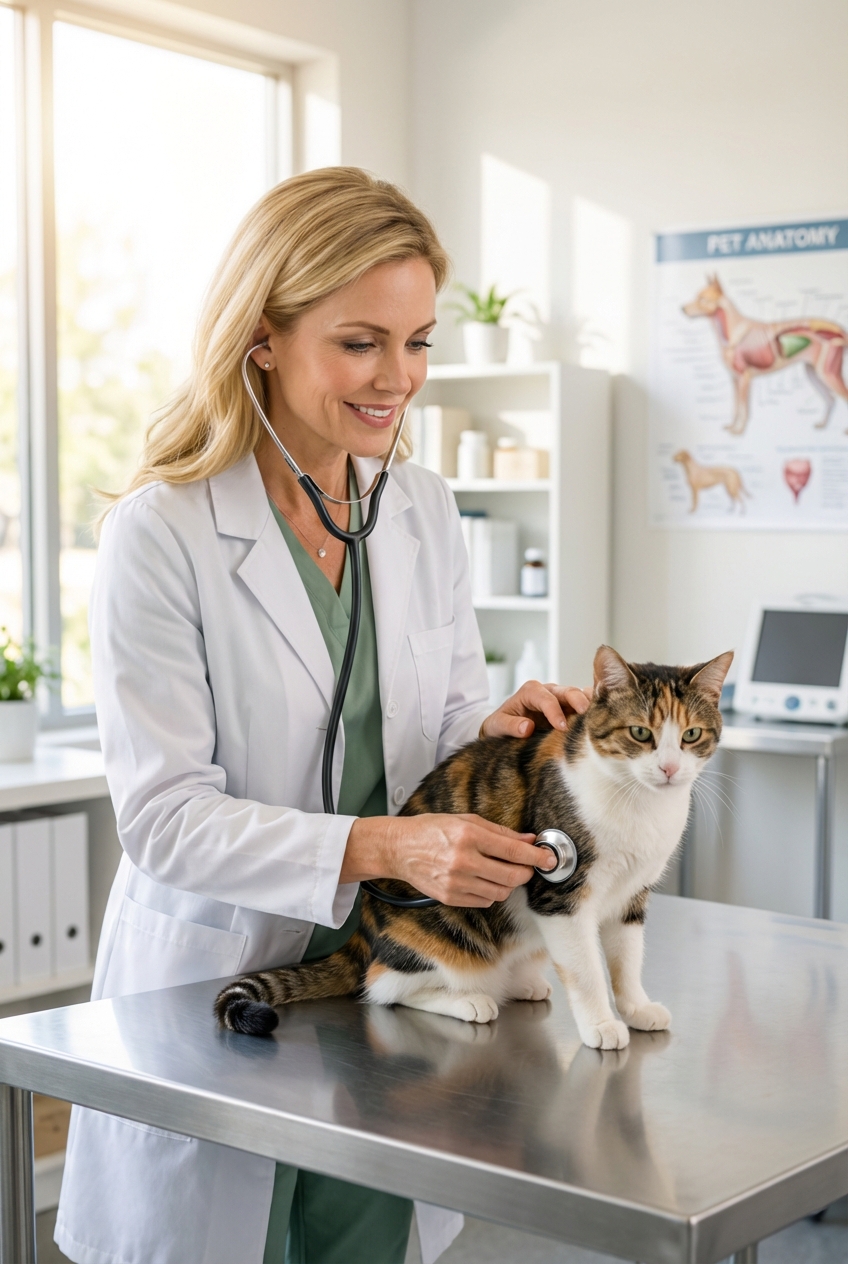
If you notice two or more of these changes together, it is time to schedule a veterinary visit.
Next, let’s separate “concerning” from “go now” signs.
Emergency symptoms: when to go now
Some signs suggest a rapid decline or a different emergency problem (like a urinary blockage). Do not wait for a regular appointment if you see:
- Not urinating, repeated trips to the litter box with little to no output, crying in the box, or a hard painful belly
- Severe lethargy, collapse, or extreme weakness
- Continuous vomiting or inability to keep water down
- Trouble breathing
- Seizures
- Known toxin exposure, especially lilies (all parts are dangerous for cats)
In cats, “can’t pee” is always an emergency.
What not to do while you are heading in: Do not give OTC pain medication (including ibuprofen, naproxen, or acetaminophen). Do not force food or water if your cat is actively vomiting. Call ahead so the clinic can prepare.
How veterinarians confirm kidney problems
Many families expect a single “kidney test,” but diagnosis and staging usually come from a set of findings. Your vet may recommend:
- Bloodwork to check kidney markers like creatinine and BUN, plus SDMA (which may rise earlier than creatinine in some cats), electrolytes, and phosphorus
- Urinalysis to evaluate urine concentration, protein, and signs of infection or crystals
- Blood pressure measurement (high blood pressure is common with CKD and can damage eyes, brain, and kidneys)
- Urine culture if infection is suspected
- Imaging like radiographs or ultrasound to look at kidney size and shape and to rule out stones or other issues
If your cat is diagnosed with CKD, your veterinarian may discuss IRIS staging, which helps guide treatment and monitoring.
Monitoring schedules vary by stage and how your cat feels. Many cats benefit from periodic rechecks that include labs, urine testing, and blood pressure, especially after any medication or diet change.
At-home checklist: what you can do today
When you are worried, it helps to have a plan. Here are practical steps you can take right now, before and after the vet visit.
1) Track symptoms in a simple daily log
- How much your cat eats (and what they will eat)
- Water intake changes (more, less, or hard to tell)
- Vomiting episodes (time and amount)
- Litter box notes (bigger clumps, smaller clumps, constipation, accidents)
- Energy level (normal, a bit off, very quiet)
2) Encourage safe hydration
- Offer a cat water fountain if your cat prefers moving water
- Place multiple water bowls in quiet areas
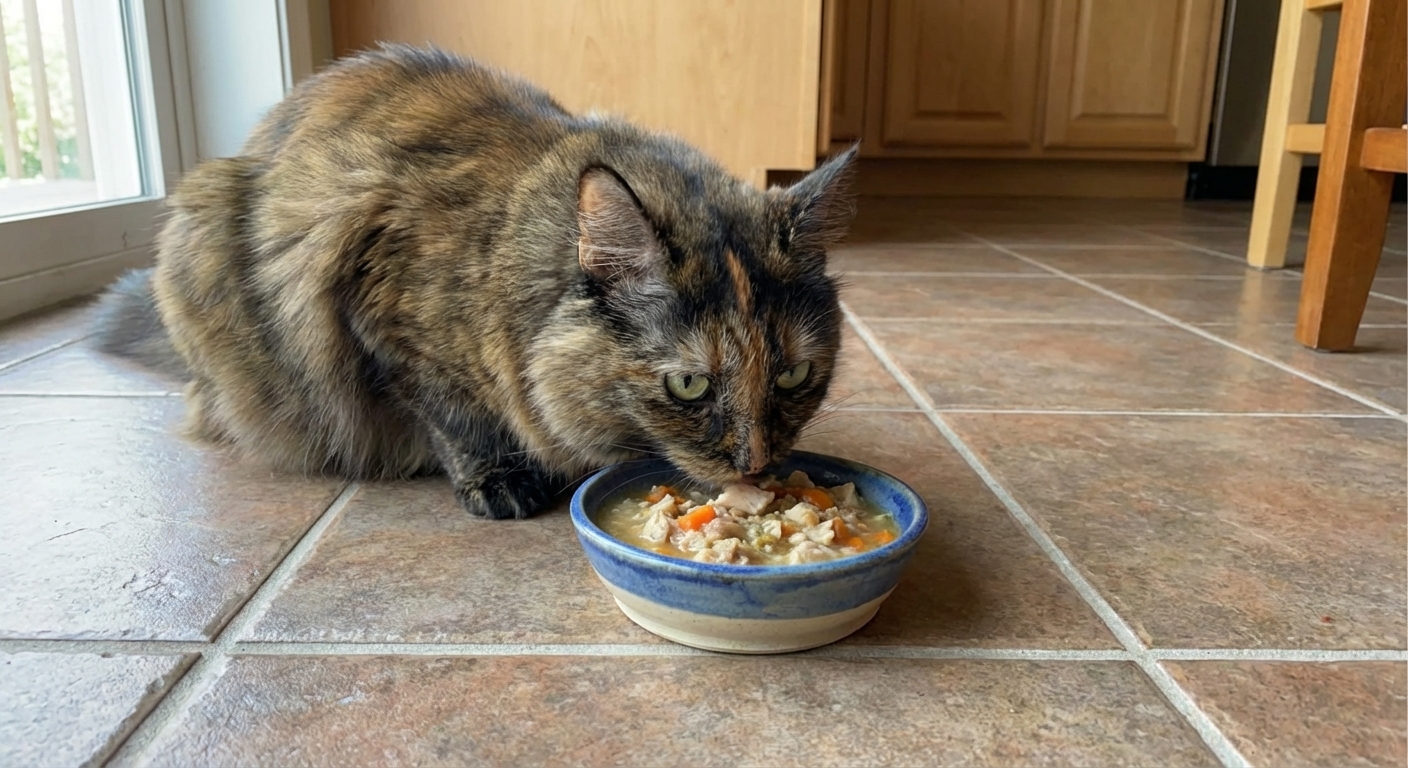
- Add water to wet food or offer a veterinary-approved broth with no onion or garlic
If your veterinarian recommends it, some cats do very well with subcutaneous fluids at home. This should always be taught by your veterinary team.
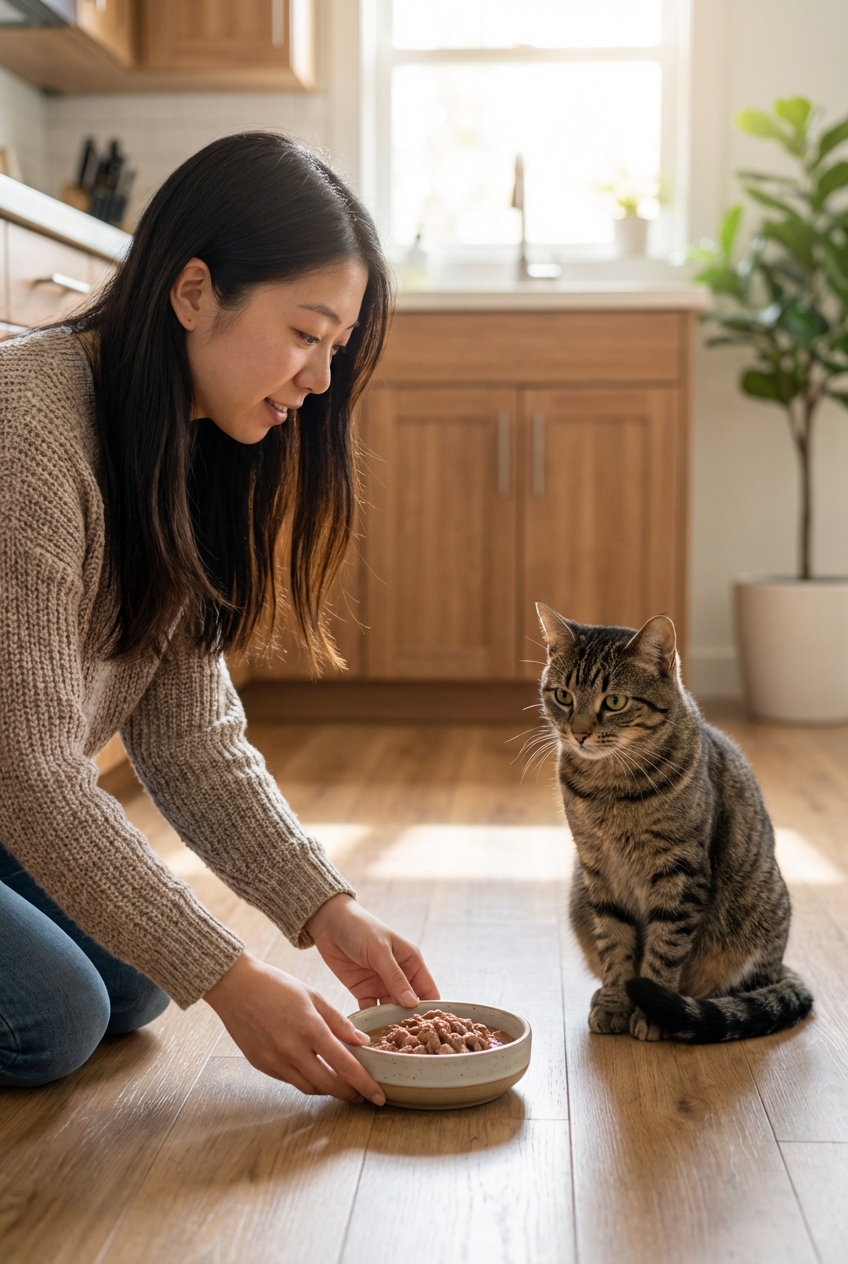
3) Do not change food suddenly (but do bring food questions to your vet)
Nutrition is a cornerstone of CKD care, but sudden diet changes can cause food refusal. Cats that stop eating are at risk for serious complications. Ask your vet about:
- Prescription kidney diets (typically lower phosphorus with controlled, high-quality protein and added omega-3s)
- How to transition gradually
- Phosphorus binders if needed
- Whether appetite support or anti-nausea medication is appropriate
4) Avoid common hazards
- Keep lilies out of the home entirely if you have cats
- Only give medications approved by your veterinarian. Many human meds are dangerous to cats.
- Be cautious with essential oils. Many essential oils can be toxic to cats, especially if ingested, applied to fur, or used in poorly ventilated areas.
5) Prepare for the vet appointment
- Bring your symptom log
- Bring a list of all foods, treats, and supplements
- If possible, bring a fresh urine sample in a clean container (ask your clinic for instructions)
- Ask what monitoring schedule they recommend (rechecks, blood pressure, labs)
Supportive care options
Every cat is different, and treatment depends on whether this is acute injury or chronic disease, plus your cat’s stage and symptoms. Common supportive tools include:
- Fluids (in hospital or at home)
- Anti-nausea medications and appetite stimulants when appropriate
- Phosphorus management (dietary change and sometimes binders)
- Potassium supplementation if low potassium is contributing to weakness
- Blood pressure medication if hypertension is present
- Treatment for anemia in some cases
With chronic kidney disease, the goal is usually comfort, appetite, hydration, and slowing progression as much as possible.
Frequently asked questions
Can a cat live with kidney disease?
Yes. Many cats with CKD live months to years with good support. Early detection and consistent monitoring make a big difference.
My cat is drinking more but seems fine. Should I worry?
Increased thirst is one of the earlier signs of kidney issues, diabetes, and hyperthyroidism. It is worth a vet visit and basic lab work, even if your cat seems okay.
Is kidney failure painful?
Kidney disease often causes nausea, dehydration, weakness, and generalized malaise. Some cats also develop painful mouth ulcers or constipation. The good news is that many of these symptoms can be treated and improved.
A loving next step
If you suspect kidney trouble, the most loving thing you can do is act quickly and gather information. You do not need to have everything figured out today. Start with a veterinary exam and lab work, then take it one step at a time.
Small, steady choices like hydration support, early testing, and the right nutrition can make a meaningful difference in how your cat feels day to day.
If you would like, share your cat’s age, recent symptoms, and what they currently eat. I can help you draft a list of questions to bring to your veterinarian.