A practical CKD guide for cat owners: early signs, how vets diagnose and stage kidney disease, and daily care steps that help most cats feel better—food, f...
Article
•
Designer Mixes
Cat Kidney Disease Care Tips

Shari Shidate
Designer Mixes contributor
When a cat is diagnosed with kidney disease, it can feel scary and overwhelming. I get it. As a veterinary assistant in Frisco, Texas, I have walked alongside many pet parents through this exact moment. The encouraging news is that chronic kidney disease (CKD) is often very manageable with consistent, practical care at home, plus regular veterinary monitoring.
A quick note for clarity: this article focuses on chronic kidney disease (CKD), which is typically long-term and progressive. Sudden kidney problems can be acute kidney injury (AKI), which is a different situation and needs prompt veterinary care.
Below are vet-recommended, evidence-informed steps that can make a real difference in how your cat feels day to day. Think of this as your “small habits” checklist. Little changes done consistently add up to better comfort and often better quality of life.
Know what CKD is and what it is not
CKD means the kidneys have lost some ability to filter waste products and balance fluids and minerals. It is typically progressive, especially in older cats, but many cats live well for years with the right plan.
Most home care focuses on four big goals:
- Hydration: supporting fluid intake to reduce dehydration and help the body clear waste.
- Nutrition: feeding a diet that reduces kidney workload while maintaining muscle and body weight.
- Symptom control: nausea, appetite changes, constipation, and mouth discomfort are common and treatable.
- Monitoring: catching changes early so your veterinary team can adjust medications and diet.
Many recommendations also vary by IRIS stage (a common CKD staging system based on bloodwork, urine testing, and blood pressure). If you do not know your cat’s stage, ask at your next visit.
Hydration is the cornerstone
If you do only one thing, make water easier and more appealing. Cats with kidney disease tend to urinate more and can dehydrate easily. Better hydration may support appetite, energy, and stool quality, and it often helps cats feel better overall.
Simple ways to increase water intake
- Offer multiple water stations: place bowls in quiet, convenient spots, not right next to the litter box.
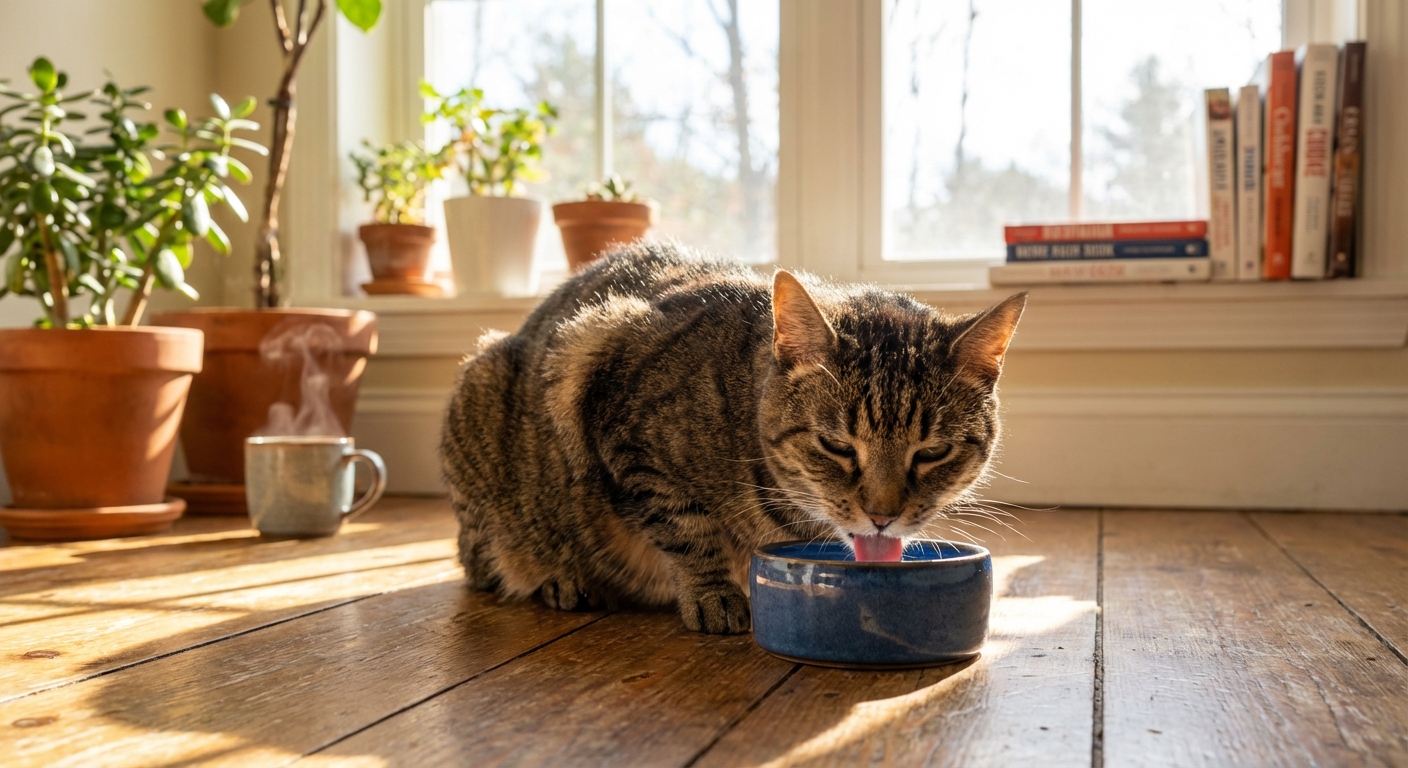
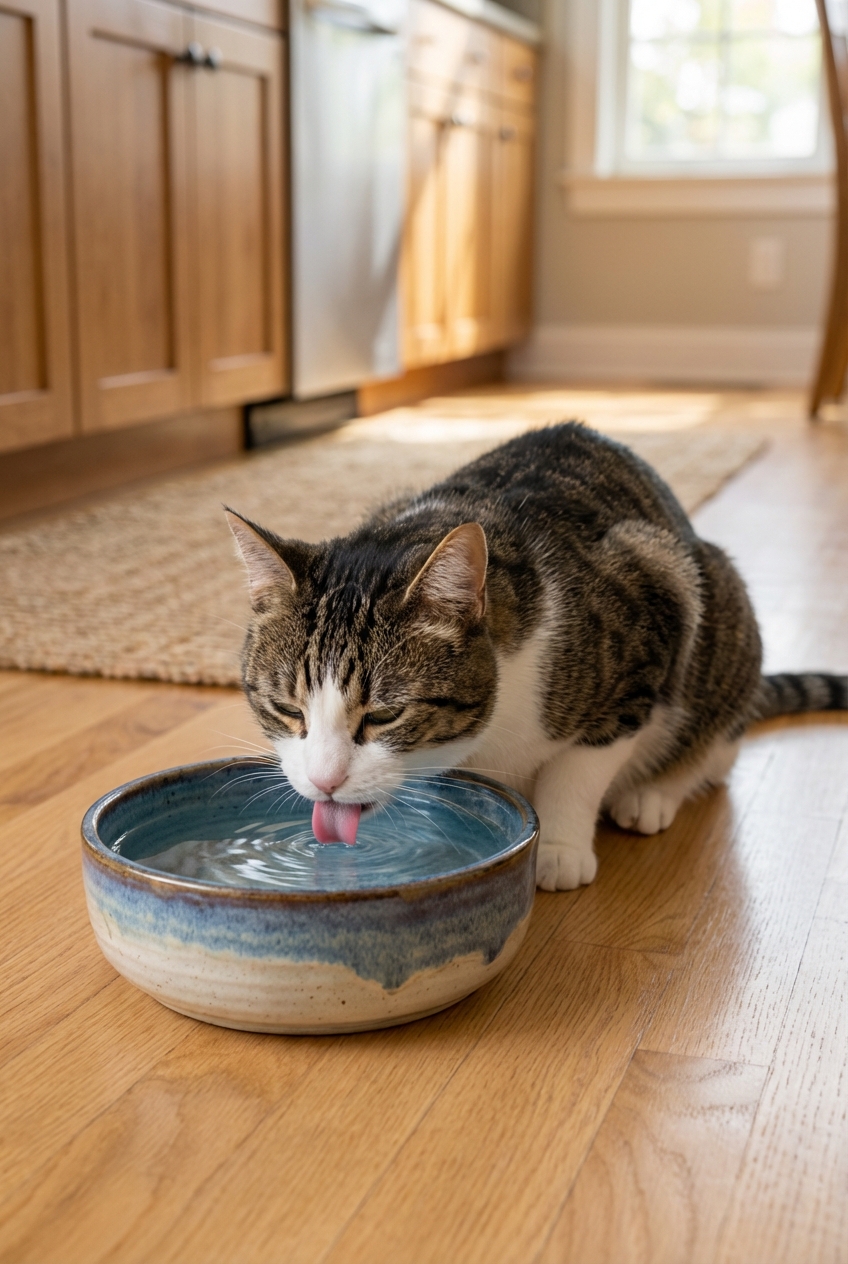
- Try different bowl styles: many cats prefer wide, shallow ceramic or stainless bowls so whiskers do not touch the sides.
- Use a fountain: moving water can be more enticing for some cats.
- Add water to food: especially to canned food. Start with a teaspoon and slowly increase.
- Flavor the water (with vet approval): a small amount of tuna water (from tuna packed in water, not oil) can help some cats drink more. Avoid salty broths. Offer it in addition to fresh water, not instead of it, and refrigerate leftovers and discard within 24 hours.
If your veterinarian recommends subcutaneous fluids at home, do not be intimidated. Many families learn quickly, and it can meaningfully improve comfort. Ask your clinic team for a hands-on lesson and a written schedule. Use the exact supplies and fluids your veterinarian prescribes, and follow clean handling steps to reduce infection risk.
Feed for kidneys and protect weight
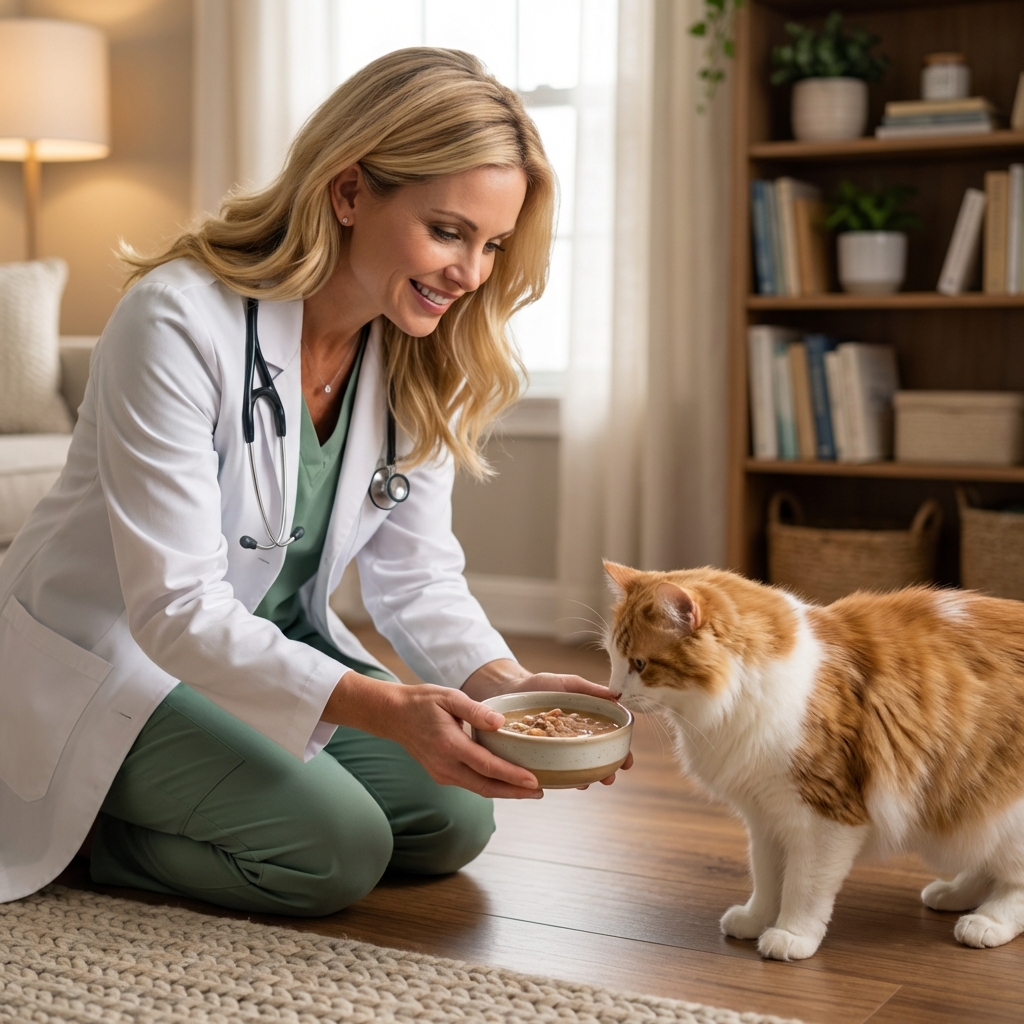
Nutrition is one of the most powerful tools for CKD. Prescription kidney diets are formulated to support kidney function by managing phosphorus, protein quality, sodium, and often adding omega-3 fatty acids and B vitamins. Kidney diets have been shown in studies to improve outcomes for many cats with CKD, including quality of life and survival time.
Key feeding priorities
- Keep calories up: weight loss and muscle loss can happen quickly in CKD. The “best” diet is the one your cat reliably eats.
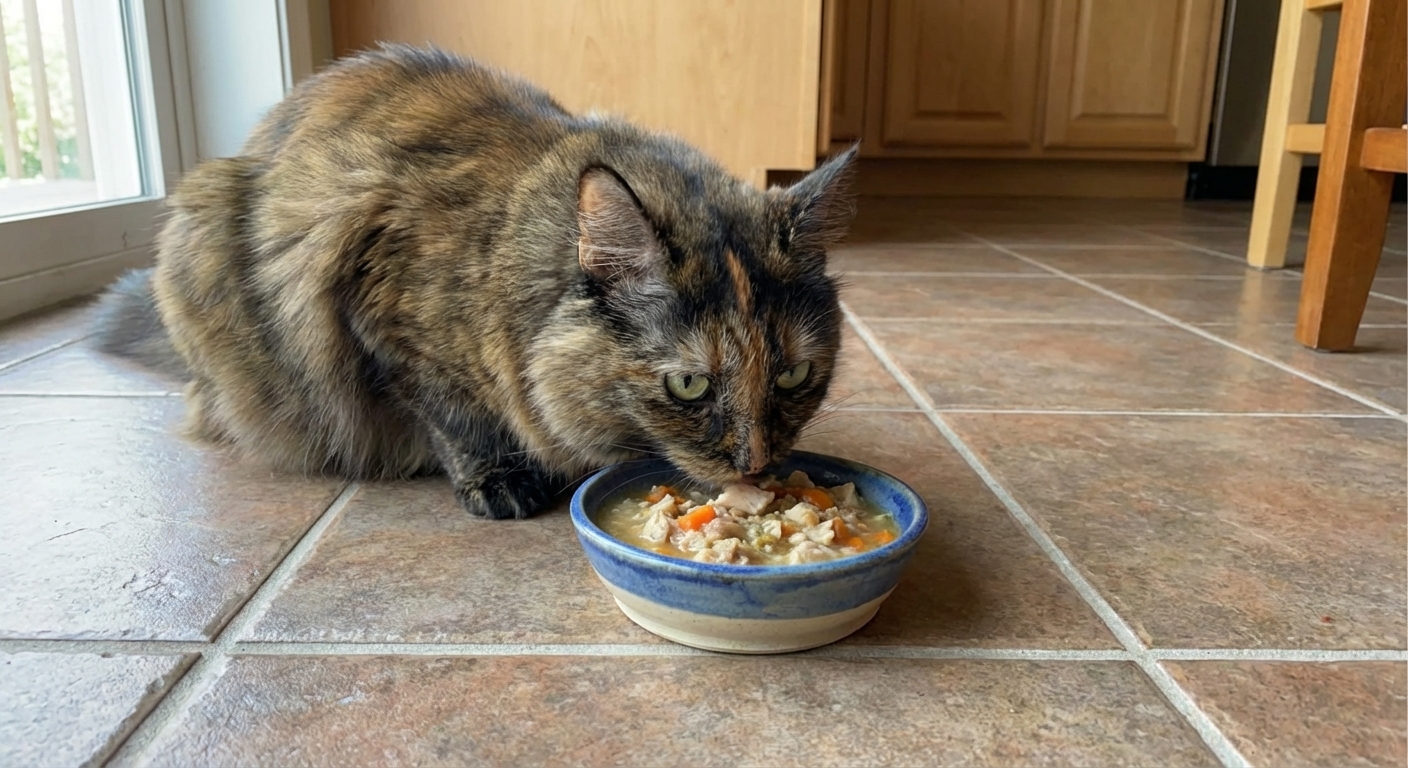
- Prefer wet food when possible: it supports hydration. Many kidney diets come in canned options.
- Transition slowly: mix in small amounts over 7 to 14 days, and slower if your cat is sensitive.
- Warm the food slightly: warming releases aroma and can boost interest.
- Offer small, frequent meals: helpful for nausea-prone cats.
Important: Avoid making major diet changes or home-cooked plans for CKD without veterinary guidance. Kidney disease involves mineral balance, and phosphorus control is especially important. If you want to feed a home-prepared diet, ask your veterinarian for a referral to a board-certified veterinary nutritionist.
Next, let’s talk about the lab value that often drives the nutrition plan: phosphorus.
Phosphorus matters
When kidneys struggle, phosphorus can rise. That can worsen how a cat feels and may contribute to disease progression. Kidney diets are typically phosphorus-restricted.
When phosphorus binders come up
If your cat will not eat a kidney diet, or if blood phosphorus stays elevated despite diet, your veterinarian may prescribe a phosphorus binder to be mixed with food. These are not “optional supplements.” They are medications with a specific purpose and dose, so use only under veterinary direction.
Control nausea early
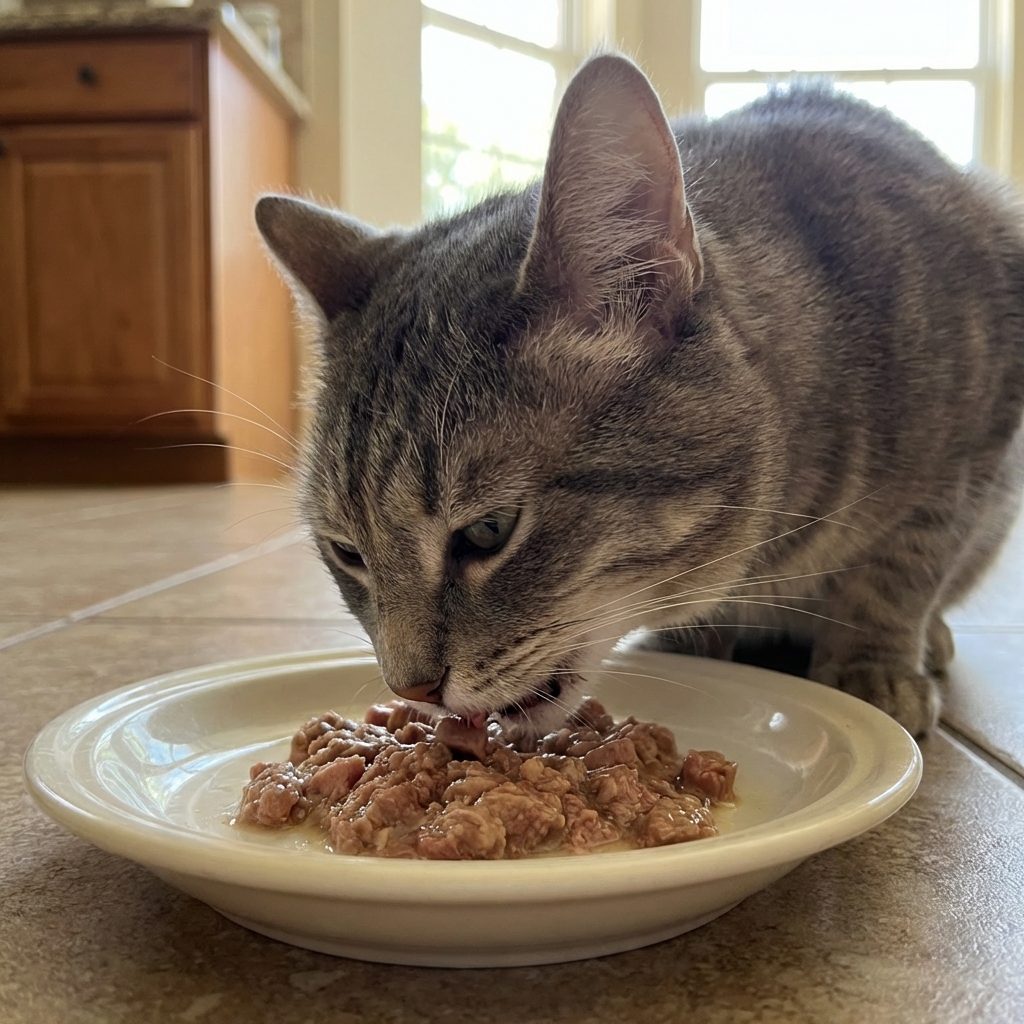
Many CKD cats feel mildly nauseated, even if they are not vomiting. Nausea can show up as lip-smacking, drooling, turning away from food, sniffing and walking off, or picky behavior that seems to come out of nowhere.
Talk to your vet about options
- Anti-nausea medication: commonly prescribed to help cats feel like eating again.
- Appetite stimulants: can be a short-term or ongoing tool, depending on the cat.
- Antacids or stomach protectants: used in select cases.
Do not wait until your cat has stopped eating for a full day. Cats can develop serious complications from not eating, including hepatic lipidosis (fatty liver disease).
Common CKD trouble spots
Constipation
Dehydration and reduced appetite can lead to constipation. Signs include straining, small dry stools, or stool outside the box. Ask your veterinarian about safe stool softeners or laxatives for cats. Also consider:
- More water intake
- More wet food
- Appropriate fiber, only if recommended for your cat
Mouth and dental comfort
In more advanced CKD, some cats can develop mouth irritation or ulcers related to uremia. Dental disease is also common and painful. If you notice bad breath, pawing at the mouth, dropping food, or chewing on one side, schedule an exam.
Anemia and weakness
Kidneys play a role in red blood cell production. Some CKD cats develop anemia and seem tired or less playful. This is something your veterinary team can detect through bloodwork and address with a tailored plan.
High blood pressure
Hypertension is common in CKD and can affect eyes, brain, heart, and kidneys. Your veterinarian may recommend routine blood pressure checks and medication if needed. If your cat suddenly seems disoriented, has a head tilt, or vision changes, treat it as urgent.
Low potassium and protein in urine
Two common “add-ons” your vet may discuss after lab work are:
- Low potassium (hypokalemia): can contribute to weakness, poor appetite, and neck ventroflexion in severe cases. Supplementation is only used when indicated by bloodwork.
- Protein in urine (proteinuria): your vet may run a urine protein-to-creatinine (UPC) ratio. In some cases, medications such as ACE inhibitors or ARBs are considered.
These are very individualized decisions, so it is best to let your cat’s lab trends guide the plan.
Omega-3 supplements
Some kidney diets include omega-3s. If you are considering adding a fish oil supplement, check with your veterinarian first for product choice and dosing, since too much can cause stomach upset or add unnecessary calories.
Make the litter box your early warning system
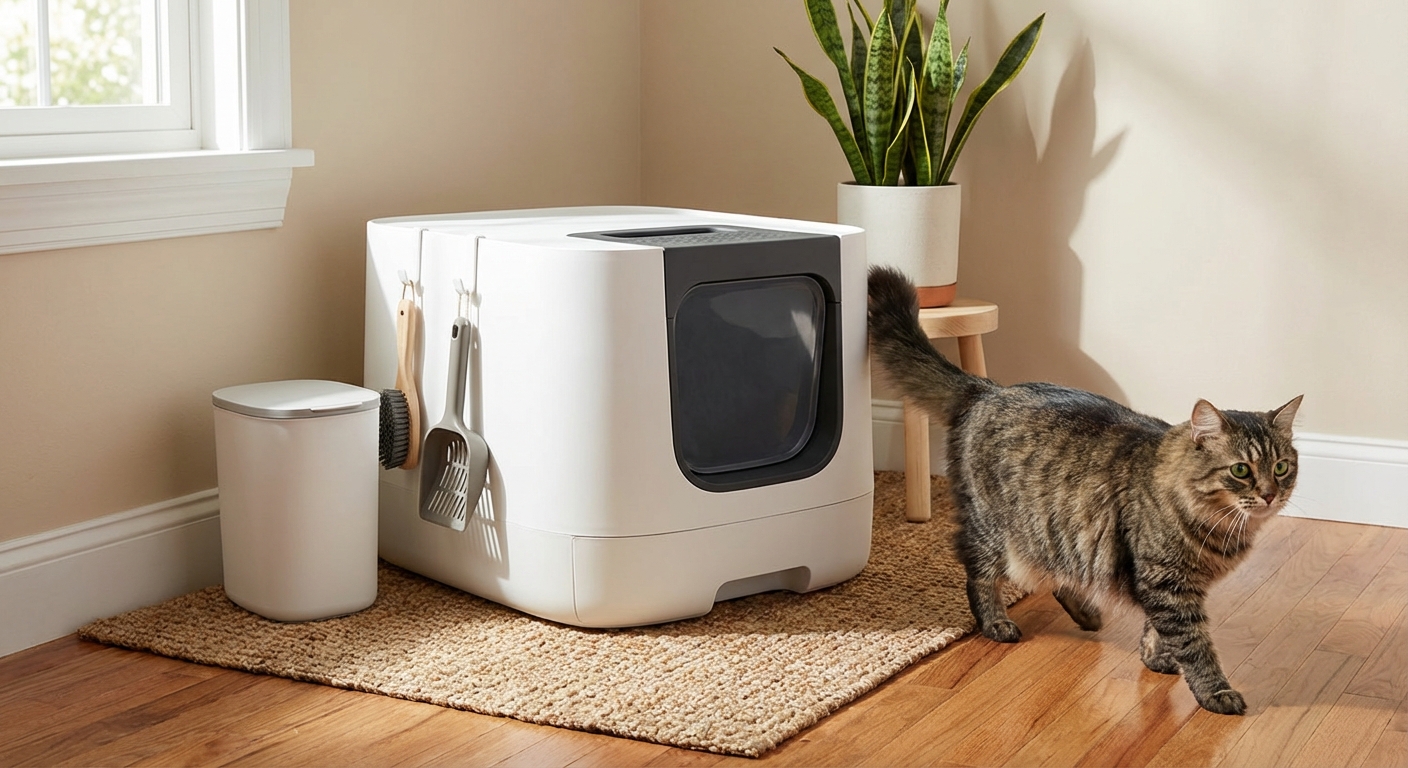
At home, the litter box gives you valuable clues. A change in urine volume, clumps, frequency, or accidents can signal that something needs adjusting.
What to track weekly
- Appetite: what was eaten and how eagerly
- Water intake: more, less, or unchanged
- Urination: larger clumps or more trips than usual
- Stool quality: constipation or diarrhea
- Body weight: use a baby scale if possible
- Energy and grooming: decreased grooming can be an early sign of not feeling well
If you have multiple cats, consider simple separation strategies for meals and litter box time so you can track the CKD cat more accurately.
Vet visits and lab work
CKD care is most successful when you monitor trends, not just single numbers. Your veterinarian may recommend periodic checks of:
- Kidney values (BUN, creatinine, SDMA)
- Phosphorus and calcium
- Potassium
- Urine specific gravity and protein in urine
- Blood pressure
- Body weight and body condition
Many stable cats are rechecked every 3 to 6 months, while cats who are newly diagnosed, changing diet, or changing medications may be checked more frequently. Your veterinary team will tailor this to your cat’s stage and symptoms.
Reduce stress
Kidney cats often do best with calm, predictable routines. If your cat is skipping meals, hiding, or seems “off,” stress may be a factor, especially in multi-pet homes.
Easy comfort upgrades
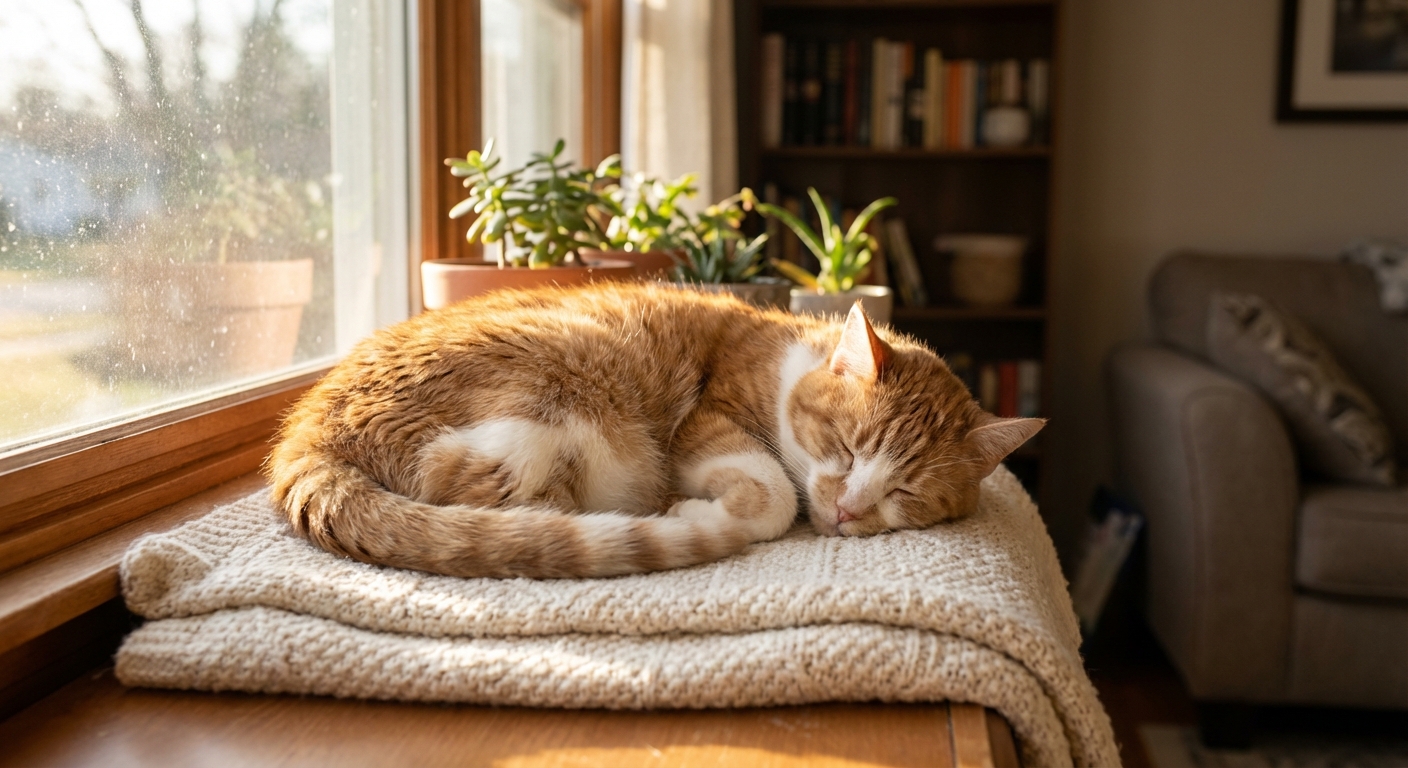
- Warm resting spots: soft bedding away from household traffic
- Easy access: low-sided litter boxes and ramps for seniors
- Quiet feeding stations: separate from other pets if needed
- Play in short sessions: gentle wand play keeps joints and spirits moving
Make meds and fluids less stressful
- Use a routine: same time, same place, then a favorite reward.
- Ask about forms: some medications come as liquids, tablets, or transdermal gels.
- Pair with positives: treats, brushing, or a heated bed session after dosing.
- Get a demo: if you are giving pills or subcutaneous fluids, a quick in-clinic technique check can make home care much easier.
When to call your veterinarian
These signs deserve a same-day call, and sometimes urgent evaluation:
- Not eating for 24 hours, or eating far less than usual for more than a day
- Repeated vomiting, or vomiting plus lethargy
- Severe weakness, collapse, or trouble walking
- Open-mouth breathing or labored breathing
- Sudden vision changes, dilated pupils, or bumping into objects
- Signs of dehydration: very tacky gums, sunken eyes, profound lethargy
- Straining to urinate or little to no urine produced (this can be an emergency)
You know your cat best. If something feels wrong, trust that instinct and call.
A gentle reminder
Kidney disease care is not about being perfect. It is about being consistent, observant, and willing to adjust. Celebrate small wins like a good appetite day, steady weight, or comfortable litter box habits. Those are meaningful victories.
Partner with your veterinarian, keep notes, and take it one step at a time. Your cat can still enjoy many good, cozy years with you.