From hairballs to toxins and foreign bodies, this guide explains what cat vomit can mean, when it’s an emergency, what to do at home, and what your vet wil...
Article
•
Designer Mixes
Cat Keeps Vomiting: Need-to-Know Tips

Shari Shidate
Designer Mixes contributor
If your cat keeps vomiting, you are not overreacting. Occasional hairballs can be normal, but repeated vomiting is your cat’s way of saying something is off, and it can become dangerous quickly if dehydration sets in. As a veterinary assistant in Frisco, Texas, I always tell pet parents this: you do not have to diagnose it. Your job is to notice patterns, reduce immediate risk, and get the right help at the right time.
First: decide if this is an emergency
Use this as a safety checklist. If any item is true, call your veterinarian or an emergency clinic now. These are practical guidelines, not hard rules, so trust your instincts, especially if your cat looks “off.”
- Repeated vomiting (around 2 to 3 or more times in 24 hours, or any vomiting that is escalating)
- Can’t keep water down or vomits immediately after drinking
- Blood in vomit (bright red or coffee-ground appearance)
- Severe lethargy, weakness, collapse, or hiding more than usual
- Abdominal pain (crying, tense belly, hunched posture)
- Bloated abdomen
- Repeated retching or dry heaving with little or no vomit (can be obstruction). Note: some cats who are coughing or having an asthma flare look similar, so a quick video can help your vet.
- Diarrhea plus vomiting, especially if watery or bloody
- Known toxin risk (lilies, human meds, rodent poison, antifreeze, essential oils, household cleaners, certain pest products)
- Possible string or linear foreign body (ribbon, yarn, dental floss) or chewing on string-like items
- Kittens, seniors, or cats with chronic disease (kidney disease, diabetes, hyperthyroidism) vomiting at all can become serious faster
Important: If you suspect string, do not pull anything you see from the mouth or rectum. Keep your cat from chewing more and go in immediately.
If you are unsure, it is always okay to call. Clinics would much rather reassure you early than treat a worse situation later.
What vomit can tell you (quick clues)
Vomit details are not a diagnosis, but they can help your vet narrow the next step.
- Clear or foamy: often an empty stomach, nausea, or mild irritation. Reflux can be a possibility, but it is not something we can confirm at home.
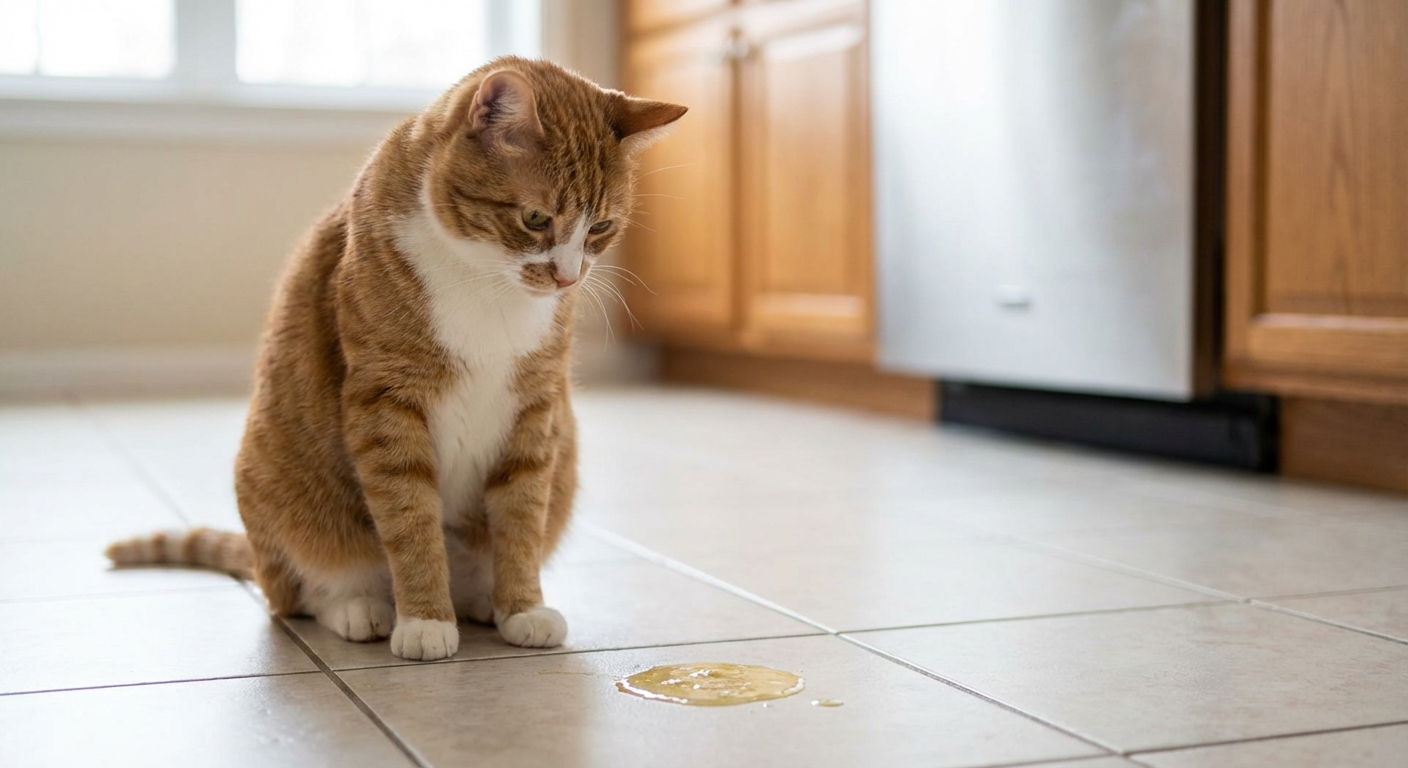
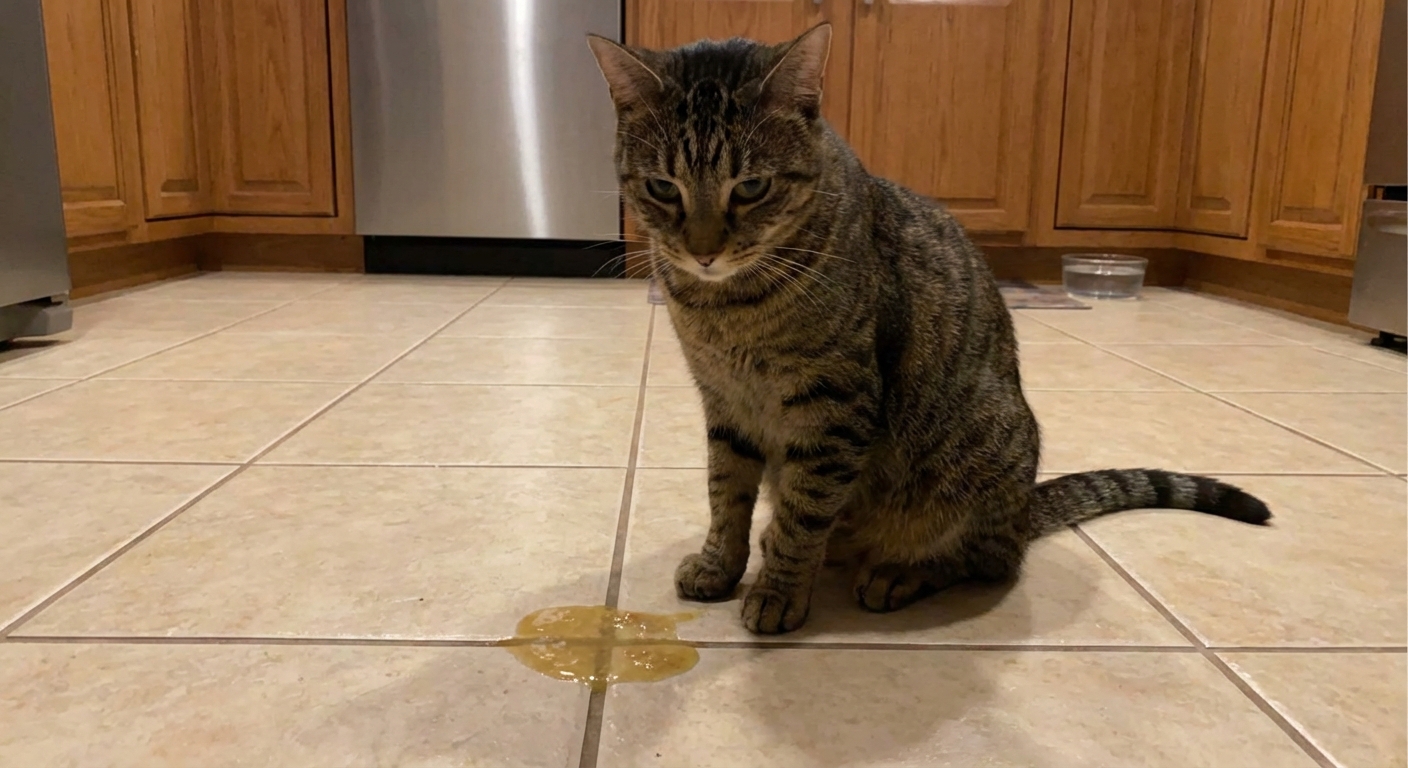
- Yellow or green: bile, common with “empty stomach” vomiting but can also occur with GI irritation
- Undigested food right after eating: eating too fast, food intolerance, or regurgitation (different from true vomiting)
- Partly digested food hours later: delayed stomach emptying, gastritis, or obstruction concerns if persistent
- Hair and rope-like material: a hairball is often a compact, tube-shaped wad of hair. If you see actual string, ribbon, or anything that looks like it could be connected, treat it as an emergency and do not pull it.
- Blood: needs urgent evaluation
Vomiting vs. regurgitation: Vomiting usually involves retching and abdominal effort. Regurgitation is more passive and “falls out,” often soon after eating. Mention this distinction to your vet because it changes the diagnostic plan.
Vomiting vs. coughing: Some cats “hack” and owners think it is vomiting, when it is actually coughing (asthma, bronchitis, hair in the airway). If you can safely capture a short video, it can be extremely helpful.
Most common reasons cats keep vomiting
Here are the big categories we see in practice. Many overlap, which is why chronic vomiting should not be brushed off.
1) Hairballs and overgrooming
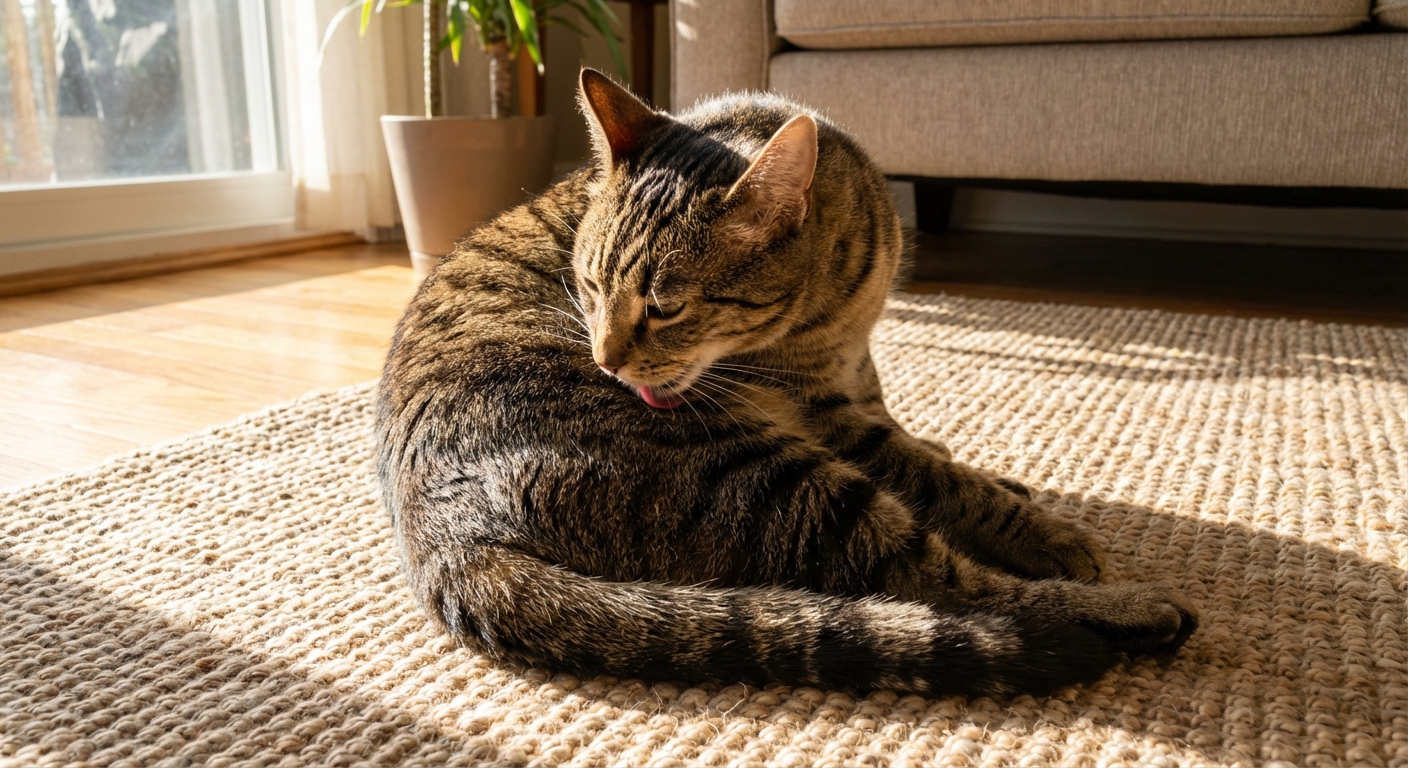
Hairballs happen, but frequent vomiting can mean your cat is grooming more due to stress, allergies, fleas, pain, or skin disease. It can also mean the GI tract is irritated and not moving hair through normally.
2) Eating too fast or overeating
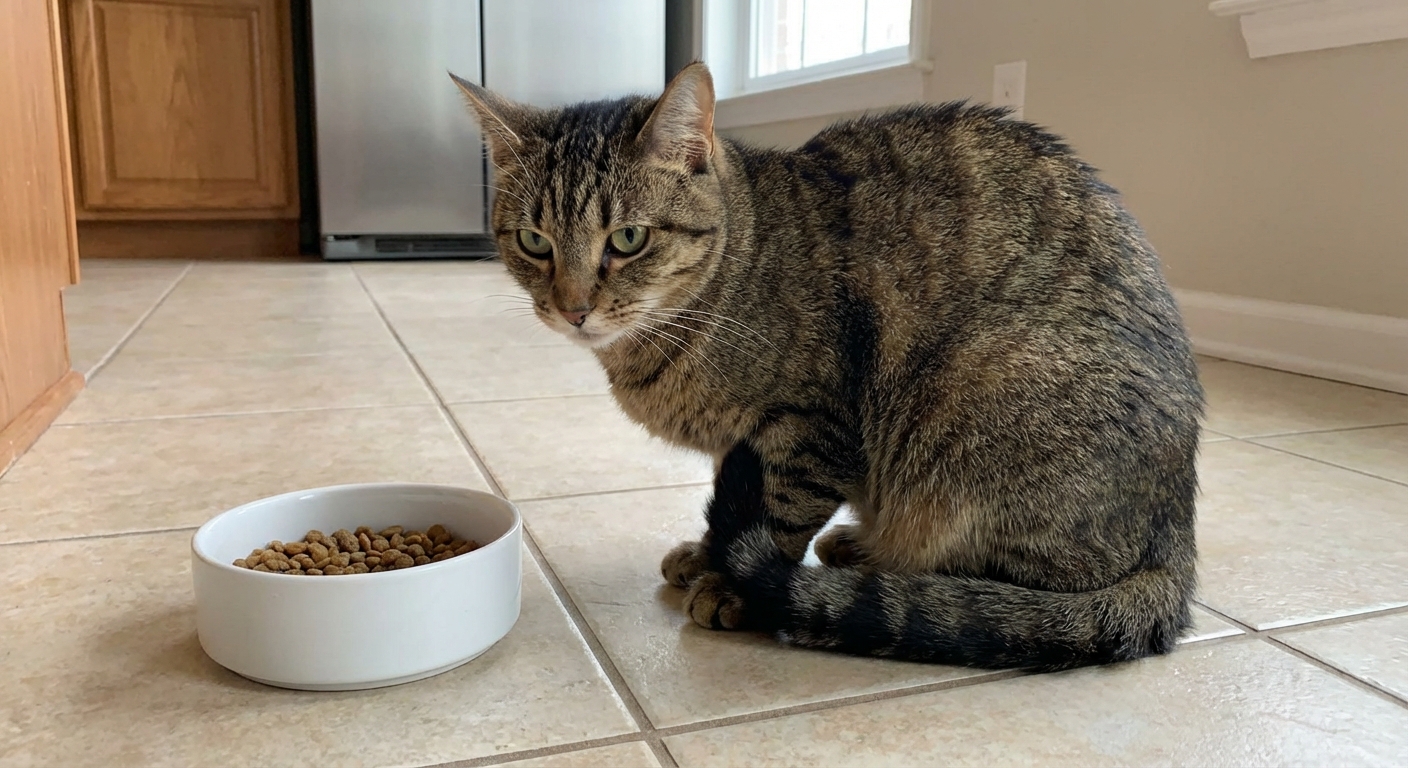
Some cats inhale food, then vomit it right back up. This is especially common with multi-cat competition feeding.
3) Diet intolerance or food allergy
Food sensitivities can show up as vomiting, diarrhea, gassiness, itchy skin, or ear issues. Switching proteins or trying a veterinarian-guided elimination diet is often the most reliable path.
4) Sudden diet changes or rich treats
Cats have sensitive digestive systems. A quick food switch can cause stomach upset. Even “just a little” dairy, tuna juice, or new treats can trigger vomiting in some cats.
5) Gastrointestinal inflammation
Gastritis, inflammatory bowel disease (IBD), parasites, dysbiosis (microbiome imbalance), and infections can cause ongoing vomiting. Dysbiosis is a real concept, but testing and treatment can vary, so your vet will guide what is meaningful for your cat. These cases often need fecal testing, bloodwork, and sometimes ultrasound.
6) Foreign material or obstruction
String, ribbon, hair ties, and small toys can cause intermittent vomiting that worsens over time. Linear foreign bodies are a true emergency.
7) Underlying medical conditions
Chronic vomiting can be linked with kidney disease, liver disease, pancreatitis, hyperthyroidism, diabetes, or certain cancers. Bloodwork and urinalysis become very important here, especially for adult and senior cats.
8) Medication side effects
Some medications and supplements can upset a cat’s stomach, including certain antibiotics, pain medications, and dewormers. If vomiting started after a new medication, call your veterinarian before you stop or change it.
9) Motion sickness (less common)
Some cats get nauseated in the car. If vomiting is mainly tied to travel, tell your vet because there are safe options to help.
What you can do at home today (safe steps)
These tips are for a cat who is bright, alert, and only mildly vomiting. If your cat looks unwell or is vomiting repeatedly, skip home care and call your vet.
Do not intentionally fast your cat without veterinary guidance. Most cats need steady calories, and prolonged food restriction can be risky, especially for overweight cats.
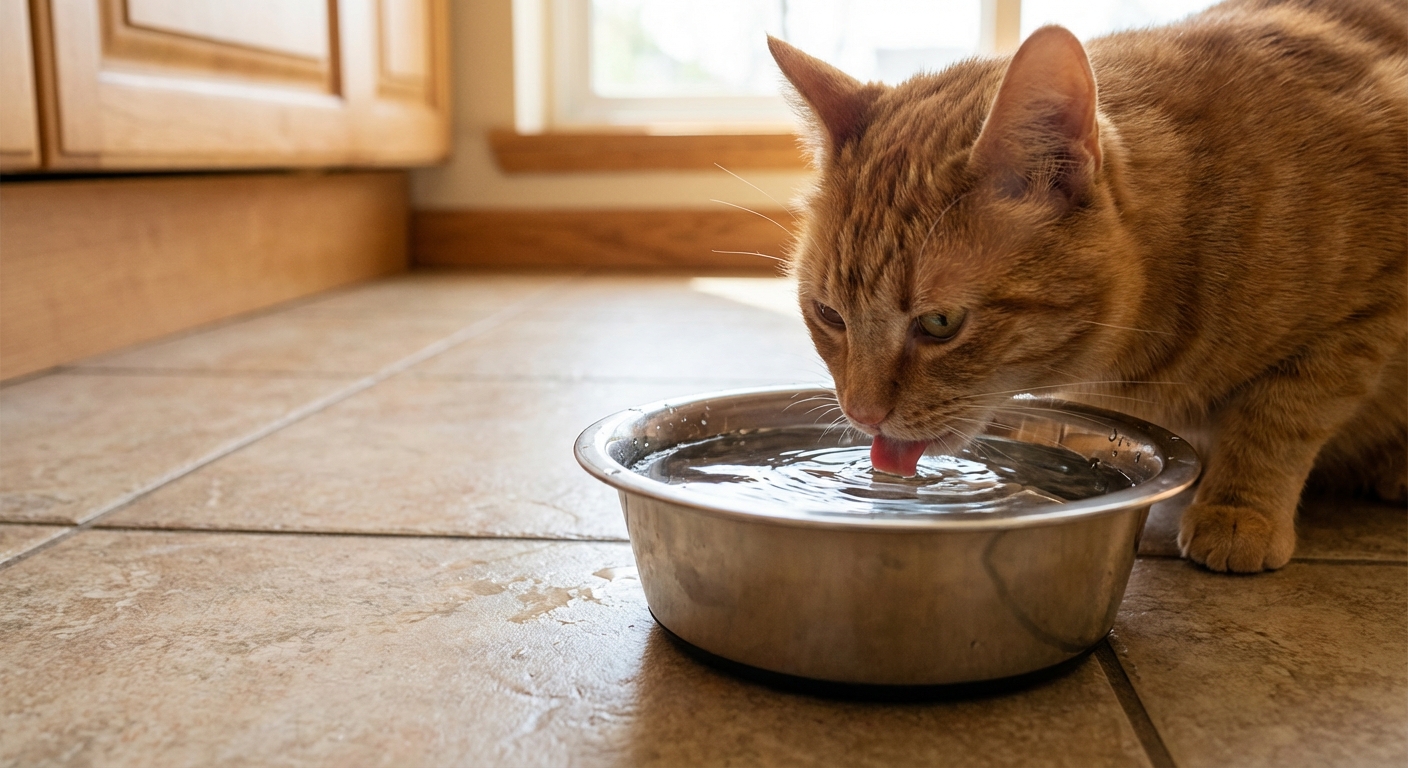
Step 1: Protect hydration
- Offer fresh water in multiple locations.
- Try a cat water fountain if your cat drinks better from moving water.
- Offer small amounts frequently if your cat gulps and vomits.
- Do not force water by syringe unless your veterinarian instructed you to. It increases aspiration risk.
Dehydration signs you can spot: tacky or dry gums, sunken-looking eyes, decreased urination, and marked lethargy. Skin-tent tests can be unreliable in cats, so if you are worried, call.
Step 2: Pause treats and table food
Stop all extras for 48 hours. Continue your cat’s regular diet unless your vet advises a change. Keeping things consistent makes patterns easier to spot and reduces irritation.
Step 3: Feed smaller, more frequent meals
For many cats, dividing daily food into 3 to 6 smaller meals reduces stomach upset and “empty stomach” bile vomiting.
Step 4: Slow down fast eaters
- Use a puzzle feeder or slow feeder bowl designed for cats.
- Spread food on a flat plate so it is harder to inhale.
- Feed cats separately in multi-cat homes to reduce competition.
Step 5: Consider a gentle diet change only if advised
If your cat is stable and your vet agrees, a highly digestible GI diet may help. Avoid rapid, repeated food switching on your own, because it can keep the stomach inflamed.
Home tip that helps many cats: If your cat vomits yellow bile in the early morning, ask your vet whether a small bedtime snack is appropriate. For some cats, it makes a big difference.

Hairball vomiting: what actually helps
If you are seeing hairball vomiting more than occasionally, the goal is to reduce hair ingestion and improve GI movement.
- Brush regularly, especially for long-haired cats. Daily during shedding season is ideal.
- Address skin triggers: fleas, allergies, and stress can increase grooming.
- Ask your vet about hairball diets or fiber support. Some cats benefit from added fiber, while others with sensitive guts do not, so guidance matters.
- Use hairball gels carefully and only as directed. Some can cause diarrhea, and petrolatum or mineral oil based products may reduce absorption of other medications if given too close together. Ask your vet how to space doses if your cat takes daily meds.
What to track before your vet visit
The more specific you are, the faster your veterinarian can help. Keep notes for 24 to 72 hours.
- How many times vomiting happened and at what times
- What the vomit looked like (foam, bile, hair, food, blood)
- Whether vomiting was linked to meals, treats, medication, or drinking
- Appetite changes
- Stool quality and frequency
- Weight changes (even “feels lighter” is useful)
- New foods, new treats, new meds, or household changes
- Access to strings, plants, trash, chemicals, or human medications
If you can safely do so, a clear photo of the vomit can help your vet, especially when the description is hard to put into words. A short video is also useful if you are not sure whether your cat is vomiting, regurgitating, or coughing.
What your veterinarian may recommend (and why)
Chronic or frequent vomiting often needs medical detective work. Common next steps include:
- Physical exam and abdominal palpation: checks pain, dehydration, masses, and intestinal feel.
- Fecal testing: looks for parasites and GI infection clues.
- Bloodwork and urinalysis: screens kidneys, liver, thyroid, blood sugar, electrolytes, and inflammation markers.
- X-rays: helpful for foreign material, constipation, and some obstructions.
- Ultrasound: evaluates intestinal thickness, pancreas, liver, gallbladder, and lymph nodes.
- Diet trial: a true elimination diet or hydrolyzed protein diet can confirm food-related disease.
Your vet may prescribe anti-nausea medication, stomach protectants, deworming, probiotics, or a therapeutic diet. Please avoid giving human medications, including Pepto-Bismol, without explicit veterinary direction. Some are unsafe for cats.
Preventing future vomiting
- Keep feeding consistent and transition foods slowly over 7 to 10 days when possible.
- Measure meals and avoid “free pouring” if your cat overeats.
- Reduce stress with predictable routines, vertical spaces, and adequate litter boxes.
- Cat-proof strings and small objects. Store hair ties, ribbon, and thread in closed drawers.
- Choose cat-safe plants and avoid lilies completely. Lilies can cause kidney failure in cats.
- Regular vet visits help catch kidney disease, hyperthyroidism, and weight loss early.
When is vomiting considered chronic? If your cat is vomiting more than once a week for several weeks, or it is becoming a pattern (even if they seem fine otherwise), it is worth scheduling an appointment. Cats are good at acting normal until they are not.
If your cat keeps vomiting, there is almost always a reason we can find and address. You do not have to guess alone. Start with safety, track the pattern, and team up with your veterinarian so your cat can feel comfortable again.