Feeling overwhelmed by homemade cat food? Get safety basics, key nutrients like taurine and calcium balance, an easy transition plan, and 18 cooked toppers a...
Article
•
Designer Mixes
Cat Itching: Fleas, Allergies, and Dry Skin

Shari Shidate
Designer Mixes contributor
If your cat is suddenly scratching, licking, chewing, or over-grooming, it is easy to assume it is “just fleas.” Fleas are common, yes, but they are not the only reason cats itch. In my work as a veterinary assistant here in Frisco, Texas, I have seen itching caused by everything from flea allergy to dry winter air to food sensitivities and skin infections.
The good news is that most itchy-cat problems improve a lot once you identify the true cause and treat it consistently. Let’s walk through the most common culprits: fleas, allergies, and dry skin, plus what you can do at home and when you should call your veterinarian.
What cat itching can look like
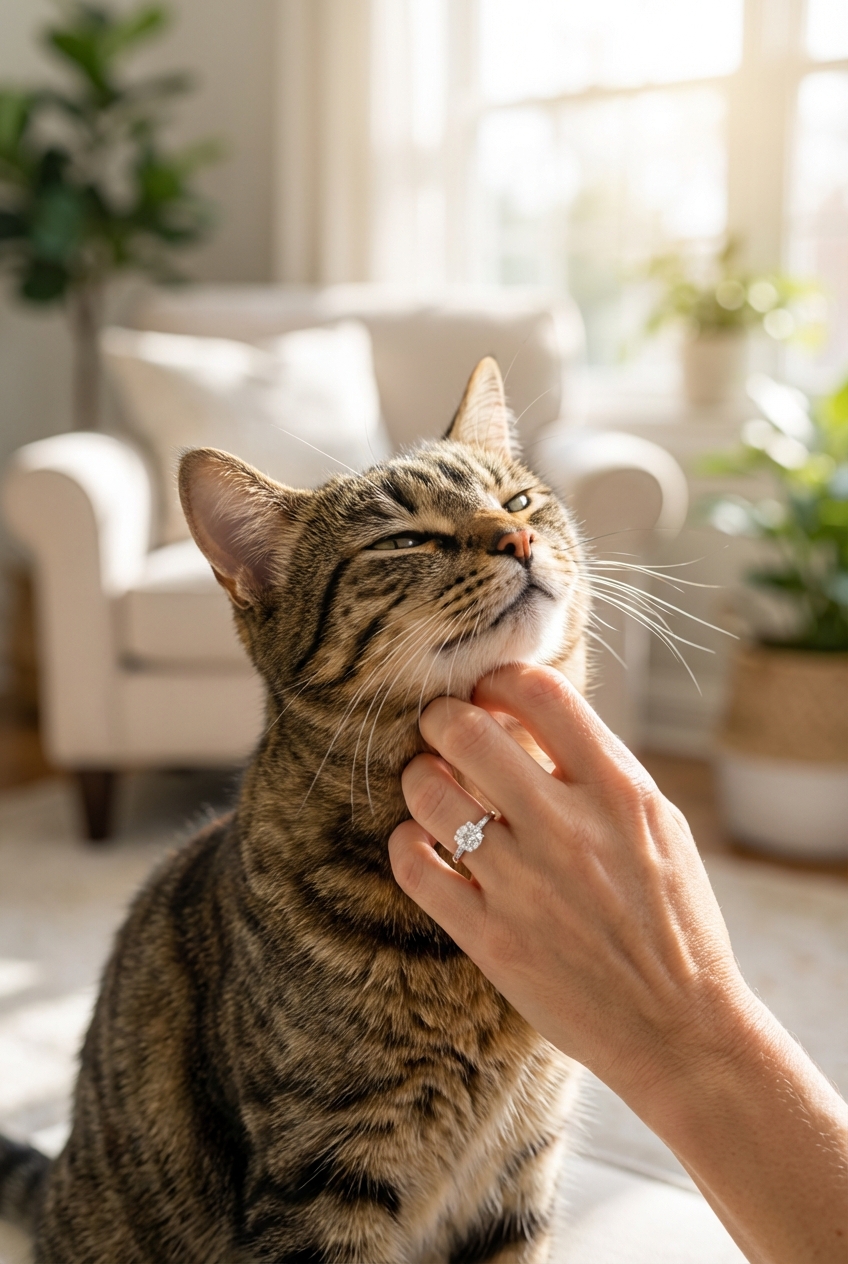
Cats do not always scratch with their back feet the way dogs often do. Many itchy cats show it through grooming behaviors and subtle skin changes.
- Excessive licking, especially belly, legs, and sides
- Over-grooming that causes thinning hair or bald patches
- Small scabs, often along the back or near the tail (miliary dermatitis)
- Redness, pimples, or crusts around the chin and face
- Head shaking or ear scratching
- Chewing at paws
Tip: Take a few clear photos in good light before your visit. Skin problems can change quickly, and photos help your vet see what you are seeing at home.
Cause #1: Fleas (and flea allergy)
Fleas are one of the most common itching triggers I see in practice, even in cats that live indoors. A single flea can hitch a ride inside on clothing, shoes, or other pets. And for many cats, the biggest issue is not the flea itself. It is an allergic reaction to flea saliva, called flea allergy dermatitis.
Why “I don’t see fleas” is not enough
Cats are excellent groomers. They often swallow fleas while grooming, so you may never spot the actual insect. Sometimes the only clue is flea dirt, which looks like tiny black pepper flakes.
Quick at-home check for flea dirt
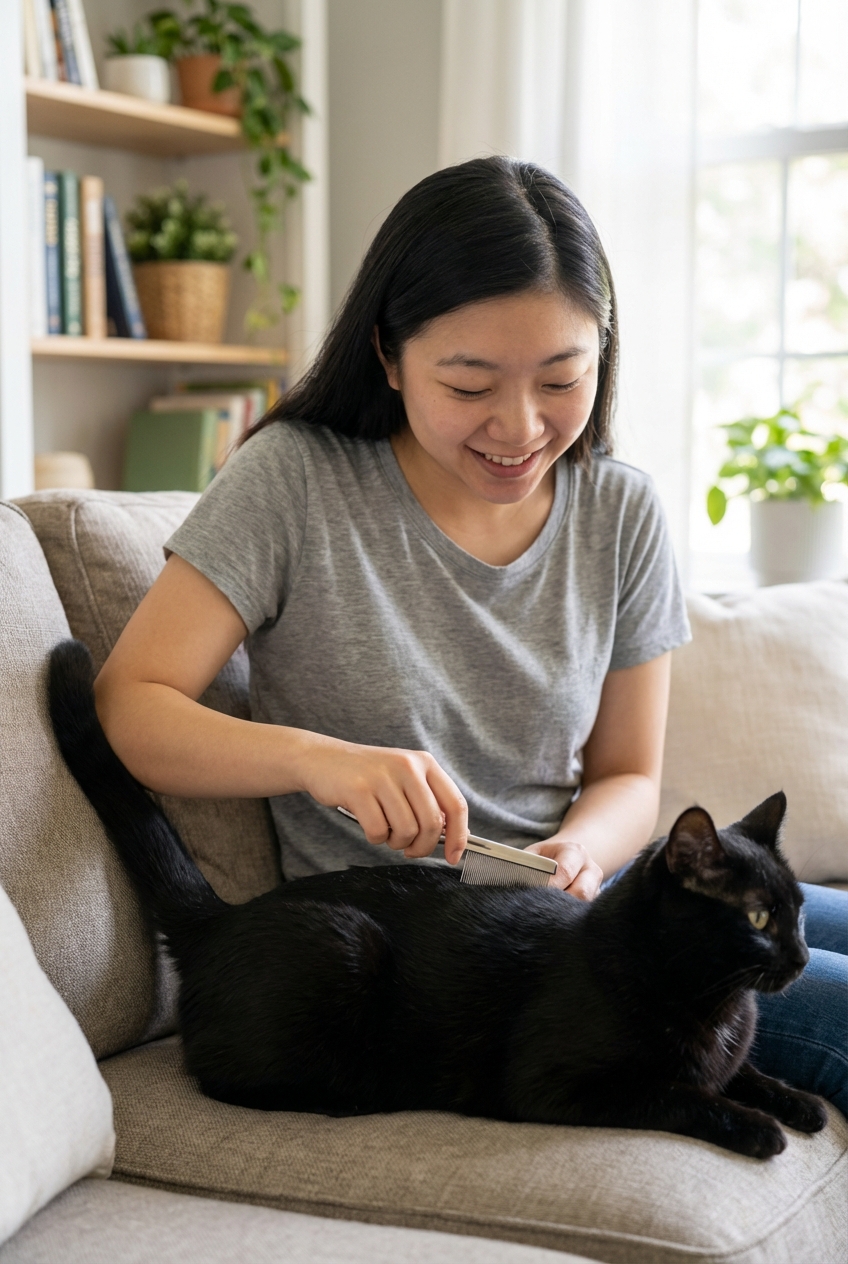
- Use a fine-tooth flea comb over the back half of the body, especially near the tail base.
- Tap debris onto a damp white paper towel.
- If the specks turn reddish-brown, that is suggestive of digested blood from flea dirt, but it is not a definitive diagnosis.
Where flea allergy itch shows up
- Tail base and lower back
- Inner thighs and belly
- Scabs along the back
What helps
Flea problems are not solved by treating just one cat one time. You need a consistent plan:
- Use veterinarian-recommended, cat-labeled flea prevention for every pet in the home, on schedule. Prescription topical or oral options are often the most reliable.
- Support with home cleanup: vacuum rugs and furniture regularly and wash bedding in hot water. This is helpful, but most modern flea control succeeds because prevention is consistent.
- See your vet if the skin is inflamed or infected. Some cats need itch relief and treatment for secondary skin infections.
Safety note: Never use a dog flea product on a cat unless your veterinarian specifically says it is safe. Products containing permethrin (common in dog-only flea treatments) can be dangerous for cats.
Another safety note: Skip DIY flea remedies and essential oils. Many “natural” products can irritate skin, worsen symptoms, or be toxic to cats.
Cause #2: Allergies
When fleas are controlled and itching continues, allergies move higher on the list. Cats can develop allergies at any age. Allergies often cause inflammation in the skin, which makes itching feel relentless.
Environmental allergies
These are reactions to things in the environment like dust mites, pollens, molds, and grasses. Environmental allergies can be seasonal or year-round, and cats can look “different” than dogs. Some cats develop lesions that fall under a group called eosinophilic granuloma complex.
- Common signs: licking the belly and legs, chewing feet, face rubbing, ear issues
- Often waxes and wanes, sometimes worse during certain seasons
Food allergies
Food allergies in cats are usually reactions to proteins they have eaten for a long time. It is not always “grain.” In cats, the most common triggers are often proteins like chicken, beef, or fish, but any protein can be involved.
- Common signs: itching around the head and neck, scabs, over-grooming, recurrent ear problems
- Some cats also have digestive signs like vomiting or soft stool, but many do not
The gold standard for diagnosis is a veterinary-guided elimination diet trial using a prescription hydrolyzed diet or a truly novel protein diet for 8 to 12 weeks. Treats, flavored medications, and table foods can accidentally ruin the trial, so planning matters.
Important: Blood, saliva, and hair “food allergy tests” are not considered reliable for diagnosing food allergies in cats. If you are trying to get a real answer, an elimination diet is usually the path that holds up best.
Contact allergies and irritants
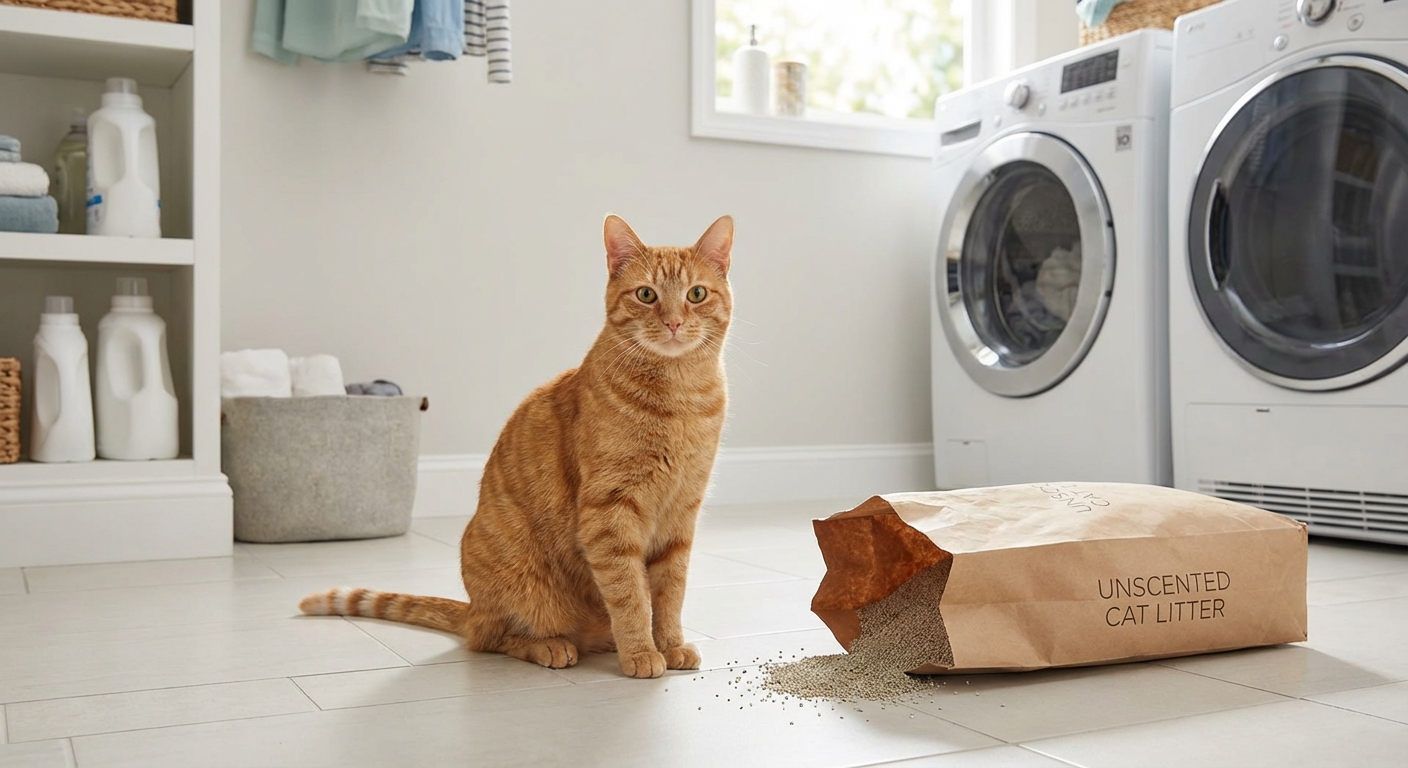
Some cats react to things that touch their skin, such as certain litters, cleaning products, scented sprays, and fabric softeners.
- Common signs: irritation on paws or belly, redness where contact occurs
- Try switching to unscented litter and fragrance-free cleaning routines
Cause #3: Dry skin
Dry skin can absolutely make a cat itchy, especially during colder months or in air-conditioned homes. But in cats, “dry skin” is sometimes a sign of an underlying issue rather than the root problem.
Why cats get dry, itchy skin
- Low humidity in the home
- Frequent bathing or harsh shampoos
- Nutrition gaps, especially if the diet is unbalanced
- External parasites (fleas, mites) that disrupt skin health
- Systemic illness that affects coat quality (for example, hyperthyroidism can change coat and skin condition)
At-home support
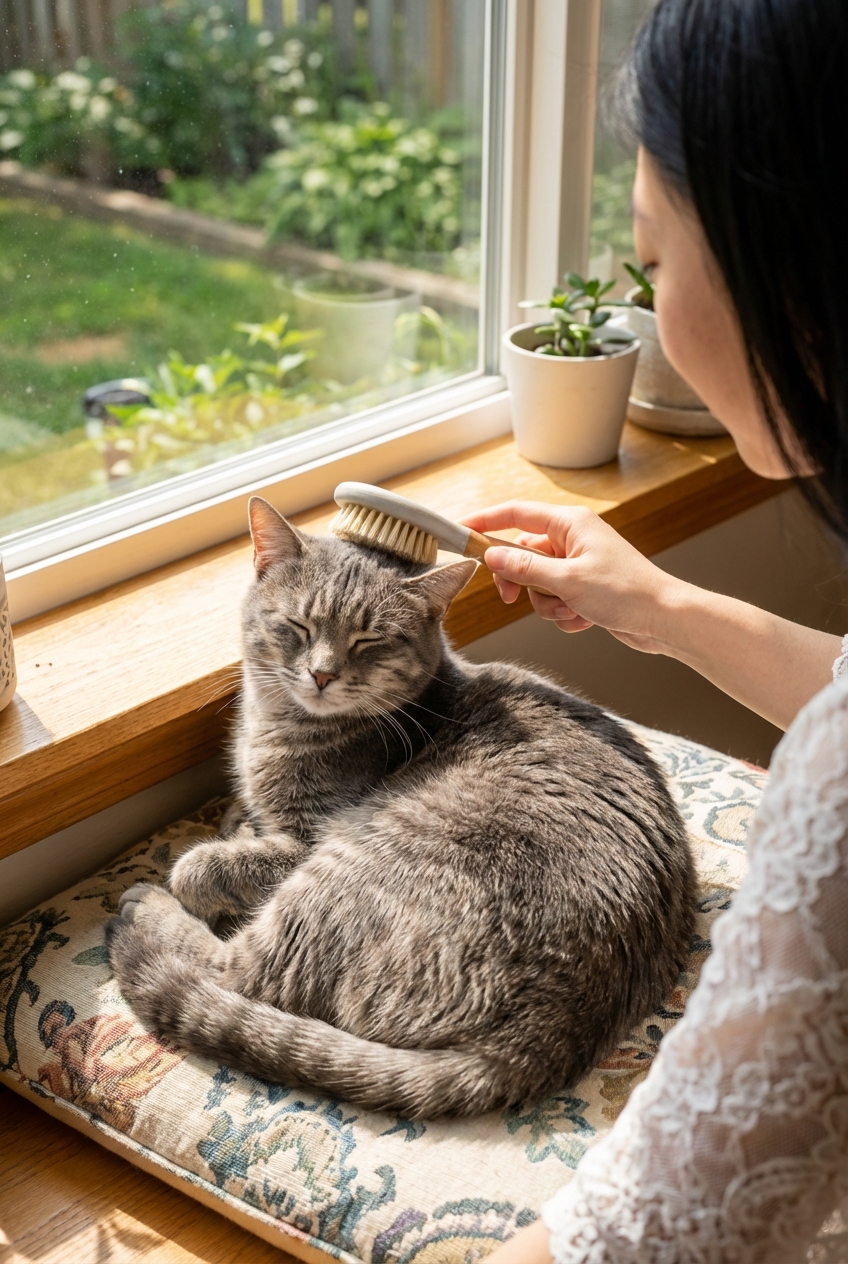
- Brush gently several times a week to distribute natural oils and remove loose hair.
- Consider a humidifier in the room where your cat sleeps most.
- Talk to your vet before adding supplements. Omega-3 fatty acids can help some cats, but the product choice and dosing matter.
- Avoid over-bathing. Most cats do not need routine baths, and frequent bathing can worsen dryness.
Other causes people miss
If flea control and basic skin care are not helping, it is worth considering a few other frequent causes of itching.
- Ear mites or ear infections: head shaking, ear scratching, dark debris, odor
- Mites (including Cheyletiella, Demodex gatoi, and Notoedres): scaling and itch, sometimes contagious to other pets
- Ringworm: patchy hair loss and scaling, may or may not itch, can spread to people
- Skin infection (bacterial or yeast): odor, redness, greasy coat, crusts
- Stress over-grooming: licking from anxiety or household changes, sometimes without visible skin disease at first
- Pain-related licking: cats may over-groom areas that hurt (arthritis, bladder discomfort, or other pain), even when the skin looks fairly normal early on
When to call the vet
Itching can snowball quickly. Scratching breaks the skin, bacteria and yeast move in, and soon you are dealing with infection and pain, not just itch.
- Open sores, bleeding, or swelling
- Pus, strong odor, or greasy discharge
- Significant hair loss or widespread scabbing
- Severe ear scratching or head shaking
- Any itch in a kitten, senior cat, or immunocompromised cat
- Humans in the home developing itchy rashes (possible contagious causes like ringworm or mites, but rashes can have many causes and should be evaluated)
Your veterinarian may recommend skin cytology, flea combing, ear swabs, fungal testing, or a diet trial. These tests can feel like “extras,” but they often save time and money by getting you to the right treatment faster.
A step-by-step plan
- Start with flea control: consistent, vet-recommended, cat-labeled prevention for all pets.
- Check the skin: look for scabs, redness, dandruff, and hair thinning, especially near the tail base.
- Support the skin barrier: gentle brushing, avoid over-bathing, improve humidity.
- Reduce irritants: switch to fragrance-free litter and cleaners.
- Track patterns: note when itching is worse, where it happens, and any diet changes.
- Book a vet visit if symptoms persist beyond 1 to 2 weeks, or sooner if any red flags appear.
Most itchy-cat cases get better when we take a detective approach: rule out fleas first, look for infection, then work through allergy possibilities with your veterinarian.