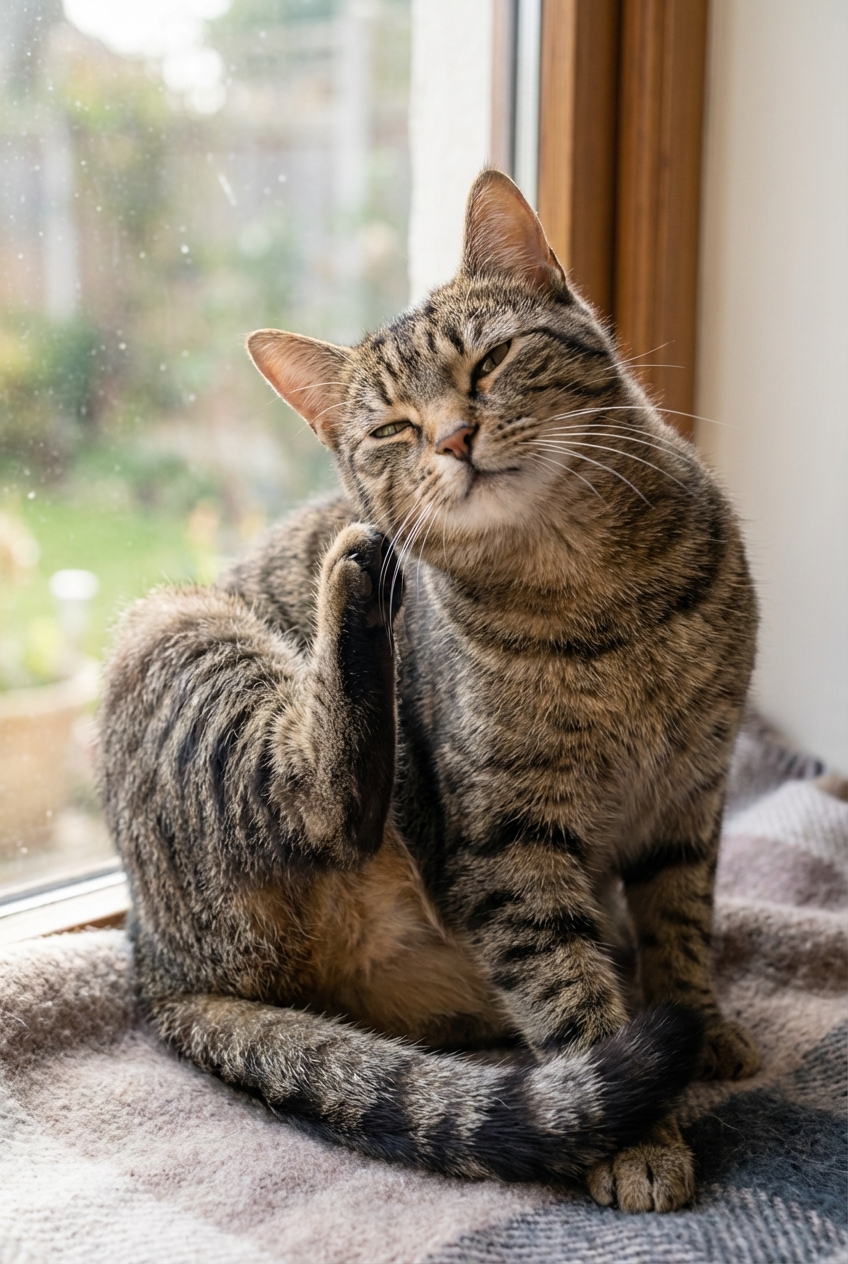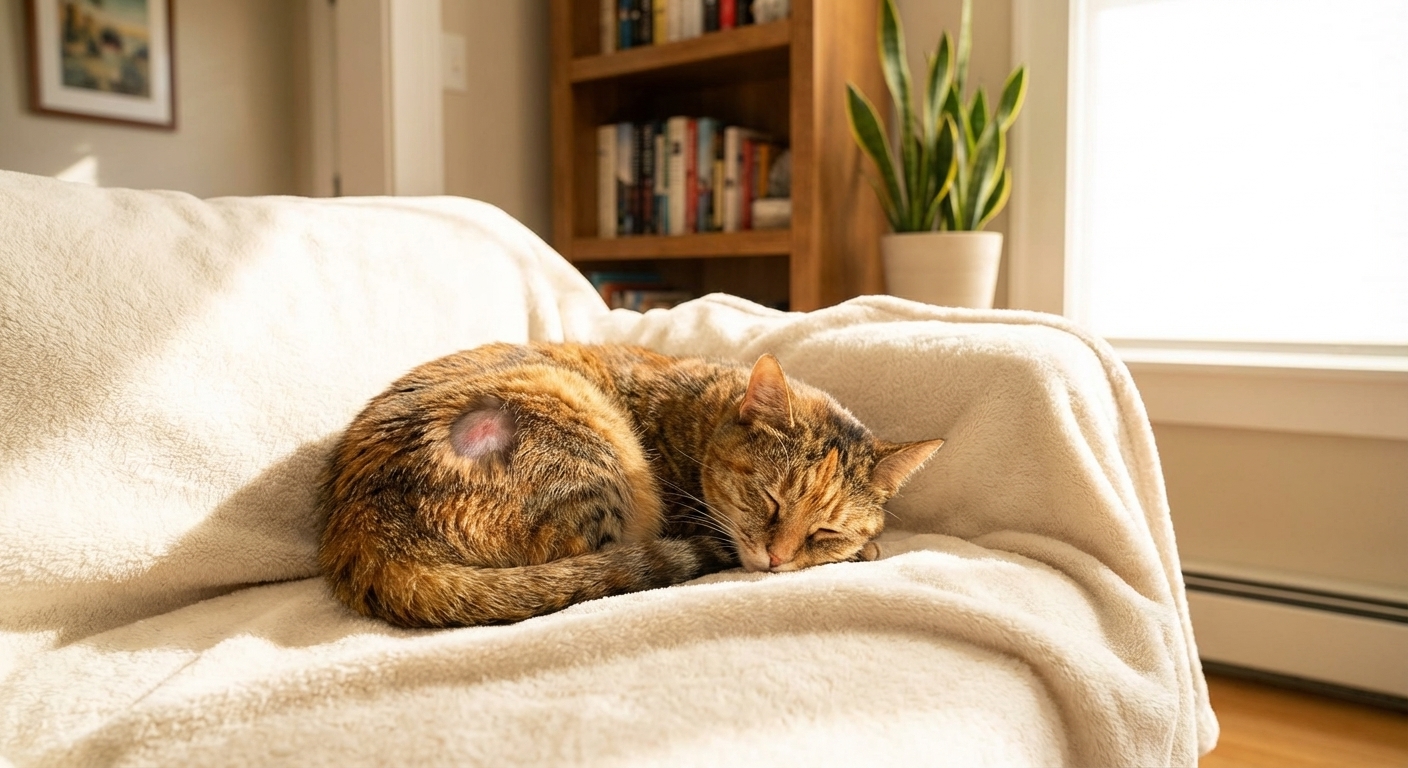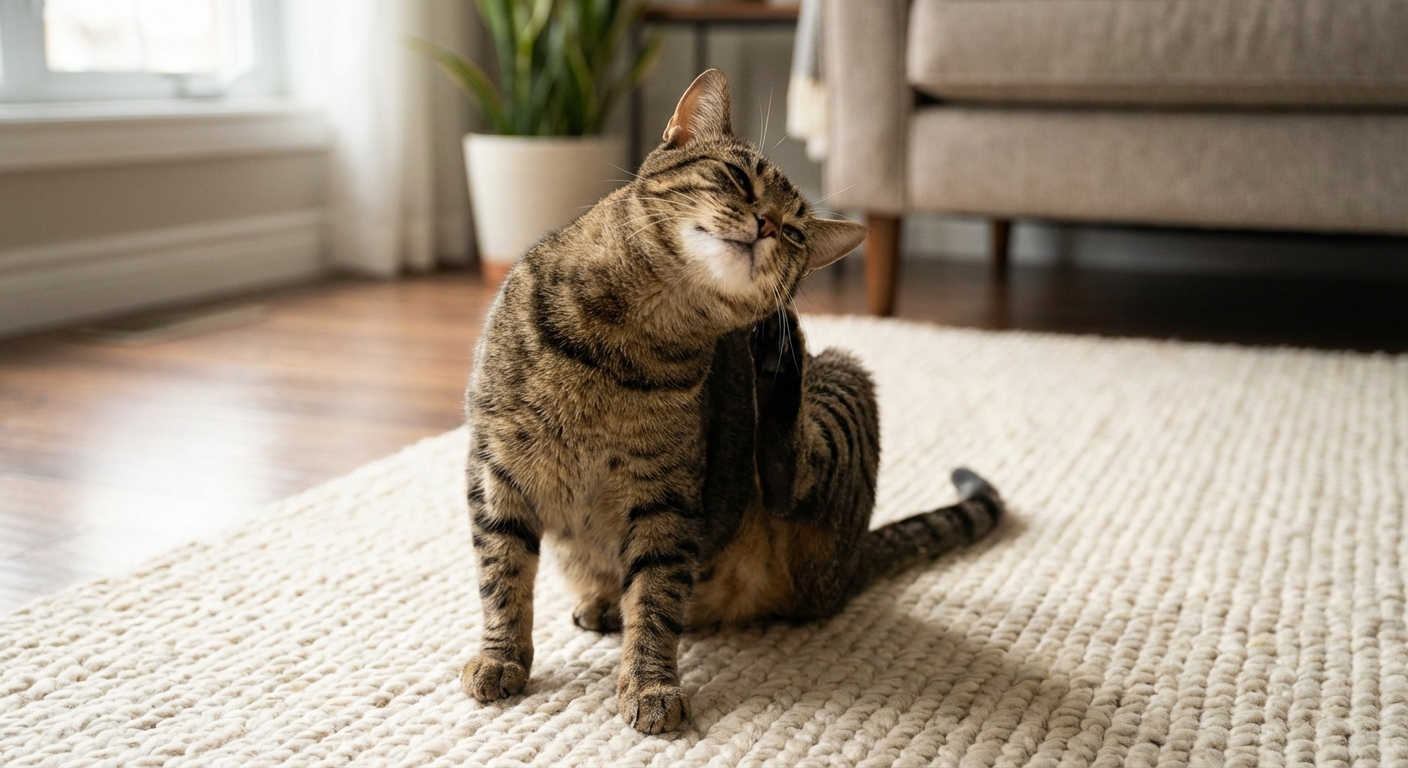
From fleas and allergies to mites, infections, ringworm, and stress grooming—learn the top causes of itchy skin in cats, key symptoms, vet diagnostics, and...
Article
•
Designer Mixes
Cat Itching But No Fleas

Shari Shidate
Designer Mixes contributor
When a cat is itchy and you cannot find a single flea, it is frustrating for everyone involved. I see this a lot in clinic: families do a careful check, maybe even treat for fleas once, and the itching keeps going. The good news is that fleas are only one piece of the puzzle. Many common causes of itching do not involve fleas at all, and most are very manageable once you pinpoint what is driving the irritation.
This handbook walks you through the most likely reasons a cat may itch without visible fleas, what you can do at home right now, and when it is time to bring your cat in for a veterinary exam.
Quick summary for skimmers: The most common causes are flea allergy (even without seeing fleas), environmental allergies, food allergy, mites, skin infection, ringworm, and overgrooming related to stress or pain.
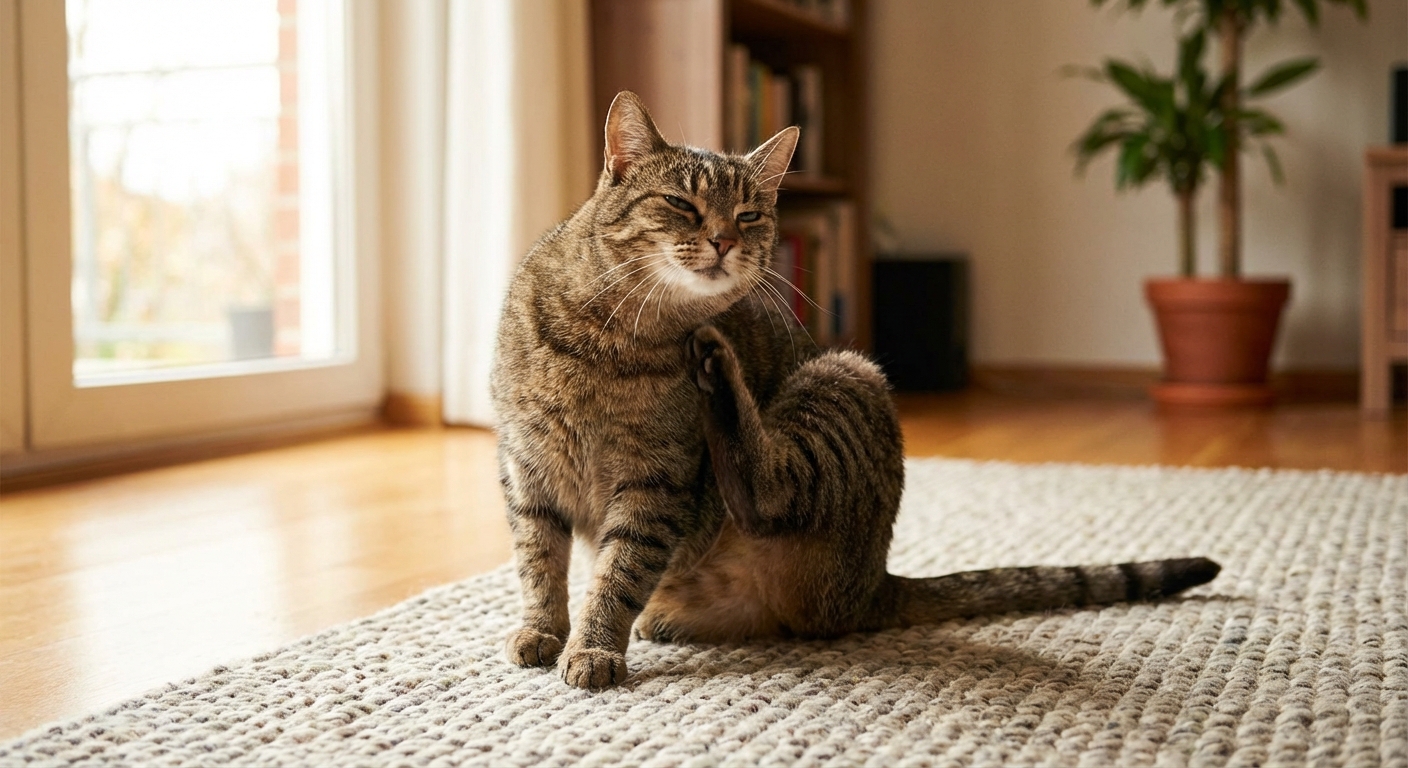
First, confirm it is truly “no fleas”
Even if you do not see fleas, they may still be involved. Cats are excellent groomers and can remove evidence quickly. Some cats react to a single bite.
What to check at home
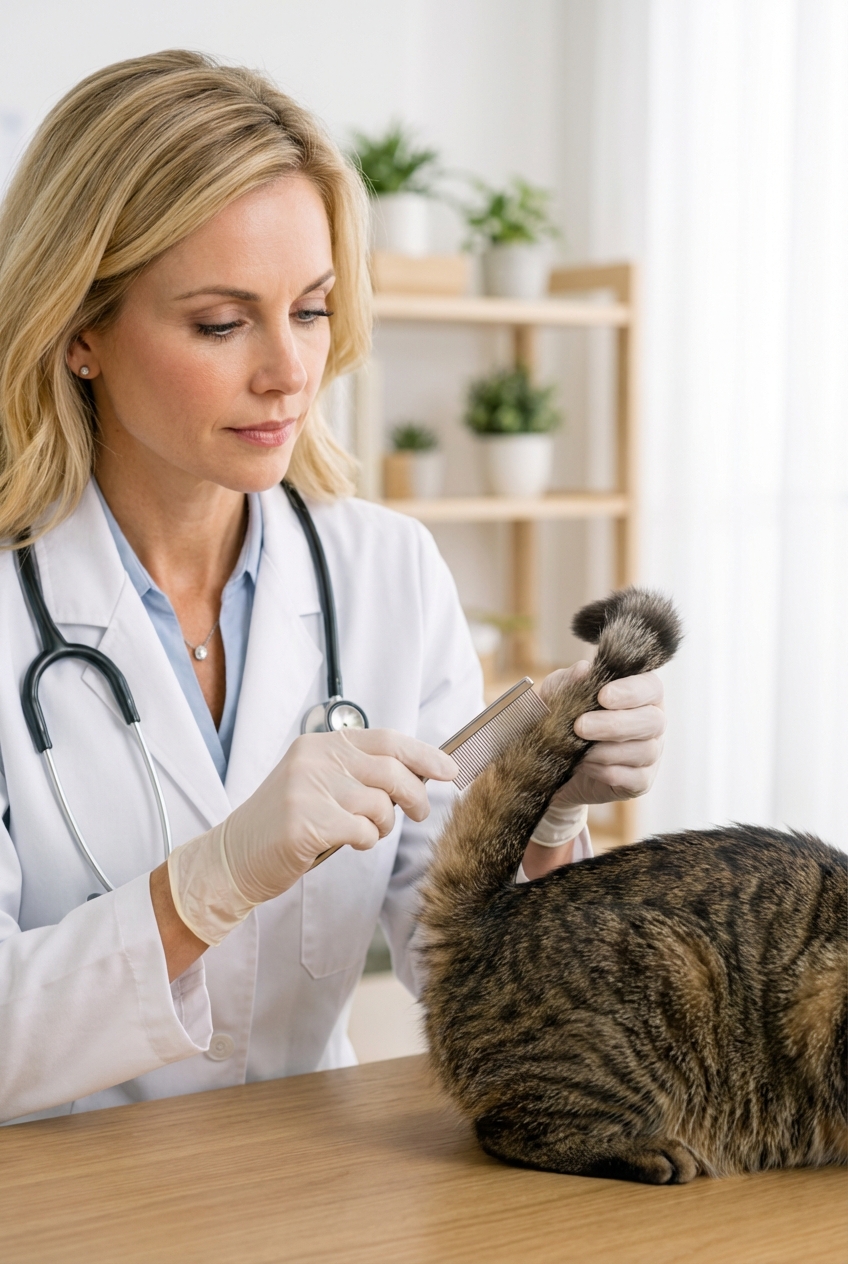
- Look for flea dirt: part the fur at the base of the tail, along the back, and around the neck. Flea dirt looks like black pepper.
- Do the paper towel test: put the specks on a damp white paper towel. If they smear reddish-brown, that is digested blood and strongly suggests flea dirt.
- Use a flea comb: comb slowly over the rump and tail base. Check the comb debris.
If you find flea dirt or fleas, treat all pets in the home with a veterinarian-recommended product and clean the environment. If you truly find nothing, keep reading because there are many other culprits.
Common reasons cats itch without fleas
Itching is a symptom, not a diagnosis. In cats, the big buckets include allergies, skin infections, parasites other than fleas, and irritation from grooming, stress, pain, or the environment.
1) Allergies (very common)
Allergies are one of the most frequent causes of chronic itching in cats. Cats can be allergic to flea saliva (even if you never see fleas), foods, pollens, dust mites, molds, and more.
- Environmental allergies (atopy): May be seasonal at first, then can become year-round. Cats may itch their face, ears, neck, belly, or overgroom their legs and sides.
- Food allergy: Usually year-round and can look identical to environmental allergies. Many cats with food allergies also have GI signs like soft stool, vomiting, or gassiness, but not always.
- Contact irritation: Litter dust, scented detergents, carpet cleaners, and certain grooming products can trigger localized irritation.
2) Eosinophilic granuloma complex (EoGC)
This is a common pattern of skin inflammation in cats and it is often driven by allergies (including fleas, food, and environmental triggers). It can look like:
- Raised plaques (often on the belly or inner thighs)
- Linear lesions (for example on the back of the legs)
- Upper lip sores (sometimes called indolent ulcers)
If you see these, your vet will focus on both treating the lesions and finding the underlying trigger.
3) Skin infections (bacterial or yeast)
Infections can be primary, but more often they are secondary to an underlying allergy or skin barrier disruption. In cats, bacterial infection is more common than yeast overgrowth, but either can happen. Signs can vary and may include:
- Red bumps or scabs (miliary dermatitis)
- Odor or a greasy coat (not always present)
- Crusty areas, especially around the chin, tail base, or belly
These usually require veterinary diagnosis and targeted therapy, not trial-and-error bathing at home.
4) Mites and other parasites (not fleas)
Several parasites can cause intense itching while being hard to see:
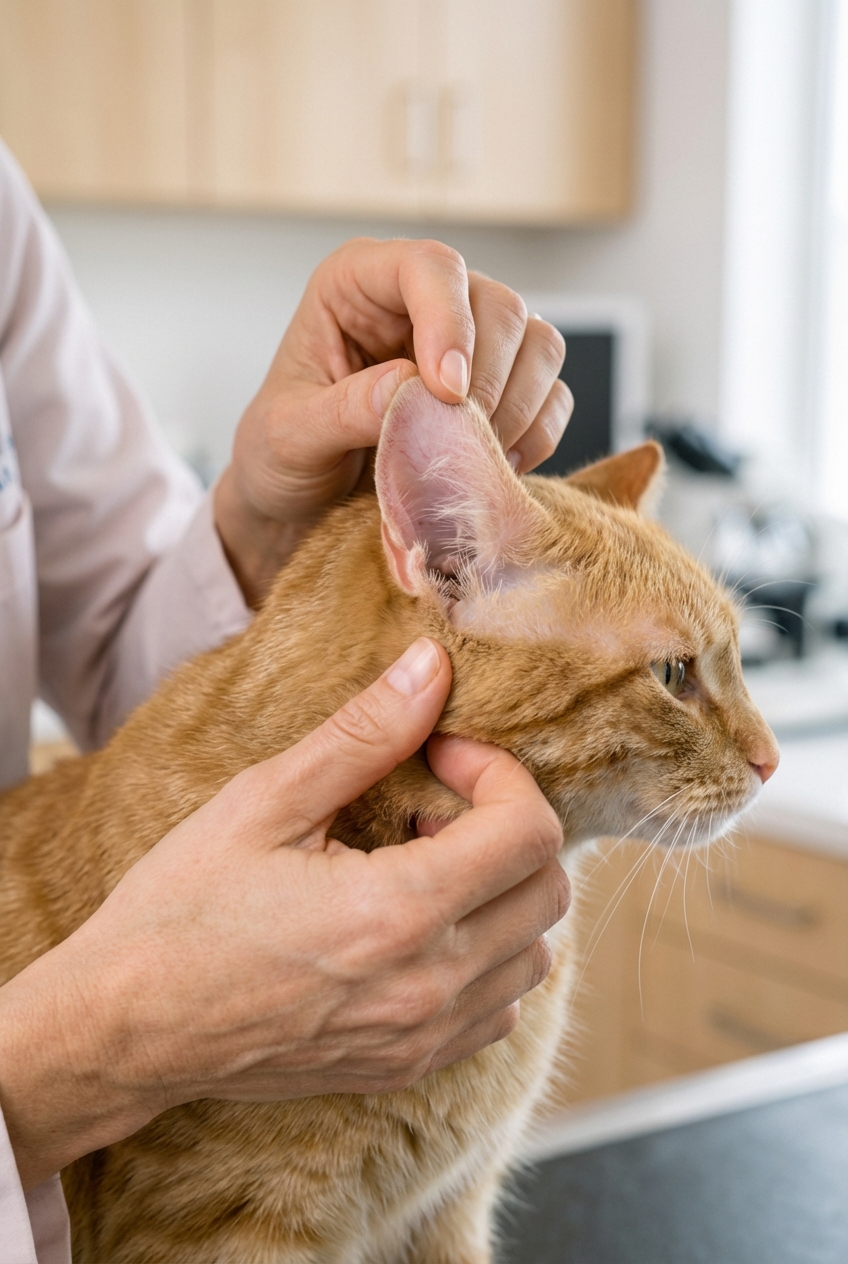
- Ear mites: often cause head shaking, ear scratching, dark waxy debris in the ears.
- Cheyletiella (“walking dandruff”): flaky skin, itching, can spread between pets and may cause temporary itch in people.
- Demodex mites: less common, can cause patchy hair loss and may be itchy.
- Sarcoptic mange (rare in cats but possible): very itchy, contagious.
- Lice: uncommon, usually in neglected or immunocompromised cats.
Your veterinarian may use tests like ear cytology, otoscopy, skin scraping, tape prep, or coat combing. A key reality is that some mites can be hard to catch on a single test, so results may be negative even when parasites are still suspected. In those cases, your vet may recommend a safe, targeted treatment trial.
Hygiene note: A few parasites are contagious. Wash hands after handling a cat with a new itchy skin issue and keep bedding clean until you have answers.
5) Ringworm (fungal infection)
Ringworm is not a worm. It is a contagious fungus that can cause patchy hair loss, scaling, broken hairs, and sometimes itching. Kittens and multi-cat homes are at higher risk. Importantly, humans can catch it too.
6) Overgrooming, pain, and stress
Cats can lick and chew their fur until it looks like “itching,” even when the trigger is not a skin disease. Common drivers include:
- Stress or anxiety: changes in routine, new pets, moving, conflict with another cat.
- Pain: arthritis, abdominal discomfort, urinary tract issues, or dental pain can show up as excessive grooming in specific areas.
- Feline hyperesthesia syndrome: twitchy back, sudden grooming episodes, sensitivity to touch. This is a diagnosis your veterinarian makes after ruling out more common causes.
7) Dry skin and environmental irritation
Low humidity, frequent bathing, harsh shampoos, and poor coat condition can all contribute. This is especially common in winter or in homes with strong heating. Occasionally, dry coat and scaling can be worsened by issues like obesity (harder to groom), poor nutrition, or underlying illness. If your cat has weight changes, low energy, or a dull coat plus itching, it is worth bringing up at your visit.
Where is your cat itching?
Itching patterns do not give a perfect diagnosis, but they can help narrow the list.
- Ears and head: ear mites, ear infection, allergies.
- Neck and back: flea allergy, environmental allergy, mites.
- Base of tail: fleas are still high on the list, also overactive oil glands or skin infection.
- Belly and inner thighs: allergies, mites, EoGC, overgrooming from stress or pain.
- Chin and lips: feline acne, contact allergy, bacterial infection, EoGC (especially upper lip).
What you can do at home now
If your cat is stable, eating, and acting normally, there are a few safe steps you can take while you schedule a vet visit. The goal is to reduce irritation and gather helpful information, not to mask symptoms with unsafe medications.
1) Prevent self-trauma
- Trim the tips of the nails if your cat tolerates it.
- If you see open sores, consider an E-collar or a soft recovery collar until the appointment.
Note: “Hot spots” (moist acute dermatitis) are much less typical in cats than dogs. Cats are more likely to develop scabs, allergic plaques, lip lesions, or hair loss from overgrooming. Either way, open or oozing skin needs veterinary guidance.
2) Start a simple itch journal
Write down:
- When itching happens most (night, after meals, after litter box, after you vacuum).
- Exact body areas.
- Any new products in the home (litter, detergent, air freshener, carpet cleaner).
- Diet details including treats, flavored meds, and people food.
3) Optimize parasite control safely
Even with “no fleas,” consistent veterinary flea prevention is often recommended as a baseline, depending on your region, household, and whether your cat goes outdoors. If your cat is not on a regular preventative, ask your veterinarian what fits your cat’s age, weight, and health history. Avoid dog-only products, especially permethrin, because they can be toxic to cats.
4) Support the skin barrier
- Run a humidifier if your home is dry.
- Brush gently to remove loose fur, but do not overbrush irritated areas.
- Ask your veterinarian about omega-3 fatty acids (EPA and DHA) for skin support. Dose matters, and cats do best with products designed for pets.
5) Avoid these common mistakes
- Do not give human antihistamines without veterinary guidance. Some are unsafe, and dosing errors are easy.
- Do not use essential oils on or around cats. Many are irritating or toxic.
- Do not bathe frequently unless your veterinarian instructs you to. Cats can become more inflamed and stressed.
- Do not apply random creams to irritated skin. Cats lick and ingest them.
When itching is an emergency
Seek urgent veterinary care if you notice any of the following:
- Rapidly spreading swelling of the face, hives, or difficulty breathing.
- Large open sores, oozing, or a bad odor from the skin.
- Lethargy, fever, not eating, or hiding more than usual.
- Severe ear pain, head tilt, loss of balance, or sudden hearing issues.
- Kittens or senior cats with sudden intense itching.
What your veterinarian may do
Itching cases are detective work, and your vet’s goal is to identify the primary cause so your cat does not get stuck in a cycle of itch, scratch, infection, repeat.
Common diagnostic steps
- Full skin and coat exam: distribution of lesions matters.
- Ear exam: otoscopy and ear cytology can check for mites, yeast, and bacteria.
- Skin cytology (tape prep or impression smear): looks for infection and inflammation.
- Skin scraping: can find certain mites, though not every mite shows up every time.
- Fungal testing: culture or PCR if ringworm is suspected.
- Diet trial: a strict elimination diet for suspected food allergy.
- Allergy plan: sometimes seasonal management, sometimes allergy testing to guide immunotherapy.
Common treatment tools
Your veterinarian might use a combination of:
- Prescription parasite preventatives that cover fleas and certain mites.
- Antibiotics or antifungals if infection is present.
- Anti-itch medications chosen specifically for cats.
- Medicated ear drops for ear infections or ear mites.
- Long-term allergy management: diet, environmental control, supplements, and sometimes immunotherapy.
Quick reminder from the clinic side: treating the itch without treating the cause often gives short relief, then the itching comes right back. A step-by-step plan is what gets lasting comfort.
Food allergy and diet trials
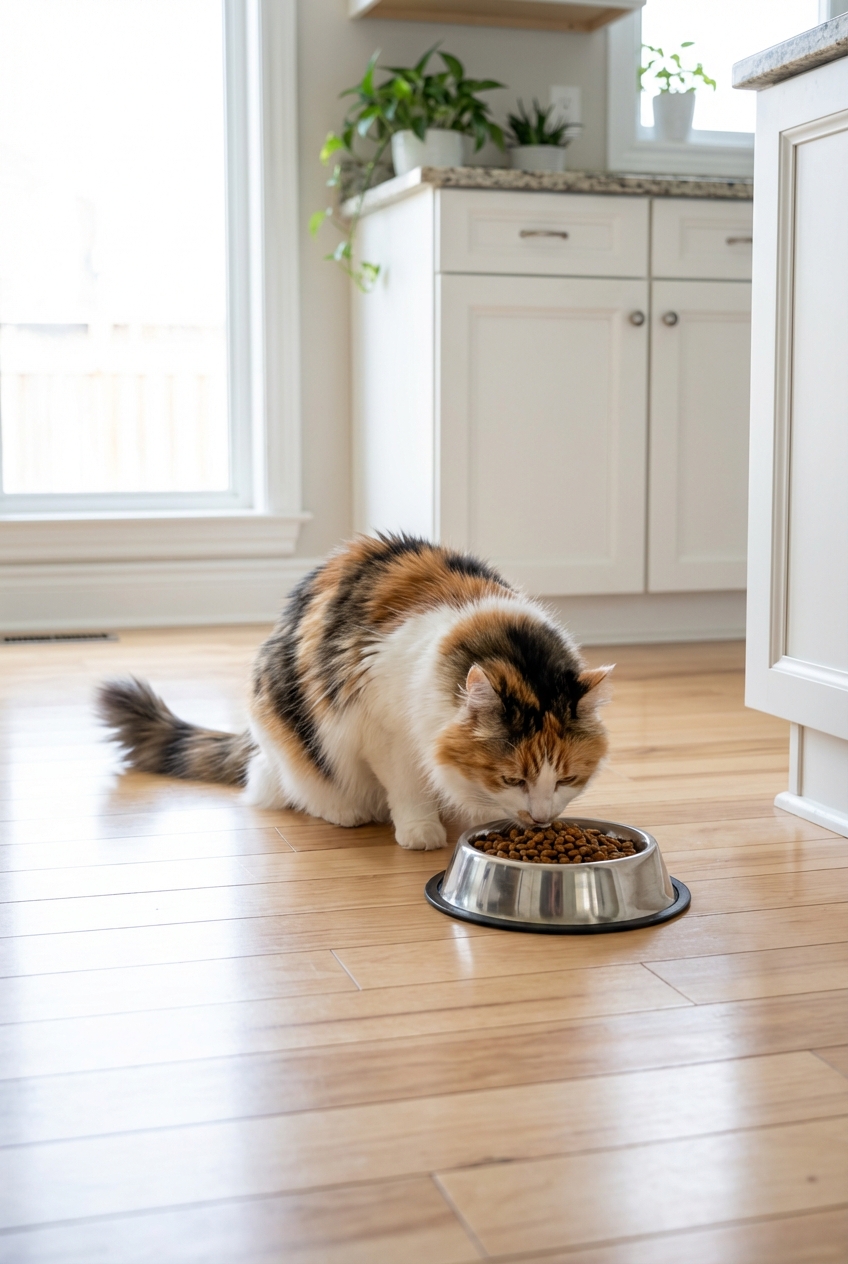
Food allergies are overdiagnosed in conversation and underdiagnosed properly. The most reliable way to confirm a food allergy is a strict elimination diet trial, usually for 8 to 12 weeks.
Also helpful to know: blood, saliva, and hair tests are not reliable for diagnosing food allergies in cats. They can be misleading and often lead to unnecessary diet changes.
Diet trial rules
- Choose the right diet: your veterinarian may recommend a prescription hydrolyzed diet or a novel protein diet.
- No extras: no flavored treats, no table food, no flavored toothpaste, and be cautious with flavored medications.
- One cat, one plan: multi-cat homes may need separate feeding to avoid “diet swapping.”
- Track improvement: itching should reduce gradually. If it improves, a controlled re-challenge may be recommended to confirm.
If your cat improves dramatically on the trial, that is real information you can use long-term. Many cats do wonderfully once the trigger ingredient is removed.
Environmental allergy tips
You cannot remove every pollen grain, but small changes can lower the overall allergy load.
- Use unscented litter and avoid heavy dust options when possible.
- Wash bedding weekly in fragrance-free detergent.
- Vacuum and mop regularly to reduce dust and dander.
- Consider an air purifier in the rooms your cat uses most.
- Wipe paws and coat lightly with a damp cloth after time on a screened porch or near open windows during high pollen seasons.
Prevention
Once your cat is comfortable again, prevention becomes the key to fewer flare-ups. These steps reduce the chance of relapse:
- Parasite prevention as recommended for your region and household.
- Routine weight and health checks to catch pain-related overgrooming early.
- Skin support: balanced diet, veterinary-approved omega-3s, and good hydration.
- Stress reduction: predictable routines, multiple litter boxes, vertical spaces, and interactive play.
- Follow-up visits: chronic itch is often a long game, and small adjustments make a big difference.
Checklist for your vet visit
- Bring photos of the worst days (especially if lesions come and go).
- List all foods, treats, supplements, and flavored meds.
- Note parasite prevention used in the last 6 months.
- Share any household changes in the last 3 months (moves, renovations, new pets, new litter).
- Ask what testing is recommended today and what can wait.
If your cat is itchy right now, please know this: you are not failing. Skin issues are common, and they often take a little patience to sort out. With a steady plan and the right diagnostics, most cats get real, lasting relief.