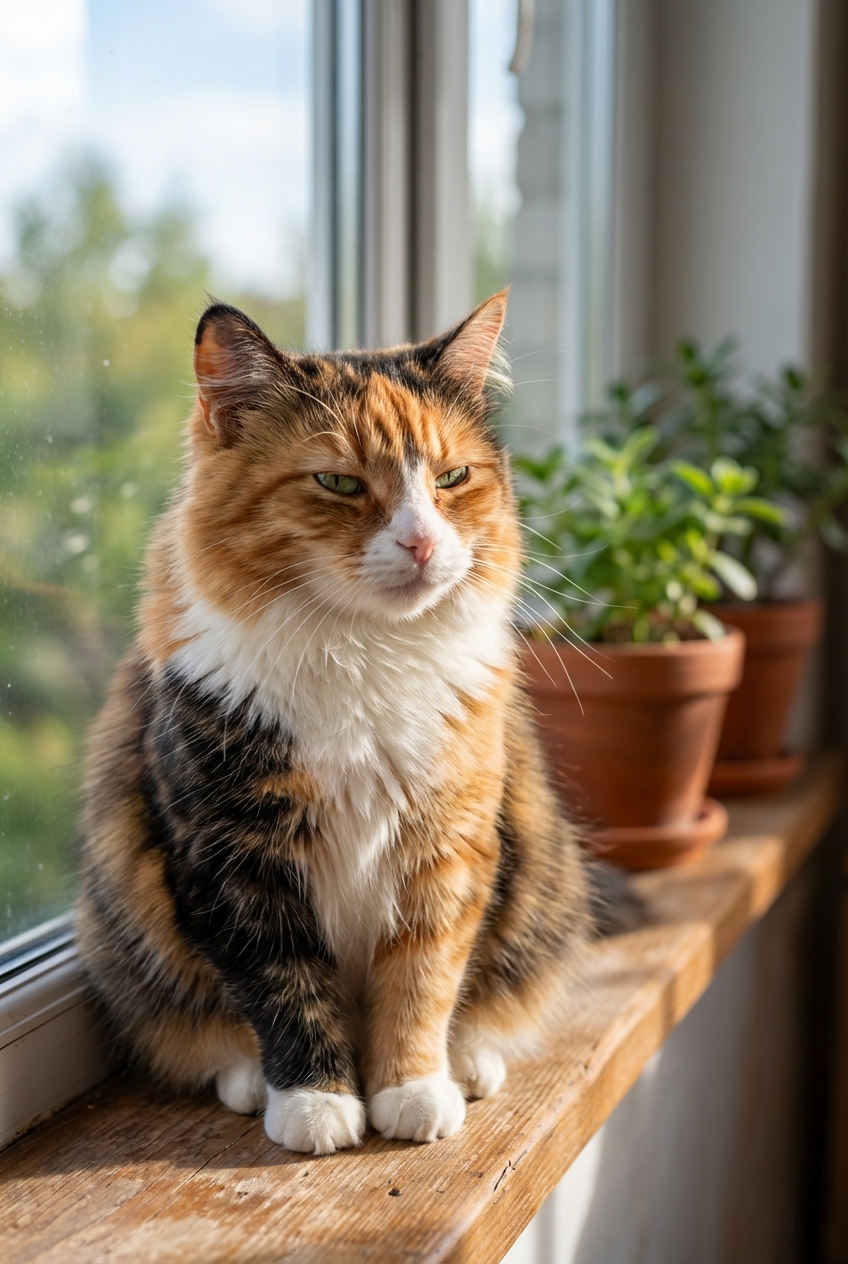
Is your cat yowling, restless, and trying to escape? Learn the signs and length of heat, calming care strategies, training tips, what to avoid, and why spayi...
Article
•
Designer Mixes
Cat in Heat Symptoms and Care Tips

Shari Shidate
Designer Mixes contributor
If your normally calm cat suddenly becomes extra vocal, clingy, or starts “presenting” her back end, you are probably seeing a heat cycle. As a veterinary assistant here in Frisco, Texas, I talk with worried cat parents about this all the time. The good news is: heat is normal, temporary, and very manageable with the right setup at home.
This guide walks you through common symptoms of a cat in heat, what’s happening in her body, and practical care tips that keep her comfortable and keep your household sane.
What “in heat” means
When a female cat is “in heat,” she is in estrus, the fertile part of her reproductive cycle. She is signaling that she is ready to mate. Most cats go through their first heat around 5 to 9 months of age, but some can cycle as early as about 4 months. Timing varies with breed, body condition, season, and indoor light exposure.
Cats are often seasonally polyestrous, meaning they can have multiple heat cycles during breeding season. Cats are also induced ovulators, which means ovulation typically happens due to mating. If ovulation does not occur, she may return to heat quickly and can seem to cycle on and off throughout the season.
Important note: A cat in heat is not “misbehaving.” She is responding to strong reproductive hormones and instincts.
Common signs of a cat in heat
Heat symptoms tend to follow a recognizable pattern, but they can show up in any order. Not every cat has every sign, so use this as a helpful roadmap.
Sign 1: Sudden affection and clinginess
Many cats become unusually friendly. You might notice head-butting, rubbing on your legs and furniture, rolling on the floor, and following you from room to room. Some cats seem restless and cannot settle.
Sign 2: Increased vocalizing
This is the symptom that usually brings families to the phone. Heat vocalizations can sound like yowling, long meows, or urgent calling, often worse at night. It is your cat’s instinctive way of advertising to male cats.
Sign 3: The classic “mating posture” (lordosis)
Your cat may lower her front end, raise her hindquarters, and move her tail to the side. Some cats will tread their back feet. Lordosis is a reflex posture that can happen when you pet her back or even when she walks past you.
Sign 4: Restlessness and escape attempts
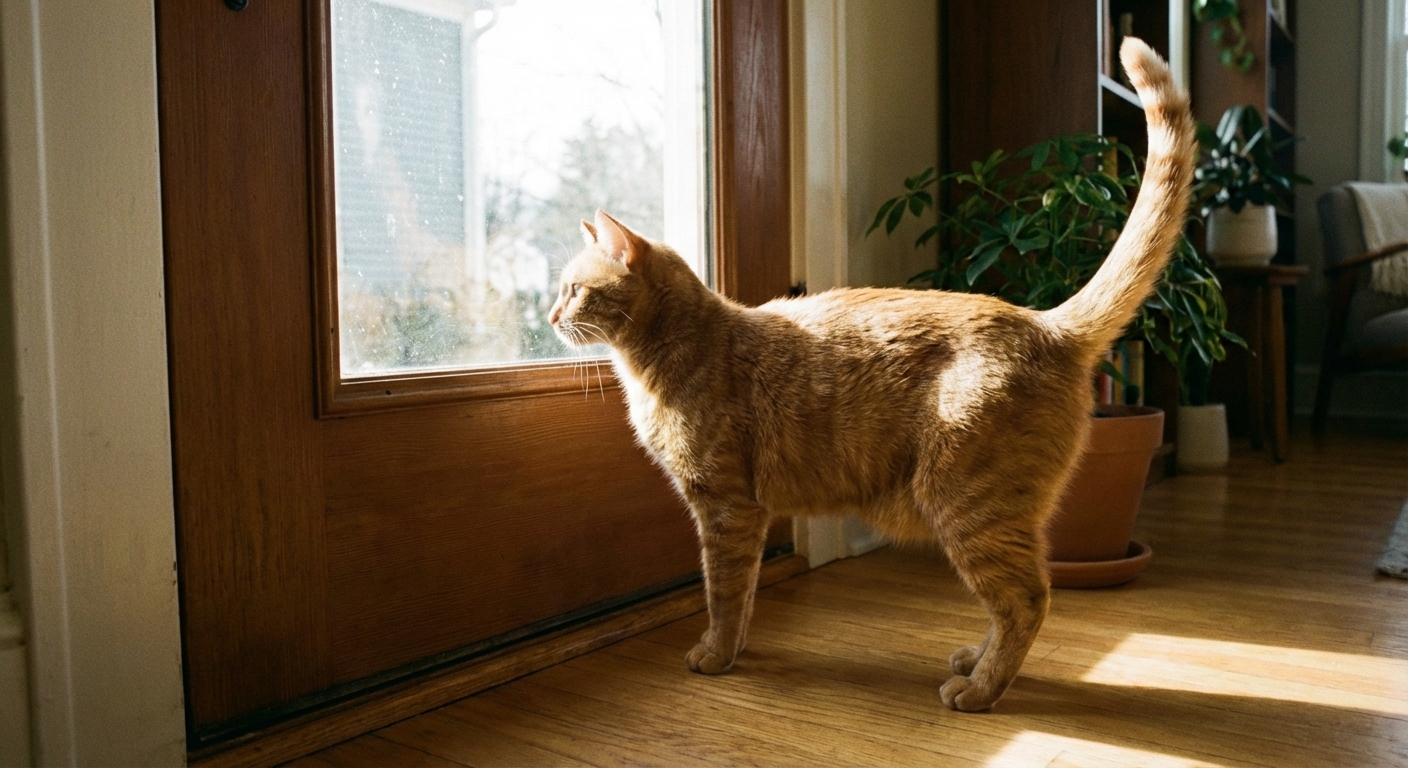
Many cats become determined to get outside. Door-dashing, window hovering, and trying to slip through small openings is very common during heat. This is one of the biggest safety risks during a heat cycle.
Sign 5: Increased rubbing and scent marking
Cats in heat may rub their face and body more than usual. Some females will spray small amounts of urine or urinate more frequently as part of scent communication. It can look like “behavior issues,” but it is hormone-driven.
Sign 6: Appetite changes (sometimes)
Some cats eat less because they are focused on finding a mate. Others eat normally. Keep fresh water available and monitor intake, especially if your cat is already petite.
Sign 7: More grooming around the rear
You might notice extra licking around the vulva area. Mild swelling can occur. Cats typically do not bleed like dogs do. Also, visible discharge is not a hallmark sign for many cats, so do not ignore it. Any discharge that is bloody, yellow, green, foul-smelling, or persistent should be checked by your veterinarian.
How long does it last?
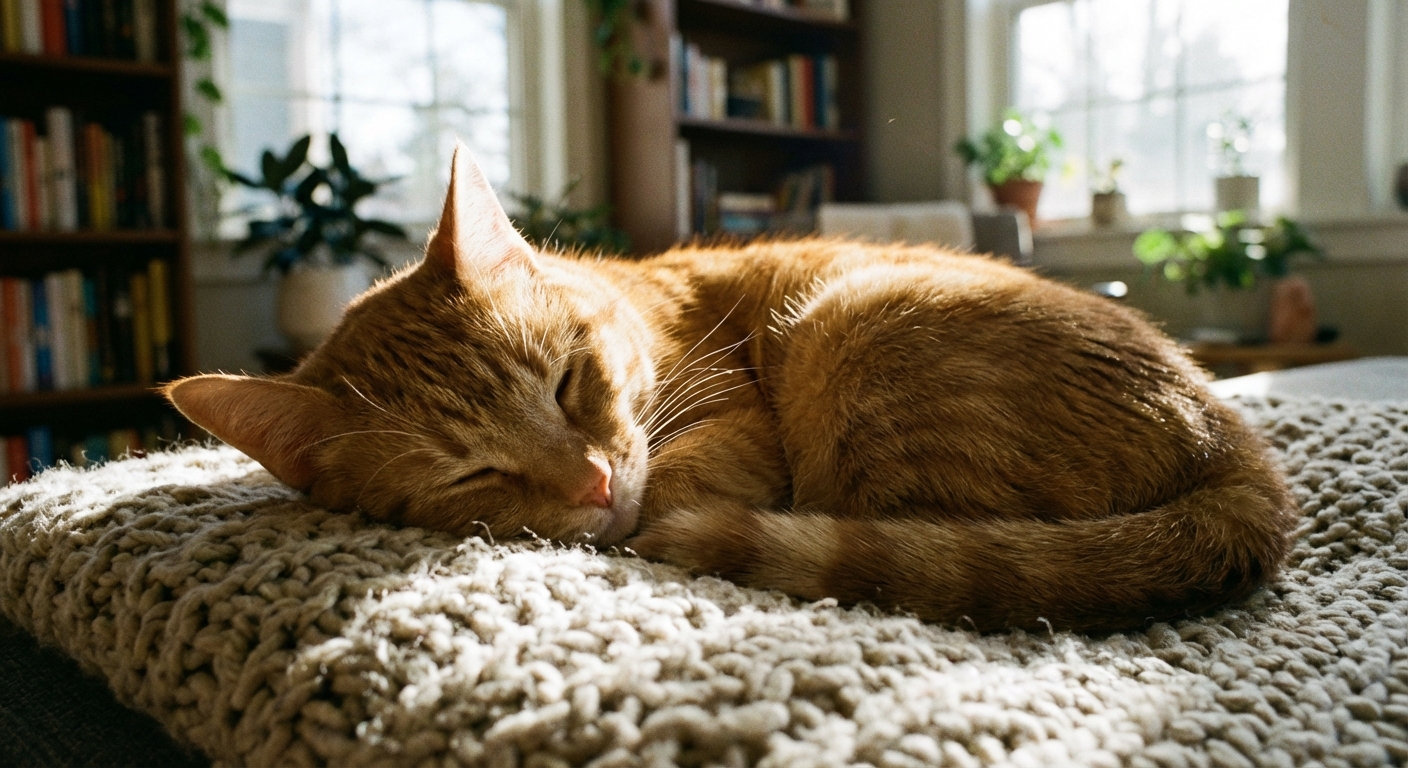
Estrus often lasts several days, commonly around 3 to 10 days, but it can vary. If she does not mate and ovulate, she may return to heat after a short break. During breeding season, many unspayed cats cycle again about every 2 to 3 weeks, although some appear more frequent.
Home care tips that actually help
Your main goals are comfort, safety, and stress reduction. Here is what I recommend most often in clinics.
1) Lock down escape routes
- Keep doors and windows secured, including screens.
- Remember that motivated tomcats can push in flimsy screens. Use sturdy window locks, keep windows fully closed, or add a solid barrier.
- Use a double-door routine if possible, like placing her in a separate room before opening an exterior door.
- Consider adding a baby gate plus a closed door for extra protection in busy households.
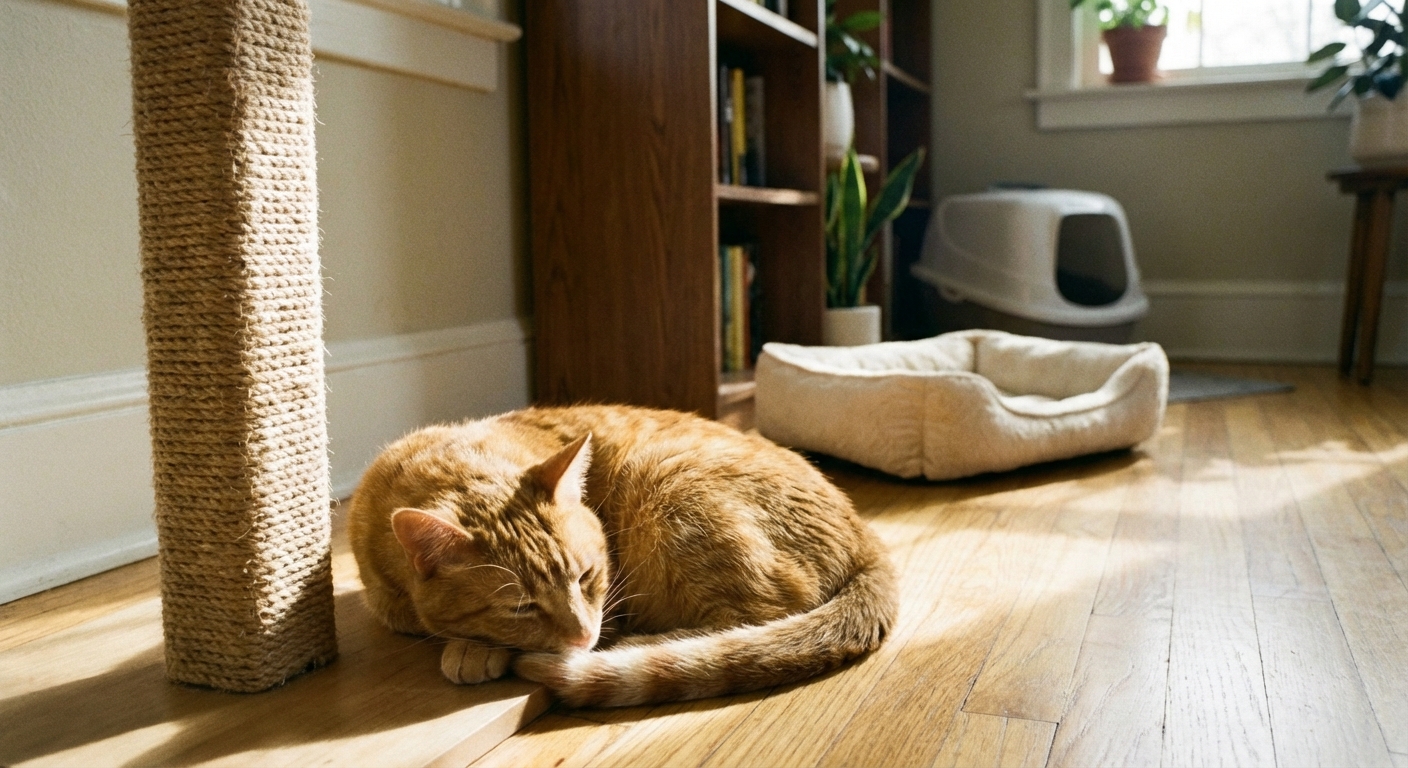
2) Create a calm comfort room
Choose a quiet room with:
- A cozy bed or covered hideaway
- A clean litter box
- Food and water
- Scratching post and a few familiar toys
Lower stimulation can reduce pacing and vocalizing for some cats.
3) Use gentle enrichment and distraction
- Short play sessions (wand toy, chase games) can help burn off restless energy.
- Food puzzles or lickable treats can give her something soothing to focus on.
- Cat-safe calming pheromones (diffuser or spray) may help some cats relax.
4) Offer comfort without overstimulating
Many cats want extra attention during heat. Pet her head and cheeks and let her set the pace. Some cats get overstimulated if you pet along the back near the tail base, because it can trigger the mating posture and increase agitation.
5) Keep the litter box extra clean
If your cat is marking or urinating more frequently, a spotless litter box can reduce accidents. Scoop at least once daily, and consider adding a second box temporarily.
6) Reduce neighborhood triggers
- Close blinds if outdoor cats are visible.
- Limit time on window perches if it ramps up agitation.
- Do not allow intact male cats into your home, even briefly.
A note about male cats
Male cats do not go into heat, but they can react strongly if a female in heat is nearby. You may see yowling, roaming, spraying, or sudden attempts to get outside. If you have an intact male, extra indoor security and separation are important during this time.
What not to do
- Do not punish vocalizing. It increases stress and will not stop the hormone-driven behavior.
- Do not let her “just go outside for a bit.” Even a short escape can lead to pregnancy, injury, or getting lost.
- Do not use human medications. Pain relievers and sedatives can be dangerous to cats unless prescribed by your veterinarian.
- Avoid hormonal suppression unless your veterinarian recommends it for a specific reason. Medications in the progestin category and other hormone-based options can carry significant risks and are not a casual solution.
When symptoms are not normal
Heat can look dramatic, but certain signs should never be ignored. Contact your veterinarian promptly if you notice:
- Bloody discharge from the vulva
- Foul odor or pus-like discharge
- Lethargy, fever, vomiting, or loss of appetite that lasts more than a day
- Straining to urinate, crying in the litter box, or frequent small pees (possible urinary issue)
- Swollen abdomen or signs of pain
One condition we take very seriously in unspayed females is pyometra (a uterine infection). It is an emergency and can be life-threatening.
What if she is spayed?
A fully spayed cat should not go into heat. If your cat is spayed but still shows heat-like behaviors (yowling, lordosis, escape attempts), call your veterinarian. One possible cause is ovarian remnant syndrome, where a small amount of ovarian tissue continues to produce hormones.
The best long-term solution: spaying
If you are not planning to responsibly breed your cat (with veterinary guidance and genetic screening), spaying is the kindest, most reliable way to prevent repeated heat cycles and unplanned litters.
Spaying also helps reduce the risk of reproductive diseases, and it can lower the chance of certain cancers when done at an appropriate time. Your veterinarian can help you choose the best timing for your cat’s age, health, and lifestyle.
If your cat is currently in heat, many clinics can still spay, but some prefer to schedule when the cycle ends because tissues can be more vascular during heat. Call your clinic and ask what they recommend.
Quick checklist
- Keep her indoors and secure doors, windows, and screens
- Expect vocalizing, restlessness, and the mating posture
- Offer a calm room, play, and gentle affection
- Clean the litter box often
- Call the vet for bleeding, illness, foul discharge, urinary pain signs, or heat-like signs in a spayed cat
- Plan a spay appointment for long-term peace of mind
Heat cycles can feel intense, but you are not alone. With a little preparation and a lot of patience, most cats get through it just fine, and your home can stay calm and safe, too.