Your female cat in heat isn’t misbehaving—she’s hormonal. Use warmth, play, pheromones, and a safe room to reduce yowling and restlessness, prevent esc...
Article
•
Designer Mixes
Cat in Heat Night Yowling: Behavior and Solutions

Shari Shidate
Designer Mixes contributor
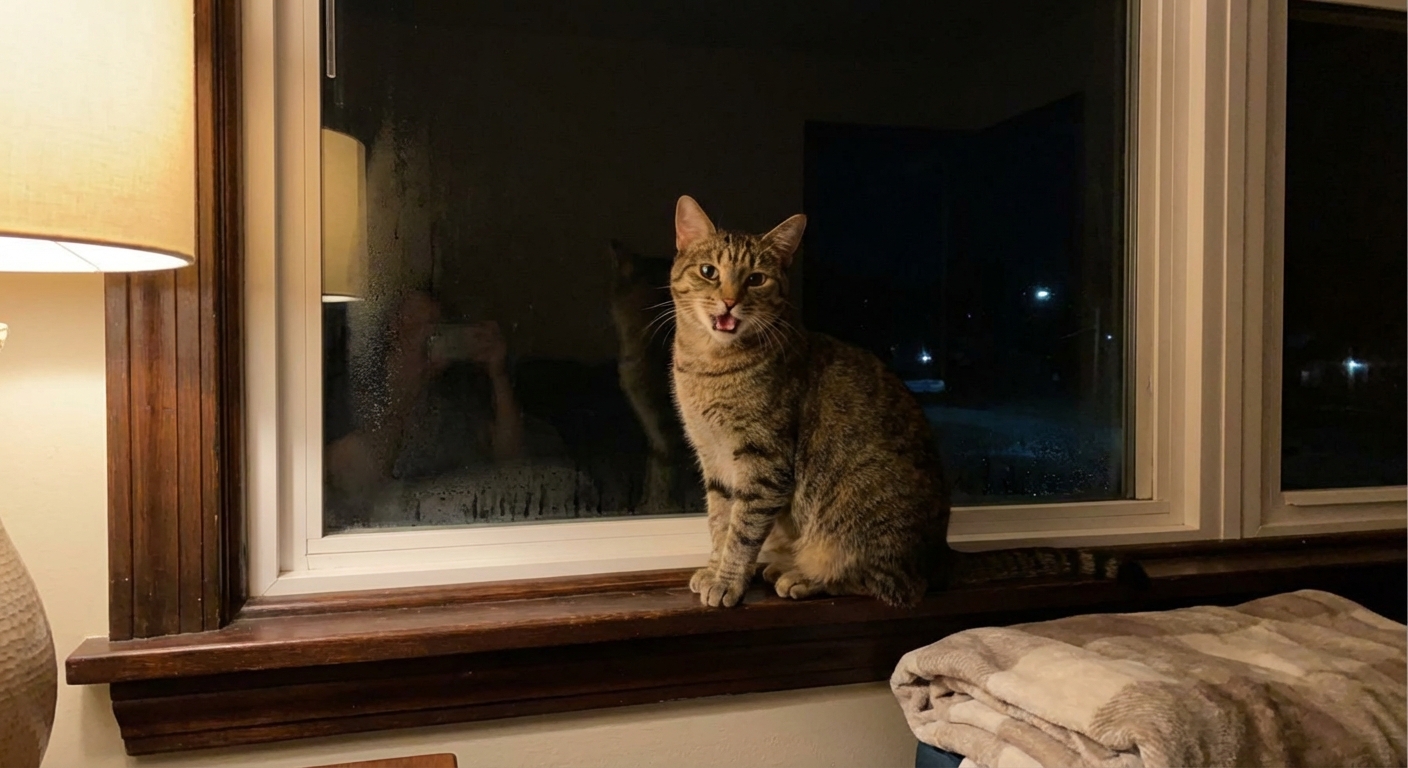
If your female cat is suddenly yowling at night, rubbing on everything, and acting like she cannot settle, you are not imagining it. For many families, a cat in heat can sound like an emergency, especially at 2 a.m. The good news is that this behavior is usually normal reproductive behavior, and there are practical ways to help your cat feel calmer while you protect her health and your sanity.
In this article, I will walk you through what heat looks like in cats, why nighttime is often the loudest, what you can do right now, and when it is time to call your veterinarian.
What “in heat” means
Heat, also called estrus, is the period when an unspayed female cat is fertile and actively seeking a mate. Many cats are influenced by daylight and season, but some can cycle multiple times a year, and some cycle back-to-back if they do not become pregnant.
For context, many cats have their first heat at about 5 to 9 months old, although some can start earlier or later.
Common signs
- Night yowling or loud calling (often long, drawn-out vocalizations)
- Restlessness and trouble settling down
- Rolling on the floor, intense rubbing on people and objects
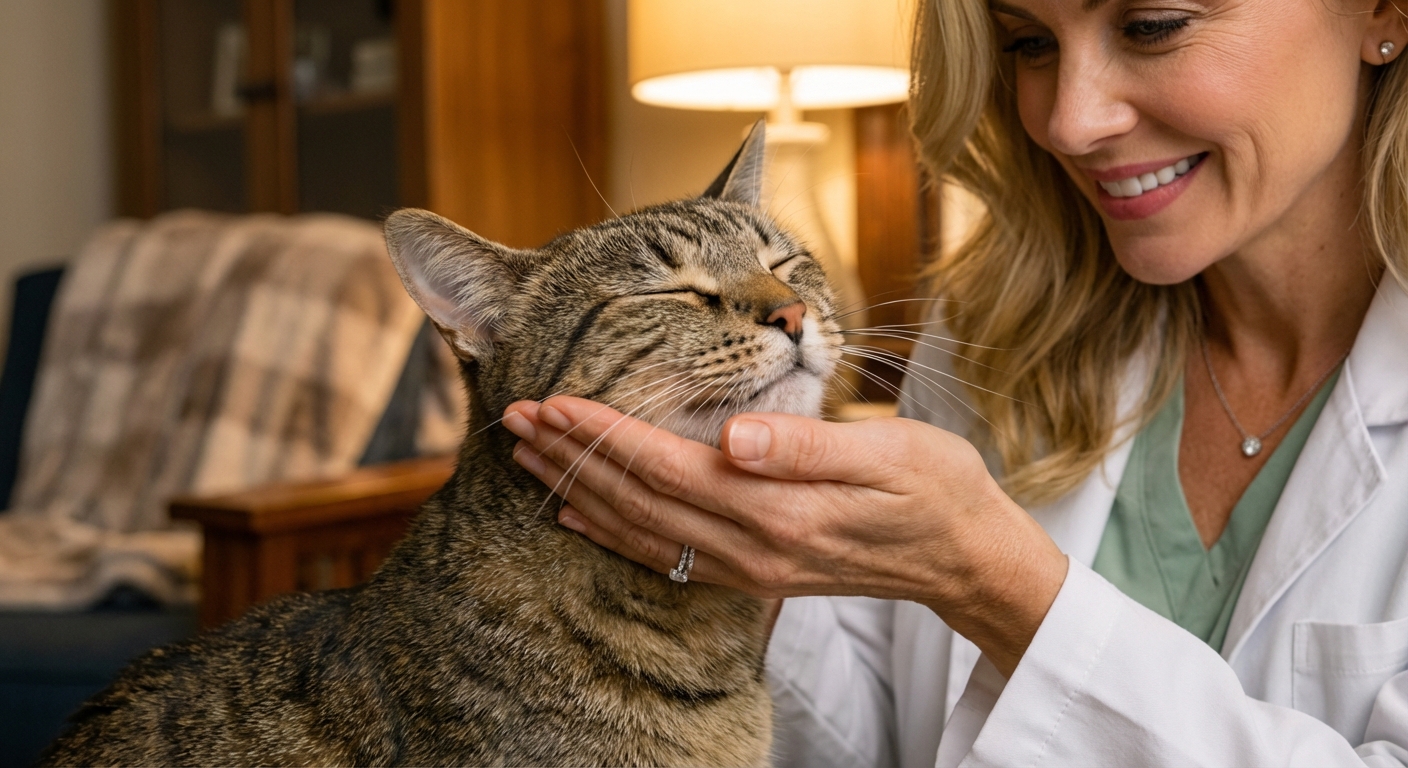
- Tail held to the side with the rear end elevated when petted (lordosis posture)
- Increased affection or clinginess, sometimes moodiness
- Trying to escape through doors and windows to find a mate
- Decreased appetite in some cats
- Spraying (less common than in males, but can happen)
Important note: Most cats in heat do not have vaginal bleeding like dogs do. If you notice bleeding, a foul odor, lethargy, vomiting, discharge, or your cat seems painful, that is not typical heat behavior and should be checked by a veterinarian.
Why it is worse at night
From your cat’s perspective, nighttime is prime time for communicating with potential mates. Cats are naturally more active during low-light hours, and if she hears or smells neighborhood cats, or sees them through a window, it can intensify the calling behavior.
There is also a practical reason it feels louder: your home is quieter at night, so the same vocalization sounds amplified, and sleep deprivation makes everything feel more urgent.
One more thing to know: a cat in heat can attract intact male cats to your yard or doors, so extra vigilance with windows and entryways is worth it.
How long it lasts
Many heat cycles last about 4 to 10 days, sometimes longer, depending on the individual cat and the season. If a cat does not mate, she may cycle again in as little as about 1 to 3 weeks, and some cats appear like they are “always in heat” during peak breeding seasons.
This is why families often feel stuck in a loop of repeated nighttime yowling until they address the underlying driver: hormones and fertility.
What you can do tonight
When you are in the middle of a loud night, you need solutions that are realistic and safe. No home remedy truly stops heat. Management is temporary until the heat ends or your cat is spayed. These steps can reduce arousal and help your cat settle.
1) Keep her indoors and secure
A cat in heat can become surprisingly determined to escape. Double-check window screens, keep exterior doors closed, and consider a simple two-door routine so she cannot bolt outside. For example, use a bathroom, mudroom, or hallway as a quick “airlock” (step in, close the first door, then open the next).
2) Block triggers
- Close blinds or move her away from windows where she can see outdoor cats.
- Reduce scent cues by keeping windows closed during active calling phases.
- Use white noise in your bedroom to help you sleep while you work on the long-term fix.
3) Add play before bed
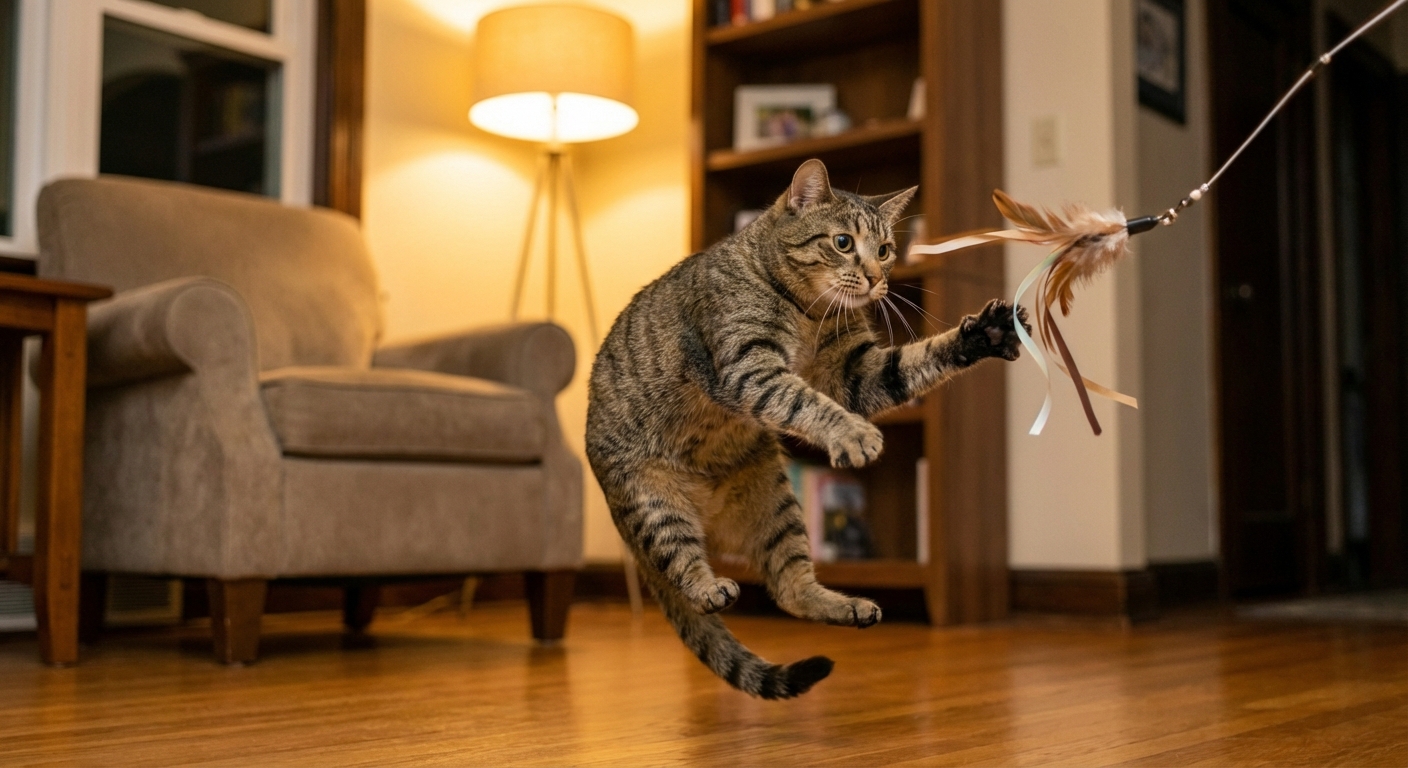
A focused play session can take the edge off restlessness. Aim for 10 to 15 minutes of interactive play (wand toy, chase toy), then offer a small meal. This mirrors a natural hunt-then-eat rhythm and can support calmer nighttime behavior.
4) Set up a calm space
Create a cozy, dim area with a soft bed, a covered hide, and a litter box nearby. Some cats settle better in a smaller, quieter space. If you choose a separate room, make sure it is comfortable and enriched, not punitive.
5) Try a pheromone diffuser
Synthetic feline facial pheromones (often sold as diffusers or sprays) may help some cats feel more secure and reduce stress-related behaviors. They can support relaxation, but they will not “turn off” heat behaviors. Place the diffuser where your cat spends the most time, and follow label directions.
6) Avoid punishment
Yelling, spraying water, or scolding will not stop hormonal calling. It often increases stress, which can increase vocalization and damage trust. Your cat is not being “bad.” She is being biologically driven.
What does not work
When you are exhausted, it is tempting to try anything. A few common “solutions” can backfire.
- Human medications or sleep aids: Do not give anything unless your veterinarian specifically prescribes it. Many common meds are toxic to cats.
- Essential oils: Many essential oils and diffusers can be irritating or toxic to cats, especially in poorly ventilated spaces.
- Letting her out to “get it out of her system”: This can lead to pregnancy, injury, disease exposure, and getting lost. It also does not protect her long-term health.
Best long-term fix: spaying
For the vast majority of families, spaying is the kindest and most reliable fix for heat yowling. Spaying removes the ovaries (and sometimes the uterus), depending on technique, which stops heat cycles and prevents pregnancy.
Why vets recommend it
- Stops heat behaviors (yowling, restlessness, escape attempts)
- Prevents unplanned litters
- Significantly reduces the risk of mammary cancer, especially when done before the first heat or early in life
- Prevents pyometra, a life-threatening uterine infection
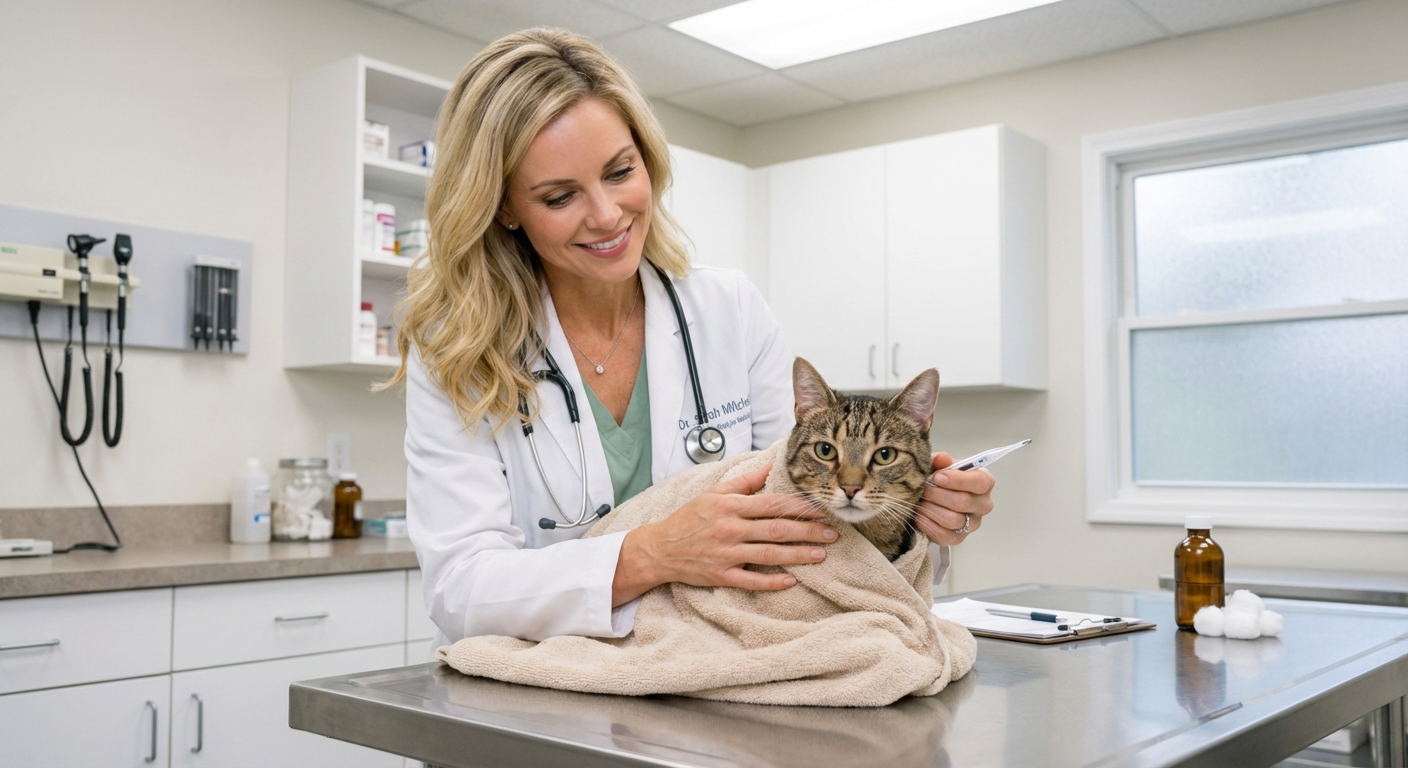
If your cat is currently in heat, many clinics can still spay her, although some prefer to wait until she is out of heat due to increased blood flow to reproductive tissues. Call your veterinarian and ask what they recommend for your individual cat.
How fast it helps
Heat behaviors usually stop quickly once hormone cycling ends, but it may take a little time for hormone levels to settle. If your cat has already learned certain habits like vocalizing at the door, you may still need a short period of behavior support.
When it is not heat
Not every vocal cat is in heat, and not every yowl is reproductive calling. This is especially important if your cat is spayed, male, or older. For example, neutered or spayed cats can still yowl at night due to boredom, stress, pain, or medical issues.
Call your vet if you notice
- Frequent trips to the litter box, straining, crying while urinating, or accidents (possible urinary tract issues)
- Sudden appetite changes, vomiting, diarrhea, or weight loss
- Limping, hiding, or sensitivity to touch (pain)
- Disorientation, yowling in older cats, or changes in sleep-wake cycle (possible cognitive dysfunction or medical causes like hyperthyroidism)
- Vaginal discharge, fever, lethargy, or a swollen abdomen (urgent)
If you are not sure, it is completely reasonable to schedule an exam. A quick check can rule out discomfort, infection, and other problems that also spike at night.
A simple plan
Here is a calm, step-by-step approach I recommend to many pet parents:
- Tonight: Close blinds, keep windows shut, play hard for 10 to 15 minutes, offer a small meal, set up a cozy quiet space, and use white noise for your sleep.
- This week: Call your vet to discuss spay timing and ask whether a pheromone diffuser is worth trying for your cat.
- Until surgery: Keep her strictly indoors, reinforce doors and window screens, and avoid punishment. Expect the behavior to come and go with cycles.
With heat behaviors, kindness plus a plan beats frustration every time. Your cat is not trying to keep you up. She is following powerful biology, and you can absolutely help her through it.
Quick FAQs
Is a cat in pain in heat?
Heat is not typically described as pain, but it can be uncomfortable and highly stimulating. The calling, restlessness, and agitation are driven by hormones and instinct.
Can a cat be in heat and pregnant?
Cats are induced ovulators, meaning mating triggers ovulation. Once pregnant, they generally do not continue normal heat cycles, although early pregnancy or split-cycle behavior can sometimes look similar to heat. Cats can mate with multiple males during a heat, which can result in a litter with multiple fathers.
Heat or just a vocal cat?
Look for the combination: yowling plus rolling, rubbing, tail to the side when petted, and escape attempts. If you are unsure, your vet can help confirm and rule out medical issues.