Understand the feline heat cycle: how often cats go into heat (often every 2–3 weeks), how long it lasts, common signs, pregnancy risk, and practical ways ...
Article
•
Designer Mixes
Cat in Heat: Fertile Days & Pregnancy Prevention

Shari Shidate
Designer Mixes contributor
If your female cat suddenly becomes extra vocal, affectionate, and restless, you are probably seeing her first heat cycle. As a veterinary assistant, I can tell you this is one of the most common reasons families panic and think something is “wrong.” The truth is: she is doing what her hormones are designed to do. The bigger issue is that cats can become pregnant quickly, and preventing an unplanned litter starts with understanding her fertile window.
What “in heat” means
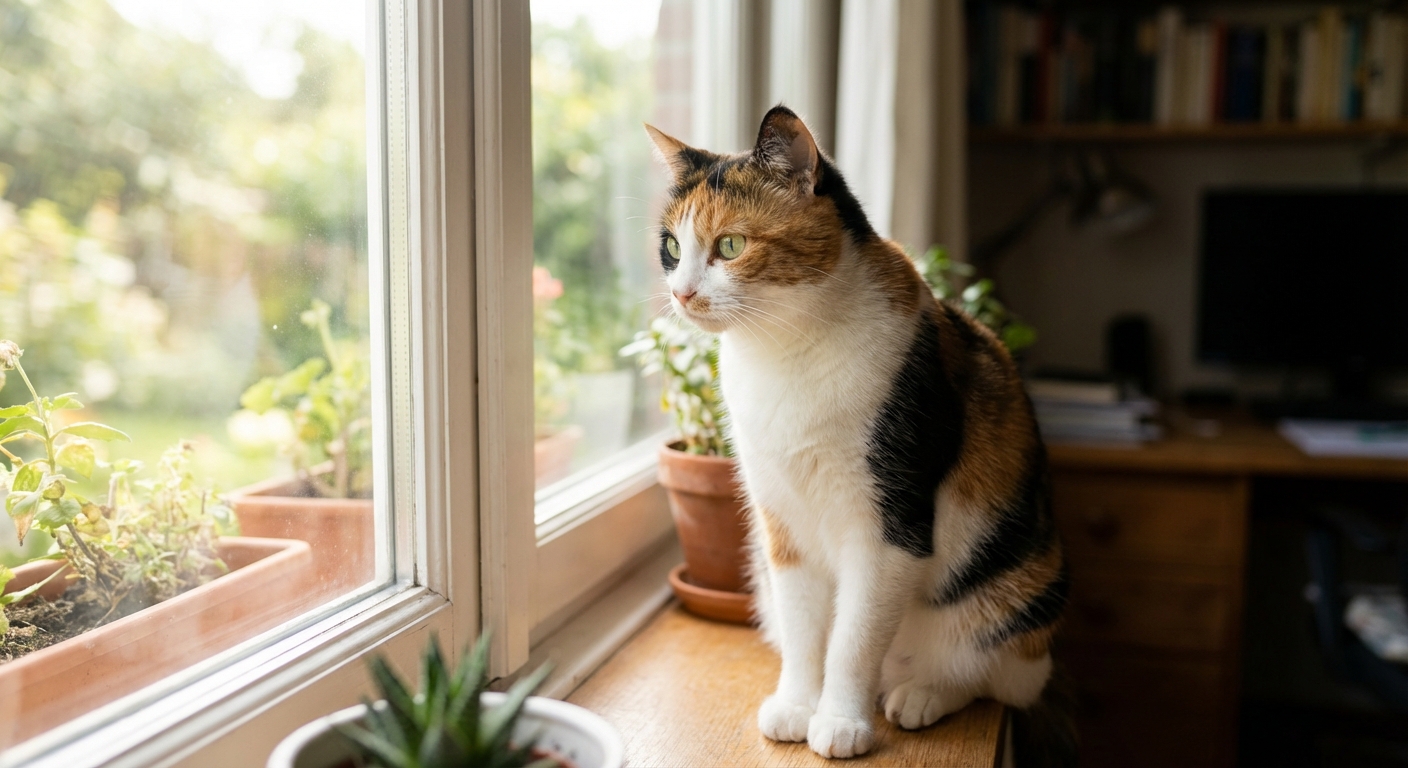
A cat in heat is a female cat who is hormonally ready to mate. Most cats are seasonally polyestrous, meaning they have multiple heat cycles during the breeding season. Indoor lighting, warm climates, and living indoors year-round can make heat cycles show up during many months of the year.
Cats are also induced ovulators. That means ovulation is usually triggered by mating, not automatically on a set day like in humans. This is one reason a cat may seem “in heat” for several days and may return to heat again soon if she does not mate.
When cats go into heat
Age of first heat
Some cats can reach sexual maturity as early as 4 months, with many commonly starting closer to 5 to 9 months. Timing varies by breed, season, indoor lighting, and body condition. Do not assume a kitten is “too young” to get pregnant.
How often it happens
If she does not become pregnant, heat cycles can repeat about every 1 to 3 weeks. In some multi-cat households, it can feel even more frequent.
Heat timeline
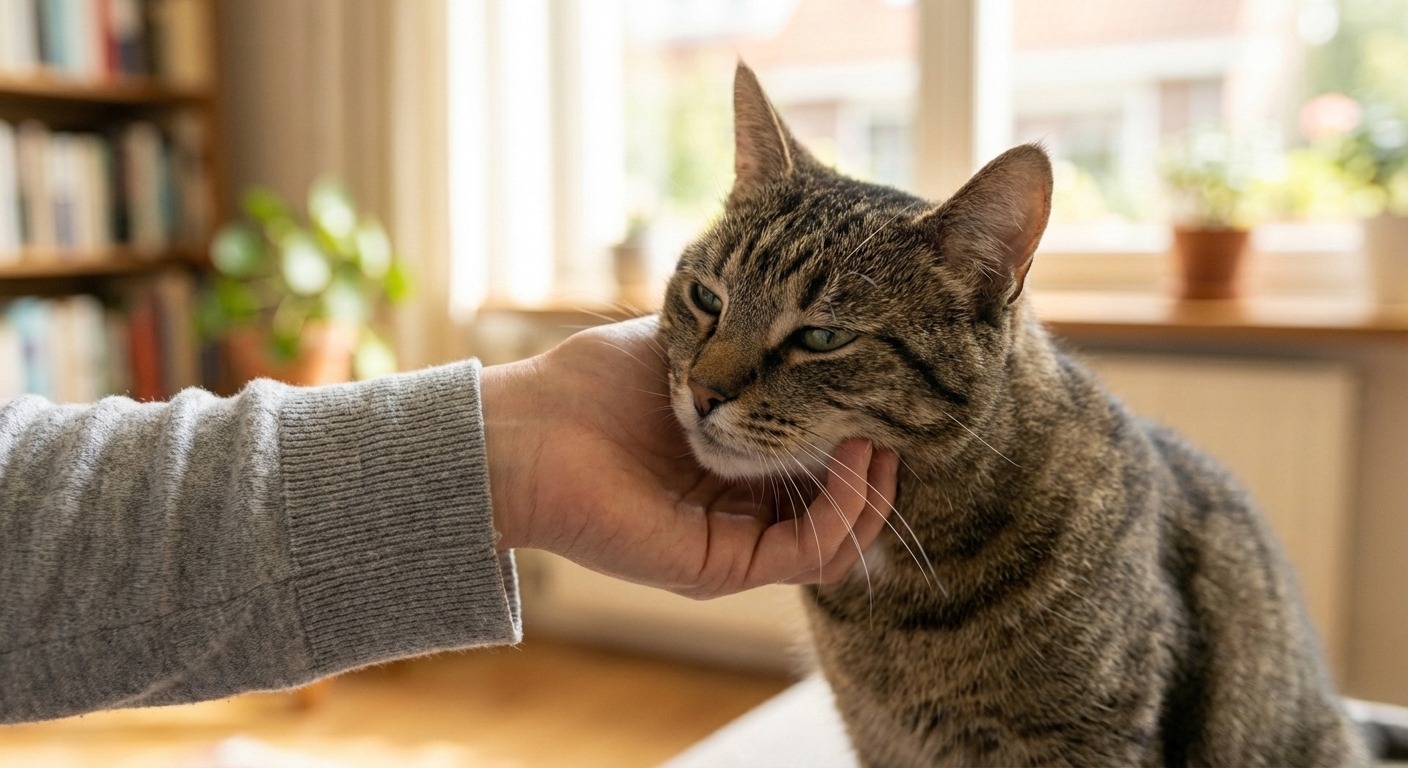
There are several reproductive stages, but for most pet parents, what matters is: how long she acts in heat and when she can get pregnant .
- Proestrus (often subtle): She may be extra affectionate. Many owners barely notice this stage.
- Estrus (true heat): This is the obvious stage. Many cats stay in estrus about 3 to 7 days, but it can vary and may be longer in some cats.
- Interestrus: If she does not mate, she may have a short break (often about 1 to 2 weeks) and then return to estrus.
- Anestrus: A quieter period with minimal reproductive activity, more common with shorter daylight seasons, though indoor cats may have less of a true “off season.”
Fertile days
Your cat is most likely to conceive when she is in estrus. Because cats typically ovulate after mating, it is safest to assume she can become pregnant any day she is showing heat behaviors.
Here is the most helpful way to think about fertility in real life:
- If she is in heat and has access to an intact male, pregnancy is possible.
- Even brief escapes can lead to mating. Cats can breed quickly and quietly.
- She can mate multiple times in a single heat. It is also possible for a litter to have kittens with more than one father.
Practical rule: If she is “calling,” rolling, assuming the mating posture, or urgently trying to get outside, treat her as fertile right now.
Can she get pregnant after heat ends? Possibly. Because sperm can survive in the reproductive tract for several days, a mating that happens near the end of heat can still result in pregnancy. If she had any chance of contact with an intact male, call your veterinarian promptly and discuss timing and options.
What about “silent” heats? Some cats have subtler cycles with fewer obvious behaviors, especially early on. If she is unspayed, assume pregnancy is possible if she gets access to an intact male, even if you did not notice classic signs.
Common heat signs
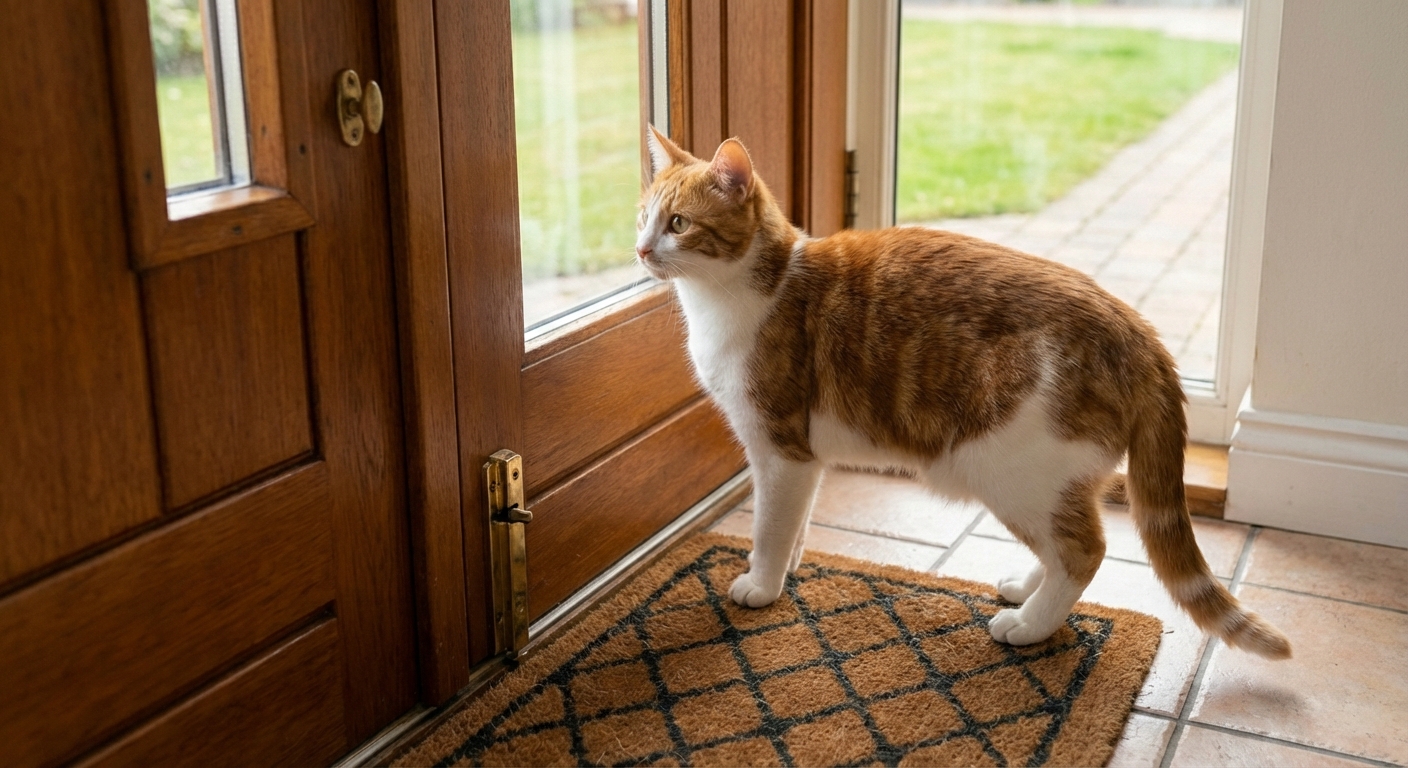
Cats in heat are not usually “in pain,” but they can be uncomfortable, intense, and persistent. Signs include:
- Loud, frequent vocalizing (the classic “calling” sound)
- Increased affection, rubbing on people and furniture
- Rolling on the floor, restlessness, pacing
- Assuming mating posture (hindquarters raised, tail moved to the side)
- Trying to escape outdoors or bolting at doors
- Decreased appetite in some cats
Many owners expect bleeding like dogs. Most cats do not have noticeable vaginal bleeding in heat. If you see blood, call your veterinarian to rule out urinary or reproductive issues.
Cat pregnancy length
Cat pregnancy (gestation) is typically about 63 to 65 days, though normal can range roughly 58 to 72 days. If you suspect pregnancy, scheduling a veterinary visit is the best way to confirm and discuss next steps.
Pregnancy prevention
1) Spaying
Spaying is the most effective way to prevent pregnancy and heat cycles. It also significantly reduces the risk of serious health issues like uterine infection (pyometra) and lowers the risk of mammary tumors, especially when done before repeated heat cycles.
Many clinics recommend spaying around 5 to 6 months, but pediatric spay (often 8 to 16 weeks) is also performed in some settings, especially shelters and rescue programs. Your veterinarian will recommend timing based on your cat’s health and circumstances.
Myth buster: Your cat does not need to go through a heat cycle or have a litter before being spayed.
2) Strict indoor confinement
If your cat is currently in heat and not yet spayed, treat this like a high-alert window:
- Keep her indoors and supervise door openings.
- Secure windows and screens.
- Separate her from intact males. A closed door is better than a baby gate.
- Do not assume a balcony or patio is “safe.”
3) Hormonal options
Some hormonal medications (often progestins) are used in limited situations to suppress heat, but they can carry meaningful risks like pyometra, mammary gland changes, and sometimes diabetes. This is not a casual, long-term solution. If you are considering it, ask your veterinarian to walk you through the risks and benefits for your specific cat.
Comfort tips
You cannot “discipline” a cat out of heat behaviors, and punishment will only increase stress. Instead, focus on management and comfort:
- Increase play sessions (wand toys are great) to burn nervous energy.
- Offer enrichment like food puzzles and cat-safe hiding spots.
- Use routine and keep the home calm and predictable.
- Consider pheromone diffusers if your cat seems anxious (ask your vet for brand guidance).
- Provide cozy warmth like a heated cat bed on low if she seeks comfort.
When to call the vet
Heat is normal, but these situations deserve a vet call:
- Blood in urine or vaginal discharge
- Straining to urinate, frequent trips to the litter box, or crying in the box
- Extreme lethargy, fever, vomiting, or loss of appetite lasting more than a day
- A swollen abdomen or nipples if pregnancy is possible
- Heat cycles that seem continuous with no breaks
And if you think she may have slipped outside, call your clinic promptly. Timing matters for discussing options.
Bottom line
A cat in heat is fertile during her obvious heat days, and pregnancy can happen fast if an intact male has access. The most reliable prevention is spaying. Until then, strict indoor management and a calm, supportive environment will help protect her and your household.