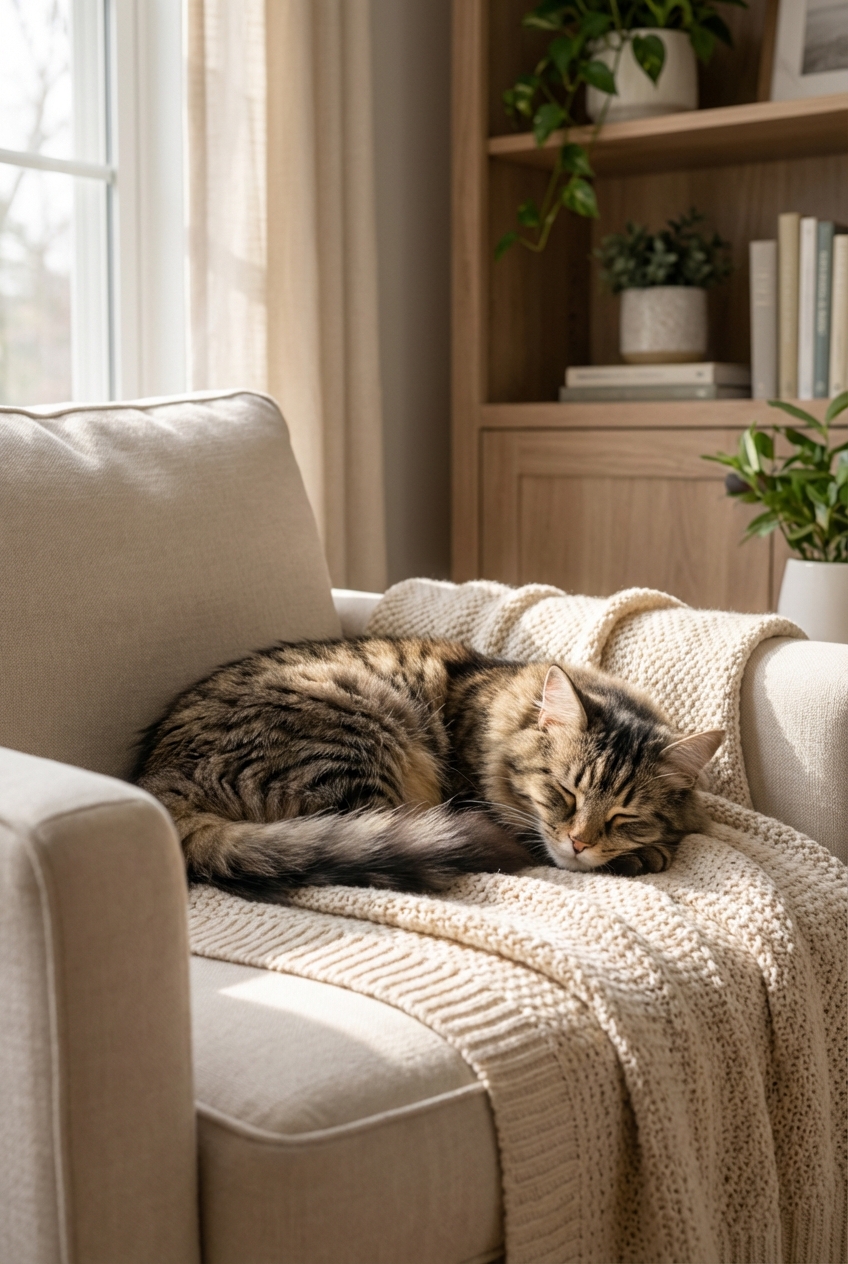
Understand common cat-in-heat behaviors, how long estrus lasts, and vet-approved steps to keep her comfortable and safe. Learn what not to do and when to cal...
Article
•
Designer Mixes
Cat in Heat Care and Training Tips

Shari Shidate
Designer Mixes contributor
When your cat goes into heat (also called estrus), it can feel like your sweet, calm companion suddenly turned into a loud, restless, affectionate escape artist. If you are dealing with yowling at 2 a.m., rolling on the floor, and nonstop attention-seeking, you are not alone. I am Shari Shidate, a veterinary assistant in Frisco, Texas, and I want you to know two things right away: your cat is not being “bad,” and you can absolutely help her safely through it.
Heat is a normal reproductive cycle in unspayed female cats. It is driven by hormones and instinct, not stubbornness. With a little structure, a lot of empathy, and a focus on prevention, most families can get through this stage with far less stress.
What “in heat” means
A female cat typically goes into heat when she reaches puberty, often around 4 to 10 months of age (some can be as early as 4 months). Cats are “seasonally polyestrous,” meaning they can have repeated heat cycles, especially during months with longer daylight. If a cat is not bred, she may cycle back into heat again and again.
How long does a heat cycle last?
- Most heats last about 3 to 10 days, but it varies by cat and season.
- If she is not bred, she may return to heat in as little as 1 to 3 weeks (sometimes sooner during peak season).
- Some cats seem like they are in near-constant heat during peak seasons because cycles can stack closely together.
If you are unsure whether your cat is truly in heat or potentially ill, it is worth calling your veterinarian. Pain, urinary issues, or constipation can sometimes look like restlessness or vocalizing.
Common signs your cat is in heat
Unlike dogs, cats do not typically have obvious bleeding during heat. The changes are mostly behavioral.
- Loud vocalizing (yowling, meowing constantly, especially at night)
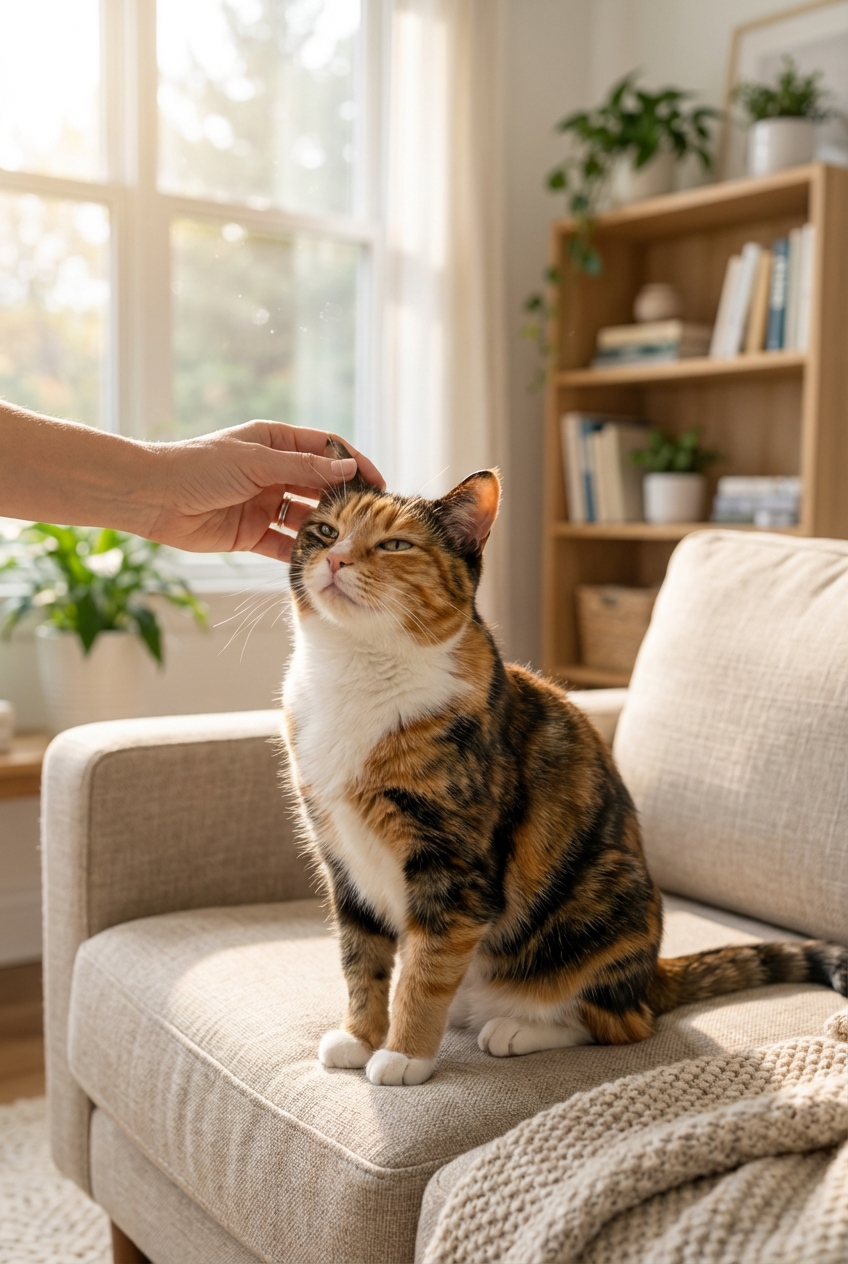
- Extra affection (rubbing, head-butting, wanting nonstop petting)
- Rolling and writhing on the floor
- “Lordosis” posture (front end down, rear end up, tail to the side when touched near the back)
- Restlessness and pacing
- Attempting to escape through doors or windows
- Spraying or increased urine marking (less common in females than males, but it happens)
- Decreased appetite in some cats
Many cats are not truly “in pain” during heat, but they can be uncomfortable, keyed up, and distressed. If your cat seems painful (hunched posture, hiding, growling when touched, straining in the litter box), treat that as a medical check-in, not just hormones.
Care tips that help
1) Keep her safely indoors
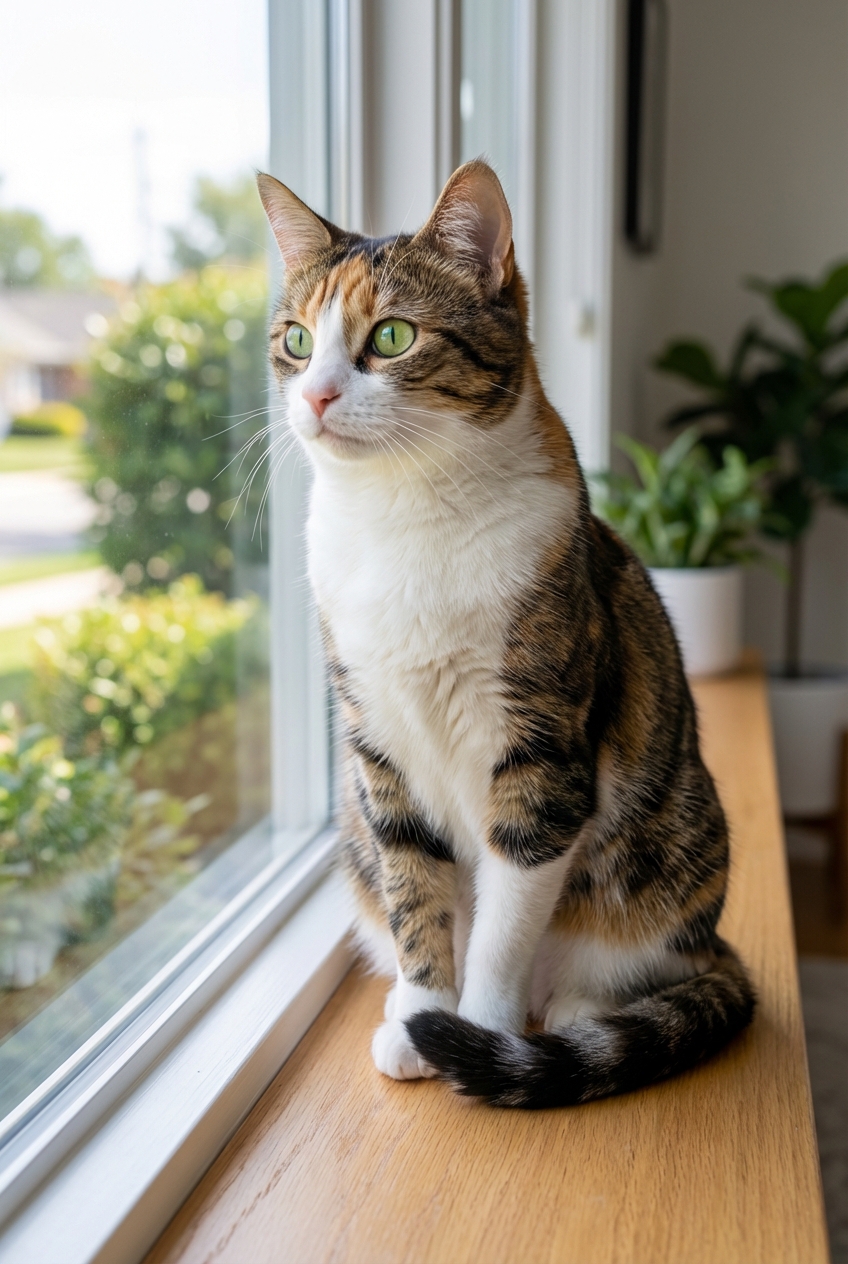
This is the most important step. A cat in heat will work very hard to get outside, and intact male cats can show up at your home. Keep windows securely screened, use a double-check routine for doors, and let visitors know to be careful entering and leaving.
- Consider a baby gate in the entryway for an extra barrier.
- If you have a balcony or patio, supervise closely. Cats can squeeze through surprisingly small gaps.
2) Reduce triggers
Heat is biologically motivating. You cannot “talk her out of it,” but you can make the environment calmer.
- Close blinds at night if outside cats are visible.
- Play soft background noise to mask neighborhood sounds.
- Keep her routine steady: feeding times, play sessions, and bedtime rituals.
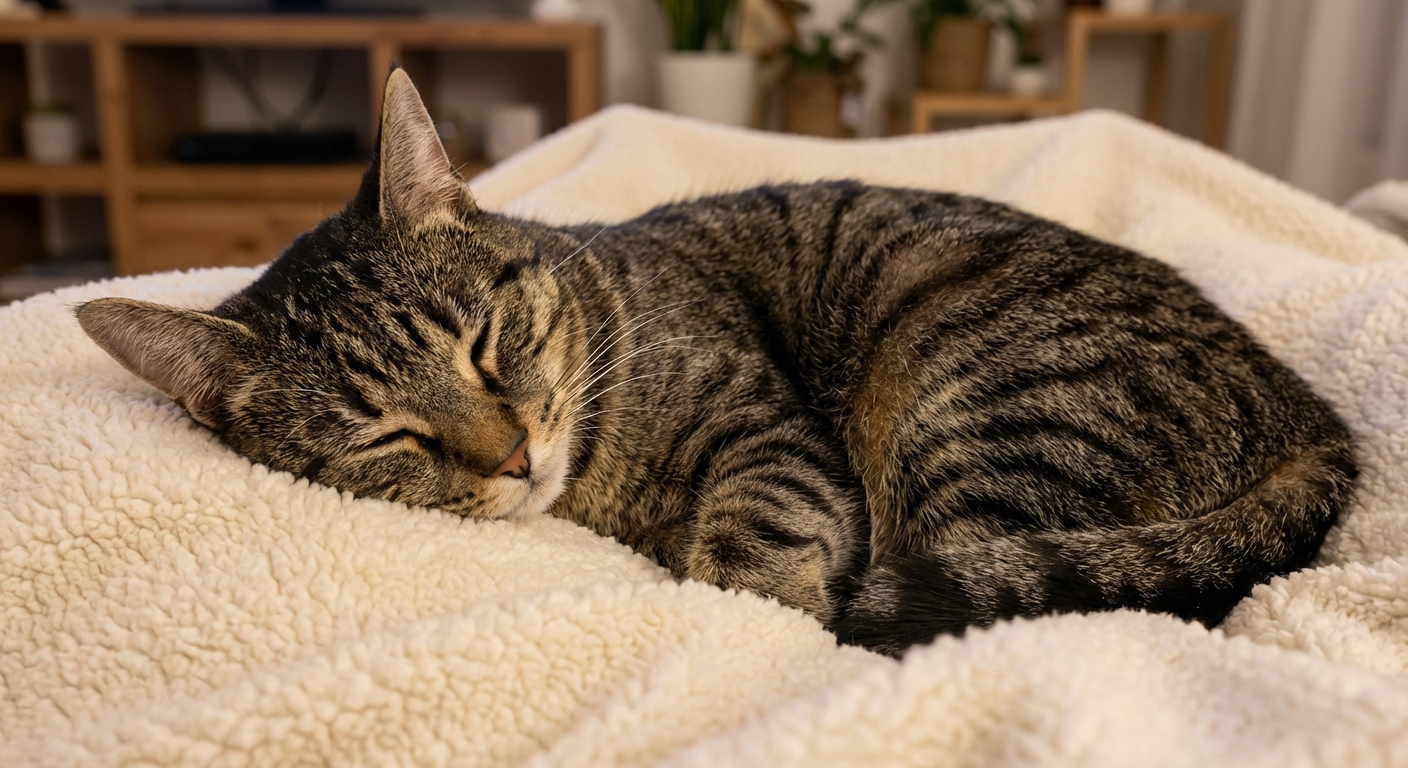
3) Create a cozy nest
Many cats settle when they have a safe, comfortable spot. Try a covered bed, a quiet closet corner, or a crate left open with soft bedding.
- A gentle warm compress (warm, not hot) on a blanket can be soothing.
- If she seeks pressure, a folded blanket to knead can help.
4) Increase play
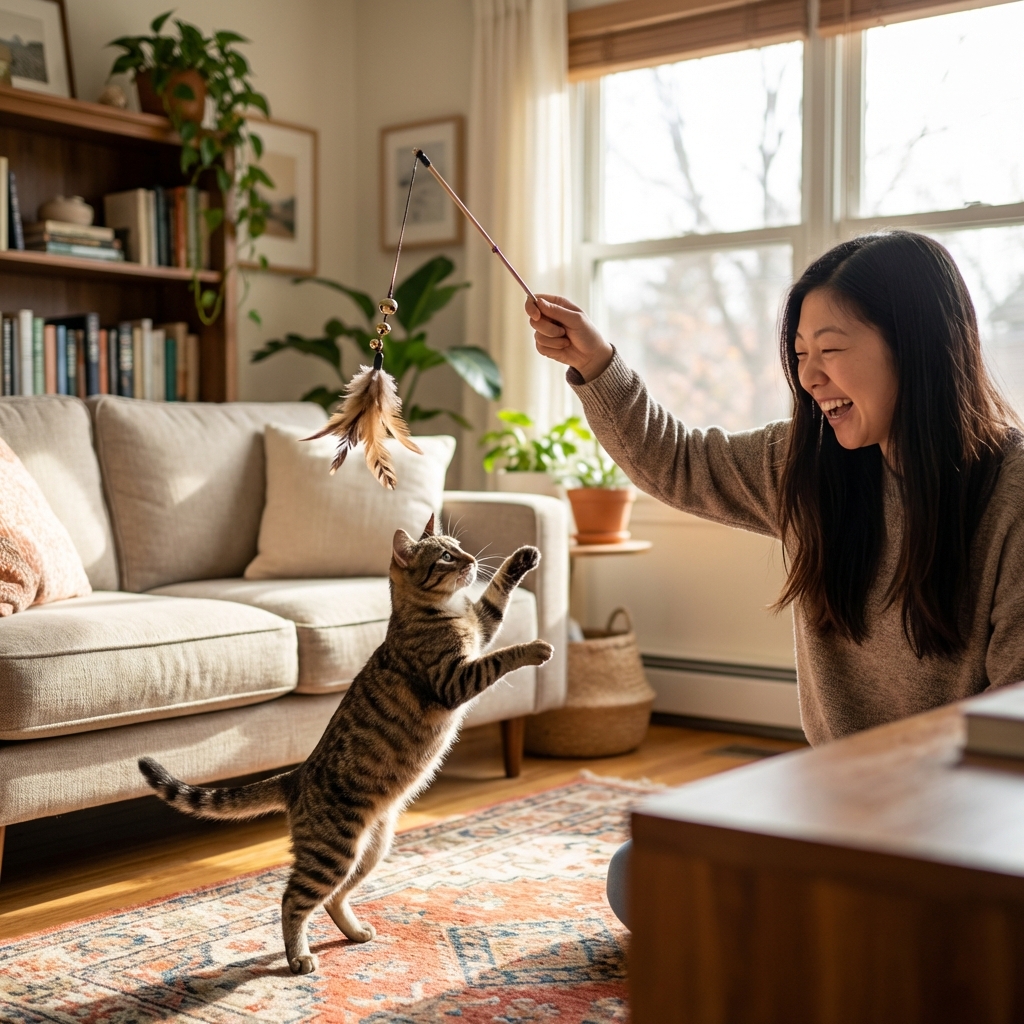
Think of play as a healthy outlet for pent-up energy. Short sessions spread throughout the day often work better than one long session.
- Aim for 3 to 5 mini play sessions daily (5 to 10 minutes each).
- Use wand toys, tossed soft mice, or puzzle feeders to focus her brain.
- End with a small meal or treat to mimic the natural “hunt, eat, rest” cycle.
5) Manage the vocalizing
Yowling is one of the hardest parts for families. It is normal, but that does not mean you have to suffer through it with no plan.
- Try a quiet room at night with her essentials: litter box, water, bed, and a couple of toys.
- Use white noise to help you sleep.
- Do not punish. Scolding increases stress and can worsen behaviors like spraying.
6) Reward calm moments
This is the “training” part that still respects her biology. If she yowls and you immediately pet her, she learns that yowling works. Instead:
- Wait for a brief pause in vocalizing.
- Then calmly reward with attention, a treat, or a short play session.
- Reinforce the behaviors you want: settling on a mat, using a scratching post, lying quietly.
7) Multi-cat home tips
If you have other cats, heat can raise tension in the household. A few small changes can help everyone feel safer.
- Separate intact males immediately. Even indoor-only cats can mate in seconds if a door or barrier fails.
- Give your in-heat cat her own “zone” with food, water, litter box, and a resting spot.
- Add extra resources (litter boxes, beds, scratching posts) to reduce crowding and conflict.
What to avoid
When you are exhausted, it is tempting to try quick fixes. Some are risky.
- Do not use human medications (pain relievers, sedatives, or sleep aids) unless your veterinarian prescribes them. Many common human drugs are toxic to cats.
- Do not use essential oils to “calm” her unless you have veterinary guidance. Cats are particularly sensitive to many oils.
- Do not allow mating “just once” as a solution. Female cats are induced ovulators, meaning mating can trigger ovulation, and pregnancy can happen very quickly. Breeding also comes with real health and welfare responsibilities.
Spaying
If you want the most reliable, evidence-based way to prevent heat cycles and the behaviors that come with them, spaying is it. Spaying eliminates heat cycles, prevents unplanned litters, and dramatically reduces the risk of certain reproductive diseases.
Health reasons spaying matters
- Prevents pyometra, a life-threatening uterine infection that can occur in intact females.
- Reduces mammary cancer risk, especially when done before the first heat. The protective effect decreases with subsequent heats.
- Eliminates heat-associated behaviors like repeated cycling, roaming attempts, and heat-driven restlessness.
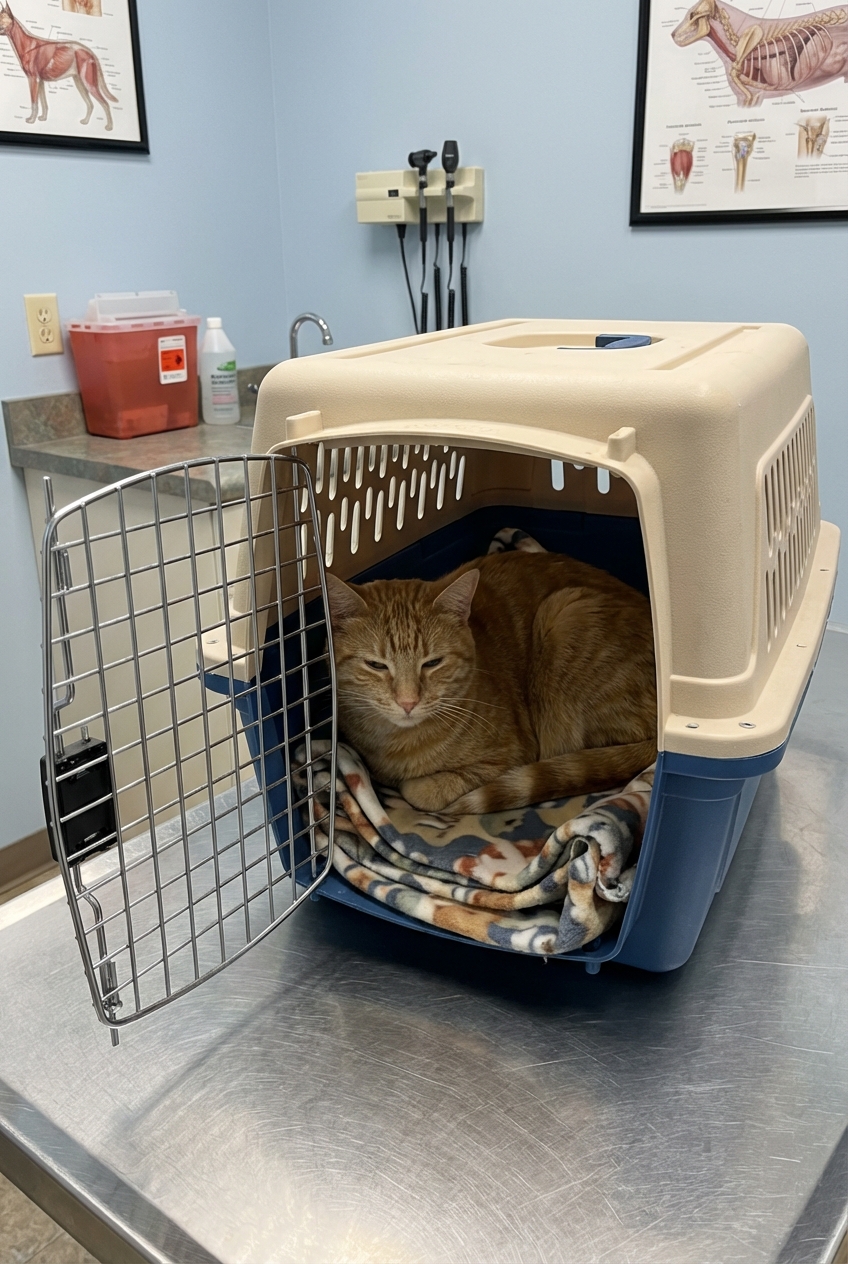
If your cat is currently in heat, many clinics prefer to wait until the cycle ends because blood flow to the reproductive tract can be higher during estrus. That said, spaying during heat is commonly performed with appropriate precautions, and recommendations vary by veterinarian and by the cat’s situation. Call your clinic and ask what they recommend for your cat’s age, health, and timing.
Training tips
Door safety routine
Cats in heat are famous for bolting. Build a habit now that protects her long after this heat passes.
- Before opening a door, cue her to go to a designated spot (cat tree, bed, or mat).
- Reward her with a treat when she stays put.
- Practice when she is calm, not only when you are rushing out.
Enrichment schedule
When hormones raise the intensity, enrichment becomes your best friend.
- Rotate toys every few days so they stay “new.”
- Use food puzzles for part of her meals.
- Add vertical space like a sturdy cat tree or window perch.
Litter box support
If your cat is spraying or missing the box, assume stress plus hormones, not spite.
- Keep boxes extra clean during this time.
- Provide at least one box per cat, plus one extra, in multi-cat homes.
- If she strains, cries in the box, or has blood in urine, call your vet urgently. Urinary problems can be serious.
When to call the vet
Heat is normal, but some situations are not. Contact your veterinarian if you notice:
- Loss of appetite lasting more than 24 hours
- Vomiting, diarrhea, or lethargy
- Fever or hiding and acting painful
- Foul-smelling vaginal discharge or any sign of illness
- Straining to urinate, frequent trips to the litter box, or crying while urinating
Trust your gut. If something feels “off,” it is always okay to ask.
Takeaway
Living with a cat in heat can be intense, but it is temporary. Keep her safe indoors, give her structured outlets like play and enrichment, reward calm behavior, and talk with your veterinarian about spaying as the long-term answer. You are doing the right thing by learning, adjusting, and showing up for her even when the nights are loud.
Your cat is not giving you a hard time. She is having a hard time. With patience and a plan, you can help her through it.