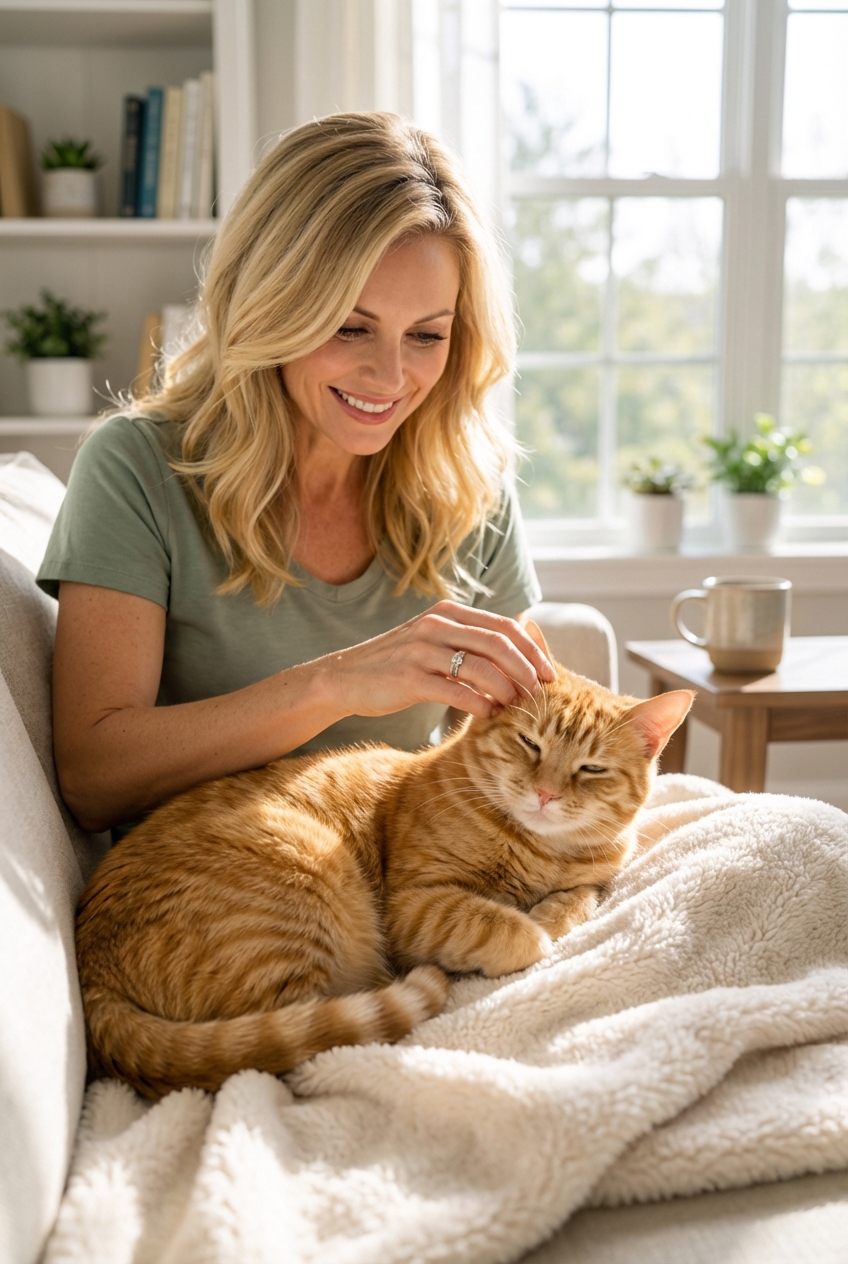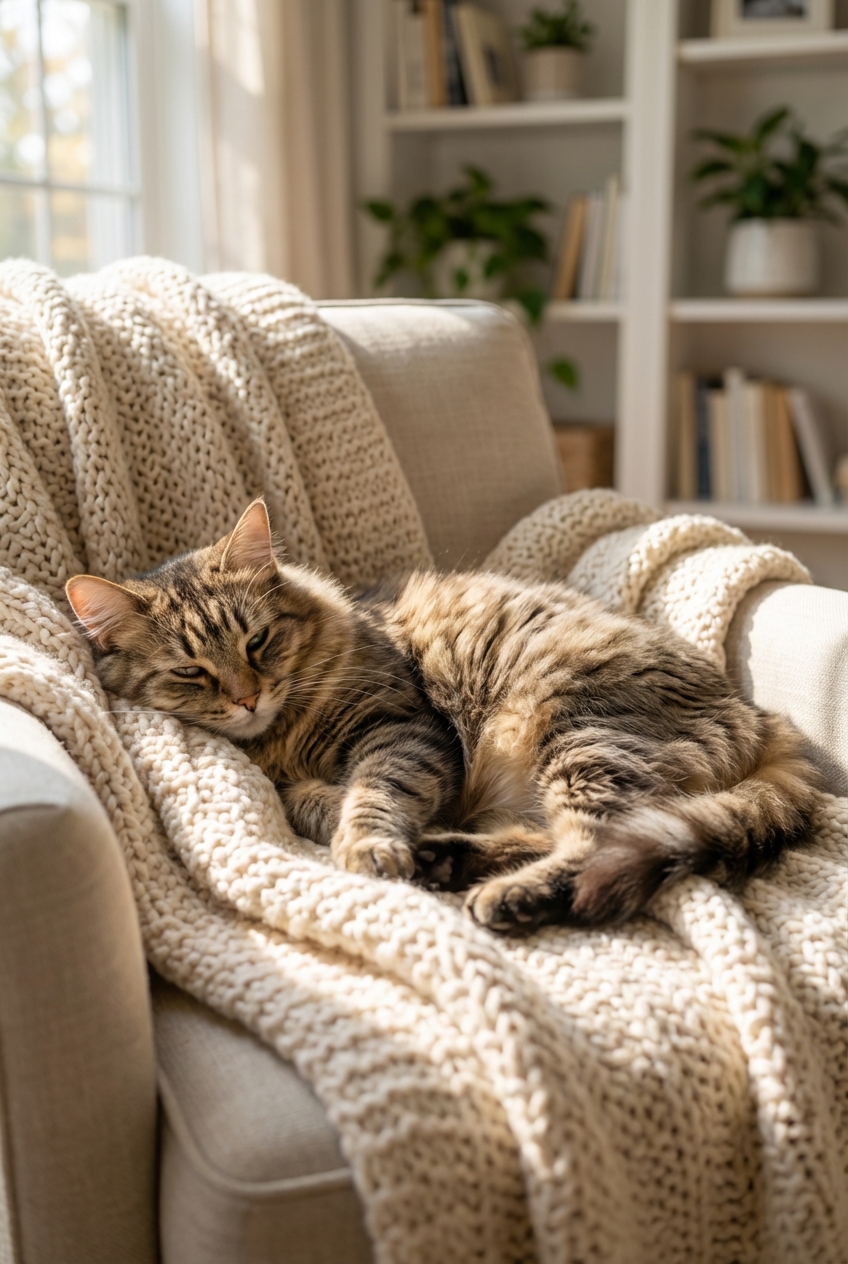
Your cat in heat is loud, restless, and desperate to escape. Learn safe ways to soothe her at home—comfort zone, pheromones, play, warmth, and when to call...
Article
•
Designer Mixes
Cat Heat Cycle: Loudness and Restlessness

Shari Shidate
Designer Mixes contributor
If your cat suddenly gets extra loud, clingy, and restless, you are not imagining it. In many intact female cats, those big behavior changes are classic signs of being in heat, also called estrus. As a veterinary assistant in Frisco, Texas, I have seen many loving owners feel worried because the meowing sounds distressed or the pacing looks anxious. The good news is that, in most cases, this is normal reproductive behavior and it is temporary.
This article will help you recognize what is typical, what might be a red flag, and what you can do at home to keep your cat comfortable while you make a long-term plan. This is general education and not a substitute for a hands-on veterinary exam.
Why cats in heat get so loud
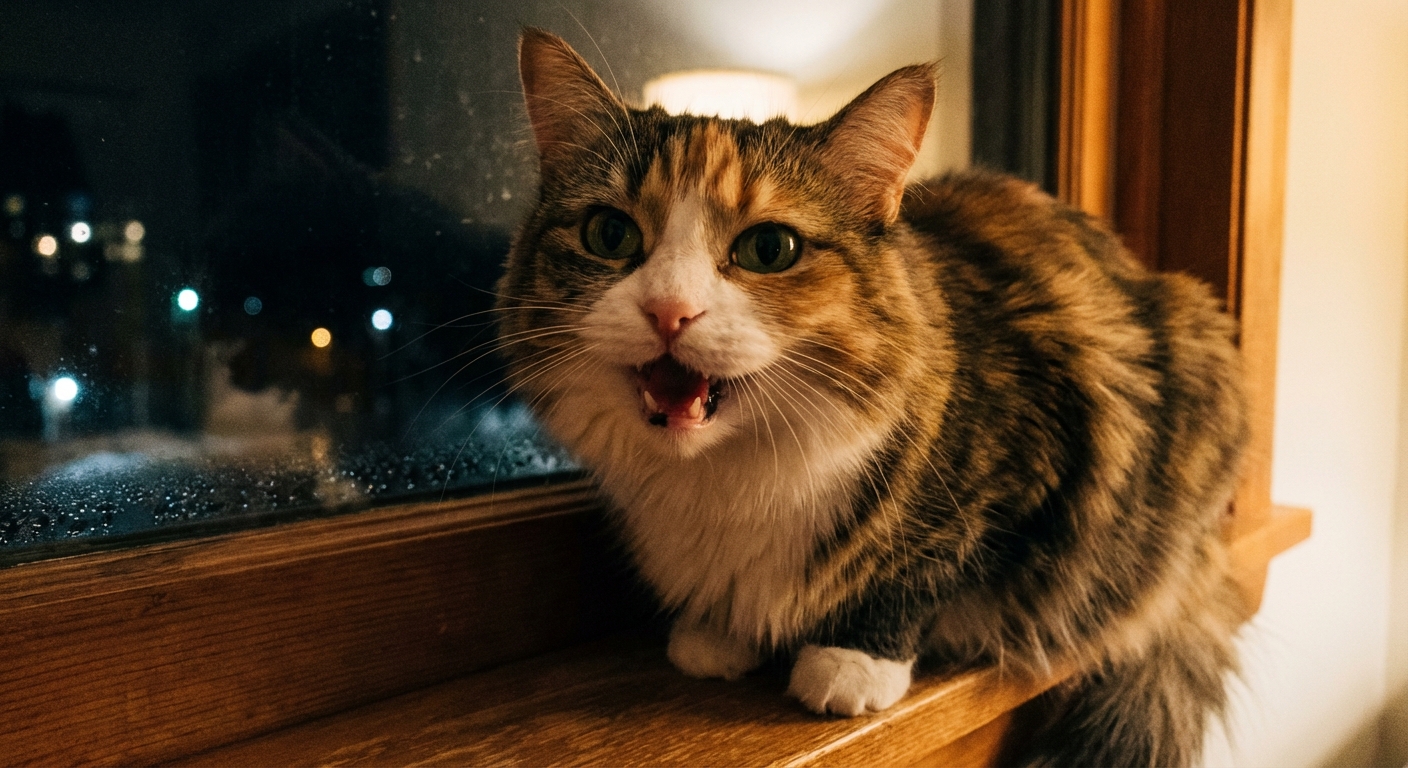
When a female cat is in heat, her body is responding to hormones that prepare her for mating. The loud vocalizing is often called “calling.” It is not usually pain. It is an instinctive way to attract male cats in the area, and it can be intense.
Common heat vocalizations
- Long, repetitive yowling that ramps up in the evening or overnight
- Sudden volume changes where a normal meow turns into a howl
- More frequent meowing at doors and windows, especially if neighborhood cats are nearby
- Extra “talking” when petted along the back or near the tail base
Cats are seasonal breeders, and longer daylight can trigger more cycling. Indoor cats can still cycle year-round because household lighting may mimic longer days. How much this happens can vary by latitude, the individual cat, and the home environment.
Why restlessness happens
Restlessness during heat is also driven by hormones and instinct. Many cats feel a strong urge to seek a mate, so they pace, roll, and try to escape even if they are usually calm homebodies. You may also notice intact male cats showing up outside your home or increased tension between pets.
Behavior signs you may notice
- Pacing from room to room, with difficulty settling
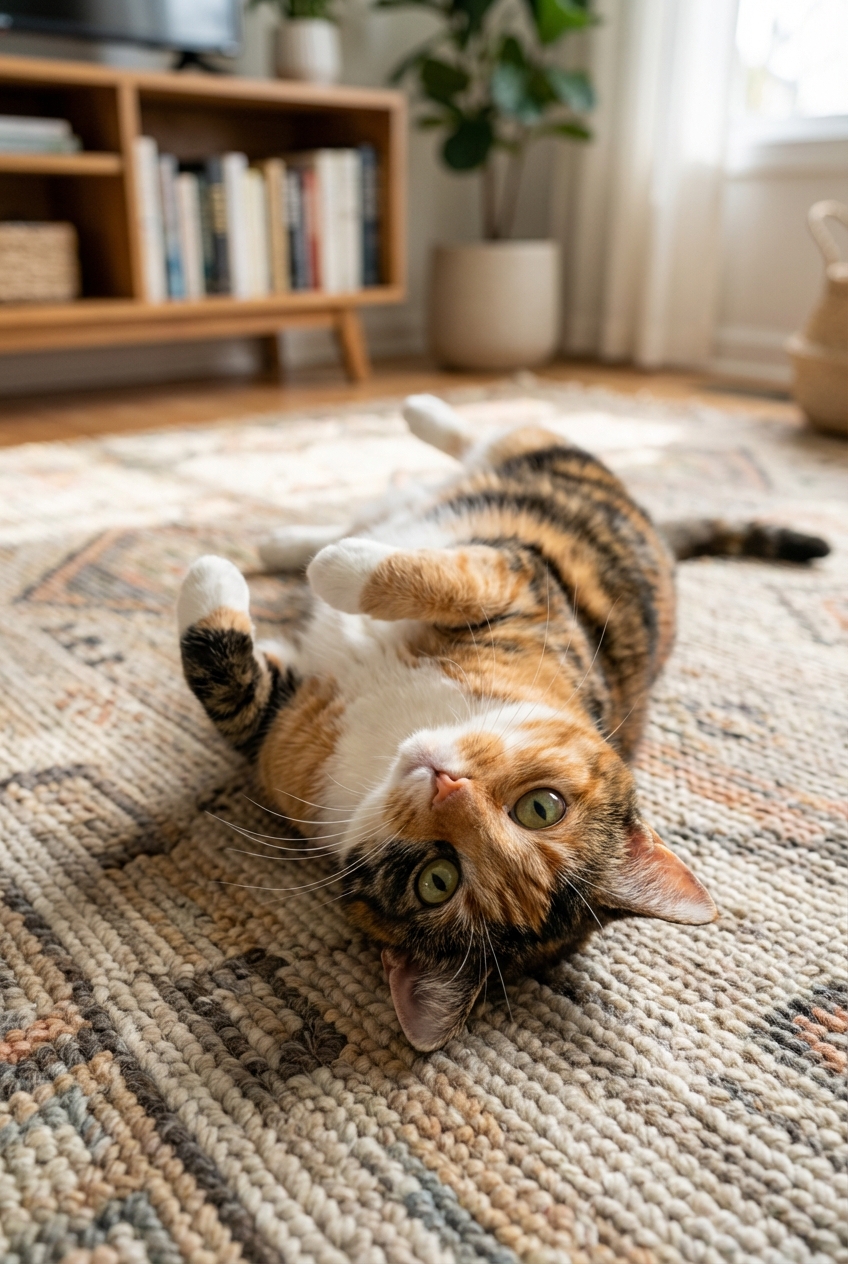
- Rolling and writhing on the floor more than usual
- Lordosis posture (chest low, rear end raised), often with tail held to the side
- Treading with the back legs as if “marching” in place
- Rubbing on furniture, walls, and people
- Increased affection, following you closely, wanting constant attention
- Trying to dart outside through doors, windows, or screens
- Spraying or marking in some cats, especially near doors or windows
How long a heat lasts
While each cat is a little different, a heat cycle often lasts about 4 to 10 days, and it can sometimes last up to 2 weeks. If she does not mate, many cats will cycle again after a short break, sometimes every 2 to 3 weeks during breeding season. This is why it can feel like the behavior keeps coming back.
One important detail: cats are induced ovulators. That means ovulation is usually triggered by mating. An intact female may come back into heat repeatedly if she is not bred.
If you are wondering if she is “too young,” many cats have a first heat around 5 to 9 months, but it can be earlier or later depending on the cat, body condition, and time of year.
Pain or hormones?
Most heat behaviors are not painful, but they can look dramatic. Owners often describe it as “she seems uncomfortable” or “she sounds like she is hurting.” What you are usually seeing is strong instinct plus hormonal agitation.
Normal heat signs
- Loud yowling without other illness signs
- Restlessness, rolling, rubbing
- Lordosis posture, tail to the side, back-leg treading
- Increased affection and attention-seeking
- Increased interest in escaping outdoors
A common misconception: cats in heat do not typically bleed like dogs do. Most cats have no visible discharge. Occasionally you might see a small amount of clear mucus, which is very different from bloody, pus-like, or foul-smelling discharge.
Red flags to call a vet
Please contact your veterinarian promptly if you notice any of the following, because they are not explained by a normal heat cycle:
- Loss of appetite lasting more than 24 hours, or refusal to drink
- Lethargy, hiding, or seeming weak
- Vomiting or diarrhea
- Straining to urinate, frequent trips to the litter box, crying in the box, or blood in urine
- Fever or a hot, painful abdomen
- Vaginal discharge that is pus-like, bloody, or foul-smelling
- Sudden “heat-like” behavior in a spayed cat (rarely, leftover ovarian tissue can cause cycling and should be checked)
A big concern in intact females is pyometra, a serious uterine infection that can be life-threatening. In cats, it often shows up weeks after a heat, especially if ovulation occurred and there was progesterone exposure (which can happen after mating and, less commonly, spontaneous ovulation). If your cat seems sick, do not wait it out.
Help at home
You cannot “train” a cat out of being in heat, but you can reduce stress, prevent escape attempts, and lower the chances of an unintended pregnancy. Think comfort, containment, and routine.
Keep things calm
- Keep her indoors and double-check screens, doors, and garage access. Cats in heat can be surprisingly determined.
- Close curtains at night if outdoor cats are visible and triggering more calling.
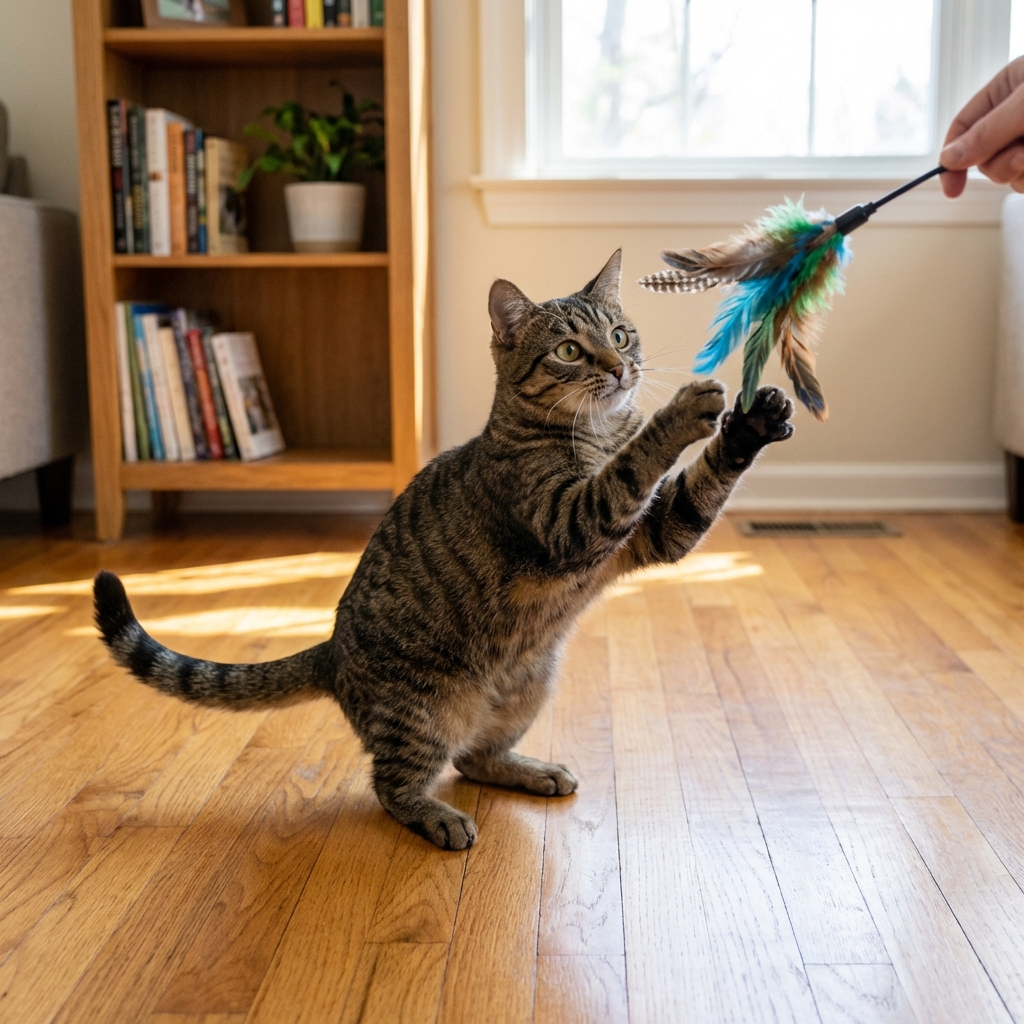
- Use enrichment: wand play, food puzzles, short play sessions throughout the day to help her settle.
- Offer cozy nesting spots: a covered bed, a quiet room, or a soft blanket in a dim corner.
Support soothing routines
- Extra interactive attention if she seeks it, but let her walk away when she is done.
- Gentle brushing for cats who enjoy it, which can be calming.
- Keep litter boxes very clean. Stress plus hormones can make cats more sensitive to box cleanliness.
- Consider pheromones: vet-endorsed feline pheromone diffusers or sprays can help some cats take the edge off. They do not stop a heat cycle, but they may reduce stress. If you are unsure what to buy, ask your veterinarian for a recommendation.
What to avoid
- Do not punish the vocalizing. She is not being “bad.” Punishment increases stress and can worsen yowling or cause fear behaviors.
- Do not use human medications to sedate her. Many are toxic to cats.
- Avoid “home hormone fixes” or unverified supplements. If you are considering any calming product, ask your veterinarian first.
Spaying as the long-term fix
If you are not planning to responsibly breed your cat, spaying is the most effective way to stop heat cycles and the loud, restless behaviors that come with them. It also provides important health benefits, including preventing pyometra and greatly reducing the risk of mammary cancer. Spaying before the first heat offers the greatest reduction.
If your cat is currently in heat, many clinics can still spay, although some veterinarians may prefer to schedule after the cycle due to increased blood flow to the reproductive tract. The right timing depends on your cat, your vet’s protocols, and appointment availability.
If you are unsure, call your clinic and describe what you are seeing. A quick conversation can help you decide whether to schedule immediately or plan for the soonest appropriate date.
Quick checklist
- Female cat not spayed (or spay history unknown)
- Sudden loud yowling, especially evenings and nights
- Restlessness, rolling, rubbing, tail-up posture, tail to the side
- Back-leg treading
- Trying to get outside
- No vomiting, no lethargy, no foul discharge, no urinary straining
If most boxes are checked, heat is a strong possibility. If any red flags are present, it is time for a veterinary exam.