Stop fleas fast with a simple 3-part plan: use cat-safe medication, clean your home to break the life cycle, and prevent re-infestation for months. Avoid uns...
Article
•
Designer Mixes
Cat Has Fleas: What to Do

Shari Shidate
Designer Mixes contributor
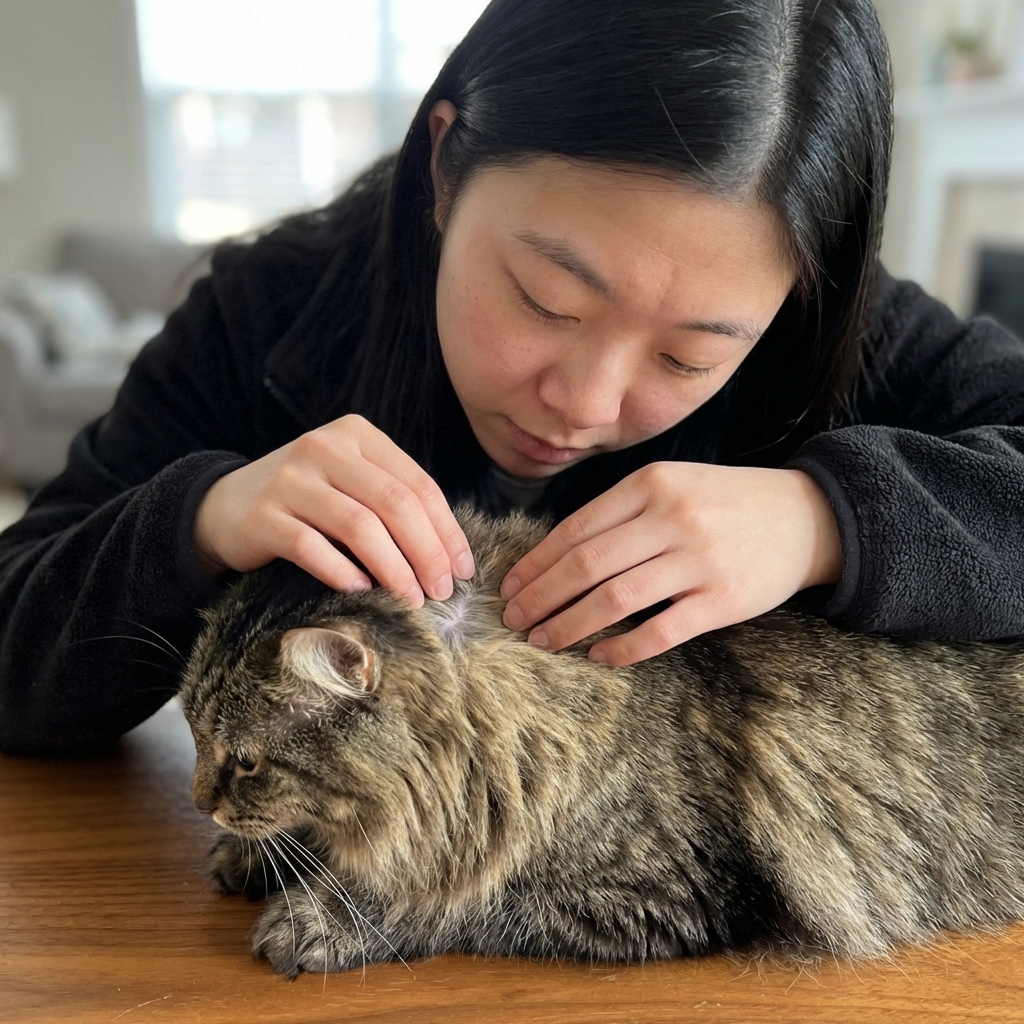
If you are thinking, “My cat has fleas, but I do not even see them,” you are not imagining things. Fleas are tiny, fast, and excellent at hiding. As a veterinary assistant in Frisco, Texas, I have seen how quickly a mild flea problem can turn into nonstop itching, skin infections, and even anemia in kittens. The good news is this: with the right steps, you can stop the cycle and keep it from coming back.
This guide will help you understand what fleas do, how to confirm they are the problem, and how to treat your cat and your home safely and effectively.
One quick note: Even indoor-only cats can get fleas. They can hitch a ride on people, other pets, or come in through screens and shared hallways.
Why fleas matter
Fleas are not just a nuisance. They are blood-feeding parasites that can trigger several health issues, especially in cats who are sensitive or already have skin conditions.
- Itching and overgrooming: Many cats chew at their back end, belly, and tail base.
- Flea allergy dermatitis: Some cats react strongly to flea saliva. Even one or two bites can cause intense itching and scabs.
- Tapeworms: Cats can get tapeworms if they swallow an infected flea while grooming.
- Anemia: Heavy infestations can cause dangerous blood loss, particularly in kittens or small cats.
That is why flea control is not “extra,” it is basic preventive care.
How to tell if your cat has fleas
Sometimes you will see adult fleas, but often you will not. What you can usually find is evidence they leave behind.
Common signs
- Frequent scratching, especially around the neck, ears, and tail base
- Excess grooming or chewing at the skin
- Small scabs or crusts (often called miliary dermatitis)
- Hair thinning, especially on the lower back
- Restlessness or acting “twitchy” when you touch the back
Check for flea dirt
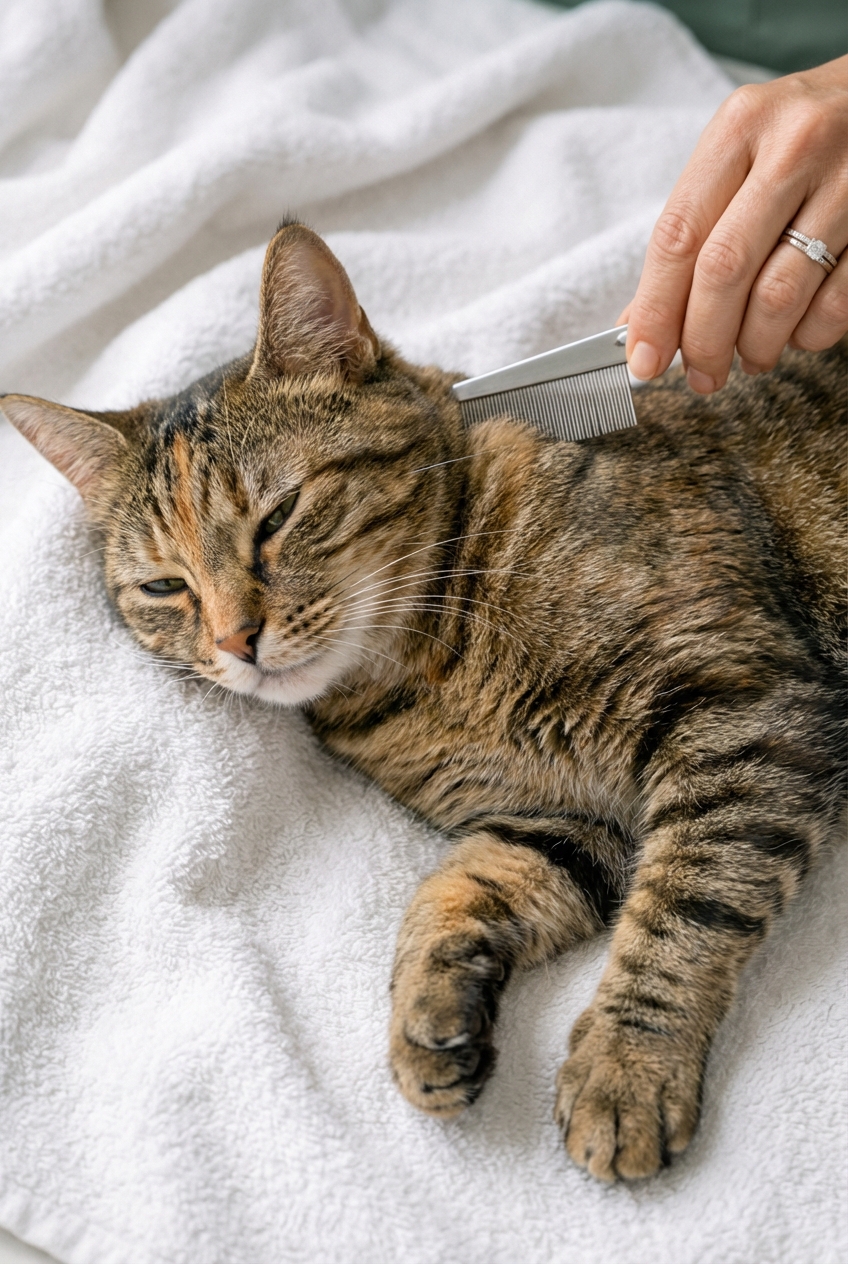
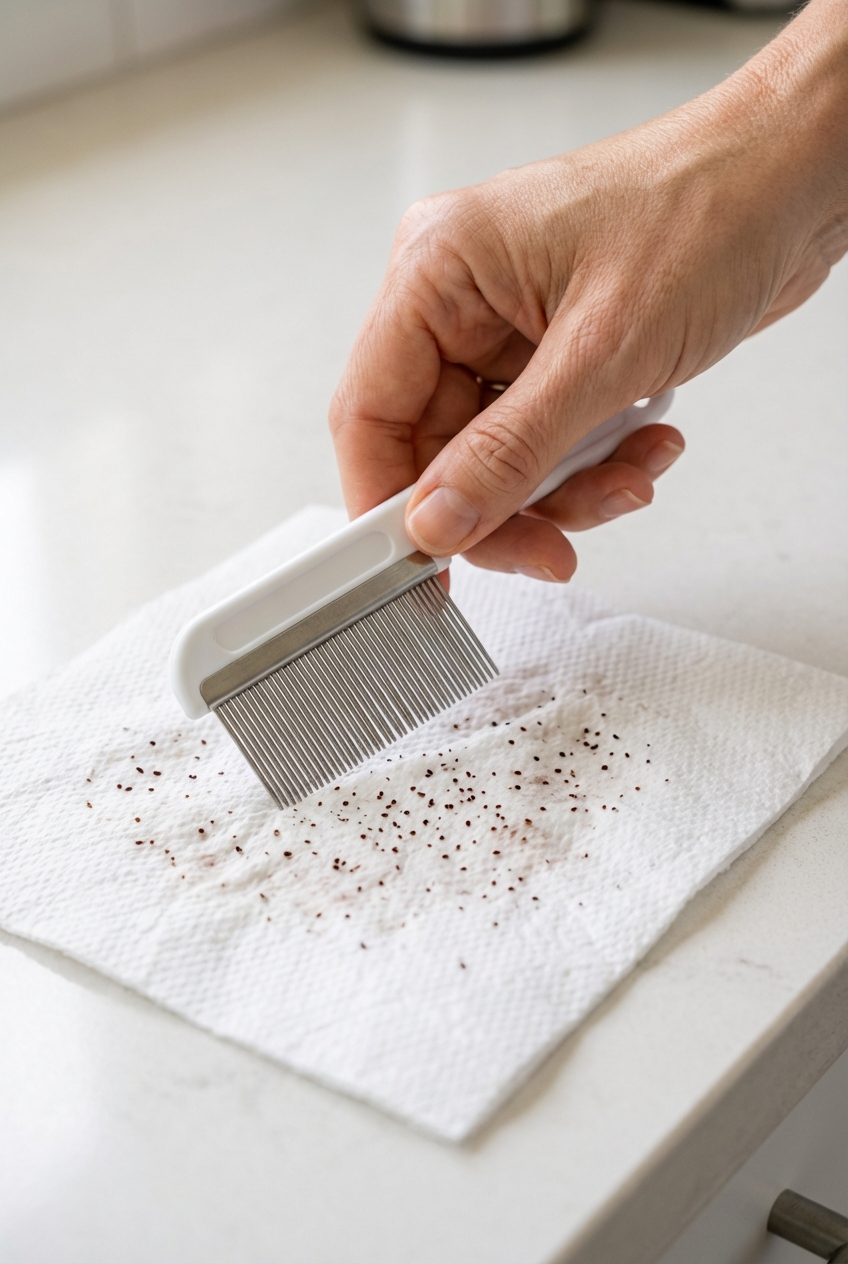
Use a flea comb and focus on the tail base and along the back. If you see little black specks, place them on a damp white paper towel. If they smear reddish-brown, that is digested blood, also known as flea dirt.
The flea life cycle
Many people do not realize this: the fleas you see on your cat are only part of the problem. In most homes, most of the flea population is in immature stages (eggs, larvae, and pupae) living off the pet in carpets, bedding, and cracks.
Fleas have four stages: egg, larva, pupa, adult.
- Eggs fall off your cat into carpets, bedding, and floor cracks.
- Larvae hide in dark areas and feed on organic debris.
- Pupae form a protective cocoon and can “wait” for weeks, sometimes longer, before emerging.
- Adults jump onto your cat to feed.
This is why you can treat your cat once, see improvement, and then feel like fleas magically reappear. In reality, new adults are emerging from your home environment.
To truly solve fleas, you have to treat the cat and the environment consistently long enough to break the life cycle.
Step-by-step: what to do
1) Treat every pet
If you have multiple pets, treat them all, even if only one seems itchy. Fleas do not respect boundaries, and leaving one pet untreated keeps the infestation going.
Important: Use products labeled for the correct species. Dog flea products can be dangerous to cats. Some contain permethrin, which is toxic to cats.
2) Pick a proven medication
The most effective flea control for cats is typically a veterinarian-recommended topical or oral medication. Many work quickly, but they must be used on schedule.
- Topicals are applied to the skin (usually the back of the neck). They spread through skin oils.
- Orals are given by mouth and can be very effective, especially for cats who tolerate pills well.
- Flea collars can help, but quality varies. Some cats dislike collars, and improper fit can lead to skin irritation or entrapment. If you use one, ask your vet what to buy and consider a breakaway design.
If your cat is a kitten, senior, pregnant, nursing, or has medical issues, ask your veterinarian which product is safest. Age and weight requirements matter, and many over-the-counter products are not appropriate for very young kittens.
3) Comb and bathe wisely
Flea combing helps right away by physically removing fleas and flea dirt. Bathing can reduce fleas temporarily, but most shampoos have little to no residual protection, so baths alone rarely solve the infestation. If you do bathe, use a cat-safe product and avoid essential oils. “Natural” does not always mean safe for cats.
4) Treat your home
This is the missing step in many flea battles.
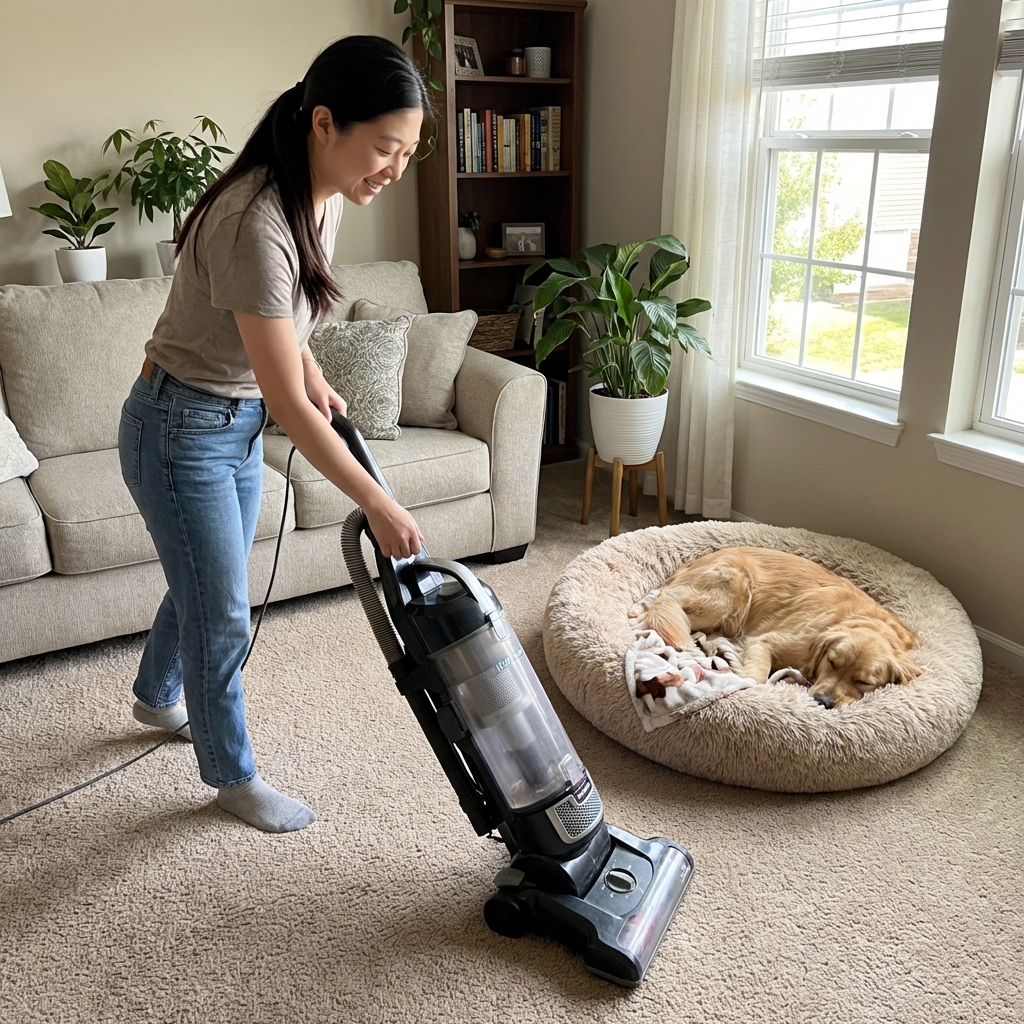
- Vacuum carpets, rugs, baseboards, and furniture daily for 10 to 14 days, then 2 to 3 times per week until things are fully controlled. Immediately empty the vacuum canister into an outdoor trash bin.
- Wash bedding, blankets, and pet beds in hot water, then dry on high heat.
- Limit access to hard-to-clean spaces temporarily, if possible (closets, under beds).
In some cases, an environmental flea spray or professional pest control may be needed. If you use sprays, read labels closely and keep cats away until the area is fully dry and ventilated.
Avoid these mistakes
- Do not use dog flea products on cats (especially anything containing permethrin).
- Do not use essential oils on your cat or in the bathwater for flea control.
- Do not rely on a single bath or a single cleaning day and expect the problem to be gone.
If you think your cat was exposed to a dog-only product or is acting unwell after a flea treatment, call your veterinarian right away. If you cannot reach them quickly, contact Pet Poison Helpline for urgent guidance.
Why you may still see fleas
It is frustrating, but it is normal to see fleas for a short time after starting a good flea control plan. Fleas in cocoons can continue to emerge, and vacuuming may stimulate pupae to hatch due to vibration and activity in the home.
Seeing a few fleas does not always mean the medication failed. Newly emerged adult fleas can hop on, bite, and then die after exposure to an effective preventive. The key is staying consistent.
Most households see major improvement within a couple of weeks, but full control often takes 1 to 3 months of consistent treatment, depending on the product used and how heavy the environmental load is.
When fleas are urgent
Call your veterinarian promptly if you notice any of the following:
- Kittens with fleas (they can become anemic quickly)
- Weakness, pale gums, rapid breathing, or collapse
- Open sores, significant hair loss, or signs of skin infection (oozing, odor)
- Persistent itching even after starting flea prevention
Fleas can also mimic or worsen other problems like allergies, mites, or ringworm. If you are not seeing progress, your cat may need an exam to confirm the real cause.
Preventing fleas long-term
Once fleas are under control, prevention is much easier than starting over from scratch.
- Keep your cat on year-round flea prevention, especially in warmer climates like Texas where fleas can thrive.
- Continue regular vacuuming and washing pet bedding.
- If your cat goes outdoors, consider the yard. Focus on shaded resting areas, patios, and under porches where fleas are more likely to survive. Yard treatment is usually only needed if infestations are severe or ongoing.
The bottom line is simple: consistent prevention protects your cat’s comfort, your home, and your peace of mind.
Quick checklist
- Confirm fleas using a flea comb and the “flea dirt” test
- Treat every pet with a cat-safe, vet-recommended product
- Vacuum and wash bedding aggressively for the first 10 to 14 days
- Stay consistent for at least 1 to 3 months to break the life cycle
- Call the vet fast for kittens or signs of anemia or infection
A gentle word
If you are dealing with fleas right now, please know you are not alone. Fleas are persistent, but they are beatable. Start with one solid step today, then keep going. Your cat will feel better, and your home will too.