Vet-assistant guidance for mild cat diarrhea: fluids, bland meals, cat-specific probiotics, pumpkin, stress tips, hygiene, what to avoid, and when to see you...
Article
•
Designer Mixes
Cat Has Diarrhea: Expert Advice You Need

Shari Shidate
Designer Mixes contributor
Diarrhea in cats is common, but it is not something to shrug off. As a veterinary assistant here in Frisco, Texas, I can tell you that diarrhea is less of a “stomach bug” and more of a clue. It can be as simple as a diet change, or it can be an early sign of dehydration, parasites, infection, inflammation, or another underlying issue.
The goal is to keep your cat safe today while you figure out why it is happening. Below is evidence-based general guidance, not a diagnosis. If you are worried or your cat seems “off,” it is always appropriate to contact your veterinarian.
First, check for red flags
Some diarrhea can be monitored at home for a short time, but certain symptoms mean you should contact your veterinarian or go to urgent care right away.
Go in today if you notice any of these
- Blood in the stool (bright red streaks) or black, tarry stool (can indicate digested blood)
- Repeated vomiting, or your cat cannot keep water down
- Severe lethargy, weakness, collapse, or hiding and not responding normally
- Dehydration signs (dry or sticky gums, sunken eyes). Skin “tenting” can happen, but it is not always reliable in cats, especially in older or overweight cats
- Straining in the litter box with little stool produced (can look like constipation, but can also be a serious urinary issue)
- Ongoing watery diarrhea or multiple episodes that continue beyond 24 to 48 hours
- Kittens, seniors, or cats with chronic disease (kidney disease, diabetes, hyperthyroidism, IBD, cancer), even if the diarrhea seems mild
- Possible toxin exposure (plants, human medications, rodent bait, essential oils)
If your cat is a kitten, dehydration can happen fast. When in doubt, it is safer to call.
What diarrhea can look like
Not all diarrhea points to the same problem. The details matter, and they help your veterinary team narrow down next steps.
Small intestine diarrhea
- Larger-volume loose stool
- Weight loss may be present
- Vomiting may occur
- Often linked to parasites, dietary intolerance, infection, malabsorption, pancreatitis, or chronic inflammation
Large intestine diarrhea
- More frequent trips with small amounts
- Mucus is common
- Bright red blood may appear
- Straining can occur
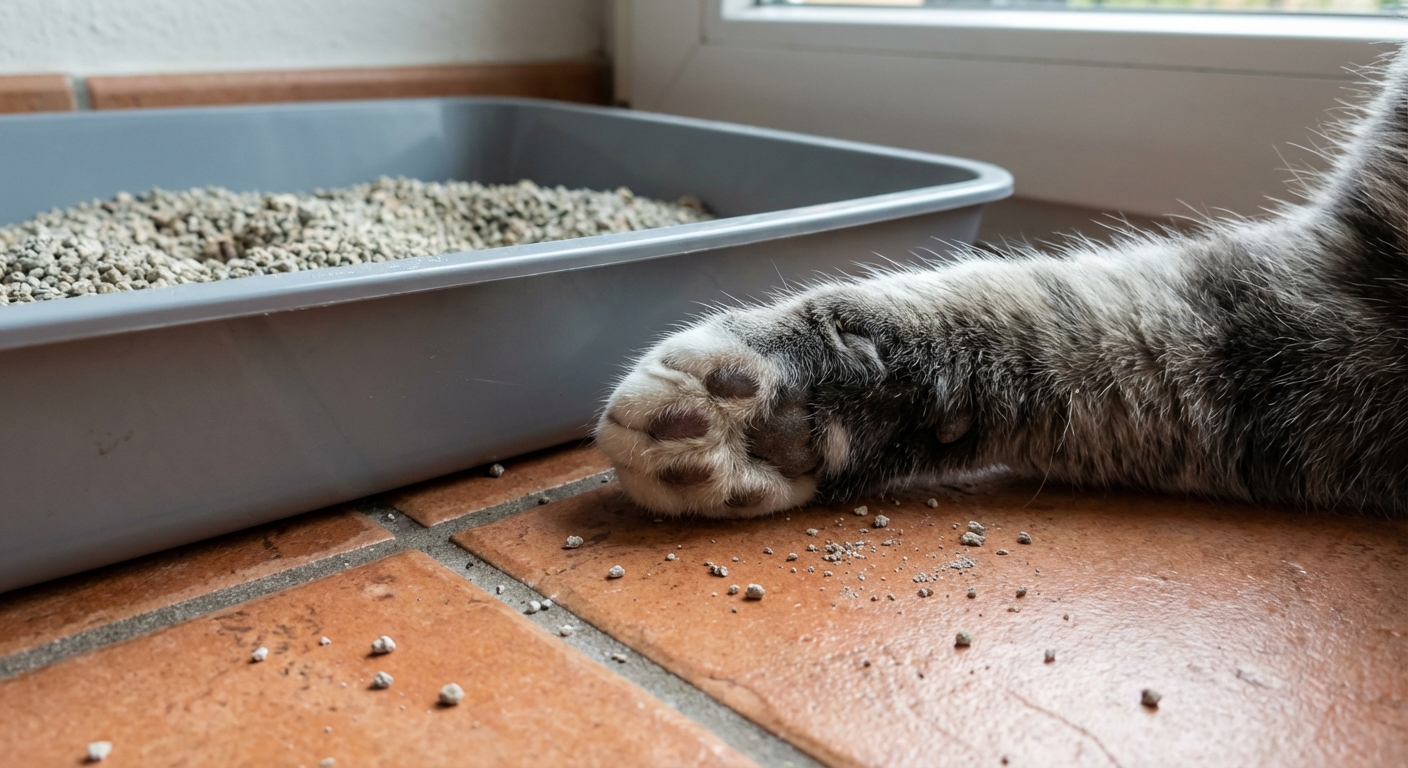
- Often linked to colitis, stress, parasites like Giardia, food intolerance, or inflammation
Common causes
Here are the most common culprits I see in clinics, from more “everyday” to more complex.
- Diet change (new food, new treats, new topper, table scraps)
- Food intolerance or sensitivity (can show up after months or years on the same diet)
- Stress (moving, new pet, visitors, boarding, schedule changes)
- Parasites (roundworms, hookworms, Giardia, coccidia)
- Infectious causes (some bacterial overgrowth or bacterial infection, and viral illness). In unvaccinated kittens, serious viruses like panleukopenia are a concern
- Inflammatory bowel disease (IBD)
- Pancreatitis
- Hyperthyroidism (more common in seniors)
- Medication side effects (especially antibiotics, some supplements)
- Toxin or foreign material ingestion (string, ribbon, plants, spoiled food)
A helpful rule: if the diarrhea started right after a diet change, that is a strong clue. If it is recurring or chronic, your veterinarian will likely want to rule out parasites and other medical causes.
Household note: Some parasites and infections can spread through shared litter boxes or contaminated surfaces, and a few germs can affect people too. Good handwashing and prompt cleanup matter, especially if there are children, seniors, or immunocompromised people in the home.
What you can do at home
Home care is about preventing dehydration and giving the gut a chance to settle. If your cat seems bright, is eating at least some, and there are no red flags, these steps are reasonable for a short window.
1) Hydration first
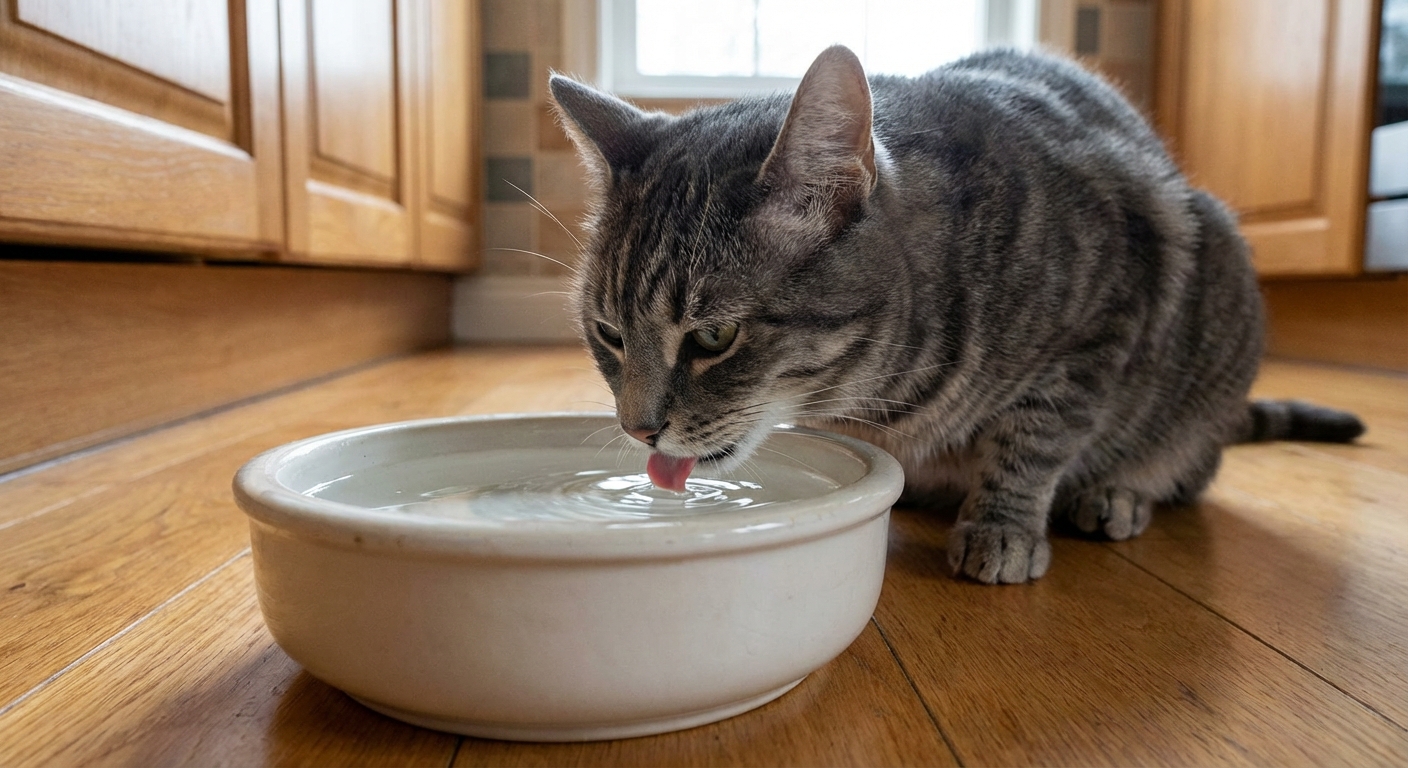
- Make fresh water easy to reach in multiple spots.
- Consider a pet fountain if your cat prefers running water.
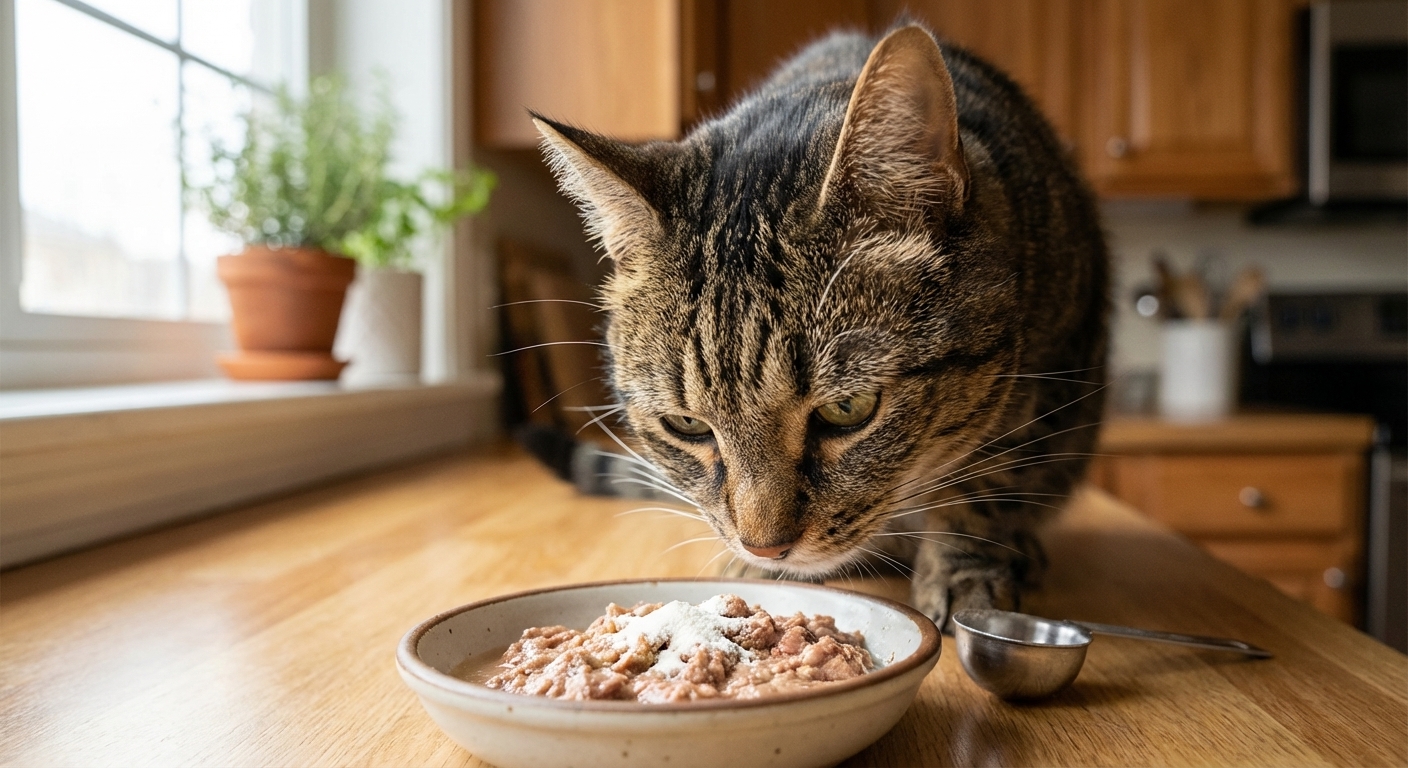
- If your veterinarian has previously approved it for your cat, you can offer extra moisture with wet food.
Do not force water with a syringe unless your veterinarian instructs you. Aspiration is a real risk.
2) Pause new foods and treats
Stop any new treats, milk, human food, flavored supplements, or rich chews. Many “small extras” add up to a big GI upset.
3) Choose a safe GI diet plan
Unlike dogs, cats should not be fasted for long periods without veterinary guidance. Cats are more prone to complications when they stop eating, including hepatic lipidosis. If your cat will eat, ask your veterinarian about:
- Prescription GI diets (often the easiest and most balanced short-term option)
- A short bland-food plan if appropriate for your cat’s health history
Homemade bland diets can be unbalanced if continued too long, so think of them as a short bridge, not a long-term solution. If your cat refuses food for 24 hours, contact your veterinarian.
4) Consider cat-specific probiotics
Some veterinary probiotics can help in certain cases of diarrhea, especially stress-related or antibiotic-associated diarrhea. Results vary by strain and product, so not all probiotics are equal. Use products labeled for pets and follow your veterinarian’s recommendations on dose and duration.
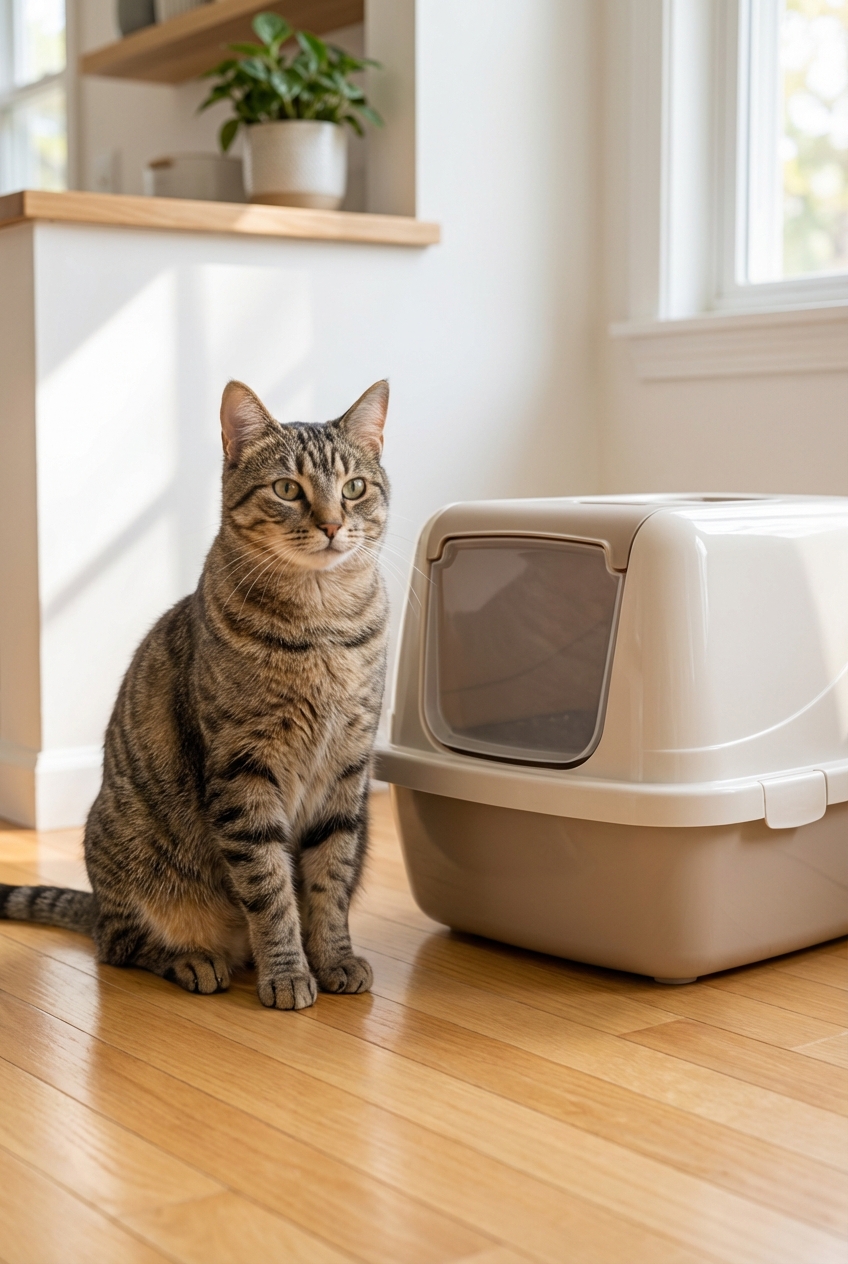
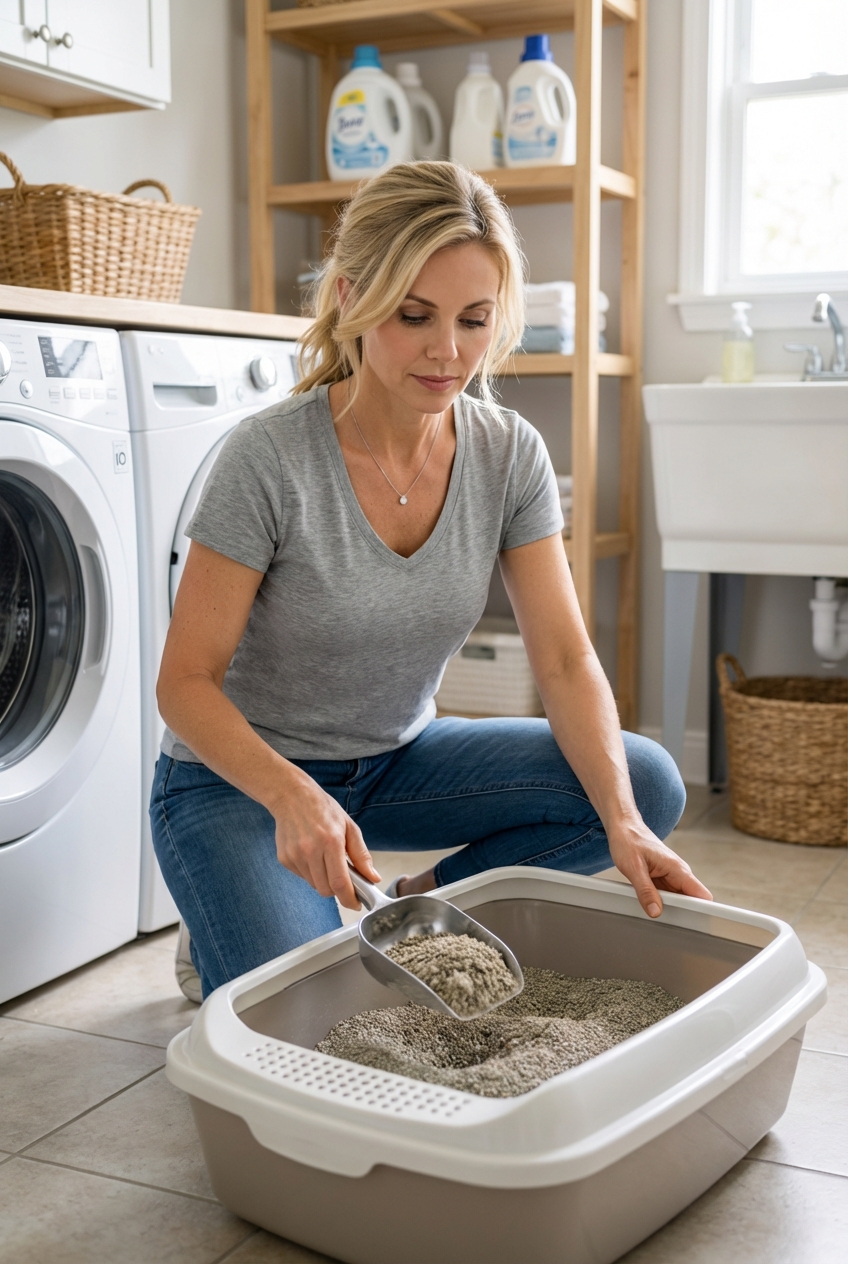
5) Keep the litter box very clean
This helps you track output accurately and reduces the chance of reinfection if parasites are involved.
What not to do
Some well-meant home remedies can make things worse or delay needed care.
- Do not give human anti-diarrhea medications (like loperamide) unless a veterinarian specifically instructs you. Some can be dangerous for cats.
- Do not switch foods repeatedly trying to “find one that works.” Frequent changes can prolong diarrhea.
- Do not ignore straining in the box. Straining can be GI, but it can also look like a urinary emergency.
- Do not use essential oils for “stomach soothing.” Many are toxic to cats.
How vets diagnose diarrhea
If diarrhea persists, comes back, or your cat is unwell, your veterinarian may recommend tests to identify the cause and treat it correctly.
Common diagnostics
- Fecal testing (microscopy, antigen testing for Giardia, and PCR panels depending on the case)
- Physical exam including hydration status, abdominal palpation, weight check
- Bloodwork (checks hydration, electrolytes, organ function, inflammation)
- Urinalysis (especially if straining or dehydration is a concern)
- Imaging like X-rays or ultrasound if obstruction, foreign material, or chronic disease is suspected
Stool sample tip: If you can safely bring a fresh stool sample (not contaminated with litter), it can speed up answers. Use a clean container or sealed bag, label it with the date and time, and bring it in as soon as you can. If your clinic asks you to refrigerate it, do so, but do not freeze it unless instructed. Some tests require very fresh samples, so call ahead and ask what they prefer.
When diarrhea keeps returning
Recurring diarrhea is a different category than a one-time upset stomach. If your cat has loose stool on and off for weeks, it is time to think bigger than “something he ate.”
Common next steps
- Parasite rule-out even for indoor-only cats
- Diet trial with a veterinarian-guided novel protein or hydrolyzed diet for 6 to 8 weeks
- Evaluation for IBD, pancreatitis, or endocrine disease
- Vitamin B12 (cobalamin) testing or supplementation in some chronic GI cases
The good news is that many chronic cases improve dramatically once the underlying trigger is identified and the plan is consistent.
Quick checklist
These details help your veterinarian make faster, smarter decisions.
- How long the diarrhea has been happening
- How often your cat is going
- Whether it is soft stool vs watery diarrhea
- Any vomiting, appetite changes, or weight loss
- Any blood (red) or black, tarry stool, or mucus seen
- Diet details: brand, flavor, treats, and any recent changes
- Indoor or outdoor access
- Any new pets, stressors, boarding, or travel
- Current medications and supplements
Trust your gut. If your cat is “just not acting right,” that matters. You do not need to wait for a crisis to ask for help.