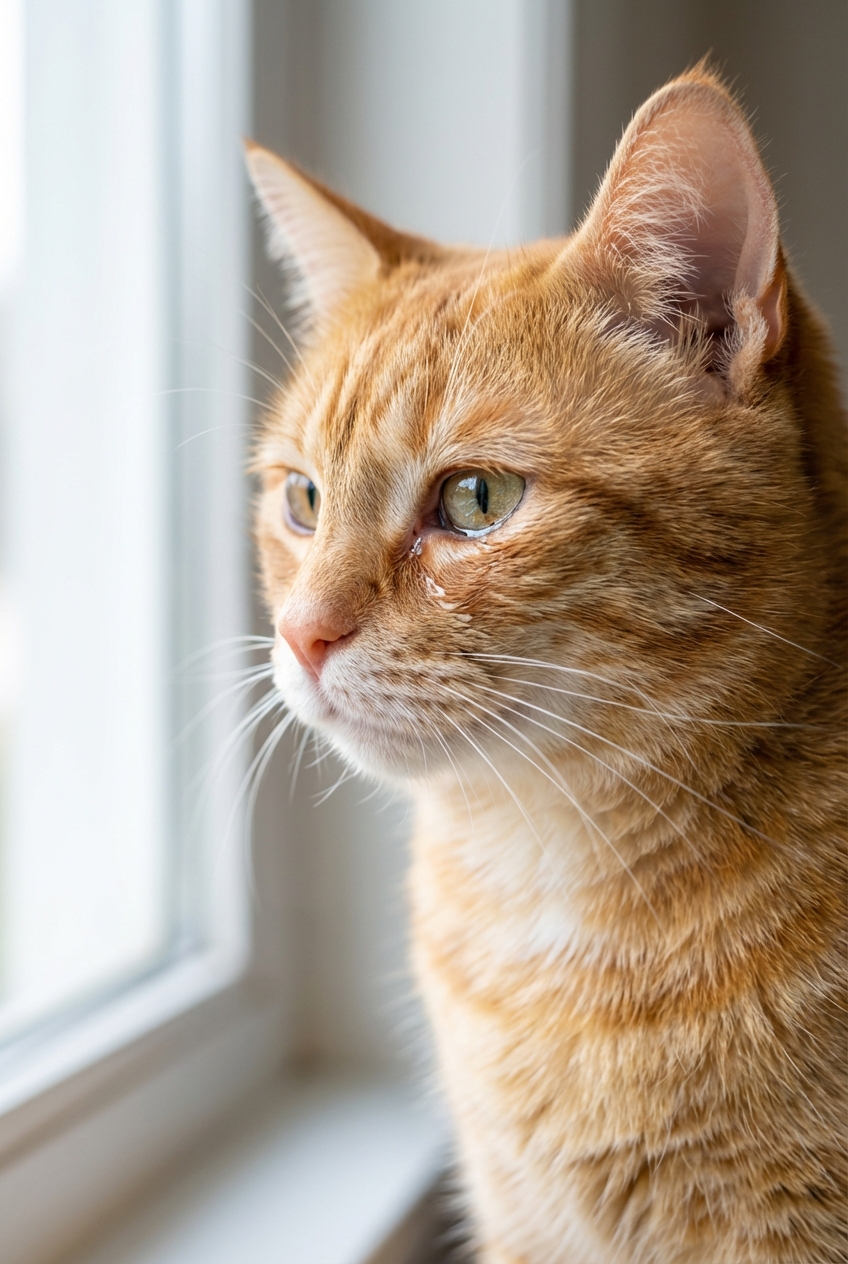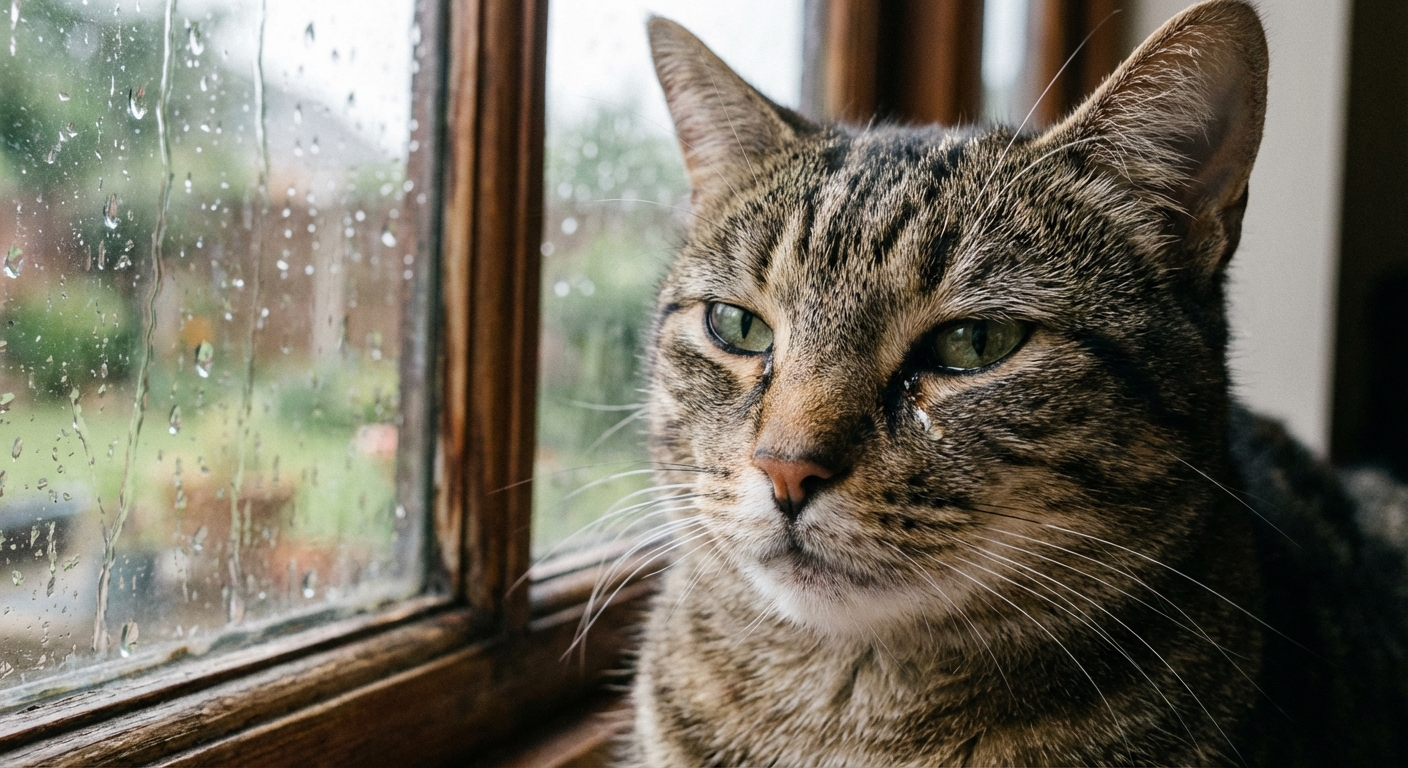
Noticed gunk in your cat’s eyes? Use this color guide (clear, white, yellow/green, brown, blood-tinged) to spot causes, clean safely at home, and know when...
Article
•
Designer Mixes
Cat Eye Infection: Symptoms, Causes, and Home Care

Shari Shidate
Designer Mixes contributor
If your cat’s eye looks red, goopy, or partly closed, it’s completely normal to wonder: is this just a little discharge, or a true eye infection? In cats, many eye infections show up as conjunctivitis, which is inflammation of the pink tissue around the eye. It can be triggered by viruses, bacteria, irritants, or allergies, and the right care depends on what’s behind it.
As a veterinary assistant, I always remind pet parents of one important truth: eye issues can change fast. Catching the problem early can mean quicker relief and fewer complications.
Also worth noting: not every “red eye” is an infection. Some problems like corneal ulcers (scratches), uveitis, or glaucoma can look similar at first, but need urgent treatment. When in doubt, it is safer to get your cat checked.
Common symptoms
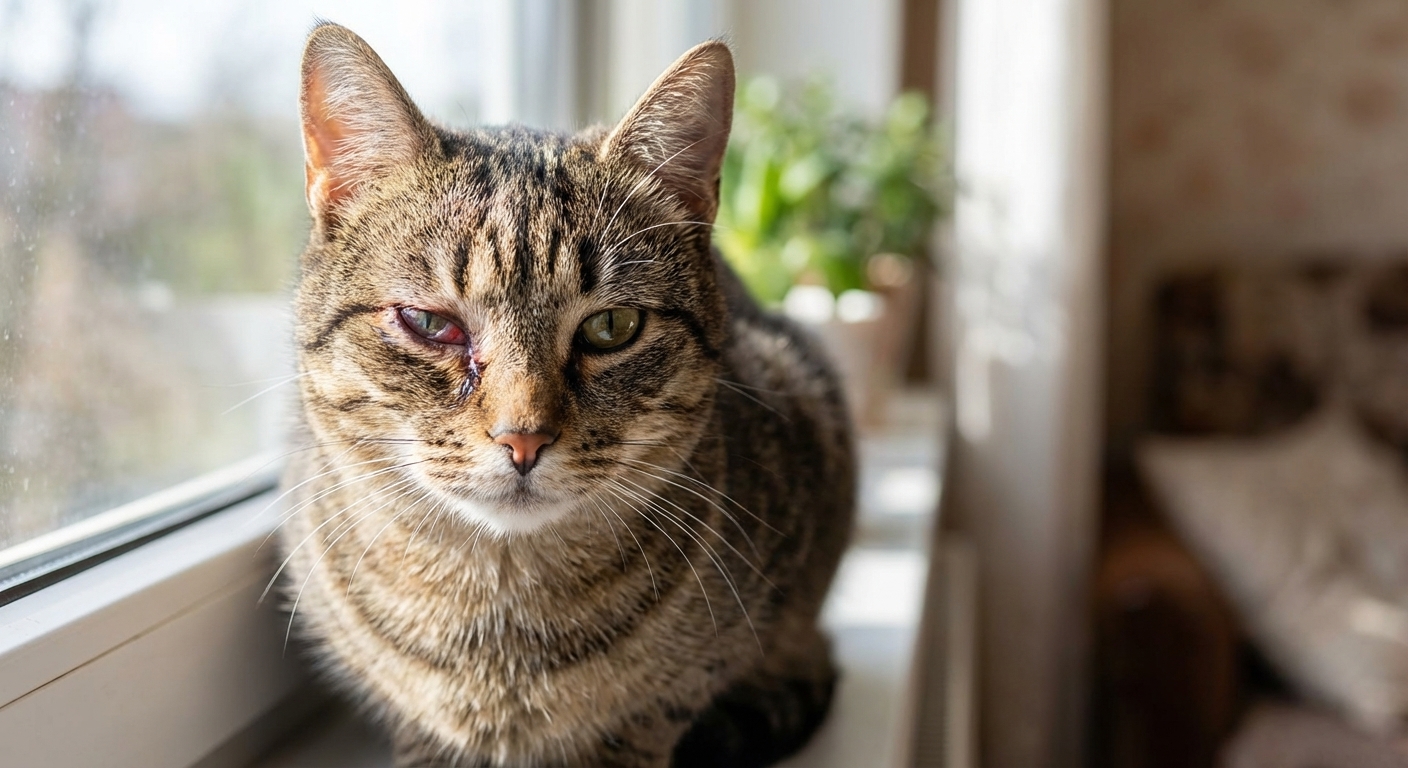
Some cats with an eye infection act totally normal besides the eye itself. Others may hide more or seem cranky because eye pain is miserable. Watch for these common signs:
- Redness of the white of the eye or inner eyelids
- Discharge that is watery, cloudy, or thick and sticky
- Squinting or keeping the eye partly or fully closed
- Excess tearing or a constantly wet face on that side (epiphora)
- Pawing at the eye or rubbing the face on furniture
- Swollen eyelids
- Light sensitivity (your cat avoids bright areas)
- Third eyelid showing (a pale membrane partially covering the eye)
One eye vs. both: problems can start in one eye and spread to the other, especially with contagious causes like feline herpesvirus.
Infection vs. simple discharge
Not all eye gunk means infection. Many healthy cats get a small amount of clear tearing or a little brown crust at the inner corner, especially after naps.
More likely simple discharge
- Small amount of clear tearing
- Occasional dry crust in the corner
- No redness, no squinting, no swelling
- Your cat seems comfortable and normal
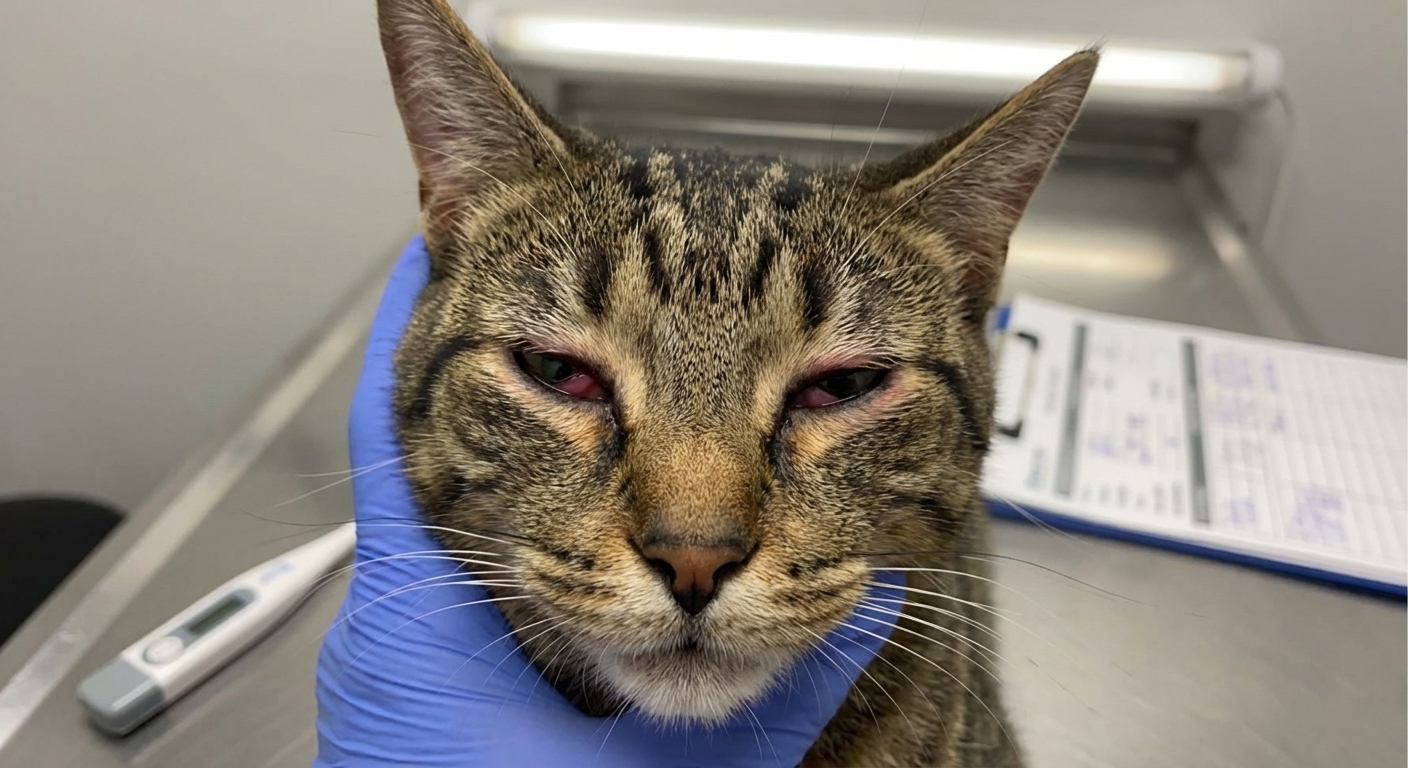
More likely infection or significant inflammation
- Discharge becomes thick, sticky, frequent, or colored (yellow or green can suggest bacteria, but it is not definitive)
- Redness or visible irritation
- Squinting, pain, or light sensitivity
- Eyelids look puffy, or the third eyelid is up
If you are seeing squinting or your cat will not open the eye, I treat that as a “do not wait” sign. Squinting often means pain, and pain can mean the cornea is involved.
Common causes
Eye infections and conjunctivitis in cats are commonly triggered by viruses, bacteria, or irritants. Sometimes it is a mix, for example a viral flare-up that sets the stage for a secondary bacterial infection.
1) Viruses (very common)
Feline herpesvirus-1 (FHV-1) is a top cause of conjunctivitis in cats. Many cats are exposed when they are young, and the virus can reactivate during stress (moving, boarding, a new pet, illness).
- Often causes watery discharge that can become thicker or sticky
- May come with sneezing or nasal congestion
- Can cause recurring flare-ups
Other viruses, including calicivirus, can also contribute, especially when there are upper respiratory signs.
2) Bacteria
Bacteria can be primary, but commonly show up as a secondary problem after viral irritation. Some bacteria associated with feline conjunctivitis include Chlamydia felis and Mycoplasma.
- Discharge may be thicker and sticky, sometimes yellow-green
- May affect one or both eyes
- Some causes can spread between cats in multi-cat homes
3) Irritants and injury
Not every red eye is infectious. These common triggers can look very similar:
- Dust, smoke, perfume, cleaning sprays
- Litter dust
- Foreign material (a tiny plant piece, hair)
- Scratches from play, cats, or even your cat’s own nails
A corneal scratch or ulcer can cause intense squinting and tearing and needs prompt veterinary care.
4) Allergies and other issues
- Environmental allergies can cause redness and watery eyes, but in cats this is often less common than viral, irritant, or injury-related causes
- Blocked tear ducts or eyelid anatomy issues can cause chronic tearing (wetness and staining) and make the eye look messy
- Dental disease or facial pain can occasionally show up as eye changes
Safe home care (mild cases)
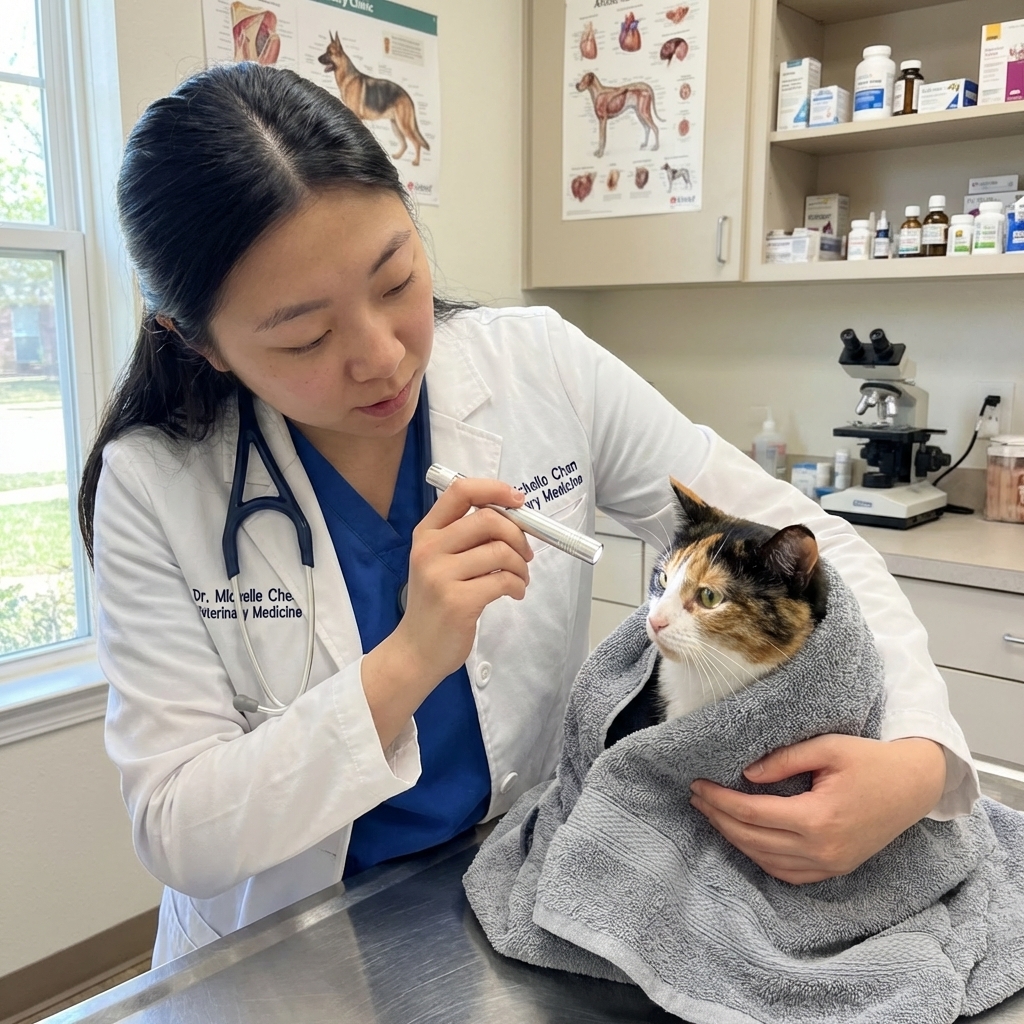
Home care is best used to keep your cat comfortable and prevent crust from sealing the eyelids shut while you monitor symptoms or wait for your veterinary appointment.
Step 1: Clean gently
- Wash your hands first.
- Use a soft cotton pad or clean gauze with sterile saline (best option). If you truly cannot get saline right away, you can use plain, lukewarm water once or twice, but switch to sterile saline as soon as possible.
- Wipe from the inner corner outward.
- Use a new pad each wipe to avoid recontamination.
Step 2: Warm compress
A warm compress helps loosen sticky discharge and can soothe irritated tissue.
- Soak a clean cloth in warm (not hot) water.
- Wring it out well.
- Hold it against the closed eyelids for 1 to 3 minutes.
- Repeat 2 to 4 times daily if your cat tolerates it.
Step 3: Reduce spread and irritation
- Keep your cat indoors until the eye improves.
- If you have multiple cats, separate symptomatic cats when possible, avoid sharing bedding, and wash hands between cats.
- Avoid scented cleaners, smoke, dusty litter, and aerosol sprays.
- If your cat is rubbing the eye, an e-collar can prevent damage.
Do not use human eye drops unless your veterinarian specifically says they are safe for your cat.
Also avoid steroid eye drops unless they are prescribed for your cat’s exact diagnosis. Steroids can worsen corneal ulcers and can make certain herpes-related eye disease more severe.
What you can use
- Sterile saline eye rinse made for pets or plain sterile saline
- Warm compresses
- Gentle cleaning to remove crust
What to avoid
- Hydrogen peroxide, alcohol, essential oils
- Leftover antibiotic drops from another pet or an old prescription
- “Redness relief” human drops
- Forcing the eyelids open if your cat is painful
When to see a vet
Because cats can develop corneal ulcers and deeper eye issues, it’s better to be cautious. For mild watery discharge without squinting, it is reasonable to monitor closely for improvement over the same day or within 24 to 48 hours while doing gentle cleaning.
However, some signs should be treated as urgent regardless of timing.
Go in urgently if you notice:
- Squinting or the eye staying closed
- Cloudiness on the surface of the eye
- A blue, white, or gray film over the eye
- Visible swelling around the eye or eyelids
- Thick, sticky discharge that is worsening
- Eye trauma or a suspected scratch
- Unequal pupils (anisocoria), a very dilated pupil, or a suddenly very painful eye (possible glaucoma)
- Marked light sensitivity with a small pupil (possible uveitis)
- Your cat seems lethargic, stops eating, or is hiding
- A kitten with eye symptoms (kittens can worsen quickly)
What your vet may check
Veterinarians often do a fluorescein stain test to check for corneal ulcers. Depending on the exam, they may also check eye pressure (for glaucoma), run a tear test, or recommend additional testing in chronic or recurring cases.
Do cats need antibiotic drops?
Sometimes, yes. But antibiotic drops are only helpful when bacteria are part of the problem. If the root cause is viral (like feline herpesvirus), antibiotics do not kill the virus. That said, vets often prescribe antibiotic eye meds when there is thick discharge or significant inflammation because secondary bacteria can take advantage of irritated tissue.
What your vet may prescribe
- Antibiotic eye drops or ointment for bacterial conjunctivitis or secondary infection
- Antiviral medication in some herpesvirus cases
- Pain relief if the eye is very uncomfortable
- Supportive care for upper respiratory infection symptoms
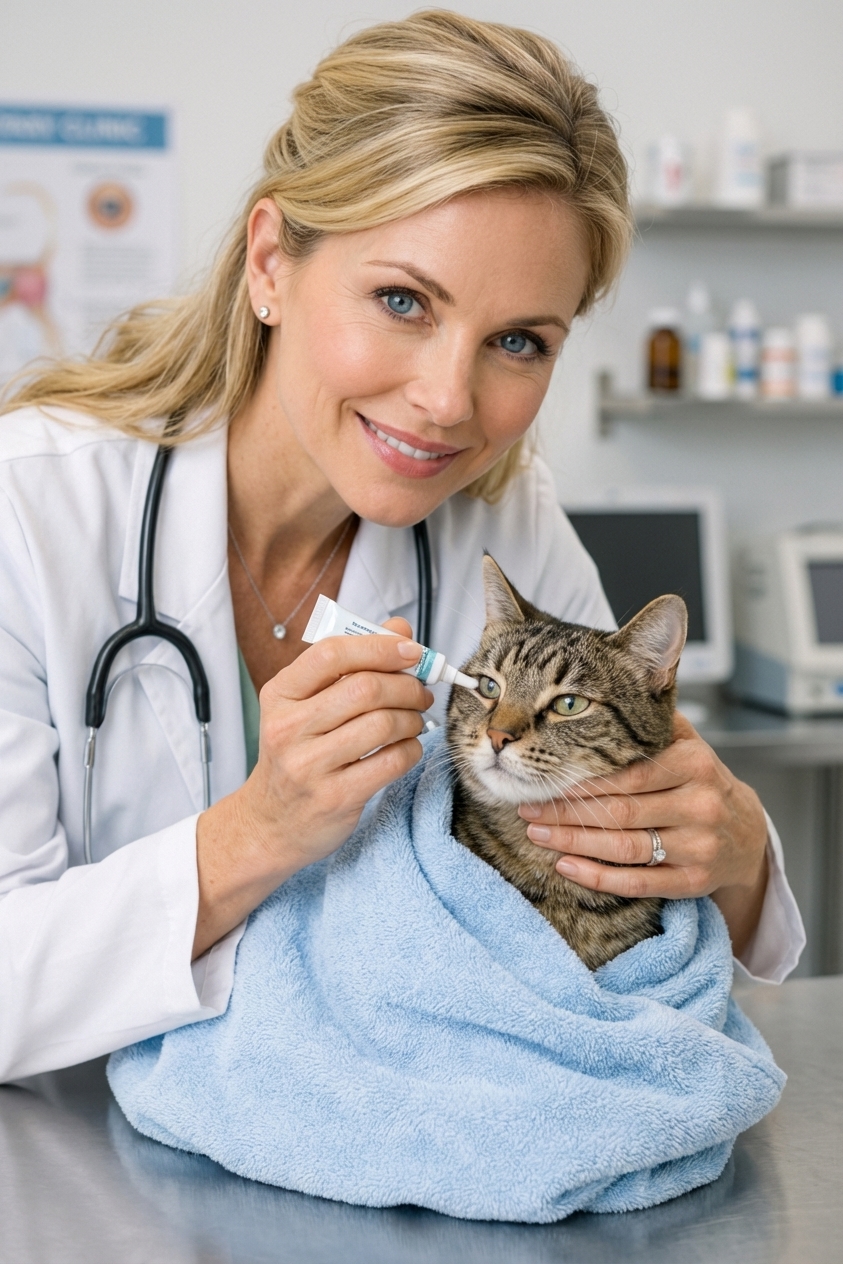
If your vet prescribes drops or ointment, give the full course exactly as directed, even if the eye looks better after a day or two.
How to give drops or ointment
Most cats do better with a calm, quick routine.
- Prep first: Have the medication open and ready.
- Wrap if needed: A towel burrito can prevent scratching and help your cat feel secure.
- Stabilize the head: Gently hold from behind, not from the front.
- Do not touch the eye: Keep the tip of the bottle or tube from contacting the eye surface.
- Reward: Follow with a favorite treat or a few minutes of a calming activity.
If you are using more than one eye medication, ask your vet how long to wait between them. Often a short gap helps each medication work properly.
Preventing flare-ups
You cannot prevent every eye infection, especially if feline herpesvirus is involved, but you can reduce triggers and catch problems earlier.
- Limit stress where possible, especially in herpes-prone cats
- Keep the environment low-irritant (less dust, fewer aerosols)
- Clean mild discharge early before it becomes thick and sticky
- Separate new cats and schedule vet checks when bringing a cat into a multi-cat home
- Stay current on vaccines as recommended by your veterinarian
If your cat has recurring conjunctivitis, ask your vet whether chronic herpesvirus, allergies, or an eyelid or tear-duct issue might be contributing.
Bottom line
Redness, squinting, and thick discharge are big clues that your cat may have an eye infection or another significant eye problem, not just normal eye “sleep.” Gentle cleaning and warm compresses are safe home steps for mild cases, but pain, squinting, cloudiness, unequal pupils, or worsening discharge mean it is time to see your veterinarian. Eye problems are one of those areas where getting help early can protect your cat’s vision and comfort.