A practical guide to cat runny eyes: what watery vs green discharge can mean, common causes (URI, conjunctivitis, ulcers), safe cleaning tips, and urgent war...
Article
•
Designer Mixes
Cat Eye Discharge: Causes, Colors Explained, and Treatment

Shari Shidate
Designer Mixes contributor
Seeing gunk in your cat’s eyes can feel alarming, especially if it shows up suddenly or looks thick and colored. The good news is that mild eye discharge is common in cats and often manageable at home. The important part is knowing what is normal, what different colors can mean, and when it is time to call your veterinarian.
What is normal?
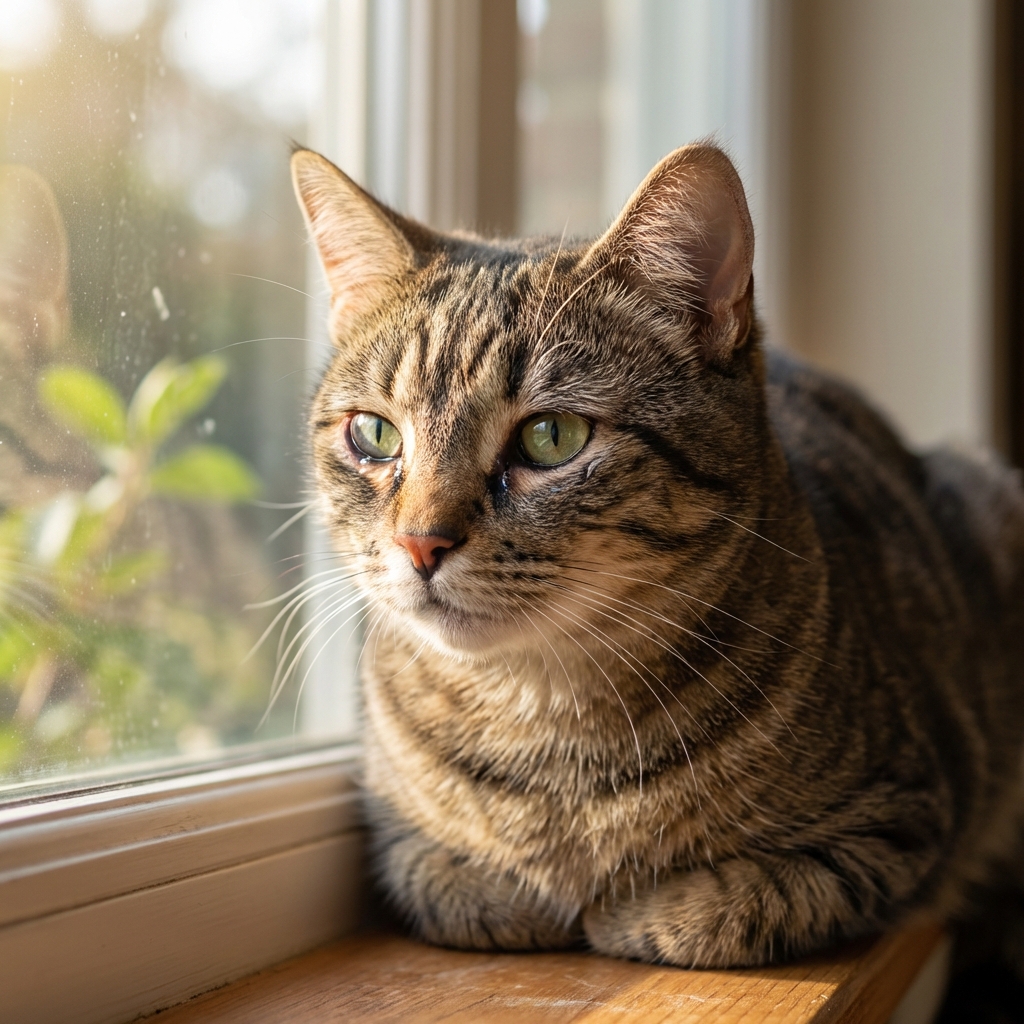
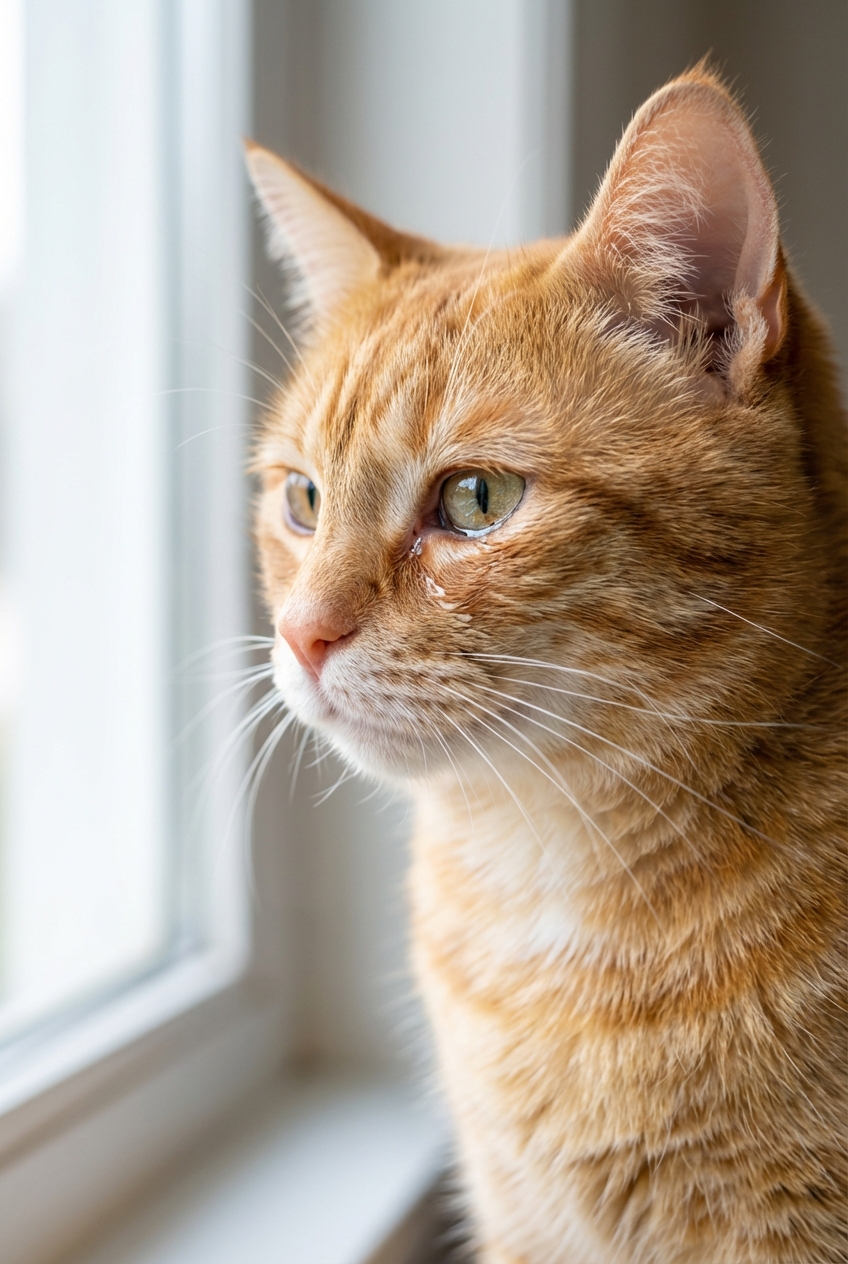
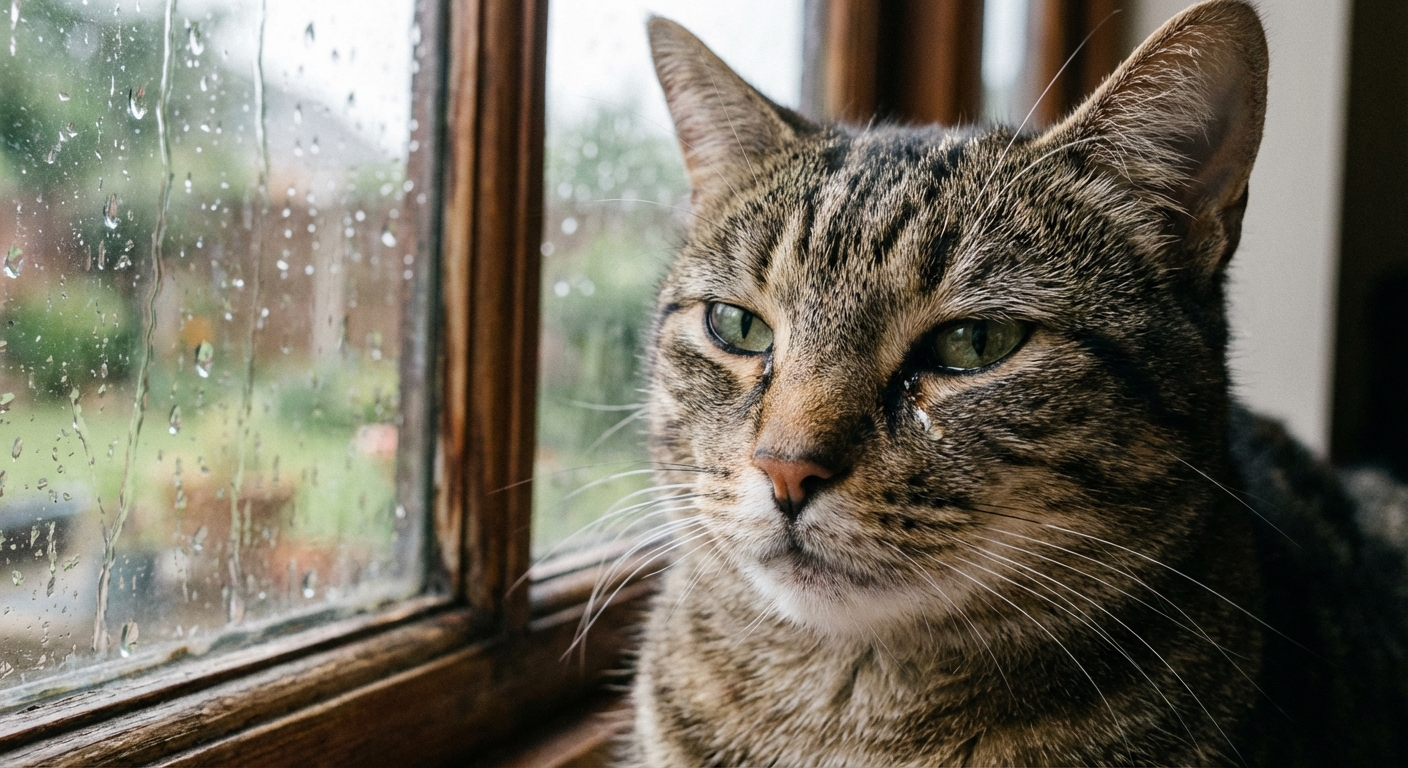
Many cats produce a small amount of clear tearing or a tiny bit of light brown crust in the inner corner of the eye, especially after sleeping. This can be normal, particularly in:
- Flat-faced breeds (Persians, Himalayans, Exotic Shorthairs) that are prone to tear overflow due to facial anatomy and tear drainage quirks.
- Cats with mild seasonal allergies that cause occasional watery eyes.
- Older cats who can have changes in tear drainage or eyelid function over time. New or worsening tearing in a senior cat still deserves evaluation.
Normal discharge should be minimal, not foul-smelling, and not paired with redness, squinting, cloudiness, or behavior changes.
Colors, explained
Color is one of the quickest clues to what is happening, but it is not a diagnosis by itself. Use these descriptions as guidance and look at the whole picture: your cat’s comfort, eye appearance, and how long it has been going on.
Clear and watery
Common causes: mild irritation, dust, wind, early viral infection, allergies, or mild tear drainage issues.
What to watch for: If your cat is otherwise comfortable and the eye is not red, you can often monitor for 24 to 48 hours while gently cleaning. Check sooner if it worsens at any point. If clear tearing comes with squinting or redness, it may be more than simple irritation.
White or light gray, stringy mucus
Common causes: conjunctivitis, allergies, dry eye, or irritation that is making the eye produce mucus.
Why it matters: Thick, ropey discharge can suggest the surface of the eye is inflamed or not well lubricated. Dry eye is less common in cats than dogs, but it does occur and should be evaluated.
Yellow or green
Common causes: infection is a concern, including bacterial infection, a secondary infection on top of a viral illness, or intense inflammation that produces thick discharge.
What it often looks like: thicker discharge that may reappear shortly after you clean it. Cats may squint, blink more, or keep the eye partially closed.
Next step: Yellow or green discharge is a strong reason to schedule a veterinary visit soon, especially if it lasts more than a day or two, or your cat seems uncomfortable.
Brown or rust-colored staining
Common causes: tear staining from chronic watering, especially in light-colored cats or flat-faced breeds. It can also happen when discharge dries and mixes with debris.
When to dig deeper: If staining is new or worsening, it may reflect chronic irritation, allergies, or a drainage problem rather than a one-time issue.
Red or pink-tinged (blood-tinged)
Common causes: trauma (scratch from another cat, rough play, foreign body), severe inflammation, corneal ulcer, eyelid issues, or other eye conditions that should be assessed promptly.
Take seriously: Blood-tinged discharge plus squinting is an urgent reason to contact your veterinarian the same day.
One eye or both?
This is not diagnostic, but it can help you decide how quickly to act.
- One eye is more suspicious for a scratch, foreign body, or localized problem (like an eyelid or eyelash issue).
- Both eyes are more often linked with allergies or an upper respiratory infection , especially if sneezing is also present.
Either way, pain, squinting, cloudiness, or thick colored discharge should move you toward a veterinary exam.
Common causes
Eye discharge is a symptom, not a condition. These are the most frequent underlying causes.
1) Conjunctivitis
Conjunctivitis is inflammation of the tissues around the eye. It can be caused by viruses, bacteria, allergies, irritants, or underlying eye surface problems. Signs often include redness, swelling, squinting, and increased discharge.
2) Upper respiratory infection (URI)
Many “cat colds” are upper respiratory infections (URIs) that involve the eyes. Feline herpesvirus is a very common culprit and can lead to watery eyes that progress to thicker discharge. Some cats have flare-ups during stress.
3) Corneal ulcer or scratch
A scratch on the clear surface of the eye can cause tearing, squinting, pawing at the face, and sensitivity to light. Ulcers are painful and need veterinary assessment because the wrong medication can worsen them.
4) Allergies and irritants
Perfumes, cleaning sprays, dusty litter, smoke, pollen, and mold can all irritate a cat’s eyes. This usually causes watery discharge and mild redness, though it can become more intense over time.
5) Tear drainage issues or anatomy
If tears cannot drain normally, they overflow and can create chronic wetness and staining. Flat-faced cats are particularly prone. Persistent tearing still deserves a check, because chronic moisture can irritate the skin and invite infection.
6) Eyelid or eyelash problems
Inturned eyelids, abnormal eyelash growth, or eyelid inflammation can rub the eye surface and cause ongoing tearing and mucus.
7) Less common but serious issues
Some eye conditions are less common but need prompt care, especially if there is pain, a cloudy eye, or pupil changes. Examples include glaucoma, uveitis, eye masses, and complications from trauma. Blood-tinged discharge should always be taken seriously.
Safe at-home care
If your cat has minimal discharge with no significant redness or squinting, gentle hygiene can help while you monitor. If anything worsens, or your cat seems uncomfortable, do not wait.
How to clean your cat’s eyes
- Wash your hands first.
- Use a soft cotton pad or clean gauze moistened with sterile saline (pet-safe) or warm water.
- Wipe from the inner corner outward in one smooth motion.
- Use a fresh pad for each eye to avoid spreading infection.
- Clean 1 to 3 times per day as needed.
What to avoid
- Do not use human eye drops unless your veterinarian directs you. Some products can be unsafe for cats.
- Do not use leftover antibiotic drops from a prior pet or prior episode. The wrong medication can delay proper care, and steroid-containing drops can be dangerous if an ulcer is present.
- Do not force crusts off. Soften them first with a warm, damp pad and gently lift away.
- Avoid home remedies like chamomile or tea rinses, hydrogen peroxide, alcohol, or essential oils near the eyes.
General guidance: if your cat is squinting, pawing at the eye, or acting like the eye hurts, skip the wait-and-see approach and get a veterinary exam. Eye problems can worsen quickly, and early treatment often prevents bigger issues.
When to see a vet
Eye conditions can escalate fast. Contact your veterinarian promptly if you notice any of the following:
- Squinting, holding the eye closed, or obvious pain
- Cloudiness on the eye surface
- Yellow or green discharge that persists or is heavy
- Blood-tinged discharge or a history of trauma
- Swelling around the eye or third eyelid showing prominently
- Unequal pupil size or sudden vision changes
- Discharge paired with sneezing, fever, lethargy, or poor appetite
- Symptoms in a young kitten (kittens can deteriorate quickly)
Kittens: extra caution
Eye discharge in kittens should be treated seriously, especially if the eyes are crusted shut, swollen, or the kitten is not eating well . Young kittens can develop eye infections quickly, and delayed treatment can risk long-term damage. If you are seeing discharge in a kitten, it is safest to call your veterinarian promptly.
Contagious concerns
If your cat’s discharge is linked to an upper respiratory infection or infectious conjunctivitis, it may spread to other cats. In multi-cat homes, consider separating the affected cat when possible, washing hands after handling them, and not sharing bedding, bowls, or grooming tools until your veterinarian advises it is safe.
Vet diagnosis and treatment
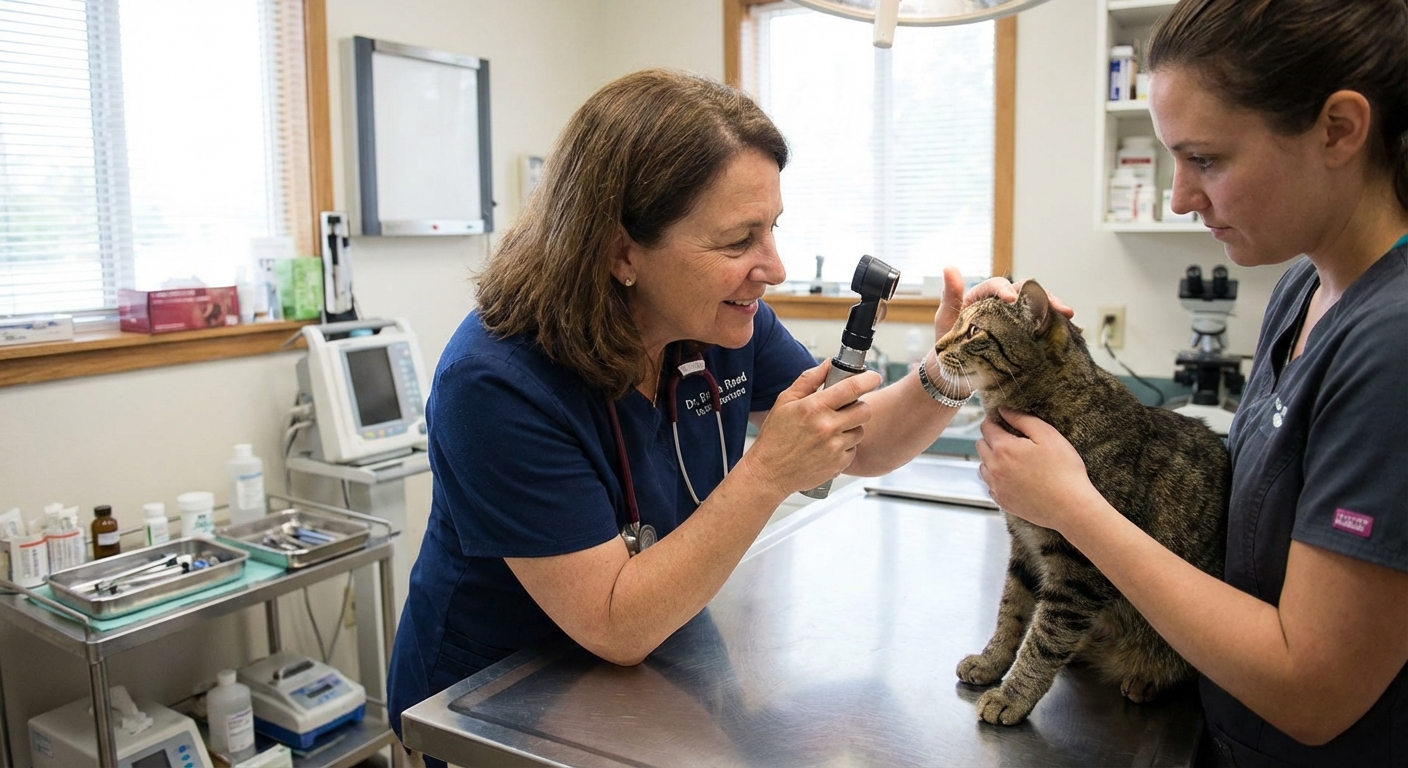
In the clinic, your vet may examine the eyelids and eye surface closely, check tear production, and perform a fluorescein stain to look for corneal ulcers. Treatment depends on the cause and may include:
- Antibiotic eye drops or ointment for bacterial infection or secondary infection.
- Antiviral therapy or supportive care for herpesvirus-related flare-ups.
- Pain relief and protective meds if a corneal ulcer is present.
- Allergy and irritant management, sometimes including medication if recommended by your vet.
- Lubricating drops if the eye surface is dry or inflamed.
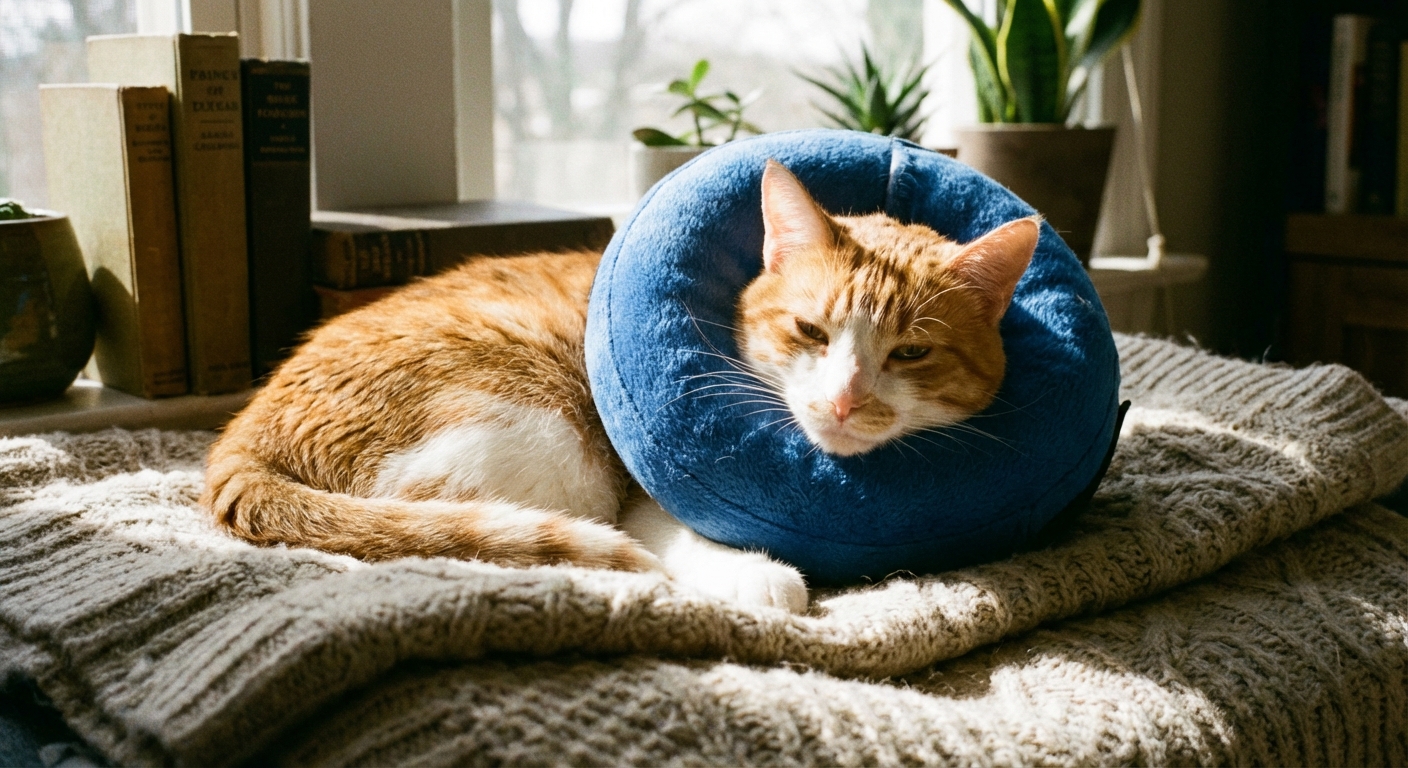
- E-collar if your cat is rubbing the eye and risking further injury.
Prevention tips
You cannot prevent every cause of eye discharge, but a few habits can reduce irritation and help you spot problems early.
- Keep litter dust low by choosing low-dust options and pouring gently.
- Avoid strong fragrances and aerosol sprays in areas where your cat spends time.
- Reduce stress where possible, especially for cats with herpesvirus history. Consistent routines matter.
- Groom around the eyes for long-haired cats to prevent hair from irritating the eye surface.
- Schedule regular wellness exams, particularly if your cat has chronic tearing or repeated infections.
Quick color guide
- Clear and watery: often mild irritation or early illness, monitor closely and reassess if it worsens.
- White, stringy: inflammation or dry eye possibilities, consider a vet visit if persistent.
- Yellow or green: infection or intense inflammation more likely, schedule an exam soon.
- Brown staining: chronic tearing or drainage issues, worth discussing at your next visit or sooner if worsening.
- Blood-tinged: possible injury or serious inflammation, same-day veterinary guidance.
Bottom line
Cat eye discharge is common, but it should never be ignored when it comes with discomfort, color change, or worsening symptoms. Gentle cleaning and observation can be reasonable for mild, clear tearing, but thicker yellow or green discharge, squinting, cloudiness, or blood calls for prompt veterinary care.
Pet info, not veterinary advice: This article is educational and cannot replace an exam. If you are unsure, it is always safer to check in with your veterinarian.