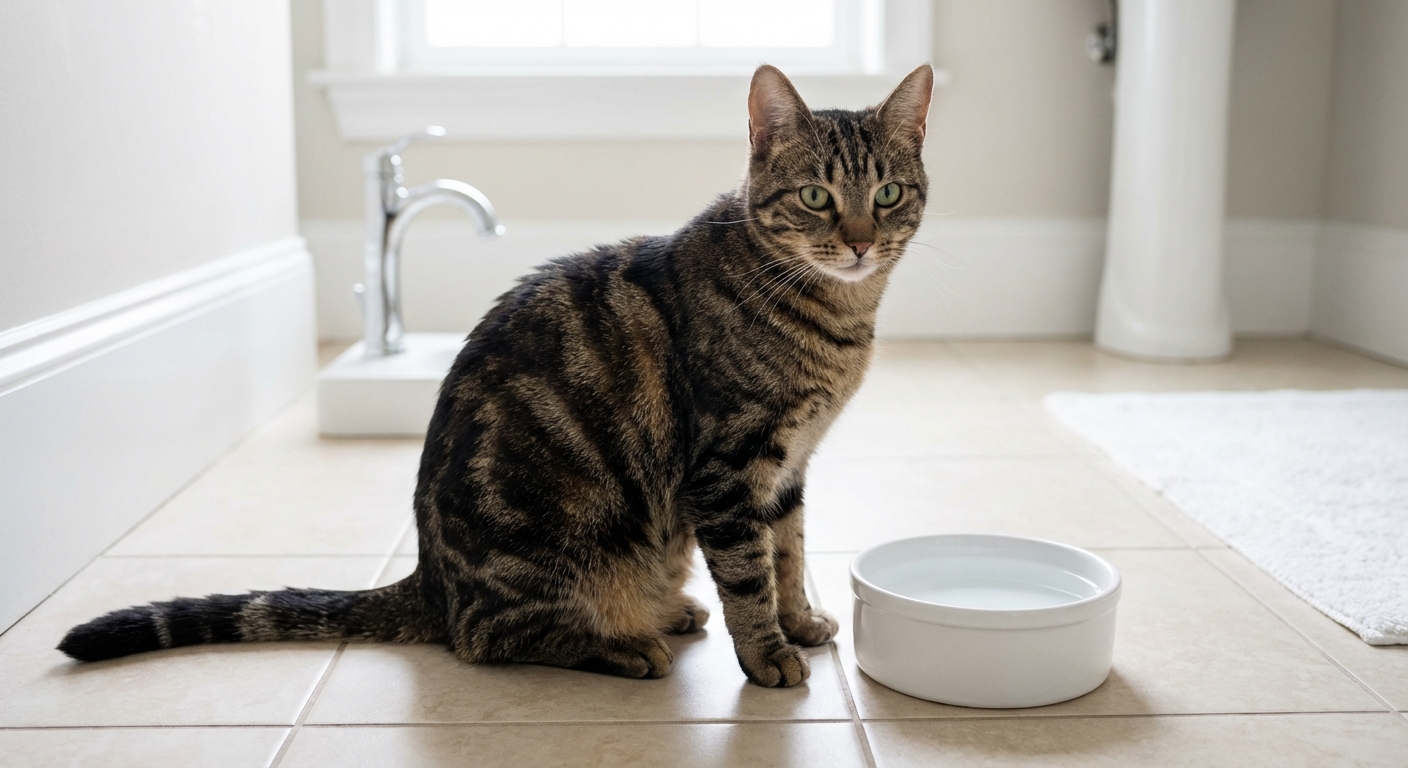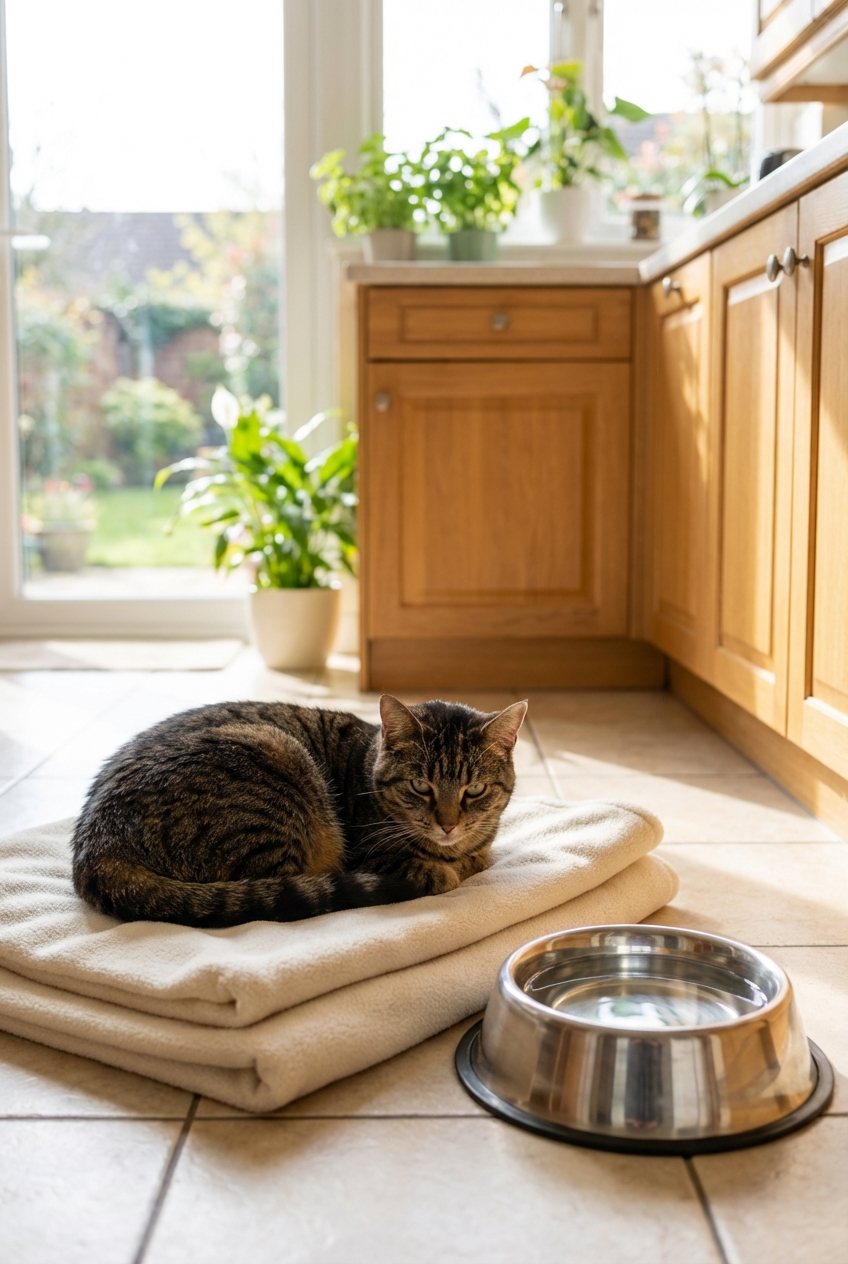
Vet-assistant guidance for mild cat diarrhea: fluids, bland meals, cat-specific probiotics, pumpkin, stress tips, hygiene, what to avoid, and when to see you...
Article
•
Designer Mixes
Cat Diarrhea: What to Do

Shari Shidate
Designer Mixes contributor
Finding diarrhea in the litter box is stressful, and I get it. As a veterinary assistant, I have seen how quickly a simple tummy upset can turn into dehydration, especially in kittens and senior cats. The good news is that many cases improve with smart, gentle care at home, as long as you know what warning signs to watch for.
First: what counts as diarrhea?
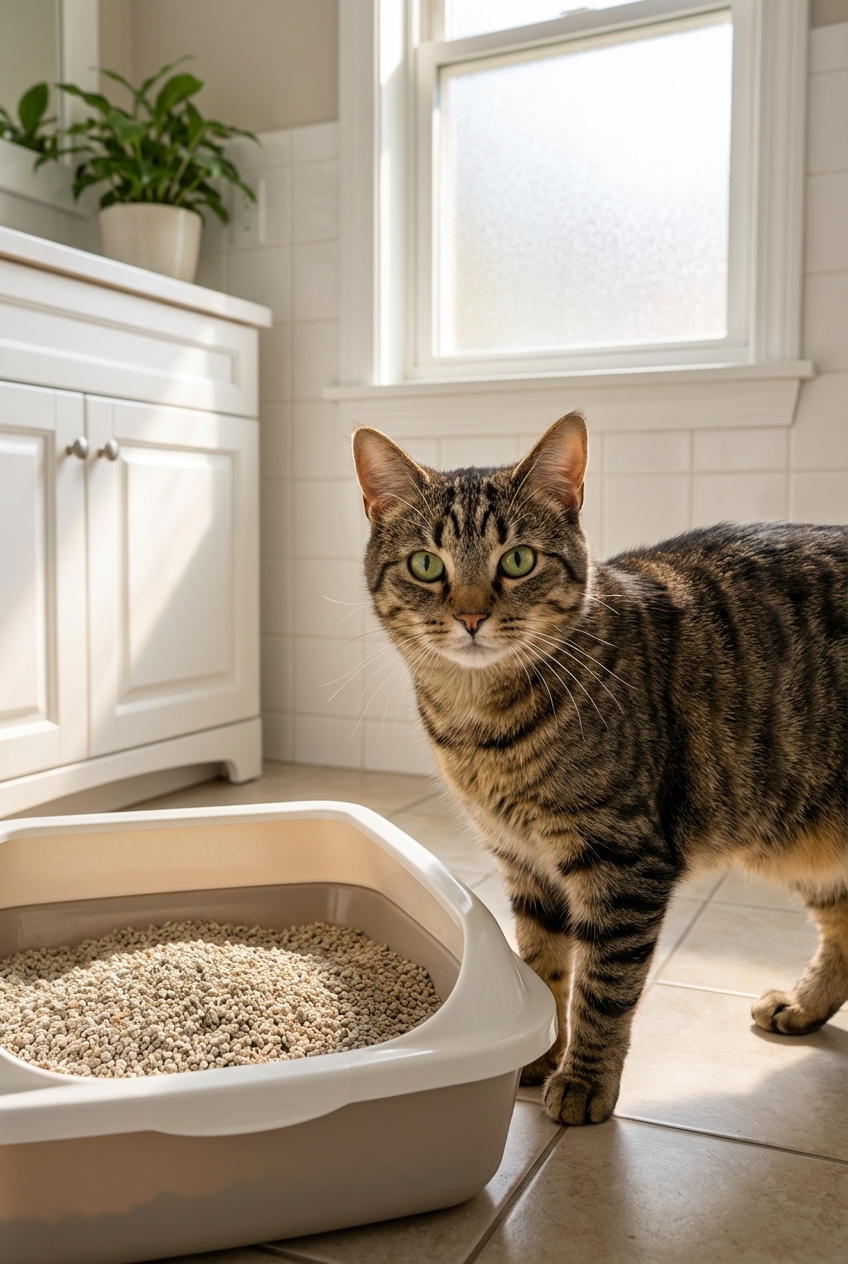
Diarrhea is stool that is looser than normal, more frequent than normal, or difficult for your cat to control. It can look like pudding, watery puddles, or stool with mucus.
- Small intestine diarrhea typically looks like larger-volume, watery stool. You may see weight loss or vomiting.
- Large intestine diarrhea typically looks like smaller amounts more frequently, sometimes with mucus or fresh red blood and straining.
There can be overlap, and either way, diarrhea is not a diagnosis. It is a symptom, and your next step is figuring out how urgent it is.
Red flags: when to call a vet today
Please seek veterinary care urgently if you notice any of the following. These are the situations where home care can delay treatment your cat truly needs.
- Kittens, senior cats, or cats with chronic illness (kidney disease, diabetes, hyperthyroidism, cancer)
- Diarrhea lasting more than 24 to 48 hours in an adult cat, or more than 24 hours and not improving
- Any ongoing diarrhea in a kitten
- Blood (more than a few streaks), or black, tarry stool (melena), which can indicate digested blood
- Repeated vomiting, inability to keep water down, or drooling and nausea
- Lethargy, weakness, fever, hiding, or obvious abdominal pain
- Signs of dehydration (tacky gums, sunken-looking eyes, very low urine output). Home checks like skin tenting can be hard to interpret in cats, especially older or overweight cats, so when in doubt, get a vet exam.
- Possible toxin exposure (human meds, lilies, essential oils, cleaning products, rodenticides)
- Possible foreign body (string, ribbon, hair ties) or a history of chewing non-food items
- Recent antibiotic use or recent hospitalization
If your cat is acting “not themselves” plus has diarrhea, trust that instinct and call your vet.
Step-by-step: what to do at home (mild cases only)
If your adult cat is bright, alert, drinking, and has mild diarrhea for less than a day, here is a gentle, commonly recommended approach you can use while you monitor closely.
Step 1: Stop the “new” and simplify
The most common trigger I see is a diet change. If you recently switched foods, introduced new treats, changed flavors, or started table scraps, stop the extras and return to the last well-tolerated diet for now.
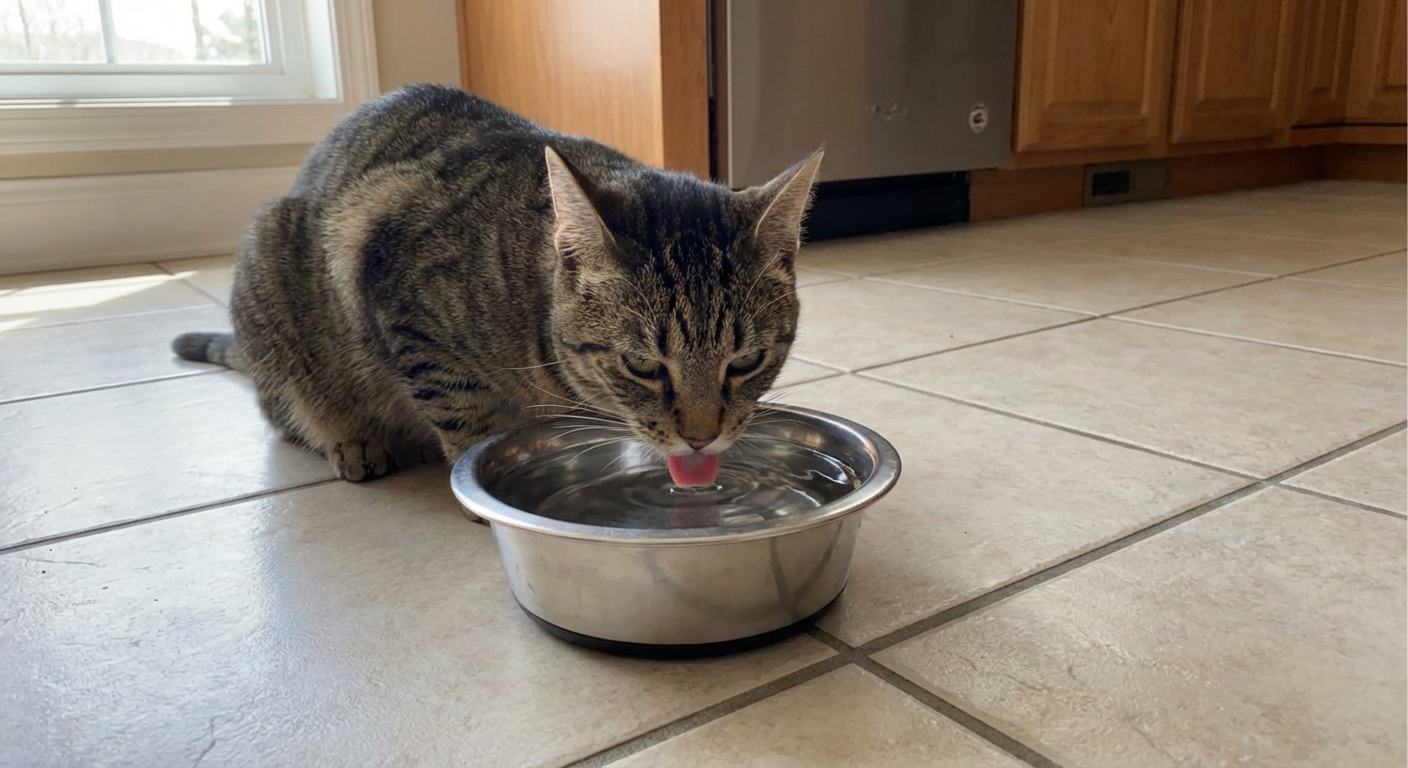
Step 2: Keep water available (and make it easier to drink)
Hydration is the biggest immediate concern with diarrhea.
- Provide multiple bowls of fresh water in quiet areas.
- Consider a pet water fountain if your cat prefers moving water.
- Offer wet food if your cat will eat it, since it adds moisture.
- If your cat eats wet food, you can mix in a little extra water to boost fluid intake.
Skip DIY electrolyte recipes. If you are worried your cat is not drinking enough, call your vet.
Step 3: Feed small, frequent meals
Unlike some dog advice, fasting is not usually recommended for cats. In many cats, an empty stomach makes nausea worse. More importantly, not eating can put some cats at risk for hepatic lipidosis (fatty liver), especially if they are overweight.
- Feed small meals every 4 to 6 hours for the first day.
- Avoid rich foods, high-fat treats, dairy, and sudden diet changes.
If your cat refuses food entirely, especially for more than 12 to 24 hours, call your veterinarian.
Step 4: Consider a vet-approved probiotic
Probiotics are commonly recommended and can help some cats by supporting a healthier gut microbiome during a mild upset. Choose a product formulated for cats and follow label instructions. If your cat is immunocompromised or severely ill, talk with your vet first.
Step 5: Do not give human anti-diarrhea medicines
Please do not give Pepto-Bismol, Imodium, or other over-the-counter human medications unless your veterinarian specifically directs you to. Some are dangerous for cats, and others can mask a problem that needs medical attention.
What caused it? Common triggers in pet cats
Here are some of the most common causes we discuss in clinics. Sometimes it is straightforward, and sometimes it takes testing to find the root issue.
- Dietary indiscretion: garbage, spoiled food, fatty foods, too many treats
- Diet change: switching foods too quickly, new protein source
- Food intolerance: sensitivity to certain ingredients
- Parasites: Giardia, roundworms, hookworms, coccidia
- Infections: bacterial or viral causes (especially in shelters or multi-cat homes)
- Stress: moving, new pet, boarding, changes in routine
- Inflammatory bowel disease or other chronic GI disease
- Hyperthyroidism (often in older cats)
- Pancreatitis
- Toxins or foreign bodies
If diarrhea keeps recurring, it is worth investigating instead of repeatedly “waiting it out.” Chronic gut inflammation can slowly affect appetite, weight, coat quality, and overall wellbeing.
What to track (this helps your vet a lot)
If you end up calling your veterinarian, you will be glad you wrote these down.
- When diarrhea started and how many episodes in 24 hours
- Stool appearance: watery vs soft, mucus, bright red blood, black tarry stool
- Vomiting, appetite changes, water intake
- Energy level and behavior changes
- Any new foods, treats, chews, or flavored meds or supplements
- Any potential exposures: plants, cleaners, human meds, string, trash
- Vaccination status and parasite prevention history
- Whether other pets or people in the home have GI symptoms
If your clinic requests a stool sample, bring one that is as fresh as possible. If you cannot drop it off right away, place it in a sealed container or bag and refrigerate it for same-day or next-day delivery (do not freeze unless your clinic instructs you to).
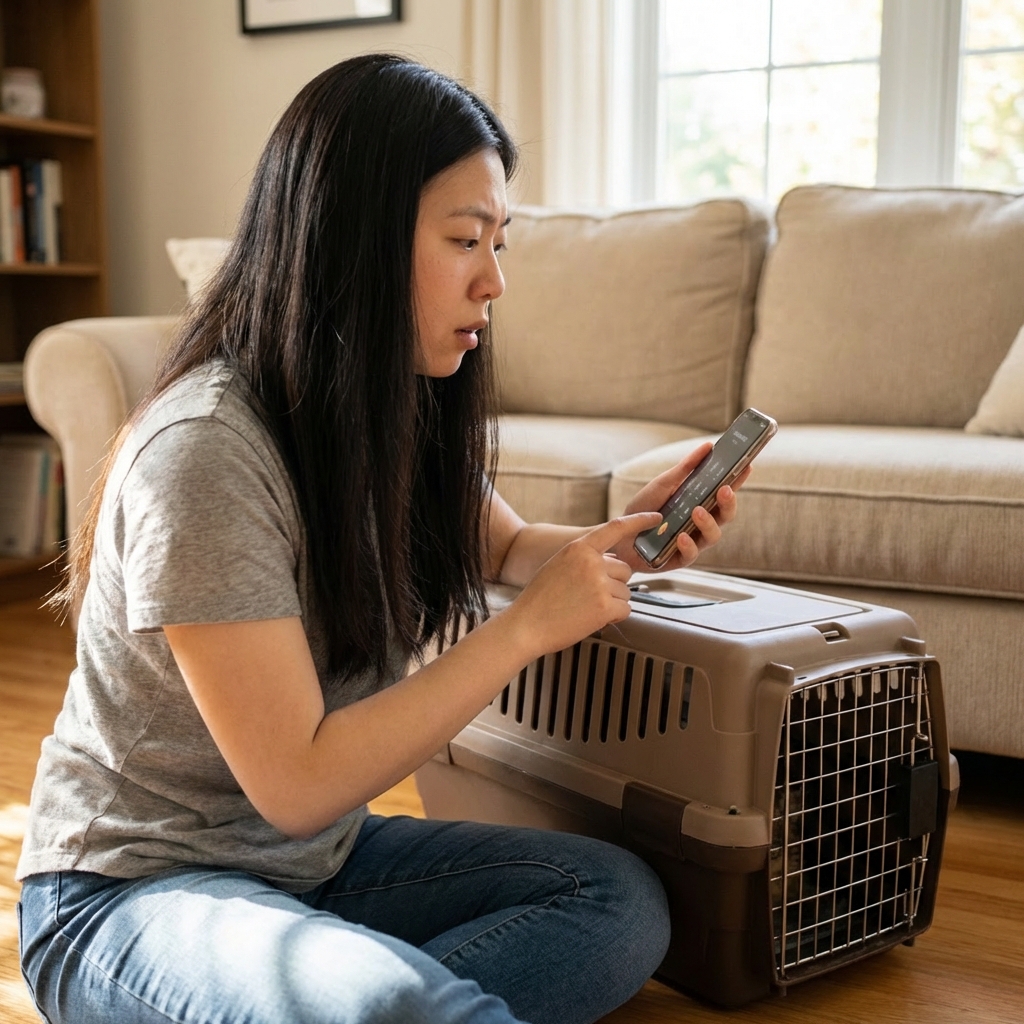
How vets diagnose diarrhea
In the clinic, your vet may recommend a stepwise plan depending on severity and how long it has been going on.
- Fecal testing for parasites (including Giardia testing)
- Physical exam and hydration assessment
- Bloodwork to evaluate organ function, inflammation, dehydration, thyroid levels
- X-rays or ultrasound if foreign body or obstruction is suspected
- Pancreatitis testing may include a specific blood test (such as feline pancreatic lipase) alongside imaging and clinical signs
- Diet trial (highly digestible or hydrolyzed protein) for suspected food sensitivity or IBD
Many cats improve quickly once the underlying cause is treated, and in my experience, getting the right diagnosis saves you money and worry long-term.
Preventing the next flare-up
Once your cat is back to normal stools, take a prevention mindset. Gentle consistency goes a long way for feline digestion.
- Transition foods slowly: mix small amounts over 7 to 10 days.
- Stick to measured portions and avoid sudden treat overload.
- Use parasite prevention recommended by your veterinarian, especially in multi-pet homes.
- Reduce stress: keep litter boxes clean, provide hiding places, maintain routine.
- Schedule wellness checks so issues like hyperthyroidism are caught early.
A quick note about “bland diets” like boiled chicken and rice: many cats will eat them, but they are not complete and balanced for cats, and they are not a good long-term plan. They can also be a sudden diet change, which can backfire in some cats. If your cat needs a short-term GI-friendly food, your vet can recommend a highly digestible, complete diet that is safer to use.
If you suspect infectious diarrhea (especially in a multi-cat home), clean the litter box promptly and wash hands well after scooping. If you can, consider separating the symptomatic cat and using a separate litter box until things normalize.
If you are interested in adding more whole foods, do it thoughtfully. Cats are obligate carnivores, and their nutritional needs are very specific. Before making major changes, check in with your veterinarian or a veterinary nutrition professional.
Quick checklist
- If your cat is young, old, sick, or acting unwell: call your vet now.
- If mild and short-lived: simplify food, focus on hydration, feed small meals, consider a cat probiotic.
- Do not use human anti-diarrhea meds without veterinary guidance.
- Track symptoms and bring a fresh stool sample to your appointment if asked.