Vet-assistant guidance for mild cat diarrhea: fluids, bland meals, cat-specific probiotics, pumpkin, stress tips, hygiene, what to avoid, and when to see you...
Article
•
Designer Mixes
Cat Diarrhea: Vet-Approved Overview and Care

Shari Shidate
Designer Mixes contributor
Seeing diarrhea in your cat can be stressful, especially when it comes on suddenly or comes with a change in appetite or behavior. The good news is that many cases are mild and short-lived. The important part is knowing what is normal, what is not, and when to get your veterinarian involved right away.
As a veterinary assistant, I always tell families this: diarrhea is a symptom, not a diagnosis. Our job is to support your cat safely at home when it is appropriate, and to recognize the red flags that mean it is time for medical care.
What counts as diarrhea in cats
Diarrhea means stools that are looser than normal, more frequent than normal, or both. It can look like soft-serve stool, watery puddles, or stool mixed with mucus.
Large intestine vs. small intestine clues
- Large intestine diarrhea often involves frequent small amounts, straining, mucus, and sometimes bright red blood on the stool surface.
- Small intestine diarrhea is often larger volume and may be watery. It may be accompanied by weight loss, poor appetite, or vomiting.
These are just clues. Your vet may still recommend testing to pinpoint the cause.
Common causes
There are many possible triggers, and sometimes more than one is involved.
- Diet changes such as switching foods too quickly, new treats, table foods, or getting into the trash.
- Food intolerance or sensitivity including reactions to certain proteins, rich foods, or dairy.
- Parasites such as roundworms, hookworms, Giardia, or coccidia, especially in kittens, outdoor cats, and new rescues.
- Stress including moving, new pets, construction noise, boarding, or changes in routine.
- Infections viral or bacterial causes, sometimes tied to exposure to other cats.
- Inflammatory bowel disease or chronic GI inflammation.
- Medications including some antibiotics or dewormers, which can temporarily upset the gut.
- Toxins such as certain plants, human medications, or household chemicals.
If you see worms in the stool, rice-like segments around the anus or on bedding, or stool that is very foul-smelling or greasy, call your clinic and ask about fecal testing. Those details can help your vet narrow down the possibilities faster.
When it is an emergency
Please contact your veterinarian or an emergency clinic urgently if you notice any of the following:
- Blood (more than a small streak) or black, tarry stool
- Repeated vomiting or inability to keep water down
- Signs of dehydration (dry gums, sunken eyes, extreme lethargy), especially if your cat will not drink
- Severe lethargy, collapse, or obvious abdominal pain
- Diarrhea lasting longer than 24 to 48 hours, or worsening quickly (mild cases in an otherwise normal adult cat may be monitored a bit longer if your vet advises it)
- Kittens, senior cats, or cats with chronic disease (kidney disease, diabetes, hyperthyroidism)
- Suspected toxin exposure or foreign object ingestion (string, ribbon, toys)
- Very high frequency watery diarrhea that seems uncontrollable
Dehydration can become serious quickly, especially in kittens, cats who are vomiting at the same time, or cats who refuse to drink.
Call today (not ER, but prompt)
Even if it does not feel like an emergency, it is worth calling for same-day advice if:
- Your cat is eating less than usual, hiding more, or just seems “off”
- There is mucus, straining, or frequent trips to the litter box
- The diarrhea keeps coming back over days or weeks
- You recently started a new food, treat, supplement, or medication
Straining with little or no stool
One important safety note: if your cat is straining and not producing stool, or you are not sure whether they are trying to poop or urinate, treat it as urgent. Constipation, painful colitis, and urinary blockage can look similar in the litter box, and urinary blockage (especially in male cats) is an emergency.
Safe home care for mild diarrhea
If your cat is bright, alert, still eating or at least interested in food, drinking, and the diarrhea is mild and recent, your veterinarian may recommend supportive care at home. When in doubt, call first. Here are safe, vet-aligned basics.
1) Hydration first
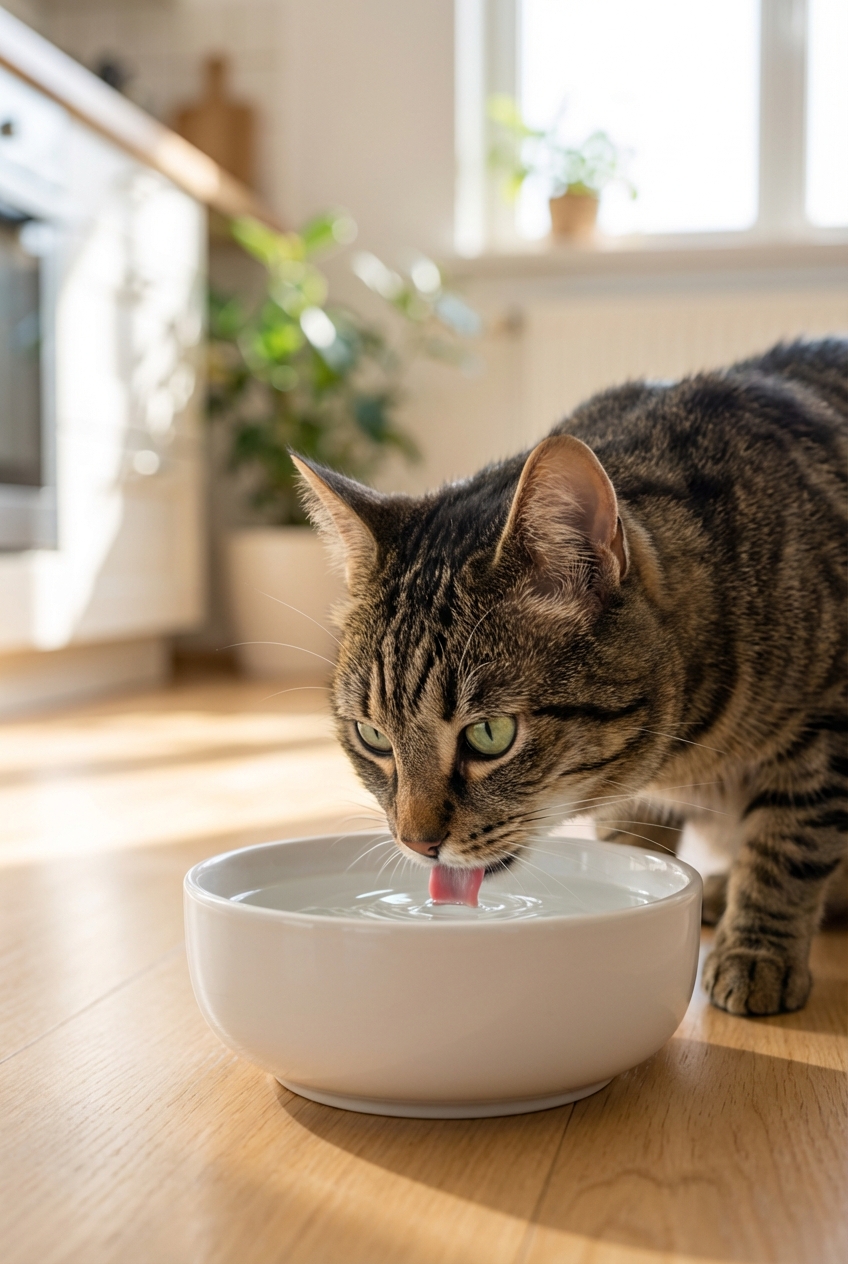
- Encourage water intake using a fountain, multiple bowls, and fresh water changes.
- Offer wet food if your cat tolerates it, since it provides extra moisture.
- Avoid giving sports drinks or electrolyte products unless your veterinarian specifically instructs you.
2) Do not fast cats without guidance
Unlike many dogs, cats are not ideal candidates for fasting at home. If a cat eats too little for long enough (often discussed around 24 to 72 hours, sometimes sooner), they can develop hepatic lipidosis (fatty liver disease). Overweight cats are at higher risk. Your vet may occasionally recommend a short, specific feeding plan, but do not withhold food unless your clinic tells you to.
3) Use a bland, digestible diet (if your vet agrees)
Many vets recommend a short-term gastrointestinal veterinary diet because it is formulated to be easy on the gut and nutritionally complete. If you cannot get one immediately, ask your clinic what they recommend as a temporary option for your specific cat.
If diarrhea started right after a new food, your vet may advise stopping the suspected trigger and moving to the recommended GI plan. Once stools are normal again, the transition back to the regular diet should be slow (often over 7 to 10 days) to reduce the chance of another flare.
4) Probiotics may help as support
Some veterinary probiotics may help support gut balance during diarrhea. Think of them as an add-on, not a substitute for diagnostics when red flags are present. Choose a product made for cats and follow your clinic’s dosing instructions.
5) Avoid common at-home mistakes
- No Pepto-Bismol or bismuth products unless explicitly prescribed. They can be unsafe for cats.
- No Imodium (loperamide) unless your veterinarian specifically tells you to use it. It can cause serious side effects and is not appropriate for many cats.
- No essential oils or herbal remedies without vet approval. Cats metabolize many compounds differently than people.
6) Hygiene in multi-cat homes
Because some causes of diarrhea can spread between cats, take a few simple precautions until you know more:
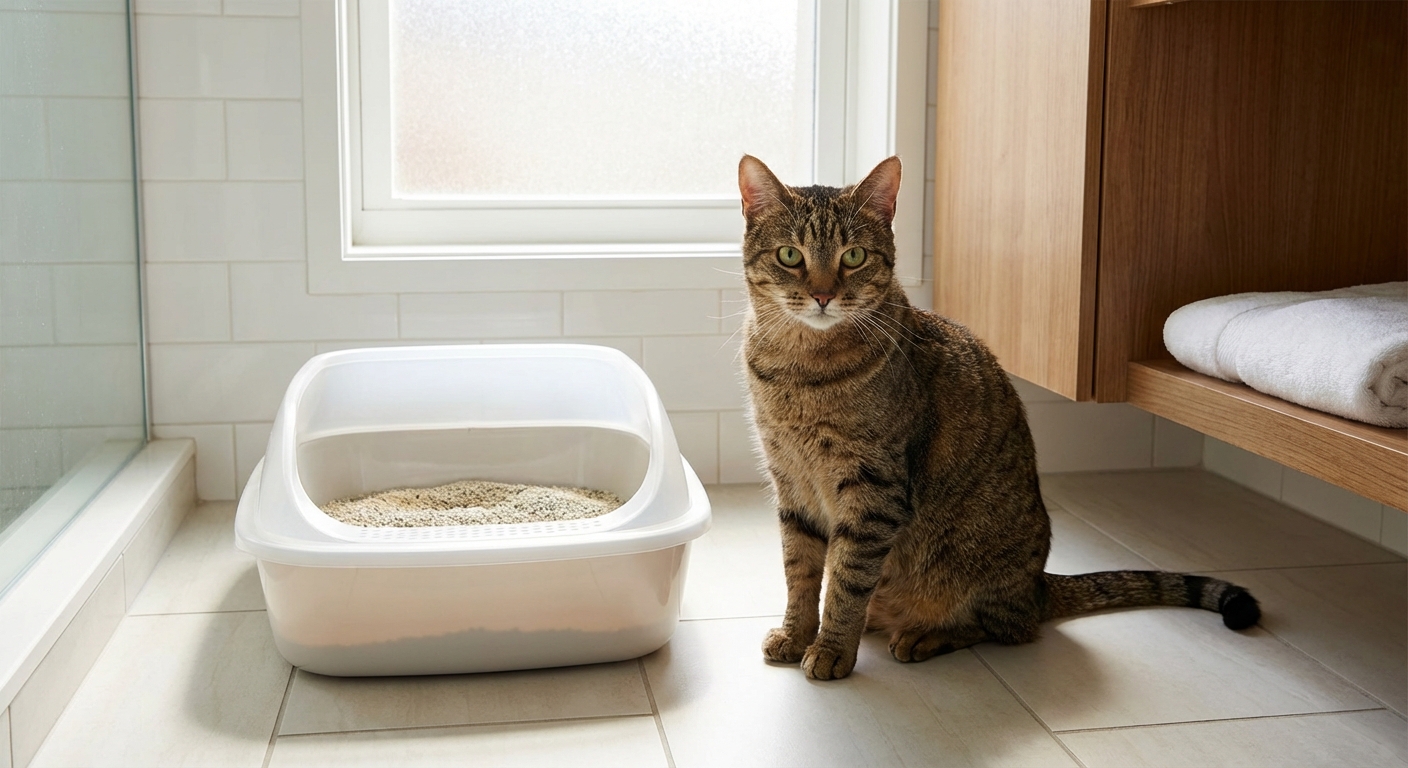
- Clean litter boxes daily and consider adding a temporary extra box.
- Wash hands after scooping and after cleaning accidents.
- Wash soiled bedding with hot water.
- Use an enzyme cleaner for accidents. Avoid ammonia-smelling cleaners around litter areas, since the odor can encourage repeat soiling.
What your veterinarian may do
At the clinic, your veterinarian will tailor diagnostics based on your cat’s age, history, and symptoms. Common steps include:
- History and physical exam including hydration status and abdominal palpation
- Fecal testing for parasites and Giardia, and sometimes fecal PCR panels
- Bloodwork to assess dehydration, infection, organ function, and inflammation
- Urinalysis, especially in older cats or if dehydration is a concern
- Imaging (x-rays or ultrasound) if a foreign body, obstruction, or chronic disease is suspected
Treatment may include fluids, deworming, diet therapy, anti-nausea medication, antibiotics only when truly indicated, and longer-term management if an underlying chronic condition is found.
How to monitor at home
Your observations are incredibly helpful. Keep a simple log for 2 to 3 days, or bring it to your appointment:
- How many stools per day
- Consistency (soft, watery, mucus present)
- Color changes (yellow, very pale, black, bright red streaks)
- Vomiting, appetite changes, water intake
- Energy level and hiding behavior
- Any diet changes, new treats, new meds, or stress events
If you can safely collect a fresh stool sample, place it in a clean container or bag and refrigerate it until your visit. Most clinics prefer a sample that is less than 24 hours old.
Prevention tips that work
To help keep your cat’s digestion on track, consider these habits:
- Transition foods slowly over 7 to 10 days when possible.
- Use routine parasite prevention recommended by your veterinarian, especially for outdoor cats.
- Limit high-fat treats and avoid table foods.
- Reduce stress with predictable routines, safe hiding spots, and gradual introductions to changes.
- Keep toxins away including human medications, lilies, string, and household chemicals.
- Keep litter boxes clean and scoop daily to help you spot changes early and reduce household spread if an infectious cause ever comes up.
If your cat has recurring diarrhea, it is worth investigating sooner rather than later. Chronic gut inflammation, parasites, or diet sensitivities can often be managed very successfully once identified.
Bottom line
Mild diarrhea can sometimes resolve with supportive care, but cats deserve a cautious approach because dehydration and underlying disease can escalate quickly. If you are unsure, call your veterinarian. Getting guidance early is one of the kindest things you can do for your cat and for your own peace of mind.