A veterinary assistant’s guide to cat diarrhea: common causes, small vs. large bowel clues, safe home steps, what not to do, and when to call urgent care.
Article
•
Designer Mixes
Cat Diarrhea: Causes and Care

Shari Shidate
Designer Mixes contributor
Finding diarrhea in the litter box can be upsetting, and I get it. As a veterinary assistant, I have seen how quickly worry can spiral when a cat suddenly has loose stool. The good news is that many cases are short-lived and treatable, especially when you know what to watch for and when to contact your vet.
This article walks you through the most common causes of cat diarrhea, what you can safely do at home, and the red flags that mean it is time for veterinary care.
What counts as diarrhea in cats?
Diarrhea is stool that is looser or more watery than normal and often more frequent. Some cats also strain, have urgency, or accidentally miss the litter box. You might notice:
- Large-bowel signs: small amounts, frequent trips, mucus, or fresh red blood.
- Small-bowel signs: larger volume stool, weight loss, poor coat, or gas.
These patterns are tendencies, not rules. For example, weight loss can happen with chronic large-bowel disease too, and gas is not specific. Still, these clues can help your veterinarian narrow down where irritation may be happening.
Common causes of cat diarrhea
Diarrhea is a symptom, not a disease. Here are the big categories I see most often in clinic.
Diet changes and food intolerance
Cats can have sensitive GI tracts. A sudden food switch, new treats, rich table foods, dairy, or raiding the trash can all trigger diarrhea. Some cats also develop food intolerance or true food allergy, commonly to certain proteins.
Parasites
Intestinal parasites are common, especially in kittens, outdoor cats, and newly adopted cats. The usual suspects include:
- Roundworms and hookworms
- Coccidia
- Giardia (often causes very soft, smelly stool)
Many cats with parasites still act pretty normal, so a stool test is important even when your cat seems fine.
Stress and change
Moves, new pets, visitors, construction noise, travel, boarding, or even a litter change can contribute to GI upset. Stress-related diarrhea is real, and it often overlaps with other triggers like a diet change.
Infections
Bacteria, viruses, or protozoa can cause diarrhea, particularly in multi-cat households or shelters. Not every case needs antibiotics. Antibiotics can worsen diarrhea in some cats by disrupting the gut microbiome, and they are not appropriate for every cause. That said, they are sometimes the right choice when a bacterial infection is suspected or confirmed, so it is best to let your vet guide treatment.
Chronic gut inflammation
If diarrhea lasts more than a couple of weeks, or keeps returning, your veterinarian may consider chronic inflammation in the GI tract (often grouped under chronic enteropathy, including inflammatory bowel disease). Cats may also vomit, lose weight, or have a picky appetite.
In chronic cases, your vet may also discuss other possible causes, such as intestinal lymphoma. That sounds scary, but the point of testing is to get answers and a plan.
Constipation and overflow diarrhea
It surprises people, but constipation can sometimes cause watery stool to leak around a hard stool mass. You might see straining, small accidents, or mucus. If your cat seems uncomfortable, is straining without producing much, or stops eating, check in with your veterinarian.
Rectal and anal irritation
Mucus, straining, and frequent small stools can also show up with irritation near the end of the GI tract, including rectal inflammation. Your vet may check the rear end area and rule out issues that need targeted treatment.
Pancreas, liver, and hormone issues
Conditions like pancreatitis, liver disease, or hyperthyroidism can show up as diarrhea (sometimes alongside vomiting or weight loss). These usually require lab work to confirm.
Toxins and medications
Some human foods and medications can trigger diarrhea or worse. Common culprits include:
- NSAIDs (like ibuprofen or naproxen)
- Some antibiotics
- Plants, cleaners, essential oils, and insecticides
If you suspect toxin exposure, contact your veterinarian right away.
Foreign material or obstruction
Cats may chew string, ribbon, toys, or other items. While obstructions most often cause vomiting and loss of appetite, they can occasionally cause diarrhea early on. Diarrhea does not rule out an obstruction. If your cat is vomiting, not eating, or seems painful, treat it as urgent.
When it is urgent
Contact your veterinarian promptly or seek urgent care if you see any of the following:
- Kittens with diarrhea (they dehydrate quickly)
- Repeated vomiting or inability to keep water down
- Lethargy, collapse, or hiding more than usual
- Dehydration (tacky gums, sunken eyes, weakness)
- Black, tarry stool or a lot of blood
- Suspected toxin exposure or foreign body ingestion (especially string)
- Known chronic disease (kidney disease, diabetes, hyperthyroidism) and new diarrhea
- Watery diarrhea that is not improving, or diarrhea that persists beyond 24 to 48 hours in an adult cat depending on severity and hydration (sooner if worsening)
Trust your instincts. If your cat is not acting like themselves and diarrhea is part of it, it is worth a call.
Safe steps at home
For a bright, alert adult cat with mild diarrhea and no red flags, supportive care can help while you monitor closely. By bright and alert, I mean they are still eating at least some, drinking, moving around normally, and responding to you in their usual way.
1) Hydration first
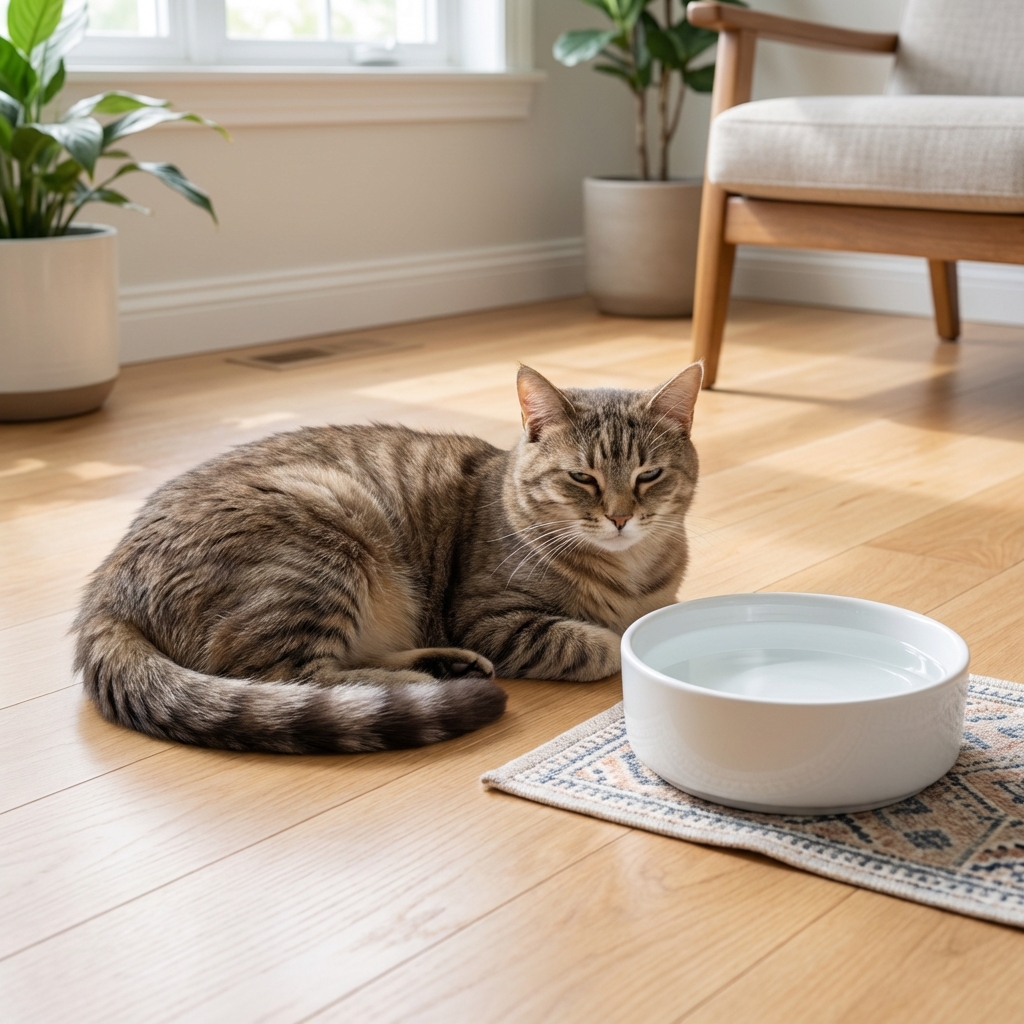
- Make sure fresh water is always available.
- Consider a water fountain if your cat drinks better from running water.
- If your cat eats wet food, that can help increase fluid intake.
2) Keep food simple
Avoid sudden diet changes, new treats, rich foods, and dairy. If your veterinarian recommends a GI-friendly diet, transition gradually unless told otherwise. For many cats, a temporary veterinary gastrointestinal diet is the gentlest choice because it is formulated to be highly digestible and nutritionally complete.
3) Pause the extras
Stop all non-essential supplements and treats for a few days unless your veterinarian has specifically prescribed them.
4) What not to do
- Do not give human anti-diarrheal medications (like loperamide or bismuth) unless your veterinarian instructs you to. Some are unsafe for cats, and others can mask symptoms your vet needs to evaluate.
- Do not fast cats for long periods unless your veterinarian tells you to. Cats can be prone to complications when they do not eat, especially if they are overweight or already ill.
- Do not rapidly switch foods multiple times trying to “find the right one.” That can keep the gut irritated and make it harder to figure out the cause.
5) Reduce stress
- Keep the home quiet and routines predictable.
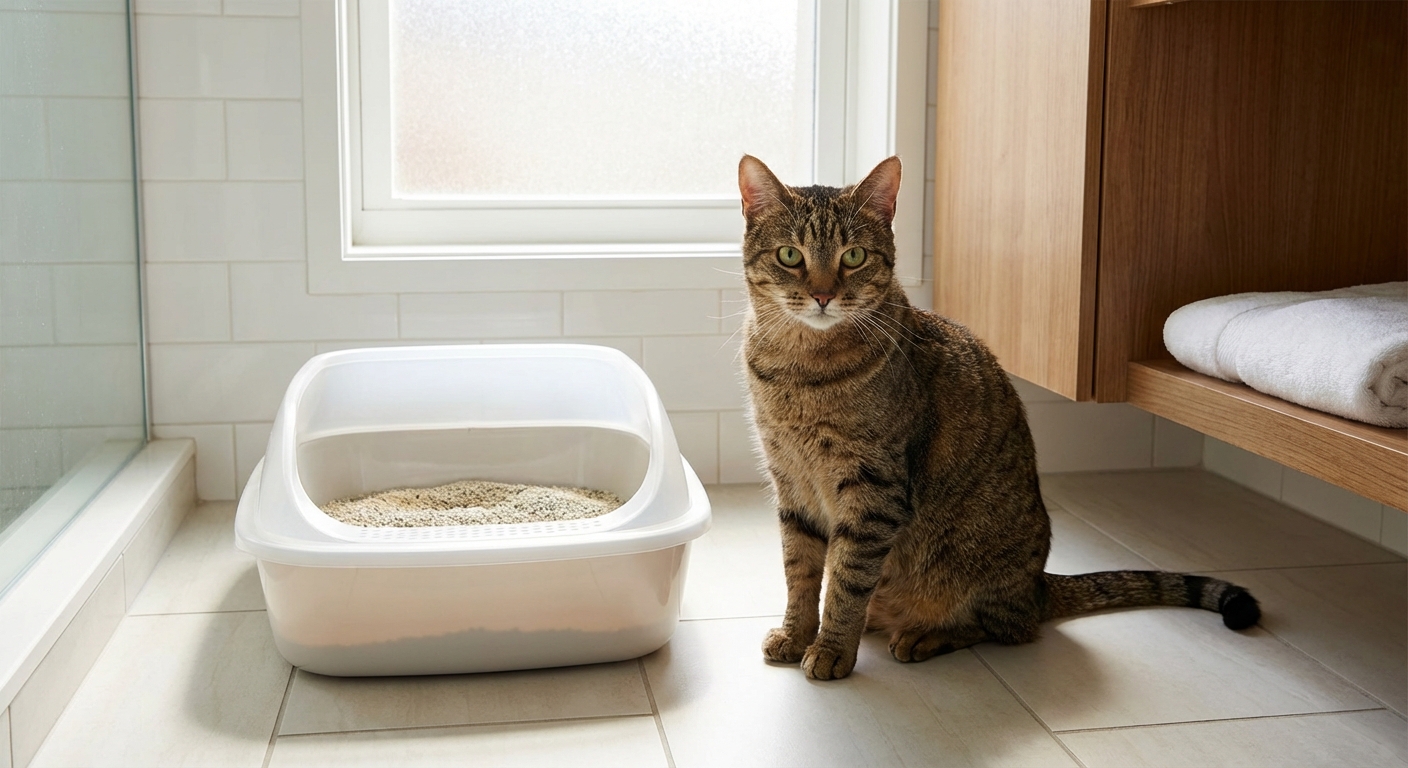
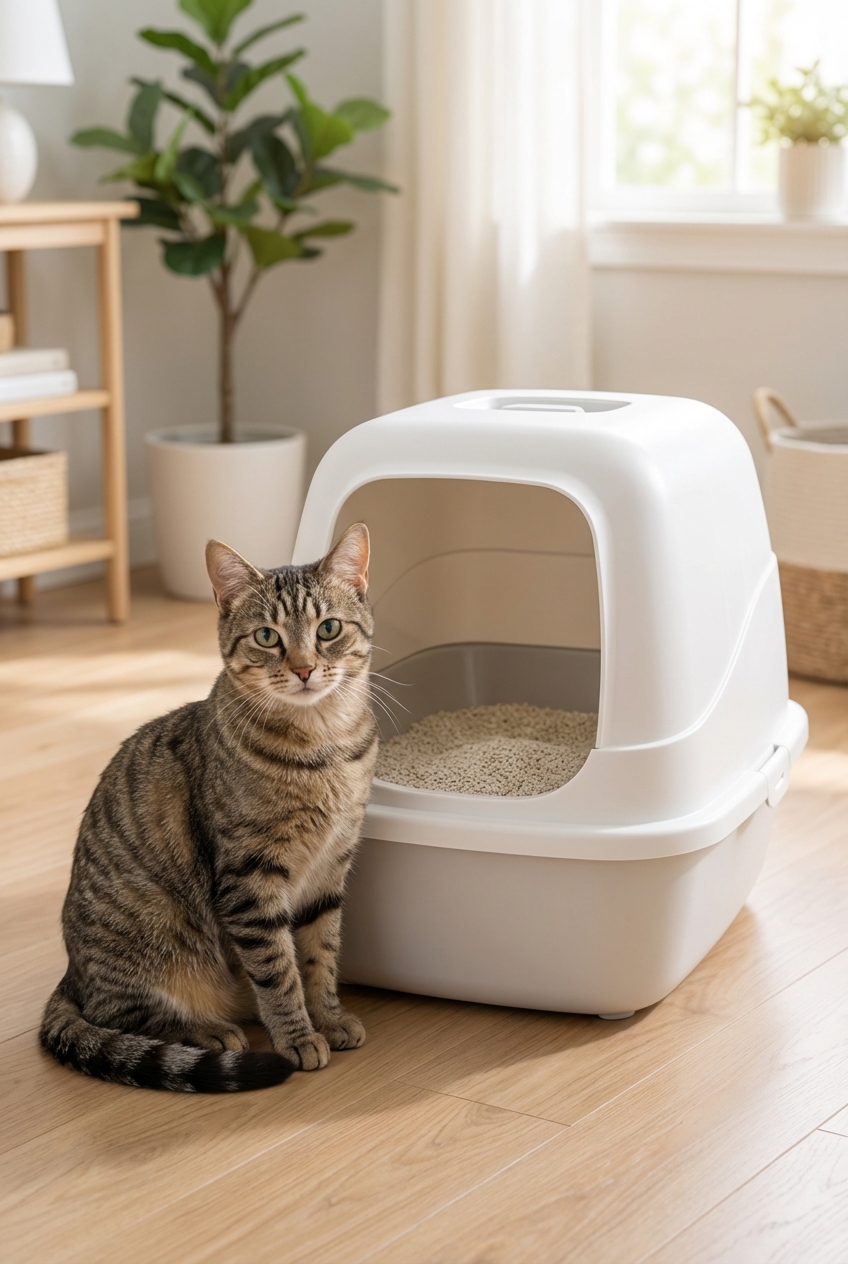
- Make sure litter boxes are clean and easy to access.
- Offer a safe resting spot away from other pets or activity.
6) Hygiene matters
Some causes of diarrhea, such as Giardia, can spread to other pets and can be a hygiene concern for people. Wash hands after scooping, clean soiled surfaces promptly, and consider wearing gloves if your cat has messy stool. If anyone in the home is immunocompromised, ask your veterinarian for extra precautions.
What your vet may recommend
Veterinary care for diarrhea is not one-size-fits-all. Your vet may suggest:
- Fecal testing to check for parasites and protozoa
- Deworming (sometimes given even if the first fecal test is negative, depending on history)
- Probiotics made for cats to support the gut microbiome
- Diet trial (novel protein or hydrolyzed diet) if food sensitivity is suspected
- Bloodwork to check organ function, inflammation, and thyroid levels in appropriate cats
- Imaging (X-rays or ultrasound) if obstruction, pancreatitis, or other internal issues are suspected
Bring a fresh stool sample if you can, and take a quick photo of the litter box if that is easier. It sounds simple, but it can really help your veterinary team.
How to monitor at home
Tracking a few details can speed up diagnosis:
- Frequency: How many times per day?
- Appearance: watery, pudding-like, mucus, blood?
- Appetite and water intake: normal, decreased, increased?
- Energy level: playful, quiet, hiding?
- Vomiting: yes or no, how often?
- Recent changes: new food, treats, stressors, boarding, new pet, medication?
Stool sample tips
If your veterinarian asks for a stool sample, these steps can help:
- Collect a small amount in a clean, sealed container or a stool sample cup.
- If you cannot get it to the clinic right away, refrigerate it (do not freeze it) and bring it in within about 24 hours, unless your clinic gives different instructions.
- Wash hands after handling, and disinfect the scoop if it gets soiled.
Prevention tips
Not all diarrhea is preventable, but you can lower risk with a few practical habits:
- Keep diet changes slow: transition foods over 7 to 10 days when possible.
- Use routine parasite prevention as recommended by your veterinarian.
- Schedule regular wellness exams so weight loss or chronic issues are caught early.
- Reduce access to string and small objects and store cleaners securely.
- Support low-stress routines in multi-cat homes with enough litter boxes and resting spaces.
A gentle final note
Diarrhea is one of those symptoms that can be minor or meaningful. If your cat seems bright and the diarrhea is mild, supportive care and close monitoring may be enough. If anything feels off, especially in kittens or senior cats, reach out to your veterinary team. You are not overreacting. You are advocating for your cat, and that matters.