Vet-assistant guidance for mild cat diarrhea: fluids, bland meals, cat-specific probiotics, pumpkin, stress tips, hygiene, what to avoid, and when to see you...
Article
•
Designer Mixes
Cat Diarrhea Care Guide

Shari Shidate
Designer Mixes contributor
Seeing diarrhea in your cat can feel scary and frustrating, especially when it comes out of nowhere. The good news is that many cases are mild and short-lived. The not-so-good news is that diarrhea can also be a sign of dehydration, parasites, infections, food intolerance, or a deeper health issue that needs veterinary help.
As a veterinary assistant, I always tell pet parents the same thing: your job is to observe patterns and keep your cat safe and hydrated. Our job is to help you figure out the “why” and treat it quickly when it is more than a simple tummy upset.
What it looks like
Diarrhea usually means stools are looser, more frequent, or both. You might notice the following changes in stool or behavior:
- Soft-serve or watery stool
- Urgency, accidents outside the litter box, frequent trips, or straining
- Mucus, which can look like a clear or whitish slime
- Blood, either bright red streaks or darker, tar-like stool
- Foul-smelling stool or lots of gas
- Lethargy, hiding, decreased appetite, or vomiting along with diarrhea
One key clue is duration, but time is not the only factor. Diarrhea that lasts less than 24 to 48 hours in an otherwise bright, eating, drinking cat may be mild. However, kittens, senior cats, small cats, and cats with chronic illness can get dehydrated quickly, and very frequent or high-volume diarrhea can be serious even early on. Diarrhea lasting longer, worsening, or paired with other symptoms should be taken seriously.
Common causes
Diarrhea is a symptom, not a diagnosis. Here are some of the most common reasons we see in clinic:
Diet changes and food intolerance
Sudden food changes, new treats, people food, dairy, or rich/fatty foods can irritate the gut. Some cats also have sensitivities to certain proteins or ingredients.
Stress
Yes, stress can absolutely cause diarrhea. New pets, visitors, moving, construction noise, boarding, or even a litter change can trigger GI upset in sensitive cats.
Parasites
Giardia, roundworms, hookworms, coccidia, and other intestinal parasites are common, especially in kittens, outdoor cats, and cats from multi-cat homes or shelters.
Infections
Viral or bacterial infections can cause diarrhea, sometimes with vomiting and fever. Kittens and immunocompromised cats are at higher risk of becoming dangerously dehydrated.
Foreign material
Cats can swallow string, ribbon, tinsel, toys, or other items that irritate the intestines or cause an obstruction. This is especially important to consider if you also see vomiting, appetite loss, or lethargy.
Inflammation and chronic disease
Inflammatory bowel disease, pancreatitis, hyperthyroidism (more common in older cats), liver disease, and some cancers can all show up as ongoing or recurring diarrhea.
Medications and toxins
Antibiotics can disrupt the gut microbiome. Some topical or oral parasite preventives may cause temporary GI upset in some cats. Plants, human medications, chemicals, and toxic foods can cause diarrhea too.
When to call a vet
Diarrhea can turn serious quickly, especially if your cat stops drinking. Contact your veterinarian the same day, or go to urgent care, if you notice any of the following:
- Blood in the stool or black, tarry stool
- Repeated vomiting or cannot keep water down
- Signs of dehydration like dry or tacky gums, weakness, reduced urination, or skin that stays “tented” when gently lifted (this is not perfect, but it can be a helpful clue)
- Lethargy, collapse, or hiding more than usual
- Diarrhea lasting more than 24 to 48 hours or sooner if it is very frequent, high-volume, or your cat seems unwell
- Kittens, senior cats, or cats with chronic conditions (kidney disease, diabetes, hyperthyroidism, IBD)
- Possible toxin or foreign body exposure (plants, human meds, chemicals, string, spoiled food)
- Straining with little stool produced which can sometimes be constipation or a urinary emergency
If you are unsure, call. A quick phone triage can help prevent worsening and the need for emergency care.
At-home care for mild cases
If your cat is bright, alert, drinking, and only has mild diarrhea for a short time, gentle at-home support may help. These steps are generally safe, but always follow your veterinarian’s advice if your cat has other health issues.
1) Prioritize hydration
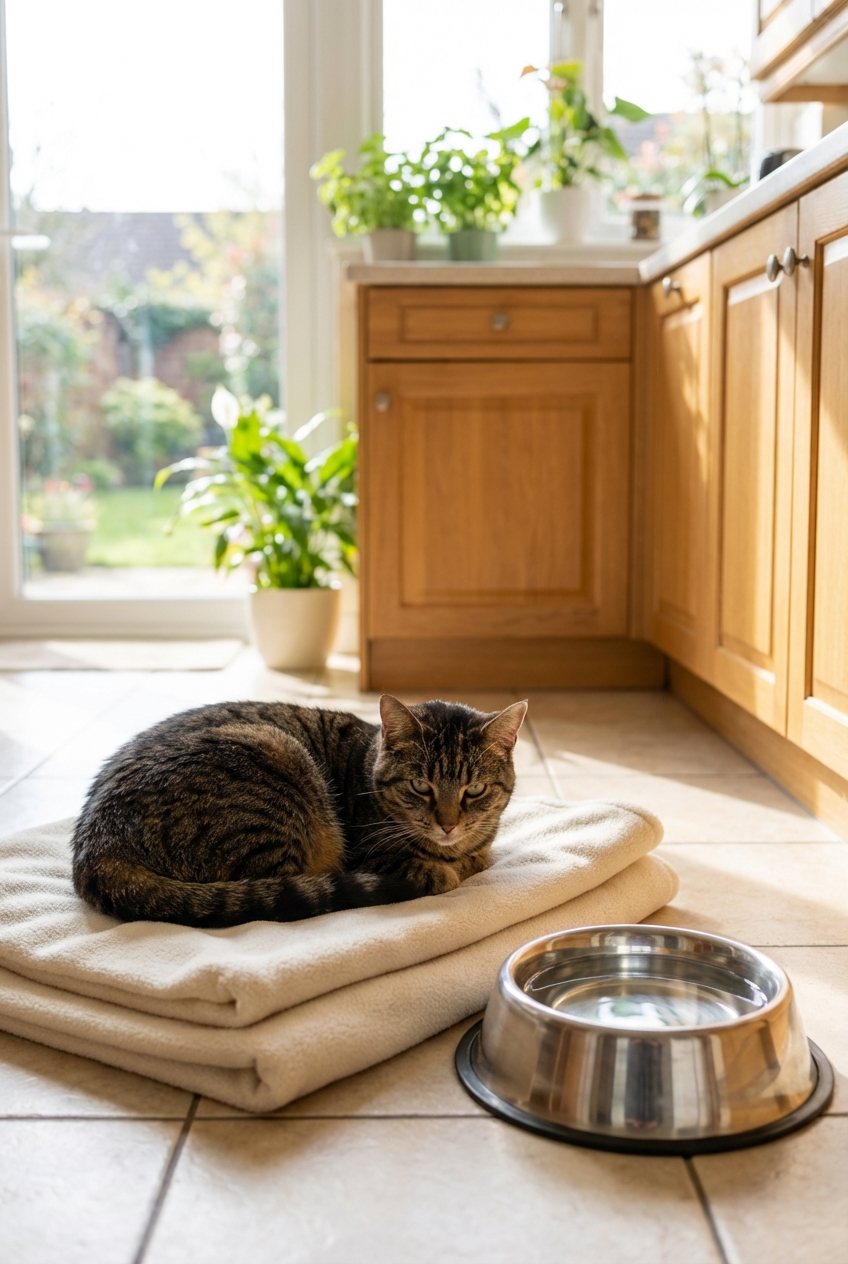
Diarrhea pulls water and electrolytes out of the body. Make water easy to access:
- Offer multiple fresh water bowls around the home
- Try a cat water fountain if your cat prefers moving water
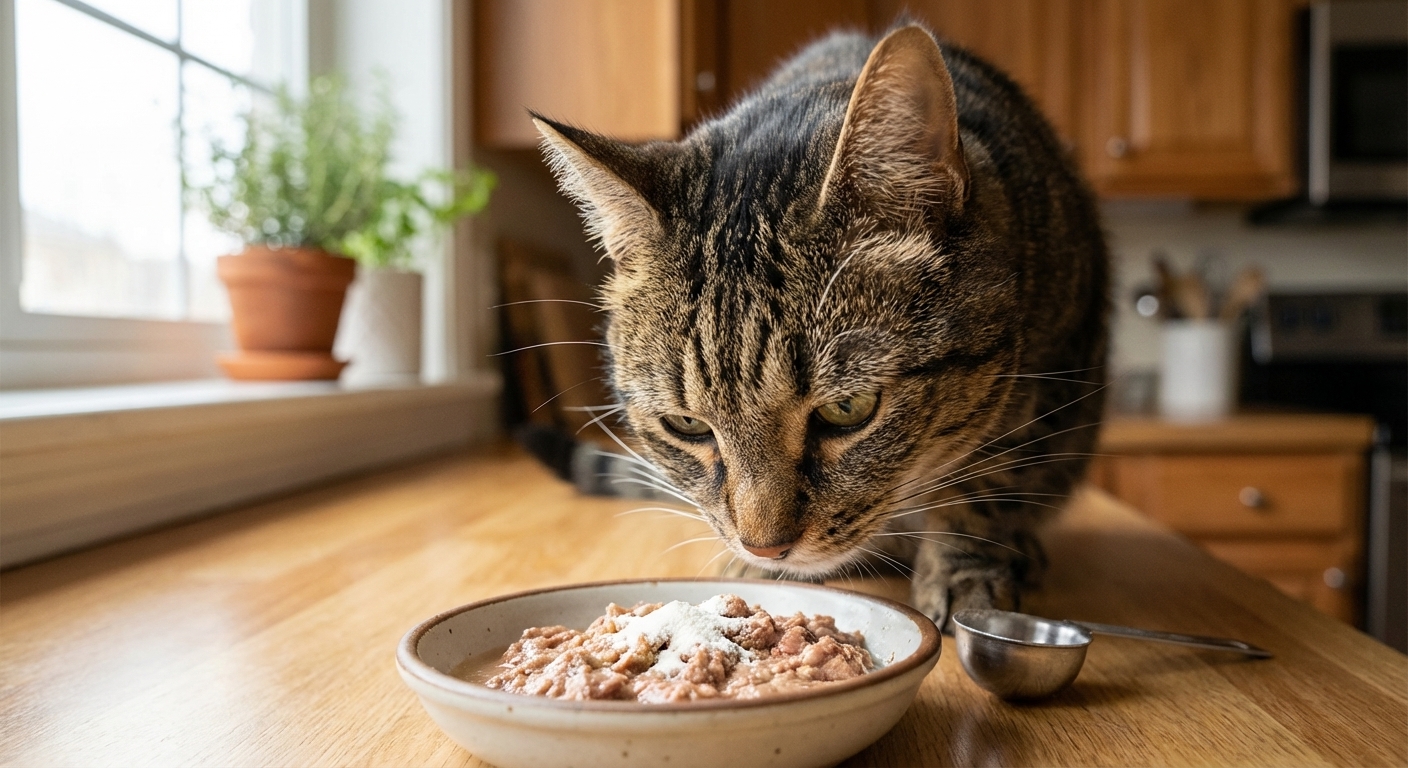
- Feed more wet food if your cat tolerates it
- Add a small amount of water to canned food to boost fluids
Do not force water if your cat has repeated vomiting, seems distressed, or cannot keep water down. That is a vet visit situation.
2) Feed small, simple meals
For many cats, smaller portions help the gut settle. A common veterinary approach is a highly digestible diet for a few days.
- If you have a veterinarian-recommended GI diet, use that
- If not, ask your vet what bland option is best for your cat
Important note: Cats have unique nutritional needs, and fasting is not recommended the same way it sometimes is for dogs. Cats can develop serious issues if they stop eating, especially overweight cats. If your cat refuses food, call your vet.
3) Pause all treats and table food
This is a big one. Even “just a bite” can keep diarrhea going. Stick to one simple diet until stools normalize.
4) Consider probiotics only with guidance
Some cats benefit from veterinarian-recommended probiotics that support a healthier gut microbiome. Human probiotics are not always appropriate. If you want to try one, ask your vet for a feline-specific product and dose.
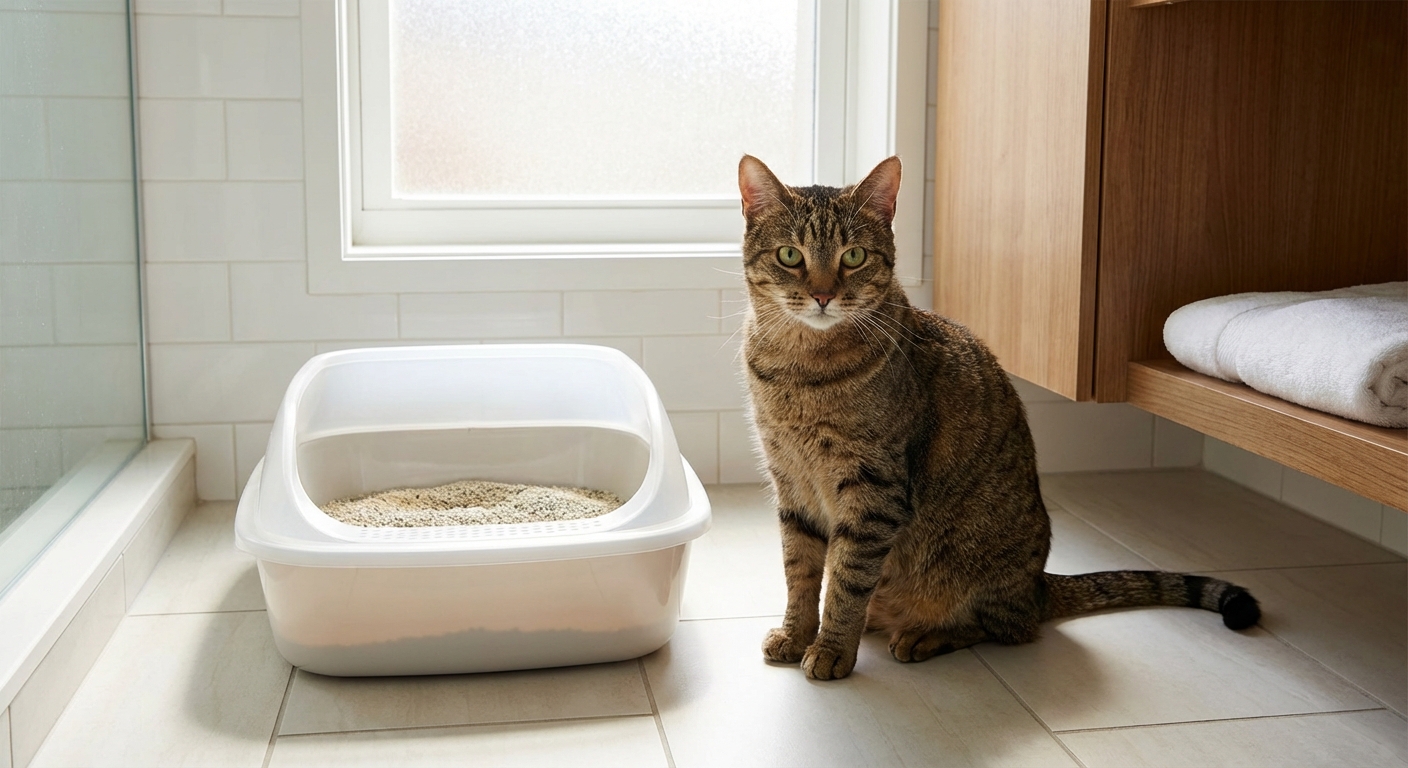
5) Keep the litter box extra clean
Frequent scooping helps you monitor stool changes and reduces stress for your cat. If you have multiple cats, add extra boxes so a sick cat is not guarding or being guarded out of the box.
Hygiene and contagious risk
Some causes of diarrhea, like parasites (including Giardia), can spread between pets, and a few can pose a risk to people too. While you are sorting out the cause:
- Wash hands well after cleaning the litter box
- Wear gloves if you can, especially if anyone in the home is immunocompromised
- Clean accidents promptly with an appropriate disinfectant
- If you have multiple cats, consider giving the sick cat a separate litter box and cleaning it last
What not to do
- Do not give human anti-diarrhea medications like loperamide unless your veterinarian specifically directs you. Some can be dangerous for cats.
- Do not abruptly switch foods repeatedly trying to “find something that works.” Frequent changes can worsen GI upset.
- Do not assume diarrhea is “just hairballs” if it keeps happening. Recurrent diarrhea deserves a workup.
- Do not ignore dehydration. Cats hide illness well, and dehydration can sneak up fast.
How to monitor at home
Tracking a few simple details gives your veterinarian a huge advantage.
Stool checklist
- How many times per day
- Consistency: soft, watery, or pudding-like
- Any blood or mucus
- Color changes
- Accidents outside the litter box
Whole-cat checklist
- Appetite and water intake
- Energy level and behavior
- Vomiting, sneezing, coughing, feverish behavior
- Weight loss or a pot-bellied appearance
If possible, take a clear photo of the stool and bring a fresh stool sample to your appointment. Use a clean container or a sealed bag. Refrigerate it if you cannot get to the clinic right away, and aim to bring it in within 24 hours if possible. Clinics vary a bit, so ask your clinic what they prefer.
What your vet may recommend
Treatment depends on the cause, but a typical plan may include:
- Fecal testing for parasites and Giardia
- Diet trial with a prescription gastrointestinal or hydrolyzed protein diet
- Probiotics and sometimes fiber support
- Deworming medication even if parasites are not obvious, especially in kittens
- Fluid support such as subcutaneous fluids if dehydration is present
- Bloodwork for chronic or recurring diarrhea, weight loss, or older cats
- Imaging like X-rays or ultrasound if a foreign body is suspected
Antibiotics are not automatically needed for diarrhea and are best used when there is a clear indication. Using them “just in case” can sometimes prolong gut imbalance.
Preventing future episodes
Not all diarrhea is preventable, but these habits truly help:
- Transition foods slowly over 7 to 10 days whenever possible
- Keep a consistent diet and limit treats
- Routine fecal testing based on your vet’s recommendation, especially for kittens and outdoor cats
- Parasite prevention with vet-approved products
- Reduce stress with predictable routines, safe hiding spots, and enough litter boxes
- Keep toxins out of reach including string, ribbon, lilies, cleaning supplies, and human medications
If you are seeing recurring diarrhea more than once a month, that is a great time to schedule a non-urgent vet visit and dig into the root cause.