Vomiting or diarrhea in cats can turn serious fast. Learn safe home care steps, hydration and bland diet tips, probiotics, red flags for the vet, and risky r...
Article
•
Designer Mixes
Cat Diarrhea Advice Pet Parents Need

Shari Shidate
Designer Mixes contributor
If you are dealing with cat diarrhea, you are not alone. As a veterinary assistant here in Frisco, Texas, I have seen how fast a “mild tummy issue” can turn into dehydration, a messy home, and a worried pet parent.
The good news is that many cases are short-lived and manageable at home with the right steps. What matters is knowing when it is safe to monitor and when it is time to call your veterinarian. This is general guidance, and your vet’s advice should always come first.
What counts as diarrhea?
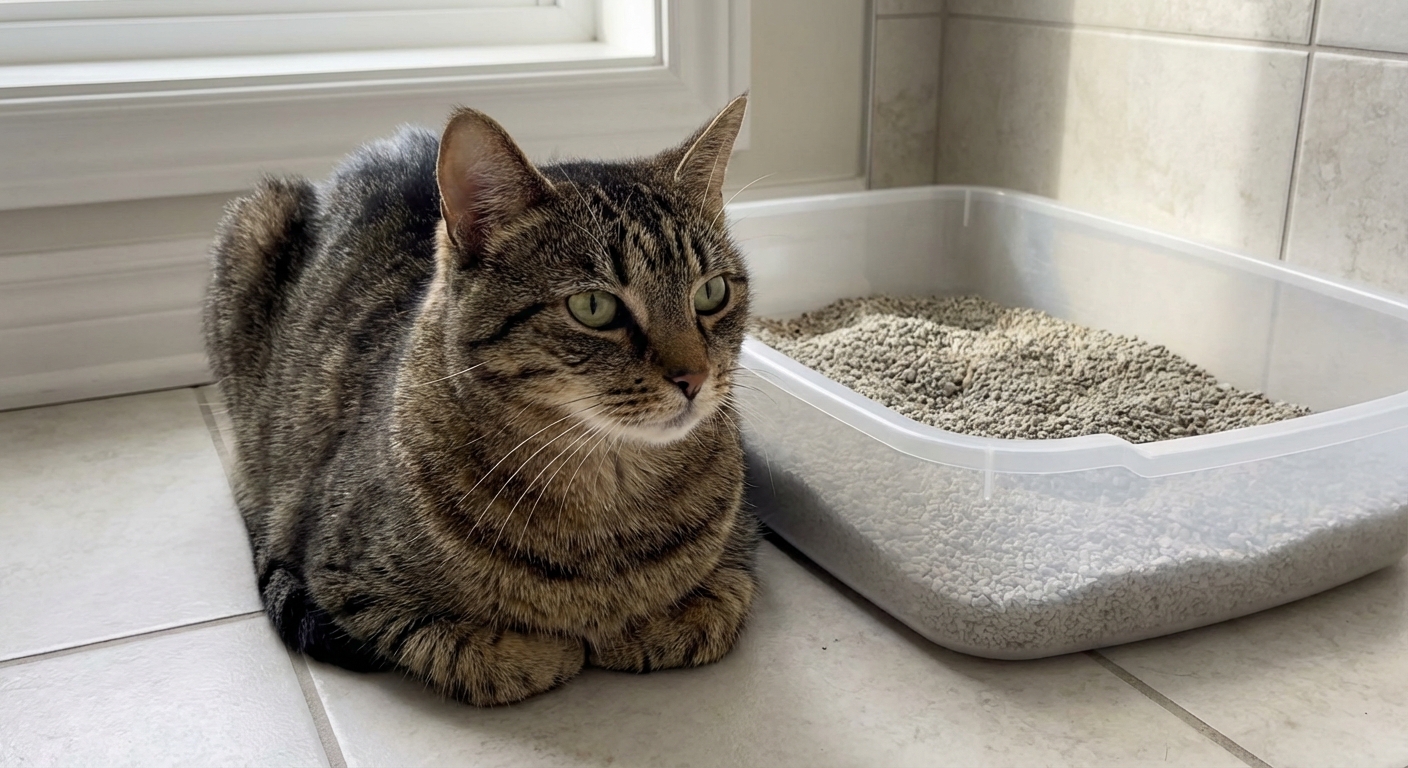
Normal cat stool is formed and easy to scoop. Diarrhea is stool that is softer than normal, pudding-like, watery, or more frequent than usual. You might also notice:
- Urgency (your cat repeatedly visits the litter box)
- Mucus (a shiny coating on the stool)
- Accidents (outside the litter box)
- Straining (which can look like constipation but can happen with diarrhea too)
A simple way to think about it: a single soft stool can happen. Repeated watery stool, diarrhea lasting more than 24 to 48 hours, or any diarrhea with other symptoms deserves attention.
Large-bowel vs small-bowel clues
This is not something you have to diagnose at home, but it can help you describe what you are seeing to your vet:
- Large-bowel diarrhea often means frequent small amounts, urgency, mucus, and sometimes bright red blood.
- Small-bowel diarrhea is often larger volume, may look watery, and can be tied to weight loss or a bigger change in appetite over time.
Common causes
Diarrhea is a symptom, not a diagnosis. The most common triggers I see include:
Diet changes and sensitivities
Switching foods too quickly, new treats, table scraps, rich human foods, dairy, or a new flavor of canned food can all cause loose stool. Some cats also react to certain proteins (like chicken, beef, or fish) or additives.
Parasites
Giardia, coccidia, roundworms, and hookworms can cause diarrhea, especially in kittens, newly adopted cats, or cats with outdoor exposure. Even indoor cats can get parasites.
Stress
Boarding, moving, a new baby, construction noise, new pets, or even a new litter can trigger gut upset. A cat’s GI tract is very stress-responsive.
Infections
Viruses and bacteria can inflame the gut. Kittens and unvaccinated cats are at higher risk for serious illness.
Medications and toxins
Antibiotics and some other meds can disrupt the gut microbiome. Ingestion of toxic plants, human medications, essential oils, or spoiled food can also cause diarrhea.
Chronic conditions
If diarrhea keeps happening, your vet may investigate inflammatory bowel disease (IBD), food allergy, pancreatitis, hyperthyroidism, liver disease, or other systemic issues.
When it is an emergency
Please call your veterinarian the same day, or go to an emergency clinic, if you notice any of the following:
- Blood in the stool (bright red streaks) or black, tar-like stool (this can be digested blood and is always urgent)
- Repeated watery diarrhea (especially more than a few episodes)
- Vomiting along with diarrhea
- Skipping meals or reduced appetite, and urgently if a kitten does not eat
- Lethargy, weakness, hiding, or collapse
- Signs of dehydration (dry or tacky gums, sunken eyes, very sleepy). Skin “tenting” can be hard to judge in cats and varies by age and body condition, so do not rely on that sign alone.
- Fever or a painful belly
- Kittens, senior cats, or cats with kidney disease, diabetes, hyperthyroidism, or other chronic illness
- Possible toxin exposure or foreign body risk (string, ribbon, hair ties, toys)
Dehydration can happen quickly in cats, and it is one of the biggest reasons diarrhea turns from “wait and see” into “we need medical help now.”
What you can do at home
If your adult cat is otherwise acting normal, has mild diarrhea, and is still eating and drinking, you can take a calm, organized approach for 24 to 48 hours while watching closely.
1) Keep fresh water available
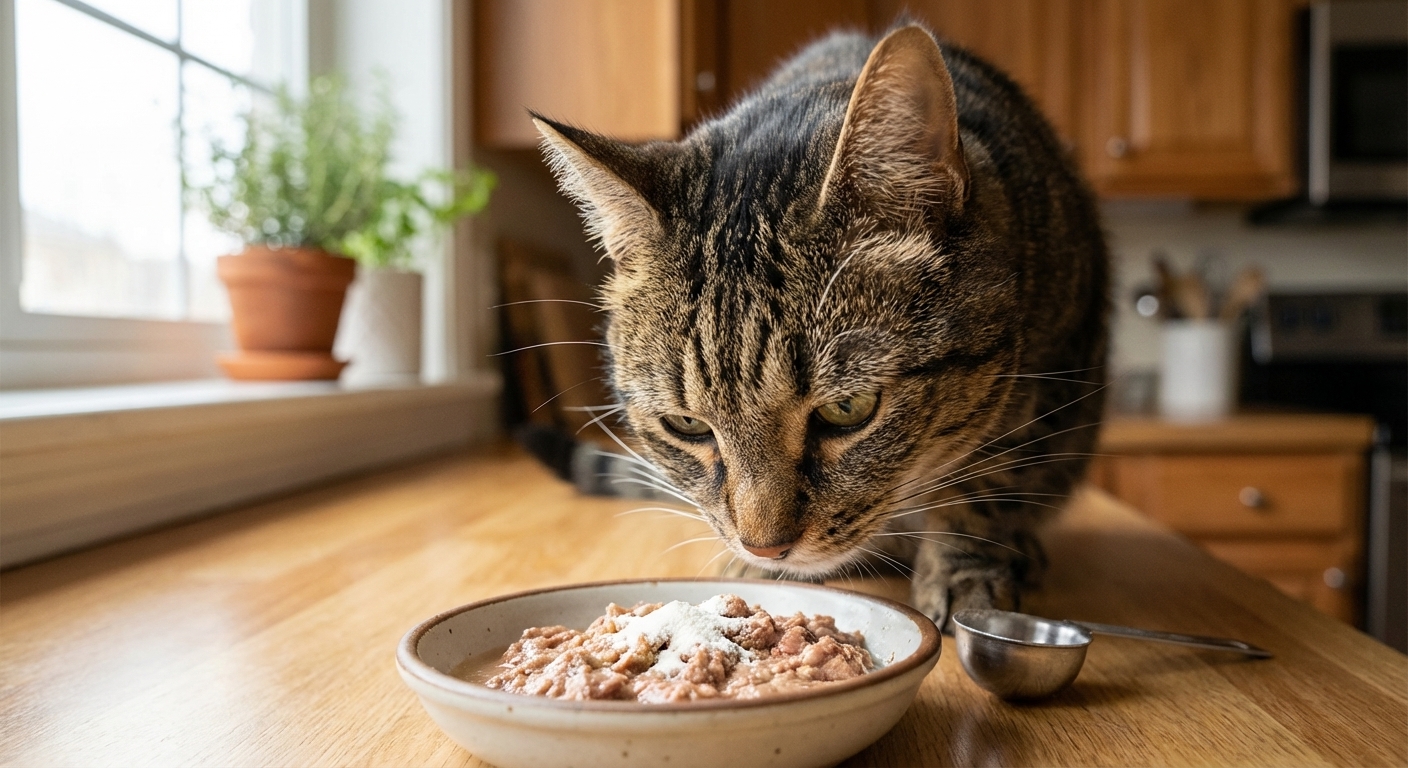
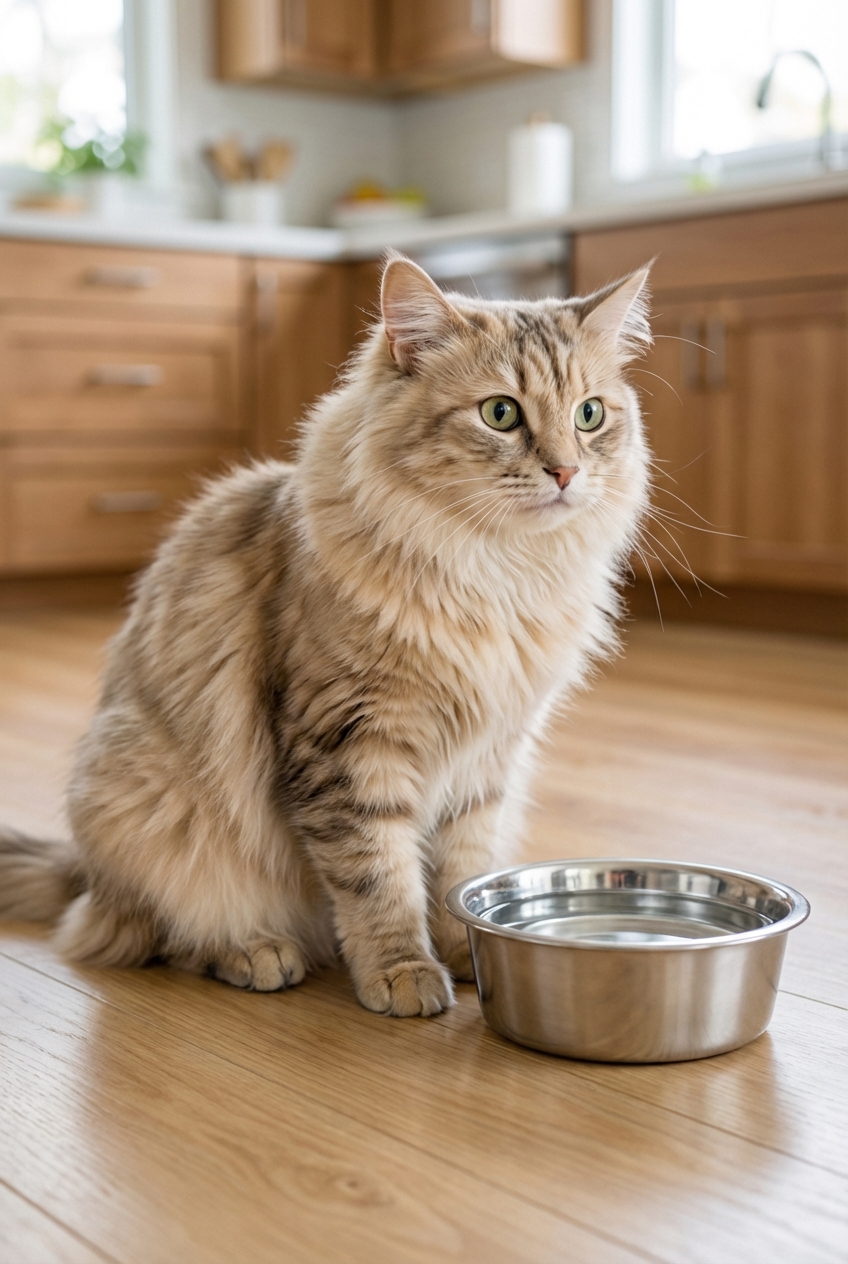
Hydration is the priority. Offer multiple water bowls, a pet fountain, or add extra water to wet food. Some cats drink more if the bowl is wide and not touching their whiskers.
2) Pause treats and extras
Stop new treats, table scraps, milk, and rich foods. Keep things simple. Avoid sudden food switches unless your veterinarian advises it.
3) Feed small, frequent meals
Instead of one or two big meals, offer smaller portions more often. This can be gentler on an inflamed gut.
4) Ask about a GI-support diet
Some cats do well short-term on a veterinarian-recommended gastrointestinal diet that is highly digestible and supportive during recovery. It is not required for every case, but it can be very helpful depending on your cat’s history and symptoms.
If you cannot get a veterinary diet right away, call your clinic before changing foods again, because rapid diet changes can keep the diarrhea going.
5) Ask your vet about probiotics
Not all probiotics are created equal. Some human probiotics are not appropriate for cats. A veterinary probiotic can help support the gut microbiome, especially after stress or antibiotics.
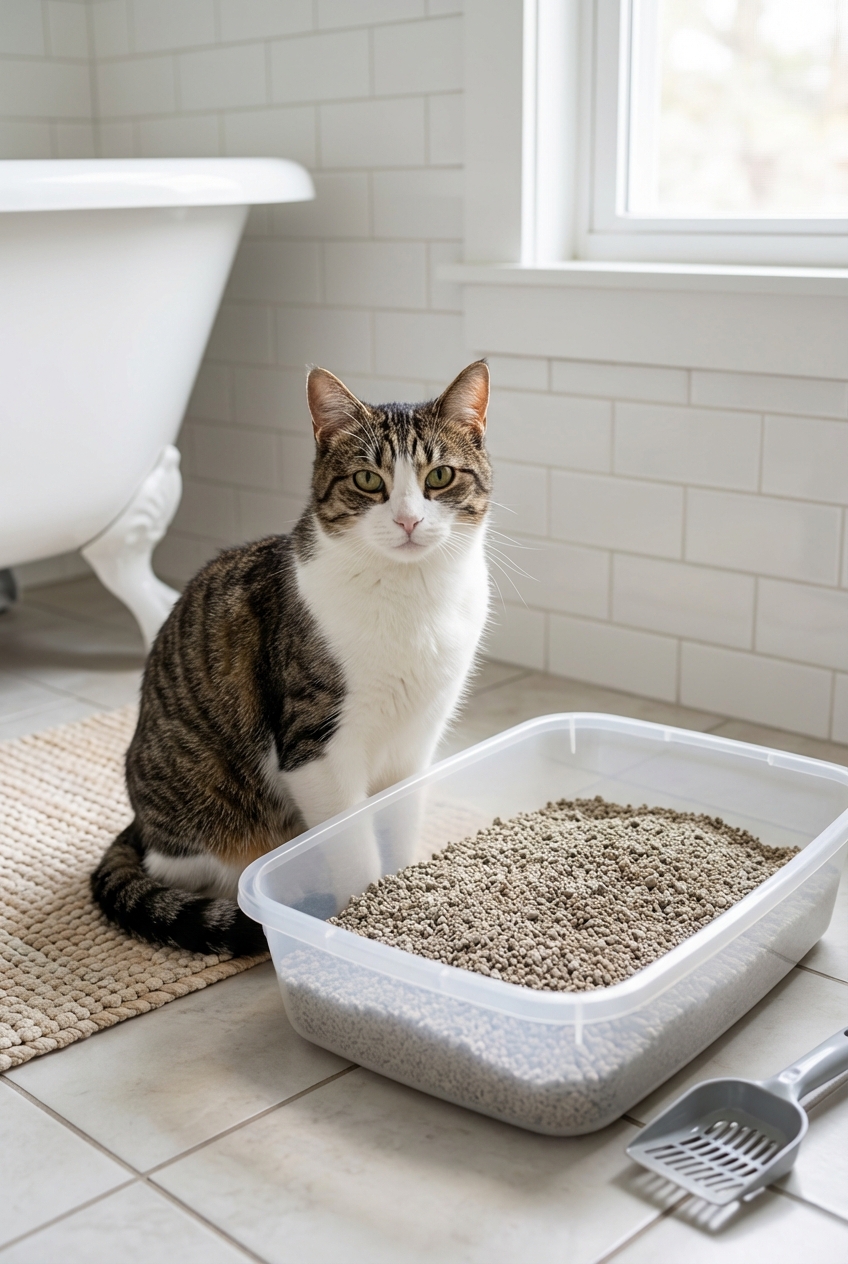
6) Use litter box hygiene as a health tool
Clean the box daily and note what you see. If your cat has parasites like Giardia, hygiene matters for preventing reinfection, but cleaning recommendations can vary. Follow your veterinarian’s instructions on how to clean and what products to use.
- Scoop frequently
- Wash the box as needed
- Wash hands after scooping
Do not give human anti-diarrheal medications unless your veterinarian specifically tells you to. Common over-the-counter options like Pepto-Bismol (bismuth) and Imodium (loperamide) can be unsafe for cats or mask a serious problem.
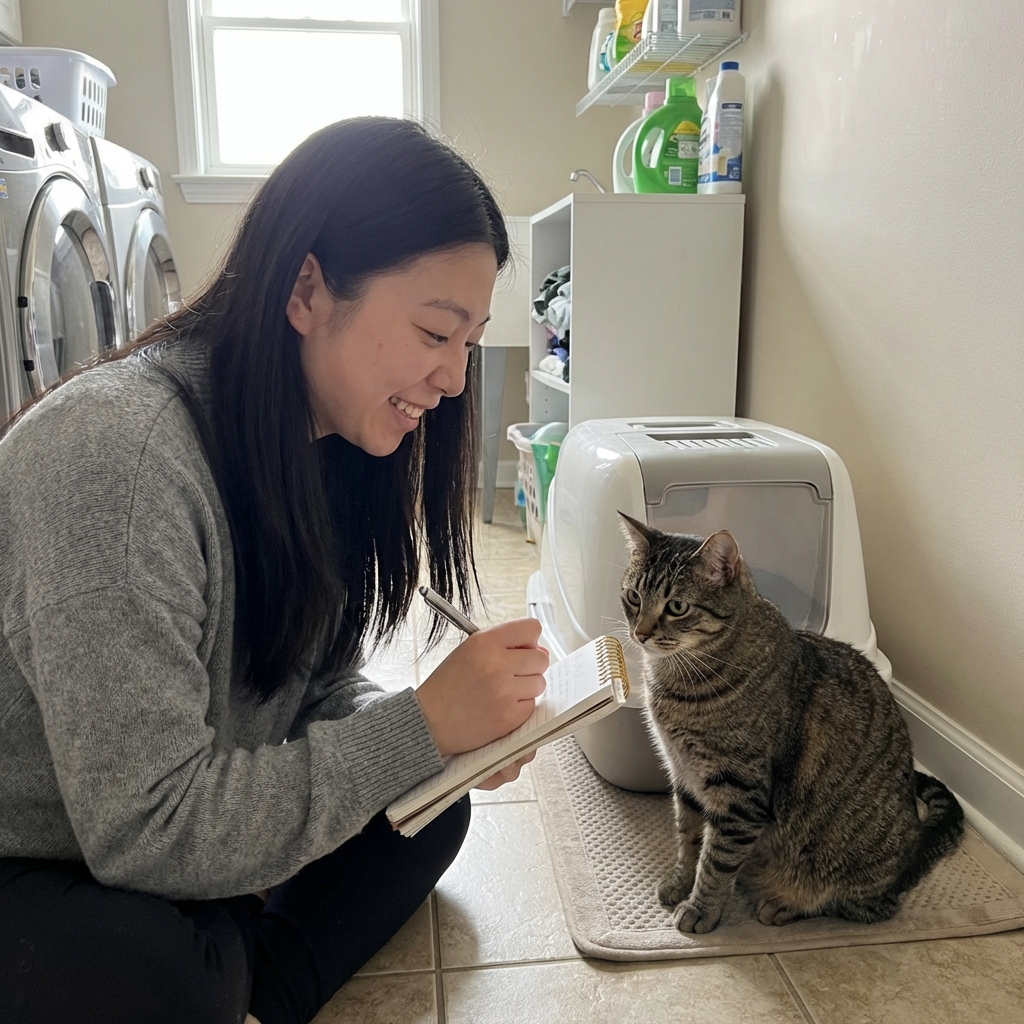
What to track before you call
If diarrhea lasts more than a day, or you are seeing a pattern, bring your vet the details. It speeds up diagnosis and helps your cat get relief sooner.
- How long it has been going on
- How often your cat is passing stool
- Appearance (watery, soft, mucus, blood, black stool)
- Appetite and water intake
- Vomiting yes or no
- Diet history including any new foods, treats, or flavored medications
- Stressors (moving, new pet, boarding)
- Preventatives and deworming history
- Any weight loss or changes in energy
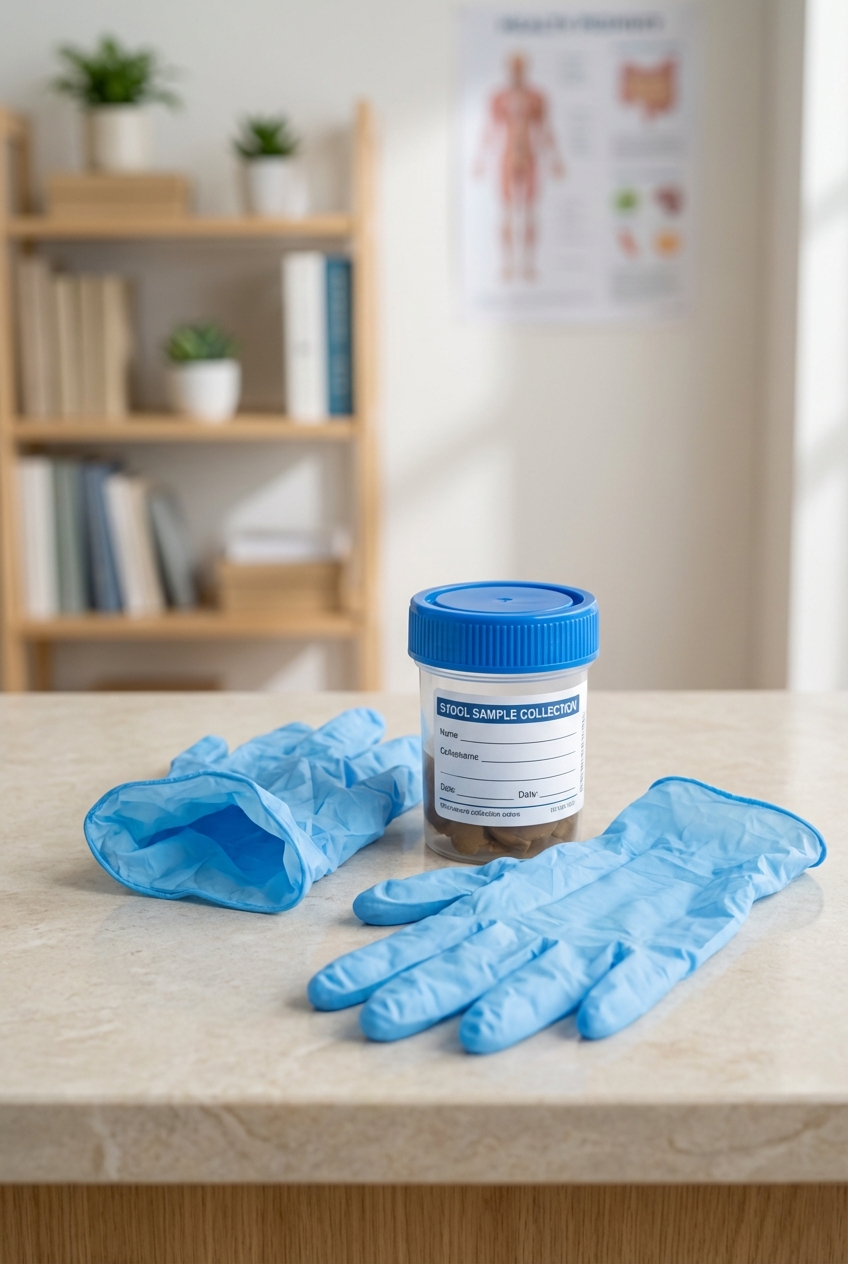
Pro tip: if possible, take a photo of the stool (yes, really) and bring a fresh stool sample in a sealed container. Ask your clinic how to store it if you cannot come in right away. Many clinics recommend refrigerating it, and they may advise you not to freeze it unless they tell you to.
How vets find the cause
Your vet will match your cat’s symptoms, history, and exam findings to the right tests. Common next steps include:
- Fecal testing (microscope exam, Giardia test, PCR panels)
- Empirical deworming in many cases, especially if history suggests parasites
- Bloodwork to look for infection, inflammation, organ function, thyroid issues
- Urinalysis for overall health context
- Imaging (X-rays or ultrasound) if a foreign body, obstruction, or chronic disease is suspected
- Diet trials for suspected food allergy or intolerance
Sometimes the cause is straightforward. Other times, it is a process of narrowing things down step by step, especially with chronic or recurring diarrhea.
Prevention tips
There is no way to prevent every episode, but you can lower the odds.
Transition foods slowly
If you need to change foods, do it gradually over 7 to 10 days when possible. Mix a little of the new food into the old and increase slowly.
Keep parasites in mind
Ask your vet about appropriate parasite prevention for your cat’s lifestyle. Kittens and newly adopted cats should be checked promptly.
Reduce stress
Predictable routines, safe hiding spaces, and enrichment help. For some cats, pheromone diffusers and slow introductions to new pets can make a big difference.
Be cautious with people food
Cats have sensitive GI systems, and many “tiny tastes” add up. When in doubt, skip it and choose cat-safe treats in moderation.
Quick FAQ
Should I fast my cat?
Usually, no. Cats can develop serious issues when they do not eat, especially if they are overweight. It is typically better to feed small, frequent meals and call your vet for guidance.
My cat has diarrhea but seems fine. Can I wait?
If it is mild and short-lived, many pet parents can monitor for 24 to 48 hours while focusing on hydration and stopping treats. If it lasts longer than 48 hours, worsens, or you see red flags like blood, black stool, vomiting, or low energy, call your vet promptly.
Why diarrhea after antibiotics?
Antibiotics can disrupt the gut microbiome. Call your vet, because they may recommend a veterinary probiotic, a temporary diet adjustment, or a medication change.
The bottom line
Cat diarrhea is common, but it is not something to ignore. A little loose stool can be a minor bump in the road. Repeated watery diarrhea, blood or black stool, vomiting, low energy, dehydration signs, or appetite changes are your signal to get help quickly.
If you are ever unsure, call your veterinary clinic. You are not “overreacting.” You are advocating for your cat, and that is exactly what a good pet parent does.