Worried your senior cat seems confused or yowls at night? Learn feline cognitive dysfunction (CDS) signs, DISHA checklist, stages, vet rule-outs, and home ca...
Article
•
Designer Mixes
Cat Dementia Symptoms: Overview & Care

Shari Shidate
Designer Mixes contributor
When a cat starts acting “not quite like herself,” it can be scary and confusing, especially when it seems to come and go. As a veterinary assistant here in Frisco, Texas, I talk with pet parents every week who worry their senior cat is just “getting old” or, on the flip side, that something is seriously wrong.
One age-related condition that can cause these changes is cognitive dysfunction syndrome (sometimes called cat dementia). The good news is that many cats can do very well with the right home setup, a veterinary plan, and a little patience.
What cat dementia is (and what it is not)
Feline cognitive dysfunction is a gradual decline in brain function that tends to show up in older cats. It is linked to age-related changes in the brain and can affect memory, learning, sleep, social behavior, and litter box habits.
It is important to know that dementia-like symptoms can also be caused by treatable medical problems such as:
- Hyperthyroidism
- Kidney disease
- Diabetes
- High blood pressure (which can also impact vision)
- Arthritis (pain can look like confusion or crankiness)
- Hearing or vision loss
- Brain tumors or other neurologic disease
That is why the first step is always a veterinary visit, even if you strongly suspect cognitive decline.
How it is diagnosed
Cognitive dysfunction is usually a diagnosis of exclusion, meaning your veterinarian rules out other common causes of behavior change first. There is no single, definitive “dementia test” for cats.
At the clinic, your veterinarian may recommend a physical exam and pain assessment, bloodwork, urinalysis, blood pressure check, and thyroid testing. Depending on what they find, they may also recommend additional testing (such as imaging) to evaluate neurologic disease.
Cat dementia symptoms
Some veterinary teams use the “DISHA” pattern as a helpful way to remember signs of cognitive dysfunction. It is widely used in cognitive screening and is often adapted for cats. Not every cat has every sign, and symptoms usually worsen slowly over time.
Disorientation
- Seems lost in familiar rooms
- Stares at walls or into space
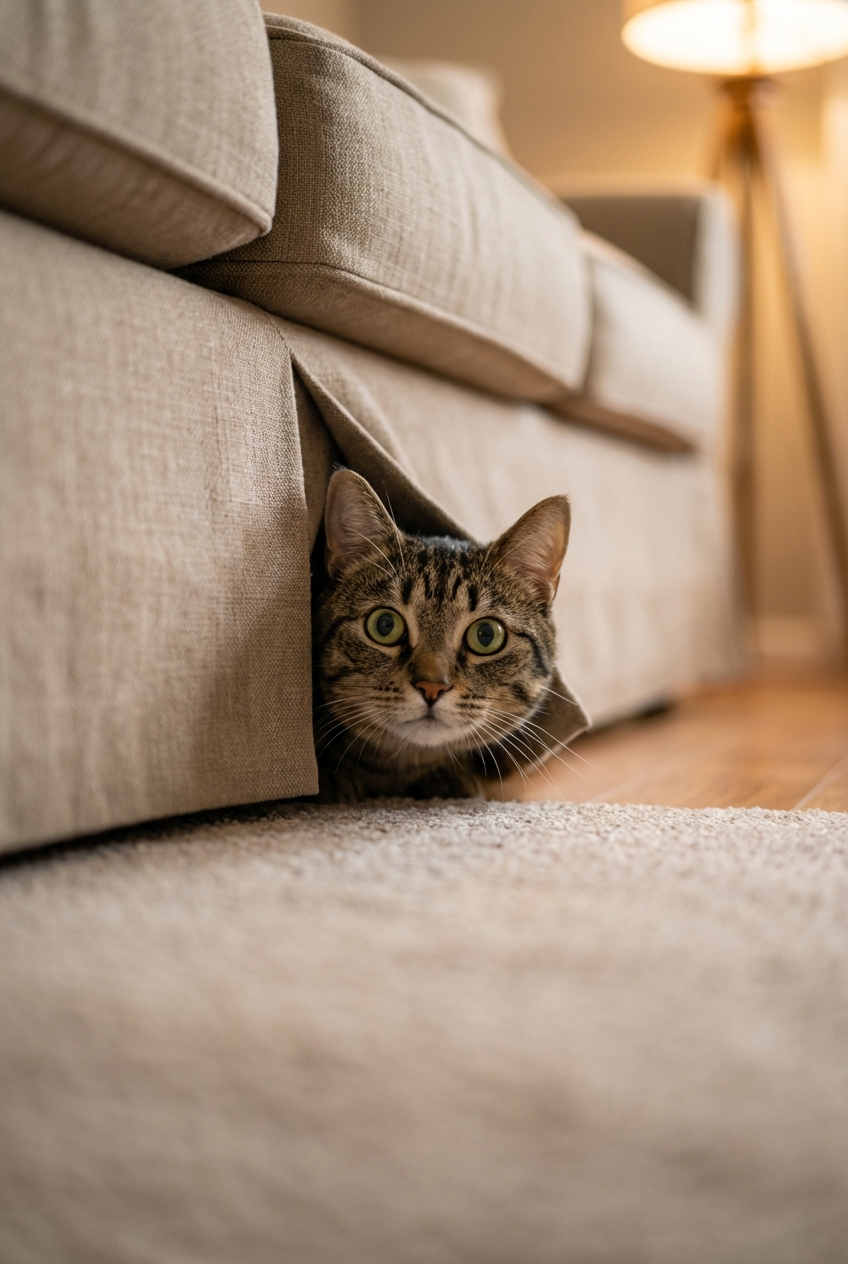
- Gets “stuck” behind furniture or in corners
- Hesitates at doors or forgets where the food bowl is
Changes in interaction
- Becomes clingier, more anxious, or unusually needy
- Hides more or seems less interested in affection
- Acts irritable or startled more easily
Sleep-wake cycle changes
- Wanders at night
- Vocalizes in the evening or early morning
- Sleeps more during the day and seems restless at night
House soiling
- Urination or bowel movements outside the litter box
- Looks like the cat “forgot” the box location
- Stands in the box but misses due to poor positioning
Activity and anxiety changes
- Pacing or repetitive wandering
- Reduced play or exploration
- New or increased anxiety, especially when routines shift
Tip: If you are seeing sudden symptoms over days rather than months, call your veterinarian promptly (often the same day). A fast change can point to illness, pain, high blood pressure, or another urgent issue rather than dementia.
When to call the veterinarian
Schedule an appointment if you notice any new behavior change that lasts more than a few days. Seek prompt care if you see:
- Sudden confusion, falling, head tilt, or circling
- Not eating for 12 to 24 hours (sooner for kittens, cats with known medical conditions, or if vomiting or lethargy is present)
- Straining to urinate or frequent trips with little output
- Noticeable or ongoing weight loss, vomiting, or excessive drinking
- New aggression, yowling, or signs of pain
Home care that truly helps
With cognitive change, your goal is simple: reduce stress, prevent accidents, and keep daily life predictable. Small adjustments can make a big difference.
1) Make the home easy to navigate
- Keep essentials consistent: Do not move food, water, litter boxes, or favorite beds unless you have to.
- Use night lights: A few soft lights can help cats who feel disoriented after dark.
- Create safe pathways: Reduce clutter, block off tight spaces behind appliances, and keep floors clear.
- Prevent getting trapped: Check closets, garages, and laundry rooms before closing doors. Consider baby gates for “no-go” areas.
- Prevent falls: If your cat is unsteady, limit access to steep stairs or high perches, and add rugs or runners for traction.
- Support aging joints: Add ramps or steps to favorite furniture if arthritis is suspected.
- Easy water access: Keep water on each level of the home if your cat uses stairs less than they used to.
2) Upgrade the litter box setup
Litter box “misses” are one of the top reasons families feel overwhelmed, but many are fixable.
- Add more boxes: A good rule is one per cat plus one extra, placed on multiple levels of the home if possible.
- Choose low-entry boxes: These are easier for seniors and cats with arthritis.
- Use unscented litter: Strong scents can be aversive, especially for sensitive seniors.
- Keep them very clean: Scoop daily. Senior cats are often less tolerant of a dirty box.
3) Keep routine predictable
- Feed at consistent times
- Try shorter, gentle play sessions (even 2 to 5 minutes helps)
- Maintain familiar bedtime rituals, like a calm brush or a small snack
4) Enrichment without overwhelm
Enrichment helps the brain, but the key is “low pressure.” Try:
- Food puzzles that are very easy (or a snuffle mat designed for cats)
- Short training with a favorite treat (touch a target, come when called)
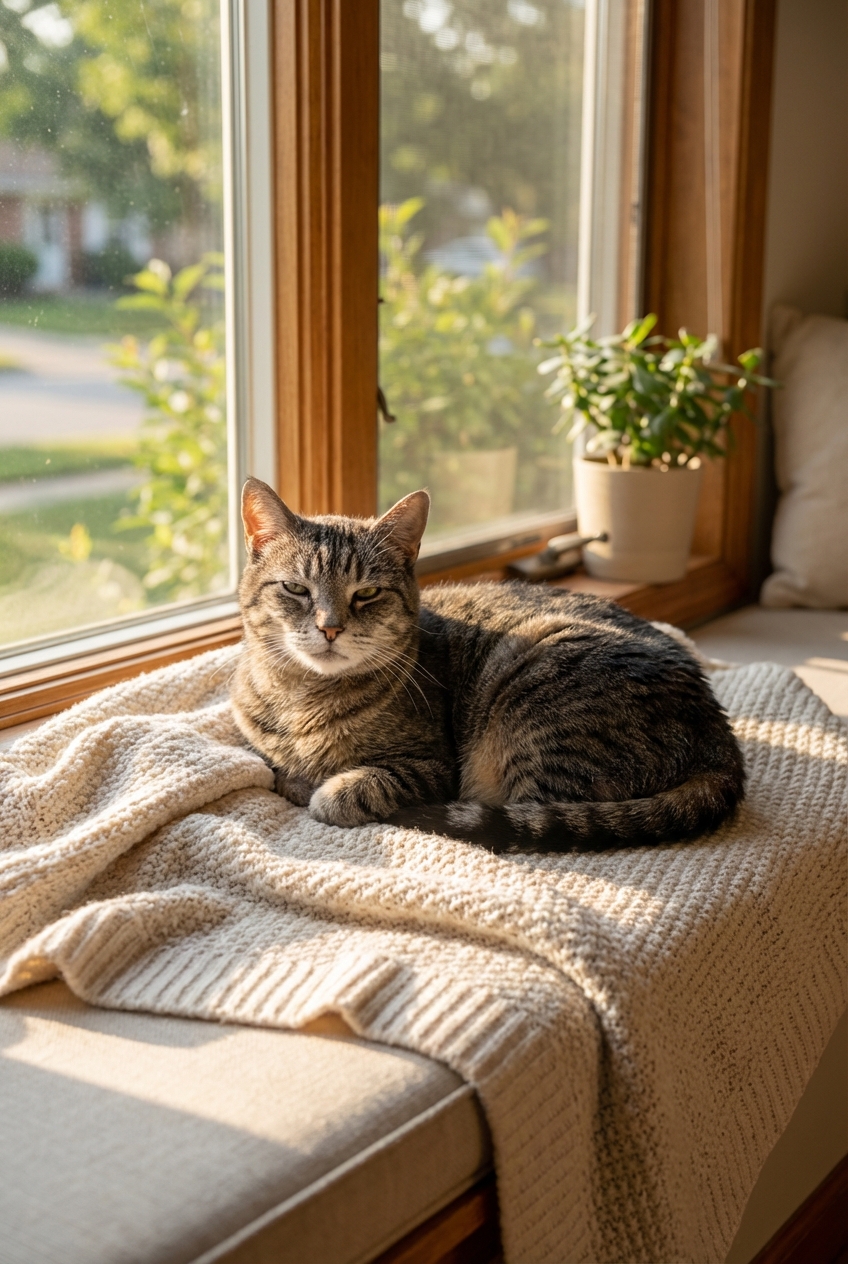
- Window perches for safe visual stimulation
- Pheromone diffusers in main living areas if anxiety is present
5) Track changes like a detective
Keep a simple weekly note on:
- Appetite and water intake
- Sleep changes and nighttime vocalizing
- Litter box habits
- Any new confusion behaviors
This record helps your veterinarian see patterns and adjust care sooner.
Nutrition and supplements
Nutrition matters for senior cats, especially because many have other conditions (kidney disease, thyroid disease, dental pain) at the same time. There is no single “dementia diet,” but some strategies may support brain health and overall comfort.
Start with the basics
- Keep calories appropriate: Unplanned weight loss in cats is not normal aging.
- Prioritize hydration: Many older cats benefit from more moisture in the diet. Wet food, adding water to food, or using a pet fountain can help.
- Choose a diet that fits their medical needs: For example, prescription kidney diets for CKD can be beneficial and may help slow progression in many cats.
Supplements to discuss with your veterinarian
Ask your veterinarian before starting supplements, especially if your cat has kidney disease, is on thyroid medication, or takes other prescriptions. Evidence for cognitive supplements in cats is still limited, so it is worth having a clear risks-and-benefits conversation with your clinic.
- Omega-3 fatty acids (EPA/DHA): May support brain and inflammatory health.
- Antioxidants: Sometimes used to support aging tissues, though results vary and feline-specific evidence is limited.
- SAMe or similar nutraceuticals: Some products are marketed for cognitive or senior support, but data in cats is limited and they are not a substitute for medical care.
Quality and dosing are everything with supplements, so it is worth asking your veterinarian which brands they trust.
Medications and veterinary support
There is no “one-pill cure,” but your veterinarian may recommend a combination of approaches based on your cat’s symptoms, exam findings, and lab work. Plans often include:
- Pain control if arthritis is contributing to behavior changes
- Anxiety support when nighttime distress or pacing is significant
- Treatment for underlying disease such as hyperthyroidism, high blood pressure, or kidney disease
In many cats, addressing pain and blood pressure alone can noticeably improve quality of life, even if cognitive decline is also present.
Making nights calmer
Nighttime yowling is one of the most stressful symptoms for families. A few practical steps often help:
- Increase daytime activity: Add one or two short play sessions earlier in the day.
- Offer a bedtime snack: This may help some cats settle, especially if they are waking up hungry.
- Use soft lighting: Darkness can increase disorientation.
- Create a cozy safe room: Bed, water, litter box, and familiar blanket in a quiet area.
If your cat is suddenly crying at night, let your veterinarian know. Pain, high blood pressure, and hyperthyroidism are common culprits.
What to expect over time
Cognitive dysfunction is typically progressive, but the pace varies a lot from cat to cat. The goal of care is not perfection. It is comfort, safety, and preserving the routines and connections your cat still enjoys.
Quality of life
Cat dementia can be emotionally tough because you may see good days and hard days. I encourage families to focus on comfort and connection. Helpful questions include:
- Is my cat eating enough and maintaining weight?
- Can my cat rest comfortably and move without obvious pain?
- Are accidents manageable with realistic home changes?
- Is my cat still enjoying any favorite things: sunbeams, treats, gentle petting, a window perch?
Small wins matter. When you reduce stress and meet your cat where she is, you are doing real, meaningful care.
If you are feeling overwhelmed, tell your veterinary team. There are often more options than you realize, and you do not have to figure it all out alone.