Want to feed homemade cat food safely? Learn what “vet approved” really means, nutrients cats must get (taurine, calcium), food safety rules, and a gentl...
Article
•
Designer Mixes
Cat Dementia: Signs, Stages, and What to Do

Shari Shidate
Designer Mixes contributor
If you have an older cat who seems “off” lately, you are not imagining it. Cats can develop age-related cognitive changes that look a lot like dementia in people. In veterinary medicine we often call this feline cognitive dysfunction, also known as cognitive dysfunction syndrome (CDS). It is more common than many families realize, and it can be heartbreaking, confusing, and manageable in many cases.
As a veterinary assistant in Frisco, Texas, I have sat with a lot of pet parents who thought their cat was “just being stubborn” or “getting cranky.” Then we dig in and discover there is a real, physical reason for those personality shifts and new routines. The earlier you recognize the signs, the more you can do to keep your cat comfortable and confident at home.
Do cats get senile dementia?
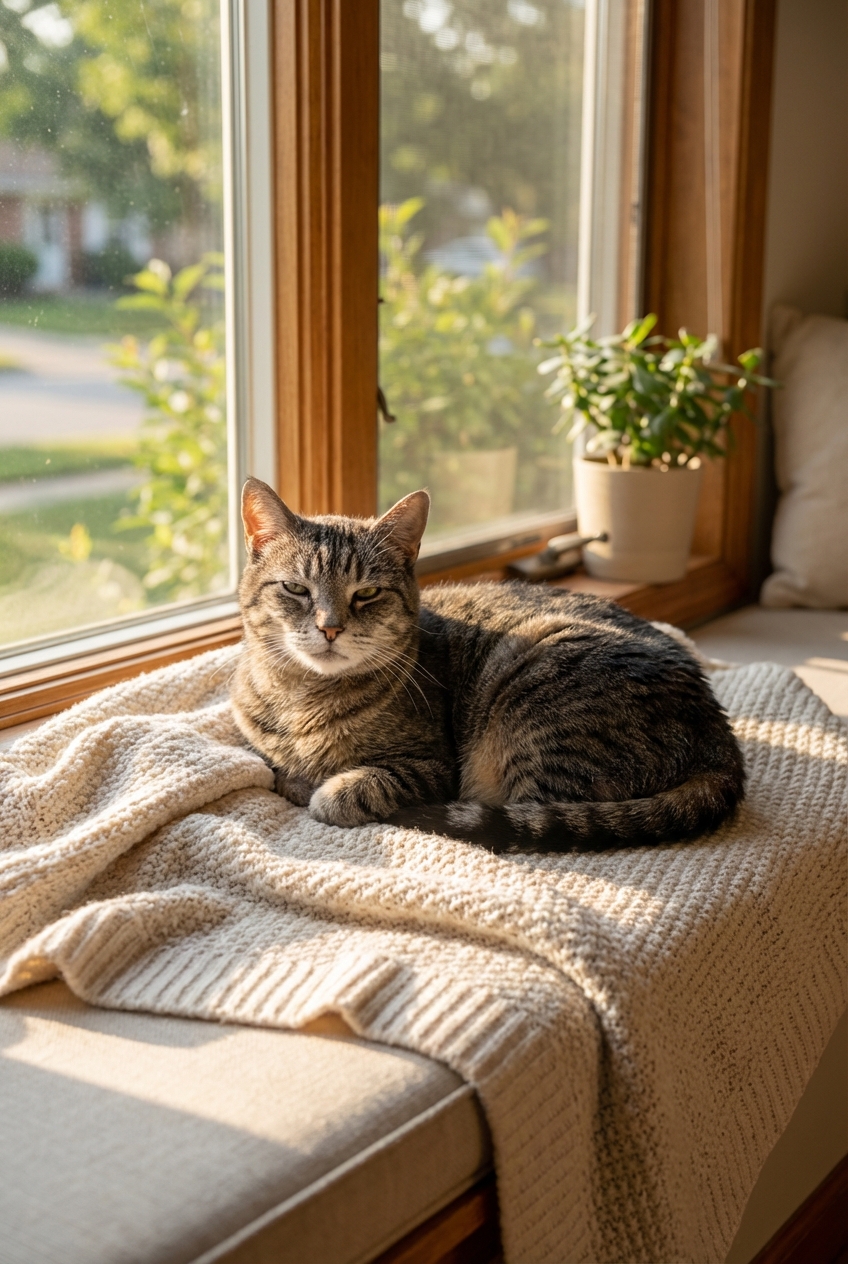
Yes, cats can develop dementia-like changes as they age. Feline cognitive dysfunction (CDS) is a syndrome associated with brain aging, including changes in sleep-wake cycles, learning, memory, spatial awareness, and social interactions.
It is important to know that many symptoms that look like dementia can also be caused by medical conditions such as hyperthyroidism, kidney disease, high blood pressure, diabetes, arthritis pain, hearing or vision loss, and brain disease. That is why the best first step is always a veterinary exam and basic lab work.
What it looks like at home
A helpful way to remember common signs is the “DISHA” pattern, a framework often used in both dogs and cats when discussing senior pet cognitive changes:
- Disorientation: Getting “lost” in familiar rooms, staring at walls, seeming confused near doors.
- Interactions change: Becoming clingier, more withdrawn, irritable, or less interested in affection.
- Sleep-wake changes: Restless nights, pacing, vocalizing at night, sleeping more during the day.
- House soiling: Accidents outside the litter box, forgetting where the box is, or not making it in time.
- Activity changes and anxiety: Less play, repetitive behaviors, increased anxiety, or new “neediness.”
Early signs people miss
Cat cognitive decline often starts subtly. Here are early clues that deserve attention:
- Night yowling that is new, especially if your cat seems unsettled or wandering.
- Staring into space or pausing mid-room like they forgot why they walked there.
- Getting stuck behind furniture or in corners more than once.
- Changes in grooming: Either less grooming (messy coat) or overgrooming (stress-related).
- Reduced curiosity: Less interest in windows, toys, or family routines.
These matter because the earlier you intervene, the easier it is to keep routines steady and prevent stress spirals that can worsen symptoms.
Stages
Not every cat follows the same pattern, but families often describe progression like this:
Mild
- Occasional confusion or nighttime vocalizing
- Small changes in social interaction
- Rare litter box accidents
Moderate
- More frequent disorientation and pacing
- Noticeable sleep disruption
- Increased anxiety and more accidents
Severe
- Significant confusion in familiar spaces
- Frequent vocalizing, agitation, or withdrawal
- Difficulty navigating to food, water, or litter box
If you are seeing moderate or severe signs, it is time to talk with your veterinarian promptly. Many cats improve when pain, blood pressure, thyroid levels, or kidney changes are addressed.
Rule-outs to consider
This is a big deal: we do not want to assume dementia when your cat might have a treatable medical issue. Common look-alikes include:
- Hyperthyroidism: Weight loss, loud meowing, restlessness, increased appetite.
- Chronic kidney disease: Increased thirst and urination, nausea, weight loss, poor coat.
- Hypertension (high blood pressure): Can cause vision issues, sudden behavior shifts, disorientation.
- Arthritis: Avoiding the litter box because it hurts to climb in, reduced jumping, irritability.
- Hearing or vision loss: Startles easily, seems “confused,” changes in confidence.
- Urinary tract disease: Accidents, straining, frequent attempts to urinate.
- Brain disease: Tumors, inflammation, seizures can mimic cognitive decline.
Ask your veterinarian about a senior screening plan. Many clinics start with a physical exam, bloodwork, urinalysis, blood pressure, and often a thyroid test depending on age and symptoms.
What to expect at the vet
A senior cat visit for possible cognitive decline usually focuses on two things: ruling out treatable medical causes and building a plan to reduce stress at home.
- Expect detailed questions about when changes started, how often they happen, and what seems to trigger them.
- Most cats will have a physical exam plus baseline testing (bloodwork and urinalysis). Blood pressure and thyroid testing are common, too.
- If neurologic disease is a concern, your vet may recommend imaging or a referral.
A practical tip: bring short videos of pacing, vocalizing, litter box struggles, or moments of confusion. It can be extremely helpful for your veterinary team.
Diagnosis
There is not a single definitive test for feline cognitive dysfunction. Diagnosis is usually based on:
- History of behavior changes (timing, frequency, patterns)
- Physical and neurologic exam
- Lab work and urinalysis to rule out common medical causes
- Blood pressure measurement
- Sometimes imaging or referral if neurologic disease is suspected
What you can do at home
The goal is to reduce confusion, prevent anxiety, and make basic needs easy to access.
Make the house senior-cat friendly
- Add litter boxes: One per level of the home, plus one extra if possible.
- Choose low-entry boxes if arthritis might be involved.
- Think simple litter box comfort: Unscented litter, a larger box, easy access (often uncovered), and scooping daily can make a big difference.
- Keep essentials close: Food, water, and litter in easy-to-reach areas.
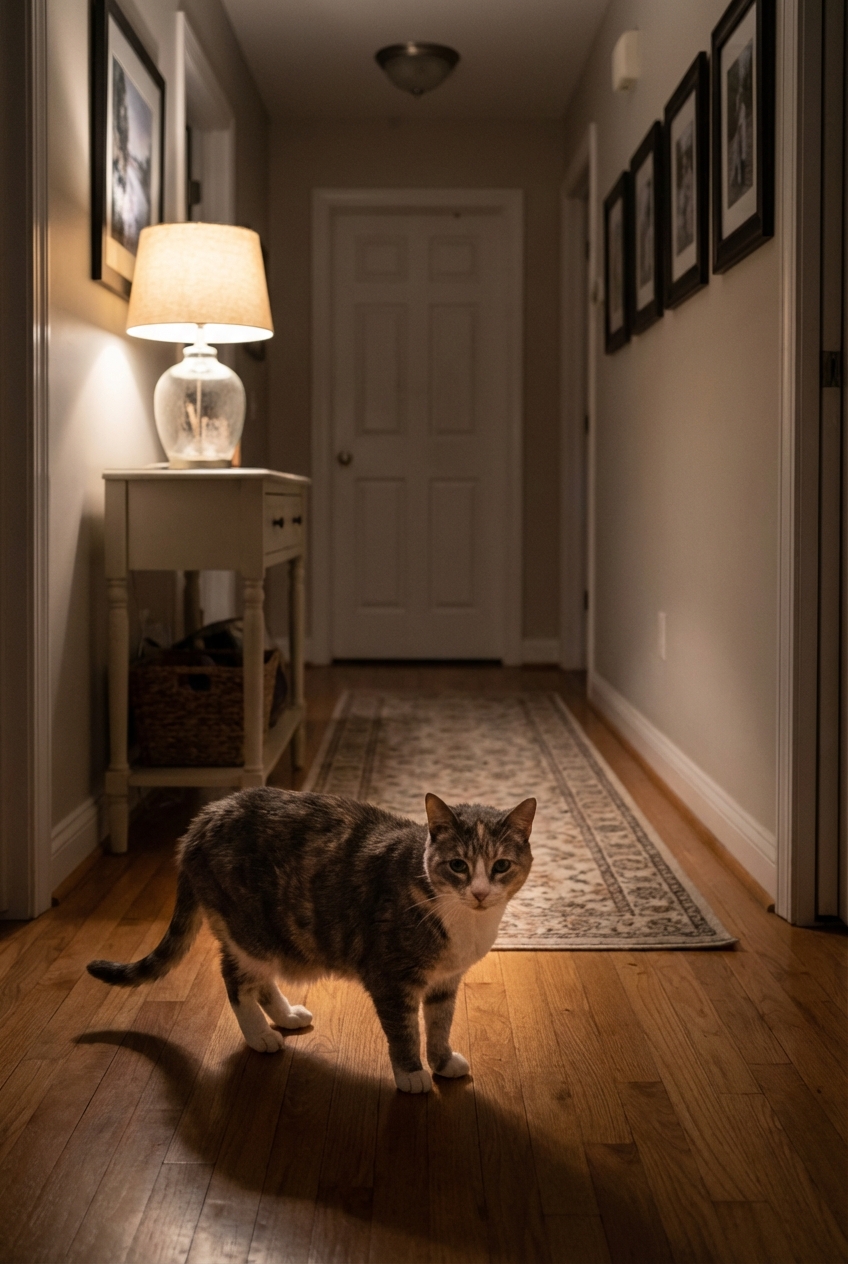
- Night lights: Soft lighting in hallways can help cats who struggle at night.
- Non-slip rugs: Improve confidence on slick floors.
Protect routine
- Feed at consistent times.
- Keep furniture layout stable.
- Try not to move litter boxes unless absolutely necessary.
Support calmer evenings
- Gentle play earlier in the day if your cat still enjoys it.
- A predictable bedtime routine: snack, calm petting, lights lowered.
- White noise can help some cats settle at night.
Enrichment without overwhelm
Think “simple wins”:
- Food puzzles that are easy, not frustrating.
- Short, low-impact play sessions.
- Window perch access if your cat can use it comfortably.
One important note: Avoid punishment for accidents or nighttime vocalizing. It usually increases anxiety and can make the pattern worse. Aim for gentle redirection and a setup that makes the “right” choice easier.
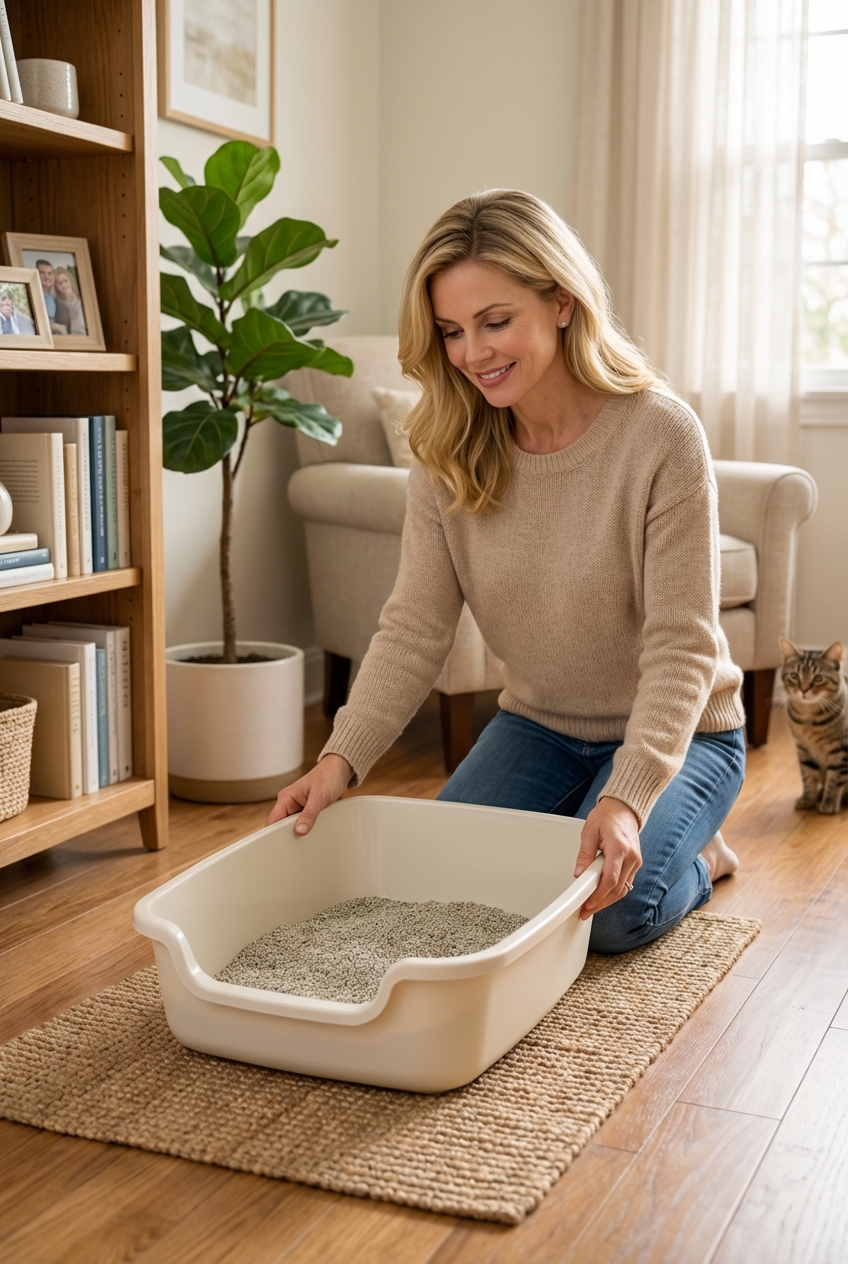
Comfort and predictability matter more than novelty for cats with cognitive changes.
Nutrition and supplements
Nutrition can be a supportive tool for brain aging, but it is not a magic fix. Ask your veterinarian before adding supplements, especially if your cat has kidney disease, thyroid disease, or is on medications.
Diets for senior brain support
Some veterinary diets are formulated for cognitive support and may include combinations of antioxidants, omega-3 fatty acids (like DHA), and nutrients that support brain metabolism.
Omega-3 fatty acids
Omega-3s (especially DHA) are commonly discussed for cognitive support. Use cat-appropriate products and dosing recommended by your vet, since too much can cause GI upset or affect certain medical conditions.
Antioxidants
Oxidative stress increases with age. Antioxidants in balanced diets may help support overall senior health. Avoid giving random human antioxidant supplements without guidance.
Medications and calming aids
Your veterinarian may recommend tools based on your cat’s symptoms and underlying health. Options can include:
- Pain control if arthritis is contributing to personality or routine changes.
- Anxiety support for nighttime restlessness or agitation.
- Prescription diets or targeted supplements.
- Pheromone diffusers in the home to support calm behavior in some cats.
- Targeted cognitive medications: In some cases, vets may discuss medications specifically aimed at cognitive dysfunction (for example, selegiline), depending on your cat’s full medical picture.
If your cat’s habits change quickly over days to weeks, treat it as urgent. Rapid change is less typical of slow cognitive decline and more suggestive of medical issues that need prompt care.
When to call the vet now
Contact your veterinarian promptly if you notice any of the following:
- Sudden disorientation or sudden behavior shift
- Not eating for 12 to 24 hours, or any major appetite drop in a senior cat
- Straining to urinate, frequent trips to the litter box, or crying in the box
- Collapse, seizures, head tilt, circling, or profound weakness
- Sudden vision loss or bumping into objects
These can be medical emergencies, especially urinary blockage in male cats or severe blood pressure issues.
Quality of life
This is one of the hardest parts of loving a senior pet. I encourage families to track patterns, not single bad days. Consider keeping a simple weekly note of:
- Appetite and hydration
- Comfort and mobility
- Litter box success
- Sleep and nighttime distress
- Enjoyment: purring, seeking affection, interest in treats or sunbeams
It also helps to plan regular rechecks with your veterinarian so you can adjust support as needs change. If the tough days start to outnumber the good, ask your vet for a quality-of-life conversation. You do not have to figure that out alone.
Frequently asked questions
At what age do cats get dementia?
Cognitive changes are more common in senior cats, often noticed in the mid-teens and beyond. Some cats show signs earlier, especially if other medical issues are present.
Is nighttime yowling always dementia?
No. It can also be caused by hyperthyroidism, high blood pressure, pain, hearing loss, or anxiety. A vet visit is the safest next step.
Can cat dementia be reversed?
True cognitive decline is typically progressive, but many cats improve significantly when underlying medical problems are treated and their home setup supports their needs.
How can I help my cat stop getting lost?
Keep layouts consistent, add soft lighting at night, and place food, water, and a litter box in easy-to-find areas. Some cats do better with fewer closed doors and fewer obstacles in their common paths.
The bottom line
Yes, cats can develop dementia-like cognitive decline, and it can be stressful for both cats and humans. The most hopeful message I can share is this: many of the most troubling signs have treatable contributors, and small home changes can make a huge difference in your cat’s comfort.
If you take one action today, let it be this: schedule a senior checkup and start a simple behavior log. You know your cat best. When you pair that insight with a good veterinary plan, you can make the golden years gentler and safer.