A practical guide to helping a constipated cat at home: hydration tips, plain pumpkin, vet-guided Miralax (PEG 3350), fiber, hairball support, red flags, and...
Article
•
Designer Mixes
Cat Constipation Explained

Shari Shidate
Designer Mixes contributor
Cat constipation is one of those issues that can look “minor” at first and then suddenly turn into a very uncomfortable, very urgent problem. As a veterinary assistant, I have seen loving pet parents miss the early signs because cats are private, and they are masters at hiding discomfort.
In this guide, I will walk you through what constipation really is, why it happens, how to help safely at home, and when it is time to seek veterinary care right away.
What constipation is (and what it is not)
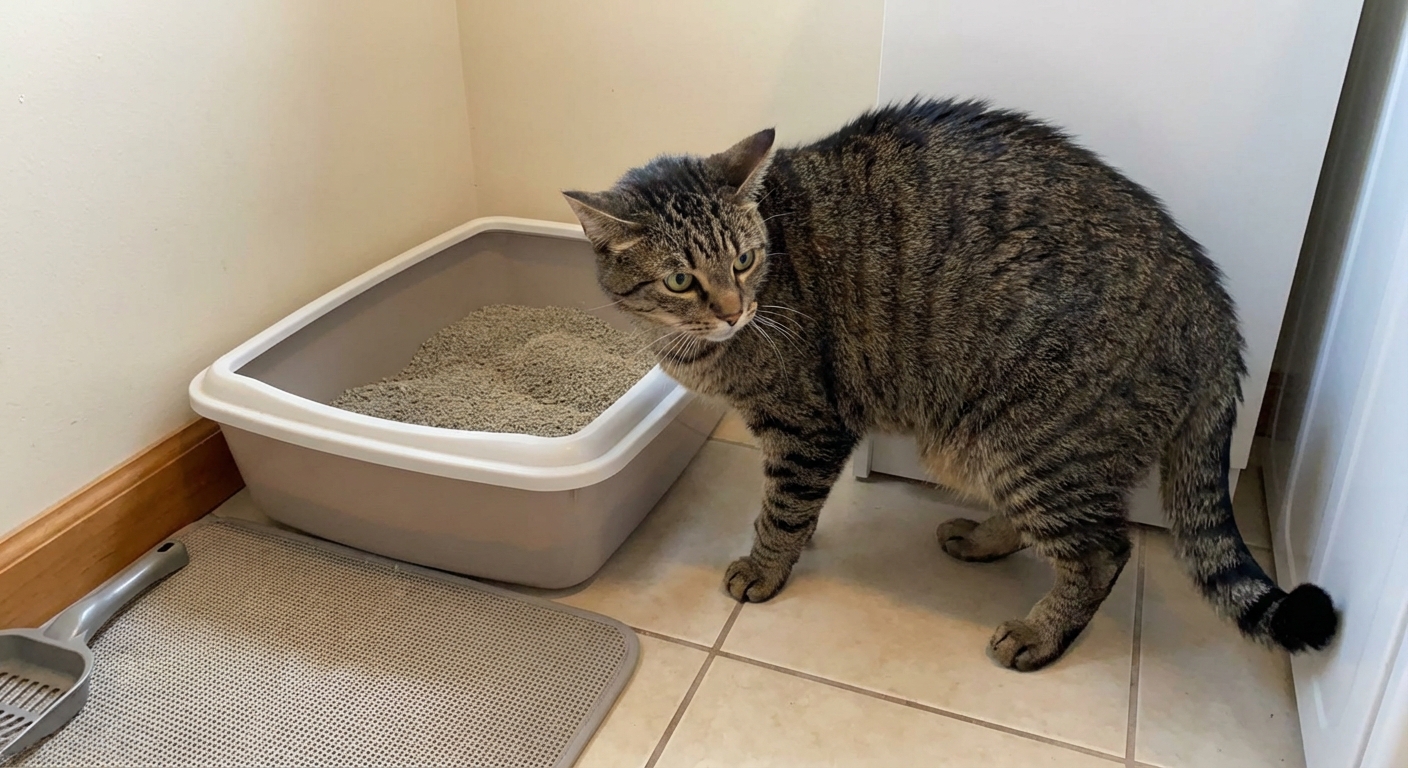
Constipation means your cat is having difficulty passing stool, passing small, hard stools, or not passing stool as often as normal for them. It is different from:
- Diarrhea: frequent loose or watery stool.
- Urinary blockage: straining in the litter box with little to no urine produced. This is a life-threatening emergency, especially in male cats.
- Colitis or tenesmus: straining but passing small amounts of soft stool, mucus, or sometimes a little blood. Cats may go in and out of the box frequently even though the stool is not hard.
Why this matters: Many cats strain in the litter box for constipation, urinary trouble, or colitis, and it can look similar from across the room. If you are not sure which one it is, treat it as urgent and call your veterinarian.
If your cat is straining, crying, visiting the box repeatedly, or producing little to no urine, do not “wait and see.” Urinary blockage can become fatal quickly.
Common signs of constipation in cats
Cats do not always make it obvious, so look for subtle changes:
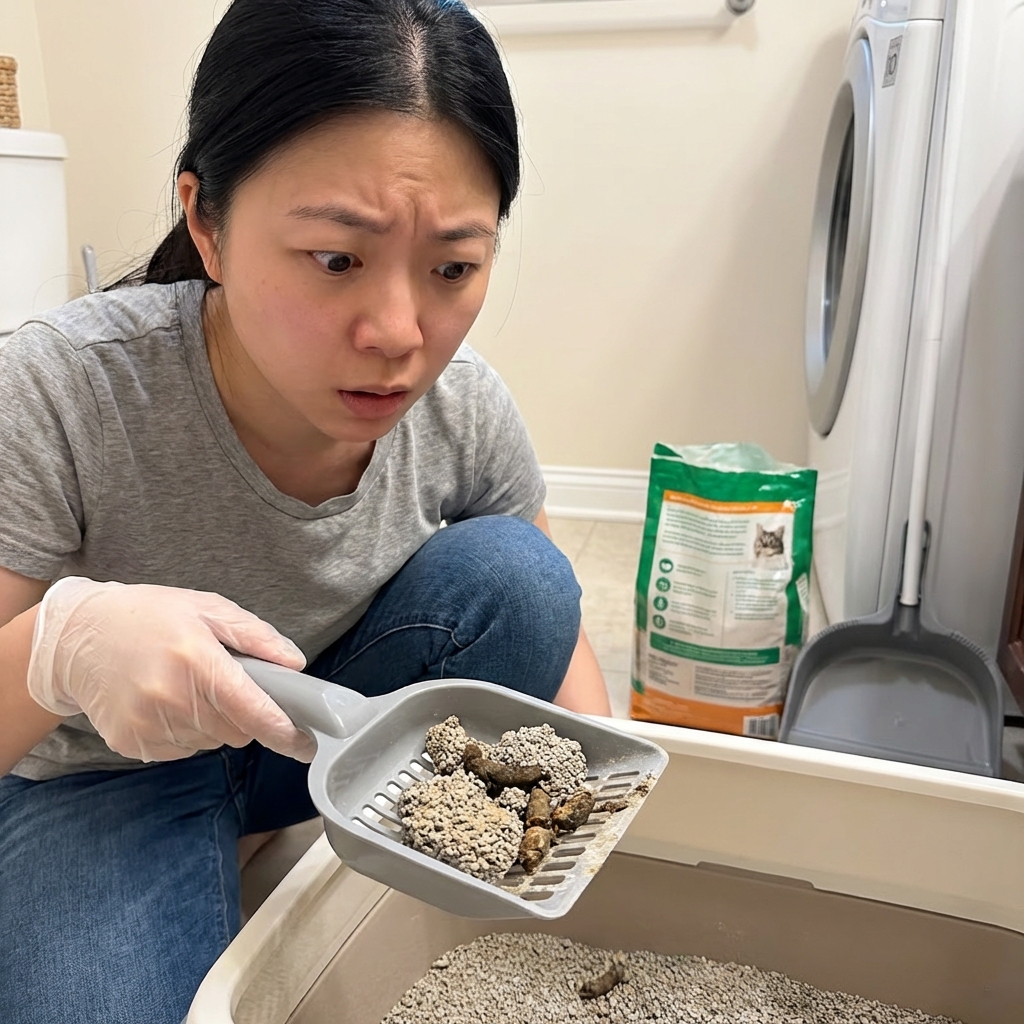
- Straining to poop or spending a long time in the litter box
- Small, dry, hard stools or “pebble-like” stool
- Pooping less often than usual for your cat
- Accidents outside the litter box (sometimes due to discomfort)
- Decreased appetite, hiding, irritability, or low energy
- Vomiting (can happen when constipation becomes more severe)
- A firm belly or sensitivity when picked up
Poop frequency varies a lot by diet and individual. Many healthy cats often poop about once daily, while others may be normal a bit less frequently. What matters most is your cat’s baseline and whether you see straining, pain, or a clear change.
Why cats get constipated
Constipation is usually a symptom, not the real diagnosis. Here are the most common causes veterinarians see:
Dehydration and low moisture diets
Cats evolved to get much of their water from prey. Many cats on dry kibble do not drink enough to make up the difference, leading to drier stool that is harder to pass.
Hair and grooming
Hair swallowed during grooming can contribute to firm stool, especially in long-haired cats or heavy shedders.
Obesity and low activity
Movement helps keep the gut moving. Sedentary cats can have slower intestinal motility.
Litter box factors
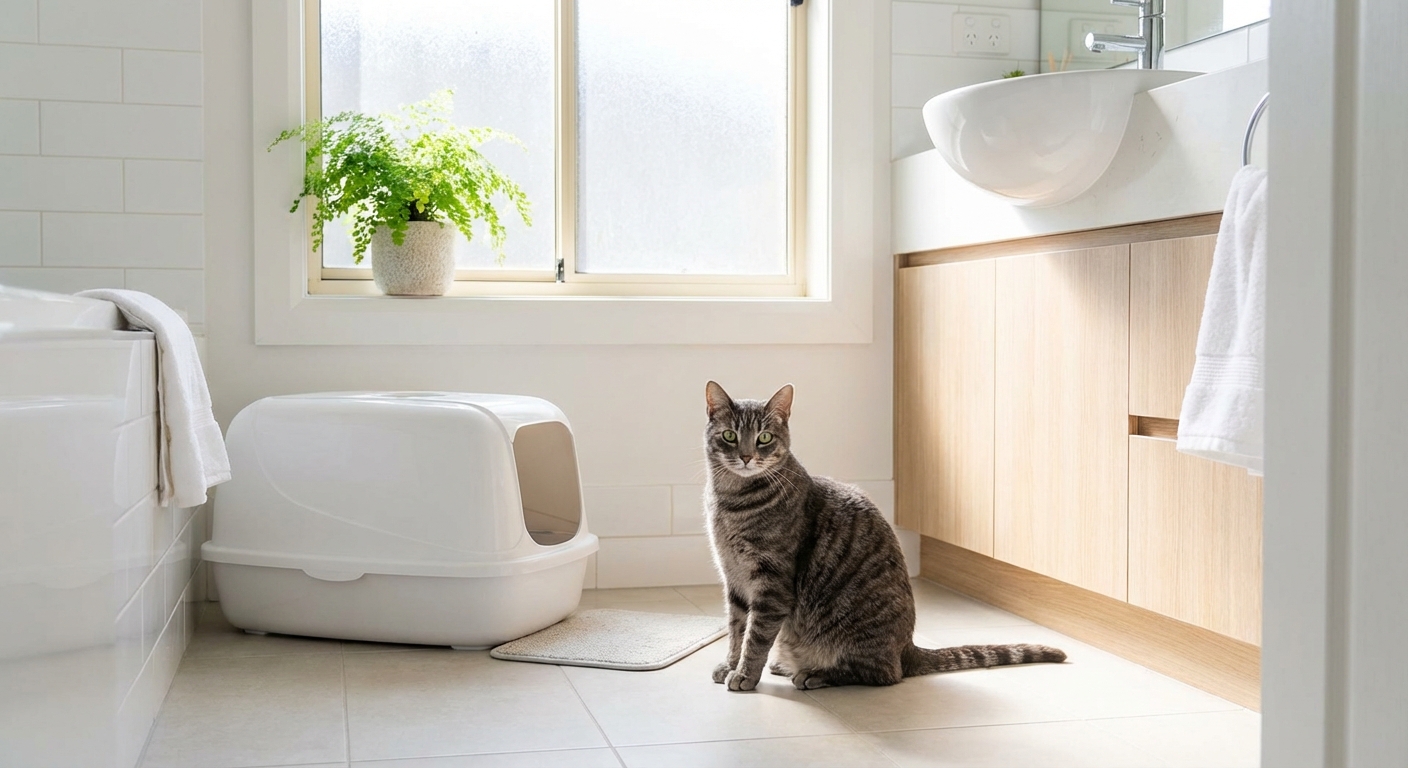
A dirty box, a stressful location, a box that is too small, or not enough boxes in multi-cat homes can lead to stool-holding. The longer stool sits in the colon, the more water is absorbed and the harder it becomes.
Pain and orthopedic issues
Arthritis, back pain, or injuries can make the posture needed to defecate uncomfortable, so cats avoid trying.
Stress and change
Moves, new pets, schedule changes, noisy construction, or conflict between cats can affect litter box habits and gut motility. Sometimes constipation is part medical and part environmental.
Medications
Some medications can contribute to constipation, including certain pain medications (especially opioids), some antihistamines, and other drugs that slow gut movement. Do not stop a prescribed medication without guidance. Call your veterinarian so they can advise you safely.
Underlying medical problems
- Kidney disease: can cause dehydration and constipation.
- Hyperthyroidism: more commonly causes diarrhea, but some cats have constipation.
- Diabetes: can affect hydration and gut movement.
- Neurologic disease or spinal issues: can interfere with normal elimination.
- Obstruction: foreign material, tumors, strictures, or severe hair or ingesta can block stool passage.
Megacolon
Megacolon is when the colon becomes stretched and weak over time, making it difficult to push stool out. In many cats, the cause is not found (idiopathic megacolon). Chronic constipation and colonic stretching can also feed into each other, which is one reason early, consistent management matters. This can become chronic and may require long-term medical management, repeated enemas, or in serious cases, surgery.
When constipation is an emergency
Please contact your veterinarian or an emergency clinic now if you notice any of the following:
- Your cat has not produced stool for 48 to 72 hours and seems unwell
- Repeated straining with no stool produced
- Vomiting, especially more than once
- Loss of appetite for a day or more
- Lethargy, hiding, or clear signs of pain
- Swollen, tense abdomen
- Any chance this is urinary blockage (frequent box trips, crying, little to no urine)
- Kittens, seniors, or cats with known kidney disease, diabetes, or heart disease
Severe constipation can progress to obstipation (complete blockage) and cause dehydration, electrolyte abnormalities, and significant discomfort.
Safe at-home help (mild cases only)
If your cat is still eating, acting fairly normal, and passing at least a little stool, there are a few commonly vet-recommended, low-risk steps that often help. If your cat is painful, vomiting, or not producing stool at all, skip home care and contact your veterinarian.
1) Increase moisture first
- Offer more wet food (canned) if your cat will eat it.
- Add a tablespoon or two of warm water to wet food to make a “gravy.”
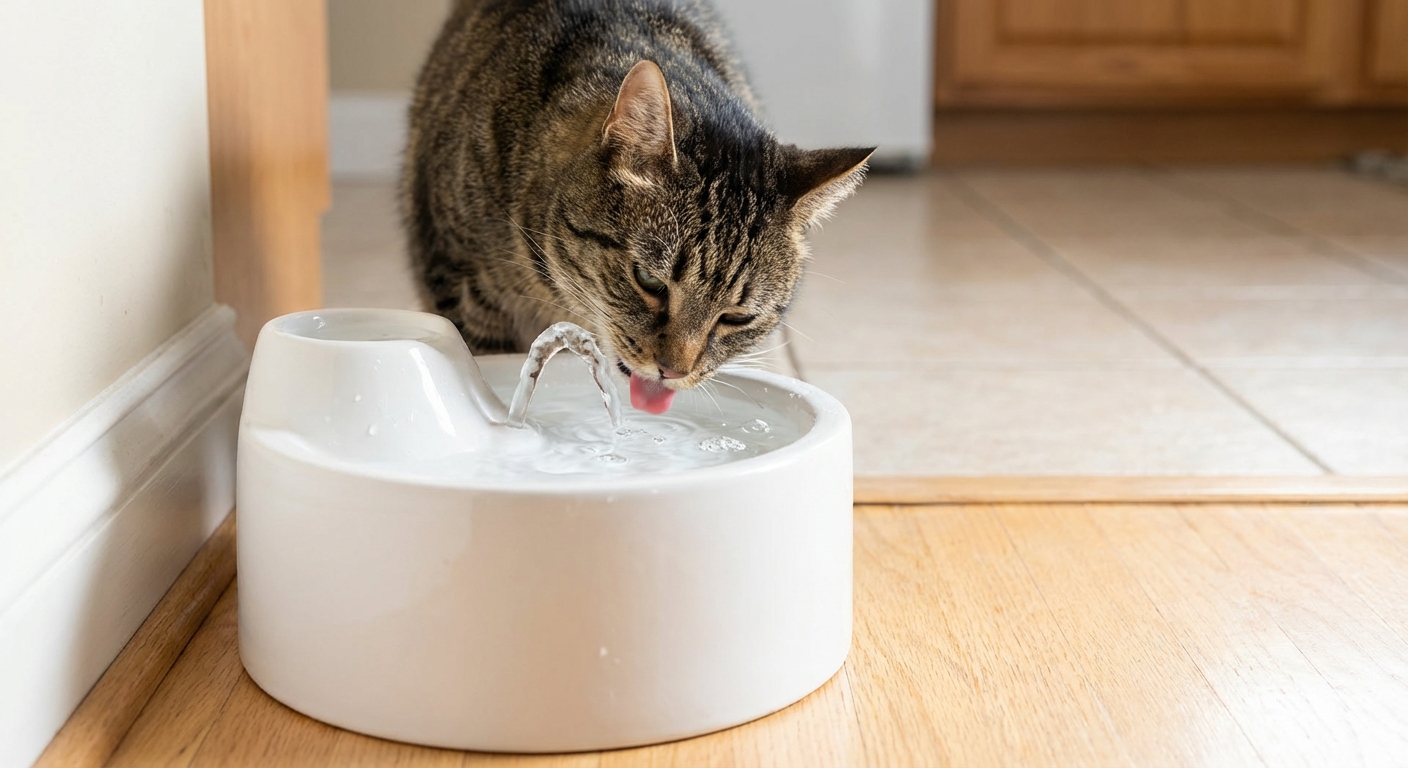
- Try a pet water fountain or extra water bowls in quiet areas.
2) Add fiber carefully
Some cats benefit from fiber, but too much can worsen things in certain cases, especially if there is dehydration, an obstruction concern, or megacolon. If constipation is recurring, talk with your veterinarian about the right approach.
- Plain canned pumpkin (not pie filling): many clinics suggest starting with a small amount mixed into food and adjusting based on response. Ask your veterinarian for a dose for your cat.
If your cat refuses pumpkin or gets gas, do not force it. There are veterinary fiber supplements that may work better.
3) Support movement and routine
- Encourage gentle play to stimulate gut motility.
- Keep litter boxes clean and easy to access.
- In multi-cat homes, aim for one box per cat plus one extra.
4) Hairball support when appropriate
If hair is a factor, regular brushing helps. Some cats benefit from vet-recommended hairball gels or diets, but chronic constipation should not be blamed on hairballs without a real plan and evaluation.
What not to do
- Do not give human laxatives unless your veterinarian specifically instructs you. Some are dangerous for cats.
- Do not give mineral oil by mouth. Aspiration risk is real and can cause serious lung injury.
- Do not give an enema at home. Certain enemas (especially sodium phosphate products) can be toxic to cats and may be fatal.
- Do not start OTC polyethylene glycol products (often sold as Miralax) without your veterinarian’s dosing instructions. It can be very helpful when used correctly, but the dose matters and not every constipated cat is a safe candidate.
What your veterinarian may do
Getting the right treatment depends on the cause and severity. Your vet may recommend:
Exam and history
Your vet will ask about stool frequency, diet (wet vs dry), water intake, vomiting, appetite, mobility, stressors, and medications.
Diagnostics
- Abdominal palpation to feel stool burden
- X-rays to assess stool load, colon size, and look for obstruction
- Bloodwork and urine testing to check dehydration, kidney function, electrolytes, and overall health
Treatment options
- Fluids (under the skin or IV) for dehydration
- Veterinary laxatives and stool softeners (often polyethylene glycol based products or lactulose, as directed)
- Prescription diets (higher moisture, specific fiber types)
- Enema performed safely in clinic when needed
- Sedation and manual deobstipation for severe cases
- Pain control if arthritis or pain is contributing
If constipation is recurring, the goal becomes prevention, not repeated crisis care.
Preventing constipation long-term
The best prevention plan is individualized, but these steps help many cats:
Prioritize hydration
- Feed more wet food or add water to meals
- Use fountains and multiple water stations
- Ask your vet if your cat may benefit from scheduled subcutaneous fluids (common in kidney disease cases)
Choose the right diet
Some cats do well with higher fiber. Others do better with a highly digestible, lower residue diet. If your cat has chronic constipation or megacolon, diet is not one-size-fits-all, so partner with your veterinarian.
Keep the litter box cat-friendly
- Scoop daily
- Offer easy-entry boxes for senior cats
- Provide calm, private locations
Manage weight and mobility
- Maintain a lean body condition to reduce constipation risk
- Talk with your vet about arthritis support if your cat is stiff or hesitant to jump
Quick litter box checklist
If you are trying to decide whether this is a “monitor at home” situation or a “contact your vet” situation, here is a simple checklist:
- Is your cat urinating normally? If not sure, seek care now.
- Is your cat eating and acting mostly normal? If no, contact your veterinarian.
- Any vomiting? Seek care if yes or if it repeats.
- Any stool produced in the last 24 to 48 hours? If none and straining, contact your veterinarian.
- Is the stool very hard, small, or painful to pass? Contact your veterinarian for guidance and prevention planning.
- Is your cat straining but passing soft stool or mucus? This can be colitis, not constipation, and it still deserves a call.
You are never “bothering” your vet by asking. Constipation can be simple, but it can also be a sign of something bigger, and catching it early is kinder to your cat and often less expensive for you.